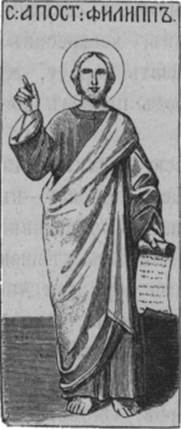
Св. ап. Филиппа не должно смешивать с другим ап. Филиппом, который принадлежит 70-ти, был первоначально диаконом (Деян.6:5), потом епископом; имел четырех дщерей, кои были пророчицы (Деян.21:8, 9); проповедовал Евангелие и творил чудеса в Самарии, крестил вельможу Ефиопской царицы Кандакии (Деян.8). Память Ап. Филиппа из 70-ти совершается в 11-й день октября. Филипп же, Апостол из 12-ти, родился в Галилейском городе Вифсаиде (дом ловцов), откуда произошли и Ап. Петр и Андрей; юность свою провел в изучении закона и пророков; особенно занимали его те места Писания, которые предсказывали скорое пришествие Мессии. Ревностный к свободе своего отечества, угнетаемого Римлянами, Филипп пламенно желал скорейшего явления обетовавшего Царя Израилева. Филипп провождал брачную жизнь, которая, по замечанию св. Златоуста, не препятствовала ему постоянно и внимательно размышлять об Утехе Израиля – обетованном Мессии (Ин.1:45), и имел у себя трех дочерей. Услышав о св. Иоанне Крестителе, о его строгой жизни и его проповеди, ревнитель благочестия – Филипп покинул отчизну и дом родительский и сделался одним из ближайших учеников Иоанновых. С восторгом узнал ее от св. Предтечи, что чаемый Мессия уже пришел.
St. Philip the Apostle must not be confused with the other Apostle Philip, who belongs to the Seventy, was originally a deacon (Acts 6:5), later a bishop; had four daughters who were prophetesses (Acts 21:8, 9); preached the Gospel and worked miracles in Samaria, and baptized a dignitary of Candace, queen of the Ethiopians (Acts 8). The memory of the Apostle Philip of the Seventy is celebrated on the 11th day of October. Philip, the Apostle of the Twelve, was born in the Galilean city of Bethsaida (house of fishermen), whence also came the Apostles Peter and Andrew; he spent his youth in the study of the Law and the Prophets; he was especially occupied with those passages of Scripture which foretold the speedy coming of the Messiah. Zealous for the freedom of his fatherland, oppressed by the Romans, Philip ardently desired the swift appearance of the promised King of Israel. Philip lived a married life, which, according to the observation of St. Chrysostom, did not hinder him from constantly and attentively meditating upon the Consolation of Israel—the promised Messiah (Jn. 1:45)—and he had three daughters. Hearing of St. John the Baptist, of his strict life and his preaching, this zealot of piety—Philip—left his homeland and his parental home and became one of the closest disciples of John. With rapture he learned from the holy Forerunner that the expected Messiah had already come.
В Апостольство призван был Филипп Самим Господом на другой день последования за Ним Петра и Андрея. Господь после крещения и сорокадневного поста в Иорданской пустыне, намереваясь идти из Иудеи в Галилею, встретился с Филиппом и сказал ему: гряди по Мне (Ин.1:43). Филипп безмолвно последовал за Господом, и с этой минуты сделался неотлучным последователем и ревностнейшим учеником Господа. По призвании своем Филипп тотчас привел к Иисусу Христу друга своего и, по мнению некоторых, прежнего своего учителя Нафанаила, который, увидев Спасителя, первый исповедал Его Сыном Божиим, Царем Израилевым (Ин.1:45–49). Спустя три дня после сего Филипп был на браке в Кане Галилейской, где сотвори начаток знамением Иисус и яви славу Свою: и вероваша в Него ученицы Его (Ин.2:2–11). Чрез год Спаситель из множества учеников Своих избрал Филиппа в число ближайших и неразлучных двенадцати Своих Апостолов (Мк.3:14–18). Желая напитать в пустыне более пяти тысяч человек пятью хлебами и двумя рыбами и явить Свое Божественное всемогущество, Господь спрашивал Филиппа, искушая его: чим купим хлебы, да ядят сии (Ин.6:5–7). По извещении Иисуса Христа Ап. Филиппом об Еллинах, желавших видеть Спасителя, Господь предрек о Своей крестной смерти, которая прославит Его и привлечет к Нему всех, и в знамение истины слов сих Бог Отец всенародным гласом Своим свидетельствовал: и прославих и паки прославлю (Ин.12:21–33). А по вопрошению Ап. Филиппа о Боге Отце: Господи, покажи нам Отца, и довлеет нам, Господь открыл, что Он есть единосущен Богу Отцу. Не веруеши ли, яко Аз во Отце и Отец во Мне есть? Веруйте Мне, яко Аз во Отце и Отец во Мне есть. Открыл также и о Св. Духе Утешителе, Которого Отец даст, и да будет с верующими в век; и ο любви единосущные Троицы к верующим: имеяй заповеди Моя и соблюдаяй их, той есть любяй Мя: а любяй Мя, возлюблен будет Отцем Моим: и Аз возлюблю его, и явлюся ему Сам (Ин.14:8–21).
Philip was called to the Apostleship by the Lord Himself on the day after Peter and Andrew began to follow Him. The Lord, after His baptism and forty-day fast in the wilderness of the Jordan, intending to go from Judea into Galilee, met Philip and said to him: Follow Me (Jn. 1:43). Philip silently followed the Lord, and from that moment became an inseparable follower and most zealous disciple of the Lord. Upon his calling, Philip immediately brought to Jesus Christ his friend and, according to some, his former teacher Nathanael, who, upon seeing the Savior, first confessed Him as the Son of God, the King of Israel (Jn. 1:45–49). Three days after this, Philip was at the wedding in Cana of Galilee, where Jesus did the beginning of miracles and manifested His glory: and His disciples believed in Him (Jn. 2:2–11). After a year, the Savior chose Philip from among the multitude of His disciples into the number of His closest and inseparable twelve Apostles (Mk. 3:14–18). Desiring to feed more than five thousand people in the wilderness with five loaves and two fish and to manifest His Divine omnipotence, the Lord asked Philip, testing him: Whence shall we buy bread, that these may eat? (Jn. 6:5–7). Upon the Apostle Philip informing Jesus Christ of the Greeks who wished to see the Savior, the Lord foretold His death on the Cross, which would glorify Him and draw all to Him, and as a sign of the truth of these words, God the Father testified with His public voice: I have both glorified it, and will glorify it again (Jn. 12:21–33). And upon the Apostle Philip’s question concerning God the Father: Lord, show us the Father, and it sufficeth us, the Lord revealed that He is consubstantial with God the Father. Believest thou not that I am in the Father, and the Father in Me? Believe Me that I am in the Father, and the Father in Me. He also revealed concerning the Holy Spirit the Comforter, Whom the Father will give, and He shall be with believers for ever; and concerning the love of the consubstantial Trinity for believers: He that hath My commandments and keepeth them, he it is that loveth Me: and he that loveth Me shall be loved of My Father: and I will love him, and will manifest Myself to him (Jn. 14:8–21).
По вознесении Иисуса Христа и по сошествии Св. Духа, Ап. Филипп проповедал Евангелие в странах Азии и Африки. Поприще своего служения Филипп начал на своей родине. Проповедуя в Галилее, он встретил однажды женщину, которая несла мертвого ребенка и неутешно плакала. Апостол Христов вспомнил Христову заповедь – воскрешать мертвых (Мф.10:8), сжалился над бедною матерью и воскресил ее дитя. Женщина со воем домом приняла св. крещение.
After the Ascension of Jesus Christ and the descent of the Holy Spirit, the Apostle Philip preached the Gospel in the lands of Asia and Africa. Philip began the field of his ministry in his homeland. Preaching in Galilee, he once met a woman who was carrying a dead child and weeping inconsolably. The Apostle of Christ remembered Christ’s commandment—to raise the dead (Mt. 10:8)—took pity on the poor mother and raised her child. The woman, together with her whole household, received holy Baptism.
Из Галилеи св. Филипп предпринял путешествие в Елладу. Проповедуя Евангелие и исцеляя больных, он в одном Ионийском городе воскресил еще мертвеца и сим чудом обратил ко Христу множество Еллинов. Крестив многих в городе и поставив Наркисса епископом, св. Филипп отправился в Парфию; благовествовал в Кандакийских городах Аравии. Из Аравии, может быть, св. Апостол Филипп путешествовал для проповеди Евангелия в Африку, о чем упоминается в церковной службе, составленной в IX веке св. Феофаном Никейским. В Африке Апостол Филипп обратил ко Христу жителей Ефиопии – нынешней Нубии. «Ефиопия ликовствует, – говорит Богомудрый песнотворец, – яко венцем красуема тобою, просветившися светло торжествует память твою, Богоглаголиве Филиппе». Морем Ап. Филипп отплыл к Азоту. Ночью поднялась страшная буря и грозила кораблю неминуемою гибелью: святой вооружился молитвою, и тогда в глубоком мраке показался на воздухе светозарный крест, рассеялась тьма, и буря утихла. Прибывши в Азот, святой Филипп обратил к вере дом Никоклида, исцелив дочь его Харитину от глазной болезни.
From Galilee, St. Philip undertook a journey to Hellas. Preaching the Gospel and healing the sick, in one Ionian city he raised another dead man, and by this miracle converted a multitude of Greeks to Christ. Having baptized many in the city and appointed Narcissus as bishop, St. Philip set out for Parthia; he preached the good news in the Candacean cities of Arabia. From Arabia, perhaps, St. Philip the Apostle journeyed to preach the Gospel in Africa, which is mentioned in the church service composed in the 9th century by St. Theophanes of Nicaea. In Africa, the Apostle Philip converted the inhabitants of Ethiopia—present-day Nubia—to Christ. “Ethiopia rejoices,” says the divinely-wise hymnographer, “as though adorned with a crown by thee, having been enlightened, she brightly celebrates thy memory, O God-speaker Philip.” By sea, the Apostle Philip sailed to Azotus. At night a terrible storm arose and threatened the ship with inevitable destruction: the saint armed himself with prayer, and then in the deep darkness a radiant cross appeared in the air, the darkness dispersed, and the storm subsided. Arriving in Azotus, St. Philip converted the household of Nicoclides to the faith, healing his daughter Charitina of an eye disease.
Из Азота благовестник Господень прибыл в Сирийский город Иераполь. Проповедуя здесь имя Христово безбоязненно, он подвергался опасности лишиться жизни, но, хранимый силою Божиею, вместо того обратил к вере сперва знаменитого гражданина Ира с домом и соседями, потом градоначальника Аристарха, наконец, воскресив Феофила от мертвых и заставив его рассказать народу, что он видел за гробом, – святой весь город привел ко Христу и поставил Ира епископом Иераполя.
From Azotus, the herald of the Lord arrived at the Syrian city of Hierapolis. Preaching the name of Christ fearlessly here, he was in danger of losing his life, but, preserved by the power of God, he instead converted to the faith first the illustrious citizen Irus with his household and neighbors, then the city ruler Aristarchus, and finally, having raised Theophilus from the dead and caused him to tell the people what he had seen beyond the grave—the saint brought the whole city to Christ and appointed Irus bishop of Hierapolis.
Прошед Сирию и всю верхнюю Азию, Апостол Филипп отправился в земли Мало-Азийския – в Лидию и Мизию, повсюду обращая заблудших к познанию Бога истинного. В Малой Азии св. Филипп имел утешение встретиться со св. Варфоломеем, и с этих пор два Апостола Христова, сопровождаемые еще сестрою Филиппа, девицею Мариамою, совокупно продолжали подвиги Апостольские и чудодейственные, служа спасению рода человеческого и вместе перенося многие от неверных напасти и скорби: «биеми, и в темницах затворяеми, и камением побиваеми».
Having traversed Syria and all Upper Asia, the Apostle Philip set out for the lands of Asia Minor—Lydia and Mysia—everywhere converting the erring to the knowledge of the true God. In Asia Minor, St. Philip had the consolation of meeting St. Bartholomew, and from that time on, the two Apostles of Christ, accompanied also by Philip’s sister, the virgin Mariamne, together continued their apostolic and wonderworking labors, serving the salvation of the human race and at the same time enduring many assaults and sorrows from the unbelievers: “beaten, and shut up in prisons, and stoned.”
В Малой Азии Господь послал Своим подвижникам новое утешение: они встретились с возлюбленным учеником Христовым, Иоанном Богословом, и все отправились во Фригию и прибыли в другой Иераполь, город Фригийский. Ha основании древних преданий, церковный историк Никифор Каллист Ксанфоиул повествует следующее об Апостольских подвигах Ап. Филиппа: «Филипп вместе с ап. Варфоломеем получил в удел, для озарения светом Евангельского учения, Сирию и Верхнюю Азию. Положивши основание веры во Иисуса Христа во всех городах, принадлежавших к сим областям, они построили здесь храмы, рукоположили пресвитеров и епископов. Филипп же, прошед все города Азийские, прибыл в Иераполь Фригийский, город богатый и знаменитый и совершенно соответствующий своему имени. Жители этого города столько преданы были идолопоклонству, что даже, заключив в капище некоторую ехидну, нечистую, ядоносную и кровожадную, чтили ее со всем великолепием и торжественностию, подобающими Божеству, и приносили ей жертвы. Но лишь только прибыл в этот город Апостол с сестрою своею Мариамою, которая, дав обет девства, сопровождала брата своего в его Апостольских странствованиях, в нем тотчас прекратилось служение идолам, попрана сила и гордость обитавших в них демонов. Боготворимая жителями Иераполя ехидна изгнана была из своего обыкновенного жилища и исчезла, как бы от горящего пламени; чтившие ее покрылись стыдом и досадою».
In Asia Minor, the Lord sent a new consolation to His ascetics: they met the beloved disciple of Christ, John the Theologian, and all set out for Phrygia and arrived at another Hierapolis, a city of Phrygia. On the basis of ancient traditions, the church historian Nicephorus Callistus Xanthopoulos relates the following concerning the apostolic labors of the Apostle Philip: “Philip together with the Apostle Bartholomew received as their lot, for the illumination of the light of the Gospel teaching, Syria and Upper Asia. Having laid the foundation of faith in Jesus Christ in all the cities belonging to these regions, they built churches there and ordained presbyters and bishops. Philip, having traversed all the cities of Asia, arrived at Hierapolis in Phrygia, a city rich and famous and fully corresponding to its name. The inhabitants of this city were so devoted to idolatry that they even kept a certain viper—unclean, venomous, and bloodthirsty—shut up in a temple, honored it with all the splendor and solemnity due to a deity, and offered sacrifices to it. But no sooner had the Apostle arrived in this city with his sister Mariamne, who, having taken a vow of virginity, accompanied her brother in his apostolic wanderings, than the service to idols immediately ceased, and the power and pride of the demons dwelling in them were trampled down. The viper worshipped by the inhabitants of Hierapolis was driven from its usual dwelling and vanished, as if from a burning flame; those who honored it were covered with shame and vexation.”
В Иераполе был известный всему городу сорокалетний слепец Стахий. Апостолы Христовы даровали ему зрение; Стахий крестился. Чудо, совершенное над ним, привлекло к Апостолам множество других недужных; Апостолы всех исцеляли и вместе учили. Оттого множество народа уверовало во Христа, и между прочими жена градоначальника Никанора. Укушенная змеею и находясь при смерти, она, в отсутствие мужа, велела нести себя в дом Стахиев к Апостолам. Получив исцеление, она приняла от них и веру Христову. Когда Никанор возвратился, слуги донесли ему, что жена его сделалась христианкою, быв научена некоторыми пришельцами, обитающими в доме Стахия. Разгневанный идолопоклонник приказал сжечь дом Стахиев, а Апостолов схватить. Влачимые по улицам, терпя побои и ругательства, благовестники спасения брошены в темницу; потом приведены были в суд. Жрецы горько жаловались на опустошение идольских капищ, произведенное Апостолами обращением язычников ко Христу. По сей причине правитель Иерапольский осудил Филиппа и Варфоломея на распятие. Святому Филиппу провертели ноги и, распяв на кресте головою вниз, повесили высоко на древе, против капища ехиднина. Варфоломея в прямом положении распяли на дереве. Святые страдальцы, преданные мучениям, молились Богу, и внезапно на значительное расстояние разверзлась земля и поглотила множество народа, отчего весь город пришел в величайший ужас и смятение. Увидев явную погибель, все оставшиеся невредимыми сочли это бедствие небесным гневом и Божиим наказанием за поношения и муки, которые они причинили святым служителям Христовым, и немедленно приняли веру во Христа Иисуса. Тогда св. Варфоломей снят был с древа казни, и предал погребению св. Филиппа, бестрепетно и мужественно окончившего в мучениях свою жизнь. Св. Филипп скончался в глубокой старости: св. Поликарп, епископ Смирнский, обратившийся в христианство не ранее 80 года по Рождестве Христове, по свидетельству Евсевия, основанному на словах св. Поликрата, был учеником Апостола Филиппа; он скончался около 98 года по Рождестве Христове. Евсевий, упоминая о месте погребения св. Апостола Филиппа, говорит: «в Азии погребен великий началовождь, имеющий воскреснуть в последний день». По словам св. Златоуста, христиане, жители города Иераполя, приписывали благоденствие свое непрестанным чудесам, совершавшимся силою мощей св. Апостола Филиппа. Феодорит в своей истории пишет, что в 394 году св. Евангелист Иоанн Богослов и св. Апостол Филипп явились в белых одеждах благочестивому императору Феодосию I утром того дня, в который он должен был сразиться с войсками тирана Евгения, и обещали ему победу над врагом. В IX веке Феофан и Византий написали некоторые хвалебные песни св. Апостолу Филиппу, поемые ныне православною Церковию в день, посвященный памяти сего Апостола.
In Hierapolis there was a forty-year-old blind man named Stachys, known to the whole city. The Apostles of Christ granted him sight; Stachys was baptized. The miracle performed upon him drew many other infirm persons to the Apostles; the Apostles healed all and taught them at the same time. Therefore a multitude of people believed in Christ, among them the wife of the city governor Nicanor. Having been bitten by a serpent and being at the point of death, she, in the absence of her husband, ordered herself to be carried to the house of Stachys to the Apostles. Having received healing, she also accepted from them the faith of Christ. When Nicanor returned, his servants reported to him that his wife had become a Christian, having been taught by certain strangers dwelling in the house of Stachys. Enraged, the idolater ordered the house of Stachys to be burned and the Apostles to be seized. Dragged through the streets, suffering blows and insults, the heralds of salvation were thrown into prison; afterwards they were brought to trial. The priests bitterly complained about the desolation of the idol temples, which the Apostles had caused by converting the pagans to Christ. For this reason the ruler of Hierapolis condemned Philip and Bartholomew to crucifixion. They bored holes through the feet of St. Philip and, having crucified him head downwards, hung him high on a tree, opposite the temple of the viper. Bartholomew was crucified in an upright position on a tree. The holy sufferers, given over to torments, prayed to God, and suddenly the earth opened up for a considerable distance and swallowed a multitude of people, so that the whole city was seized with the greatest terror and confusion. Seeing manifest destruction, all who remained unharmed considered this calamity to be heavenly wrath and God’s punishment for the insults and torments they had inflicted upon the holy servants of Christ, and immediately they accepted faith in Christ Jesus. Then St. Bartholomew was taken down from the tree of execution and gave burial to St. Philip, who had ended his life fearlessly and courageously in torments. St. Philip reposed at a great old age: St. Polycarp, Bishop of Smyrna, who converted to Christianity no earlier than the year 80 A.D., according to the testimony of Eusebius, based on the words of St. Polycrates, was a disciple of the Apostle Philip; he reposed around the year 98 A.D. Eusebius, mentioning the place of burial of St. Philip the Apostle, says: “In Asia is buried the great leader, who is to rise again on the last day.” According to the words of St. Chrysostom, the Christians, inhabitants of the city of Hierapolis, attributed their prosperity to the unceasing miracles performed by the power of the relics of St. Philip the Apostle. Theodoret in his history writes that in the year 394 St. John the Theologian the Evangelist and St. Philip the Apostle appeared in white robes to the pious Emperor Theodosius I on the morning of the day on which he was to do battle with the troops of the tyrant Eugenius, and promised him victory over the enemy. In the ninth century, Theophanes and Byzantius composed certain hymns of praise to St. Philip the Apostle, which are now sung by the Orthodox Church on the day dedicated to the memory of this Apostle.
Прославляя Апостола Филиппа, Церковь называет его учеником, другом Господа и подражателем страданий Его. Паримии в день Апостола Филиппа произносятся те же, какие и в день св. Апостола Андрея Первозванного; Евангелие на утрени то же, какое и в день Апостола Петра и Павла. Чтение Апостола на литургии то же, какое и в день св. Апостола Андрея Первозванного; а чтением Евангелия Церковь благовествует о призывании св. Апостола Филиппа (Ин.1:43–51).
Glorifying the Apostle Philip, the Church calls him a disciple, a friend of the Lord, and an imitator of His sufferings. The paroemiae on the day of the Apostle Philip are the same as those on the day of St. Andrew the First-Called; the Gospel at Matins is the same as that on the day of the Apostles Peter and Paul. The reading of the Epistle at the Divine Liturgy is the same as that on the day of St. Andrew the First-Called; and by the reading of the Gospel the Church proclaims the calling of St. Philip the Apostle (Jn. 1:43–51).
Около 560 года мощи св. Филиппа перенесены в Рим и положены во храме, посвященном Апостолам Иакову и Филиппу, память же сего последнего празднуется Римскою Церковию 1-го мая. Одна рука св. Апостола, оставшаяся в Царьграде, 4-го марта 1204 года перенесена была во Флоренцию; Греческий император Мануил Комнен даровал ее, как святой и драгоценный залог, племяннице своей Марии, когда в 1167 году выдавал ее в замужество за Иерусалимского короля Амория, брата и преемника Балдуина III, из дому Анжуйского.
Around the year 560, the relics of St. Philip were translated to Rome and placed in a church dedicated to the Apostles James and Philip, while the memory of the latter is celebrated by the Roman Church on the 1st of May. One hand of the holy Apostle, which remained in Constantinople, was translated to Florence on the 4th of March, 1204; the Greek Emperor Manuel Comnenus granted it, as a holy and precious pledge, to his niece Maria when in 1167 he gave her in marriage to Amalric, King of Jerusalem, brother and successor of Baldwin III, of the House of Anjou.
Святитель Григорий, живший в ΧΙV веке, родился в Константинополе от благородных и благочестивых родителей. 20-ти лет оставив мир, он принял иночество в одной из обителей Афонских. Проводя жизнь весьма благочестивую, он сподобился откровений Божественных и имел от Бога дары исцеления. Возведенный в сан священства, св. Григорий, совершая тайны Божии, приводил предстоящих при его священнодействии в умиление и слезы. Современники, удивляясь добродетельному житию Григория, нарицали его Богоносцем. Особенно великую услугу Церкви оказал Григорий обличением лжеучителей, отвергавших православное учение о духовном благодатном свете, осиявающем внутреннего человека и иногда открывающемся видимо, как на Фаворе, и в лице Моисея после собеседования его с Богом на Синае (Исх.34:29–30, 35); таковы лжеучители были Варлаам, монах Калабрийский, и Акиндин. Варлаам и его последователи, думая, что свет, виденный на Фаворе, есть творение, а не свет присносущный, как говорит Церковь, утверждали, что никакою молитвою нельзя достигнуть внешнего осияния небесным светом; что общая Отцу, Сыну и Святому Духу благодать и свет будущего века, коим праведники просветятся яко солнце, как это предпоказал Христос, просияв на горе, и что вообще всякая сила и всякое действие Триипостасного Божества относятся к кругу сотворенного, и таким образом нечестиво рассекали одно и то же Божество на созданное и несозданное, а тех, кои сей Божественный свет и всякую силу, всякое действие с благоговением признают несозданным, называют двоебожниками и многобожниками. Считая же заблуждением веру Афонских пустынников в созерцание света Божия телесными очами и приготовление к тому чувственным образом, Варлаам принес на них письменную жалобу Константинопольскому патриарху Иоанну XIV Калекасу (1341–1347). Посему для утверждения православия созван был в 1341 году в Софийском Константинопольском храме, под председательством патриарха, собор из многих епископов, на котором Палама своими огнедохновенными словами так обличил заблуждение Варлаама, что посрамленный лжеучитель удалился в Италию, оставив, впрочем, после себя плевелы своего лжеучения, которые после него рассевал и возращал инок Акиндин. Против Акиндина в Константинополе собрали новый собор, на коем ревностный защитник православия – св. Григорий еще более обнаружил заблуждение Варлаама и Акиндина, защищая учение о Божественном свете.
Hierarch Gregory, who lived in the fourteenth century, was born in Constantinople of noble and pious parents. At the age of twenty, having left the world, he received monastic tonsure in one of the monasteries of Mount Athos. Leading a very pious life, he was vouchsafed divine revelations and had from God gifts of healing. Raised to the rank of the priesthood, St. Gregory, while celebrating the divine mysteries, moved those present at his sacred service to compunction and tears. Contemporaries, marveling at the virtuous life of Gregory, called him God-bearer. Gregory rendered a particularly great service to the Church by refuting false teachers who rejected the Orthodox teaching concerning the spiritual grace-filled light which illumines the inner man and sometimes reveals itself visibly, as on Tabor, and on the face of Moses after his converse with God on Sinai (Ex. 34:29–30, 35); such false teachers were Barlaam, a monk of Calabria, and Akindynos. Barlaam and his followers, thinking that the light seen on Tabor was a creation, and not the unoriginate light, as the Church says, asserted that by no prayer could one attain to an external illumination by the heavenly light; that the grace common to the Father, Son and Holy Spirit, and the light of the future age, by which the righteous shall shine like the sun, as Christ prefigured when He shone on the mountain, and that in general every power and every energy of the Tri-hypostatic Godhead belongs to the realm of the created, and thus impiously divided the one and the same Godhead into created and uncreated, and those who with reverence acknowledge this divine light and every power, every energy, as uncreated, they called ditheists and polytheists. Considering also as a delusion the faith of the Athonite hermits in the contemplation of the light of God with bodily eyes and the preparation for this by sensible means, Barlaam brought a written complaint against them to the Patriarch of Constantinople, John XIV Kalekas (1341–1347). Therefore, for the confirmation of Orthodoxy, a council was convened in 1341 in the Church of Hagia Sophia in Constantinople, under the presidency of the patriarch, consisting of many bishops, at which Palamas, with his fire-breathing words, so refuted the error of Barlaam that the put-to-shame false teacher withdrew to Italy, leaving, however, after himself the tares of his false teaching, which after him the monk Akindynos sowed and nurtured. Against Akindynos a new council was gathered in Constantinople, at which the zealous defender of Orthodoxy—St. Gregory—still more exposed the error of Barlaam and Akindynos, defending the teaching concerning the divine light.
«Напыщенные мирскою и тщетною мудростию, говорил святитель, и не внимающие мужам опытным в духовном учении, когда слышат о свете, осиявшем Господа на горе Преображения и виденном Апостолами, думают видеть в нем нечто чувственное и сотворенное; почему и сей невещественный, незаходимый и вечный свет, превышающий не только чувства, но и всякий ум, низводят до чувственного и сотворенного света, хотя и Сам просиявший светом на Фаворе ясно показал, что этот свет не сотворен, назвавши его Царством Божиим (Мф.16:28). Царство же Божие ужели есть что-либо сотворенное и служебное? Неужели Господь восприял на горе какой-то иной свет, которого дотоле не имел? – Да удалится от нас сие хуление; потому что кто думает так, тот должен признать во Христе три естества, т. е. Божеское, человеческое и оного света. Итак, веруем, что Он явил в преображении не другой какой-либо свет, но только тот, который скрыт был у Него под завесою плоти: сей же свет был – свет Божеского естества, поэтому и не сотворенный, Божественный. Так и по учению Богословствующих отцов, Иисус Христос преобразился на горе, не восприявши что-либо и не изменившись во что-либо новое, чего дотоле не имел, но показавши ученикам Своим только то, что у Него уже было. Да и для чего Господь пред началом преображения избирает главнейших из лика Апостольского и возводит их отдельно на гору? Конечно, для того, чтобы показать им нечто великое и таинственное. Что же особенно важного и таинственного в показании чувственного света, который обильно имели уже до того не только избранные, но и остальные Апостолы? Как можно славу и Царство Отца и Духа Святого поставлять в каком-то чувственном свете? Ужели в подобной славе и царстве приидет Христос и в скончание века, когда не будет нужды ни в свете, ни в воздухе, ни в пространстве, ни в чем-либо подобном, но когда, по свидетельству Апостола, Бог будет всяческая во всех (1Кор.15:28), т. е. будет заменят все для всех? Если же все, то следовательно и свет. Ясно из этого, что свет Фаворский был свет Божества. И Евангелист Иоанн, наученный Божественным откровением, ясно говорит, что будущий вечный и пребывающий град не будет требуя солнца и луны, да светят в нем: слава бо Божия просвети его и светильник его Агнец (Апок.21:23). Не Того же ли Иисуса показывает он ясно здесь, Который ныне на Фаворе божественно преобразился и Которого плоть сияла, как светильник? Равным образом и о обитателях того града Богослов говорит: не потребуют света от светильнта, ни света солнечнаго, яко Господ Бог просвещает я, и нощи не будет тамо (Апок.22:5). Но какой же есть другой свет, у которого несть пременения или преложения стень (Иак.1:17)? Какой есть свет непреложный и незаходимый, как не свет Божества?»
“Puffed up with worldly and vain wisdom,” said the hierarch, “and not heeding men experienced in spiritual teaching, when they hear of the light that shone upon the Lord on the Mount of Transfiguration and was seen by the Apostles, they think to see in it something sensible and created; wherefore they also reduce this immaterial, unwaning and eternal light, which surpasses not only the senses but also every intellect, to a sensible and created light, although He Himself who shone with light on Tabor clearly showed that this light is not created, having called it the Kingdom of God (Mt. 16:28). Is the Kingdom of God, then, something created and servile? Did the Lord receive on the mountain some other light which He did not previously possess?—Let this blasphemy be far from us; for whoever thinks thus must acknowledge in Christ three natures, i.e., the divine, the human, and that of the light. Therefore we believe that He manifested in the Transfiguration not some other light, but only that which was hidden in Him under the veil of the flesh: this light was the light of the divine nature, therefore also uncreated, divine. Thus also, according to the teaching of the theologizing Fathers, Jesus Christ was transfigured on the mountain, not having received something or changed into something new which He did not previously possess, but having shown to His disciples only that which He already had. And why did the Lord, before the beginning of the Transfiguration, choose the foremost from among the Apostolic company and lead them up separately onto the mountain? Surely, in order to show them something great and mysterious. What, then, is so especially important and mysterious in the showing of a sensible light, which not only the chosen but also the remaining Apostles already had abundantly before that? How can one place the glory and Kingdom of the Father and the Holy Spirit in some sensible light? Will Christ come in such glory and kingdom at the end of the age, when there will be no need of light, nor air, nor space, nor anything of the sort, but when, according to the testimony of the Apostle, God will be all in all (1 Cor. 15:28), i.e., will replace everything for all? If everything, then consequently also light. It is clear from this that the Taboric light was the light of the Godhead. And the Evangelist John, taught by divine revelation, clearly says that the future eternal and abiding city has no need of the sun or moon to shine in it, for the glory of God illumined it, and its lamp is the Lamb (Rev. 21:23). Does he not clearly show here the same Jesus, Who now on Tabor was divinely transfigured and Whose flesh shone like a lamp? Likewise, concerning the inhabitants of that city, the Theologian says: they will not need the light of a lamp nor the light of the sun, for the Lord God will illumine them, and there will be no night there (Rev. 22:5). But what other light is there, with whom there is no variation or shadow of turning (Jas. 1:17)? What light is unchangeable and unwaning, if not the light of the Godhead?”
За св. ревность в утверждению учения Православной Церкви св. Григорий от священного собора и императора убежден был принять рукоположение во архиепископа Фессалоникийского, и около тридцати лет пас Солунскую Церковь. Вскоре по преставлении его, он за свою святость прославлен был Церковию. В ΧΙV же веке, в котором он жил и преставился, Константинопольский патриарх Филофей (1362–1365) изложил житие его и последование церковной службы в память его.
For his holy zeal in establishing the teaching of the Orthodox Church, St. Gregory was persuaded by the sacred Council and the emperor to accept ordination as Archbishop of Thessalonica, and for about thirty years he shepherded the Church of Thessalonica. Shortly after his repose, he was glorified by the Church for his holiness. In the fourteenth century, in which he lived and reposed, the Patriarch of Constantinople Philotheus (1362–1365) composed his Life and the order of church services in his memory.
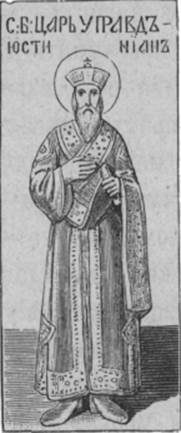
И в Константинопольском месяцеслове и в Славянском прологе в 14 день ноября чтится память о благоверном царе Юстиниане233.
Both in the Constantinopolitan Menologion and in the Slavonic Prologue, on the 14th day of November the memory of the Right-believing Emperor Justinian is honored233.
Славный император Греческой империи был чистый Славянин, и по отцу и по матери. Сын Истока и Бегленицы, Управда родился близ Средца (Софии) в поселении Ведряне, Славянском по самому названию. Возвысился он при покровительстве дяди своего импер. Юстина. Последний сам был земледельцем поселения Ведряны и пешком, с одним тулупом на плечах, пришел в Константинополь; впоследствии перевел он сюда жену свою сестру ее Бегленицу, мать Управды, и племянницуБегленицу234. Ясно что Управда – не только Славянин, но и потомок Славян – старожилов Фракии и Иллирии, которых однако считали явившимися во Фракии только в VII веке235.
The glorious emperor of the Greek Empire was a pure Slav, both by father and by mother. The son of Istok and Beglenitsa, Upravda was born near Sredets (Sofia), in the settlement of Vedryane, Slavonic by its very name. He was raised under the patronage of his uncle, the Emperor Justin. The latter was himself a farmer of the settlement of Vedryane and came to Constantinople on foot, with a single sheepskin coat on his shoulders; afterwards he brought here his wife, her sister Beglenitsa, the mother of Upravda, and his niece Beglenitsa234. It is clear that Upravda was not only a Slav, but also a descendant of the Slavs—the long-time inhabitants of Thrace and Illyria—whom, however, some regarded as having appeared in Thrace only in the seventh century235.
После дяди императора Управда, «принявший имя Юстиниана», имя правительственного Латинского языка, возведен был на императорский престол. Славянский император Византии, любовию к правде, сочувствием к человечеству, пробудил стихии мысли и жизни, уже засыпавшие в государстве. Без уважения нельзя вспомнить о государе, который потребовал от задунайских дикарей – не оскоплять пленных и для выполнения этой одной мысли начал войну. Это то же, что требование, предъявленное Карфагену, не приносить человеческих жертв. Христианская империя Востока при Управде прославилась победами. Персия энергически удержана в ее пределах; Африка вырвана у Вандалов, Италия – у Вест-готов. Но кто были лучшие полководцы Юстиниана? откуда набирались лучшие войска его? Лучшие полководцы – Славяне, а лучшие войска – войска Славянских племен. Победитель Готов и Персов Величар родился в Дардании, откуда вышел и императорский дом и где проповедовал св. веру святитель Никита236. Конницу Величара составляли «Славяне и Анты», говорит Прокопий. Отдельным конным корпусом, в войне с Персами, начальствовали Доброгост и Всегорд, «оба варвара, говорит гордый Грек, но вожди Римских полков». В войне с Готфами-Немцами военные начальники у Величара Кутило Фракисц, Гудило Фракиец, предводитель Иллиров, Фракийцы – Баба и брат Бузы, Ванила. На Дунае оберегал империю Хвалибуд, приближенный человек, отличный воин», которого император в 530 г. сделал главнокомандующим Фракии. «Хвалибуд нагнал такой страх на Гуннов, что они более не смели преступать Дуная», тогда как прежде того Гунны и Славяне едва не каждый год вторгались с опустошением237. Сам Управда писал: это дело признанное, что если кто назовет только Фракию, то тотчас соединяется с словом мысль и о мужестве, и о массах воинов, и о храброй отваге. Всему этому родина – страна та238.
After his uncle the emperor, Upravda, "who took the name Justinian," the name of the official Latin language, was raised to the imperial throne. The Slavonic emperor of Byzantium, by his love of truth and his sympathy for humanity, awakened the elements of thought and life that were already falling asleep in the state. One cannot recall without respect a sovereign who demanded of the savages beyond the Danube that they not castrate captives, and who began a war for the sake of carrying out this single thought. This is the same as the demand presented to Carthage, not to offer human sacrifices. The Christian Empire of the East under Upravda was glorified by victories. Persia was energetically held within its borders; Africa was wrested from the Vandals, Italy from the Visigoths. But who were Justinian's best commanders? From where were his best troops recruited? The best commanders were Slavs, and the best troops were the troops of the Slavonic tribes. The conqueror of the Goths and Persians, Velichar, was born in Dardania, whence also came the imperial house and where St. Nicetas the Hierarch preached the holy faith236. Velichar's cavalry was composed of "Slavs and Antes," says Procopius. A separate cavalry corps in the war with the Persians was commanded by Dobrogost and Vsegord, "both barbarians," says the proud Greek, "but leaders of Roman regiments." In the war with the Goths-Germans, Velichar's military commanders were Kutilo the Thracian, Gudilo the Thracian, the leader of the Illyrians, the Thracians Baba and the brother of Buza, Vanila. On the Danube, the empire was guarded by Chvalibud, "a close associate, an excellent warrior," whom the emperor in 530 made commander-in-chief of Thrace. "Chvalibud struck such fear into the Huns that they no longer dared to cross the Danube," whereas before that the Huns and Slavs almost every year invaded with devastation237. Upravda himself wrote: "It is an acknowledged fact that if one only names Thrace, the thought of courage, of masses of warriors, and of brave daring is immediately joined to the word. The homeland of all this is that land"238.
Полное собрание Римских гражданских законов, лучший памятник древнего образованного мира, составлено было под надзором Управды. – Так спасена была для поздних времен праводатная мудрость Рима, иногда и вредная для новых народов, но чаще полезная уроками отчетливой опытности.
The complete collection of Roman civil laws, the finest monument of the ancient civilized world, was compiled under the supervision of Upravda. — Thus the law-giving wisdom of Rome was preserved for later times, sometimes harmful to new peoples, but more often useful by the lessons of its precise experience.
Император дорожил христианскою верою, понимая высоту и благотворность ее. Он то подвергал строгому преследованию язычество и особенно в аристократах ума и власти, то привлекал язычников к св. вере благодеяниями любви239. Потому не сомневаемся, что он старался как об укреплении чистой веры между Славянами, жившими в империи, так и о приведении ко Христу тех, которые решались жить в империи. Три предводителя Славянских дружин, воевавших с империею, назывались Андрагость, Арсагисть, Пирогость, т. е. соединяли с Славянским гостем христианские имена: Андрей, Арсений, Петр240. Постановление собора 691 г. строго подтверждает не праздновать коляды (Calenda vota) и русальев (brumalia) – праздников Славян язычников241. Управда оставил особое установление для Славянских церквей. В 131 новелле он говорил: «епископу первой Юстинианы, родины нашей, быть независимым (αὐτοκέφαλος) И рукополагать епископов Дакий, прибрежной и серединной, верхней Мизии и части другой Паннонии, где находится Rasciensis civitas = город Расция»242.
The emperor treasured the Christian faith, understanding its height and beneficence. At times he subjected paganism to strict persecution, especially among the aristocrats of intellect and power; at times he attracted pagans to the holy faith by the benefactions of love239. Therefore we do not doubt that he strove both to strengthen the pure faith among the Slavs living in the empire, and to bring to Christ those who resolved to live in the empire. Three leaders of Slavonic companies that fought against the empire were called Andragost, Arsagist, Pirogost, that is, they combined with the Slavonic gost Christian names: Andrew, Arsenius, Peter240. The decree of the Council of 691 strictly confirms that one must not celebrate Kolyada (Calenda vota) and Rusalia (brumalia)—the feasts of the pagan Slavs241. Upravda left a special institution for the Slavonic churches. In his 131st Novella he said: "The bishop of First Justiniana, our homeland, is to be independent (αὐτοκέφαλος) and to ordain the bishops of Dacia, Coastal and Inland, Upper Moesia, and part of the other Pannonia, where the Rasciensis civitas = the city of Rascia is located"242.
Им построено было так много прекрасных храмов в честь Божией Матери, Апостолов, мучеников и других святых, что можно думать, говорит историк, будто он всю жизнь свою только одним и занимался, постройкою храмов243. Самые знаменитые постройки его – монастырь с храмом на Синае244 и храм Софии в Цареграде. – Софийский храм, построенный св. Константином, сожжен был во время бунта при Управде. Юстиниан собрал лучших строителей, не щадил никаких издержек на дорогие материалы и создал храм на удивление векам как по размерам храма, так и по богатству и художественному достоинству. Средина здания – четыре столба, расположенные на равных друг от друга расстояниях; столбы из огромных камней, полированных на лицевой стороне. Они соединены арками; над северною и южною арками колоннада, а сверху ее высокое отверстие для света. Купол в поперечнике тринадцати саженей; длина храма – 40 саженей, ширина 36 саженей. Колонны внутренних галерей – мрамор, порфир и серпентин. Алтарь отделялся 12 серебряными колоннами, поставленными попарно, с золотыми капителями. На колоннах висели иконы Спасителя, Богоматери, Апостолов. Четыре стороны престола – золотые доски; верхняя, опиравшаяся на золотых колоннах, слита была из золота, с примесью драгоценных камней. Над престолом серебряная сень. На украшение главного алтаря употреблено 1000 пудов серебра245. Как велик этот храм, можно судить и по числу служителей, назначенных для него Юстинианом. «В великой святой церкви, писал он, должно быть пресвитеров не более 60, диаконов 100, диаконисс 40, поддиаконов 90, чтецов 110, певцов 25; а все число почтенных клириков святой великой церкви должно быть 425 и кроме того 100 придверников»246.
By him were built so many beautiful churches in honor of the Mother of God, the Apostles, the martyrs, and other saints, that one might think, says the historian, that his whole life was occupied with nothing else but the building of churches243. His most famous constructions are the monastery with its church on Sinai244 and the Church of Hagia Sophia in Constantinople. — The Church of Hagia Sophia, built by St. Constantine, was burned during a riot under Upravda. Justinian gathered the best builders, spared no expense on costly materials, and created a church the wonder of the ages, both in the size of the church and in the richness and artistic merit. The middle of the building is four pillars placed at equal distances from one another; the pillars are of enormous stones, polished on their faces. They are joined by arches; above the northern and southern arches is a colonnade, and above it a high opening for light. The dome is thirteen sazhens in diameter; the length of the church is 40 sazhens, the width 36 sazhens. The columns of the inner galleries are of marble, porphyry, and serpentine. The altar was separated by 12 silver columns, placed in pairs, with golden capitals. On the columns hung icons of the Savior, the Mother of God, and the Apostles. The four sides of the altar table were of golden plates; the upper surface, resting on golden columns, was cast of gold, with an admixture of precious stones. Above the altar table was a silver canopy. For the adornment of the chief altar, 1000 poods of silver were used245. How great this church is can be judged also by the number of servants appointed for it by Justinian. "In the great holy church," he wrote, "there should be no more than 60 presbyters, 100 deacons, 40 deaconesses, 90 subdeacons, 110 readers, 25 singers; and the whole number of the venerable clergy of the holy great church should be 425, and besides them 100 doorkeepers"246.
Благоверный император ревностно заботился сохранять чистое учение христианское в Христовой Церкви. В 536 г. он издал повеление петь в великой церкви сочиненную им песнь: «Единородный Сыне и Слове Божий». И эта песнь повторяется всею Церковию доныне, как осуждение учению Нестория и Евтихия247. В 541 г. издан им указ на имя п. Мины против учения оригенистов. В 545 г. предложил он исповедание веры с осуждением 3 глав. – В 553 г. созван был Вселенский собор248.
The Right-believing emperor zealously took care to preserve the pure Christian teaching in the Church of Christ. In 536 he issued a command to sing in the Great Church the hymn composed by him: "O Only-begotten Son and Word of God." And this hymn is repeated by the whole Church to this day, as a condemnation of the teachings of Nestorius and Eutyches247. In 541 he issued a decree in the name of Patriarch Menas against the teaching of the Origenists. In 545 he proposed a confession of faith with the condemnation of the Three Chapters. — In 553 the Ecumenical Council was convened248.
Строго преследовал он распутство, столько обыкновенное на Востоке, не забывавшем язычества; пощады не бывало преступникам, как бы высоко они ни стояли249.
He strictly persecuted licentiousness, so common in the East, which had not forgotten paganism; there was no mercy for transgressors, however highly they stood249.
Благочестивый дар проводил великий пост в суровом воздержании и молитве, – не вкушал он хлеба, а довольствовался растениями и водою, и то чрез день и два. Скончался 14 ноября 565 г.251.
The pious emperor spent Great Lent in severe abstinence and prayer—he did not taste bread, but contented himself with plants and water, and that only every other day or every two days. He reposed on November 14, 565251.
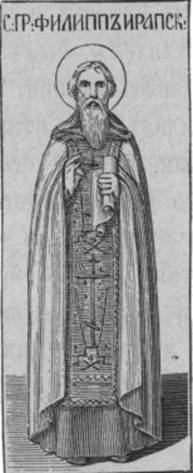
Вблизи Комельской обители, в селении монастырском, явился отрок Феофил и стал жить у боголюбивых людей, питаясь Христовым именем. Каждый день ходил он в церковь и усердно молился Богу. Его кротость, любовь к молитве, довольство малым изумляли поселян и они привели его к преп. Корнилию. Преподобный спросил: кто он и откуда? Мальчик заплакал, упал к ногам старца и от слез едва мог проговорить: «зовут меня Феофилом, но кто родители мои – не знаю. Я – сирота и скитаюсь, питаюсь тем, что подадут, Бога ради. Смилуйся надо мною, честный отче! прикажи мне остаться в обители и я буду трудиться здесь». Преподобный сжалился над ним и поручил его ризничему; Феофилу было тогда 12 лет. Спустя три года кроткий, послушливый и усердный к молитве Феофил пострижен был пр. Корнилием в монашество и назван Филиппом. Юный инок отдан был под руководство опытного инока Флавиана. По назначению игумена, Филипп трудился то в пекарне, то в кухне, носил дрова и воду, служил старшим, а ночью молился. Видя примерную жизнь Филиппа, братия просили Корнилия удостоить его сана священства, и усердный послушник стал иереем Божиим. Стремясь к высшим подвигам, блаженный Филипп решился искать себе уединенного места для подвигов. Так после пятнадцати лет, проведенных в обители Корнилиевой, отправился он странствовать по пустыням. Он прошел мимо Вологды в Спасокаменский монастырь, отселе пришел в Белозерскую сторону на р. Андогу и в волости Аидогской полюбил в бору место под развесистой сосной. У благочестивого кн. Андрея Шелешпанского, владельца тех мест, выпросил он себе полюбившееся местечко; благочестивый князь радовался тому, что в его имении поселился молитвенник, и после несчастной смерти брата своего отвел блаж. Филиппу землю между большим и малым Ирапом; это в 45 верстах от г. Череповца252. Здесь отшельник поставил себе на первый раз часовню в честь Св. Троицы и потом вместо землянки стал жить в келье. Спустя несколько времени, с помощию благоговейных людей и особенно св. Андрея, построил храм Св. Троицы. Усердные души приносили отшельнику все нужное для Богослужения, а он часто приносил бескровную жертву за спасение своих братий христиан. Много вытерпел он скорбей в пустыне, но твердо молился Господу. Раз пришел к нему благоговейный поселянин Мелетий и, после долгой беседы о душевном спасении, оставлен был ночевать. В полночь, проснувшись, стал он звать старца, но его не было в келии; посмотрев в окно, увидал он: старец стоит у церкви с воздетыми к небу руками, и руки его светились, как свечи. Мелетий рассказывал это потом многим. Так подвизался в пустыни пр. Филипп и приблизился к смерти. Когда стал он немощен ногами, так что не мог ходить в церковь, пришел к нему инок Герман, знавший его и прежде, и выпросил у св. старца дозволение жить с ним. Герман, во время разговоров, расспрашивал старца о прошлой жизни его и тайно записывал, что слышал. Немного времени спустя св. старец сказал ученику: «прошу любовь твою: когда увидишь меня мертвым, не оставь меня валяться на земле, – погреби меня; я дряхл; ныне с тобою, а завтра найдешь меня мертвым». Причастившись св. Таин, св. старец вечером почил мирно; ученик, совершив свое правило, застал уже его умершим. Необлеченный в сан священства Герман не знал, что ему делать. На рассвете вышел из келии, и вот идет к нему старец. Оказалось, что то был священноинок Свирский Иона, слышавший об отшельнике Ирапском и желавший видеться с ним. Св. тело старца погребено было у реки на месте, им самим предназначенном. Преп. Филипп скончался 14 ноября 1527 г., на 45 году от рождения. Вскоре после того на месте его подвигов устроилась обитель, которая назвалась Красноборскою, а по основателю Филипповою. Мощи преподобного почивают под спудом в каменном храме Св. Троицы. Над гробницею его стоит икона его, написанная иноком Феодосием, по видению. Феодосий долго страдал ногою, так что не мог выходить из келии. Он молился об исцелении Св. Троице, призывая в помощь преп. Филиппа. Преподобный, явясь ему во сне, велел написать икону его и осенил его крестным знамением. Пробудясь, Феодосий не чувствовал более никакой боли в ноге, и поручил иконописцу написать икону преподобного с древней иконы, присланной из Москвы княгинею Кривоборскою. Это было при царе Алексие Михаиловиче253.
Near the Komela monastery, in a monastic village, a boy named Theophilus appeared and began to live with God-loving people, nourished by the name of Christ. Every day he went to church and earnestly prayed to God. His meekness, love of prayer, and contentment with little amazed the villagers, and they brought him to the Venerable Cornelius. The Venerable One asked: who was he and whence did he come? The boy wept, fell at the feet of the elder, and through tears could scarcely say: "My name is Theophilus, but who my parents are I do not know. I am an orphan and wander about, feeding on whatever is given me for God's sake. Have mercy on me, honorable father! Bid me remain in the monastery, and I will labor here." The Venerable One took pity on him and entrusted him to the sacristan; Theophilus was then 12 years old. After three years, the meek, obedient, and prayerful Theophilus was tonsured into monasticism by the Venerable Cornelius and named Philip. The young monk was placed under the guidance of an experienced monk, Flavian. By the appointment of the abbot, Philip labored now in the bakery, now in the kitchen, carried firewood and water, served the elders, and prayed at night. Seeing Philip's exemplary life, the brethren asked Cornelius to deem him worthy of the priestly rank, and the zealous novice became a priest of God. Striving for higher labors, the blessed Philip resolved to seek for himself a solitary place for ascetic deeds. Thus, after fifteen years spent in the monastery of Cornelius, he set out to wander through the wildernesses. He passed by Vologda to the Spaso-Kamenny Monastery, from thence came to the Beloozero region on the River Andoga, and in the Andoga district he loved a place in the pine forest beneath a spreading pine tree. From the pious Prince Andrew Sheleshpansky, the owner of those places, he begged for himself the spot he had come to love; the pious prince rejoiced that a man of prayer had settled in his domain, and after the unfortunate death of his brother, he allotted to the blessed Philip land between the Greater and Lesser Irap; this is 45 versts from the city of Cherepovets252. Here the hermit first built for himself a chapel in honor of the Holy Trinity, and then, instead of an earthen dugout, began to live in a cell. After some time, with the help of God-fearing people and especially of St. Andrew, he built a church of the Holy Trinity. Zealous souls brought the hermit everything needed for Divine service, and he often offered the bloodless sacrifice for the salvation of his Christian brethren. Much sorrow did he endure in the wilderness, but he firmly prayed to the Lord. Once a God-fearing villager named Meletius came to him, and after a long conversation about the salvation of the soul, was left to spend the night. At midnight, waking up, he began to call the elder, but he was not in the cell; looking through the window, he saw: the elder was standing by the church with hands raised to heaven, and his hands shone like candles. Meletius told this afterward to many. Thus did the Venerable Philip struggle in the wilderness and draw near to death. When he became weak in his legs, so that he could not walk to church, a monk named German, who had known him before, came to him and begged permission from the holy elder to live with him. German, during their conversations, questioned the elder about his past life and secretly wrote down what he heard. A short time later, the holy elder said to his disciple: "I beg your love: when you see me dead, do not leave me lying upon the ground—bury me; I am feeble; today I am with you, and tomorrow you will find me dead." Having partaken of the Holy Mysteries, the holy elder reposed peacefully in the evening; the disciple, having completed his rule, found him already departed. German, not being ordained to the priesthood, did not know what to do. At dawn he went out of the cell, and behold, an elder comes to him. It turned out that this was the hieromonk Jonah of Svir, who had heard of the Irap hermit and wished to see him. The holy body of the elder was buried by the river at the place he himself had designated. The Venerable Philip reposed on 14 November 1527, in the 45th year of his birth. Soon after that, a monastery was established at the place of his labors, which was called Krasnoborsk, and after its founder, Philip's. The relics of the Venerable One rest under a bushel in the stone church of the Holy Trinity. Above his tomb stands his icon, painted by the monk Theodosius, according to a vision. Theodosius had long suffered from his leg, so that he could not leave his cell. He prayed for healing to the Holy Trinity, calling upon the Venerable Philip for help. The Venerable One, appearing to him in sleep, bade him paint his icon and signed him with the sign of the cross. Upon waking, Theodosius felt no more pain in his leg, and he commissioned an iconographer to paint the icon of the Venerable One from an ancient icon sent from Moscow by Princess Krivoborskaya. This was under Tsar Alexis Mikhailovich253.
Вершинского месяцеслов стр. 182. Спб. 1852 г. Поклонник святой горы стр. 336. В Греческих минеях назначалось еще 2 ч. августа днем «памяти об имп. Юстиниане», и именно «в храме св. Апостолов», который перестроен был Юстинианом и в котором похоронен был он.
Vershinsky's Menologion, p. 182. St. Petersburg, 1852. The Pilgrim of the Holy Mountain, p. 336. In the Greek Menaia there was also appointed August 2 as the day of "memory of the Emperor Justinian," and specifically "in the church of the Holy Apostles," which was rebuilt by Justinian and in which he was buried.
Прокопий dе bello Vandalico 2, 24, de aedificiis IV, 1. Лункари (Annal. ragusiani lib. 1, p. 1) прибавляет, что сестра Истока была за Селимиром королем Далматским и Сербским. Бегленица, сестра Управды, была в супружестве за Дульциссимом и ее сын Юстин был императором после дяди. О других родственниках Du-Cange, familiae byzant. p. 97–101. Кодин: «храм св. Прокопия, называемый Бегленицан, построен в Тавре Юстинианом; он построил и много дворцов с именем родной сестры своей Бегленицан. Эта церковь опустошена была огнем и ее воссоздала Антонина, супруга магистра Величара, носившая платье имп. Феодоры, по убеждению самой Бегленицы, с которою жила она по смерти мужа своего». De aedif. const. p. 108, ed. Beckeri.
Procopius, de bello Vandalico 2, 24; de aedificiis IV, 1. Luccari (Annal. ragusiani lib. 1, p. 1) adds that the sister of Istok was married to Selimir, king of Dalmatia and Serbia. Beglenitsa, the sister of Upravda, was married to Dulcissimus, and her son Justin was emperor after his uncle. On other relatives, Du-Cange, familiae byzant. p. 97–101. Codinus: "the church of St. Procopius, called Beglenitsan, was built in the Taurus by Justinian; he also built many palaces bearing the name of his own sister Beglenitsan. This church was devastated by fire, and it was rebuilt by Antonina, the wife of the magister Belisarius, who wore the dress of the Empress Theodora, at the persuasion of Beglenitsa herself, with whom she lived after the death of her husband." De aedif. const. p. 108, ed. Beckeri.
Энгели и прочие Немцы нагнали такую густую тьму на историю Славян, что и доселе еще не совладеют с этою тьмою. То авторитет Энглей, то смешение народности с политическим бытом народа все еще держат Славянистов до 7 в. на левом берегу Дуная; чуть-чуть заглянут раньше того за Дунай, как опять бегут к Кавказу, – Смешно и досадно! См., напр., как робко, как боязненно Шафарик делает заключения из истории Управды. Славян. древн. III, 257–261. И до чего доводило это Шафарика? в одном месте в Управде, его родне, его полководцах признает он Славян, а в другом (III, 393) пишет: «в средине треугольника (по Фракии и Иллирии) находились тогда (до 7 века) праотцы нынешних Валахов (по Шафарику Кельтов) и Албанцев, остатки древних обитателей Фракии и Иллирии». Ведь тут и противоречия себе самому и противоречие действительности осязаемой. Как в языке Фракийцев видны Славянские слова (Управда, Бегленица, Ведряна и пр.), так в языке Волохов доселе звучат Латинские слова, обличающие в Волохах колонистов Римских. Точно также в языке Албанцев, древних Скордисков, много слов Французских, или древних Галлов (Чертков о переселен. Фракийцев во времен. общ. ист. X, 79–81), тех самых, которых за полтора столетия до рожд. Хр. часть ушла в малую Азию и образовала там Галатию.
Engel and the other Germans have cast such a thick darkness upon the history of the Slavs that even to this day they cannot cope with that darkness. Now the authority of Engels, now the confusion of nationality with the political life of a people, still keeps the Slavists on the left bank of the Danube until the 7th century; barely do they glance earlier beyond the Danube, as again they flee to the Caucasus—it is both laughable and vexing! See, for example, how timidly, how fearfully Schafarik draws conclusions from the history of Upravda. Slav. Antiq. III, 257–261. And to what did this lead Schafarik? In one place he recognizes in Upravda, his kin, his generals, Slavs, and in another (III, 393) he writes: "in the middle of the triangle (through Thrace and Illyria) there were then (before the 7th century) the forefathers of the present Vlachs (according to Schafarik, Celts) and Albanians, remnants of the ancient inhabitants of Thrace and Illyria." Here there is both a contradiction of himself and a contradiction of tangible reality. Just as in the language of the Thracians Slavic words are visible (Upravda, Beglenitsa, Vedryana, etc.), so in the language of the Vlachs Latin words resound to this day, revealing in the Vlachs Roman colonists. Likewise in the language of the Albanians, the ancient Scordisci, there are many French, or ancient Gallic, words (Chertkov on the migrations of the Thracians in the Proceedings of the General History X, 79–81), those very ones of which a part, a century and a half before the birth of Christ, went into Asia Minor and formed Galatia there.
Прокопий de bello gothico III, 14. Агафий III, 6. Раич 1, 157–159. O Кутиле и Гудиле Прокопий de bello goth. III, 30. O Бабе II Баниле ibid. IV, 9. В 537 г. к Величару в Рим послано 1,600 Антов и Славян из живущих оседло по Дунаю и потом 800 Фракийцев (ibid. 1, 27; II, 5); в 544 г. в Италии было 400 Фракийцев (ibid. III, 6). Фракиец из племени Бесов (de bello goth. 1, 5; II, 26). В 575 г. патриций Оногост: в 592 г. полководец Татимир (Шафарика древн. III, 250, 256, 257). Кроме личных имен Фракийских, названия городов, местечек, крепостей Фракии, Македонии и Мизии, проводимые Прокопием, ясно и без всякой натяжки указывают на свое Славянское происхождение... Таковы, напр., Берзана, Врачишта, Дебре (ныне Дебрь), Долибин (ныне Дулебин), Каведа (ныне Кавица), Клесвестита (Клештевида), Лабуда (ныне Лабица), Милетис (Милида), Мтлареки, Стреден и пр. De ædif. ed. venet. p. 437.
Procopius, de bello gothico III, 14. Agathias III, 6. Raich 1, 157–159. On Kutila and Gudila, Procopius, de bello goth. III, 30. On Baba and Banila, ibid. IV, 9. In 537, 1,600 Antes and Slavs were sent to Belisarius in Rome from those living settled along the Danube, and then 800 Thracians (ibid. 1, 27; II, 5); in 544 there were 400 Thracians in Italy (ibid. III, 6). A Thracian of the tribe of the Bessi (de bello goth. 1, 5; II, 26). In 575, the patrician Onogost; in 592, the general Tatimir (Schafarik, Antiq. III, 250, 256, 257). Besides the personal names of the Thracians, the names of cities, towns, and fortresses of Thrace, Macedonia, and Moesia, cited by Procopius, clearly and without any straining point to their Slavic origin... Such are, for example, Berzana, Vrachishta, Debre (now Debar), Dolibin (now Dulebin), Kaveda (now Kavitsa), Klesvestita (Kleshtevida), Labuda (now Labitsa), Miletis (Milida), Mtlareki, Streden, etc. De ædif. ed. venet. p. 437.
Justiniani novella 26. Так отзывался об услугах Фракийских Славян империи император – Славянин. А вот отзыв и современного ему Грека о Славянах: «о проклятом народе Славян и об опустошении, которое совершили они», – так говорит историк монофизит Иоанн Ефесский. Die Kirchen – Geschichte d. Iohannes von Ephesus s. 215, 255. München 1862.
Justiniani novella 26. Thus did the emperor—a Slav—speak of the services of the Thracian Slavs to the empire. And here is the testimony of a contemporary Greek about the Slavs: "about the accursed people of the Slavs and the devastation which they wrought,"—so says the Monophysite historian John of Ephesus. Die Kirchengeschichte des Johannes von Ephesus, p. 215, 255. München 1862.
Theophani chronicon ad an. 522 (531 Isdeler chronol. 2.458), Прокопий arcon. c. XI p. 90, хрон. Малалы 2, 184. Codex Justiniani lib. 1, tit. XI. Юстиниан преследовал (545 г.) язычество преимущественно в столице и в Малой Азии; в Азию посылал он с полномочием своим Иоанна Ефесского епископа, мовофи8ита; последний заставил до 70 тысяч язычников принять христианство, а Юстиниан построил для обращенных до 90 церквей. Kirchengeschicthe Iohannes von Ephesus, Munchen 1862. Assemans orienth. biblioth. s. 210. При Юстиниане добровольно приняли христианство Герулы, Донские Готфы и Авасги. Евагрия ист. IV, 20. 22. 23.
Theophani chronicon ad an. 522 (531 Isdeler chronol. 2.458), Procopius arcon. c. XI p. 90, chronicle of Malalas 2, 184. Codex Justiniani lib. 1, tit. XI. Justinian persecuted (545) paganism chiefly in the capital and in Asia Minor; to Asia he sent with his authority John of Ephesus, the bishop, a Monophysite; the latter brought up to 70 thousand pagans to accept Christianity, and Justinian built for the converted up to 90 churches. Kirchengeschichte Johannes von Ephesus, München 1862. Assemans orienth. biblioth. s. 210. Under Justinian, the Heruli, the Don Goths, and the Abasgi voluntarily accepted Christianity. Evagrius, Hist. IV, 20. 22. 23.
Мысль 131 новеллы повторяет Прокопий de aedif. IV, 1. Весселинг (in Synecdemum p. 432. 433) считает Ведряну за первую Юстиниану. То же – Лингельталь у Куника в Зап. акад. V, 258. 259. Право Ведряны перенесено потом в Охриду, и ее стали называть первою Юстинианою. О храме Расы (ныне новый Пазар) Серб. летопись: «крещен бысть (Неемани) – в храме святых Апостол Петра и Павла, иже создав св. Апос. Титом на подобие кумирниц ондашних». Гласник V, 29.
The thought of Novella 131 is repeated by Procopius, de aedif. IV, 1. Wesseling (in Synecdemum p. 432. 433) considers Vedryana to be the first Justiniana. Likewise Lingenthal in Kunik's Notes of the Academy V, 258. 259. The right of Vedryana was afterward transferred to Ohrid, and it began to be called the first Justiniana. On the church of Rasa (now Novi Pazar), the Serbian Chronicle: "he (Nemanja) was baptized in the church of the Holy Apostles Peter and Paul, which St. Ap. Titus built in the likeness of the idol-temples of those times." Glasnik V, 29.
Прокопий de aedific. lib. 1, c. 3. У Прокопия (Opera omnia, gr. lat. in 2 vol. Paris 1662) упоминаются храмы: Акакия Aed. 15. Апостолов Aed. 13. 95. Богородицы множество храмов Aed. 11. 12. 17. 21. 49. 58. 102. 105. 107. 111. 112. 114. 117. Ор. 592. Агс. 11.216, в том числе при живописном источнике (Du-Cangii Constant, p. 183. 184), Вакха Aed. Варфоломея Aed. 13. 35. Георгия Aed. 58. Иоанна Евап. Aed. 9. Иоанна Пред. Arc. 21. In Aed. 22. Кирилла Aed. 83. Козмы op. 226. Лаврентия Aed. 17. Мины Aed. 22. Михаила apx. Aed. 22–23. 49. 99, op. 113. Arc. 48. Мокия Aed. 15. XL мучеников Aed. 18. 58. Павла Au. op. 596. Пантелеимона Aed. 22. Платона Aed. 15. Сергия Aed. 13. 44. Симеона op. 26. Трифона Aed. 18. Юлиана op. 111. Фалалея Aed. 107. Феклы Aed. 15. В Слав. прологе сказание о благов. Юстиниане ограничивается известием о Софийском храме и о праздниках, будто бы установленных Юстинианом. Последнее известие взято из Георгия Амартола, но с переменами: а) в прологе не сказано о празднике Сретения, тогда как установление Юстиниана относилось собственно к этому празднику: «Сретение, говорит Георгий, перенесено и начало праздноваться 2 февраля, бывшее прежде 14 того же месяца». б) У Георгия затем говорится: «свят. Златоуст так говорит: Бог совершил все дела Свои и, как написано, успокоился в 7 день... И вочеловечившийся Бог предал нам праздники Своего домостроительства по числу дней творения мира». – Этого нет в прологе, как и слов, следующих за перечислением праздников: «так говорит Златоуст». Оттого изменился смысл всего сказания. Впрочем, надобно заметить, что слова, приводимые у Георгия под именем Златоустовых, взяты из 4 слова на Вознесение, давно признанного подложным (op. Chrysostomi III, 946. 947). в) В прологе прибавлен праздник Благовещения (Хроника Георгия, стр. 527. 528. Спб. 1861 г.).
Procopius, de aedific. lib. 1, c. 3. In Procopius (Opera omnia, gr. lat. in 2 vol. Paris 1662) the following churches are mentioned: of Akakios, Aed. 15; of the Apostles, Aed. 13. 95; of the Mother of God, many churches, Aed. 11. 12. 17. 21. 49. 58. 102. 105. 107. 111. 112. 114. 117. Op. 592. Arc. 11.216, including one at the Spring of Life (Du-Cangii Constant. p. 183. 184); of Bacchus, Aed.; of Bartholomew, Aed. 13. 35; of George, Aed. 58; of John the Evangelist, Aed. 9; of John the Forerunner, Arc. 21. In Aed. 22; of Cyril, Aed. 83; of Cosmas, op. 226; of Laurence, Aed. 17; of Menas, Aed. 22; of Michael the Archangel, Aed. 22–23. 49. 99, op. 113. Arc. 48; of Mokios, Aed. 15; of the Forty Martyrs, Aed. 18. 58; of Paul, Au. op. 596; of Panteleimon, Aed. 22; of Plato, Aed. 15; of Sergius, Aed. 13. 44; of Symeon, op. 26; of Tryphon, Aed. 18; of Julian, op. 111; of Thalelaios, Aed. 107; of Thekla, Aed. 15. In the Slavonic Prologue, the account of the Right-believing Justinian is limited to the notice concerning the Church of Hagia Sophia and the feasts supposedly established by Justinian. The latter notice is taken from George Hamartolos, but with changes: a) the Prologue does not speak of the feast of the Meeting of the Lord, whereas Justinian’s ordinance referred specifically to this feast: “The Meeting,” says George, “was transferred and began to be celebrated on February 2, having previously been on the 14th of the same month.” b) George then says: “St. Chrysostom speaks thus: God accomplished all His works and, as it is written, rested on the seventh day... And the God who became man delivered to us the feasts of His dispensation according to the number of the days of the creation of the world.” – This is not in the Prologue, nor are the words following the enumeration of the feasts: “thus says Chrysostom.” Hence the meaning of the whole account is altered. It should be noted, however, that the words cited by George under the name of Chrysostom are taken from the fourth homily on the Ascension, long recognized as spurious (op. Chrysostomi III, 946. 947). c) In the Prologue, the feast of the Annunciation is added (Chronicle of George, pp. 527. 528. St. Petersburg 1861).
Прокопий de aedific. V, 8. Синайские надписи в путешествии о. Порфирия стр. 244. 294. Повествование п. Евтихия о строении Синайского м. в прим. к гл. 120 Луга дух. Мосха, М. 1853 г.
Procopius, de aedific. V, 8. The Sinai inscriptions in the journey of Fr. Porphyry, pp. 244. 294. The account of Patriarch Eutychius concerning the building of the Sinai monastery, in the notes to ch. 120 of the Spiritual Meadow of Moschos, Moscow 1853.
Описание Софийского храма у Евагрия ист. цер. IV, 31, у Прокопия в первой главе первой книги сочинения: о постройках Юстиниана, отдельно изданной с примечаниями Комбефизом: Manipulus originum constant. Paris. 1664. Procopii libri VI de aedificiis conditis vel restavratis auspicio Justiniani, gr. lat. Paris. 1663. Оно же в собрании Византийских историков. Павел Силенциаий описал Софийский храм стихами. Описание издано: Pavli silent, descriptio s. Sophiae ed. Becker Bonnae. 1837. Здесь же Дю-Канжево и Бандуриево описание храма.
Description of the Church of Hagia Sophia in Evagrius, Ecclesiastical History IV, 31; in Procopius, in the first chapter of the first book of his work On the Buildings of Justinian, published separately with notes by Combefis: Manipulus originum constant. Paris. 1664. Procopii libri VI de aedificiis conditis vel restavratis auspicio Justiniani, gr. lat. Paris. 1663. It is also in the collection of Byzantine historians. Paul Silentiary described the Church of Hagia Sophia in verse. The description was published: Pavli silent. descriptio s. Sophiae ed. Becker Bonnae. 1837. Here also are the descriptions of the church by Du Cange and Banduri.
Евагрия ист., стр. 202. 203. 237. Гликаса хрон. р. 341. Если Юстиниан, будучи уже 80 лет, подписал эдикт о нетлении тела Христова (Евагрия ист., стр. 242. Георгия Амар. хрон., стр. 548), то это было следствием физического ослабления сил его, независимого от его воли. Уже о делах 558 г. Менандр писал: «телесная сила и здоровье государя уже не были так цветущи, как в ту пору, когда, быв молод, он взял в плен Гелимера Вандала и Витигия Готфа. Он был уже стар и та твердость и воинственность превратились в любовь к покою». Девкипп – Менандр, стр. 322, Спб. 1861. Печальный эдикт остался не исполненным, по милости Божией к искреннему для добра старцу, почившему вслед за приготовлением эдикта.
Evagrius, Ecclesiastical History, pp. 202. 203. 237. Glykas, Chronicle, p. 341. If Justinian, being already eighty years old, signed the edict concerning the incorruptibility of the body of Christ (Evagrius, Ecclesiastical History, p. 242; George Hamartolos, Chronicle, p. 548), this was a consequence of the physical weakening of his powers, independent of his will. Already concerning the affairs of 558, Menander wrote: “the bodily strength and health of the emperor were no longer so flourishing as at that time when, being young, he took captive Gelimer the Vandal and Vitiges the Goth. He was already old, and that firmness and martial spirit had turned into a love of repose.” Dexippus–Menander, p. 322, St. Petersburg 1861. The grievous edict remained unfulfilled, by the mercy of God toward the elder who was sincere in his desire for good, and who reposed soon after the preparation of the edict.
Прокопий в сочинении: Anecdota описывает (562 г.) двор Юстиниана и самого Юстиниана черными красками. Но тайный язычник излил тут желчную злость свою на искреннего христианина и за-знаемо клеветал на него. Это доказал современными свидетельствами издатель анекдотов Эйхель: Procopii anecdota, gr. lat. Helmstadii 1664.
Procopius, in his work Anecdota, describes (in 562) the court of Justinian and Justinian himself in dark colors. But the secret pagan here poured out his bilious malice upon a sincere Christian and knowingly slandered him. This was proven by contemporary testimonies by the publisher of the Anecdota, Eichell: Procopii anecdota, gr. lat. Helmstadii 1664.
Ркп. житие преп. Филиппа, написанное со слов тех, которые читали Германово жизнеописание, сгоревшее во время нападения Ляхов.
Manuscript Life of the Venerable Philip, written from the words of those who had read the biography by Germanus, which was burned during the incursion of the Poles.