Святых мучеников Акепсимы епископа, Иосифа пресвитера и Аифала диакона
The Holy Martyrs Akepsimas the Bishop, Joseph the Presbyter, and Aithalas the Deacon
В марте 377 года царь Сапор вновь разослал повеление об истреблении веры христианской и всех ее чтителей, с обозначением преступности той веры и вреда ее для язычества. Говорилось:
In March of the year 377 A.D., King Shapur again sent out a decree for the extermination of the Christian faith and all its adherents, setting forth the criminality of that faith and its harm to paganism. It said:
«Христиане отвергают наше учение и учат людей почитать одного только Бога, солнцу не кланяться, огня не уважать и воду сквернить нечистыми омовениями; учат не жениться, не рождать сынов и дочерей, с царем не ходить на войну и никого на ней не убивать, тогда как диких зверей убивать и есть, мертвых людей погребать в землю. О змеях, скорпионах и всех пресмыкающихся по земле они говорят, что их создал Бог, а не сатана. Многих из слуг царских они прельщают и обучают своему чернокнижию, выдавая это за священные Писания».
"The Christians reject our teaching and instruct men to worship only one God, not to bow down to the sun, not to honor fire, and to defile water with unclean washings; they teach not to marry, not to beget sons and daughters, not to go to war with the king and not to kill anyone in war, whereas they kill and eat wild beasts, and bury dead men in the earth. Concerning serpents, scorpions, and all creeping things upon the earth, they say that God created them, and not Satan. Many of the king's servants they seduce and instruct in their sorcery, passing this off as sacred Scriptures."
По обнародовании царского указа, бесчисленное множество христиан в городах и селах избито слепою чернью, направляемою магами; в числе погибших находился и любимый евнух царя, Азад, скончавшийся за веру. Узнав о том, царь велел остановить общее гонение и искать для суда только учителей и вождей христианской веры. Тогда маги и жрецы усердно проходили страну, ища епископов и священников. Взят был и восьмидесятилетний Акепсима, епископ города Наессона, в округе Гонитов (под митрополиею Арбелы). Когда взявшие вели его из дому, некто из домашних сказал ему на ухо: «завещай что о доме твоем»; Акепсима, указав рукою на дом, отвечал: «это уже не мой дом, потому что иду теперь к дому небесному». В Арбеле предоставлен он был на суд, и правитель спросил его: «христианин ли он?» Акепсима подтвердил это и прибавил, что чтит истинного Бога. Правитель продолжал: «справедлив ли слух, что ты в этой стране учишь противно воле царя царей?» Акепсима: «все, тобою о нас слышанное, правда; я проповедую людям единого Бога и приходящим ко мне советую оставить нечестивые пути свои и обратиться к Нему, как в свящ. книгах наших написано». Правитель: «слышал я, что ты человек мудрый, и теперь вижу, что ты уже достиг глубокой старости; отчего ж ты поступаешь несмысленно и не чтишь солнце, которому покланяется весь Восток?» Акепсима: «весьма неразумно поступает вся восточная страна, что оставляет Творца и почитает тварь. Вы ее вводите в заблуждение своим лживым учением о многих богах». Правитель: «ложным ли называешь истинное учение, которого царь держится?» и грозил за то смертию. Акепсима: «в чем же истинность вашего учения, когда оно прямо отвергает истину, боготворит преходящее и сотворенное?» Допрос был прерван, и Акепсиме предложено воздать честь солнцу, иначе подвергнется страшным мукам и пыткам, не смотря на престарелый возраст. Акепсима: «загради свои нечистые уста, нечестивец, и не говори больше. От ранней юности воспитан я в истинной вере и, дождавшись седины, считаю долгом не обесчестить своего доброго имени». Последовало бичевание исповедника суковатыми палками столь жестокое, что земля обагрилась кровию. И затем опять представлен был исповедник мучителю, который спросил его: «где ж Бог твой? Пусть придет и избавит тебя от рук наших!» Акепсима: «Бог мой при мне и может избавить меня от нечестивых рук твоих; но я прошу Его не об этом, а о терпении и достижении венца жизни. А ты не хвались, потому что ты цвет увядающий, трава высыхающая и уже теперь, при жизни, мертв, живя не для Бога, Творца твоего». Обложенный тяжкими цепями, он был отведен назад в темницу.
After the publication of the king's decree, an innumerable multitude of Christians in cities and villages were slain by the blind mob, directed by the magi; among the perished was also the king's beloved eunuch, Azad, who died for the faith. Learning of this, the king ordered the general persecution to be stopped and to seek out for judgment only the teachers and leaders of the Christian faith. Then the magi and priests zealously traversed the country, seeking bishops and priests. The eighty-year-old Akepsimas, bishop of the city of Naesson in the district of Gonitae (under the metropolis of Arbela), was also taken. When those who took him were leading him from his house, someone from his household said in his ear: "Give instructions concerning your house." Akepsimas, pointing with his hand to the house, answered: "This is no longer my house, for I am now going to the heavenly house." In Arbela he was brought to judgment, and the governor asked him: "Is he a Christian?" Akepsimas confirmed this and added that he honored the true God. The governor continued: "Is the report true that you in this country teach contrary to the will of the king of kings?" Akepsimas: "All that you have heard about us is true; I preach to men the one God and advise those who come to me to leave their ungodly ways and turn to Him, as it is written in our sacred books." The governor: "I have heard that you are a wise man, and now I see that you have already reached a deep old age; why then do you act foolishly and not honor the sun, which all the East worships?" Akepsimas: "Very foolishly does all the Eastern country act, that it leaves the Creator and honors the creature. You lead it into error by your false teaching about many gods." The governor: "Do you call the true teaching, which the king holds, false?" and threatened him with death for that. Akepsimas: "In what then is the truth of your teaching, when it directly rejects the truth, deifying what is transitory and created?" The interrogation was interrupted, and Akepsimas was offered to pay honor to the sun, otherwise he would be subjected to terrible torments and tortures, notwithstanding his advanced age. Akepsimas: "Shut your unclean lips, you ungodly one, and speak no more. From early youth I have been brought up in the true faith and, having attained gray hairs, I consider it my duty not to dishonor my good name." There followed a scourging of the confessor with knotty sticks so severe that the ground was stained with blood. And then the confessor was again brought before the tormentor, who asked him: "Where then is your God? Let Him come and deliver you from our hands!" Akepsimas: "My God is with me and can deliver me from your ungodly hands; but I ask Him not for this, but for patience and the attainment of the crown of life. And do not boast, for you are a fading flower, a withering grass, and already now, while alive, you are dead, living not for God, your Creator." Loaded with heavy chains, he was led back to prison.
На следующий день приведены в судилище семидесятилетний Иосиф, священник из Бет-Кетубы в Адиабене, и шестидесятилетний Аифал, диакон из при-Евфратской местности в Вавилонии. Судья сказал им: «для чего прельщаете простых людей гибельным своим учением?» На это ответил Иосиф: «мы не прелестники, а проповедники истинного учения, отвращаем людей от боготворения бездушных идолов и приводим их ко спасению». Судья сказал: «какое ж посему богопочтение истинно? То ли, которого держится царь, вельможи и богатые, или ваше, людей ничтожных и бедных?» Иосиф: «Бог наш не нуждается в высоте и величии сего мира, посему многие из нас самоизвольно бывают нищими и смиренными, раздавши имение убогим и ожидая прославления в другом мире». Судья, не совсем понявши смысл его слов, сказал: «вы еще хвалитесь своею леностью, бездельем и бедностию?» Иосиф: «вникни в то, за что порицаешь нас, как людей бесполезных, и убедись, что приобретаемое трудами рук наших почетнее твоего тунеядства и обогащения посредством грабежа; мы даем от своих трудов бедным, а ты похищаешь у бедных». Судья: «богатство всем желательно, и всякий любит его; кто ж поверит, будто вы его ненавидите?» «Но мы», отвечал Иосиф, «считаем его преходящим и временным, ни с кем навсегда не пребывающим, потому “ и не желаем его; и с тобою, который любишь его, оно не останется, как и ни с кем из богачей и гордящихся им». Судья, прервав беседу его, сделал прямой вопрос: поклонится ли он солнцу, или нет? На отказ Иосифа он велел десяти палачам, попеременно, бичевать его, так что плоть от костей отпадала, но мученик благодарил Бога за то, что удостоил его кровавыми страданиями очиститься от грехов своих. Полумертвого снесли его в ту же темницу, где находился и Акепсима.
The next day, the seventy-year-old Joseph, a priest from Beth-Ketuba in Adiabene, and the sixty-year-old Aithalas, a deacon from the region near the Euphrates in Babylonia, were brought to the tribunal. The judge said to them: "Why do you seduce simple people with your pernicious teaching?" To this Joseph answered: "We are not seducers, but preachers of the true teaching; we turn men away from the worship of soulless idols and lead them to salvation." The judge said: "What then is true worship? Is it that which the king, the nobles, and the rich hold, or yours, of insignificant and poor men?" Joseph: "Our God has no need of the height and greatness of this world; therefore many of us voluntarily become poor and humble, having distributed our possessions to the needy and awaiting glorification in another world." The judge, not fully understanding the meaning of his words, said: "Do you still boast of your laziness, idleness, and poverty?" Joseph: "Consider that for which you reproach us as useless men, and be convinced that what is acquired by the labor of our hands is more honorable than your idleness and enrichment through robbery; we give from our labors to the poor, but you plunder from the poor." The judge: "Wealth is desirable to all, and everyone loves it; who then will believe that you hate it?" "But we," answered Joseph, "consider it transitory and temporary, abiding with no one forever, therefore we do not desire it; and with you, who love it, it will not remain, as with none of the rich and those who pride themselves on it." The judge, interrupting his speech, put a direct question: would he bow down to the sun or not? Upon Joseph's refusal, he ordered ten executioners, taking turns, to scourge him, so that flesh fell from the bones, but the martyr thanked God for deigning to cleanse him from his sins through bloody sufferings. Half-dead, they carried him to the same prison where Akepsimas was.
Тогда обратился судия к Аифалу, диакону, с вопросом: «а ты что скажешь? Исполнишь ли царское повеление? Поклонишься ли великому солнцу и вкусишь ли крови жертвенной?» Аифал: «лучше мне умереть, чтобы вечно жить, нежели жить, чтоб на веки умереть. Ешь кровь, пес кровожадный; молись солнцу, ослепленный в сердце твоем, потому что не видишь светлого Солнца, восходящего над тварию и простирающего лучи Свои на все концы земли». Судья сдержал свой гнев и с притворным сожалением воскликнул: «о ты, поспешающий от жизни к смерти! Кто ж тебе поверит и кого ты убедишь, кроме подобных тебе глупцов, что жизнь должно ненавидеть, а смерть любить?» Аифал: «называй безумным себя и глупыми приверженцев твоего учения, потому что вы не знаете истины. Наше учение повелевает нам любить ту жизнь, которую вы называете смертию, и ненавидеть ту смерть, которую вы называете жизнию». Тогда судья велел связать руки его между коленами и вложить дерево сквозь связанные руки, а шести палачам, по три с каждой стороны, наступить на концы дерева. От этой пытки составы вышли из своих связей, а затем еще исповедник был нещадно бит палками шиповника; но он все терпел мужественно и сказал мучителю: «ты радуешься моим мукам, подобно псу или ворону, жаждущему крови; знай же, нечестивец, что эти мучения ни во что я вменяю». Судья от ярости скрипел зубами и приказывал сильнее бить, так что все тело представляло один струп. Наконец полумертвого и от ран не могшего ступить, Аифала снесли в тюрьму к прежним исповедникам.
Then the judge turned to Aithalas the deacon with the question: "And what do you say? Will you fulfill the king's command? Will you bow down to the great sun and taste of the sacrificial blood?" Aithalas: "It is better for me to die in order to live forever, than to live in order to die forever. Eat blood, you bloodthirsty dog; pray to the sun, blinded in your heart, because you do not see the bright Sun rising above creation and extending His rays to all the ends of the earth." The judge restrained his anger and with feigned pity exclaimed: "O you, hastening from life to death! Who then will believe you and whom will you convince, except fools like yourself, that life should be hated and death loved?" Aithalas: "Call yourself foolish and the adherents of your teaching stupid, because you do not know the truth. Our teaching commands us to love that life which you call death, and to hate that death which you call life." Then the judge ordered his hands to be bound between his knees and a stick to be inserted through the bound hands, and six executioners, three on each side, to step on the ends of the stick. From this torture the joints came out of their sockets, and then the confessor was mercilessly beaten with thorn sticks; but he endured all courageously and said to the tormentor: "You rejoice at my torments, like a dog or a raven thirsting for blood; know, you ungodly one, that I count these torments as nothing." The judge gnashed his teeth in rage and ordered them to beat him harder, so that his whole body was one sore. Finally, half-dead and unable to step from his wounds, Aithalas was carried to the prison to the former confessors.
Чрез пять дней исповедники снова повлечены были на суд, открытый правителем в загородном саду своем, и когда отреклись исполнить волю царскую, подвергнуты новым тяжким пыткам от третьего часа дня до шестого. Именно, повергли их на землю, холщевыми веревками связали крепко руки, бедра и голени, и вложенные под связки бичи медленно поворачивали, так что кости и составы трещали. Но мученики пребывали непоколебимыми в святой вере, отвечая на предложения покориться царю: «мы уповаем на истинного Бога нашего, а воле царя не повинуемся». В темницу они были отнесены, как бездушные бревна, потому что замучены до бессознательности. Но и в темнице запрещено было оказывать им какое-либо снисхождение или заботливость, и допускать к ним кого-либо, под угрозою жестокого наказания. Не смотря на то, они не оставались без сердобольного призрения; потому что другие узники, с позволения стражей, выходили в город и испрашивали для них необходимое пропитание. В таком несчастном положении пробыли они три года, терпя голод и жажду, страдая от ран и заключения. В это время царь объезжал страну и находился близ Арбелы, на один день пути. Туда правитель отправил трех узников для представления главе магов, Адарсапору. Этот спросил их: «христиане ли вы?» и получил в ответ: «так точно; мы христиане, веруем и покланяемся единому живому Богу». Маг, казалось, сам поражен был жалким видом их и сказал: «видите, до чего довела вас вера ваша? до какого состояния, что от мук и продолжительного заключения вы потеряли образ живого человека и похожи на мертвецов? Поэтому советую вам поклониться пресветлому солнцу, а иначе погибнете лютою смертию». Исповедники единогласно отвергли предложение мага и после долгих убеждений и пререканий маг велел распростертого Акепсиму бичевать по спине и по чреву дотоле, пока он не умолк, и за сим мученику отсекли голову. Тело его, брошенное на съедение псам, взяли тайно и похоронили христиане Армянские, жившие в Арбеле, как заложники. Мученическая кончина Акепсимы последовала 10 октября
After five days, the confessors were again dragged to judgment, held by the governor in his suburban garden, and when they refused to fulfill the king's will, they were subjected to new severe tortures from the third hour of the day until the sixth. Specifically, they threw them to the ground, bound their hands, thighs, and shins tightly with linen ropes, and slowly turned the whips inserted under the bindings, so that bones and joints cracked. But the martyrs remained unshaken in the holy faith, answering the proposals to submit to the king: 'We trust in our true God, and we do not obey the king's will.' They were carried to prison like lifeless logs, because they were tortured to unconsciousness. And even in prison, it was forbidden to show them any leniency or care, or to allow anyone to approach them, under threat of severe punishment. Despite this, they were not left without compassionate care; for other prisoners, with the permission of the guards, went out into the city and begged for necessary sustenance for them. In such a miserable condition they remained for three years, suffering hunger and thirst, afflicted by wounds and imprisonment. During this time, the king was traveling through the country and was near Arbela, one day's journey away. The governor sent the three prisoners there to be presented to the chief of the magi, Adarsapor. He asked them: 'Are you Christians?' and received in answer: 'Yes indeed; we are Christians, we believe in and worship the one living God.' The magus seemed himself struck by their pitiful appearance and said: 'You see what your faith has brought you to? To such a state that from torments and prolonged imprisonment you have lost the image of a living man and resemble corpses? Therefore I advise you to bow down to the most bright sun, otherwise you will perish by a cruel death.' The confessors unanimously rejected the magus's proposal, and after long persuasions and arguments, the magus ordered the prostrate Akepsimas to be scourged on the back and on the belly until he fell silent, and then the martyr's head was cut off. His body, thrown to be devoured by dogs, was secretly taken and buried by Armenian Christians living in Arbela as hostages. The martyrdom of Akepsimas occurred on October 10.
По убиении его пресвитер Иосиф также подвергнут бичеванию, между тем как глашатай кричал: «повинуйся воле царя и будешь жив». Но Иосиф ответствовал: «есть только один Бог, и кроме Его нет другого, и есть только одна истинная вера, – наша». От тяжкого бичевания впал он в бесчувствие и едва дышал; посему был снесен обратно в тюрьму.
After his killing, the presbyter Joseph was also subjected to scourging, while a herald cried out: "Obey the king's will and you will live." But Joseph answered: "There is only one God, and besides Him there is no other, and there is only one true faith—ours." From the severe scourging he fell into unconsciousness and barely breathed; therefore he was carried back to prison.
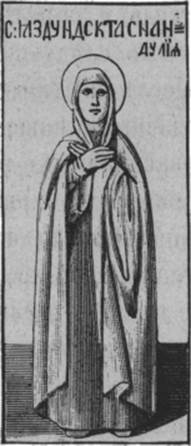
Теперь маг обратился к Аифалу, и так как пытки уже казались недостигающими цели, обещал ему почести и подарки за исполнение царской воли. Но мужественный исповедник презрел все это, говоря: « удивляюсь слепоте твоей; если они, уже старцы, так мужественно пострадали в надежде вечной славы, то я, младший годами и крепче телом, убоюсь ли временных мук и не захочу ли с ними стяжать неувядаемый венец? Не боюсь смерти за Христа и не променяю своего благочестия на подарки и почести ваши». Тогда мучитель от ярости изменился в лице и велел палачам бить его крепче, чем прежних, по хребту и чреву. И начали бить святого. Адарсапор же говорил своим: «что это значит, что христиане небрегут о настоящей жизни и желают смерти, словно какого благополучия? > Те отвечали: «от отцов своих держатся учения, что есть другой мир, лучше этого; и они, веря тому, не радят о сем мире, надеются на лучший и предпочитают смерть». Между тем святой от бесчисленных ран истекал кровию. Тогда, как бы из соболезнования, мучитель велел превратить бичевание и сказал ему: «покорись воле царской и будешь здоров; потому что наши врачи скоро вылечат тебя», – но получил в ответ: «если б я одним словом ты исцелил меня, все-таки я не оставлю Бога, сотворившего небо и землю, и не поклонюся солнцу, которое Он сотворил на пользу людям». И сказал судья: «это я сказал, испытывая тебя, потому что во всяком случае тебе не вылечиться от таких язв; но ты стань образцом для христиан, чтоб они не противились царю и не презирали его сановников». Аифал: «всегда лживый, ты однако невольно высказал правду, что я служу для христиан образцом мужества. Многие из верных, смотря на меня, как на образец, и видя мои страдания за Христа, поревнуют о Господе Боге и не устрашатся мук за Него». Тогда судья обратился к правителю Адиабены и сказал ему: « возьми этих обоих христиан в свой город для побиения камнями от своих же христиан; пусть христианские учителя погибают от своих». Посему были они привязаны к вьючным животным, как снопы или бревна, потому что не могли ходить или сидеть, и отправлены в Арбелу. На пути же, когда происходила остановка для отдыха, их снимали и клали на землю, как мертвецов, потому что они не владели ни руками, ни ногами. И если кто из сострадания хотел подать им пищу, то своими руками влагал им пищу в рот. Достигши Арбелы, они были снова заключены в тюрьму и воспрещено было допускать к ним христиан. В Арбеле находилась тогда богатая христианка, по имени Яздундокта (см. житие ее ниже, стр. 19), оказывавшая помощь всем узникам за имя Христово и, по возможности, доставлявшая им пищу и одежду. Узнав, что Иосиф и Аифал в темнице, пришла туда с слугами своими ночью и, утоливши стражей подарками, взяла полумертвых мучеников на малое время в свой дом, омыла их язвы, лобызала их руки и плакала над ними. При заботливом уходе Иосиф пришел в себя и начал говорить сердобольной женщине: «милосердие твое к нам благоприятно Богу и нам, страждущим за имя Его; но горькое рыдание по нас несогласно с истинною христианскою надеждою и верою нашею». На что она сказала: «плачу не о смерти вашей, а о теперешнем жалком состоянии вашем». Иосиф, утешая ее словами писания: Мф.7:14, 10:22; 2Кор.11:25; Евр.11:37, 38, – заключил: «покажи себя верующею христианкою и радуйся, что за продолжительные страдания последует тем большее воздаяние и венец славнее». На рассвете исповедники возвращены в тюрьму, где и еще пробыли, в лишениях и скорбях, шесть месяцев, но уже поздоровели настолько, что могли стоять на ногах и немного ходить. В это время правитель Адиабены был смещен и на его место прислан царем другой, по имени Зарусциат, человек жестокий и суровый. Новый правитель пошел в храм солнца для молитвы и принесения жертвы; тут известился он, что есть два христианина, осужденные на побиение камнями, но доселе не преданные казни в ожидании выздоровления и, может быть, отречения от своей веры. Судья тотчас велел их представить себе и, когда ни льстивыми обещаниями, ни угрозами не смог преклонить, велел сперва Иосифа повесить за ноги и бить нещадно воловьими жилами. Когда начались истязания, некоторые из магов подступали и шептали страдальцу: «если стыдишься явно идти в храм бога нашего, то мы сведем тебя и сделаем это скрытно; обещай, и свободен будешь». Но он вслух всех отвечал: «отойдите от меня, поклонники огня; поддерживайте пожирающее вас пламя на собственную вашу погибель». Около двух часов продолжалось бичевание, во время которого судья не раз пытался и еще убедить его; наконец, он велел снова снести его в тюрьму, потому что от возобновившихся язв и потери крови Иосиф не мог идти.
Now the magus turned to Aithal, and since torments already seemed to be failing of their purpose, he promised him honors and gifts for fulfilling the king's will. But the courageous confessor despised all this, saying: "I marvel at your blindness; if they, already old men, have suffered so courageously in hope of eternal glory, shall I, younger in years and stronger in body, fear temporary torments and not desire to obtain with them an unfading crown? I do not fear death for Christ, and I will not exchange my piety for your gifts and honors." Then the tormentor, his face changed with rage, ordered the executioners to beat him more severely than the former ones, on his back and belly. And they began to beat the saint. Adarsapor said to his men: "What does this mean, that Christians care nothing for the present life and desire death as if it were some good fortune?" They answered: "They hold from their fathers the teaching that there is another world, better than this; and believing that, they care not for this world, hope for the better, and prefer death." Meanwhile the saint was pouring forth blood from countless wounds. Then, as if out of compassion, the tormentor ordered the flogging to cease and said to him: "Submit to the king's will and you will be well; for our physicians will quickly heal you"—but received in answer: "If you were to heal me with a single word, still I would not forsake God, Who made heaven and earth, and I would not worship the sun, which He created for the benefit of men." And the judge said: "I said this testing you, because in any case you cannot be healed from such wounds; but become an example for Christians, that they not oppose the king nor despise his officials." Aithal: "Ever deceitful, you have nonetheless involuntarily spoken the truth, that I serve as an example of courage for Christians. Many of the faithful, looking upon me as an example and seeing my sufferings for Christ, will be zealous for the Lord God and will not be terrified by torments for Him." Then the judge turned to the governor of Adiabene and said to him: "Take these two Christians to your city to be stoned by their own Christians; let the Christian teachers perish by their own." Therefore they were tied to pack animals, like sheaves or logs, because they could not walk or sit, and were sent to Arbela. On the way, when a halt was made for rest, they were taken down and laid on the ground like dead men, because they had no use of their hands or feet. And if anyone out of compassion wished to give them food, he would put the food into their mouths with his own hands. Having reached Arbela, they were again cast into prison, and it was forbidden to allow Christians to approach them. In Arbela there was at that time a wealthy Christian woman, by name Yazdundokta (see her life below, p. 19), who rendered aid to all prisoners for the name of Christ and, as far as possible, provided them with food and clothing. Learning that Joseph and Aithal were in prison, she came there with her servants by night and, having appeased the guards with gifts, took the half-dead martyrs for a short time to her house, washed their wounds, kissed their hands, and wept over them. Under her careful nursing, Joseph came to himself and began to speak to the compassionate woman: "Your mercy toward us is acceptable to God and to us who suffer for His name; but bitter lamentation over us is not in accord with true Christian hope and our faith." To which she said: "I weep not for your death, but for your present pitiable condition." Joseph, comforting her with the words of Scripture: Mt. 7:14, 10:22; 2 Cor. 11:25; Heb. 11:37, 38, concluded: "Show yourself a believing Christian woman and rejoice that for prolonged sufferings there will follow a greater reward and a more glorious crown." At dawn the confessors were returned to prison, where they remained for another six months in deprivation and sorrows, but they had recovered enough to stand on their feet and walk a little. At that time the governor of Adiabene was removed, and another was sent by the king in his place, by name Zarusciat, a cruel and harsh man. The new governor went to the temple of the sun for prayer and sacrifice; there he was informed that there were two Christians condemned to be stoned, but as yet not executed, in expectation of their recovery and, perhaps, of their renunciation of the faith. The judge immediately ordered them to be brought before him, and when neither by flattering promises nor by threats could he prevail, he ordered Joseph first to be hanged by the feet and beaten mercilessly with ox sinews. When the tortures began, some of the magi approached and whispered to the sufferer: "If you are ashamed to go openly to the temple of our god, we will lead you and do it secretly; promise, and you will be free." But he answered aloud before all: "Depart from me, worshippers of fire; sustain the flame that consumes you for your own destruction." The flogging continued for about two hours, during which the judge several times attempted to persuade him; finally, he ordered him to be carried back to prison, because from the renewed wounds and loss of blood Joseph could not walk.
После сего Аифал был повешен и нещадно бит; но он громко кричал: «я христианин, христианин; слышите, я христианин!» Между тем представлен был для допроса и истязаний некто из манихейской секты, явно исповедавший свою веру и укорявший огнепоклонников в нечестии. Судья не без расчета на успех велел оставить Аифала и истязать манихея. Судья не ошибся: манихей скоро дал обещание поклониться Персидским богам и тут же задавил муравья, почитаемого у манихеев существом разумным. Тогда Аифал сказал: «горе манихею! Благословен Христос Бог наш, укрепляющий нас и соделывающий непоколебимыми в благочестивой нашей вере!» Услышав это, судья снова приказал бить его шиповником, и били его дотоле, пока не сочли умершим, а потому и сволокли в сторону. Некто из магов по состраданию прикрыл обнаженное его тело своим плащом, но за то и сам подвергся бичеванию. Аифала же, приметивши в нем дыхание, за ноги сволокли в тюрьму.
After this, Aithal was hanged and beaten mercilessly; but he cried out loudly: "I am a Christian, a Christian; hear, I am a Christian!" Meanwhile, someone from the Manichaean sect was brought forward for interrogation and tortures, openly confessing his faith and reproaching the fire-worshippers for their impiety. The judge, not without hope of success, ordered Aithal to be left and the Manichaean to be tortured. The judge was not mistaken: the Manichaean soon promised to worship the Persian gods and thereupon crushed an ant, which among the Manichaeans is regarded as a rational being. Then Aithal said: "Woe to the Manichaean! Blessed is Christ our God, Who strengthens us and makes us unshaken in our pious faith!" Hearing this, the judge again ordered him to be beaten with thorn-branches, and they beat him until they thought him dead, and therefore dragged him aside. Someone among the magi, out of compassion, covered his naked body with his own cloak, but for this he himself was subjected to flogging. Aithal, however, when they noticed breath in him, was dragged by the feet into prison.
Через пять дней правитель решил казнить исповедников, но и еще пытался отвлечь их от христианства. Каждому из них дано было по сорока ударов, а когда и затем они оставались непоколебимыми в своем исповедании, то начаты приготовления к казни и согнаны христиане из Арбелы и окрестностей. Вырыли яму за городом, в которой поместили Иосифа до половины, и заставили христиан (до пятисот числом) побивать его камнями. И когда уже много камней было набросано вокруг, так что только голова виднелась, и мученик оставался живым, некто из знатных Персов велел своему слуге размозжить голову большим камнем. Так скончался св. Иосиф! А святой Аифал отправлен был на казнь в другой город, населенный христианами, и там побит ими. Кончина обоих падает на. 381 год, в котором умер и царь Сапор 2-й. Незадолго до смерти он совсем отменил действие указа своего о преследовании христиан, который и до того был ослабляем и даже не применяем на известное время. Созомен, церковный историк, полагает число всех пострадавших в его царствование до шестнадцати тысяч (Ист. Церк. XI, 14).
After five days, the governor decided to execute the confessors, but yet again attempted to turn them from Christianity. Each of them was given forty blows, and when even then they remained unshaken in their confession, preparations for the execution began, and Christians were gathered from Arbela and the surrounding area. A pit was dug outside the city, in which they placed Joseph up to his waist, and forced the Christians (numbering up to five hundred) to stone him. And when many stones had already been heaped around him, so that only his head was visible, and the martyr remained alive, one of the noble Persians ordered his servant to crush his head with a large stone. Thus died St. Joseph! And St. Aithal was sent for execution to another city, inhabited by Christians, and there was stoned by them. The end of both falls in the year 381 A.D., in which King Shapur II also died. Shortly before his death, he entirely revoked the operation of his edict concerning the persecution of Christians, which even before that had been weakened and even not applied for a certain time. Sozomen, the church historian, reckons the number of all who suffered in his reign at up to sixteen thousand (Eccl. Hist. XI, 14).