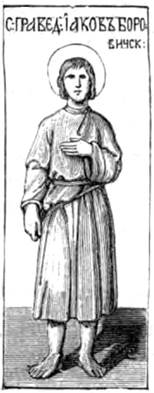
Св. Ап. Иакова, брата Господня по плоти
St. James the Apostle, the Brother of the Lord according to the flesh
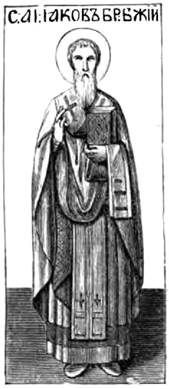
Сего Ап. Иакова, согласно с Божественным Евангелием (Мф.13:55) и словами Ап. Павла (Гал.1:19), прав. Церковь называет сыном обрученника от первой его жены и родным братом Ап. Симона, Иуды и Иосии, а такжеМалым или Меньшим (Мк.15:40), и отличает от Иакова Зеведеева, коему совершает она празднование в 30 день апреля, и от Иакова Алфеева, коему бывает празднование 9 октября. Многие считают Иакова брата Господня одним лицом с Ап. Иаковом Алфеевым, причисляют к лику двенадцати и называют Малым для отличия от Ап. Иакова Зеведеева, призванного в Апостольство и умершего прежде Иакова Алфеева. Но Церковь в предисловии к Богослужебной книге Апостол, в Прологе под 28 числом октября, и 4-го января в Минеи-Четьи, и священных песнопениях под теми же числами, согласно с писанием и преданием, ясно отличает Иакова Малого, брата Господня по плоти, от Иакова Алфеева. Празднуя последнему в 9-й день октября, Церковь причисляет его к лику дванадесяти Апостол, а Иакова Малого, брата Господня, к собору семидесяти, в коем числится он первым. Различие Иакова Алфеева от Иакова Малого, брата Господня, прав. Церковь ясно выразила особенно в своих священных песнопениях. Иаков, празднуемый в 9-й день октября, нигде не называется и не прославляется братом Господним, епископом Иерусалима, писателем соборного послания и священномучеником, что без сомнения даёт высокие преимущества; но называется Иаковом Алфеевым, прославляется Божественным светильником язычников, который, исполняя число дванадесяти, объюродил Еллинскую мудрость и прошёл всю вселенную, проповедуя всегласно слово веры Христовой. Иаков же, песнословимый в 23 день октября, нигде не называется Алфеевым, но именуется сыном Иосифа древоделя, от первой жены, братом Иосии, Симона и Иуды (Мф.13:55. Мк.6:3), спутником Иосифа и Марии, когда они удалялись с Младенцем Христом в Египет, и прославляется братом Божиим, братом Иисуса, глаголемого Христа; первым иерархом Иерусалима, научающим нас «даянию благому и дару совершенну от Отца светов подаятися человеком» (Иак.1:17); следовательно писателем того соборного послания, которое между священными книгами Нового Завета носит имя послания Иаковлева; наконец, священномучеником, сверженным за веру Христову с крыла церковного.
This Apostle James, according to the Divine Gospel (Mt. 13:55) and the words of the Apostle Paul (Gal. 1:19), the right-believing Church calls the son of Joseph the Betrothed by his first wife and the own brother of the Apostles Simon, Jude, and Joses, and also James the Less or the Lesser (Mk. 15:40), and distinguishes him from James the son of Zebedee, to whom she celebrates on the 30th day of April, and from James the son of Alphaeus, to whom the celebration is on October 9. Many consider James the Brother of the Lord to be the same person as the Apostle James the son of Alphaeus, number him among the Twelve, and call him the Less to distinguish him from the Apostle James the son of Zebedee, who was called to the Apostleship and died before James the son of Alphaeus. But the Church, in the preface to the liturgical book of the Apostle, in the Prologue under October 28, and January 4 in the Menaion-Reader, and in the sacred hymns under those same dates, in accordance with Scripture and Tradition, clearly distinguishes James the Less, the Brother of the Lord according to the flesh, from James the son of Alphaeus. Celebrating the latter on the 9th day of October, the Church numbers him among the Twelve Apostles, but James the Less, the Brother of the Lord, among the Council of the Seventy, in which he is counted as the first. The right-believing Church has clearly expressed the difference between James the son of Alphaeus and James the Less, the Brother of the Lord, especially in her sacred hymns. James, celebrated on the 9th day of October, is nowhere called or glorified as the Brother of the Lord, the Bishop of Jerusalem, the writer of the Catholic Epistle, and the Hieromartyr, which without doubt gives high prerogatives; but he is called James the son of Alphaeus, is glorified as a divine lamp for the Gentiles, who, fulfilling the number of the Twelve, made foolish the wisdom of the Greeks and went through the whole universe, proclaiming with a loud voice the word of the faith of Christ. James, however, hymned on the 23rd day of October, is nowhere called the son of Alphaeus, but is named the son of Joseph the carpenter, by his first wife, the brother of Joses, Simon, and Jude (Mt. 13:55; Mk. 6:3), the companion of Joseph and Mary when they fled with the Infant Christ into Egypt, and is glorified as the Brother of God, the brother of Jesus, who is called Christ; the first hierarch of Jerusalem, teaching us that "every good gift and every perfect gift is from above, coming down from the Father of lights" (Jas. 1:17); consequently, the writer of that Catholic Epistle which among the sacred books of the New Testament bears the name of the Epistle of James; finally, a Hieromartyr, cast down from the pinnacle of the temple for the faith of Christ.
Основание, по которому прав. Церковь отличает Иакова брата Господня от Иакова Алфеева, частью указано в Писании, в коем братья Иисуса Христа по плоти этим самым названием отличаются от двенадцати Его учеников (напр. Ин.2:12,7:3–5; Мк.3:31; Лк.8:19), а равно отличаются и писателями Церкви. Так Евсевий Кесарийский, св. Кирилл у Иерусалимский (365–385), св. Епифаний Кипрский (404), блаженный Иероним (420) и другие ясно отличают Иакова брата Господня от Иакова Алфеева.
The basis on which the right-believing Church distinguishes James the Brother of the Lord from James the son of Alphaeus is partly indicated in Scripture, in which the brethren of Jesus Christ according to the flesh are by this very name distinguished from His twelve disciples (e.g., Jn. 2:12, 7:3–5; Mk. 3:31; Lk. 8:19), and are likewise distinguished by the writers of the Church. Thus Eusebius of Caesarea, St. Cyril of Jerusalem (365–385), St. Epiphanius of Cyprus (404), Blessed Jerome (420), and others clearly distinguish James the Brother of the Lord from James the son of Alphaeus.
Итак, Апостол Иаков брат Господень, по словам Церкви, есть сын Иосифов, спутник его и Пресв. Девы Марии в Египет; он же есть и Иаков Малый илиМеньший. По воскресении своём Господь удостаивает его Своим особенным явлением (1Кор.15:7), и от Самого Господа в 34 году или, по сказанию Евсевия, от Апостолов избран и поставлен первым епископом Иерусалимской Церкви – матери Церквей христианских. Своей святой жизнью брат Господень заслужил великое уважение у всех, не только у Апостолов и христиан, но и у неверующих. Ап. Пётр, после своего чудесного освобождения из темницы, сказал: возвестите о сём Иакову и братиям (Деян.12:17). Ап. Павел нарицает его вместе с Кифой и Иоанном столпами Церкви и между ними первым именем Иакова (Гал.2:9). На соборе Апостольском, бывшем в Иерусалиме около 50 года по Р.Х. для решения: должно ли христианам соблюдать ветхозаветный закон обрядовый, председательствовал Иаков, епископ Иерусалимский, и его суждение принято было всем собором и утверждено ощутительным изволением Св. Духа (Деян. XV). Именем Иакова отличен брат его Ап. Иуда (Лк.6:16; Деян.1:13), который соборное послание своё начинает наименованием себя рабом Иисуса Христа и братом Иакова (Иуд.1:1), и тем показывает особенную важность Ап. Иакова в Церкви Апостольской. Даже еретики евиониты хвалились девством ради Иакова брата Господня. О великом всеобщем уважении к нему свидетельствует особенно мученическая его кончина, которой обстоятельства с подробностью изображает Евсевий, на основании древних церковных преданий. Он пишет: «когда Павел, по требованию себе суда у кесаря, отправлен был Фестом в Рим, тогда Иудеи, потеряв надежду на исполнение своих замыслов против Павла, обратились на Иакова, брата Господня, коему Апостолы вверили епископский престол в Иерусалиме. Иаков, брат Господень, от времён Апостолов и доныне всеми именуемыйправедным, был свят от утробы матери своей, не пил вина и сикера, не ел ничего мясного, не стриг волос, не умащался елеем и не мылся в бане. Ему одному дозволено было входить во Святая, потому что он носил не шерстяные одежды, а льняные. Во храм входил он один, и его обретали там стоящим на коленях и молящимся об отпущении грехов народу. От непрестанных коленопреклонений во время молитвы о спасении народа колени его ожестели. За сие-то превосходство своей правоты и назван праведным и овлиасом (ωβλιας), что значит: защита или оплот народа и правда.
Therefore, the Apostle James, the Brother of the Lord, according to the words of the Church, is the son of Joseph, his companion and that of the Most Holy Virgin Mary into Egypt; he is also James the Less or the Lesser. After His resurrection, the Lord vouchsafed him His special appearance (1 Cor. 15:7), and by the Lord Himself in the year 34, or, according to the account of Eusebius, by the Apostles, he was chosen and appointed the first bishop of the Church of Jerusalem—the mother of Christian Churches. By his holy life, the Brother of the Lord earned great respect from all, not only from the Apostles and Christians, but also from unbelievers. The Apostle Peter, after his miraculous deliverance from prison, said: Tell these things to James and to the brethren (Acts 12:17). The Apostle Paul names him together with Cephas and John as pillars of the Church, and among them the first name is James (Gal. 2:9). At the Apostolic Council held in Jerusalem around the year 50 A.D. to decide whether Christians should observe the Old Testament ceremonial law, James, the Bishop of Jerusalem, presided, and his judgment was accepted by the whole council and confirmed by the manifest will of the Holy Spirit (Acts XV). By the name of James, his brother the Apostle Jude is distinguished (Lk. 6:16; Acts 1:13), who begins his Catholic Epistle by calling himself a servant of Jesus Christ and brother of James (Jude 1:1), and thereby shows the particular importance of the Apostle James in the Apostolic Church. Even the heretical Ebionites boasted of virginity for the sake of James the Brother of the Lord. The great universal respect for him is especially testified by his martyric end, the circumstances of which Eusebius describes in detail, based on ancient Church traditions. He writes: "When Paul, having demanded his trial before Caesar, was sent by Festus to Rome, the Jews, having lost hope of fulfilling their designs against Paul, turned upon James, the Brother of the Lord, to whom the Apostles had entrusted the episcopal throne in Jerusalem. James, the Brother of the Lord, from the times of the Apostles until now called by all the Righteous, was holy from his mother's womb, drank no wine or strong drink, ate no meat, did not cut his hair, did not anoint himself with oil, and did not bathe in a bath. To him alone was it permitted to enter the Holy Place, because he wore not woolen garments, but linen. He used to enter the temple alone, and he was found there kneeling and praying for the remission of sins for the people. From his constant kneeling in prayer for the salvation of the people, his knees had become hard. For this pre-eminence of his righteousness he was called the Righteous and Oblias (ωβλιας), which means: the defense or bulwark of the people and righteousness.
Церковь Иерусалимская особенно обязана умножением и утверждением верующих св. Апостолу Иакову. По его свидетельству уверовали во Иисуса Христа Иудеи и уверовавших оказалось много, даже и между старейшинами. Недовольные умножением христиан, книжники и фарисеи начали кричать и говорить, что таким образом, пожалуй, и весь народ признает Иисуса за Христа. Посему, собравшись к Иакову, они сказали ему: «просим тебя, удержи народ; ведь он в заблуждении признаёт Иисуса Христом. Вот теперь сошлись все на праздник Пасхи. Просим тебя, вразуми их касательно Иисуса. Мы доверяем тебе это, потому что сами вместе с народом признаём, что ты праведен и беспристрастен. Так убеди же народ не заблуждаться касательно Иисуса. Тебя все послушают, и мы со всеми. Встань на кровлю храма, чтобы сверху ты виден был, и слова твои слышны были всему народу». А на Пасху собрались тогда все колена Иудейские и много язычников. Помянутые книжники и фарисеи действительно поставили Иакова на кровлю храма и потом закричали ему: «праведный, тебе все мы должны верить! Вот этот народ, в заблуждении, последует Иисусу распятому; скажи же нам: что такое дверь Иисуса распятого?» Иаков громким голосом отвечал: «для чего спрашиваете меня об Иисусе, Сыне Человеческом? Он восседит на небесах одесную великой Силы и опять приидет на землю на облаках небесных!» Этим свидетельством Иакова многие совершенно убедились и начали славословить Иисуса, восклицая: «осанна Сыну Давидову!» А книжники и фарисеи говорили между собой: «худо же мы сделали, доставив Иисусу такое свидетельство; взойдём и сбросим Иакова, чтобы другие по крайней мере от страха не поверили ему», и закричали: «э! э! и праведный заблуждается!» Взбежав на верх, они столкнули оттуда праведного и начали бросать в него камнями. Сверженный не вдруг умер, но, приподнявшись, стал на колена и молился: «Господи Боже Отче, отпусти им; они не ведают, что творят»! Между тем как на него летели камни, некто священник, один из сынов Рихава, вскричал: «перестаньте, что вы делаете; праведный за нас молится». Но в это самое время один из них, суконщик, схватив скалку, на которую накатываются сукна, ударил праведного по голове, и он скончался около 63 года по Рождестве Христове. На этом же месте и погребли его; над его могилой подле храма и доселе стоит памятник. Таким образом Иаков был верным свидетелем для Иудеев и язычников, что Иисус есть Христос. Иакову до того все удивлялись и за праведность столько уважали его, что беспристрастные из Иудеев именно мученическую его смерть почитали причиной немедленно открывшейся осады и разрушения Иерусалима от Римлян. Вот что известно об Иакове, который, говорят, написал первое из соборных так называемых «посланий». Это послание святой Апостол Иаков написал около 59 года по Рождестве Христове к рассеянным Иудеям, о спасении коих ему вверено было архипастырское попечение. Ему же принадлежит и Божественная литургия, известная под именем Апостола Иакова, которая доселе совершается в Иерусалиме в день памяти сего Апостола, и на основании которой изложены литургии святого Василия Великого и святого Иоанна Златоустого.
The Church of Jerusalem was especially indebted to the holy Apostle James for the multiplication and strengthening of the faithful. Through his testimony, Jews believed in Jesus Christ, and many of the believers were found, even among the elders. Displeased with the multiplication of Christians, the scribes and Pharisees began to cry out and say that in this way, perhaps, the whole people would acknowledge Jesus as the Christ. Therefore, gathering together to James, they said to him: 'We beseech you, restrain the people; for they are in error, acknowledging Jesus as the Christ. Behold, now all have gathered for the feast of the Passover. We beseech you, instruct them concerning Jesus. We entrust this to you, because we ourselves together with the people acknowledge that you are righteous and impartial. So persuade the people not to err concerning Jesus. Everyone will listen to you, and we with all. Stand on the pinnacle of the temple, so that from above you may be seen, and your words may be heard by all the people.' And at the Passover, all the tribes of the Jews and many pagans had then gathered. The aforementioned scribes and Pharisees indeed placed James on the pinnacle of the temple and then cried out to him: 'Righteous one, we all must believe you! Behold, this people, in error, follows Jesus the crucified; tell us, then, what is the door of Jesus the crucified?' James answered with a loud voice: 'Why do you ask me concerning Jesus, the Son of Man? He sits in heaven at the right hand of the great Power, and will come again to earth on the clouds of heaven!' By this testimony of James, many were fully convinced and began to glorify Jesus, crying out: 'Hosanna to the Son of David!' But the scribes and Pharisees said among themselves: 'We have done ill in providing such a testimony for Jesus; let us go up and cast down James, so that others at least out of fear may not believe him,' and they cried out: 'Oh! oh! even the Righteous one is in error!' Running up to the top, they pushed the Righteous one down from there and began to throw stones at him. The one cast down did not die immediately, but, raising himself up, knelt and prayed: 'Lord God Father, forgive them; they know not what they do!' Meanwhile, as stones were flying at him, a certain priest, one of the sons of Rechab, cried out: 'Stop, what are you doing; the Righteous one prays for us.' But at that very moment, one of them, a fuller, seizing the club on which cloth is rolled, struck the Righteous one on the head, and he died around the year 63 after the Nativity of Christ. They buried him in that same place; over his grave, near the temple, a monument stands to this day. Thus James was a faithful witness to the Jews and pagans that Jesus is the Christ. James was so admired by all and so respected for his righteousness that the impartial among the Jews considered his martyric death to be the cause of the immediately ensuing siege and destruction of Jerusalem by the Romans. This is what is known about James, who, it is said, wrote the first of the so-called Catholic 'Epistles.' This epistle the holy Apostle James wrote around the year 59 after the Nativity of Christ to the dispersed Jews, for whose salvation he had been entrusted with archpastoral care. To him also belongs the Divine Liturgy known under the name of the Apostle James, which is still celebrated in Jerusalem on the day of the memory of this Apostle, and on the basis of which the liturgies of St. Basil the Great and St. John Chrysostom are composed.
Мученическая кончина св. Иакова, брата Господня, последовала в 63 году по Рождестве Христове. Если при жизни своей Апостол Иаков пользовался всеобщим уважением, то память праведного без сомнения по смерти его сохранилась с похвалами в Церкви Христовой. В IX веке Феофан Никейский и впоследствии Византий написали многие песнопения в честь Иакова, брата Господня, ныне поемые в день его памяти.
The martyric end of St. James, the Brother of the Lord, occurred in the year 63 after the Nativity of Christ. If during his life the Apostle James enjoyed universal respect, then the memory of the righteous one without doubt after his death was preserved with praise in the Church of Christ. In the 9th century, Theophanes of Nicaea and later Byzantius wrote many hymns in honor of James, the Brother of the Lord, now sung on the day of his memory.
В своих песнопениях Церковь прославляет св. Апостола Иакова, брата Господня по плоти, яко ученика Господня, восприявшего Евангелие; яко мученика, стяжавшего неизреченное блаженство; яко брата Божия, имеющего дерзновение; яко иерарха, молящегося за нас. Называет его первым пастырем и учителем Иерусалимлян и верным строителем таинств.
In her hymns, the Church glorifies the holy Apostle James, the Brother of the Lord according to the flesh, as a disciple of the Lord who received the Gospel; as a martyr who obtained ineffable blessedness; as a brother of God having boldness; as a hierarch praying for us. She calls him the first shepherd and teacher of the Jerusalemites and the faithful steward of the Mysteries.
В Москве, на Старо-Иерусалимском подворье, сохраняется часть мощей св. Апостола Иакова с 1853 года 23 октября, полученная от патриарха Александрийского Иерофея.
In Moscow, at the Old Jerusalem Metochion, a portion of the relics of the holy Apostle James has been preserved since October 23, 1853, having been received from Patriarch Hierotheus of Alexandria.