Св. Назарий Римлянин был сын Еврея Африкана и христианки Перпетуи, принявшей св. крещение от св. Апостола Петра. Достигнув совершеннолетнего возраста, Назарий пожелал посвятить себя просвещению язычников и отправился проповедовать веру Христову в разные города. – Придя в Медиолан, где в то время Неронова гонения содержались в темнице христиане Гервасий и Протасий, братья-близнецы, Назарий за посещение их и за вспоможение им подвергся мукам и был изгнан из города. Отсюда отправился он в Галлию, крестил между прочими юношу Кельсия, уроженца города Медиа (Кимелла – близ Ниццы), которого мать отпустила и сопутствовать крестившему его. Продолжая путешествие с целью проповеди, Назарий не раз подвергался побоям и заключению в оковах в темнице. Возвратясь в Медиолан, где ещё содержались в темнице Гервасий и Протасий, он снова посещал их вместе с Кельсием, и за это оба они были схвачены и обезглавлены по повелению правителя Анулина. Вскоре после того были преданы смерти и Гервасий с Протасием, – Гервасий был до смерти засечён оловянными прутьями, а Протасий обезглавлен. – Мощи этих мучеников были открыты св. Амвросием Медиоланским, который таким образом передаёт об этом событии: – «когда в прошедшую св. Четыредесятницу, после причащения св. Таин, я ночью молился, то, задремав, увидел двух юношей, молящихся с воздетыми руками. Когда я очнулся, они стали невидимы. Не зная, как объяснить это видение, не зная, от Бога ли оно, я усиленно постился и в следующую ночь увидел то же видение. В третью ночь явились мне те же юноши уже не спящему, но удивляющемуся, и явились в сопровождении св. Апостола Павла, каким изображают его на иконах, и сказал мне Апостол: – эти юноши, послушав слов моих, презрели мир и богатство и последовали Господу нашему Иисусу Христу. Отрешившись от всех земных и плотских желаний, они прожили здесь, в Медиолане, служа единому Богу, и удостоились быть мучениками за Христа, тела которых ты обретёшь на том месте, где молишься...
St. Nazarius the Roman was the son of the Jew Africanus and the Christian Perpetua, who had received holy Baptism from the holy Apostle Peter. Upon reaching the age of maturity, Nazarius desired to devote himself to the enlightenment of the pagans and set out to preach the faith of Christ in various cities. — Coming to Milan, where at that time, during the persecution of Nero, the Christians Gervasius and Protasius, twin brothers, were held in prison, Nazarius, for visiting them and for aiding them, was subjected to torments and was expelled from the city. From there he set out for Gaul, and baptized, among others, the youth Celsus, a native of the city of Media (Cimella — near Nice), whose mother allowed him to accompany the one who had baptized him. Continuing his journey for the purpose of preaching, Nazarius was repeatedly subjected to beatings and to imprisonment in chains in prison. Returning to Milan, where Gervasius and Protasius were still held in prison, he again visited them together with Celsus, and for this they were both seized and beheaded by order of the governor Anulinus. Soon after this, Gervasius and Protasius were also put to death — Gervasius was flogged to death with tin rods, and Protasius was beheaded. — The relics of these martyrs were uncovered by St. Ambrose of Milan, who thus relates this event: — "When during the past holy Forty Days, after the Communion of the Holy Mysteries, I was praying at night, then, having dozed off, I saw two youths praying with uplifted hands. When I awoke, they became invisible. Not knowing how to explain this vision, not knowing whether it was from God, I fasted earnestly, and the following night I saw the same vision. On the third night, those same youths appeared to me, not while I was sleeping, but while I was marvelling, and they appeared accompanied by the holy Apostle Paul, as he is depicted on icons, and the Apostle said to me: — These youths, having heeded my words, despised the world and riches and followed our Lord Jesus Christ. Having renounced all earthly and fleshly desires, they lived here, in Milan, serving the one God, and were deemed worthy to be martyrs for Christ, whose bodies you will find in that place where you are praying..."
На вопрос мой об именах тех юношей, Апостол отвечал: у изголовья их ты найдёшь письмо, в котором сказано и о рождении, и о кончине их. Ты же извлеки тела их из могилы и создай церковь во имя их.
To my question about the names of those youths, the Apostle answered: at their head you will find a letter, in which both their birth and their death are recorded. Do you, then, take their bodies from the grave and build a church in their name.
Тогда, созвав братию и епископов, я объявил им о видении, и мы вместе стали разрывать землю на указанном месте, и нашли ковчег с благоухающими телами мучеников. У изголовья их нашли написанное о них следующее: – я, раб Христов – Филипп, похитив тела мучеников – Гервасия и Протасия, скрыл их у себя в доме и предал погребению. Отец их, воин Виталий и мать – Валерия, жили в Медиолане и втайне исповедовали веру Христову. Но, отправившись однажды в Равенну с судьёй Павлином, Виталий был узнан, как христианин, мучим и заживо погребён во рву, заваленном камнями. Супруга же его Валерия, отказавшись есть идоложертвенную пищу, была до того избита, что на третий день по возвращении домой, успев только завещать наставление своим детям Протасию и Гервасию, скончалась. – Далее в записке повторено было сказанное о них Павлом и также о мученической кончине Протасия и Гервасия и о погребении христианином Филиппом и сыном его»174.
Then, having summoned the brethren and the bishops, I declared to them the vision, and together we began to dig the earth in the indicated place, and we found a coffin with the fragrant bodies of the martyrs. At their head we found written about them the following: — I, the servant of Christ, Philip, having stolen the bodies of the martyrs Gervasius and Protasius, hid them in my house and committed them to burial. Their father, the soldier Vitalis, and mother, Valeria, lived in Milan and secretly confessed the faith of Christ. But, having once set out for Ravenna with the judge Paulinus, Vitalis was recognized as a Christian, was tortured, and was buried alive in a pit filled with stones. His wife Valeria, having refused to eat food offered to idols, was beaten so severely that on the third day after returning home, having only time to bequeath instruction to her children Protasius and Gervasius, she reposed. — Further in the note was repeated what was said about them by Paul, and also about the martyric death of Protasius and Gervasius, and about their burial by the Christian Philip and his son."174
Независимо от послания, приписываемого Амвросию Медиоланскому в Римской Церкви об открытии им мощей мучеников, несомненно доказывается событие этого открытия другим произведением св. Амвросия – письмом его к сестре своей Марцеллине, деве, посвящённой Богу, жившей в Риме, в котором, описывая открытие св. мощей Протасия и Гервасия, он говорит, что «оба мужа – необыкновенной величины, что кости их совершенно целы, и много при них крови, и что ими исцелён слепой». Из этого письма также видно, что открытие мощей было в июне 387 г.
Independently of the epistle attributed to Ambrose of Milan in the Roman Church concerning his uncovering of the relics of the martyrs, the event of this uncovering is undoubtedly proven by another work of St. Ambrose — his letter to his sister Marcellina, a virgin consecrated to God, who lived in Rome, in which, describing the uncovering of the holy relics of Protasius and Gervasius, he says that "both men were of extraordinary stature, that their bones were entirely whole, and there was much blood with them, and that a blind man was healed by them." From this letter it is also evident that the uncovering of the relics took place in June of the year 387.
Другой св. отец Августин в своей исповеди говорит об открытии св. мощей Протасия и Гервасия вследствие откровения Амвросию и о чудесах, от них бывших, в частности об исцелении слепого. Это событие совершилось за год до крещения Августина. Будучи после епископом, св. Августин в слове к своей Иппонийской пастве на день этих мучеников говорит, что он, в то время бывши в Медиолане, сам видел от них чудеса и исцеление слепого; в книге о Граде Божием, повествуя о том же, говорит, что в то время там был и император и что чудеса совершились при бесчисленном множестве народа.
Another holy father, Augustine, in his Confessions, speaks of the uncovering of the holy relics of Protasius and Gervasius as a result of a revelation to Ambrose, and of the miracles that occurred from them, in particular the healing of a blind man. This event took place a year before the baptism of Augustine. Being afterwards a bishop, St. Augustine, in a sermon to his flock of Hippo on the day of these martyrs, says that he, being at that time in Milan, himself saw miracles from them and the healing of a blind man; in the book on the City of God, relating the same, he says that at that time the emperor was also there, and that the miracles were performed before an innumerable multitude of people.
Павлин, очевидец обретения мощей других двух мучеников – Назария и Кельсия, говорит: «мы видели в гробе, в котором лежало тело мученика (Назария), о времени кончины которого до сего времени ничего не знаем, кровь этого мученика такую свежую, как будто она вытекла в тот самый день; глава его была цела и не повреждена, с волосами и бородой, так что как будто он теперь только омыт и положен. Кроме того, мы ощутили такое благоухание, которое могло бы победить все ароматы. Подняв тело мученика и положив на носилки, мы обратились с молитвой к мученику Кельсию, который положен был в том же саду».
Paulinus, an eyewitness of the uncovering of the relics of two other martyrs — Nazarius and Celsus, says: "We saw in the tomb in which lay the body of the martyr (Nazarius), about the time of whose death we until this time know nothing, the blood of this martyr so fresh, as if it had flowed out that very day; his head was whole and undamaged, with hair and beard, so that it was as if he had only now been washed and laid down. Moreover, we perceived such a fragrance as might overcome all perfumes. Having lifted up the body of the martyr and placed it on a bier, we turned with prayer to the martyr Celsus, who was laid in the same garden."
На месте обретения мощей Кельсия в саду построена была церковь Амвросием или преемником его, восстановлена в X веке, причём тело мученика вновь открыто, потом осмотрено в XII веке и затем ещё в 1776 году.
On the site of the uncovering of the relics of Celsus in the garden, a church was built by Ambrose or his successor, restored in the 10th century, at which time the body of the martyr was uncovered anew, later examined in the 12th century, and then again in the year 1776.
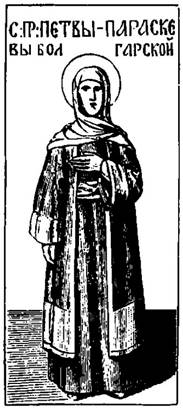
«Закон любви таков, говорит описатель жизни св. Параскевы, что он побуждает обновлять в памяти любезных нашему сердцу, чтобы могли мы созерцать в уме образ их и живописать речи их. Тем более отрадно для сердца воспоминание о Божиих угодниках, столько полезное для всех. Как в летние дни, под благотворными лучами солнца, всё оживает и растёт, так и духовная повесть, прогоняя облако печали, веселит и живит душу и, подавая силу усердию нашему, ведёт нас к лучшему. Уже во всей Мизии, Фракии и Далматии славится имя преподобной Параскевы»176.
"Such is the law of love," says the writer of the life of St. Paraskeva, "that it impels us to renew in memory those dear to our heart, so that we may contemplate their image in our mind and depict their words. All the more joyful for the heart is the remembrance of God's saints, so profitable for all. As in summer days, under the beneficent rays of the sun, everything revives and grows, so a spiritual narrative, driving away the cloud of sorrow, gladdens and enlivens the soul, and, giving strength to our zeal, leads us to what is better. Already throughout all Mysia, Thrace, and Dalmatia the name of the Venerable Paraskeva is glorified."176
Родители блаженной Петкы были Славяне и люди не бедные, пользовавшиеся известностью; жили они в местечке Эпиватос (Пиват, Турецкий Баядос), на взморье, между Силимврией и Константинополем. Кроме дочери Петкы был у них сын. Его отдали они в училище, а дочь воспитывалась в доме родителей, под надзором матери. В Петке рано открылось пламенное желание жить для Господа. «Иже хощет по Мне идти, да отвержется себе»: эти слова, слышанные ею в храме, как стрела, пронзили сердце её, и она, при выходе из храма, отдала богатое своё платье встретившемуся бедняку, выменяв на его лохмотья. Родители побранили её за выменянный наряд; но сердце её горело любовью к Господу. Спустя несколько времени опять отдала она свою одежду нищенке и потом не раз повторяла то же самое. Бранили её резко; но она чувствовала, что иначе не может она жить.
The parents of the blessed Petka were Slavs and people not poor, enjoying renown; they lived in the town of Epivatos (Pivat, Turkish Bayados), on the seashore, between Selymbria and Constantinople. Besides their daughter Petka, they had a son. They sent him to school, while the daughter was raised in her parents' home, under the supervision of her mother. In Petka, a fervent desire to live for the Lord was early revealed. "If any man will come after Me, let him deny himself": these words, heard by her in the church, like an arrow pierced her heart, and she, upon leaving the church, gave her rich clothing to a poor man she met, exchanging it for his rags. Her parents scolded her for the exchanged attire; but her heart burned with love for the Lord. After some time, she again gave her clothing to a beggar woman, and afterwards repeated the same thing many times. They scolded her sharply; but she felt that she could not live otherwise.
Брат Петкы, когда достаточно научен был священному Писанию, пожелал иночества и с согласия родителей постригся под именем Евфимия. Восходя постепенно в жизни духовной, он стал мужем твёрдым. По известности о его высокой жизни возведён он был на епископскую кафедру епархии Мадитской; здесь он прославился добродетелями и борьбой с еретиками. Он почил в глубокой старости и тело его положено было в соборном храме, где источало чудеса. Михаил Пселл в похвальном слове п. Михаилу Керуларию (1043–1058 г.) с похвалами отзывается о святителе Евфимии, как о современнике или несколько прежде процветавшем на кафедре Мадитской, на берегу моря177.
Petka's brother, when he had been sufficiently instructed in the Holy Scriptures, desired monasticism and, with the consent of his parents, was tonsured under the name Euthymius. Ascending gradually in the spiritual life, he became a steadfast man. Because of the renown of his lofty life, he was elevated to the episcopal see of the diocese of Madytus; here he was glorified by his virtues and his struggle against heretics. He reposed in extreme old age, and his body was placed in the cathedral church, where it poured forth miracles. Michael Psellos, in his encomium to Patriarch Michael Cerularius (1043–1058), speaks with praise of the Hierarch Euthymius, as a contemporary or one who flourished somewhat earlier on the see of Madytus, on the seashore.177
По смерти родителей блаж. Петка решилась совсем расстаться с миром. По сведениям, собранным святогорцем Никодимом, прежде чем удалилась она в Палестинскую пустыню, посетила Царьград и обошла святые места его; здесь выслушивала она наставления ревностных подвижников. По их совету поселилась в предместье Ираклийском при уединённом храме Покрова Богоматери; она провела здесь в молитвах, посте и слезах пять лет.
After the death of her parents, the blessed Petka resolved to part completely with the world. According to information gathered by the Hagiorite Nicodemus, before she withdrew to the Palestinian desert, she visited Constantinople and went around its holy places; here she listened to the instructions of zealous ascetics. By their advice, she settled in the suburb of Heraclea, at a solitary church of the Protection of the Mother of God; she spent five years here in prayers, fasting, and tears.
Исполняя давнее желание своё, отправилась она в Палестину и, поклонившись местам, освящённым жизнью Спасителя, осталась жить в Иорданской пустыне. – Одному Господу известны все подвиги равноангельского пустынного жития преп. девы. Истаивая то от зноя, то от холода, она питалась только травой и то по закате солнца. Злой дух искушал её мечтами и привидениями; «но добрая Петка Вышнего положи прибежище себе». Так провела она жизнь до старости, не давая себе покоя, в ожидании небесного Жениха.
Fulfilling her long-standing desire, she set out for Palestine and, having venerated the places sanctified by the life of the Savior, remained to live in the Jordanian desert. — To the Lord alone are known all the struggles of the angelic desert life of the Venerable virgin. Wasting away now from heat, now from cold, she fed only on grass, and that only after sunset. The evil spirit tempted her with fantasies and apparitions; "but the good Petka made the Most High her refuge." Thus she spent her life until old age, giving herself no rest, awaiting the heavenly Bridegroom.
Однажды, когда она стояла на молитве, явился ей ангел и сказал: «оставь пустыню и возвратись в твоё отечество, – там тебе надобно оставить тело на земле и душою прейти к Господу». – Преподобная возрадовалась, что близко время разрешения её от тела; но жаль ей было расстаться с пустынным уединением. Повинуясь воле небесной, она отправилась в отечество и на море довелось ей испытать бурю. Прибыв в Константинополь, посетила св. Софию и во Влахернском храме молилась перед чудотворной иконой Богоматери.
Once, when she was standing at prayer, an angel appeared to her and said: "Leave the desert and return to your homeland — there you must leave your body on the earth and pass over in soul to the Lord." — The Venerable one rejoiced that the time of her release from the body was near; but she was sorry to part with the desert solitude. Obeying the heavenly will, she set out for her homeland, and on the sea she was fated to experience a storm. Arriving in Constantinople, she visited Hagia Sophia and in the Blachernae church prayed before the wonderworking icon of the Mother of God.
Воротившись в родное местечко Пиват, она не застала в живых никого и из знакомых, и при храме св. Апостолов пребывала в молитве. Прошло два года по возвращении её из пустыни. Блаженная молилась в уединении своём и на молитве предала дух свой Богу. Тело её похоронено христолюбивыми, как тело странницы, никому не сказавшей о себе, откуда она. Это было в первой половине XI столетия.
Having returned to her native village of Pivat, she found none of her acquaintances alive, and she remained in prayer at the church of the Holy Apostles. Two years passed after her return from the desert. The blessed one was praying in her solitude, and in prayer she surrendered her spirit to God. Her body was buried by Christ-loving people, as the body of a stranger who had told no one about herself, whence she came. This was in the first half of the eleventh century.
Близ того места, где похоронена была преподобная, подвизался столпник. Случилось умереть моряку и тело его брошено было невдали от того места. Смрад от тела до того был силён, что столпник вынужден был сойти со столпа и просить близких жителей предать земле тело несчастного. Благочестивые люди взялись копать могилу и обрели тело, к которому не коснулось тление. Сперва испугались они и недоумевали: что делать? Как незнакомые с духовными вещами, по простоте, оставили они нетленное тело в могиле и тут же закопали смрадный труп. Потом, когда один из них, благочестивый Георгий, после вечерней молитвы, лёг на покой, явилась во сне облечённая в царственное одеяние дева, окружённая воинами; свет, окружавший её, до того был силён, что не мог он смотреть; один из воинов подошёл и, взяв его за руку, сказал: «Георгий! зачем вы так презрели тело преп. Параскевы? немедленно выньте его из смрадной могилы и положите в раке; Царь хочет прославить её на земле». Тогда и дивная дева сказала смущённому Георгию: «поспеши вынуть мои мощи – не могу терпеть смрада; родина моя Пиват, где вы живете». В ту же ночь благоговейная жена Евфимия имела подобное видение. Когда огласились оба явления, поспешили к могиле и вынули нетленное тело святой девы; оно с торжеством положено было в соборном храме Апостолов и от него потекли потоки исцелений: слепые прозирали, хромые начинали ходить, больные тяжкими болезнями получали здравие.
Near the place where the Venerable one was buried, a Stylite was asceticising. It happened that a sailor died, and his body was thrown not far from that place. The stench from the body was so strong that the Stylite was forced to come down from his pillar and ask the nearby inhabitants to bury the body of the unfortunate man. Pious people undertook to dig a grave and found a body which corruption had not touched. At first they were frightened and perplexed: what to do? As people unacquainted with spiritual things, in their simplicity, they left the incorrupt body in the grave and buried the stinking corpse right there. Afterwards, when one of them, the pious George, after evening prayer, lay down to rest, a maiden appeared to him in a dream, clothed in royal raiment and surrounded by warriors; the light that surrounded her was so strong that he could not look at her; one of the warriors approached and, taking him by the hand, said: "George! Why have you so despised the body of the Venerable Paraskeva? Immediately take it out of the stinking grave and place it in a reliquary; the King wishes to glorify her on earth." Then the wondrous maiden also said to the troubled George: "Hasten to take out my relics—I cannot bear the stench; my homeland is Pivat, where you live." That same night, the devout woman Euphemia had a similar vision. When both apparitions were made known, they hastened to the grave and took out the incorrupt body of the holy maiden; it was placed with triumph in the cathedral church of the Apostles, and streams of healings flowed from it: the blind received sight, the lame began to walk, and those suffering from grievous illnesses obtained health.
Прошло почти два столетия после кончины преп. Параскевы. Константинополь и близкие к нему места были в руках папистов – крестоносцев. Болгарский царь Иоанн Ясень, сын старшего Ясеня, решился освободить св. мощи Параскевы из нечистой власти папистов178. Франки трепетали Ясеня. Потому, когда объявил он, что желает перенести мощи преподобной в свой стольный город, они немедленно согласились отпустить их. Так с торжеством встретили их царь и патриарх Василий в Тернове, и они положены были (1238 г.) в построенном для них храме преп. Параскевы179.
Almost two centuries passed after the repose of the Venerable Paraskeva. Constantinople and the places near it were in the hands of the Papists—the Crusaders. The Bulgarian Tsar John Asen, son of the elder Asen, resolved to free the holy relics of Paraskeva from the unclean power of the Papists178. The Franks trembled before Asen. Therefore, when he declared that he wished to transfer the relics of the Venerable one to his capital city, they immediately agreed to release them. Thus, the Tsar and Patriarch Basil met them with triumph in Tarnovo, and they were placed (in 1238) in the church of the Venerable Paraskeva built for them179.
Когда султан Баязет взял Тернов, все святыни были разграблены; Валахский властитель успел взять мощи преподобной, одетые в одном рубище, и перенёс их в свою столицу. В 1396 г. Валахия также попала под власть магометан, и владетель её сослан был в Бруссу. Благочестивая княгиня Сербская Милица, быв у султана, выпросила мощи преп. Параскевы, и они перенесены были в Сербию180. При господаре Василии Лупуле, в 1641 г., благоговейно перенесли их в Яссы, и они покоятся поныне в Ясском соборном храме Трёх святителей. – Славой чудес своих они везде прославляли, как и прославляют, веру Христову, на утверждение слабых в вере181.
When Sultan Bayezid took Tarnovo, all the holy things were plundered; the Wallachian ruler managed to take the relics of the Venerable one, clad only in rags, and transferred them to his capital. In 1396, Wallachia also fell under the power of the Mohammedans, and its ruler was exiled to Brussa. The pious Serbian Princess Militsa, being at the Sultan's court, begged for the relics of the Venerable Paraskeva, and they were transferred to Serbia180. Under the Hospodar Basil Lupul, in 1641, they were reverently transferred to Iași, and they rest to this day in the Iași cathedral church of the Three Hierarchs. — By the fame of their miracles, they everywhere glorified, and still glorify, the faith of Christ, for the confirmation of the weak in faith181.
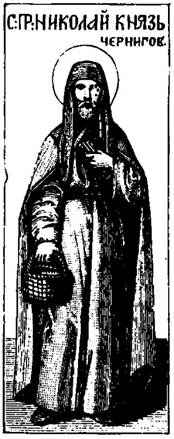
|Сын благочестивого Черниговского князя Давида Святославича, князь Святослав Святоша, в крещении Панкратий, а в иночестве Николай, был женат и имел детей; одна дочь его была супругой блаж. князя Всеволода-Гавриила182. В 1097 г. видим его князем Луцким, но в том же году, осаждённый Боняком и Давидом, ослепившим несчастного Василька, он добровольно выехал из Луцка в Чернигов183, Хотя Грозный царь несправедливо называет кн. Святослава-Николая великим князем Черниговским184, но царь конечно имел в виду памятники того, что живший с 1097 года в Чернигове князь владел землями в Черниговском княжестве и тем устраивал покой своей семьи – жены и детей; Черниговское предание твёрдо помнит, что Навоз и Пакуль с их окрестностями, расположенные на берегу Днепра, принадлежали блаж. князю Николаю Святоше и им потом отданы лавре, которая владела ими до самых поздних времён.
|The son of the pious Chernigov Prince David Svyatoslavich, Prince Svyatoslav Svyatosha, in baptism Pankraty, and in monasticism Nicholas, was married and had children; one of his daughters was the wife of the blessed Prince Vsevolod-Gabriel182. In 1097 we see him as Prince of Lutsk, but in the same year, besieged by Bonyak and David, who had blinded the unfortunate Vasilko, he voluntarily departed from Lutsk for Chernigov183. Although the Terrible Tsar incorrectly calls Prince Svyatoslav-Nicholas the Grand Prince of Chernigov184, the Tsar undoubtedly had in mind records indicating that the prince who lived in Chernigov from 1097 held lands in the Chernigov principality and thereby arranged the peace of his family—his wife and children; the Chernigov tradition firmly remembers that Navoz and Pakul, with their environs, located on the bank of the Dnieper, belonged to the blessed Prince Nicholas Svyatosha and were later given by him to the Lavra, which possessed them until very recent times.
В 1107 г. оставил он жену, детей, известность мирскую и февр. 17 принял пострижение в Печерской обители185. «Три года, пишет блаж. Симон, провёл он в поварне, работая на братию: своими руками рубил дрова для варения гороха братского; часто носил воду с берега на плечах своих. Братья его, Изяслав и Владимир, не могли удержать его от подвигов. Как искренний послушник, он с любовью выпросил дозволение варить пшённую кашицу на братию в течении года. После того приставлен он был, как испытанный и способный, к вратам монастыря и здесь пробыл три года, не отходя никуда кроме церкви186. Много надобно было твёрдости, чтобы перенести упрёки за решимость князя на жизнь послушника безответного. Тогда ещё никто из князей, в летах и положении Святослава, не обрекал себя на труды и смирение иночества. Братья Святослава старались возвратить его миру, особенно через врача, поселившегося для Святослава в Киеве. Врач выставлял, как вредна для здоровья князя суровая жизнь инока. «Да и благочестивые братья твои, Изяслав и Владимир, говорил врач, терпят унижение от твоей бедности. – Кто из князей поступал так? Блаженный ли отец твой Давид, или дед Святослав? Кто из бояр пожелал сего, кроме Варлаама, бывшего здесь игуменом?» Но блаженный отвечал: «брат Пётр! много думал я и положил не щадить плоти моей, чтобы не поднять брани на себя; пусть, стесняемая трудами, смирится она. Правду говоришь ты, что никто из князей не сделал того прежде меня; но пусть я буду первым, и кто захочет, пойдёт по следам моим. – Благодарю Бога, что освободил Он меня от работы мирской и сотворил меня слугой рабам Своим, сим блаженным черноризцам. – Братья же мои пусть внимают себе. Умереть для Христа прибыток мне›. Опыт показал, кто был прав в своих мыслях. Подвижник-князь бывал не здоров, но каждый раз, прежде чем приходил врач, выздоравливал. Раз захворал врач и очень тяжко. Князь-инок послал сказать ему, что, если не будет пить траву, будет здоров; а если не послушается, много будет страдать. Врач не послушался и едва спасся от смерти. Врач был тяжко болен и в другой раз. Блаженный послал сказать ему: «если не будешь лечиться, на третий день будешь здоров». Врач послушался и выздоровел. – После того Пётр стал переменяться в мыслях, потом решился быть иноком и, как назначил блаженный, скоро скончался. Последнее было на шестом году пребывания Святослава в обители; а князь-инок и после того жил ещё 30 лет187. После должности привратника «повелено ему было, пишет блаж. Симон, служить в трапезе, затем волей игумена и братии вынужден он был иметь свою келью. Построив её, он завёл при ней сад, где садил растения руками. О нём говорят и то, что никогда не бывал он без дела во всё время монашества своего: постоянно занимался рукоделием, поя псалмы, и тем снискивал себе содержание. Хотя и получал он имения, но не употреблял для себя, а всё раздавал нищим и на церковное строение»188. Последние слова блаж. Симона дают вероятие тому преданию, что храм Св. Троицы над св. вратами и больничный храм св. Николая построены были усердием св. князя-инока189. По известию Кальнофойского, Троицкий храм над вратами – того же фасада, какого храм Благовещения над златыми вратами Ярослава. – Это служит новым оправданием мысли о строителе св. врат – князе-вратаре. «У нас много книг его», говорит ещё Симон Печерскому иноку. Ныне известно, что св. князь усердно побуждал и других к книжным занятиям. По его просьбе инок Феодосий перевёл на Славянский язык послание св. Льва папы против Евтихия190. В 1142 г. видим князя-инока миротворцем между князьями. По просьбе в. князя, он примирил князей Черниговских с братьями в. кн. Всеволода191. Это было последнее служение его Церкви и отчизне. В следующем году, 14 октября, почил он от трудов своих192. «На погребение его собрался весь Киев. – Брат его Изяслав выпросил себе на благословение крест почившего». Спустя некоторое время Изяслав так был болен, что отчаивались в жизни его. – Лёжа в беспамятстве, больной попросил воды из Печерского колодезя. Игумен послал воды, которой омывали мощи пр. Феодосия, и власяницу пр. Николая. Ещё не возвратился посланный, как больной сказал: «идите встречать пр. Феодосия и Николая». Когда же вошёл в дом посланный, – «Николай, Николай Святоша!» сказал больной. Его напоили водою Феодосия, покрыли власяницей Николая и – больной мгновенно выздоровел. – Князь надевал потом власяницу преподобного, когда выходил на войну, и оставался цел. Царь Иоанн, пересказав сказание Симона о св. Николае, говорит: «и по преставлении его, от деревянной скамейки, на которой сиживал он у ворот, бегали бесы»193.
In 1107 he left his wife, children, worldly fame, and on February 17 received the tonsure in the Monastery of the Caves185. "For three years," writes the blessed Simon, "he spent in the kitchen, working for the brotherhood: with his own hands he chopped wood for cooking the brotherly peas; often he carried water from the shore on his shoulders. His brothers, Izyaslav and Vladimir, could not restrain him from his labors. As a sincere novice, he lovingly asked permission to cook millet gruel for the brotherhood for a year. After that, as one tested and capable, he was appointed to the gates of the monastery and remained there for three years, going nowhere except to church186. Much firmness was needed to endure the reproaches for the prince's resolve to live the life of a submissive novice. At that time, none of the princes, of the age and position of Svyatoslav, had condemned themselves to the labors and humility of monasticism. Svyatoslav's brothers tried to return him to the world, especially through a physician who had settled in Kiev for Svyatoslav's sake. The physician pointed out how harmful the severe monastic life was for the prince's health. 'And your pious brothers, Izyaslav and Vladimir,' said the physician, 'suffer humiliation from your poverty. — Which of the princes has acted thus? Your blessed father David, or your grandfather Svyatoslav? Which of the boyars desired this, except for Barlaam, who was abbot here?' But the blessed one replied: 'Brother Peter! I have thought much and resolved not to spare my flesh, lest I raise war against myself; let it be humbled, constrained by labors. You speak truly that none of the princes has done this before me; but let me be the first, and whoever wishes will follow in my footsteps. — I thank God that He has freed me from worldly service and made me a servant of His servants, these blessed black-robed monks. — As for my brothers, let them take heed to themselves. To die for Christ is gain for me.' Experience showed who was right in his thoughts. The ascetic prince would sometimes be unwell, but each time, before the physician came, he would recover. Once the physician fell ill, and very grievously. The prince-monk sent word to him that if he did not drink the herb, he would be well; but if he did not obey, he would suffer much. The physician did not obey and barely escaped death. The physician was grievously ill another time as well. The blessed one sent word to him: 'If you do not treat yourself, on the third day you will be well.' The physician obeyed and recovered. — After that, Peter began to change in his thoughts, then resolved to become a monk, and, as the blessed one had foretold, soon died. The latter occurred in the sixth year of Svyatoslav's stay in the monastery; and the prince-monk lived another thirty years after that187. After the duty of gatekeeper, 'he was commanded,' writes the blessed Simon, 'to serve in the refectory; then, by the will of the abbot and the brotherhood, he was compelled to have his own cell. Having built it, he established a garden by it, where he planted things with his own hands. It is also said of him that he was never idle during the whole time of his monasticism: he constantly occupied himself with handiwork, singing psalms, and thereby earned his sustenance. Although he received estates, he did not use them for himself, but distributed everything to the poor and for church building'188. The last words of the blessed Simon give credence to the tradition that the church of the Holy Trinity above the holy gates and the hospital church of St. Nicholas were built by the zeal of the holy prince-monk189. According to the account of Kalnofoysky, the Trinity church above the gates is of the same facade as the church of the Annunciation above the Golden Gates of Yaroslav. — This serves as new justification for the thought about the builder of the holy gates—the prince-gatekeeper. 'We have many of his books,' Simon further says to the monk of the Caves. It is now known that the holy prince zealously urged others also to bookish pursuits. At his request, the monk Theodosius translated into the Slavonic language the epistle of St. Leo the Pope against Eutyches190. In 1142 we see the prince-monk as a peacemaker between princes. At the request of the Grand Prince, he reconciled the princes of Chernigov with the brothers of Grand Prince Vsevolod191. This was his last service to the Church and his fatherland. In the following year, on October 14, he reposed from his labors192. 'All Kiev gathered for his burial. — His brother Izyaslav asked for the blessing of the deceased's cross.' Some time later, Izyaslav became so ill that they despaired of his life. — Lying unconscious, the sick man asked for water from the well of the Caves. The abbot sent water with which the relics of the Venerable Theodosius had been washed, and the hair-shirt of the Venerable Nicholas. Before the messenger had returned, the sick man said: 'Go to meet the Venerable Theodosius and Nicholas.' When the messenger entered the house, — 'Nicholas, Nicholas Svyatosha!' said the sick man. They gave him the water of Theodosius to drink, covered him with the hair-shirt of Nicholas, and — the sick man was instantly healed. — The prince afterwards put on the hair-shirt of the Venerable one when he went to war, and remained unharmed. Tsar John, having recounted the account of Simon about St. Nicholas, says: 'And after his repose, from the wooden bench on which he used to sit at the gates, demons fled'193.
Блаж. Симон, окончив свою повесть, говорит иноку Поликарпу нужное и для других: «ты что подобное сделал? Богатство ли оставил? Но у тебя не было его. Славу ли? Но ты не владел ею. Ты из бедности перешёл к известности и счастью. Подумай об этом князе. Подобного ему никто из князей не сделал; никто из них волей не пошёл в иночество: истинно он выше всех Русских князей. – Как же сравняется твоя низость с его власяницей? Ты рождён для наготы и украшаешься одеждами. Не будешь ли ты лишён за то одежды нетленной и осуждён, как не имеющий брачного одеяния?.. Вчера ты – инок, и уже отрекаешься от иночества. Не научившись иночеству, желаешь епископства и выставляешь из себя законодателя грозного. Не научившись сам покорности, хочешь смирять других. Думаешь высоко о себе, повелеваешь гордо, отвечаешь вопреки. Из твоих уст узнал я об этом. Ты помышляешь о земном, а не о небесном, о плотском, а не о духовном, о похотях, а не о воздержании, о богатстве, а не о нищете. – Ты удалился от света и уклонился во тьму. Взяв оружие против врага, вонзил его в твоё сердце. Пробудись, брат, и заботливо подумай о твоей жизни»194.
The blessed Simon, having finished his account, says to the monk Polycarp what is also needful for others: "What have you done that is like this? Have you left behind wealth? But you had none. Glory? But you did not possess it. You have passed from poverty to renown and good fortune. Think about this prince. No one among the princes has done anything like him; none of them has willingly entered monasticism: truly he is above all the Russian princes. – How then shall your lowliness be compared with his hair-shirt? You were born for nakedness, yet you adorn yourself with garments. Will you not for that be deprived of the incorruptible garment and be condemned, as one who has no wedding garment?.. Yesterday you were a monk, and already you renounce monasticism. Without having learned monasticism, you desire the episcopacy and set yourself up as a stern lawgiver. Without having learned obedience yourself, you wish to humble others. You think highly of yourself, you command proudly, you answer contrary. From your own lips I have learned this. You think of earthly things, and not of heavenly; of fleshly things, and not of spiritual; of lusts, and not of temperance; of riches, and not of poverty. – You have withdrawn from the light and fallen into darkness. Taking up arms against the enemy, you have thrust them into your own heart. Awake, brother, and carefully consider your life"194.
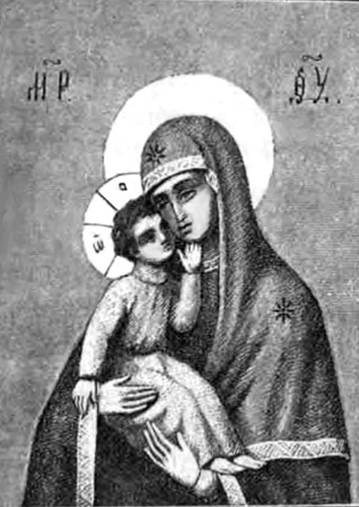
Яхромская или Яхремская св. икона находится в мужском Космине монастыре Владимирской губернии, в 40 верстах от Владимира, на реке Яхроме или Яхреме. Эта святая икона явилась в 1482 г. 14 октября благочестивому отроку Косме, который сопутствовал одному болящему. Однажды остановились они на пути при потоке Яхремы. Во время сна, в который погрузился болящий, отрок внезапно видит необычайный свет и слышит голос: «внемли и разумей глаголы жизни, яви житие Богоугодное и пожелай радости праведных, да насладишься вечных благ». Косма увидел, что лучи блеснувшего ему света исходили от иконы Успения Богоматери, явившейся на древе. Отрок приблизился и взял с древа святую икону, от которой болящий немедленно получил исцеление. Следуя небесному внушению, Косма с иконой Богоматери тайно удалился от исцелённого, которому был уже не нужен, и прибыл в Печерскую обитель Киева, где находился подлинник явившейся ему иконы, и здесь принял пострижение иноческое. После многих лет подвигов иноческих, которыми ознаменовал свою духовную жизнь и прославил себя, Косма, по тайному внушению Божию, взяв с собой явившуюся ему икону, удалился из Киевской обители на то место, где явилась ему св. икона, и здесь пособием христолюбивых христиан соорудил церковь во имя Успения, в которой поставил Яхромскую икону, и сам поселился при церкви, при которой образовалась обитель Косыгина.
The Iakhroma or Iakhremskaya holy icon is located in the men's Kosmin Monastery of Vladimir Province, 40 versts from Vladimir, on the river Iakhroma or Iakhrema. This holy icon appeared in 1482, on October 14, to a pious youth named Kosma, who was accompanying a certain sick man. Once they stopped on the way at the stream of Iakhrema. During the sleep into which the sick man had fallen, the youth suddenly saw an extraordinary light and heard a voice: "Hearken and understand the words of life, live a life pleasing to God, and desire the joy of the righteous, that you may enjoy eternal blessings." Kosma saw that the rays of the light which shone upon him proceeded from an icon of the Dormition of the Mother of God, which had appeared on a tree. The youth drew near and took the holy icon from the tree, and the sick man immediately received healing from it. Following the heavenly prompting, Kosma, with the icon of the Mother of God, secretly departed from the healed man, who no longer needed him, and arrived at the Monastery of the Caves in Kiev, where the original of the icon that had appeared to him was located, and there he received monastic tonsure. After many years of monastic labors, by which he marked his spiritual life and glorified himself, Kosma, by a secret divine prompting, taking with him the icon that had appeared to him, departed from the Kiev monastery to the place where the holy icon had appeared to him, and there, with the help of Christ-loving Christians, he built a church in the name of the Dormition, in which he placed the Iakhroma icon, and he himself settled near the church, around which the Kosygin monastery was formed.
Житие св. Параскевы, описанное п. Евфимием около 1385 г., нап. в Гласнике VIII, 131–141, но по такому списку, в котором листы перебиты, а издатель не позаботился привести их в порядок. Список у Царского № 135. Несколько изменённое у св. Димитрия в Четьи-Минее окт. 14 дня.
The Life of St. Paraskeva, written by Patriarch Euthymius around 1385, published in Glasnik VIII, 131–141, but from a copy in which the folios are disordered, and the publisher did not take care to put them in order. A copy is in Tsarsky's collection, No. 135. Somewhat altered by St. Demetrius in the Chetyi-Minei for October 14.
Сказание: «Грьчскаго царствиа скиптру извемогшу, попущением Божиим Римляне… царствующий удрьжаше град, весь святые сьсуды безстудне вьземше и еще же и честные святых мощи, церковну всю утварь и царскаа вьса имения и вьсу, просто рещи, града красоту. Вьса в Рим отпустите и отслаше... Благочестивому цару Бльгарскому Иоанну Асеню, сыну стараго царя Асеня, никакоже тех лаяний ужасьшуся, нь и паче време благополучно обреть, на нечестивых одрьжаше храборне вскочи и вьсе Македонское обьемшу одрьжание и еще же и Серь» и лр. Македонию и Фракию отнял у Латинян и Греков Ясень старый, а не сын Ясеня старого. Сын доканчивал дело отца: он восстановлял Болгарскую народность, почти не употребляя крутых мер. Stritten Bulgarica § 267. 274. 277–281.
The account: "When the scepter of the Greek kingdom had grown weak, by God's permission the Romans... held the ruling city, shamelessly taking all the holy vessels, and also the venerable relics of the saints, all the church utensils and all the imperial possessions, and, in a word, all the beauty of the city. They sent and dispatched everything to Rome... The pious Tsar of the Bulgarians, John Asen, son of the old Tsar Asen, was in no way terrified by those revilings, but rather, having found a favorable time, bravely rushed upon the impious and seized all the Macedonian realm, and also the Ser..." etc. Macedonia and Thrace were taken from the Latins and Greeks by the elder Asen, not by the son of the elder Asen. The son completed his father's work: he restored the Bulgarian nationality, almost without using harsh measures. Stritten, Bulgarica, § 267, 274, 277–281.
У Царского № 135 «сказание, како принесена бысть преподобная в славную Сербскую землю, списано Григорием Цамблаком». В списке Русских городов XIV в.: «обону страну Дуная Трънов, ту лежит св. Пятница».
In Tsarsky's collection, No. 135: "The account of how the Venerable One was brought to the glorious Serbian land, written by Gregory Tsamblak." In the list of Russian cities of the 14th century: "On the other side of the Danube, Trnov, there lies St. Petka."
Даскалова открытия в Тернове, в чтен. общ. ист. 1859 г., кн. 2. Григоровича путеш. 173. П. Нектарий (в ответах паписту Петру), перечисляя святых нового времени, пишет: «известна нам и Параскева новая, чтимая пресветлыми торжествами во всей Болгарии, но её тело перенесено из Константинополя в Молдовлахию и врачует, как сами видели, многих».
Daskalov's discoveries in Trnov, in Readings of the Society of History, 1859, book 2. Grigorovich's Travels, 173. Patriarch Nectarius (in his answers to the papist Peter), enumerating the saints of recent times, writes: "Paraskeva the New is also known to us, honored with most radiant celebrations throughout all Bulgaria, but her body was translated from Constantinople to Moldovlachia and heals many, as we ourselves have seen."
Карамз. 2, пр. 211. О жене и детях сам он у Симона: «си вся Христа ради оставих, и жену и дети и дом и власть». Всеволод взял дочь его за себя в 1123 г. (Собр. л.3:5) и след. после удаления его в монастырь. По синодикам супруга его – к. Анна.
Karamzin, 2, note 211. Concerning his wife and children, he himself says in Simon: "All this I left for Christ's sake: wife and children and home and authority." Vsevolod took his daughter as his wife in 1123 (Collection of Chronicles, 3:5), and consequently after his withdrawal into the monastery. According to the synodikons, his wife was Princess Anna.
Этот перевод с предисловием и послесловием нап. в чтен. общ. ист. 1848 г. № 7. «Веде же господин мой кир Николае, яко никакоже достойно твоего чаяния преложение... призываю же раб твой Феодосии моего патриарха молитвы».
This translation, with a preface and afterword, was published in the Readings of the Society of History, 1848, No. 7. "I know, my lord, kyr Nicholas, that the translation is in no way worthy of your expectation... I call upon your servant Theodosius, my patriarch, for prayers."
Послание 1578 г. в ист. акт. 1, 381. Житие пр. Николая в ркп. прологе XVII в. у Румянцева № 325.
Epistle of 1578 in Historical Acts, 1, 381. Life of the Venerable Nicholas in a manuscript Prologue of the 17th century, in Rumyantsev's collection, No. 325.