† Преставление преподобного Савватия Соловецкого
† The Repose of the Venerable Savvatius of Solovki
При благоверном великом князе Василии Васильевиче и при митрополите Фотии в обители преподобного Кирилла Белозерского подвизался инок Савватий.432 Откуда пришел он и откуда был родом, – остается неизвестным. По запискам игумена Досифея, в Кирилловой обители подвизался он долго и усердно, выполняя разные службы с полным послушанием настоятелю. По одной церковной песни, ему пришлось переносить «досады и бесчестия».433 Дав обеты иночества он не щадил себя более прежнего: слезной молитвой, бдением и алканием служил Господу день и ночь. Безответное послушание игумену, кроткая любовь к братии и строгая жизнь стали приобретать ему уважение в обители. Но общее внимание в людной Кирилловой обители начало тяготить его, и он решился скрыться в безмолвное место.
During the reign of the Right-believing Grand Prince Basil Vasilievich and under Metropolitan Photius, a monk named Savvatius labored in the monastery of the Venerable Cyril of White Lake.432 Whence he came and of what lineage he was remains unknown. According to the notes of Abbot Dositheus, he labored long and zealously in the monastery of Cyril, fulfilling various obediences with complete submission to the abbot. According to one church hymn, he had to endure "insults and dishonors."433 Having made his monastic vows, he spared himself even less than before: with tearful prayer, vigil, and fasting he served the Lord day and night. His unquestioning obedience to the abbot, his meek love for the brethren, and his strict life began to earn him respect in the monastery. But the general attention in the populous monastery of Cyril began to weigh upon him, and he resolved to withdraw to a place of silence.
Услышав, что в Новгородской стороне на озере Нево (Ладожском) есть остров Валаам и на нем монастырь, отделенный от мира водой, любитель смирения и безмолвия собрался идти на тихий остров; белозерские иноки не без скорби расстались с подвижником Божиим. На Валааме Савватий явился иноком послушливым и безответно выполнял поручения не спрашивая и себя, для чего требуют того или другого. При строгом посте был кроток и всегда одинаков. Игумен и братия отличали его уважением; но это одно и беспокоило смиренного старца: он опасался, не потерять бы награды небесной за награду земную. С другой стороны хотя не легка была жизнь на Валааме, но старец Божий алкал для себя большей суровости, и душа его порывалась к безмолвному одиночеству.
Having heard that in the Novgorod region, on Lake Nevo (Ladoga), there was the island of Valaam with a monastery upon it, separated from the world by water, the lover of humility and silence prepared to go to that quiet island. The monks of White Lake parted from the man of God not without sorrow. On Valaam, Savvatius proved to be an obedient monk, fulfilling tasks without question and without asking himself why this or that was required. With strict fasting he was meek and always the same. The abbot and brethren distinguished him with respect; but this very thing troubled the humble elder: he feared lest he lose the heavenly reward for an earthly one. On the other hand, although life on Valaam was not easy, the elder of God yearned for even greater austerity, and his soul yearned for silent solitude.
На Валааме дошло до слуха Савватиева, что еще дальше не севере есть Соловецкий остов, никем не обитаемый, весьма не легкий для пребывания на нем, редко доступный даже для рыбаков. Загорелась душа пустыннолюбивого старца пожить там в любезном безмолвии. Когда объявил он о своем желании игумену и братии, они никак не хотели расстаться с великим старцем. Чудная ревность к суровым подвигам! Убеленный сединами старец ночью бежал с Валаама. Когда достиг он берега Белого моря и стал расспрашивать прибрежных жителей о Соловецком острове, они рассказали ему, что остров – велик, с озерами, лесами, горами, но необитаем, оттого, что очень неудобно сообщение с ним. Этот рассказ еще более воспламенил в старце желание поселиться на нем. Заметив это желание в старце, собеседники, как ни привыкли сами к суровой северной зиме, смотря на седины его, улыбались намерению его. «Чем ты будешь питаться и одеваться там, старец, когда так беден и дряхл?» спросили они. «У меня», отвечал преподобный, – «такой Владыка, Который и дряхлости дает силы свежей юности и голодных питает до сытости». Святой старец решился остаться на время в часовне, стоявшей вблизи устья реки Выги, на месте, называвшемся Сороки. – Здесь увидался он с отшельником Германом и от него узнал еще более, как благоприятен для безмолвия остров. Герман изъявил готовность не только проводить его до острова, но и поселиться с ним там. На малой ладье двое отправились они по беспокойному морю и, хранимые Господом, на третий день счастливо достигли берега. Близ горы Секирной, в расстоянии 12 верст от нынешней обители, поставили они крест и себе кущи. Это были первые отшельники на дальних Соловках. И их подвиги с 1429 г. освятили негостеприимный остров сурового севера. Это отшельничество далеко тяжелее отшельничества восточного. На здешней почве нельзя было иметь никакой растительной пищи, а страшный холод зимы и сырость осени сжимали самую жизнь в организме телесном. – Подвижники Божии терпеливо выносили все перемены климата в плохих своих хижинах, согреваясь любовью к Господу; они молились и пели псалмы, ожидая вечности блаженной.
On Valaam, word reached Savvatius that even farther to the north there was the Solovetsky Island, uninhabited by anyone, very difficult to dwell upon, and rarely accessible even to fishermen. The soul of the desert-loving elder burned to live there in beloved silence. When he announced his desire to the abbot and brethren, they were unwilling to part with the great elder. O wondrous zeal for harsh labors! The elder, white-haired, fled from Valaam by night. When he reached the shore of the White Sea and began to question the coastal inhabitants about the Solovetsky Island, they told him that the island was large, with lakes, forests, and mountains, but uninhabited because communication with it was very difficult. This account inflamed the elder's desire to settle there even more. Noticing this desire in the elder, his interlocutors, though accustomed themselves to the harsh northern winter, looked at his gray hairs and smiled at his intention. "What will you eat and wear there, elder, when you are so poor and frail?" they asked. "I have," replied the Venerable One, "such a Master, Who gives to frailty the strength of fresh youth and feeds the hungry to fullness." The holy elder decided to remain for a time in a chapel standing near the mouth of the Vyg River, at a place called Soroki. Here he met the hermit Herman and learned from him even more how favorable the island was for silence. Herman expressed his readiness not only to escort him to the island but also to settle there with him. In a small boat the two set out across the restless sea and, preserved by the Lord, on the third day happily reached the shore. Near Mount Sekirnaya, at a distance of 12 versts from the present monastery, they set up a cross and huts for themselves. These were the first hermits on the distant Solovki. And their labors, from 1429, sanctified the inhospitable island of the harsh north. This hermitage was far more difficult than that of the East. On this soil no vegetable food could be grown, and the terrible cold of winter and the dampness of autumn compressed life itself in the bodily organism. The ascetics of God patiently endured all the changes of climate in their poor huts, warming themselves with love for the Lord; they prayed and sang psalms, awaiting the blessed eternity.
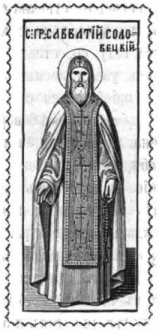
Как ни мало привлекательна жизнь на холодном острове, людской зависти стало больно, что живут там другие. Жившие около Кеми отправили от себя одну семью на Соловецкий остров, с тем, чтобы она, ознакомясь там ближе со средствами острова, открыла удобства и другим для поселения. Но Господь сильно вразумил людскую тупость. Раз Савватий пел с другом своим воскресную всенощную и вышел из келии покадить крест, поставленный перед келией. Неожиданно слышит он крик и вопль и в смущении спешит в келию сказать о том Герману. Оградясь крестным знамением, Герман идет на голос крика и видит горько рыдающую женщину. «О чем ты плачешь?» спросил он. «Я шла к мужу, отвечала она, и вдруг встретились мне двое юношей светлых, с гневом стали жестоко бить меня и говорили: бегите отселе, не для вас это место, сонмы иноков будут здесь славить Бога, – бегите, чтобы иначе скорая смерть не постигла вас. И мгновенно исчезли они». – Герман рассказал старцу, что узнал, и оба прославили Господа за Его дивную волю.
However little attractive life on the cold island was, human envy was pained that others lived there. Those living near Kem sent a family to the Solovetsky Island, so that they, becoming acquainted with the island's resources, might open up conveniences for others to settle. But the Lord strongly admonished human dullness. Once Savvatius was singing the Sunday All-night Vigil with his companion and went out of his cell to cense the cross set before the cell. Suddenly he heard a cry and wailing and, troubled, hastened into the cell to tell Herman about it. Signing himself with the sign of the cross, Herman went toward the voice of the cry and saw a woman weeping bitterly. "Why are you crying?" he asked. "I was going to my husband," she answered, "and suddenly two bright youths met me, angrily began to beat me severely, and said: 'Flee from here; this place is not for you; hosts of monks will glorify God here—flee, lest otherwise swift death overtake you.' And they vanished instantly." Herman told the elder what he had learned, and both glorified the Lord for His wondrous will.
На шестом году Соловецкой отшельнической жизни Герман для нужд келейных отправился на сухой берег к реке Онеге. После него в том же году святому старцу было извещение о скором разрешении его от уз телесных. – Он поспешил на твердую землю, чтобы приобщиться святых Тайн, и в два дня на утлой ладье достиг берега. За 10 верст от устья реки Выги встретил он игумена Нафанаила, жившего в часовне на Выге; рассказав о себе, где жил он, Савватий просил преподать ему разрешение и приобщить святых Тайн. – Нафанаил спешил напутствовать больного и просил святого старца идти в часовню и там ждать его до утра. «Не весте, что утре будет», сказал старец, и просил не отлагать исполнения просьбы его до утра. Игумен исполнил желание святого старца и просил подождать его в часовне, чтобы насладиться духовной беседой. «Как Господу угодно, так и будет», отвечал старец и пошел к часовне. В это время прибыл на берег Новгородский купец Иоанн. Помолясь в часовне, зашел он в келию и здесь увидел благолепного старца. В беседе любви святой старец преподал ему наставления для жизни, глубоко проникшие в душу. – Богатый купец, усладясь беседой святого старца, предложил ему богатое подаяние. «Мне это не нужно, сказал старец, – раздай бедным», и объяснил, как много значит для души подаяние милостыни. – Купец опечалился тем, что святой старец не принял у него ничего для себя. Старец с лаской любви сказал: «останься, друг, до завтра: не будешь жалеть о том, и путь твой будет покоен». Купец отвечал, что ныне же должен отправиться в море. Но едва вышел он из кельи, как на море поднялась буря. Пришлось и против желания остаться на берегу. На утро добрый купец пришел принять благословение у старца, с молитвой толкнул дверь, ответа не было, – взошел в келию и увидел старца сидящего в куколе и мантии, с кадильницей в руке, но не слышал ответа на приветствие, – старец умер с молитвой на устах. Это было 27 сентября 1435 г. Пришедший игумен Нафанаил похоронил вместе и Иоанном преподобного при часовне.434
In the sixth year of the Solovetsky hermitage, Herman went to the dry shore at the Onega River for cell necessities. After him, in the same year, the holy elder received a revelation of his imminent release from the bonds of the body. He hastened to the mainland to partake of the Holy Mysteries, and in two days, on a frail boat, he reached the shore. Ten versts from the mouth of the Vyg River he met Abbot Nathanael, who lived in a chapel on the Vyg; having told him where he had lived, Savvatius asked him to grant him absolution and to commune him with the Holy Mysteries. Nathanael hastened to prepare the sick man and asked the holy elder to go to the chapel and wait for him there until morning. "You know not what the morrow may bring," said the elder, and asked him not to put off fulfilling his request until morning. The abbot fulfilled the holy elder's desire and asked him to wait for him in the chapel, so that he might enjoy spiritual conversation. "As the Lord wills, so shall it be," answered the elder, and went to the chapel. At that time a Novgorod merchant, John, arrived on the shore. Having prayed in the chapel, he entered the cell and there saw a comely elder. In a conversation of love, the holy elder gave him instructions for life, which penetrated deeply into his soul. The wealthy merchant, delighted by the holy elder's conversation, offered him a rich alms. "I have no need of this," said the elder; "distribute it to the poor," and explained how much the giving of alms means for the soul. The merchant was grieved that the holy elder had accepted nothing for himself. The elder said with loving kindness: "Stay, friend, until tomorrow; you will not regret it, and your journey will be peaceful." The merchant replied that he must set out to sea that very day. But scarcely had he left the cell when a storm arose on the sea. He was forced, against his will, to remain on shore. In the morning the good merchant came to receive the elder's blessing; with prayer he pushed the door—there was no answer; he entered the cell and saw the elder sitting in his klobuk and mantle, with a censer in his hand, but heard no answer to his greeting—the elder had died with prayer on his lips. This was on September 27, 1435. The arriving Abbot Nathanael, together with John, buried the Venerable One near the chapel.434
Спустя 30 лет, когда на Соловецком острове уже устроилась обитель, старцы Кирилловой обители писали в Соловецкую обитель: «вы лишены великого дара, – не с вами преподобный Савватий, который прежде вас потрудился для Бога на вашем месте, провел жизнь в посте и трудах, подвизался во всех добродетелях, как древние отцы; возлюбив Христа всей душей, удалился от мира и умер блаженной кончиной. – Некоторые из братий наших, бывшие в великом Новгороде, слышали о старце Савватии повествование боголюбивого Иоанна, что он, путешествуя по торговым делам, сподобился видеть преподобного Савватия живым, слышал духовное поучение его и вместе и игуменом Нафанаилом погребал его почившего. Тот же Иоанн сказывал братиям нашим, что по молитве преподобного Савватия Господь сохранил от потопления на море брата его Феодора. – Мы слышали, что при гробе его совершаются знамения и чудеса. Он угодил Господу. – И мы сами – свидетели добродетельного жития его: блаженный отец довольно лет прожил с нами в дому Пресвятой Богородицы, в Кирилловом монастыре. – Потому пишем к вашей святости и советуем: не лишайтесь такого дара, перенесите к себе преподобного и блаженного Савватия; путь положены будут мощи его там, где много лет трудился он». – Возбужденные тем преподобный Зосима и братия решились перенесть преподобного в обитель. Когда раскопали уединенную могилу, воздух наполнился благовонием, а когда открыли гроб, увидели нетленное тело, ни мало не повредившееся, и все одеяние целое. Перенесенные мощи положены были за алтарем Преображенского храма обители. Это было в 1465 г. С того времени больные стали получать исцеление при гробнице Савватия. Купцы Иоанн и Феодор, облагодетельствованные преподобным, прислали образ Савватия, который и был поставлен на гробнице. В 1566 г. августа 8 мощи преподобного Зосимы и Савватия перенесены в придел Преображенского собора, посвященный им.435
Thirty years later, when a monastery had already been established on the Solovetsky Island, the elders of the monastery of Cyril wrote to the Solovetsky monastery: "You are deprived of a great gift—the Venerable Savvatius is not with you, he who labored for God on your site before you, who spent his life in fasting and labors, who struggled in all virtues like the ancient fathers; having loved Christ with all his soul, he withdrew from the world and died a blessed death. Some of our brethren, who were in Great Novgorod, heard from the God-loving John a narrative about the elder Savvatius: that he, traveling on business, was deemed worthy to see the Venerable Savvatius alive, heard his spiritual instruction, and together with Abbot Nathanael buried him after his repose. The same John told our brethren that through the prayer of the Venerable Savvatius the Lord preserved his brother Theodore from drowning at sea. We have heard that signs and wonders are performed at his grave. He pleased the Lord. And we ourselves are witnesses of his virtuous life: the blessed father lived with us for many years in the house of the Most Holy Theotokos, in the monastery of Cyril. Therefore we write to your holiness and advise: do not deprive yourselves of such a gift; transfer to yourselves the Venerable and blessed Savvatius; let his relics be placed where he labored for many years." Aroused by this, the Venerable Zosimas and the brethren resolved to transfer the Venerable One to the monastery. When they dug up the solitary grave, the air was filled with fragrance, and when they opened the coffin, they saw the incorrupt body, not at all damaged, and all the vestments intact. The transferred relics were placed behind the altar of the Transfiguration church of the monastery. This was in 1465. From that time, the sick began to receive healing at the tomb of Savvatius. The merchants John and Theodore, who had been benefited by the Venerable One, sent an icon of Savvatius, which was placed on the tomb. In 1566, on August 8, the relics of the Venerable Zosimas and Savvatius were transferred to the side-chapel of the Transfiguration cathedral dedicated to them.435
В грамоте патриарха Филарета читаем: «старец Даниил бы болен и лишился было зрения, шесть недель ничего не видел. Сентября 27, в память чудотворца Савватия, явились ему ночью, в тонком сне, чудотворец Сергий и Соловецкий чудотворец Савватий. Савватий упрашивал чудотворца Сергия об исцелении старца Даниила – простить и исцелить его. По прошению его чудотворец Сергий помазал ему очи и исцелил. В тот же час он прозрел и стал видеть, как и прежде видел. Теперь строитель старец, по милости Божией, здоров».436
In a charter of Patriarch Philaret we read: “The elder Daniel was ill and had lost his sight; for six weeks he saw nothing. On September 27, on the commemoration of the Wonderworker Savvatius, the Wonderworker Sergius and the Solovetsky Wonderworker Savvatius appeared to him at night, in a light sleep. Savvatius besought the Wonderworker Sergius for the healing of the elder Daniel—to forgive and heal him. At his entreaty, the Wonderworker Sergius anointed his eyes and healed him. In that same hour he received his sight and began to see as he had before. Now the builder, the elder, by the mercy of God, is well.”436