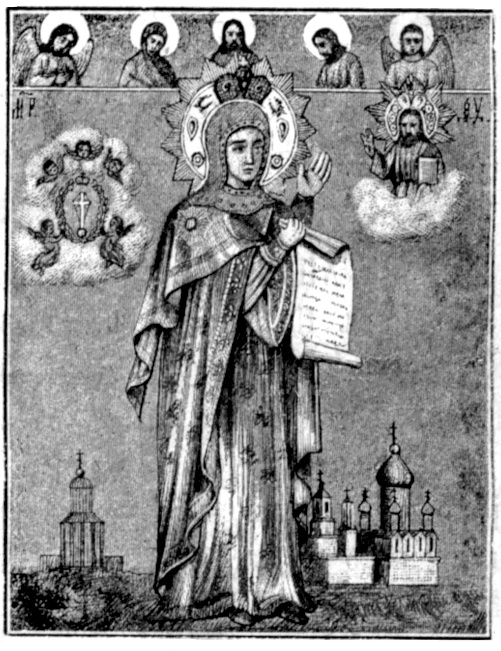
Св. муч. Леонтия и с ним Ипатия и Феодула
Holy Martyrs Leontius, and with him Hypatius and Theodulus
Леонтий, родом Грек, начальник войска в г. Триполи (Финикии), жил в I в. по Р. X. Исповедуя христианскую веру, он старался отвращать от идолопоклонства народ; влиянию его подчинялись многие, так как его «сильного, крепкого, храброго в бранех», сверх того славившегося учёностью и милосердием к бедным – все уважали.
Leontius, a Greek by birth, was the commander of the army in the city of Tripoli (Phoenicia) and lived in the first century A.D. Professing the Christian faith, he strove to turn the people away from idolatry; many submitted to his influence, for all respected him as "a man mighty, strong, and valiant in battle," who was also renowned for his learning and mercy toward the poor.
В это время (при императоре Веспасиане), когда гнали христиан между прочим и потому, что считали их за секту Иудейскую, не отличая их от Иудеев, бунтовавших против Римлян, послан был из Рима в Финикийскую область сановник Адриан, охотно принявший на себя поручение преследовать христиан, которых он ненавидел, и был вообще человек жестокого нрава.
At that time (under the emperor Vespasian), when Christians were being persecuted, among other reasons because they were considered a Jewish sect, not being distinguished from the Jews who were rebelling against the Romans, the dignitary Hadrian was sent from Rome to the region of Phoenicia. He willingly undertook the commission to persecute Christians, whom he hated, and was generally a man of cruel disposition.
Прибыв в Финикию, Адриан получил донос, что в Триполи находится военачальник Леонтий, совращающий народ в христианскую веру. Адриан немедленно послал своего трибуна Ипатия с несколькими воинами, чтобы взять под стражу такого зловредного деятеля – На пути Ипатий внезапно заболел и вынужден был остановиться; болезнь его так усилилась, что смерть, казалось, была неизбежна.
Upon arriving in Phoenicia, Hadrian received a denunciation that in Tripoli there was a military commander, Leontius, who was perverting the people to the Christian faith. Hadrian immediately sent his tribune Hypatius with several soldiers to take such a harmful doer into custody. On the way, Hypatius suddenly fell ill and was forced to stop; his sickness grew so severe that death seemed inevitable.
– Боги карают меня за то, что перед отъездом в путь я не принёс им жертвы... – объяснял так приключившееся ему страдание Ипатий, сознавая зависимость человеческой судьбы от какой-то неизвестной ему высшей силы, которая олицетворялась для него в языческих богах...
"The gods are punishing me because before setting out on the journey I did not offer them sacrifice," Hypatius explained the suffering that had befallen him, acknowledging the dependence of human fate on some unknown higher power, which was personified for him in the pagan gods.
Ищущий спасения человеческой души Создатель её отозвался на это сознание Ипатия зависимости своей от высшей силы и благоволил открыться ему как истинный Бог.
The Creator of the human soul, seeking its salvation, responded to this recognition by Hypatius of his dependence on a higher power and was pleased to reveal Himself to him as the true God.
В ночном видении явился Ипатию Ангел Божий и сказал ему: «если хочешь быть здоров, то призови на помощь Бога Леонтиева» ... – Как призывать мне в помощь Бога Леонтиева, когда я послан для того, чтобы взять под стражу Леонтия – противника наших богов? – недоумевал Ипатий, проснувшись и сообщив о своём видении бывшим с ним воинам.
In a night vision, an Angel of God appeared to Hypatius and said to him: "If you wish to be well, call upon the God of Leontius for help." "How can I call upon the God of Leontius for help, when I have been sent to take Leontius into custody, the opponent of our gods?" Hypatius wondered, upon waking, and told the soldiers who were with him about his vision.
– Почему же и не сделать этого? – отозвались воины; – мы все вместе попросим Бога Леонтьева: только бы выздороветь тебе... – И вслед затем три раза воскликнули они в один голос: – Боже Леонтиев, помоги нам! Больной же немедленно почувствовал возвращение сил и здоровья...
"Why not do this?" the soldiers responded. "Let us all together ask the God of Leontius: only that you may recover." And thereupon they cried out three times with one voice: "O God of Leontius, help us!" And the sick man immediately felt the return of strength and health.
Всё это произвело сильное впечатление на одного из молодых воинов, бывших при трибуне – Феодула. Он стал со вниманием расспрашивать Ипатия об его видении; в сердце его проникло стремление к неведомому Богу, Творящему чудеса. И в то время, когда прочие воины, обрадованные выздоровлением их начальника, предались весёлому пированию, Феодул, не принимая участия в общем развлечении, углубился в размышления – каким образом узнать ему, Кто и где этот Бог Леонтиев?.. Горя нетерпением разузнать о Нём от Леонтия, Феодул упросил трибуна, оставив здесь стражу, отправиться с ним вдвоём вперёд в г. Триполи и расспросить там сначала о Леонтии. Ипатий согласился, и когда они приблизились к городу, то увидели идущего к ним на встречу самого Леонтия. Они спросили его: где живёт тут военачальник Леонтий и рассказали ему о себе, зачем они были посланы в Триполи.
All this made a strong impression on one of the young soldiers who were with the tribune—Theodulus. He began to question Hypatius attentively about his vision; a longing for the unknown God, who works wonders, penetrated his heart. And while the other soldiers, rejoicing at their commander's recovery, gave themselves over to merry feasting, Theodulus, taking no part in the general amusement, immersed himself in thoughts of how he might learn who and where this God of Leontius was. Burning with impatience to find out about Him from Leontius, Theodulus begged the tribune to leave the guard there and go on ahead with him alone to the city of Tripoli, and there first to inquire about Leontius. Hypatius agreed, and when they drew near the city, they saw Leontius himself coming to meet them. They asked him: "Where does the military commander Leontius live here?" and told him about themselves and why they had been sent to Tripoli.
– Приходите в мой дом отдохнуть, предложил им Леонтий, – а после того я покажу вам Леонтия – христианина, которого вы ищете.
"Come to my house to rest," Leontius proposed to them, "and afterward I will show you Leontius the Christian, whom you seek."
Угостив пришедших к нему в дом со всевозможным радушием, Леонтий после того объявил им: – я сам – тот Леонтий, которого вы ищете. Я – воин Иисуса Христа, и вы меня должны взять под стражу.
Having entertained those who came to his house with all possible cordiality, Leontius then declared to them: "I myself am that Leontius whom you seek. I am a soldier of Jesus Christ, and you must take me into custody."
Поражённые непостижимым для них христианским великодушием человека, с такой готовностью предающего себя, Ипатий и Феодул бросились к ногам его и, рассказав ему о видении и исцелении Ипатия, именем Бога Леонтиева, умоляли его научить их сделаться христианами. С радостными слезами выслушал их рассказ Леонтий и поспешил исполнить их желание, и в то время, когда он приступил к Богу с молитвой о них, пошёл дождь – как бы взамен очистительной воды крещения – в то время, как Леонтий призывал на новообращённых имя Св. Троицы – Отца и Сына и Св. Духа.
Struck by the incomprehensible Christian magnanimity of a man who so readily gave himself up, Hypatius and Theodulus threw themselves at his feet and, having told him of the vision and the healing of Hypatius in the name of the God of Leontius, begged him to teach them to become Christians. With joyful tears Leontius heard their account and hastened to fulfill their desire. And while he turned to God in prayer for them, rain fell—as if in place of the cleansing water of baptism—at the time when Leontius invoked upon the newly converted the name of the Holy Trinity: the Father, and the Son, and the Holy Spirit.
Между тем прибыли в город и остальные воины, отправленные с трибуном; они возмутились, когда узнали об обращении в христианскую веру Ипатия и Феодула, да и кроме них оказалось много недовольных в городе по этому поводу; повсюду раздавались их крики: «пусть будут сожжены те, которые бесчестят наших богов!»
Meanwhile, the rest of the soldiers who had been sent with the tribune arrived in the city. They were indignant when they learned of the conversion of Hypatius and Theodulus to the Christian faith, and besides them, many in the city were displeased about this. Everywhere their cries rang out: "Let those who dishonor our gods be burned!"
Другие же держали сторону христиан. Таким образом, через два дня после того прибывший сам Адриан нашёл город в смятении. Язычники поспешили донести ему на Леонтия: «этот человек, – жаловались они, – отвращает народ от богов, прославляет и чествует богом какого-то Иисуса, Которого Иудеи с презрением били, а Пилат распял на кресте. Он и присланных тобой воинов ввёл в свой обман, и они, по примеру его, также славят теперь распятого Христа и хулят наших богов» ...
Others, however, took the side of the Christians. Thus, two days later, when Hadrian himself arrived, he found the city in turmoil. The pagans hastened to denounce Leontius to him. "This man," they complained, "turns the people away from the gods, glorifies and honors as God a certain Jesus, whom the Jews struck with contempt and Pilate crucified on the cross. He has also led the soldiers you sent into his deception, and they, following his example, now likewise glorify the crucified Christ and blaspheme our gods."
Адриан немедленно велел забрать Леонтия и с ним обращённых им Ипатия и Феодула и заключить их в темницу. Здесь в молитве и приготовлении друг друга к мученическому подвигу провели они последнюю свою ночь на земле. На другой день они были приведены на суд; на все вопросы Адриана Леонтий отвечал твёрдым исповеданием своей веры, за это был подвергнут жестоким побоям и снова отведён в тюрьму. Обратясь же к Ипатию и Феодулу, Адриан старался подействовать на них сначала блистательными обещаниями, потом стал угрожать жестокими пытками, если они не отрекутся от новой своей веры, но ясно узревшие истинного Бога в благотворном чуде Его, благодарно полюбившие «Бога Леонтьева» Ипатий и Феодул не отреклись от Него даже и среди жестоких страданий, когда тела их строгали острыми железными орудиями. После того они были осуждены на смертную казнь, и с Божественным восторгом преклонили под меч свои головы...
Hadrian immediately ordered Leontius, together with Hypatius and Theodulus whom he had converted, to be seized and thrown into prison. There, in prayer and in preparing one another for the martyr's struggle, they spent their last night on earth. The next day they were brought to trial. To all of Hadrian's questions, Leontius answered with a firm confession of his faith; for this he was subjected to severe beatings and again led away to prison. Turning to Hypatius and Theodulus, Hadrian first tried to influence them with brilliant promises, then began to threaten them with cruel tortures if they did not renounce their new faith. But Hypatius and Theodulus, having clearly beheld the true God in His beneficent miracle, and having gratefully come to love "the God of Leontius," did not renounce Him even amidst cruel sufferings, when their bodies were scraped with sharp iron instruments. After that, they were condemned to death, and with divine rapture they bowed their heads beneath the sword.
После того снова был призван Леонтий. И ему обещаны были почести и богатство за отречение от Христа. – «Лучше ты сам обратись ко Христу, – отвечал Адриану исповедник, – и получишь истинную почесть, и богатство, и спасение» ...
After that, Leontius was summoned again. Honors and riches were promised him for renouncing Christ. "Better that you yourself turn to Christ," the confessor answered Hadrian, "and you will receive true honor, and riches, and salvation."
– О каком спасении ты говоришь? – засмеялся язычник, – уж не о том ли, которое получили Феодул и Ипатий, которых казнили...
"What salvation are you talking about?" the pagan laughed. "Surely not the one that Theodulus and Hypatius received, who were executed?"
– Их казнь – не погибель, а жизнь вечная, блаженная с Богом и со святыми Его...
"Their execution is not perdition, but eternal, blessed life with God and with His saints."
Несокрушим духом и среди истязаний пребыл мученик Леонтий. – «Если ты и всё тело моё покроешь ранами, – говорил он мучителю, – то не победишь разума моего, не будешь господином над душой моей».
Unbroken in spirit, the Martyr Leontius remained steadfast even amidst torments. "Even if you cover my whole body with wounds," he said to the tormentor, "you will not conquer my mind; you will not be master over my soul."
Не побеждалась терпением мученика и лютость мучителя и умножала способы пытки; наконец велено было повесить Леонтия головой вниз и строгать острым железом.
The ferocity of the tormentor was not conquered by the patience of the martyr, and he multiplied the means of torture. Finally, he ordered Leontius to be hung head downward and scraped with sharp iron.
– Боже! я на Тебя надеюсь... Укрепи! – только молился Леонтий...
"O God! In Thee do I hope... Strengthen me!" Leontius only prayed.
Вечером его снова бросили в тюрьму. Здесь утешен был мученик видением ангела, ободрившего его обещанием быть неотступно при нём. Обрадованный радостью неизреченной, укреплённый свыше, Леонтий нашёл в себе силу перенести новые истязания, которым предали его на другой день, требуя снова от него отречения от Христа. Непоколебимо до конца исповедовал он свою веру и любовь к распятому Богу и умер под ударами палачей... Это было в 73-м году по Р. X. Христиане похоронили муч. Леонтия близ города. Страдания и кончина его описаны очевидцем Киром Коментарисием (темничным начальником). Он написал «эти памяти» на оловянных досках и положил их при гробе мученика.
In the evening he was again thrown into prison. There the martyr was comforted by a vision of an angel, who encouraged him with the promise to be unceasingly with him. Rejoicing with inexpressible joy and strengthened from on high, Leontius found in himself the strength to endure new tortures, to which he was subjected the next day, when they again demanded that he renounce Christ. Unwaveringly to the end he confessed his faith and love for the crucified God, and died under the blows of the executioners. This occurred in the year 73 A.D. Christians buried the Martyr Leontius near the city. His sufferings and death were described by an eyewitness, Cyrus Comentarisius (the prison warden). He wrote "these memorials" on tin tablets and placed them at the martyr's tomb.
В Триполи Финикийском была посвящена церковь св. Леонтию, также и в Дамаске при императоре Иустиниане (527–565 г.). В пустыне Иерусалимской была обитель во имя его. Торжественно праздновалась память его и в Константинополе.
In Tripoli of Phoenicia, a church was dedicated to St. Leontius, as also in Damascus under the emperor Justinian (527–565 A.D.). In the wilderness of Jerusalem there was a monastery in his name. His memory was also solemnly celebrated in Constantinople.
Преп. Леонтия отрока, канонархиста Печерского, жившего в ΧΙV стол. и почивающего в дальних пещерах Киевской лавры.
The Venerable Leontius the youth, canonarch of the Kiev Caves, who lived in the 14th century and reposes in the Far Caves of the Kiev Lavra.
Преп. Леонтия прозорливого Афонского, подвизавшегося в обители св. Дионисия. В течение 60-ти летнего пребывания в монастыре он только один раз вошёл в него и один раз вышел – когда вынесен был по кончине своей, 18-го июня, 1605 г. Святостью жизни своей достиг дара прозорливости.
The Venerable Leontius the Clairvoyant of Mount Athos, who struggled in the monastery of St. Dionysius. During his sixty-year stay in the monastery, he entered it only once and left it only once—when he was carried out after his repose, on June 18, 1605. By the holiness of his life he attained the gift of clairvoyance.