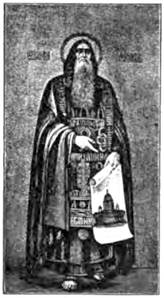
Преп. Исаакия исповедника, игумена обители Далматской
Venerable Isaac the Confessor, Abbot of the Dalmatian Monastery
Бедствия православных христиан при последователе Ариева учения императоре Валенте доходили до крайних пределов. В продолжение 13-ти-летнего царствования своего он не переставал воздвигать гонения на православных, действуя и по личному убеждению, и в исполнение клятвы, данной им арианскому епископу Евдоксию, от которого он принял крещение. Усердные пастыри православные, возбуждая друг друга, употребляли все силы для противодействия успехам ариан. Так, между прочими, св. Василий Великий обращался к сочувствию западных братий, описывая им бедственное состояние православных на Востоке: «Вы, может быть, – пишет он, – подвигнетесь на помощь Церквей восточных, ибо наши испытания тяжки и долговременны... Троньтесь нашими бедствиями; дело идёт не об одной Церкви или двух: буря свирепствует от пределов Иллирии и до пустыни Фиваиды. Превращены догматы благочестия; изглажены уставы Церкви; предстоятельство церковное предлагается в награду за нечестие. Пастыри предают стадо Божие... Умолкли уста благочестивых, развязан всякий хульный язык, осквернено святилище. Здравомыслящие убегают домов молитвенных, как училищ нечестия, и в пустынях со стенаниями и слезами воздевают руки к Господу, Сущему на небесах» ...
The calamities of Orthodox Christians under the emperor Valens, a follower of the Arian teaching, reached extreme limits. During his thirteen-year reign he never ceased to raise up persecution against the Orthodox, acting both from personal conviction and in fulfillment of the oath he had given to the Arian bishop Eudoxius, from whom he had received baptism. The zealous Orthodox pastors, encouraging one another, used all their strength to oppose the successes of the Arians. Thus, among others, St. Basil the Great turned to the sympathy of his Western brethren, describing to them the grievous state of the Orthodox in the East: "You, perhaps," he writes, "will be moved to help the Churches of the East, for our trials are heavy and long-lasting... Be touched by our calamities; the matter concerns not one or two Churches: the storm rages from the borders of Illyria to the desert of Thebaid. The dogmas of piety have been overturned; the statutes of the Church have been erased; church leadership is offered as a reward for impiety. Shepherds betray the flock of God... The lips of the pious are silenced, every blasphemous tongue is loosed, the sanctuary is defiled. The right-minded flee from houses of prayer as from schools of impiety, and in the deserts with groanings and tears they lift up their hands to the Lord Who is in heaven"...
Отзывались на призвание к борьбе все приверженцы истины, утверждённой на Вселенском соборе, и в особенности восточные епископы. Но кроме церковных деятелей – и пустынники, отрёкшиеся от мира, теперь – ради бедствий Церкви, о которых можно судить по посланию Василия Великого, оставляли возлюбленное уединение и безмолвие и выступали в мир с словом истины – в обличение Валента и его пособников... Выходили они из пустынь своих и приобщались священной борьбе. К таковым защитникам православной веры присоединился и долго подвизавшийся в уединённой пустыне преп. Исаакий Далматский. Услышав о гонении православных, с особенной жестокостью свирепствовавшем в Константинополе, где даже церкви православные были закрыты или преданы еретикам, пустынник Исаакий поспешил туда для укрепления христиан. Слова его действительно ободряли страждущих за правоверие. В это время разгорелась война с Готфами, опустошавшими Фракию. Император Валент собрался сам в поход на Дунай. Тогда-то, воодушевлённый рвением, предстал перед Валентом смиренный Исаакий – в то время, как царь выступал с войском из столицы...
All adherents of the truth confirmed at the Ecumenical Council responded to the call to struggle, and especially the Eastern bishops. But besides church figures, even hermits who had renounced the world—now, because of the calamities of the Church, of which one can judge from the epistle of Basil the Great—left their beloved solitude and silence and came forth into the world with the word of truth, to denounce Valens and his accomplices... They came out of their deserts and joined the sacred struggle. To such defenders of the Orthodox faith was added the Venerable Isaac the Dalmatian, who had long struggled in a secluded desert. Hearing of the persecution of the Orthodox, which raged with particular cruelty in Constantinople, where even Orthodox churches were closed or given over to heretics, the hermit Isaac hastened there to strengthen the Christians. His words indeed encouraged those suffering for the true faith. At this time a war broke out with the Goths, who were ravaging Thrace. The emperor Valens prepared to go himself on a campaign to the Danube. Then, inspired with zeal, the humble Isaac appeared before Valens—at the very time when the emperor was setting out from the capital with his army...
– Государь! отвори церкви православным и Господь благословит путь твой, – смело обратился он к притеснителю.
"Sovereign! Open the churches to the Orthodox, and the Lord will bless your path," he boldly addressed the oppressor.
Валент не обратил никакого внимания на эти слова и Исаакия оттолкнули с презрением. На следующий день, предупредив царя на пути, Исаакий снова приступил к нему со словами: – «Государь! отвори церкви православным, и война будет благополучна, ты победишь и здрав возвратишься с миром» ...
Valens paid no attention to these words, and Isaac was thrust aside with contempt. The next day, having anticipated the emperor on the road, Isaac again approached him with the words: "Sovereign! Open the churches to the Orthodox, and the war will be successful; you will conquer and return in health and peace"...
Царь задумался над этими словами; казалось, готов был согласиться... но приближённые его, все почти ариане, поспешили отклонить его от доброго намерения. Исаакия же снова отогнали с поруганием. Но разве есть преграда для борца за истину? – На третий день Исаакий опять остановил царя на пути и, взяв его коня за узду, стал умолять Валента, чтобы он отворил церкви православным, грозя ему при этом, что Бог накажет его, если он не перестанет притеснять верных. Такая настойчивость раздражила царя; он велел бросить Исаакия в тинистый ров, поросший терновником, случившийся на пути. Но преподобный был чудно сохранен Богом и вышел невредимым из дебри и болота. Возблагодарив Господа, он другим путём обогнал царя и стал перед ним.
The emperor pondered these words; he seemed ready to agree... but his courtiers, almost all Arians, hastened to turn him from his good intention. Isaac was again driven away with abuse. But is there any barrier for a champion of the truth? On the third day Isaac again stopped the emperor on the road and, taking his horse by the bridle, began to entreat Valens to open the churches to the Orthodox, threatening him that God would punish him if he did not cease to oppress the faithful. Such persistence angered the emperor; he ordered Isaac to be thrown into a muddy ditch overgrown with thorns that happened to be on the way. But the venerable one was miraculously preserved by God and came forth unharmed from the thicket and swamp. Giving thanks to the Lord, he overtook the emperor by another road and stood before him.
– Ты хотел погубить меня в тернии и болоте, – сказал он поражённому при виде его Валенту, – но Бог спас меня. Ещё раз прошу тебя и послушай меня, государь, отвори церкви православным, и ты победишь врагов и возвратишься со славой; если же не послушаешь меня, то погибнешь на войне...
"You wanted to destroy me in the thorns and swamp," he said to Valens, who was astonished at the sight of him, "but God saved me. Once more I beg you, and listen to me, sovereign: open the churches to the Orthodox, and you will conquer your enemies and return with glory; if you do not listen to me, you will perish in the war"...
Не почувствовало ожесточённое сердце ослеплённого еретика призыва Божия в дивной, неустрашимой настойчивости старца. Раздражённый до крайности, он приказал двум приближенным своим – Виктору и Сатурнину отвести Исаакия в Царьград и там содержать его в заключении до возвращения своего из похода.
The hardened heart of the blinded heretic did not feel the call of God in the wondrous, fearless persistence of the elder. Exasperated to the utmost, he ordered two of his courtiers, Victor and Saturninus, to take Isaac to Constantinople and keep him there in confinement until his own return from the campaign.
– Если бы ты возвратился из похода, то я был бы лжецом! – закричал Исаакий вслед удалявшемуся Валенту, – но я правду говорю тебе, что ты не победишь врагов, побежишь от них и будешь сожжён живым...
"If you were to return from the campaign, I would be a liar!" cried Isaac after the departing Valens, "but I tell you the truth: you will not conquer your enemies; you will flee from them and be burned alive"...
Слова человека Божьего оправдались. Греки потерпели поражение; Валент, раненый во время сражения и бежавший с небольшим числом телохранителей, скрылся на пути в одной хижине и здесь был окружён варварами, которые, встретив сопротивления и не зная даже, что в хижине находится царь, подожгли её, так что Валент «сгорел живым» ... Это было в 378 году. Преемник его, благочестивый Феодосий, продолжал войну и одержал победу над варварами. После победы он торжественно с своей супругой вошёл в Константинополь 24-го ноября 380 г. и прежде всего приказал освободить Исаакия, о котором приближенные его успели уже рассказать ему.
The words of the man of God were fulfilled. The Greeks suffered defeat; Valens, wounded during the battle and fleeing with a small number of bodyguards, hid on the way in a hut and was there surrounded by barbarians, who, meeting resistance and not even knowing that the emperor was in the hut, set it on fire, so that Valens "was burned alive"... This was in the year 378. His successor, the pious Theodosius, continued the war and gained victory over the barbarians. After the victory he solemnly entered Constantinople with his wife on the 24th of November, 380, and first of all ordered the release of Isaac, about whom his courtiers had already told him.
Но прежде того, пока ещё весть о смерти Валента не дошла до Царьграда, некоторые говорили Исаакию, заключённому в оковах в темнице: – «Приготовляйся к ответу... вот, скоро царь возвратится с войны и покарает тебя» ...
But before that, while the news of Valens' death had not yet reached Constantinople, some said to Isaac, who was confined in chains in prison: "Prepare yourself for an answer... behold, soon the emperor will return from the war and punish you"...
– Вот уже несколько дней, что я слышу смрад от истлевших костей царя Валента... – отвечал им старец.
"For several days now I have been smelling the stench of the decayed bones of the emperor Valens..." the elder answered them.
Итак, преподобный встретил царскую чету у городских ворот – с крестом в руке455 и благословил их на царство. – По его совету, император Феодосий созвал Константинопольский Вселенский собор и здесь-то препод. Исаакий является решительным победителем христианства и мир возвращается в Церковь.
And so, the venerable one met the imperial couple at the city gates—with a cross in his hand455—and blessed them for their reign. On his advice, the emperor Theodosius convened the Ecumenical Council of Constantinople, and there the Venerable Isaac appears as the decisive victor for Christianity, and peace returns to the Church.
Успокоившись насчёт христиан, Исаакий пожелал возвратиться в свою пустыню, но Сатурнин и Виктор, раскаявшиеся в том, что принимали участие в преследовании его, умолили его остаться в Константинополе, чтобы содействовать к благоустроению Церкви Христовой. Они устроили обитель для старца в окрестностях города, в которую в скором времени собралось много желающих посвятить себя иноческой жизни. Исаакий был наставником их и игуменом и сам служил образцом кротости и необыкновенного милосердия к нищим, так что когда не имел ничего, чтобы помочь нуждающемуся, то отдавал последнюю одежду свою. Он преставился в глубокой старости, в 383 г.456, назначив преемником своим инока Далмата, «мужа верного и постоянного хранителя правил», по имени которого и обитель получила название Далматской. Мощи преп. Исаакия были сначала положены в храме св. Стефана, потом перенесены в храм Всех Святых.
Having become at peace concerning the Christians, Isaac wished to return to his desert, but Saturninus and Victor, who had repented of their part in persecuting him, begged him to remain in Constantinople in order to assist in the good ordering of the Church of Christ. They established a monastery for the elder in the outskirts of the city, into which soon gathered many who desired to devote themselves to the monastic life. Isaac was their instructor and abbot, and himself served as an example of meekness and extraordinary mercy toward the poor, so that when he had nothing to help a needy person, he would give away his last garment. He reposed in extreme old age, in the year 383456, having appointed as his successor the monk Dalmatus, "a faithful man and constant keeper of the rules," after whom the monastery received the name of the Dalmation Monastery. The relics of the Venerable Isaac were first placed in the church of St. Stephen, and later transferred to the Church of All Saints.