Пострадал за иконопочитание от Льва Армянина. Скончался мирно. – Канон в честь его написан Иосифом Песнописцем, Константинопольским пресвитером. В каноне говорится о раке мощей святого, изливающей исцеления. Полагают, что она была в Халкидоне, потому что в каноне св. Никита называется прямо «Халкидону удобрением». – С ним в каноне прославляется и брат его – св. Игнатий, иерей.
He suffered for the veneration of icons under Leo the Armenian. He reposed in peace. – A canon in his honor was written by Joseph the Hymnographer, a presbyter of Constantinople. The canon speaks of the shrine of the saint’s relics, pouring forth healings. It is believed that it was in Chalcedon, because in the canon St. Nicetas is directly called “the adornment of Chalcedon.” – Together with him in the canon is glorified also his brother, St. Ignatius, a priest.
Родом из Солуни, жила в царствование Гордианово и Филиппово. Схваченная в Коринфе, как презрительница богов, представлена правителю, и за исповедание Христа после жестоких бичеваний, отрезания сосцов и пыток огнём, обезглавлена в 244 году.
She was from Thessalonica and lived during the reigns of Gordian and Philip. Seized in Corinth as a despiser of the gods, she was brought before the governor, and for confessing Christ, after cruel scourgings, the cutting off of her breasts, and tortures by fire, she was beheaded in the year 244.
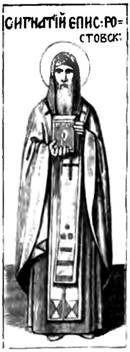
В жизни святителя Игнатия по памятникам434 открываются три высокие черты: подвижническая жизнь, просвещение Белозерского края св. верой и правление паствой патриотическое, но для него иногда скорбное.
In the life of Hierarch Ignatius, according to the records434, three lofty features are revealed: an ascetic life, the enlightenment of the Beloozero region with the holy faith, and a patriotic governance of his flock, which was at times grievous for him.
Подвижническая жизнь в Ростовском Богоявленском монастыре украсила его саном настоятеля той же обители. Она же в 1261 г. возвела его на архипастырскую Ростовскую кафедру435. Подвижнически жил он и в сане святительском, как показывали дела и кончина его.
An ascetic life in the Rostov Epiphany Monastery adorned him with the rank of abbot of that same monastery. It also, in the year 1261, raised him to the archpastoral cathedra of Rostov435. He lived an ascetic life even in the hierarchal rank, as his deeds and his end showed.
Князь Глеб Василькович, принявший в удел Белозерскую страну, тогда как старший брат его оставался Ростовским князем, раз отправился рекой Позоровицей на Кубанское озеро, чтобы потом рекой Сухоной достигнуть Устюга. На озере застигла его страшная буря с громом и молнией и суда его были близки к тому, чтобы погибнуть в волнах глубокого озера. В такой опасности жизни князь дал обет на первом месте, где пристанет спасённый, построить храм празднику дня спасения. – Суда принесены к Каменному острову. Здесь встретил князь 23 пустынника. Они занимались обращением к св. вере Чуди и Корелов, живших по северо-восточному берегу Кубенского озера. «Еще бо тогда не вси прияша святое крещение, но бе многое множество неверных человек вскрай Кубенского озера великого по брегом». Пустынники для молитвы собирались в бедную часовню: построить церкви не имели они средств. – Князь приказал построить для пустынников храм Преображения Господня и кельи. Потом он прислал для храма иконы и книги, а святитель посвятил старца Феодора в настоятеля обители и преподал с благословением антиминс для храма. С того времени успехи святой веры на Кубенском озере трудами подвижников и содействием святителя пошли быстрее. В 1269 г. на устье реки Шексны, на берегу Белоозера, поставлена обитель Святой Троицы, первая в Белоозерском краю; она также много содействовала распространению света Евангельского между Чудью436. Всё это было в правление святого Игнатия Ростовской епархией.
Prince Gleb Vasilkovich, who had received the Beloozero region as his appanage, while his elder brother remained Prince of Rostov, once set out by the Pozorovitsa River to Lake Kubenskoye, intending afterwards to reach Ustyug by the Sukhona River. On the lake a terrible storm with thunder and lightning overtook him, and his boats were near to perishing in the waves of the deep lake. In such danger to his life, the prince made a vow to build a church at the first place where he, saved, would land, dedicated to the feast of the day of his deliverance. – The boats were carried to Kamenny Island. Here the prince met twenty-three hermits. They were occupied with converting the Chud and Korels, who lived along the northeastern shore of Lake Kubenskoye, to the holy faith. “For not all had yet received holy Baptism, but there was a great multitude of unbelieving people along the shores of the great Lake Kubenskoye.” The hermits gathered for prayer in a poor chapel; they had no means to build a church. – The prince ordered a church of the Transfiguration of the Lord and cells to be built for the hermits. Afterwards he sent icons and books for the church, and the Hierarch consecrated the elder Theodore as abbot of the monastery and bestowed an antimension with his blessing for the church. From that time, the successes of the holy faith on Lake Kubenskoye through the labors of the ascetics and the assistance of the Hierarch proceeded more quickly. In 1269, at the mouth of the Sheksna River, on the shore of Beloozero, the monastery of the Holy Trinity was established, the first in the Beloozero region; it also greatly contributed to the spread of the light of the Gospel among the Chud436. All this took place during the governance of the Rostov diocese by St. Ignatius.
В 1269 г. Юрьевский князь Димитрий Святославич, больной и онемевший, принимал от св. Игнатия пострижение в иночество; едва окончился обряд, князь – инок обратился к святителю и внятно проговорил: «Господь да воздаст тебе за труд твой, святой владыко! ты приготовил меня в дальний путь добрым воином Христовым; там Царь-Бог, иду к Нему с верой и надеждой»437. В Ростове при святителе Игнатии доживала последнее десятилетие своё княгиня Мария, вдова князя – мученика Василька Ростовского и дочь князя мученика Михаила Черниговского, которая, оставшись юной вдовой с малыми детьми, посвятила себя воспитанию их; ею основан был в Ростове Спасский монастырь и в 1271 г. святитель сам погребал её здесь438. В 1274 г. св. Игнатий присутствовал на знаменитом соборе Владимирском, исправлявшем церковные дела439. В 1276 г. отпевал он в Ростовском соборе князя Василия, того самого, которого прежде сам благословлял для брачной жизни440. В 1278 г. похоронен им князь Глеб Василькович в Ростовском соборе, – усердный строитель храмов в Белозерской стране, выкупивший в свою жизнь много пленников в орде и щедрый для бедных. Спустя 9 недель, тело князя вынуто было из могилы и похоронено в Спасской обители, построенной матерью его. Из того вышли тяжкие неприятности для святителя. Митр. Кирилл подвергал его запрещению за перенесение тела князя. Летопись не говорит прямо, почему святитель велел вынести тело кн. Глеба из соборного храма. Но если было допущено по настоянию кн. Димитрия Борисовича, который негодовал и на кн. Глеба и на сына его, отняв у последнего волости его; а на такой ход дела указывает и то, что сам князь Дмитрий просил митрополита за Игнатия: то распоряжение святителя о почившем теле было уступкой насилию сильного, охранявшей покой края, а не желанием поругания над усопшим, как это однако объясняли другие. Отселе становится понятным как сильное негодование митрополита, так и скорое прощение Игнатию441. Одна из летописей прямо говорит, что митр. Кирилл только по клевете подвергал Игнатия осуждению и, узнав состояние дела, благословил блаж. Игнатия442. В 1280 г. св. Игнатий во второй раз путешествовал в орду для ходатайства за церковный причт. И в том же году участвовал в отпевании тела почившего митр. Кирилла. В том же году покрыл он оловом и вымостил мрамором храм Богородицы в Ярославле443. Блистательным подвигом его было примирение князей Димитрия и Константина Борисовичей Ростовских. Отняв Белозерский удел у кн. Михаила, они перессорились между собой и едва не дошли до кровопролития: внушениями святительской любви братья доведены были до того, что возвратили князю Михаилу Глебовичу удел его, а в прочем поделились между собой. В память Евангельского мира св. Игнатий заложил в Ростове храм Бориса и Глеба и в следующем году, мая 28, скончался444.
In 1269, Prince Demetrius Svyatoslavich of Yuriev, ill and having lost his speech, received the tonsure into monasticism from St. Ignatius; scarcely had the rite ended when the prince-monk turned to the Hierarch and said distinctly: “May the Lord reward you for your labor, holy vladyka! You have prepared me for the distant journey as a good soldier of Christ; there is the King-God, I go to Him with faith and hope”437. In Rostov, during the time of Hierarch Ignatius, Princess Maria, the widow of Prince-Martyr Vasilko of Rostov and daughter of Prince-Martyr Michael of Chernigov, was living out her last decade. Having remained a young widow with small children, she devoted herself to their upbringing; she founded the Savior Monastery in Rostov, and in 1271 the Hierarch himself buried her there438. In 1274, St. Ignatius was present at the famous Council of Vladimir, which corrected church affairs439. In 1276, he officiated at the funeral in the Rostov cathedral of Prince Basil, the very one whom he had earlier blessed for married life440. In 1278, Prince Gleb Vasilkovich was buried by him in the Rostov cathedral – a zealous builder of churches in the Beloozero region, who had ransomed many captives in the Horde during his life and was generous to the poor. Nine weeks later, the prince’s body was taken out of the grave and buried in the Savior Monastery, founded by his mother. From this arose grievous unpleasantness for the Hierarch. Metropolitan Cyril placed him under suspension for the translation of the prince’s body. The chronicle does not state directly why the Hierarch ordered the body of Prince Gleb to be removed from the cathedral church. But if it was done at the insistence of Prince Demetrius Borisovich, who was angered both at Prince Gleb and at his son, having taken away the latter’s domains; and the fact that Prince Demetrius himself asked the Metropolitan on behalf of Ignatius points to such a course of events; then the Hierarch’s disposition concerning the deceased body was a concession to the violence of the powerful, preserving the peace of the region, and not a desire to insult the departed, as others, however, explained it. From this it becomes understandable both the strong indignation of the Metropolitan and the swift forgiveness of Ignatius441. One of the chronicles states directly that Metropolitan Cyril subjected Ignatius to condemnation only because of slander, and having learned the state of the matter, he blessed the blessed Ignatius442. In 1280, St. Ignatius traveled a second time to the Horde to intercede for the church clergy. And in the same year he participated in the funeral of the reposed Metropolitan Cyril. In that same year he covered with tin and paved with marble the church of the Mother of God in Yaroslavl443. A brilliant deed of his was the reconciliation of the Rostov princes Demetrius and Constantine Borisovich. Having taken away the Beloozero appanage from Prince Michael, they quarreled among themselves and nearly came to bloodshed: through the admonitions of hierarchal love, the brothers were brought to the point that they returned his appanage to Prince Michael Glebovich, and divided the rest between themselves. In memory of the Gospel peace, St. Ignatius founded in Rostov the church of Boris and Gleb, and in the following year, on May 28, he reposed444.
Св. Игнатий процвёл нетлением и цельбоносной силой мощей своих прежде погребения. Чудеса, открывшиеся тогда, как отпевали тело его, заставили поставить открыто мощи там, где остаются они доселе. Когда св. тело несли, по тогдашнему обычаю, на одре в собор, две благочестивые инокини видели, – святитель встал с одра, взошёл на высоту по воздуху, как по лестнице, стал над собором, благословил народ и весь город, потом сошёл к месту, где положили похоронить его тело. Тогда же исцелился архим. Стефан, перст которого, скорченный со дня рождения, выпрямился, лишь только коснулся св. мощей. На другой день, когда, по совершении литургии и погребального пения, переложили тело с одра в гроб и подали список священников и диаконов, посвящённых Игнатием во время его святительства, усопший простёр руку и взял свиток445. По летописи XV века св. Игнатий «великий чудотворец» и в грамотах XVI века – он «св. чудотворец»446.
St. Ignatius shone forth with the incorruption and healing power of his relics even before burial. The miracles that were revealed then, as his body was being sung at the funeral, compelled them to place the relics openly where they remain to this day. When the holy body was being carried, according to the custom of that time, on a bier to the cathedral, two pious nuns saw – the Hierarch rose from the bier, ascended on high through the air as by a ladder, stood above the cathedral, blessed the people and the whole city, then descended to the place where they had laid his body for burial. At the same time, Archimandrite Stephen was healed, whose finger, contracted from birth, straightened as soon as it touched the holy relics. On the next day, when, after the celebration of the Divine Liturgy and the funeral chant, they transferred the body from the bier into the coffin and handed him the list of priests and deacons ordained by Ignatius during his hierarchate, the deceased stretched out his hand and took the scroll445. According to a 15th-century chronicle, St. Ignatius is a “great wonderworker,” and in 16th-century documents he is a “holy wonderworker”446.
«Как блудница, мытарь и разбойник, вопию Тебе от сердца: согрешил я; прости мне, Владыко, многие злые прегрешения мои и избавь от всякого зла молением святителя Игнатия, да величаем милость Твою непрестанно».
“As the harlot, the publican, and the thief, I cry to Thee from my heart: I have sinned; forgive me, O Master, my many evil transgressions and deliver me from every evil through the prayer of Hierarch Ignatius, that we may magnify Thy mercy unceasingly.”
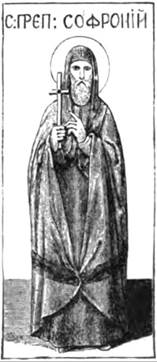
Скажу любви вашей о личности дивной, говорит современный описатель подвигов св. Георгия мученика († 1515 г.). Пресвитер Стефан, из села Пенковца, что близ Софии (Средца), из-за Турецкого насилия оставил родину свою и с своей супругой придя жил в моем доме; с ним мы довольно поучались о полезном. Отсюда удалился он в Валахскую землю и принят был великим воеводою Радулом. Там супруга его переселилась к Богу, а он стал иеромонахом Софронием. По смерти воеводы Радула опять пришёл он на Дунай, поселился в монастыре близ Русы и укреплял себя постом, молитвами, трудом, терпением и милостыней. Тут он жил недолго: диавол не терпел подвигов его, поднял против него слугу его; тот ударяет его топором по голове и лишает жизни. Погребённый «он, спустя три года, являлся живущим в монастыре; те открывают гроб и находят его как будто уснувшим и издающим благоухание. Они положили его в раке. По всей стране творит он чудеса и исцеления. Кто не доверяет, пусть идёт сам и уверится»447. Воевода Радул, покоивший преп. Софрония – Стефана, известен как один из лучших воевод Валахии; он выпросил себе у султана блаженного патр. Нифонта, жившего в заточении в Адрианополе; при содействии святого Нифонта Радул успел многое сделать для благоустройства дел гражданских и церковных в Валахии. Он умер в 1508 г.448. Так как преп. Софроний, по словам современника, жил «недолго» по смерти Радула, а мощи его открыты спустя три года после его кончины; то ясно, что страдальческая смерть его последовала не позже 1510 г., а мощи открыты в 1512 г.449.
I will speak to your love about a wondrous person, says the contemporary describer of the deeds of the holy Martyr George († 1515). The presbyter Stephen, from the village of Penkovets, near Sofia (Sredets), because of Turkish violence left his homeland and, coming with his wife, lived in my house; with him we had considerable instruction about what is profitable. From there he withdrew to the Wallachian land and was received by the great voivode Radul. There his wife departed to God, and he became the hieromonk Sophronius. After the death of Voivode Radul, he again came to the Danube, settled in a monastery near Ruse, and strengthened himself with fasting, prayers, labor, patience, and almsgiving. He lived there not long: the devil could not endure his struggles, and stirred up his servant against him; he struck him on the head with an axe and deprived him of life. After he was buried, “three years later, he appeared to those living in the monastery; they opened the grave and found him as if sleeping and emitting a fragrance. They placed him in a shrine. Throughout the whole region he works miracles and healings. Whoever does not believe, let him go himself and be assured”447. Voivode Radul, who gave rest to the Venerable Sophronius-Stephen, is known as one of the best voivodes of Wallachia; he obtained from the Sultan the blessed Patriarch Niphon, who was living in exile in Adrianople; with the assistance of St. Niphon, Radul succeeded in doing much for the ordering of civil and ecclesiastical affairs in Wallachia. He died in 1508448. Since the Venerable Sophronius, according to the words of a contemporary, lived “not long” after the death of Radul, and his relics were uncovered three years after his end, it is clear that his martyric death occurred no later than 1510, and the relics were uncovered in 1512449.
В слове на преставление св. Игнатия (в минее Макария, в Синод. р. 1459 г. № 637, в минее Моск. д. акад. Аи 73) описываются только, чудеса св. Игнатия и сочинитель удивляется, что деяния святителя не преданы писанию. То же в Четь-Минее 28 мая. Остаются летописи и частные сказания.
In the discourse on the repose of St. Ignatius (in the Menaion of Macarius, in the Synodal manuscript No. 637 of 1459, in the Menaion of the Moscow Theological Academy No. 73) only the miracles of St. Ignatius are described, and the author marvels that the deeds of the Hierarch were not committed to writing. The same is in the Chetya-Minea for May 28. The chronicles and particular accounts remain.
Так рассказывает Паисий Ярославов в «сказании о Каменском монастыре» (изд. в правосл. собесед. 1861 г. I, 199), которое составлял из записок и преданий, уцелевших после пожара 1472 г. Паисий пишет: «в л. 6850 (1342) князь Глеб Борисович, внук князя Константина Ростовского Всеволодовича, иде на Бело-озеро». Но внуком кн. Константина Всеволодовича был князь Глеб Василькович. Ои с 1251 г. стал называться князем Белозерским и почил в 1274 г. (собр. л. 1, 202–204. 7, 161–163. Никон. л. 3, 33. 37. 39–41). По «сказанию об Устьшехонском монастыре» (ист. иер. 4, 427. 6, 685), Устьшехонский монастырь основан кн. Глебом в 1251 г. после того, как исцелился кн. Михаил, с 3 лет до 12 бывший слепым, а Каменский монастырь, старший из Кубенских монастырей, построен после того. Но здесь год отделения Белозерского княжества (1251 г.) неосмотрительно принят за год основания обители. Кн. Глеб только в 1257 г. женился в орде и сам стал заведовать Белозерским княжеством не прежде 1259 г. (собр. л. 1, 202–204. 7, 161–163. Никон. л. 3, 33. 87. 39–41). В 1277 г. кн. Михаил Глебович с отцом и дядей ходил в орду и воевал под Дербентом; а в 1278 г. он венчан св. Исаей. Отец передал сыну Михаилу Белозерский удел в сентябре 1278 г., сам став Ростовским князем, а в декабре скончался. Никон. л. 3, 61, 65. 69. 70. След. исцеление кн. Михаила было не прежде 1279 г., а потому и основание Устьшехонской обители последовало около 1270 г.
Thus relates Paisius Yaroslavov in the "Tale of the Kamenny Monastery" (published in Pravoslavny Sobesednik, 1861, I, 199), which he compiled from notes and traditions that survived the fire of 1472. Paisius writes: "In the year 6850 (1342), Prince Gleb Borisovich, grandson of Prince Constantine Vsevolodovich of Rostov, went to Belo-ozero." But the grandson of Prince Constantine Vsevolodovich was Prince Gleb Vasilkovich. He began to be called Prince of Beloozero from 1251 and reposed in 1274 (Collection of Chronicles 1, 202–204; 7, 161–163; Nikon Chronicle 3, 33, 37, 39–41). According to the "Tale of the Ust-Shekhonsky Monastery" (History of the Hierarchy 4, 427; 6, 685), the Ust-Shekhonsky Monastery was founded by Prince Gleb in 1251 after Prince Michael, who had been blind from the age of 3 to 12, was healed, and the Kamenny Monastery, the senior of the Kubensky monasteries, was built after that. But here the year of the separation of the Beloozero principality (1251) was imprudently taken as the year of the foundation of the monastery. Prince Gleb only married in the Horde in 1257 and himself began to administer the Beloozero principality no earlier than 1259 (Collection of Chronicles 1, 202–204; 7, 161–163; Nikon Chronicle 3, 33, 87, 39–41). In 1277, Prince Michael Glebovich went with his father and uncle to the Horde and fought near Derbent; and in 1278 he was crowned by St. Isaiah. The father transferred the Beloozero appanage to his son Michael in September 1278, himself becoming Prince of Rostov, and reposed in December (Nikon Chronicle 3, 61, 65, 69, 70). Consequently, the healing of Prince Michael took place no earlier than 1279, and therefore the foundation of the Ust-Shekhonsky monastery followed around 1270.
Ростов. лет. у Карамз. 4. пр. 140. Собр. л. I, 226. Кн. Димитрий положен в Юрьевском Архангельском монастыре (Никон. л.3:48) и по ркп. святцам считается между святыми. Об отце его кн. Святославе см. жизнь кн. Александра ноябр. 23 ч.
Rostov Chronicle in Karamzin 4, note 140. Collection of Chronicles I, 226. Prince Demetrius was buried in the St. George Archangel Monastery in Yuriev (Nikon Chronicle 3:48) and is numbered among the saints in manuscript calendars. Concerning his father, Prince Sviatoslav, see the life of Prince Alexander under November 23.
Ркп. житие: «наутрие же сотвориша обычную службу и пение и егда вложиша и во гроб и даша ему свитки, ихже святи в животе своем пресвитери и диакони и простер руку прият, яко жив». Пролог 28 мая; ркп. служба в муз. Румянц. стр. 596. У Толстого (2 № 158 ркп. XVI в.) у Царского № 563. Она же в минее на май. Μ. 1646 г. Служба написана при грозном царе и в ней нет почти ни одной личной черты св. Игнатия.
Manuscript life: "On the morrow they performed the usual service and singing, and when they placed him in the coffin and gave him the scrolls which he had consecrated during his life, the presbyters and deacons, and he stretched forth his hand and received them, as though alive." Prologue, May 28; manuscript service in the Rumyantsev Museum, p. 596. In Tolstoy (2, No. 158, a 16th-century manuscript), in Tsarsky No. 563. It is also in the Menaion for May, Moscow, 1646. The service was written under the terrible Tsar and contains almost no personal features of St. Ignatius.
Игнатий «святый чудотворец» в грам. 1563 г. Ист. акт. I, 320. В летописи, оканчивающейся 1471 г. – «великий чудотворец». Собр. лет. 5, 201, 4, 44. Русск. времен. I, 148.
Ignatius is called "holy wonderworker" in a charter of 1563 (Historical Acts I, 320). In the chronicle ending in 1471, he is called "great wonderworker" (Collection of Chronicles 5, 201; 4, 44; Russian Timepiece I, 148).
Сербляк в предисловии жалеет, что не мог приготовить службы «св. Стефану, его же мощи почивают в Пипере». Пр. Филофея, коей память 28 мая и житие, описанное Перновн. п. Евфимием в минеях м. Макария была родом, как оказалось по житию, из Пафлогониц Гречанка и Евеимий описал жизнь её только по тому случаю, что мощи её перенесены были в Тернов. Потому не помещаем жития её между житиями святых Славян, как не поместим под 2 июня жития муч. Иоанна, уроженца Трапезунтского, след. Грека, хотя почивающего в Молдавии (Жития святых, июнь, стр. 42–50).
The Serbljak in its preface regrets that it could not prepare a service for "St. Stephen, whose relics repose in Piperi." Venerable Philothea, whose commemoration is on May 28 and whose life, described by Patriarch Euthymius of Tarnovo, is in the Menaia of Metropolitan Macarius, was, as her life reveals, a Greek woman from Paphlagonia; and Euthymius described her life only because her relics were translated to Tarnovo. Therefore we do not include her life among the lives of the Slavic saints, just as we do not include under June 2 the life of the Martyr John, a native of Trebizond, therefore a Greek, although he reposes in Moldavia (Lives of the Saints, June, pp. 42–50).