Ипатий был епископом в Гангре, в Пафлагонии; славен был добродетельной жизнью и чудотворениями. На возвратном пути с первого Вселенского Собора убит еретиками в 326 году в Галатии, но мощи его перенесены верными в Гангры. – В честь этого святого находится в Костроме знаменитый по историческим воспоминаниям Ипатиевский монастырь, основанный в 1330 году татарским мурзой Четом, в крещении Захарией, в благодарственное воспоминание чудесного явления ему Богоматери с предвечным Младенцем и с предстоящими в молитвенном положении Апостолом Филиппом и священномучеником Ипатием Гангрским. Это было, когда мурза на пути в Москву остановился близ Костромы для отдыха.
Hypatius was bishop in Gangra, in Paphlagonia; he was renowned for his virtuous life and wonderworking. On his return journey from the First Ecumenical Council, he was slain by heretics in 326 in Galatia, but his relics were translated by the faithful to Gangra. — In honor of this saint, there is in Kostroma the famous, historically memorable Hypatian Monastery, founded in 1330 by the Tatar murza Chet, in baptism Zacharias, in grateful remembrance of the miraculous appearance to him of the Mother of God with the pre-eternal Infant, and with the Apostle Philip and the Hieromartyr Hypatius of Gangra standing before Her in an attitude of prayer. This occurred when the murza, on his way to Moscow, halted near Kostroma for rest.
Авда, епископ Сузы, за распространение веры и сожжение капища огню обезглавлен в 418 году, а Вениамин по ходатайству Римского посланника отпущен с условием не распространять христианства между Персами. Но признавая это условие противным совести, он продолжал обращать неверных и пострадал через три года после Авды (в 421 году).
Abdas, Bishop of Susa, was beheaded in 418 for spreading the faith and for burning a pagan temple to the fire, while Benjamin, at the intercession of the Roman envoy, was released on condition that he not spread Christianity among the Persians. But deeming this condition contrary to his conscience, he continued to convert the unbelievers and suffered three years after Abdas (in 421).
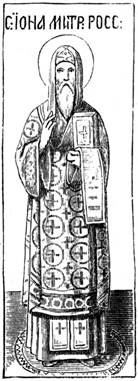
«Путь праведных, как сияние света, более и более рассветает до самой средины дня» (Притч.4:18). Такова была жизнь святого Ионы, митрополита всей России278.
"The path of the righteous is like the light of dawn, shining ever brighter until the full day" (Prov. 4:18). Such was the life of St. Jonah, Metropolitan of all Russia278.
Родясь близ Солигалича, блаженный 12 лет постригся в одном из Галичских монастырей, или как писал о нём великий князь Василий, «от младенчества жил в добродетельном житии»279. Впоследствии пришёл он в Симонов монастырь. «Тогда здесь были, пишет преподобный Иосиф, великие старцы, – Варфоломей эконом, Иоанн златый и Игнатий иконописец; видя, что монастырские обычаи изменяются, не молчали они о том, а возбраняли то, и не дозволяли быть бесчинию и мятежу, за что переносили много скорбей и горестей от тогдашних архимандритов, особенно же блаженный Варфоломей, которому самодержцем великим князем Василием Дмитриевичем вверено было хозяйственное управление. Настоятели в гневе не раз хотели бить его палкой, но удерживались опасением перед державным. Блаженный Варфоломей непрестанно заботился о монастырском порядке, сперва духовном, потом телесном; везде обходил и смотрел на монастыре, в трапезе, в поварне, в хлебне, на дворах, в кельях, и если где видел беспорядок, не молчал о том, а сперва говорил кротко и с любовью, потом непокорных удерживал строгими выговорами и не хотевших отставать от своего худого обычая выгонял из обители»280. Вот под влиянием каких наставников и какого благочиния жил в Симонове блаженный Иона. Он пребывал здесь, в непрерывных трудах, в суровом посте, молитве и чтении слова Божия, проходя разные послушания. В таких подвигах дух его восходил от совершенства к совершенству. Раз святитель Фотий, посетив Симонов монастырь, нашёл в пекарне монастырской инока Иону спящим; на лице его видно было изнурение от трудов души и тела, а правую руку держал он на главе «согбепну, яко благословляше ею»; и святитель сказал окружавшим: «знайте, дети, сей инок будет великим святителем земли Русской, приведёт многих неверных к истинному Богу и наконец будет поставлен пастырем и учителем самому царствующему граду Москве»281.
Born near Soligalich, the blessed one was tonsured at the age of 12 in one of the Galich monasteries, or, as Grand Prince Basil wrote of him, "from infancy he lived a virtuous life"279. Afterwards he came to the Simonov Monastery. "At that time," writes the Venerable Joseph, "there were great elders here — Bartholomew the steward, John the Golden, and Ignatius the iconographer; seeing that the monastic customs were being altered, they did not remain silent about it, but forbade it, and did not permit disorder and tumult, for which they endured many sorrows and griefs from the then archimandrites, especially the blessed Bartholomew, to whom the sovereign Grand Prince Basil Dimitrievich had entrusted the economic administration. The superiors in anger more than once wanted to beat him with a staff, but were restrained by fear of the sovereign. The blessed Bartholomew ceaselessly cared for the monastic order, first spiritual, then bodily; he went everywhere and inspected the monastery, the refectory, the kitchen, the bakery, the courtyards, the cells, and if he saw disorder anywhere, he did not remain silent about it, but first spoke gently and with love, then restrained the disobedient with stern reproofs, and those unwilling to abandon their evil custom he drove out of the monastery"280. Behold, under the influence of such instructors and such good order did the blessed Jonah live at Simonov. He remained there in unceasing labors, in severe fasting, prayer, and reading of the word of God, fulfilling various obediences. In such feats his spirit ascended from perfection to perfection. Once St. Photius, visiting the Simonov Monastery, found in the monastery bakery the monk Jonah sleeping; on his face was visible the exhaustion from the labors of soul and body, and he held his right hand upon his head "bent, as if blessing with it"; and the hierarch said to those around him: "Know, children, that this monk will be a great hierarch of the Russian land, will bring many unbelievers to the true God, and finally will be appointed pastor and teacher to the very reigning city of Moscow"281.
Строгая жизнь и твёрдое знание учения святой Церкви доставили блаженному Ионе такое уважение общее, что он посвящён был в Рязанского епископа, а когда скончался святитель Фотий (в июле 1431 г.), собор и великий князь поручили ему управлять и делами митрополии. Таким образом Иона, Рязанский епископ, уже в начале 1433 года действовал как «наречённый на святейшую митрополию Русскую»282. Как Рязанский архипастырь, святой Иона действовал с Апостольской ревностью против суеверий и зловерий обширной Рязанской страны. В Рязанской епархии, заключавшей тогда, кроме Мурома и Рязани, части нынешних Воронежской и Тамбовской епархий, было много язычников и магометан. Святитель обратил ревность на распространение святой веры и «многия тамо неверные, к Богу обратив, крести». Блаженному пастырю приходилось и сильно скорбеть за Рязанскую свою паству. При нём (1444 г.) царевич Мустафа ограбил волости Рязанские. Застигнутый жестокой стужей, он погиб с ордой своею под мечами Московского войска; но и это ненадолго порадовало. Спустя несколько месяцев татары Золотой орды мстили за царевича опустошением Рязанской украйны283.
The strict life and firm knowledge of the teaching of the holy Church won the blessed Jonah such universal respect that he was consecrated Bishop of Ryazan, and when St. Photius reposed (in July 1431), the council and the Grand Prince entrusted him with the administration of the affairs of the metropolis as well. Thus Jonah, Bishop of Ryazan, already at the beginning of 1433 acted as "the one named to the most holy Russian Metropolis"282. As Ryazan archpastor, St. Jonah labored with Apostolic zeal against the superstitions and false beliefs of the vast Ryazan land. In the Ryazan diocese, which then included, besides Murom and Ryazan, parts of the present Voronezh and Tambov dioceses, there were many pagans and Mohammedans. The hierarch turned his zeal to the spread of the holy faith and "converted many unbelievers there to God and baptized them." The blessed pastor also had occasion to grieve greatly for his Ryazan flock. During his time (1444) Tsarevich Mustafa plundered the Ryazan districts. Overtaken by severe frost, he perished with his horde under the swords of the Moscow army; but even this brought joy only for a short time. A few months later, the Tatars of the Golden Horde avenged the tsarevich by devastating the Ryazan borderlands283.
Решение человеческое быть св. Ионе митрополитом России не скоро исполнилось, по длинному ряду препятствий. Все признавали его достойным высокого звания, все желали ему сего звания; и однако не скоро пришло время, когда св. Иона стал митрополитом. Конечно такое положение не легко было блаж. Ионе. – Но св. пастырь является всегда с молчаливой покорностью промыслу Божию и всегда с твёрдой верностью внушениям совести. В 1433 г. возвратился из Царьграда митрополитом Герасим, епископ Смоленский; но он жил недолго († 26 июля 1435 г.)284. Великий князь Василий отправил было Рязанского архипастыря для посвящения в митрополита в Царьград; но там уже назначен и посвящён был Исидор. Константинопольский собор сказал тогда же св. Ионе: «а что воля Божия о Сидоре промыслит, или смертию скончается или иначе что ся о нем станеть: и ты Иона, епископ Рязанский, готов, благословен на той великий престол Киевский и всея Руси»285. Соборное осуждение предателю православия Исидору подписано было и святителем Рязанским286. Великий князь приготовил было (1441 г.) послов и грамоту к императору о том, чтобы отныне разрешено было собором православия избирать и поставлять в России митрополита; но слухи об изменах православию в Царьграде заставили воротить посла с дороги287. А между тем гражданские волнения, поднявшиеся в России, ещё надолго отодвинули исполнение решения о митрополите. Великий князь Василий, захваченный Димитрием Шемякой, был ослеплён (16 февр. 1446 г.) и заточён в Углич. Рязанского епископа, пользовавшегося общим уважением, тот же Шемяка вызвал в Москву; обещая свои милости детям несчастного Василия, а блаж. Иону принимая с почётом как митрополита, Шемяка убедил св. старца взять из Мурома малолетних князей на свою епитрахиль. Св. Иона доставил их Шемяке, и тот заставил его же самого отвезти их в Углич, где заточён был их отец. По воле Шемяки святитель жил после того в Москве на митрополичьем дворе, но твердил Димитрию: «ты сотворил неправду и меня ввёл в грех и стыд. Тебе следовало выпустить князя на свободу; а ты и детей его засадил с ним в неволю. Ты дал мне своё слово и сделал меня обманщиком». Как ни мало дорожил Шемяка честностью, но не желая казаться бесчестным и жестоким, он объявил свободу Тёмному и дал ему в удел Вологду с Коломной. Спустя 5 месяцев (17 февр. 1447 г.) друзья Василия возвратили ему великокняжеский престол. Шемяка заключил договор с великим князем, но продолжал тревожить Россию властолюбием своим. Тогда собор пастырей разослал против Шемяки грозное обличительное послание. Здесь святитель Иона выставлял в сильных чертах оскорбление, какое нанесено было обманом Шемяки святительскому сану его. «Ты сквернил, говорит послание Димитрию, наши епитрахили своими богомерзкими словами; но надеемся, знаешь и сам, что значат те епитрахили? они – изображение страданий Господа нашего Иисуса Христа, совершившихся при спасительном распятии Его... Епитрахили наши не могут скверниться твоими словами, но ты губишь свою душу»288.
The human decision that St. Jonah should be Metropolitan of Russia was not soon fulfilled, owing to a long series of obstacles. All acknowledged him worthy of the high rank, all desired this rank for him; and yet the time did not soon come when St. Jonah became metropolitan. Such a position was, of course, not easy for the blessed Jonah. — But the holy pastor appears always with silent submission to the providence of God and always with firm fidelity to the promptings of conscience. In 1433, Gerasim, Bishop of Smolensk, returned from Constantinople as metropolitan; but he lived not long († 26 July 1435)284. Grand Prince Basil had sent the Ryazan archpastor to Constantinople for consecration as metropolitan; but there Isidore had already been appointed and consecrated. The Council of Constantinople then said to St. Jonah: "And whatever the will of God shall ordain concerning Isidore, whether he end his life by death or something else befall him: you, Jonah, Bishop of Ryazan, are ready and blessed for that great throne of Kiev and all Rus"285. The conciliar condemnation of Isidore, the traitor to Orthodoxy, was signed also by the Hierarch of Ryazan286. The Grand Prince had prepared (1441) envoys and a letter to the emperor requesting that henceforth it be permitted by a council of the Orthodox to elect and appoint a metropolitan in Russia; but reports of betrayals of Orthodoxy in Constantinople caused the envoy to be recalled from the road287. Meanwhile, the civil disturbances that had arisen in Russia postponed for a long time yet the fulfillment of the decision concerning the metropolitan. Grand Prince Basil, seized by Demetrius Shemyaka, was blinded (16 Feb. 1446) and imprisoned in Uglich. The Bishop of Ryazan, who enjoyed universal respect, was summoned to Moscow by the same Shemyaka; promising his favors to the children of the unfortunate Basil, and receiving the blessed Jonah with honor as metropolitan, Shemyaka persuaded the holy elder to take the young princes from Murom upon his own epitrachelion. St. Jonah delivered them to Shemyaka, and he compelled him to take them himself to Uglich, where their father was imprisoned. By Shemyaka's will the hierarch thereafter lived in Moscow at the metropolitan's court, but he kept saying to Demetrius: "You have done injustice and brought me into sin and shame. You ought to have released the prince to freedom; but you have imprisoned his children with him in captivity. You gave me your word and made me a deceiver." However little Shemyaka valued honesty, yet not wishing to appear dishonorable and cruel, he declared the Dark One free and gave him Vologda with Kolomna as his appanage. Five months later (17 Feb. 1447) the friends of Basil restored to him the grand-princely throne. Shemyaka concluded a treaty with the Grand Prince, but continued to trouble Russia with his love of power. Then a council of pastors sent a fearsome denunciatory epistle against Shemyaka. In it Hierarch Jonah set forth in strong terms the insult that had been inflicted by Shemyaka's deceit upon his hierarchal rank. "You have defiled," says the epistle to Demetrius, "our epitrachelia with your abominable words; but we trust you know yourself what those epitrachelia signify: they are an image of the sufferings of our Lord Jesus Christ, accomplished at His saving crucifixion... Our epitrachelia cannot be defiled by your words, but you are destroying your own soul"288.
Когда великий князь Василий утвердился на своём престоле, обратились к делу о митрополите. Из Константинополя не ожидали более ничего: там, как узнали, в Софийском храме поминают папу. Собор Русских пастырей на основании Апост. правила и 4 пр. Никейского собора, по примеру времён Ярослава и Изяслава, определил (дек. 1448 г.) посвятить Иону в митрополита всей России289.
When Grand Prince Basil was established upon his throne, they turned to the matter of the metropolitan. From Constantinople they no longer expected anything: there, as they learned, they commemorate the pope in the Church of St. Sophia. A council of Russian pastors, on the basis of the Apostolic Canon and the 4th Canon of the Nicene Council, following the example of the times of Yaroslav and Izyaslav, determined (Dec. 1448) to consecrate Jonah as Metropolitan of all Russia289.
Первой заботой нового митрополита было остановить тревоги и кровопролития, причиняемые Шемякой и его мятежными друзьями. Святитель окружной грамотой призывал всех, увлечённых на сторону Шемяки, искать прощения у законного государя России и не губить душ своих кровопролитием и враждой; иначе грозил тем, что затворит для них храмы Божии290. Шемяка волновал Россию. Великий князь повёл войска против Шемяки, святитель отправился вместе с великим князем и с собором епископов – убеждать клятвопреступника лично. Некоторые из сторонников Шемяки отстали от него; Шемяка смирился, дал грамоту мировую с проклятиями против себя. Но потом удалился в Новгород и там поднял волнение против великого князя. Св. митрополит не раз посылал и туда грамоты и послов с увещаниями Новгородцам; наконец смерть (1453 г.) прекратила смуты неукротимого властолюбца291.
The first concern of the new metropolitan was to halt the disturbances and bloodshed caused by Shemyaka and his rebellious friends. By an encyclical letter the hierarch called upon all who had been drawn to Shemyaka's side to seek forgiveness from the lawful sovereign of Russia and not to destroy their souls by bloodshed and enmity; otherwise he threatened that he would close the churches of God to them290. Shemyaka kept stirring up Russia. The Grand Prince led his troops against Shemyaka, and the hierarch set out together with the Grand Prince and a council of bishops — to admonish the oath-breaker in person. Some of Shemyaka's supporters abandoned him; Shemyaka humbled himself and gave a treaty of peace with curses upon himself. But afterwards he withdrew to Novgorod and there stirred up unrest against the Grand Prince. The holy metropolitan more than once sent letters and envoys there too, with admonitions to the Novgorodians; at last death (1453) put an end to the disturbances of the ungovernable lover of power291.
Другим предметом забот святителя было соединить епархии юго-запада под управление одного митрополита. Это было нужно особенно в виду опасностей со стороны происков папизма. Святитель (в 1449 г.) принял участие в мирных сношениях великого князя с королём Казимиром и утвердил своим благословением договор их. Король с своей стороны изъявил согласие на подчинение святителю Ионе православных епархий Литовского княжества и звал самого Иону в Литву для личного свидания292. Святитель просил Киевского князя Александра Владимировича о содействии исполнению обещаний короля293. И в начале 1451 г. сам отправился в Литву. Король сдержал своё слово и выдал святителю грамоту на управление Киевскою митрополией294. При таком положении своём св. Иона немедленно вытребовал к себе Владимирского епископа Даниила, посвящённого Исидором, заставил его отречься от согласия с Римской Церковью и дать обязательство сохранять верность св. православию, после чего отпустил его в свою епархию295. Он также назначил наместников своих для городов, непосредственно зависевших от Киевской митрополии (Киева, Вильны, Новогрудка и Гродна) с правами выдавать одобрительные грамоты ищущим духовного сана, наблюдать за соблюдением церковных постановлений, судить виновных, управлять церковными имениями и собирать с них доходы296.
Another object of the hierarch's care was to unite the dioceses of the southwest under the governance of a single metropolitan. This was especially needful in view of the dangers from the machinations of papism. The hierarch (in 1449) took part in the peaceful negotiations of the Grand Prince with King Casimir and confirmed their treaty with his blessing. The king, for his part, expressed consent to the subordination of the Orthodox dioceses of the Lithuanian principality to Hierarch Jonah, and summoned Jonah himself to Lithuania for a personal meeting292. The hierarch asked the Kiev Prince Alexander Vladimirovich to assist in the fulfillment of the king's promises293. And at the beginning of 1451 he himself set out for Lithuania. The king kept his word and gave the hierarch a charter for the governance of the Kiev Metropolia294. In such a position, St. Jonah immediately summoned to himself the Vladimir bishop Daniel, who had been consecrated by Isidore, compelled him to renounce agreement with the Roman Church and to give an undertaking to preserve fidelity to holy Orthodoxy, after which he released him to his own diocese295. He also appointed his vicars for the cities directly dependent on the Kiev Metropolia (Kiev, Vilna, Novogrudok, and Grodno) with the rights to issue letters of approval to those seeking holy orders, to observe the keeping of church statutes, to judge the guilty, to administer church estates, and to collect revenues from them296.
В то самое время, как добрый пастырь собирал и приводил в порядок расточенное стадо своё, в Москве готовилась ему тяжкая скорбь. Едва возвратился он в Москву, как к ней (1451 г.) подступил сын Седиахмета с Ногайскими хищниками. Великий князь выехал из столицы, чтобы собрать более сил на помощь ей и вверил охранение её св. Ионе и боярам. Неприятель (2 июля) зажёг предместья Москвы. Пастырь добрый под зноем страшного пожара, в облаках дыма, совершал крестный ход по стенам Кремля. Татарские стрелы свистали, и один инок Чудова монастыря. Антоний, любимый святителем за строгость жизни, едва успел сказать, что Господь для молитв святительских спасёт город, как пал, пробитый стрелой. По молитвам святителя, ветер, гнавший дым и пламя на Кремль, утих. К вечеру того дня осаждённые делали вылазку, а на утро уже не было неприятеля под стенами Москвы, – он бежал, бросив все тяжести. – Святитель сам совершил погребение павшему иноку. После другого нашествия Седиахмета, который хвалился поработить Россию, но был прогнан сыном великого князя, святитель устроил при Успенском соборе храм в похвалу Божией Матери. В то же время у западных врат Успенского храма заложил он «палату каменну» с Церковью Положения Ризы Богоматерней; это – новый дом Русских первосвятителей, бывший прежде того у Боровских ворот при храме Предтечи. – Надежды святителя на Господа были так тверды, что он обещал великому князю вслух всех близкую независимость России от татар; не будут, говорил он, Русские князья ходить в орду нечестивую на поклон297.
At the very time when the good shepherd was gathering and putting in order his scattered flock, a heavy sorrow was being prepared for him in Moscow. He had scarcely returned to Moscow when the son of Sediakhmet approached it (1451) with the Nogai marauders. The Grand Prince rode out of the capital to gather more forces to aid it, and entrusted its protection to St. Jonah and the boyars. The enemy (on July 2) set fire to the suburbs of Moscow. The good shepherd, beneath the heat of a terrible conflagration, in clouds of smoke, made a procession of the Cross along the walls of the Kremlin. Tatar arrows whistled, and one monk of the Chudov Monastery, Anthony, beloved of the hierarch for his strictness of life, had scarcely time to say that the Lord would save the city for the hierarch's prayers, when he fell, pierced by an arrow. By the hierarch's prayers, the wind that drove the smoke and flame toward the Kremlin died down. Toward evening of that day the besieged made a sortie, and by morning the enemy was no longer under the walls of Moscow—he had fled, abandoning all his baggage. The hierarch himself performed the burial of the fallen monk. After another incursion of Sediakhmet, who boasted that he would enslave Russia but was driven off by the son of the Grand Prince, the hierarch built at the Dormition Cathedral a church in praise of the Mother of God. At the same time, at the western gates of the Dormition Cathedral, he laid the foundation of a "stone chamber" with the Church of the Placing of the Robe of the Theotokos; this is the new home of the Russian chief hierarchs, which had formerly been at the Borovitsky Gates at the church of the Forerunner. The hierarch's hopes in the Lord were so firm that he promised the Grand Prince, in the hearing of all, the near independence of Russia from the Tatars; "the Russian princes," he said, "will not go to the impious horde to bow down"297.
Святитель Божий старался насаждать в пастве своей искреннее благочестие и искоренять дурные привычки то увещаниями и распоряжениями пастырскими, то помощью гражданской власти. – Вот что писал великий князь в грамоте 1453 г. своим сельским чиновникам: «отец мой, митрополит Иона, говорил мне, что наши люди ездят незванные в митрополичьи сёла на праздники, пиры и братчины и на этих пирах бывают убийства, воровства и другие худые дела. И я, великий князь, дал митрополиту грамоту, чтобы в его сёла не ездили незванные на праздники, пиры и братчины»298. Нравы того времени были дики, и гордость, для которой всегда несносна власть веры, обнаруживалась в самых грубых выходках. В Вышгороде, волости Верейского князя Михаила, десятильник и дворяне святителя прибиты были, до полусмерти. Святитель потребовал от князя, дабы горожане немедленно подвергнуты были наказанию, угрожая в противном случае поразить их церковным отлучением. «Спроси старых бояр своих, писал святитель князю: бывало ли такое неуважение к Церкви Божией и святителям при твоих прародителях и родителях? Тебе известно, что великий князь Витовт, как и теперешний король, и все их княжаты и паны – не нашей веры; но спроси, как они оберегают Церковь и какую воздают ей честь! А эти люди, будучи православными христианами, поносят и бесчестят церковь Божию и нас... Молю тебя, чтобы ты, как православный властитель, защитил от горожан церковь Божию и меня, своего отца и пастыря, дабы вперёд не было ничего подобного. Если не защитишь, то поберегись воздаяния от Бога, я же буду обороняться от них законом Божиим»299. – Жители Смоленска скорбели о том, что их древняя чудотворная икона Божией Матери остаётся в Москве, оставленная здесь последним Смоленским князем. Их епископ Михаил явился в Москву с усердной просьбой возвратить Смоленскую святыню в Смоленск. Первосвятитель рад был такой просьбе и желая, чтобы древняя святыня питала и поддерживала древнее благочестие в Смоленцах, убедил великого князя отпустить чудотворную икону в Смоленск. В утешение Москве оставлен в Москве точный список с чудотворной иконы, и первосвятитель велел каждый день петь молебен перед новой иконой Богоматери300.
The hierarch of God strove to plant sincere piety in his flock and to root out evil habits, now by pastoral admonitions and directives, now with the help of the civil authority. — This is what the Grand Prince wrote in a charter of 1453 to his rural officials: "My father, Metropolitan Jonah, has told me that our people ride uninvited into the metropolitan's villages for feasts, banquets, and brotherhoods, and at these feasts there are murders, thefts, and other evil deeds. And I, the Grand Prince, have given the metropolitan a charter that no one shall ride uninvited into his villages for feasts, banquets, and brotherhoods"298. The morals of that time were wild, and pride, for which the authority of faith is always intolerable, manifested itself in the crudest outbursts. In Vyshgorod, a volost of the Vereya Prince Michael, the tithe-collector and the hierarch's noblemen were beaten half to death. The hierarch demanded of the prince that the townsmen be immediately subjected to punishment, threatening otherwise to smite them with ecclesiastical excommunication. "Ask your old boyars," wrote the hierarch to the prince, "whether such disrespect for the Church of God and the hierarchs ever occurred under your forefathers and parents? You know that the Grand Prince Vytautas, like the present king, and all their princes and lords are not of our faith; but ask how they protect the Church and what honor they render it! Yet these people, being Orthodox Christians, revile and dishonor the Church of God and us... I entreat you, that as an Orthodox ruler you would defend the Church of God and me, your father and pastor, from the townsmen, so that nothing of the sort may happen hereafter. If you do not defend us, then beware of the recompense from God; as for me, I shall defend myself against them by the law of God"299. — The inhabitants of Smolensk grieved that their ancient wonderworking icon of the Mother of God remained in Moscow, left here by the last Smolensk prince. Their bishop Michael appeared in Moscow with an earnest request to return the Smolensk shrine to Smolensk. The chief hierarch was glad of such a request, and desiring that the ancient shrine might nourish and sustain ancient piety in the Smolensk people, he persuaded the Grand Prince to release the wonderworking icon to Smolensk. For the consolation of Moscow, an exact copy of the wonderworking icon was left in Moscow, and the chief hierarch ordered a moleben to be sung every day before the new icon of the Theotokos300.
В 1453 г. Константинополь пал под ударами Магомета. – Страдания Греческой Церкви были неизобразимы. – Дивный защитник св. веры от папы и от Магомета патриарх Геннадий просил св. Иону о помощи бедствующим христианам востока. Святой митрополит, отправляя ответ с послом великого князя Иваном Владимировичем, извинялся в скудости посылаемых пособий и писал, что дорожит союзом с патриархом православия301. – По всей вероятности вследствие сего-то сношения с святейшим получено было Русской Церковью разрешение избирать и поставлять себе митрополита без сношения с патриархом, и митрополия России поставлена была первой после Иерусалимского патриарха302.
In 1453 Constantinople fell under the blows of Mohammed. — The sufferings of the Greek Church were beyond description. — The wondrous defender of the holy faith against the pope and against Mohammed, Patriarch Gennadius, asked St. Jonah for aid to the suffering Christians of the East. The holy metropolitan, sending his reply with the envoy of the Grand Prince, Ivan Vladimirovich, apologized for the scantiness of the aid sent and wrote that he treasured union with the patriarch of Orthodoxy301. — In all probability, in consequence of this very communication with the Most Holy one, the Russian Church received permission to elect and appoint its own metropolitan without communication with the patriarch, and the Metropolia of Russia was placed first after the Patriarch of Jerusalem302.
Папа рвался от досады на то, что св. Ионе отданы были в ведение Литовские епархии, и никак не хотел расстаться с мечтой о власти своей над Россией. В 1458 г. Григорий, ученик Исидора, поставлен был в Риме в митрополита России. Великий князь, услышав о том, писал к королю Казимиру, чтобы не принимал он Исидорова ученика, как ни за что не принят он будет потомком св. Владимира. Епископы северной России на соборе определили не принимать самозванца Григория, и отныне законный митрополит России – тот, кто посвящён у гроба чудотворца Петра. Св. Иона отправил в Литву двух игуменов с посланием к Литовским епископам, князьям, панам и народу, увещевая их твёрдо стоять за православие303. – Князья успокаивали митрополита на счёт себя, но давали заметить, что необходима им помощь великого князя. Епископы также прислали ответ с обещанием верности православию, но, к скорби святителя, иные вошли в сношение с Григорием 304. – Ученик Исидора привёз с собой в Литву грамоты лже-патриарха Маммы и Исидора и грозную буллу папы Пия II. – Папа, поручая королю Григория, повелевал передать ему 9 епархий, а о св. Ионе писал: «поймать и сковать отступника Иону»305. Но как посрамляет Господь человеческую гордость! Папа называет Иону нечестивым, а Господь тогда уже прославил его даром чудес; папа называет защитника православия отступником, а Господь слушал его, как любезного Ему пастыря – посланника! «И тогда был на Москве преосвященный митрополит Иона Киевский и всея Руси, иже бяше чудотворец», – так говорит почти современник его преп. Иосиф Волоколамский306. Собор северных пастырей, дав клятву не принимать Григория, послал окружное послание – не слушать Римского митрополита307. Сам святитель писал к Литовским епископам и панам: «как Исидор – изменник православию, так и Григорий таков же, да и поставлен отступником Маммой. В православной Церкви в течение пяти столетий никто из великих мужей её не вступал в общение с папой»308. Внушая всем твёрдо стоять в православии, святитель говорил: «если бы кому пришлось и умереть за своё исповедание, верую Христу, моему Владыке, причтён будет к лику мучеников»309. Между тем Казимир, исполняя волю папы, прислал посольство в Москву с предложением заменить состарившегося Иону Григорием. Великий князь не хотел и слушать о том и отвечал, что Григорий – не митрополит России310. Сам св. Иона поспешил подкрепить грамотами своими паствы и пастырей Новгорода, Смоленска и Чернигова, причём прибавлял: «если кому будут делать насилие и принуждение в вере: пусть идёт ко мне»311.
The pope was bursting with vexation that the Lithuanian dioceses had been given into the charge of St. Jonah, and in no way wished to part with his dream of power over Russia. In 1458 Gregory, the disciple of Isidore, was appointed in Rome as metropolitan of Russia. The Grand Prince, hearing of this, wrote to King Casimir that he should not receive Isidore's disciple, just as he would by no means be received by a descendant of St. Vladimir. The bishops of northern Russia at a council determined not to receive the pretender Gregory, and that henceforth the lawful metropolitan of Russia is he who is consecrated at the tomb of the Wonderworker Peter. St. Jonah sent two abbots to Lithuania with an epistle to the Lithuanian bishops, princes, lords, and people, exhorting them to stand firmly for Orthodoxy303. — The princes reassured the metropolitan concerning themselves, but let it be noticed that they needed the help of the Grand Prince. The bishops also sent a reply with a promise of fidelity to Orthodoxy, but, to the hierarch's sorrow, some entered into communication with Gregory304. — The disciple of Isidore brought with him to Lithuania the charters of the false patriarch Mammas and of Isidore, and the threatening bull of Pope Pius II. — The pope, entrusting Gregory to the king, commanded that nine dioceses be handed over to him, and concerning St. Jonah he wrote: "seize and bind in chains the apostate Jonah"305. But how the Lord puts human pride to shame! The pope calls Jonah impious, but the Lord had already glorified him with the gift of miracles; the pope calls the defender of Orthodoxy an apostate, but the Lord hearkened to him as to a pastor beloved of Him—an envoy! "And at that time there was in Moscow the most reverend Metropolitan Jonah of Kiev and All Rus', who was a wonderworker,"—so says almost his contemporary, the Venerable Joseph of Volokolamsk306. The council of northern pastors, having sworn not to receive Gregory, sent a circular epistle—not to hearken to the Roman metropolitan307. The hierarch himself wrote to the Lithuanian bishops and lords: "As Isidore was a traitor to Orthodoxy, so Gregory is the same, and moreover he was appointed by the apostate Mammas. In the Orthodox Church for five centuries none of her great men has entered into communion with the pope"308. Exhorting all to stand firmly in Orthodoxy, the hierarch said: "if anyone should have to die for his confession, I believe in Christ, my Master, that he will be numbered among the ranks of the martyrs"309. Meanwhile Casimir, fulfilling the pope's will, sent an embassy to Moscow with the proposal to replace the aged Jonah with Gregory. The Grand Prince would not even hear of it and replied that Gregory was not the metropolitan of Russia310. St. Jonah himself hastened to strengthen with his charters the flocks and pastors of Novgorod, Smolensk, and Chernigov, adding: "if anyone is subjected to violence and compulsion in the faith: let him come to me"311.
Дабы Церковь Русская в тяжком стеснении её от папы не оставалась без верховного пастыря, готовый к исходу из сей жизни св. Иона, по совету вел. князя и с согласия епископов, назначил преемника себе – старшего из архиепископов по служению, Феодосия Ростовского312.
So that the Russian Church, in its grievous oppression by the pope, might not remain without a chief pastor, St. Jonah, ready for his departure from this life, by the counsel of the Grand Prince and with the consent of the bishops, appointed a successor to himself—the senior of the archbishops in service, Theodosius of Rostov312.
О своей близкой кончине извещён он был свыше. И о ней же открыто было другим через ключаря Успенского собора, пресвитера Иакова. Ночью сторож собора увидал освещение в храме. Извещённый о том ключарь увидал горящие свечи и слышал голос: «пойди, скажи рабу моему, митрополиту Ионе, что по его молитве откроется знамение на ноге его – болезнь; устроив всё должное о себе и пастве, переселится он в жизнь вечную». Смущённый пресвитер не смел явиться к святителю; но святитель сам призвал его, обличал за непослушание повелению небесному и сказал, что жена его, тогда здоровая, скоро умрёт, что и исполнилось. Исполнилось и предсказание о святителе. Боль в ноге открылась; но святитель не преставал посещать храм, готовясь к той жизни. Блаженная кончина его последовала 31 марта 1461 г.313. Современник кончины говорит: «лицо его было не как у мертвеца, но как бы спал он, это от высокой жизни его какую, как слышали мы, проводил он с юности, по примеру святых отцов»314.
Of his approaching end he was informed from on high. And of the same it was revealed to others through the keykeeper of the Dormition Cathedral, the priest James. By night the watchman of the cathedral saw illumination in the church. Informed of this, the keykeeper saw burning candles and heard a voice: "Go, tell my servant, Metropolitan Jonah, that by his prayer a sign shall be revealed on his foot—an illness; having arranged all things needful concerning himself and his flock, he shall depart to life eternal." The troubled priest dared not appear before the hierarch; but the hierarch himself summoned him, reproved him for disobedience to the heavenly command, and said that his wife, then in health, would soon die, which came to pass. The prediction concerning the hierarch was also fulfilled. Pain in the foot appeared; but the hierarch did not cease to visit the church, preparing himself for that life. His blessed end followed on 31 March 1461313. A contemporary of his end says: "his face was not as that of a dead man, but as though he slept; this was from his lofty life, which, as we have heard, he led from youth, after the example of the holy fathers"314.
После такой жизни, после чудес, совершенных ещё в жизни святителем, не сомневались, что он – раб благоугодный Господу. Не прошло и года после его кончины, как духовный друг его, св. Иона, архиепископ Новгородский, поручил образованному иноку Пахомию написать канон святителю Ионе315. Спустя 11 лет обретены нетленными мощи его и тогда же совершилось множество чудес при его мощах: тогда же установлено праздновать «по всей земли» 1 июля обретение мощей святителя316.
After such a life, after the wonders wrought by the hierarch even during his life, none doubted that he was a servant well-pleasing to the Lord. Not a year had passed after his end when his spiritual friend, St. Jonah, Archbishop of Novgorod, entrusted the learned monk Pachomius to write a canon to Hierarch Jonah315. Eleven years later his incorrupt relics were uncovered, and at that same time a multitude of miracles was wrought at his relics: then also it was established to celebrate "throughout all the land" on 1 July the uncovering of the hierarch's relics316.
Древний жизнеописатель выставляет несколько опытов чудесной силы, действовавшей в святителе ещё при жизни его. Ключнику Пимену поручено было поить бедняков мёдом в известные дни. Одна вдова просила у него питья для своей болезни. Пимен с гневом сказал: ступай прочь, – ещё не время. Святитель, узнав о том, сказал Пимену: «знаешь ли, какую вдовицу оскорбил ты? Бог посылает тебе за то смерть, – иди, покайся». И приказал постричь его в схиму, после чего тот умер. Одному слуге поручил он значительную сумму денег для раздачи бедным. Тот половину роздал, а другую оставил себе. Бедная вдова пришла к святителю с жалобой, что ей ничего не дано. Святитель спросил слугу: почему ей не дали? Тот отвечал, что она бесстыдна, ей давали не раз. Вдова настаивала, что ничего не получила, Святитель сказал слуге: «ты и крадёшь и лжёшь, – и вот умрёшь». В тот же час почувствовал тот страшную горячку и умер. Малолетняя дочь вел. князя Василия Анна, впоследствии супруга Рязанского князя Василия Ивановича, больна я была при смерти. Почти бездыханную принесли её в келью святителя, и его молитвы возвратили ей жизнь и здоровье. Нашёлся и тогда один, каких ныне встречается и не один, который говорил, что девушка выздоровела сама собой; ему зависть не дозволяла признать особенность в святителе Божием. Святитель, призвав его, сказал: «страшная хула на Св. Духа, сын мой; верь, – здоровье возвращено больной Господом по вере родителей благочестивых». – Тот стал нагло говорить насмешки. «Пусть же заградятся уста нечестивого», сказал святитель, и тот онемел и умер317.
The ancient biographer sets forth several proofs of the wonder-working power that wrought in the hierarch even during his life. The cellarer Pimen was entrusted to give drink of mead to the poor on appointed days. A certain widow asked him for drink for her illness. Pimen said with anger: "Go away—it is not yet the time." The hierarch, learning of this, said to Pimen: "Do you know what widow you have insulted? God sends you death for this—go, repent." And he commanded that he be tonsured into the schema, after which he died. To one servant he entrusted a considerable sum of money for distribution to the poor. He distributed half, and kept the other half for himself. A poor widow came to the hierarch with a complaint that nothing had been given to her. The hierarch asked the servant: why was nothing given to her? He answered that she was shameless, that she had been given to more than once. The widow insisted that she had received nothing. The hierarch said to the servant: "You both steal and lie—and behold, you shall die." In that same hour he felt a terrible fever and died. The young daughter of Grand Prince Basil, Anna, afterwards the spouse of the Ryazan Prince Basil Ivanovich, was sick unto death. Almost breathless she was brought into the hierarch's cell, and his prayers returned to her life and health. There was found then also one—of whom nowadays more than one is met—who said that the maiden recovered of herself; envy did not allow him to acknowledge anything special in the hierarch of God. The hierarch, summoning him, said: "This is a terrible blasphemy against the Holy Spirit, my son; believe—health was returned to the sick one by the Lord through the faith of her pious parents."—He began insolently to utter mockeries. "Let the mouth of the wicked be stopped," said the hierarch, and he became mute and died317.
Мы уже видели, что святитель был ревностным учителем веры и благочестия. Доселе издано до 35 посланий его и чин поставления епископа318. Одни из посланий относятся к охранению гражданского покоя России319, другие к охранению православия от насилий папизма320, третьи утешают скорбящих, или вразумляют невнимательных к себе321, иные охраняют порядок внутреннего церковного управления322. В Вятку писал он: молю вас, священники Господни, осмотритесь всячески и содрогнитесь... Смотрите, в какие уста входит бессмертное тело и честная кровь Владыки. Если с устами нечистыми и гнусными дерзаете приступать или допускать кого-либо к тем бессмертным и животворящим тайнам: вы как трава прикасаетесь к огню»323.
We have already seen that the hierarch was a zealous teacher of faith and piety. To this day up to 35 of his epistles and the rite of the consecration of a bishop have been published318. Some of the epistles pertain to the preservation of the civil peace of Russia319, others to the preservation of Orthodoxy from the violences of papism320, still others comfort the sorrowing, or admonish those heedless of themselves321, and some preserve the order of inner church governance322. To Vyatka he wrote: "I beseech you, priests of the Lord, look about yourselves in every way and tremble... Consider into what mouths enters the immortal body and precious blood of the Master. If with unclean and abominable lips you dare to approach, or to admit anyone, to those immortal and life-giving mysteries: you touch fire as grass"323.
Новгородцам, после того как предложил наставление о пагубе вражды, писал: «как сладко, дети мои, покаяние! Оно – корень жизни. Сладкий и незлобивый, благий и щедрый, человеколюбивый Бог и строитель спасения нашего веселится о слезах кающегося и радуется исповеди нашей. Он с великим терпением ожидает обращения нашего и не оставляет самого последнего, умоляя, призывая каждого из нас, чтобы обратились к Нему от дел неприязненных... Хорошо, дети мои, слушаться Писания Божественного... Как послушание, дети мои, есть жизнь, так преслушание – смерть. Свидетелем словам моим – первый, созданный Богом, человек. Если бы не преслушал заповеди Творца, то не лишился бы древа жизни; а изгнанный из рая осуждён на смерть и сам и его потомки. Ещё же на то благословляю вас, детей моих, чтобы вы во всём послушны были сыну нашему и брату, а вашему отцу и учителю, Боголюбивому архиепископу Евфимию, по слову Господа, Который сказал: слушаяй вас Мене слушает, а отметаяйся вас Мене отметается и пославшего Мя. – Он, дети, поставлен Богом в святителя, учителя и пастыря душам христианским, он – наместник Самого Владыки нашего Христа и молитвенник о душах человеческих; ему дана власть святых Апостолов: кого разрешит на земле, тот разрешён и на небе, а кого свяжет на земле, тот связан и на небе. Воздавайте ему честь и повиновение, и вы получите за то награду от Бога во времени и в вечности»324.
To the Novgorodians, after setting forth instruction on the ruin of enmity, he wrote: "How sweet, my children, is repentance! It is the root of life. The sweet and guileless, good and bountiful, man-loving God and builder of our salvation rejoices over the tears of the penitent and delights in our confession. With great patience He awaits our turning and does not forsake even the last one, entreating, calling each of us, that we turn to Him from hostile deeds... It is good, my children, to hearken to the Divine Scripture... As obedience, my children, is life, so disobedience is death. A witness to my words is the first man created by God. Had he not disobeyed the commandment of the Creator, he would not have been deprived of the tree of life; but cast out of paradise he was condemned to death, both he himself and his descendants. Moreover, I bless you, my children, that you be in all things obedient to our son and brother, and your father and teacher, the God-loving Archbishop Euthymius, according to the word of the Lord, Who said: he that heareth you heareth Me; and he that rejecteth you rejecteth Me and Him that sent Me.—He, children, is appointed by God as hierarch, teacher, and shepherd to Christian souls; he is the vicar of our Master Christ Himself and a supplicant for human souls; to him is given the power of the holy Apostles: whom he looses on earth is loosed also in heaven, and whom he binds on earth is bound also in heaven. Render him honor and obedience, and you shall receive for that a reward from God in time and in eternity"324.
Детям, не повинующимся своей матери, писал он: «жаловалась мне на вас мать ваша, а моя дочь, княгиня, что вы, по нерадению ли своему, или по научению диавола, или по своей молодости, не только не почитаете её, но ещё обижаете её во всём. Муж её, князь, дал ей отдельное владение, чем ей прожить, пока угодно Богу, а потом по смерти учинить помощь душе своей; вам отец ваш дал особые части. И вы отняли у своей матери данное ей. Это – дело богопротивное, дети; вы строите себе погибель во времени и вечности. Ужели не помните вы Господа, Который говорит: «иже злословит отца и матерь, смертию да умрет?» И Апостол сказал: «чада, послушайте родителей своих, – это благоугодно Богу». И в другом месте Писание говорит: «яко раб послужи родившему тя: что бо воздаси противу даянию, их?» Приточник говорит: «чтяй отца и матерь свою сам возвеселится о чадех, и прославляяй отца и матерь долги дни сотворит и очистит свои грехи; благословение бо отчее утверждает домы, клятва же матерняя искореняет и основание... Пишу вам коротко, чтобы вы пришли в чувство, – испросили бы прощение у матери и возвратили бы ей почтение, по Божию повелению, – слушались бы её во всём, а не обижали; пусть она заведывает своим, а вы – своим, по благословению отцовскому. Отпишите к нам, когда вы примиритесь с своей матерью, и я, по святительскому долгу, а по вашему чистому покаянию, буду молить за вас Бога. Если же станете опять гневить и оскорблять свою мать; то, делать нечего, сам, боясь Бога, по святительскому долгу, пошлю за своим сыном, за вашим владыкой, и за другими многими священными лицами и вместе с ними, прочитав священные правила, поговорив и рассудив, возложим на вас духовную тягость церковную, своё и прочих священных лиц неблагословение»325.
To children disobedient to their mother he wrote: "Your mother, my daughter the princess, has complained to me of you, that you, whether through your negligence, or through the teaching of the devil, or through your youth, not only do not honor her, but even wrong her in everything. Her husband, the prince, gave her a separate holding, by which to live while God wills, and afterwards after death to render help to her soul; your father gave you separate portions. And you have taken from your mother what was given to her. This is a God-opposing deed, children; you build for yourselves perdition in time and eternity. Do you not remember the Lord, Who says: 'He that curseth father or mother, let him die the death?' And the Apostle said: 'Children, obey your parents—this is well-pleasing to God.' And in another place Scripture says: 'As a servant serve him that begat thee: for what wilt thou render in return for their gift?' The Proverb-writer says: 'He that honoureth his father and his mother shall himself rejoice over children, and he that glorifieth father and mother shall prolong days and cleanse his sins; for a father's blessing establisheth houses, but a mother's curse uprooteth even the foundation... I write to you briefly, that you come to your senses—ask forgiveness of your mother and restore to her honor, according to God's command—obey her in everything, and not wrong her; let her manage her own, and you yours, by the father's blessing. Write back to us when you are reconciled with your mother, and I, by hierarchal duty, and according to your pure repentance, shall pray to God for you. If you again begin to anger and offend your mother; then, there is nothing to be done, fearing God myself, by hierarchal duty, I shall send for my son, your vladyka, and for many other sacred persons, and together with them, having read the sacred canons, having spoken and judged, we shall lay upon you the spiritual burden of the church, our own and other sacred persons' lack of blessing"325.
Подвизался в XIV столетии, великий постник и молитвенник, посвятивший себя преимущественно на служение больным и получивший от Бога благодать чудных исцелений. При содействии веры и молитвы преп. Ипатий одним прикосновением руки своей исцелял больных; – во все времена и по смерти его обращающиеся с верой к его предстательству получали исцеление от болезней.
He struggled in the fourteenth century, a great faster and man of prayer, who devoted himself chiefly to the service of the sick and received from God the grace of wondrous healings. With the aid of faith and prayer, the Venerable Hypatius healed the sick by the mere touch of his hand;—in all times, even after his death, those who turn with faith to his intercession receive healing from illnesses.
Блаженный Иосиф, прекрасный телом и душой, сын Иакова и другой жены его Рахили, был одиннадцатым сыном Иакова, а двенадцатым Вениамин, родившийся от Рахили же. Рахиль умерла вскоре по рождении Вениамина и погребена во Евфрафе (в Вифлееме). И оба сына её были любезны Иакову, как рождённые в старости его.
The blessed Joseph, fair in body and soul, son of Jacob and of his other wife Rachel, was the eleventh son of Jacob, while the twelfth was Benjamin, born also of Rachel. Rachel died soon after the birth of Benjamin and was buried in Ephrathah (in Bethlehem). And both her sons were dear to Jacob, as born in his old age.
Будучи семнадцати лет, он пас овец с братьями своими сводными, и видя их проступки, отвращался дел их; за то и нелюбим был ими. Они подозревали в нём соглядатая и особенно возненавидели, когда Иаков дал ему одежду из пёстрой ткани, а сам Иосиф рассказал два свои сновидения, предвещавшие будущую судьбу его. «Послушайте, что мне приснилось! – говорил он братьям, – мне казалось, что мы все вместе были на поле и вязали снопы. И вот, из лежащих снопов вдруг поднялся мой сноп и стал прямо, а ваши снопы поклонились ему». «Не станешь ли владыкой и господином нашим?» сказали братья с негодованием. Но скоро Иосифу было другое чудное сновидение, и он поспешил рассказать его отцу и братьям. «Видел я, что солнце и месяц с окружавшими их одиннадцатью звёздами кланялись мне». На этот раз и отец велел ему молчать, говоря: «что значит этот сон? Ужели я и мать твоя (Лия мачеха) и братья станем кланяться тебе до земли?» А братья начали злоумышлять против него.
Being seventeen years old, he pastured sheep with his half-brothers, and seeing their transgressions, turned away from their deeds; for that he was unloved by them. They suspected him of being a spy, and especially hated him when Jacob gave him a garment of many colors, and Joseph himself told his two dreams that foretold his future fate. "Hear what I dreamed!—he said to his brothers—it seemed to me that we were all together in the field and binding sheaves. And behold, from the lying sheaves my sheaf suddenly rose up and stood upright, and your sheaves bowed down to it." "Will you indeed become ruler and lord over us?" said the brothers with indignation. But soon Joseph had another wondrous dream, and he hastened to tell it to his father and brothers. "I saw that the sun and the moon, with the eleven stars surrounding them, bowed down to me." This time even his father bade him be silent, saying: "What means this dream? Shall I and your mother (Leah the stepmother) and your brothers indeed come to bow down to the earth before you?" And the brothers began to devise evil against him.
В одно время Иосиф и малый ещё Вениамин оставались при отце в долине Хевронской, а остальные братья пасли стада в Сихеме. Не имея вестей уже в продолжение нескольких дней, Иаков послал Иосифа проведать братьев. Иосиф не нашёл братьев в Сихеме и по указанию некоего путника направился в Дофаим. Братья увидели его издалека, и прежде нежели юноша приблизился, уже решились погубить его. «Вот идёт сновидец! – сказали они друг другу. – Убьём его и бросим в ров, а отцу скажем, что звери растерзали его. Посмотрим, как сбудутся сны его?» Но Рувим, старший брат, любивший Иосифа, сказал: «братья, не проливайте крови; лучше бросьте его в тот пустой колодезь, чтобы он там умер». Так говорил он, видя неизменную злобу братьев и желая потом тайно спасти Иосифа. Едва приблизился Иосиф и сказал обычное приветствие: «мир вам», как те бросились на него, совлекли пёструю ризу и, не внимая воплям невинного, ввергли в глубокий сухой колодезь.
One time Joseph and the still young Benjamin remained with their father in the valley of Hebron, while the other brothers were pasturing the flocks in Shechem. Having received no news for several days, Jacob sent Joseph to see how his brothers were. Joseph did not find his brothers in Shechem and, following the directions of a certain traveller, made his way to Dothan. The brothers saw him from afar, and before the youth drew near, they had already resolved to destroy him. "Here comes the dreamer!" they said to one another. "Let us kill him and throw him into a pit, and tell our father that wild beasts tore him apart. Let us see how his dreams will come true!" But Reuben, the eldest brother, who loved Joseph, said: "Brothers, do not shed blood; better cast him into that empty well, that he may die there." He spoke thus, seeing the brothers' unrelenting malice and wishing secretly to save Joseph afterwards. As soon as Joseph drew near and spoke the customary greeting, "Peace to you," they rushed upon him, stripped off his many-coloured tunic, and heedless of the innocent one's cries, cast him into a deep, dry well.
По совершении злодеяния, они ели и пили, нисколько не жалея брата. И вот, показался караван Измаильтянских купцов, направлявшийся в Египет. По совету Иуды, одного из братьев, они положили продать сим купцам Иосифа, чтобы они завели его в отдалённую страну, и извлекши из колодца, продали его за двадцать золотых монет. Рувим был в отлучке; возвратясь же поздно и не найдя Иосифа, плакал неутешно. Наконец, чтоб прикрыть своё злодеяние, братья, окровавивши одежду Иосифа кровью козла, послали её отцу с вестью: «мы нашли эту одежду в поле и узнали, что это одежда Иосифа, брата нашего, и скорбим, что не нашли его самого; посылаем её тебе, чтоб и ты рассмотрел, принадлежит ли сыну твоему эта одежда?» И расстерзал Иаков одежды свои, облёкся в рубище и плакал многие дни, говоря: «сойду к сыну моему в страну подземную!»
After committing the evil deed, they ate and drank, feeling no pity for their brother. And behold, a caravan of Ishmaelite merchants appeared, heading for Egypt. On the advice of Judah, one of the brothers, they resolved to sell Joseph to these merchants, that they might take him to a distant land; and drawing him out of the well, they sold him for twenty gold coins. Reuben was away; returning late and not finding Joseph, he wept inconsolably. Finally, to conceal their crime, the brothers stained Joseph's garment with the blood of a goat and sent it to their father with this message: "We found this garment in the field and recognised it as the garment of our brother Joseph, and we grieve that we did not find him himself; we send it to you, that you too may see whether this garment belongs to your son." And Jacob rent his garments, clothed himself in sackcloth, and wept for many days, saying: "I will go down to my son in the underworld!"
Купцы привели Иосифа в Египет и продали его вельможе Пентефрию, начальнику телохранителей фараона. Но Господь был с Иосифом и благословлял все начинания его. Пентефрий полюбил своего невольника и вверил ему управление всем домом своим. Иосифу наступал двадцать седьмой год, когда жена Пентефрия своими речами и поступками стала склонять его ко греху, но он отвечал ей: «нет больше меня в этом доме, и господин мой не запретил мне ничего, кроме тебя, потому что ты жена ему, как же я сделаю это великое зло, и согрешу перед Богом?» Много раз образумливал её Иосиф; но однажды она схватила его за одежду его, а он оставил одежду свою в руках её и выбежал вон. Тогда лицемерка кликнула домашних своих и оклеветала Иосифа перед ними и перед мужем своим. Разгневанный вельможа велел заключить Иосифа в тюрьму, в которой содержались государственные преступники. Но Господь был с Иосифом и простёр к нему милость, и начальник темницы благоволил и доверял ему.
The merchants brought Joseph to Egypt and sold him to the nobleman Potiphar, the captain of Pharaoh's guard. But the Lord was with Joseph and blessed all his undertakings. Potiphar grew fond of his slave and entrusted him with the management of his entire household. Joseph was entering his twenty-seventh year when Potiphar's wife began to tempt him to sin by her words and actions; but he answered her: "There is no one greater than I in this house, and my master has forbidden me nothing except you, because you are his wife; how then can I commit this great evil and sin before God?" Many times Joseph admonished her; but once she seized him by his garment, and he left his garment in her hands and fled outside. Then the hypocrite called her household and slandered Joseph before them and before her husband. The enraged nobleman ordered Joseph to be cast into the prison where state criminals were kept. But the Lord was with Joseph and extended His mercy to him, and the chief of the prison favoured and trusted him.
Случилось вскоре, что двое вельмож, виночерпий и хлебодар при дворе фараона, прогневали государя и были заключены в темницу. Через несколько времени видели они сон в одну ночь, предзнаменовавший каждому будущую судьбу. Виночерпию представлялись три сухие виноградные ветви, вдруг покрывшиеся листьями и принесшие зрелые гроздья; чаша была в руках его; он взял спелую виноградную кисть, выжал сок в чашу и поднёс фараону. Когда он рассказал свой сон Иосифу, то этот сказал: «через три дня фараон возвратит тебе сан твой, но прошу тебя вспомнить обо мне в счастье твоём и заступиться за невинного». Тогда и хлебодар рассказал свой сон Иосифу. Снилось ему, что он нёс на голове три корзины с хлебом; вдруг появились птицы и расклевали хлеб. И сказал Иосиф: «через три дня снимут с тебя голову твою и повесят тебя на дереве, и птицы будут клевать плоть твою». Так и случилось; но виночерпий не вспомнил о Иосифе, не замолвил фараону слова о нём.
It soon happened that two noblemen, the chief cupbearer and the chief baker at Pharaoh's court, angered the sovereign and were cast into prison. After some time, they each saw a dream in the same night, portending their future fate. The cupbearer saw three dry vine branches suddenly covered with leaves and bearing ripe clusters; a cup was in his hand; he took a ripe bunch of grapes, pressed the juice into the cup, and presented it to Pharaoh. When he told his dream to Joseph, the latter said: "In three days Pharaoh will restore you to your office; but I beg you to remember me in your good fortune and to intercede for an innocent man." Then the baker also told his dream to Joseph. He dreamed that he was carrying three baskets of bread on his head; suddenly birds appeared and pecked at the bread. And Joseph said: "In three days your head will be cut off and hung on a tree, and birds will peck at your flesh." And so it came to pass; but the cupbearer did not remember Joseph, nor did he speak a word to Pharaoh about him.
После сего прошло два года, и царь смущён был странным видением. Спилось ему, что стоял он при реке Ниле, и вдруг из реки вышли семь тучных коров и паслись по берегу; но вслед за ними вышли семь коров тощих, и устремившись пожрали тучных, хотя сами остались тощими. Царь пробудился, но скоро опять заснул и видел, что семь колосьев, тонких и сухих, пожрали семь полных. Пробудился фараон и смутился; и созвал он мудрецов и гадателей Египетских, требуя истолкования сна. Но никто не мог объяснить ему этого. Тогда виночерпий вспомнил об Иосифе и сказал фараону об истолковании снов в темнице.
After this, two years passed, and the king was troubled by a strange vision. He dreamed that he was standing by the river Nile, and suddenly seven fat cows came out of the river and grazed on the bank; but after them came seven lean cows, and they rushed at the fat ones and devoured them, though they themselves remained lean. The king awoke, but soon fell asleep again and saw that seven ears of grain, thin and dry, devoured seven full ones. Pharaoh awoke and was troubled; and he summoned the wise men and diviners of Egypt, demanding an interpretation of the dream. But no one could explain it to him. Then the cupbearer remembered Joseph and told Pharaoh about the interpretation of dreams in the prison.
Услышав это, фараон рад был и велел тотчас извести Иосифа из темницы. Его освободили, обстригли его длинные волосы, переменили одежду и представили царю. И сказал ему царь: «слышал я о тебе, что объясняешь значение снов». Отвечал Иосиф: «это не моё, Бог даст ответ во благо фараону». И рассказал фараон сон свой. Тогда Иосиф сказал: «сон фараонов один, что Бог сделает, то Он и возвестил фараону. Семь коров хороших и семь колосьев хороших – это семь лет изобилия, а семь коров и семь колосьев тощих – семь лет голода после тех прежних. А что сон повторился, это значит, что так решено Богом, и Бог вскоре исполнит это. Теперь, государь, избери человека мудрого и поставь его над землёй Египетской; поставь и надзирателей собирать пятую часть от всех плодов земли в семь лет плодоносных. И пусть этот сбор послужит запасом на семь лет голодных». Понравились слова эти фараону и вельможам его. И сказал им фараон: «найдём ли мы такого как он человека, в котором был бы Дух Божий?» И сказал Иосифу: «смотри, я поставлю тебя над всей землёй Египетской». И снял перстень свой с руки своей и надел его на руку Иосифу; и одел его в виссонные (льняные) одежды и возложил золотую цепь на шею ему. И велел везти его на второй из своих колесниц и провозглашать перед ним: преклоняйтесь! И поставил его над всей землёй Египетской, и сказал ему: «без воли твоей никто не двинет ни руки своей, ни ноги своей во всей земле Египетской». И дал ему царь в жену Асепеву, дочь Пентефрия, жреца Илиопольского. Иосифу исполнилось тридцать лет, когда он предстал фараону и возвеличен им.
Hearing this, Pharaoh was glad and ordered Joseph to be brought at once from the prison. They freed him, cut his long hair, changed his clothes, and presented him to the king. And the king said to him: "I have heard of you, that you explain the meaning of dreams." Joseph answered: "This is not from me; God will give an answer for Pharaoh's benefit." And Pharaoh told him his dream. Then Joseph said: "Pharaoh's dream is one; what God will do, He has revealed to Pharaoh. The seven good cows and the seven good ears of grain are seven years of abundance; and the seven lean cows and the seven lean ears are seven years of famine after those former ones. And that the dream was repeated means that God has so decreed it, and God will soon bring it to pass. Now, O sovereign, choose a wise man and set him over the land of Egypt; and appoint overseers to collect a fifth part of all the fruits of the land during the seven fruitful years. And let this store serve as a reserve for the seven years of famine." These words pleased Pharaoh and his nobles. And Pharaoh said to them: "Shall we find such a man as he, in whom the Spirit of God dwells?" And he said to Joseph: "Behold, I will set you over all the land of Egypt." And he took his ring from his hand and placed it on Joseph's hand; and he clothed him in garments of fine linen and put a gold chain around his neck. And he ordered him to be carried on his second chariot and to have proclaimed before him: "Bow down!" And he set him over all the land of Egypt, and said to him: "Without your will, no one shall move either his hand or his foot in all the land of Egypt." And the king gave him as a wife Asenath, the daughter of Potiphar, the priest of Heliopolis. Joseph was thirty years old when he appeared before Pharaoh and was exalted by him.
Так Бог призрел на смирение и кротость Иосифа! Он сделался вторым по царе и получил почётное звание «Охранитель царства». Бог благословил брак его двумя сыновьями – Манассией и Ефремом.
Thus did God look upon the humility and meekness of Joseph! He became second only to the king and received the honourable title "Guardian of the Kingdom." God blessed his marriage with two sons—Manasseh and Ephraim.
Сбылись слова Иосифа. Настали лета изобилия, и собрано было столько хлеба, что его достало даже с избытком на семь лет голодных. Распространился же голод и на ту землю, в которой жил Иаков. Услышав, что в Египте продают хлеб, сказал он детям: «поезжайте в Египет, купите пшеницы, чтобы не пришлось нам умирать с голода». Десять сынов его отправились за покупкой хлеба. Иосиф не был узнан ими; он же, для вразумления их, поступил с ними сперва сурово, как бы с соглядатаями (шпионами) неприятельскими, и отпустив их наконец с покупкой, оставил в залог брата Симеона, доколе не приведут брата Вениамина, о коем сами упомянули при допросе. На следующий год пришли они снова за хлебом и привели с собой Вениамина, которого отец отпустил с горестью и слезами. В это второе свидание Иосиф открылся братьям и сказал им: «я брат ваш, которого вы продали. Не скорбите теперь; вы меня продали на спасение ваше. Ещё пять лет не будет жатвы и сеяния. Видите, что Бог послал меня сюда на лучшее для вас. Спешите-ж к отцу и скажите ему обо мне, и приведите его сюда со всем домом, чтобы прокормиться в те годы». Между тем фараон, услышав, что пришли братья к Иосифу, велел ему перевести весь род свой в и Египет и поселить в земле Гесем, пригоднейшей для пастушеской жизни. И одарил Иосиф братьев своих и снабдил их колесницами и конями и ослами для переезда в Египет. Иаков при радостной вести о Иосифе ожил духом и, возблагодаривши Бога, приготовился в путь.
Joseph's words came true. The years of abundance arrived, and so much grain was gathered that it sufficed, even in excess, for the seven years of famine. The famine also spread to the land where Jacob dwelt. Hearing that grain was being sold in Egypt, he said to his sons: "Go to Egypt, buy wheat, that we may not die of hunger." His ten sons set out to buy grain. Joseph was not recognised by them; but he, to teach them a lesson, first dealt harshly with them, as if they were enemy spies, and finally letting them go with their purchase, he kept their brother Simeon as a hostage until they should bring their brother Benjamin, whom they themselves had mentioned during the interrogation. The following year they came again for grain and brought Benjamin with them, whom their father had sent off with grief and tears. At this second meeting, Joseph revealed himself to his brothers and said to them: "I am your brother, whom you sold. Grieve not now; you sold me for your own salvation. For five more years there will be neither harvest nor sowing. You see that God sent me here for your betterment. Hasten then to your father and tell him about me, and bring him here with all his household, that they may be fed during those years." Meanwhile Pharaoh, hearing that Joseph's brothers had come, ordered him to bring his entire family to Egypt and to settle them in the land of Goshen, which was most suitable for a pastoral life. And Joseph gave gifts to his brothers and supplied them with chariots, horses, and donkeys for the journey to Egypt. Jacob, at the joyful news of Joseph, revived in spirit and, having thanked God, prepared for the journey.
Перед стенами города Рамессы встретил Иосиф отца, поклонился ему до земли и долго плакал на шее его. «Теперь могу умереть», сказал Иаков, обнимая сына; «ещё я увидел тебя! ещё ты жив, мой Иосиф!»
Before the walls of the city of Rameses, Joseph met his father, bowed down to the ground before him, and wept long on his neck. "Now I can die," said Jacob, embracing his son; "I have seen you again! You are still alive, my Joseph!"
Фараон с честью принял Иакова и дал ему и его роду для обитания страну Гесемскую, близ Аравии. Семнадцать лет прожил Иаков в Египте и, чувствуя конец земного странствования, призвал Иосифа и просил похоронить его не в Египте, а в родной стороне, в общей с отцами гробнице. Иосиф клятвенно обещал исполнить это. Весь дом Иосифа, братья его и большая свита Египтян провожали в Ханаан гроб Иакова и похоронили его в пещере Мамврийской, где покоились уже Авраам и Сарра и Исаак.
Pharaoh received Jacob with honour and gave him and his family the land of Goshen, near Arabia, to dwell in. Jacob lived seventeen years in Egypt, and feeling the end of his earthly journey drawing near, he called Joseph and asked to be buried not in Egypt, but in his native land, in the common tomb with his fathers. Joseph swore to fulfil this. The entire household of Joseph, his brothers, and a large retinue of Egyptians accompanied Jacob's coffin to Canaan and buried him in the cave of Mamre, where Abraham, Sarah, and Isaac already rested.
По возвращении в Египет, братья, опасаясь мести, послали сказать Иосифу: «отец твой завещал перед смертью своей сказать тебе, чтоб ты простил вину братьев; и ты прости вину рабов Бога отца твоего». Иосиф плакал, когда ему говорили это. Пришли и сами братья, и сказали: «вот, мы рабы твои». И сказал им Иосиф: «не бойтесь; разве я забыл Бога? Вот, вы умышляли против меня зло, но Бог обратил это в добро. Итак, не бойтесь. Я буду питать вас и детей ваших». И успокоил их.
Upon their return to Egypt, the brothers, fearing vengeance, sent word to Joseph: "Your father charged us before his death to tell you to forgive your brothers' fault; and forgive the fault of the servants of your father's God." Joseph wept when this was told to him. The brothers themselves came and said: "Behold, we are your servants." And Joseph said to them: "Fear not; have I forgotten God? Behold, you plotted evil against me, but God turned it to good. Therefore, fear not. I will feed you and your children." And he comforted them.
Всего же жития Иосифова было сто десять лет; видел он внуков и правнуков, и перед смертью завещал при общем выходе из Египта вынести кости его и похоронить в пещере Мамврийской.
The whole span of Joseph's life was one hundred and ten years; he saw grandsons and great-grandsons, and before his death he charged that at the general exodus from Egypt his bones should be carried out and buried in the cave of Mamre.
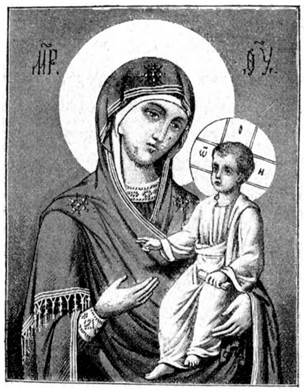
Сказание об Иверской иконе Богородицы начинается с IX века, когда неистовствовало иконоборство. Эта икона находилась первоначально в доме одной богатой, благочестивой и добродетельной вдовы, жившей близ Никеи, а потом в особенной храмине, устроенной усердием её неподалёку от дома её. Она имела величайшее благоговение и часто обращалась к иконе с тёплыми молитвами в нуждах своих. В царствование Феофила иконоборца посланные им всюду истреблять святые иконы пришли и к благочестивой Никейской вдове, по она обещанием им денег склонила их оставить у неё святыню до утра; при этом случае один из них мечом нанёс удар образу Богоматери и причинил рану. По удалении корыстолюбивых и грубых истязателей, вдова с сыном своим пришла в храмину, где находилась святая икона, и долго с коленопреклонением и слезами молилась перед ней. Но, чтобы сохранить её от нового поругания, вдовица в ту же ночь отнесла святыню на морской берег и там, повергшись на землю, умоляла Царицу Небесную избавить её от гнева царского, а образ Свой от потопления. После молитвы, облобызавши икону, опустила её в море и к великой радости своей увидела, что икона в прямом положении устремилась по воде к западу. Благочестивая мать внушила сыну своему удалиться от гонения иконоборцев в Грецию. Юноша отправился в Солунь, а оттуда переселился на гору Афонскую и там принял иночество. От него Афонские иноки услышали об иконе, которую мать его пустила по морю.
The Account of the Iveron Icon of the Mother of God begins in the ninth century, when iconoclasm raged. This icon was originally in the home of a wealthy, pious and virtuous widow who lived near Nicaea, and later in a special chapel built by her zeal not far from her home. She held it in the greatest reverence and often turned to the icon with fervent prayers in her needs. During the reign of the iconoclast Theophilus, those sent by him everywhere to destroy the holy icons came also to the pious widow of Nicaea, but she, by promising them money, persuaded them to leave the sacred object with her until morning; on this occasion, one of them struck the image of the Mother of God with his sword and inflicted a wound. After the departure of the covetous and coarse tormentors, the widow with her son came to the chapel where the holy icon was, and for a long time prayed before it on her knees with tears. But in order to preserve it from further desecration, the widow that same night carried the sacred object to the seashore and there, falling prostrate on the ground, besought the Queen of Heaven to deliver her from the emperor’s wrath and Her image from drowning. After prayer, having kissed the icon, she let it down into the sea and, to her great joy, saw that the icon, in an upright position, moved across the water toward the west. The pious mother enjoined her son to flee from the persecution of the iconoclasts to Greece. The youth set out for Thessalonica, and from there moved to Mount Athos, where he received the monastic tonsure. From him the Athonite monks heard of the icon which his mother had set upon the sea.
Через двести лет после этого события иноки Афонской Иверской обители, основанной в 980 году и названной Иверской в честь основателей её трёх знатных Иверцев, в один вечер увидели на море огненный столп. Явление повторялось несколько дней и ночей сряду. Не понимая, что значит это видение, они долго в недоумении и страхе творили молитву. Когда же собрались пустынножители из всех окрестных монастырей и подошли ближе к морю, усмотрели, что столп огненный возвышался над иконой Богоматери, стоявшею на воде и, по мере приближения их, удалявшеюся от них. Иноки монастыря Иверского собрались во храме и со слезами молились Богу даровать им чудесно явившуюся на море св. икону. В то время жил в монастыре благочестивый старец Гавриил, родом из Иверии. Ему во сне явилась Божия Матерь, осиянная светом небесным, и повелела возвестить настоятелю и братии, что Она хочет дать им икону Свою в помощь и заступление, повелев старцу, чтобы он с верой шёл по морским волнам и принял икону Её для своей обители. Гавриил объявил о видении; настоятель и братия в следующее утро вышли на берег при молебном пении с кадилами и светильниками. Старец небоязненно приблизился по водам к св. иконе и сподобился принять её своими руками. С радостью иноки встретили её на берегу и устроили здесь для неё молитвенную храмину, и три дня и три ночи непрерывно совершали перед святыней молебствие; после сего внесли её в соборную монастырскую церковь и благоговейно поставили в алтаре.
Two hundred years after this event, the monks of the Athonite Iveron monastery, founded in 980 and named Iveron in honor of its founders, three noble Iberians, saw a pillar of fire on the sea one evening. The phenomenon was repeated for several days and nights in succession. Not understanding what this vision meant, they long prayed in perplexity and fear. When the hermits from all the surrounding monasteries gathered and drew nearer to the sea, they perceived that the pillar of fire rose above an icon of the Mother of God standing on the water, and that as they approached, it moved away from them. The monks of the Iveron monastery assembled in the church and with tears prayed to God to grant them the holy icon miraculously appearing on the sea. At that time there lived in the monastery a pious elder, Gabriel, a native of Iberia. To him the Mother of God appeared in a dream, radiant with heavenly light, and commanded him to announce to the abbot and the brethren that She wished to give them Her icon for help and intercession, ordering the elder to go with faith over the waves of the sea and receive Her icon for his monastery. Gabriel told of the vision; the abbot and brethren went out to the shore the next morning with moleben singing, with censers and lamps. The elder fearlessly drew near over the waters to the holy icon and was vouchsafed to receive it with his own hands. With joy the monks met it on the shore and built a prayer chapel for it there, and for three days and three nights they unceasingly performed a moleben before the sacred object; after this they brought it into the cathedral church of the monastery and reverently placed it in the sanctuary.
Впоследствии Богоматери угодно было поставить Свою Иверскую икону на другое место. Однажды перед заутреней инок, назначенный для возжигания свеч и лампад, вошедши по обычаю во храм, не нашёл Иверской иконы на том месте, где поставлена она была. После долгого искания обрели её на стене над монастырскими воротами и отнесли на прежнее место; но в следующее утро она снова явилась над воротами и снова перенесена была в соборный храм. Такое перенесение и возвращение иконы совершалось несколько раз. Наконец Богоматерь вторично явилась во сне старцу Гавриилу и сказала: «объяви братии, чтоб они более не искушали Меня и не усиливались удерживать икону Мою в соборе, а оставили бы её на воротах. Я не желаю быть хранима вами, а хочу быть вашей хранительницею не только в настоящей жизни, но и в будущей. Да уповают на милосердие Сына Моего все здесь пребывающие в добродетельном житии и страхе Божием. И вот вам знамение: доколе икона Моя будет в обители вашей, дотоле благодать и милость Сына Моего к вам не оскудеет. С того времени обрадованная братия не тревожили более святую икону и устроили церковь во славу и Преблагословенной Богородицы над монастырскими воротами, где Она Сама избрала для Себя место. В этой церкви честная икона Её и теперь стоит на левой стороне царских врат. По имени обители она названа Иверской, а по месту пребывания её над воротами именуется Портаитиссой (Πορταιτησσα) – Вратарнищей или Привратницей.
Later the Mother of God was pleased to place Her Iveron icon in another place. One day before Matins, the monk appointed to light the candles and lamps, entering the church as usual, did not find the Iveron icon in the place where it had been set. After a long search they found it on the wall above the monastery gates and carried it back to its former place; but the next morning it again appeared above the gates and was again brought into the cathedral church. This moving and returning of the icon occurred several times. Finally the Mother of God appeared a second time in a dream to the elder Gabriel and said: “Announce to the brethren that they should no longer tempt Me and strive to keep My icon in the cathedral, but leave it at the gates. I do not desire to be guarded by you, but I wish to be your guardian, not only in this present life, but also in the life to come. Let all who dwell here in virtuous life and fear of God trust in the mercy of My Son. And this is a sign for you: as long as My icon is in your monastery, so long shall the grace and mercy of My Son toward you not fail.” From that time the rejoicing brethren no longer troubled the holy icon and built a church to the glory of the Most Blessed Mother of God above the monastery gates, where She Herself had chosen a place for Herself. In this church Her venerable icon stands even now on the left side of the royal doors. After the name of the monastery it is called Iveron, and from the place of its abode above the gates it is named Portaitissa (Πορταιτησσα) – Gate-keeper or She who is at the Gate.
Чудеса и исцеления, бывшие от св. иконы Иверской Афопской, неисчислимы. Доныне видна на ланите изображённой Пречистой Девы рана, нанесённая разбойником. Этот варвар в неистовстве поразил икону Её мечом, и в ту же минуту из лика Богоматери, как бы из живого, истекла кровь. Приведённый в ужас таким необыкновенным явлением, он тогда же покаялся и поступил в число братий Иверского монастыря, где кончил дни свои в строжайшем подвижничестве и прозван был святым варваром. Подобным образом покаялись Сарацинские хищники, некогда ограбившие Иверскую обитель, и не только обратились к Богу истинному, по и все свои сокровища отдали для возобновления опустошённых ими храмов. Заступлений Божией Матери Вратарницы обязана также обитель Иверская спасением своим от нашествия Персов, которые под предводительством Амиры, на пятнадцати кораблях пристали к берегам Афонским с намерением ограбить Иверский монастырь. Устрашённые иноки, взяв с собой церковные сосуды и св. икону, укрылись в одной укреплённой башне и там молились Пресвятой Богородице, да сохранит их и спасёт обитель Свою от разорения. По молитве их внезапно последовала буря и потопила все корабли Персидские с находившимися на них людьми, Амира, видя погибель своих воинов и судов, раскаялся в своём дерзком поступке и просил иноков молить Бога о помиловании его, причём вручил им множество золота и серебра для построения новых стен вокруг обители.
The miracles and healings that have occurred from the holy Iveron icon of Athos are innumerable. To this day the wound inflicted by a robber is visible on the cheek of the depicted Most Pure Virgin. That barbarian in his fury struck Her icon with his sword, and at that same moment blood flowed from the face of the Mother of God, as from a living being. Struck with terror by such an extraordinary phenomenon, he immediately repented and entered the number of the brethren of the Iveron monastery, where he ended his days in the strictest asceticism and was called the holy barbarian. In like manner, Saracen plunderers who once robbed the Iveron monastery repented, and not only turned to the true God, but also gave all their treasures for the restoration of the churches they had devastated. The Iveron monastery also owes its deliverance from the invasion of the Persians to the intercession of the Mother of God the Gate-keeper. The Persians, under the leadership of Amira, landed on the Athonite shores with fifteen ships, intending to plunder the Iveron monastery. The terrified monks, taking with them the church vessels and the holy icon, took refuge in a fortified tower and there prayed to the Most Holy Theotokos to preserve them and save Her monastery from destruction. At their prayer a storm suddenly arose and sank all the Persian ships with the men on them. Amira, seeing the destruction of his soldiers and vessels, repented of his audacious act and asked the monks to pray to God for mercy upon him, and at the same time gave them much gold and silver for the building of new walls around the monastery.
К чудодействиям Божией Матери должно отнести то, я что св. икона Её, находясь на вратах монастырских, часто не допускала входить туда людей, имевших какую-либо душевную нечистоту. Иверская обитель, со времени явления в ней чудотворного образа, не имела ни в чём недостатка, многие вклады Боголюбивых людей обогатили её украшениями и сокровищами.
Among the miracles of the Mother of God must be counted that Her holy icon, being at the monastery gates, often prevented people who had any spiritual impurity from entering there. The Iveron monastery, from the time of the appearance of the wonderworking image in it, lacked nothing; many donations from God-loving people enriched it with adornments and treasures.
В недавнее время «великое было смущение и тревога в св. горе, так что отцы, Афонские жители, хотели бежать оттуда. Прежде этого смущения считалось во св. горе всей братии до сорока тысяч, а ныне (в 1854 году) осталось не более одной тысячи; и те хотели оставить и бежать, кто куда знает; и полагали, что Божия Матерь совершенно оставила св. гору, и св. Афонская гора запустеет. Но во время этих тревожных и скорбных помыслов Царица Небесная и скорая Помощница явилась многим отцам и пустынножителям и сказала: «почто очень испугались, и почто входят такие помышления в сердца ваша. Всё это пройдёт и кончится; и паки наполнится св. гора монашествующими. Вот даю вам извещение, что когда Моя икона будет находиться во св. горе, в Иверском монастыре, то ничего не бойтесь, и живите в своих кельях. А когда изыду из Иверского монастыря, тогда каждый да берёт свою суму и грядёт, кто куда знает. И теперь пустынножители каждую неделю приходят в Иверский монастырь и смотрят: – на своём ли месте стоит Божия Матерь, и, увидевши, паки с радостью возвращаются в свои пустынные кельи».
In recent times “there was great confusion and alarm on the Holy Mountain, so that the fathers, the Athonite inhabitants, wished to flee from there. Before this disturbance, the total number of brethren on the Holy Mountain was reckoned at up to forty thousand, but now (in the year 1854) no more than a thousand remain; and even these wished to leave and flee, each wherever he knew; and they supposed that the Mother of God had completely abandoned the Holy Mountain, and that the Holy Mount Athos would become desolate. But during these anxious and sorrowful thoughts, the Queen of Heaven and swift Helper appeared to many fathers and hermits and said: ‘Why are you so frightened, and why do such thoughts enter into your hearts? All this will pass and end; and the Holy Mountain will again be filled with monastics. Behold, I give you this assurance: as long as My icon is on the Holy Mountain, in the Iveron monastery, fear nothing, and live in your cells. But when I depart from the Iveron monastery, then let each take his bag and go whither he knows.’ And now the hermits come every week to the Iveron monastery and look: is the Mother of God standing in Her place? And seeing Her, they again return with joy to their desert cells.”
Путешественники, посещавшие обители Афонские, упоминают о чертах изображения Иверской Божией Матери и украшениях её иконы. В XVII столетии о Иверской чудотворной иконе упоминает Русский поклонник – Барский, путешествовавший (1729–1747) ко св. местам, бывший и в Иверской Афонской обители. «В прекрасном, говорит он, при внутренних вратах монастырских, созданном храме, в иконостасе, вместо наместной обычной Богородицы, стоит св. чудотворная икона, проименованная от древних иноков Вратарницей, с великими очесами, держащая в левой руце Христа Спасителя, очернела от множества ради лет, покровенна же вся, кроме лица, среброкованной позлащённой одеждой, и кроме того упещрена многоценными каменьями и монетами златыми от различных царей, князей и благородных бояр, дарованными за многие её чудотворения: идеже и Российских царей и цариц, императоров и императриц, князей и княгинь монеты златые и иные дары повешены видех моими очесы. Имать же еще св. оная икона знамение или шрам язвы на ланите, юже восприят древле от единого, иже прежде бысть неверный, и именовашеся варвар, и удари ножем от злобы и ненависти». Другой новейший очевидец пишет: «строгий вид Божественной Марии наводит на поклонников невольный трепет; черты святого лика Её чрезвычайно выразительны и самый размер его величествен. Матерь щедрот и утехи является на этой иконе как будто более матерью правосудия и грозного Судии».
Travelers who have visited the Athonite monasteries mention the features of the depiction of the Iveron Mother of God and the adornments of Her icon. In the seventeenth century the Iveron wonderworking icon is mentioned by the Russian pilgrim Barsky, who journeyed (1729–1747) to the holy places and was also in the Iveron Athonite monastery. “In the beautiful church,” he says, “built at the inner gates of the monastery, in the iconostasis, in place of the usual local icon of the Mother of God, stands the holy wonderworking icon, called by the ancient monks Gate-keeper, with large eyes, holding Christ the Savior in Her left hand, darkened by many years, covered entirely, except the face, with a silver-wrought gilded garment, and besides adorned with precious stones and gold coins given by various tsars, princes and noble boyars for its many miracles: where also I saw with my own eyes gold coins and other gifts of Russian tsars and tsarinas, emperors and empresses, princes and princesses hung. This holy icon also has a mark or scar of a wound on the cheek, which it received long ago from one who was formerly an unbeliever, and was called a barbarian, and struck it with a knife out of malice and hatred.” Another more recent eyewitness writes: “The stern countenance of the Divine Mary inspires involuntary awe in the worshippers; the features of Her holy face are exceedingly expressive and its size itself is majestic. The Mother of mercies and consolation appears in this icon as if more the Mother of justice and of the dread Judge.”
Празднование Иверской Богоматери на Афоне бывает во вторник Светлой седмицы, вероятно вместо празднования в день явления иконы 31 марта, «егда чудесно прииде она по морю к Афону».
The Celebration of the Iveron Mother of God on Athos takes place on Tuesday of Bright Week, probably instead of a celebration on the day of the icon’s appearance, March 31, “when it miraculously came by sea to Athos.”
Жизнь св. Ионы митр. в степ. кн. 2, 69–97, в Минее м. Макария. Сокращение в прологе июня 15 дня.
Life of St. Jonah, Metropolitan, in the Book of Degrees, vol. 2, pp. 69–97, in the Menaion of Metropolitan Macarius. An abridgment in the Prologue for June 15.
Собр. лет. л. 4, 146. 5, 269. 8, 121. 122. 149. Ист. акт. 1. № 68. Св. Иона в 1450 г. писал к Киевскому князю: „до сего времени не было митрополита в святейшей Русской митрополии. Не к кому было посылать. Царь не таков, и патриарх не таков. Иное мудрствуют, сближаются с Латинями“. Ист. акт. 1, № 47. тоже 1. № 62. 262.
Collection of Chronicles l. 4, 146; 5, 269; 8, 121, 122, 149. Historical Acts 1, No. 68. St. Jonah in 1450 wrote to the Prince of Kiev: “Until this time there has been no metropolitan in the most holy Russian Metropolis. There was no one to send to. The emperor is not such, and the patriarch is not such. They think otherwise, drawing near to the Latins.” Historical Acts 1, No. 47; also 1, No. 62, 262.
Ист. акт. 1, пр. 31. № 43. Но о епархиях Галичской, Хельмской и Перемышльской король велел доложить себе, когда будет в тех областях (ак. зап. Росс. 1, № 53. Акт. ист. 1, № 260). И они ни разу не упоминаются в числе епархий подведомых св. Ионе (Л. ист. 1, № 100). Церкви Галичской митрополии отошли к Польше (ак. зап. Росс. 1, № 53) и паны под влиянием бискупов не допустили Казимира – дозволить св. Ионе поддерживать здесь православие.
Historical Acts 1, note 31, No. 43. But concerning the dioceses of Galich, Kholm, and Przemysl, the king ordered that he be informed when he should be in those regions (Acts Relating to Western Russia 1, No. 53; Historical Acts 1, No. 260). And they are never once mentioned among the dioceses subject to St. Jonah (L. ist. 1, No. 100). The churches of the Galician Metropolis passed to Poland (Acts Relating to Western Russia 1, No. 53), and the lords, under the influence of the bishops, did not permit Casimir to allow St. Jonah to uphold Orthodoxy there.
Так говорит Пахомий в житии св. Евфимия (сборник Сергиевой лавры № 8). Сам каноник – у Румянцева № 295. 397.
Thus says Pachomius in the Life of St. Euthymius (manuscript collection of the Holy Trinity–St. Sergius Lavra No. 8). The canon itself is in the Rumyantsev collection No. 295, 397.
Собр. лет. 6, 196. 8, 171. 202. 203. Степей, кн. 2, 88. Львов. лет. 2, 26–28, 35, пролог 27 мая. Ныне память св. Ионы празднуется марта 31 в день кончины его, мая 27 – в день обретения мощей его, св. Киприана и Фотия: июня 15 и октября 5 празднуется вместе с памятью св. Петра и Алексия. Ныне не празднуется 1 июля, и он заменён 27 мая.
Collection of Chronicles 6, 196; 8, 171, 202, 203. Stepennaia Kniga 2, 88. Lvov Chronicle 2, 26–28, 35; Prologue, May 27. Now the memory of St. Jonah is celebrated on March 31, the day of his repose; on May 27, the day of the uncovering of his relics, of Sts. Cyprian and Photius: on June 15 and October 5 it is celebrated together with the memory of Sts. Peter and Alexis. Now July 1 is not celebrated, and it has been replaced by May 27.
Степ. кн. 2, 80–82. Минея Макария (Чет. Мин. 31 марта). Эти чудеса святителя изображены и на иконе его XVII века в храме села Голенища, бывшего митрополичьего (Русск. Старина 2, 38. 39). О чудесах святителя при его мощах – Степ. кн. 2, 91–95.
Book of Degrees 2, 80–82. Menology of Macarius (Chetyi-Minei, March 31). These miracles of the Hierarch are also depicted on his icon of the 17th century in the church of the village of Golenishchevo, formerly the metropolitan’s (Russian Antiquity 2, 38, 39). Concerning the miracles of the Hierarch at his relics—Book of Degrees 2, 91–95.