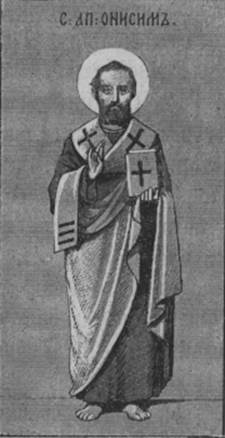
Имея великое во Христе дерзновение приказывать тебе что должно, по любви лучше прошу, не иной кто, как я, Павел старец, а теперь и узник Иисуса Христа; прошу тебя о сыне моем Онисиме, которого родил я в узах моих. Он был некогда негоден для тебя, а теперь годен тебе и мне; я возвращаю его. Ты же прими его, как мое сердце.
Having great boldness in Christ to command thee that which is expedient, yet for love’s sake I rather beseech, being such an one as Paul the aged, and now also a prisoner of Jesus Christ: I beseech thee for my son Onesimus, whom I have begotten in my bonds. He was once unprofitable to thee, but now profitable to thee and to me; I send him back. Do thou receive him as my own heart.
Я хотел при себе удержать его, дабы он вместо тебя послужил мне в узах за благовествование; но без твоего согласия ничего не хотел сделать, чтобы доброе твое дело было не вынужденно, а добровольно. Ибо, может быть, он для того на время отлучился, чтобы тебе принять его навсегда, не как уже раба, но выше раба, брата возлюбленного, особенно мне, а тем больше тебе, и по плоти, и в Господе.
I would have retained him with me, that in thy stead he might have ministered unto me in the bonds of the gospel: but without thy mind would I do nothing, that thy benefit should not be as it were of necessity, but willingly. For perhaps he therefore departed for a season, that thou shouldest receive him for ever; not now as a servant, but above a servant, a brother beloved, specially to me, but how much more unto thee, both in the flesh and in the Lord.
«Итак, если ты имеешь общение со мною, то прими его, как меня. Если же он чем обидел тебя, или должен, считай сие на мне. Я, Павел, написал моею рукою: я заплачу; не говорю тебе о том, что ты и самим собою мне должен.
“If thou count me therefore a partner, receive him as myself. If he hath wronged thee, or oweth thee ought, put that on mine account. I Paul have written it with mine own hand, I will repay it: albeit I do not say to thee how thou owest unto me even thine own self besides.
«Так, брат, дай мне воспользоваться от тебя в Господе; успокой мое сердце в Господе. Надеясь на послушание твое, я написал к тебе, зная, что ты сделаешь и более, нежели говорю». (Посл. к Филим. I, 8–21.)
“Yea, brother, let me have joy of thee in the Lord: refresh my heart in the Lord. Having confidence in thy obedience I wrote unto thee, knowing that thou wilt also do more than I say.” (Epistle to Philemon 1:8–21.)
Так писал св. Апостол Павел Филимону, богатому и знатному человеку, уверовавшему в учение Христово во время проповеди Павла во Фригии, в Малой Азии.
Thus wrote the holy Apostle Paul to Philemon, a rich and noble man who had believed in the teaching of Christ during Paul’s preaching in Phrygia, in Asia Minor.
Писал он это ему о рабе его Онисиме, который, провинившись перед господином своим и убоясь наказания, бежал от него в Рим, где проповедовал тогда Апостол Павел. Множество людей, слыша Апостола, просвещались верою. Раб Онисим также пленился учением св. Павла и не отступал от него, ненасытно вслушиваясь в слова жизни и истинной свободы. Он открыл Павлу душу свою, выразил раскаяние в грехе своем и, приняв от Павла св. крещение, желал служить ему. Но не желая пользоваться служением чужого раба, св. Павел послал с ним к Филимону письмо с выше-приведенным содержанием.
He wrote this to him concerning his servant Onesimus, who, having transgressed against his master and fearing punishment, fled from him to Rome, where the Apostle Paul was then preaching. A multitude of people, hearing the Apostle, were enlightened by faith. The servant Onesimus was also captivated by the teaching of St. Paul and did not depart from him, insatiably listening to the words of life and true freedom. He opened his soul to Paul, expressed repentance for his sin, and having received holy baptism from Paul, desired to serve him. But not wishing to avail himself of the service of another’s servant, St. Paul sent him to Philemon with the letter containing the above-mentioned content.
Филимон, бывший уже христианином, отозвался не только прощением, но и отпущением на свободу раба своего, так что Онисим мог возвратиться в Рим к Павлу и служил ему, ревностно исполняя поручения его. Сам он, со временем, сделался одним из 70-ти Апостолов, и по смерти Павла проповедовал слово Божие во многих странах Греции и Малой Азии.
Philemon, who was already a Christian, responded not only with forgiveness but also with the granting of freedom to his servant, so that Onesimus could return to Rome to Paul and serve him, zealously fulfilling his commissions. He himself, in time, became one of the Seventy Apostles, and after Paul’s death preached the word of God in many lands of Greece and Asia Minor.
В старости был он епископом в Ефесе по смерти Апостола Тимофея, и за ревностное содействие к распространению веры Христовой был призван в Рим, в царствование императора Траяна, где и пострадал от епарха Тертила и скончался, побитый камнями в 109 г., вскоре после кончины св. Игнатия. Тело его возвращено в Ефес.
In his old age he was bishop in Ephesus after the death of the Apostle Timothy, and for his zealous assistance in the spread of the Christian faith he was summoned to Rome, during the reign of the Emperor Trajan, where he suffered at the hands of the eparch Tertillus and died, stoned to death in the year 109 A.D., shortly after the end of St. Ignatius. His body was returned to Ephesus.
Уединившись на одной горе близ селения Асихи в Сирии, Евсевий приютился у стены, камни которой не были даже связаны глиною: жил круглый год под открытым небом и питался горохом и бобами, смоченными водою, только изредка прибавляя к ним смоквы для поддержания сил своих. Весь же Великий пост довольствовался 15-ю смоквами. И не смотря на такое измождение тела своего, прожил почти до ста лет... «Слабость сил телесных была в нем пополняема пламенным усердием, и любовь к Богу делала для него все удобным и легким», говорит о нем Феодорит, не лишившийся бесед со старцем даже и тогда, когда тот отказался уже от всякого общения с людьми и совершенно заградил вход к себе, привалив камень к дверям своего жилища.
Having secluded himself on a mountain near the village of Asicha in Syria, Eusebius took shelter by a wall, the stones of which were not even bound with clay: he lived the whole year under the open sky and fed on peas and beans moistened with water, only occasionally adding figs to them to sustain his strength. During the whole of Great Lent he contented himself with fifteen figs. And despite such mortification of his body, he lived almost to a hundred years... “The weakness of his bodily strength was compensated by fervent zeal, and love for God made everything convenient and easy for him,” says Theodoret, who did not deprive himself of conversations with the elder even when the latter had already refused all intercourse with men and had completely blocked the entrance to himself, having rolled a stone against the door of his dwelling.
Таким образом подвизался до конца блаженный Евсевий, «омываемый струями пота» среди подвига отречения своего от всяких утех и удобств жизни и предваряя стремлениями и постижением блаженную вечность уже здесь на земле...
Thus did the blessed Eusebius struggle until the end, “washed by streams of sweat” in the midst of the feat of his renunciation of all pleasures and comforts of life, anticipating by his strivings and comprehension the blessed eternity even here on earth...
Подвижническая жизнь его была особенно замечательна неистощимыми слезами о грехах... Путем слез достигал воистину «блаженный» того «утешения», которое обещано «плачущим ныне»...
His ascetic life was especially remarkable for his inexhaustible tears over his sins... By the path of tears he truly attained that “comfort” which is promised to “those who weep now”...
Далматская икона Богоматери находится в мужском Далматском монастыре в заштатном городе Далматове Пермской губернии. Этот монастырь основан в 1644 году иноком Далматом, который, по смирению своему удалясь из Невьянского монастыря той же губернии, где хотели возложить на Далмата звание игумена, пришел в отчину Илигея татарина с иконою Успения Богоматери и решился устроить здесь монастырь, который впоследствии по имени строителя и назван Далматовым. Илигей, узнавши, что на принадлежащей ему земле Далмат воздвиг обитель, в 1646 году хотел было изгнать его; но владельцу явилась во сне Матерь Божия, в багряном одеянии и венце, с огненным мечем, и повелела ему уступить землю для обители. Это явление было вероятно 15 февраля. После видения Илигей со смирением прибыл к Далмату и отдал ему для монастыря занимаемое им ныне место, и сверх того принес ему и другие дары. В конце 1646 года новые здания монастыря Далматского сожжены были Калмыками; некоторые из иноков были ими убиты, а другие взяты в плен, но Далмат скрылся и сохранил св. икону.
The Dalmatian Icon of the Mother of God is located in the men’s Dalmatian Monastery in the non-district town of Dalmatov, Perm Province. This monastery was founded in 1644 by the monk Dalmat, who, out of humility, having withdrawn from the Neviansk Monastery of the same province, where they wished to place upon Dalmat the rank of abbot, came to the patrimony of the Tatar Iligei with the icon of the Dormition of the Mother of God and resolved to establish a monastery here, which was later named Dalmatov after its founder. Iligei, having learned that Dalmat had raised up a monastery on land belonging to him, wished in 1646 to drive him out; but the Mother of God appeared to the owner in a dream, in a purple robe and crown, with a fiery sword, and commanded him to yield the land for the monastery. This appearance was probably on February 15. After the vision, Iligei humbly came to Dalmat and gave him for the monastery the place it now occupies, and in addition brought him other gifts. At the end of 1646, the new buildings of the Dalmatian Monastery were burned by the Kalmyks; some of the monks were killed by them, and others taken captive, but Dalmat hid himself and preserved the holy icon.
По удалении Калмыков он возвратился на то же место и обновил свой монастырь, который, украшаясь приношениями стекающегося для моления народа, сделался наконец знатнейшим в Сибири.
After the departure of the Kalmyks, he returned to the same place and renewed his monastery, which, being adorned by the offerings of the people who flocked to pray, finally became the most notable in Siberia.