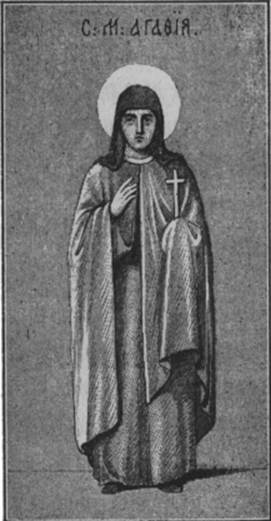
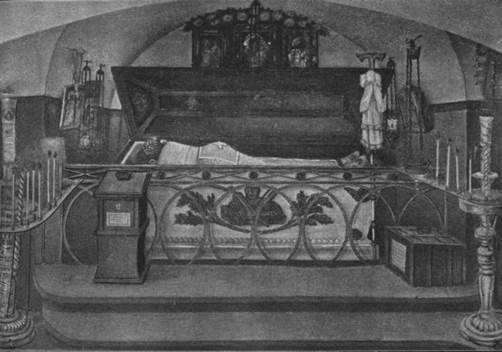
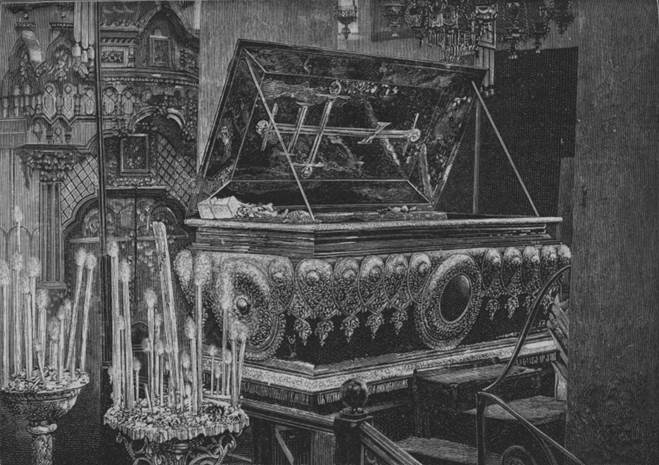
На западе особенно чтится память св. Агафии. Существует обширная история мощей ее в Риме, Константинополе, Италии, Бельгии, Германии и о многочисленных чудесах ее. В России, особенно в Северо-Западной части ее, св. мученица Агафия почитается в народе защитницею от вреда огненного.
In the West, the memory of St. Agatha is especially honored. There exists an extensive history of her relics in Rome, Constantinople, Italy, Belgium, Germany, and of her numerous miracles. In Russia, particularly in its northwestern part, the holy Martyr Agatha is venerated by the people as a protectress from harm by fire.
Св. Агафия, дочь знатных и богатых родителей, жила в Сицилии во 2-й четверти III-го века. С молодых лет преобладала в ней любовь и преданность к Богу. Когда наступило гонение Декия (251 г.), то она стала готовиться к мученичеству. Действительно, христианское исповедание богатой гражданки не замедлило послужить поводом к преследованию ее правителем области Квинтианом.
St. Agatha, the daughter of noble and wealthy parents, lived in Sicily in the second quarter of the third century. From her youth, love and devotion to God prevailed in her. When the persecution of Decius (A.D. 251) began, she prepared herself for martyrdom. Indeed, the Christian confession of the wealthy citizen soon served as a pretext for her persecution by the regional governor, Quintian.
Сначала, пораженный ее красотою, он пожелал, не прибегая к угрозам и истязаниям, употребить все способы к отвлечению ее от христианской веры. Думая, что жизнь в роскоши, состоящая из одних удовольствий, увлечет ее и рассеет в сердце ее привязанность к христианской религии, он поместил ее в дом к одной богатой язычнице, которая проводила веселую жизнь с своими пятью дочерями. Эта язычница, Афродисия, исполнила поручение правителя и всеми средствами развлекала Агафию, доставляла ей всевозможные удовольствия. Но, окруженная веселием, Агафия тяготилась им; нисколько не утешало ее то, чего так жадно ищет большинство, готовое забыть в чаду веселия серьезные и существенные вопросы и заботы души. О принесении же жертвы богам совершенно бесплодно убеждала и уговаривала язычница христианку.
At first, struck by her beauty, he wished, without resorting to threats and tortures, to use every means to draw her away from the Christian faith. Thinking that a life of luxury, consisting solely of pleasures, would captivate her and dispel from her heart her attachment to the Christian religion, he placed her in the home of a wealthy pagan woman who led a merry life with her five daughters. This pagan woman, Aphrodisia, carried out the governor's commission and distracted Agatha by every means, providing her with all kinds of pleasures. But, surrounded by merriment, Agatha was burdened by it; she was in no way consoled by that which the majority so eagerly seek, ready to forget in the intoxication of gaiety the serious and essential questions and cares of the soul. As for offering sacrifice to the gods, the pagan woman utterly fruitlessly tried to persuade and convince the Christian.
«Легче смягчить камень, нежели отвлечь Агафию от ее Бога», – передала наконец Афродисия Квинтиану заключение свое об Агафии, – «напрасно старалась я прельстить ее роскошными одеждами, жемчугами, драгоценными каменьями: она все это презирает».
"It is easier to soften a stone than to turn Agatha away from her God," Aphrodisia finally reported her conclusion about Agatha to Quintian. "In vain did I try to seduce her with luxurious garments, pearls, and precious stones: she despises all this."
Квинтиан приказал подвергнуть ее мучениям; на ночь была она отведена в темницу; на другой день, видя ее непреклонность, снова начали истязать ее.
Quintian ordered her to be subjected to torments; for the night she was led away to prison; on the next day, seeing her inflexibility, they began to torture her again.
Радуюсь этим мукам, – говорила Агафия; как пшеница не может попасть в житницу иначе, как очищенною от плевел, так нельзя душе моей войти в рай, прежде чем не очищусь страданием.
"I rejoice in these torments," said Agatha; "just as wheat cannot enter the granary unless it is cleansed of the chaff, so my soul cannot enter paradise until it is purified by suffering."
После мучений в продолжение дня снова отвели Агафию на ночь в темницу. Здесь посетил ее Господь чудным утешением: св. апостол Петр явился ей и исцелил ее. Свет непостижимый наполнил темницу, стража в ужасе разбежалась. Агафия могла скрыться из темницы в это время, но не захотела уклониться от мученического подвига, пожелала «потерпеть до конца», и не захотела также навлечь ответственности» на стражу.
After the torments during the day, Agatha was again led away to prison for the night. There the Lord visited her with a wondrous consolation: the holy Apostle Peter appeared to her and healed her. An inexpressible light filled the prison; the guards fled in terror. Agatha could have escaped from the prison at that time, but she did not wish to withdraw from the feat of martyrdom; she desired "to endure to the end," and also did not wish to bring responsibility upon the guards.
На пятый день после того возобновились ее истязания. Для нее придумали новый способ мучительства: насыпали на землю горячих угольев и раскаленных черепиц, и израненную уже положили на них святую... В это время произошло землетрясение... Граждане города Катании, где происходили мучения Агафии, видя в этом кару небесную, в ужасе приступили к правителю, требуя, чтобы он отпустил мученицу... Опасаясь народного волнения, Квинтиан приказал снова отвести Агафию в темницу. Там душа ее вознеслась к Богу пламенною молитвою: – Благодарю Тебя, Господи, что Ты удостоил меня пострадать за имя Твое и даровал мне силу и терпение! Услыши меня в этот час и призови меня к Себе! – И с этими словами скончалась претерпевшая «сосцев отрезание, и огня опаление, и строгание телесе»... (Стих.). Граждане Катанские предали погребению тело ее. Слава о мученичестве Агафии разнеслась по всей стране; вскоре была выстроена церковь на ее гробнице, и бедная одежда ее, которую она обыкновенно носила, была положена на ее гробе в память об ее смирении. Господь разнообразно прославил верную Свою рабу.
On the fifth day after that, her tortures were renewed. They devised a new method of torment for her: they scattered hot coals and red-hot tiles on the ground, and laid the already wounded saint upon them... At that time an earthquake occurred... The citizens of the city of Catania, where Agatha's torments took place, seeing in this a heavenly punishment, in terror approached the governor, demanding that he release the martyr... Fearing popular unrest, Quintian ordered Agatha to be led back to prison. There her soul ascended to God in fervent prayer: "I thank Thee, O Lord, that Thou hast deemed me worthy to suffer for Thy name and hast granted me strength and patience! Hear me at this hour and call me to Thyself!" And with these words, she who had endured "the cutting off of breasts, and the burning of fire, and the scraping of the body" (from the sticheron) reposed. The citizens of Catania committed her body to burial. The fame of Agatha's martyrdom spread throughout the whole country; soon a church was built over her tomb, and her poor garment, which she ordinarily wore, was placed upon her grave in memory of her humility. The Lord glorified His faithful handmaid in diverse ways.
Скоро гнев Божий постиг Квинтиана, который, желая воспользоваться имуществом скончавшейся Агафии, отправился в Палермо, на ее родину, но при одной переправе он был сброшен в реку взбесившимися лошадьми и утонул. После этого никто больше не посмел потревожить родственников св. Агафии.
Soon the wrath of God overtook Quintian, who, wishing to take possession of the property of the departed Agatha, set out for Palermo, her homeland, but at one crossing he was thrown into the river by maddened horses and drowned. After this, no one dared to disturb the relatives of St. Agatha.
В годовщину кончины св. мученицы, когда последовало извержение огнедышащей горы Этны, близ г. Катании, устрашенные жители города, верующие и язычники, взяли одежду св. Агафии с гроба ее и держали ее против огненного потока... и бедствие миновало город. Это событие послужило основанием и на Руси чрез десятки столетий распространившемуся верованию, что Бог молитвами Своей праведницы избавляет людей от бедствия огня...
On the anniversary of the repose of the holy martyr, when an eruption of the fire-breathing Mount Etna occurred near the city of Catania, the terrified inhabitants of the city, both believers and pagans, took the garment of St. Agatha from her tomb and held it against the stream of fire... and the calamity passed the city by. This event served as the foundation for the belief, which spread in Rus' after many centuries, that God, through the prayers of His righteous one, delivers people from the calamity of fire...
Жизнь св. Агафии – одна из тех, где страдание является побежденным силою веры и молитвы. Какая глубина страдания! и какая сила молитвы, давшей терпение все перенести!
The life of St. Agatha is one of those in which suffering is overcome by the power of faith and prayer. What depth of suffering! and what power of prayer, which gave the patience to endure all!
Страдания в мире остались те же, хотя и не в виде насильственных физических пыток, но – усложненные, изощренные, тягчайшие – нравственные, не говоря уже о неизбежных всегда болезнях. Но сила веры и молитвы для борьбы с страданием – та ли? И где она?
Suffering in the world has remained the same, although not in the form of violent physical tortures, but—more complex, more refined, more grievous—moral sufferings, not to mention the ever-inevitable illnesses. But is the power of faith and prayer for struggling with suffering the same? And where is it?
Во всяком случае – не та теперь сила, что воодушевляла первобытных христиан. А потому и победа теперь не там, где была прежде, не на стороне молитвы, а на стороне страдания. Страдание побеждает теперь и клонит перед собою душевные силы... Самоубийства, в которых нагляднее всего выражается факт отступления человека перед страданием, сделались почти обычным явлением... Нет молитвы, нет и силы пребывать лицом к лицу с страданиями. которыми вольно или невольно наполнена жизнь человека... И вот, он ищет исхода в произвольной смерти... и по меньшей мере – исхода в неправильном образе действий ради избежания бедности, напр., разных лишений и других тягостей жизни...
In any case, the power is not the same now as that which inspired the early Christians. And therefore victory is now not where it was before, not on the side of prayer, but on the side of suffering. Suffering now conquers and bends before itself the powers of the soul... Suicides, in which the fact of man's retreat before suffering is most clearly expressed, have become almost an ordinary occurrence... There is no prayer, and there is no strength to remain face to face with the sufferings with which, willingly or unwillingly, human life is filled... And so, he seeks an outcome in voluntary death... and at the very least—an outcome in an incorrect course of action to avoid poverty, for example, various deprivations and other burdens of life...
И там смерть, и тут – смерть, но какая! Мученик умирает победоносцем, самоубийца умирает побежденным, подавленным, не вынесшим страдания... Непроходимая бездна отделяет страдальца верующего, молящегося от страдальца, не, вооруженного щитом веры и молитвы, все преодолевающим...
There is death there, and here—death, but what a death! The martyr dies as a victor; the suicide dies conquered, crushed, unable to bear the suffering... An impassable abyss separates the suffering believer, the one who prays, from the sufferer not armed with the shield of faith and prayer, which overcomes all...
Господи! дай миру только силу молитвы! – и тогда падет вся сила искушений, вся гибель неразумия, вся опасность слабости в борьбе с окружающим отвсюду злом, с внешними и внутренними врагами... Молитва с верою побеждают все.
O Lord! grant to the world only the power of prayer!—and then all the power of temptations, all the ruin of folly, all the danger of weakness in the struggle with the evil that surrounds us on all sides, with external and internal enemies, will fall... Prayer with faith overcomes all.
Св. мученицы Феодулии, пострадавшей в царствование Диоклитианово и Максимианово и обратившей к вере Христовой многих свидетелей ее страданий, между прочими: Макария и Евагрия, скончавшихся вместе с нею в огне» – и самого мучителя своего Елладия, умершего от меча.
St. Martyr Theodulia, who suffered in the reign of Diocletian and Maximian and converted to the faith of Christ many witnesses of her sufferings, among others: Macarius and Evagrius, who died together with her in the fire"—and her very tormentor Helladius, who died by the sword.
Преподобный Нестор летописец говорит, что нашу благоверную великую княгиню Ольгу (Равноапостольную) «крестил сам патриарх Полиевкт, славный по святости жизни и по образованию своему». К нему на 60-м году жизни отправилась великая княгиня Ольга с многочисленною свитою для более полного научения познанным уже ею отчасти истинам веры – от хорошего наставника, прозванного за красноречие свое – вторым Златоустом.
The Venerable Nestor the Chronicler says that our Right-believing Grand Princess Olga (Equal-to-the-Apostles) "was baptized by Patriarch Polyeuctus himself, glorious for the holiness of his life and for his education." To him, in the 60th year of her life, the Grand Princess Olga set out with a numerous retinue for a more complete instruction in the truths of the faith, which she had already partly learned, from a good teacher, called for his eloquence a second Chrysostom.
Выслушав от него наставление в вере, она от него же приняла и св. крещение, причем император Константин Багрянородный был восприемником ее от купели, в 957 году.
Having heard from him instruction in the faith, she also received holy baptism from him, with the Emperor Constantine Porphyrogenitus being her sponsor from the font, in the year 957.
Благословляя крестом возрадованную русскую княгиню перед ее отъездом, св. Полиевкт пророчески сказал ей: «Благословенна ты между женами русскими, что возлюбила свет и отвергла тьму! Тебя будут благословлять сыны российские до последнего рода!» Он же преподал ей наставление о церковном уставе, о молитве, посте, милостыне, о сохранении чистоты душевной и телесной.
Blessing with the cross the rejoicing Russian princess before her departure, St. Polyeuctus prophetically said to her: "Blessed art thou among Russian women, for thou hast loved the light and rejected darkness! The sons of Russia shall bless thee unto the last generation!" He also gave her instruction concerning the church rule, concerning prayer, fasting, almsgiving, and the preservation of purity of soul and body.
Антоний был сын благочестивых родителей, Афинян; они были очень бедны, но успели обогатить сына своего лучшим благом, воспитав в нем еще в детстве его христианские чувства. Это было причиною его временного мученичества и счастия в вечности...
Anthony was the son of pious parents, Athenians; they were very poor, but succeeded in enriching their son with the best good, having instilled in him from his childhood Christian sentiments. This was the cause of his temporal martyrdom and of his blessedness in eternity...
По бедности своей Антоний, не изучив даже никакого ремесла, принужден был поступить в услужение к туркам и, хотя получал от них небольшую плату, но и тою делился с своими родителями. – В это время происходила война между Турциею и Россиею; русский флот явился у берегов Мореи; господа Антония отправились разорять и забирать в плен Морейских христиан; Антоний должен был последовать за ними, и они его продали там, как пленника, каким-то мусульманским эмирам. Новые хозяева принуждали Антония принять исламизм; им это не удалось; тогда они продали его другим, и таким образом Антоний несколько раз был продаваем из одних рук в другие, и каждый раз новые владетели пытались принудить его принять исламизм, но всегда безуспешно. – Наконец был он куплен за 400 пиастров одним христианином-медником, который увез его с собою в Константинополь. Тут немедленно приступил он к тому, чего давно был лишен: исповеди и причастию св. Таин, и усердно начал служить новому господину – христианину. В это время увидел он один раз во сне величественную женщину чудной красоты, которая сказала ему: мужайся!...
Owing to his poverty, Anthony, not having learned even any trade, was compelled to enter into service with the Turks and, although he received a small wage from them, he shared even that with his parents. – At this time a war was taking place between Turkey and Russia; the Russian fleet appeared off the shores of the Morea; Anthony’s masters set out to ravage and take captive the Christians of the Morea; Anthony was obliged to follow them, and they sold him there as a captive to certain Muslim emirs. His new masters forced Anthony to accept Islam; they did not succeed; then they sold him to others, and thus Anthony was several times sold from one pair of hands to another, and each time the new owners attempted to compel him to accept Islam, but always without success. – Finally he was bought for 400 piastres by a Christian coppersmith, who took him with him to Constantinople. There he immediately set about that of which he had long been deprived: confession and Communion of the Holy Mysteries, and he began diligently to serve his new master – a Christian. At this time he once saw in a dream a majestic woman of wondrous beauty, who said to him: “Take courage!”...
Однажды, когда Антоний находился в мастерской, его увидел один из его прежних хозяев и закричал на него: «Как ты смел уйти от меня! и как это ты из турка сделался христианином?»
One day, when Anthony was in the workshop, one of his former masters saw him and cried out to him: “How dare you run away from me! And how is it that you, a Turk, have become a Christian?”
Сейчас же оказались лжесвидетели, которые подтвердили показания прежнего господина Антония. – И не смотря на тот редкий случай, что судья на этот раз оказался справедливым и поверил возражениям обвиняемого, что тот всегда был христианином, Антоний был представлен на суд визирю, так как судье не удалось ни умиротворить лжесвидетелей, ни склонить Антония к принятию исламизма. Но, предупрежденный тайно судьею о том, что приговор был вынужденный, визирь хотел заглушить это дело и ради только успокоения народа заключил Антония в темницу, как бы в ожидании расследования дела.
Immediately false witnesses appeared, who confirmed the testimony of Anthony’s former master. – And despite the rare circumstance that the judge this time proved to be just and believed the objections of the accused, that he had always been a Christian, Anthony was brought before the vizier for judgment, since the judge had succeeded neither in pacifying the false witnesses nor in inclining Anthony to accept Islam. But, secretly forewarned by the judge that the verdict had been forced, the vizier wished to hush up the matter and, only for the sake of calming the people, confined Anthony to prison, as if awaiting an investigation of the case.
Антоний принял с радостию свое заключение, учил бывших с ним там христиан терпеливо переносить испытания и несчастия и не бояться умереть ради веры в Иисуса Христа...
Anthony accepted his imprisonment with joy, teaching the Christians who were there with him to bear trials and misfortunes patiently and not to fear dying for the faith in Jesus Christ...
Деньги, бывшие при нем, роздал; послал письмо к хозяину своему, благодарил его за выкуп от варваров и выражал сожаление, что не успел отслужить ему; просил прощения у всех христиан; поручал уведомить об его участи родителей его и совершать по смерти обычное поминовение, – и таким образом всеми помышлениями своими готовился к мученичеству.
The money he had with him he distributed; he sent a letter to his master, thanking him for ransoming him from the barbarians and expressing regret that he had not managed to serve him; he asked forgiveness of all Christians; he charged that his parents be informed of his fate and that the customary memorial services be performed after his death – and thus with all his thoughts he prepared himself for martyrdom.
Подвиг не замедлил... Народ требовал казни мнимого отступника. Визирь должен был представить дело султану. Тот постановил приговор: принять исламизм или – казнь.
The ordeal was not long in coming... The people demanded the execution of the supposed apostate. The vizier had to present the matter to the sultan. He pronounced the sentence: accept Islam – or death.
Как на праздник спешил на казнь верный христианин и, преклонив свою голову со словами: «Господи! в руце Твои предаю дух мой!» – под третьим ударом меча скончался... (5-го февраля 1774 года).
As if to a feast, the faithful Christian hastened to his execution and, bowing his head with the words: “Lord, into Thy hands I commit my spirit!” – he breathed his last with the third blow of the sword... (5th February 1774).
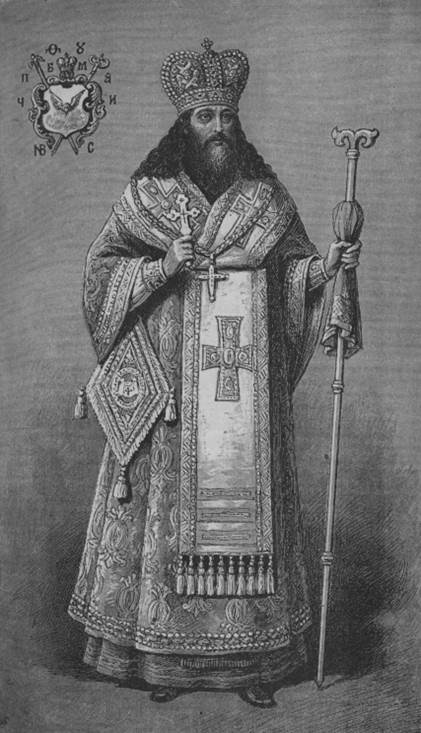
Время жизни св. Феодосия Углицкого отделено от нас всего только 200-летним периодом времени. 200 лет – это сравнительно не долгий промежуток времени, и мы, по-видимому, должны обладать обильным материалом для жизнеописания великого новопрославленного святителя. Но не так на самом деле. С большим сожалением приходится сознаться, что, не смотря на такое недавнее время, мы имеем очень мало сведений о новоявленном Угоднике Божием. Домашняя жизнь его, келейные подвиги, его пастырская деятельность и отношения к окружающей среде – до сих пор остаются мало известными. Всякие усилия открыть какие-либо особенные памятники, которые могли бы приподнять таинственную завесу, скрывающую от нас обстоятельства жизни св. Феодосия Углицкого, и пролить яркий свет на темную область, пока остаются тщетными. Это отчасти и понятно. С одной стороны, необыкновенная скромность и христианское смирение Святителя могли быть причиною того, что так мало дошло до нашего времени памятников, касающихся жизни и деятельности его. Истинное смирение не любит говорить о себе; жизнь и дела Святителя были более внутренние, которые весьма ценны в очах Божиих, хотя и мало оставляют видимых следов в истории человечества. А с другой стороны, известно, что Киевский Выдубицкий и Черниговский Елецкий монастыри, места наиболее продолжительного служения Феодосия Углицкого, пережили в своей истории не мало невзгод, во время которых могло быть потеряно многое из хранившегося в их архивах. Все это служит причиною того, что не только в других областях и местностях России о жизни св. Феодосия доселе почти ничего не известно, но даже в Киевской и Черниговской губерниях, местах его преимущественного служения и деятельности, до сих пор не найдено более или менее подробных сведений о ней.
The time of the life of St. Theodosius of Uglich is separated from us by only a 200-year period of time. 200 years – this is a comparatively short interval of time, and we, it would seem, ought to possess abundant material for a biography of the great newly-glorified Hierarch. But this is not so in reality. It must be confessed with great regret that, despite such recent times, we have very little information about the newly-manifested Saint of God. His domestic life, his cell ascetic labors, his pastoral activity and relations with his surroundings – all remain little known to this day. Every effort to discover any particular monuments that might lift the mysterious veil hiding from us the circumstances of the life of St. Theodosius of Uglich, and cast bright light upon the dark area, remains for now fruitless. This is partly understandable. On the one hand, the extraordinary modesty and Christian humility of the Hierarch may have been the reason that so few monuments concerning his life and activity have come down to our time. True humility does not like to speak of itself; the life and deeds of the Hierarch were more inward, which are very precious in the eyes of God, although they leave few visible traces in the history of mankind. And on the other hand, it is known that the Kiev Vydubitsky Monastery and the Chernigov Yeletsky Monastery, the places of the most prolonged service of Theodosius of Uglich, experienced in their history no few adversities, during which much that was preserved in their archives may have been lost. All this is the reason that not only in other regions and localities of Russia has almost nothing been known until now about the life of St. Theodosius, but even in the Kiev and Chernigov provinces, the places of his primary service and activity, no more or less detailed information about it has been found to this day.
О происхождении святителя Феодосия, о его первоначальной жизни можно сказать лишь кое-что на основании предположений и косвенных соображений. Ни год его рождения, ни имя, нареченное ему при святом крещении, ни место родины – не могут быть указаны определенно. С достаточною вероятностью время его рождения можно отнести к началу тридцатых годов ΧVΙΙ столетия. Относительно места его родины существует несколько различных предположений. Одни, основываясь на фамилии, думали, что Святитель происходил из г. Углича. Другие, приняв во внимание то, что в Чернигове жили родственники св. Феодосия и он имел там собственный дом, место родины его относили к г. Чернигову. Третьи, введенные в заблуждение одним документом, родину его приурочивают к селу Семешкову (Стародубского уезда, Черниговской губернии). Четвертое мнение, полагающее родину св. Феодосия в Киеве, высказывается некоторыми на том основании, что он проходил здесь бо́льшую часть своего служения и здесь жили его родственники. Пятое мнение, основанное на существующем народном предании, которое засвидетельствовали даже высшие иерархические лица, – место родины Святителя относит к м. Уланову (Литинского уезда, Каменец-Подольской губернии). Наконец, некоторые думают, что он родился в Украйне, по правую сторону Днепра – именно в той части Малороссии, которая в XVII веке находилась под владычеством Польши. Последнее указание принадлежит преосвященному Филарету (Гумилевскому), архиепископу Черниговскому. Его же повторил и другой биограф Святителя, A.Н. Ханенко, в своем очерке о св. Феодосии. Хотя последнее определение места родины отличается общим характером, но оно заслуживает наибольшего вероятия, в виду той обстоятельности обследования всех касающихся до дела документов, которая была свойственна преосвященному Филарету. Указание на польскую Украину, как на место родины св. Феодосия, имеет для нас большое значение, и именно потому, что в этой местности, начиная со времени введения Польшею унии. (1596 г.), православие подвергалось сильному гонению со стороны польского правительства и католического духовенства.
Concerning the origin of Hierarch Theodosius, concerning his early life, only a little can be said on the basis of suppositions and indirect considerations. Neither the year of his birth, nor the name given him at holy Baptism, nor the place of his homeland – can be indicated with certainty. With sufficient probability the time of his birth can be assigned to the beginning of the 1630s. Concerning the place of his homeland, there exist several different suppositions. Some, basing themselves on his surname, thought that the Hierarch came from the city of Uglich. Others, taking into account that relatives of St. Theodosius lived in Chernigov and that he had his own house there, assigned the place of his homeland to the city of Chernigov. Still others, misled by one document, locate his homeland in the village of Semeshkovo (Starodub district, Chernigov province). A fourth opinion, placing the homeland of St. Theodosius in Kiev, is put forward by some on the grounds that he passed the greater part of his service there and that his relatives lived there. A fifth opinion, based on an existing popular tradition, which was attested even by the highest hierarchal persons, assigns the place of the Hierarch’s homeland to the town of Ulanovo (Litinsky district, Kamenets-Podolsk province). Finally, some think that he was born in Ukraine, on the right bank of the Dnieper – precisely in that part of Little Russia which in the 17th century was under the dominion of Poland. The last indication belongs to the Most Reverend Philaret (Gumilevsky), Archbishop of Chernigov. It was repeated also by another biographer of the Hierarch, A.N. Khanenko, in his sketch of St. Theodosius. Although the last determination of the place of his homeland is of a general character, it deserves the greatest probability, in view of the thoroughness of investigation of all documents pertaining to the matter which was characteristic of the Most Reverend Philaret. The indication of Polish Ukraine as the place of the homeland of St. Theodosius has great significance for us, precisely because in this locality, beginning from the time of the introduction of the Union by Poland (1596), Orthodoxy was subjected to severe persecution by the Polish government and the Catholic clergy.
По происхождению своему св. Феодосий принадлежал к дворянской фамилии Углецких, или вернее – Углицких; об этом свидетельствует его фамильный дворянский акт, в котором сказано, что Феодосий Углицкий прибыл из-за Днепра в Черниговскую губернию с родным племянником своим (сыном сестры) – Василием Полоницким. Фамилия Углицкий не должна вводить нас в заблуждение и относить происхождение св. Феодосия к городу Угличу; по преданию, впрочем весьма темному, эта фамилия была присвоена предку Святителя за оказанное отличие при отражении неприятеля от г. Углича. Родителями святителя Феодосия признаются всеми иерей Никита и жена его Мария. Этими двумя именами начинается синодик Киевского Выдубицкого монастыря, а также и другие поминальные записи рода Святителя, находящиеся в Черниговском Елецком монастыре и Любечском ските. А так как в записях родов епископов обыкновенно вначале всегда писались имена родителей, то и можно с достаточною достоверностью думать, что иерей Никита и Мария – именно н были родителями св. Феодосия. Из тех же поминальных записей в синодиках видно, что в роде Святителя было весьма много лиц духовного звания и даже иноческого чина. Таким образом, он по своему происхождению принадлежал к одному из тех благочестивых древних дворянских родов, которые скромное духовное служение предпочитали всякому мирскому служению.
By his origin, St. Theodosius belonged to the noble family of the Ugletskys, or more correctly – the Uglitskys; this is attested by his family noble charter, in which it is said that Theodosius Uglitsky arrived from beyond the Dnieper into the Chernigov province with his own nephew (his sister’s son) – Basil Polonitsky. The surname Uglitsky should not mislead us into assigning the origin of St. Theodosius to the city of Uglich; according to tradition, though a very obscure one, this surname was bestowed upon an ancestor of the Hierarch for a distinction shown in repelling the enemy from the city of Uglich. The parents of Hierarch Theodosius are acknowledged by all to be the priest Nicetas and his wife Mary. These two names begin the synodicon of the Kiev Vydubitsky Monastery, as well as other memorial records of the Hierarch’s family, found in the Chernigov Yeletsky Monastery and the Lyubech Skete. And since in the records of the families of bishops the names of the parents were usually written first, it can be thought with sufficient certainty that the priest Nicetas and Mary were indeed the parents of St. Theodosius. From the same memorial records in the synodica it is evident that in the Hierarch’s family there were very many persons of the clerical rank and even of the monastic order. Thus, by his origin he belonged to one of those pious ancient noble families which preferred humble spiritual service to any worldly service.
Священнический сан отца св. Феодосия говорит нам многое. В XVII в. в Малороссии белое духовенство, не смотря на высоту своего звания, много терпело лишений, так как находилось в большой зависимости от прихожан и, главный образом, от богатых и влиятельных землевладельцев. Сельское духовенство жило исключительно сборами с прихожан, и эти сборы ставили священников едва ли не на ряду с бедняками. В Малороссии в прежнее время многие из лиц дворянского сословия шли в священнослужители, и даже существовал как бы обычай, что в многочисленной семье один из сыновей вступал в духовное звание. Но этот порядок, со времени учреждения унии и в особенности в период кровавых гонений, воздвигнутых Польшей на православие при королях Сигизмунде, Владиславе и Казимире, уже был нарушен, и случаи перехода дворян в духовное звание сделались редкими. Если же иногда и случалось, что дворянин, пользующийся привилегиями, избирал тяжелую пастырскую и священно-служительскую деятельность, то только лишь призвание к подвигам благочестия и сознание святости избранного дела побуждали его вступать в духовное звание. Следовательно, вступление в духовное звание Никиты Углицкого дает нам основание считать его за человека, исполненного глубокого благочестия и жаждущего вступить в борьбу за охранение православной веры. Родители св. Феодосия, по сохранившемуся преданию, отличались искренним благочестием, были люди «богобоязненной жизни» и своих детей старались воспитывать в духе православной Церкви. В среде родственников их также преобладали лица духовного звания. Таким образом, та среда, в которой должен был получить воспитание Феодосий, была самая лучшая и благоприятная. Бдительный надзор благочестивых родителей и общее высоко нравственное влияние всех окружающих лиц весьма благоприятно отразились на молодой восприимчивой душе Феодосия и дали соответствующие плоды. Дитя, по природе своей кроткое и послушное, с ранних лет возгорелось пламенною любовию к Богу и храму Божию. Мы можем считать, что еще в домашней среде и в раннем детстве св. Феодосий получил задатки того высокого благочестия, которыми украшалась вся последующая его жизнь.
The priestly rank of St. Theodosius’ father tells us much. In the 17th century in Little Russia, the married clergy, despite the loftiness of their calling, endured many privations, being greatly dependent upon their parishioners and, chiefly, upon wealthy and influential landowners. The rural clergy lived solely from collections taken from parishioners, and these collections placed priests almost on a level with the poor. In Little Russia in former times, many persons of noble rank entered the clergy, and there even existed something of a custom that in a numerous family one of the sons would enter the clerical state. But this practice, from the time of the establishment of the Unia and especially during the period of bloody persecutions raised by Poland against Orthodoxy under Kings Sigismund, Vladislav, and Casimir, had already been disrupted, and instances of nobles entering the clergy became rare. If it did sometimes happen that a nobleman enjoying privileges chose the difficult pastoral and priestly service, it was only the calling to deeds of piety and the consciousness of the holiness of the chosen work that impelled him to enter the clerical state. Consequently, the entry of Nicetas Uglitsky into the clergy gives us grounds to consider him a man filled with deep piety and thirsting to enter the struggle for the preservation of the Orthodox faith. The parents of St. Theodosius, according to surviving tradition, were distinguished by sincere piety, were people “of God-fearing life,” and strove to raise their children in the spirit of the Orthodox Church. Among their relatives, persons of the clerical rank also predominated. Thus, the environment in which Theodosius was to receive his upbringing was the best and most favorable. The vigilant supervision of his pious parents and the general highly moral influence of all those around him had a most beneficial effect upon the young, receptive soul of Theodosius and yielded corresponding fruit. The child, by nature meek and obedient, from his early years burned with fervent love for God and for the church of God. We may consider that even in his home environment and in early childhood, St. Theodosius received the foundations of that lofty piety which adorned all his subsequent life.
Воспитание, полученное им в доме своих родителей, послужило самой благоприятной почвой для всхода и дальнейшего роста тех семян, которые были посеяны в душе и разуме будущего Святителя Церкви Русской.
The upbringing he received in his parents’ home served as the most favorable soil for the sprouting and further growth of those seeds which were sown in the soul and mind of the future Hierarch of the Russian Church.
Об отроческих и юношеских годах св. Феодосия, его образовании, также не сохранилось определенных сведений. Несомненно, он еще в родительской семье получил первоначальное образование, научившись читать и писать. Но, как видно, священник Никита Углицкий не хотел ограничиваться только одним элементарным обучением сына. Когда сын его достиг надлежащего возраста, он определил его в славившуюся тогда Киево-Братскую коллегию, находившуюся при Киевском Богоявленском монастыре. Это было, надо полагать, в конце сороковых годов XVII-го столетия.
Concerning the adolescent and youthful years of St. Theodosius, and his education, no definite information has been preserved. Undoubtedly, he received his initial education in his parental family, learning to read and write. But, as is evident, the priest Nicetas Uglitsky did not wish to limit himself only to the elementary instruction of his son. When his son reached the appropriate age, he placed him in the then-renowned Kiev-Bratsk Collegium, which was attached to the Kiev Epiphany Monastery. This was, it must be supposed, at the end of the 1640s.
Глубоко нравственное влияние Киево-братской коллегии и монастыря, проникшее молодую душу сии. Феодосия, не осталось бесплодным. Оно сообщило особый характер и направление всей жизни и деятельности его. В нем мало-помалу развилось то истинно-христианское направление, которое впоследствии было украшением всей жизни его, – и он, быть может еще на школьной скамье почувствовал искреннее влечение к строгой монашеской жизни. Еще в Богоявленском училище своим благонравием, благочестием, смиренною набожностью, прилежанием и способностями св. Феодосий обратил на себя внимание наставника и ректора своего Лазаря Барановича, почему впоследствии архиепископ Лазарь в одном из писем называл Феодосия, по обычному его своеобразному выражению, «овцою Христова стада, научившеюся покорности у покорного барана». Опытная мудрость и духовная прозорливость Лазаря Барановича уже тогда предвидела в этом юном питомце истинного последователя евангельского учения и «благокрасование православной Церкви». Св. Феодосий не мог долго противиться своему искреннему влечению к монашеской жизни. Если не во время своего обучения в Киево-братской коллегии, то – во всяком случае – в скором времени по выходе из нее он, «вменив вся тщету быти за превосходящее разумение Христа Иисуса Господа и Его ради всех отщетившись» (Филип.3:8), оставил «красная» мира сего и принял монашеское пострижение. Так представляют дело все сохранившиеся исторические свидетельства, в которых св. Феодосий называется то «от юности в иноческом чину добре пожившим», то «из юностных лет монашеским житием в добродетелех украшенным». Итак, в самых молодых летах этот подвижник Христов оставляет суетный, многомятежный мир и принимает монашество в Киевской Лавре с именем Феодосия (мирское имя его неизвестно), в честь великого подвижника и первооснователя монашеского жития в России Феодосия Печерского. С этого времени начинается строго-подвижническая жизнь святителя Феодосия, которая вскоре приобрела ему известность не только в иноческом мире, но и среди мирян.
The deeply moral influence of the Kiev-Bratsk Collegium and monastery, which penetrated the young soul of St. Theodosius, did not remain fruitless. It imparted a particular character and direction to his entire life and activity. In him there gradually developed that truly Christian orientation which later adorned his whole life, and he—perhaps still on the school bench—felt a sincere attraction to the strict monastic life. Even in the Epiphany school, by his good conduct, piety, humble devotion, diligence, and abilities, St. Theodosius drew the attention of his teacher and rector, Lazar Baranovich, which is why Archbishop Lazar later, in one of his letters, called Theodosius, in his usual peculiar expression, “a sheep of Christ’s flock, having learned obedience from an obedient ram.” The experienced wisdom and spiritual insight of Lazar Baranovich even then foresaw in this young pupil a true follower of the Gospel teaching and “the fair adornment of the Orthodox Church.” St. Theodosius could not long resist his sincere attraction to the monastic life. If not during his studies at the Kiev-Bratsk Collegium, then in any case soon after leaving it, he, “counting all things loss for the excellency of the knowledge of Christ Jesus the Lord, and for His sake suffered the loss of all things” (Phil. 3:8), forsook the “fair things” of this world and received monastic tonsure. Thus do all surviving historical testimonies present the matter, in which St. Theodosius is called either “one who from youth lived well in the monastic rank” or “one adorned with virtues from his youthful years by the monastic life.” And so, in his very young years, this ascetic of Christ left the vain, tumultuous world and received monastic tonsure in the Kiev Lavra with the name Theodosius (his worldly name is unknown), in honor of the great ascetic and founder of monastic life in Russia, Theodosius of the Kiev Caves. From this time begins the strictly ascetic life of Hierarch Theodosius, which soon acquired for him renown not only in the monastic world but also among the laity.
С принятием иночества, в конце пятидесятых годов XVII в. начинается служебная деятельность св. Феодосия Углицкого. Его служение и деятельность совпадают с тем смутным состоянием, в каком находилась Малороссия со времени своего присоединения к московскому государству и в каком она продолжала оставаться почти вплоть до конца XVII-го столетия.
With the acceptance of monasticism, at the end of the 1650s, the official service of St. Theodosius Uglitsky begins. His service and activity coincide with the troubled state in which Little Russia found itself from the time of its annexation to the Muscovite state and in which it continued to remain almost until the end of the 17th century.
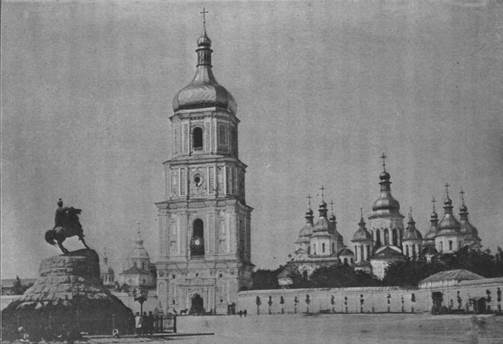
Свое служение св. Феодосий начал с низшей иерархической степени. Смирение и примерная жизнь молодого подвижника обратили на себя внимание бывшего тогда Киевского митрополита Дионисия Балабана, и последний поставил его архидиаконом Киево-Софийского собора. Сохранился один письменный памятник, в котором действительно говорится, что «Феодосий Углицкий в юности своей многочестно архидиаконствовал при престоле Киевском митрополитанском».
St. Theodosius began his service from the lowest hierarchical degree. The humility and exemplary life of the young ascetic drew the attention of the then Metropolitan of Kiev, Dionysius Balaban, and the latter appointed him archdeacon of the Kiev-Sophia Cathedral. One written monument has been preserved in which it is indeed stated that “Theodosius Uglitsky in his youth most honorably served as archdeacon at the throne of the Kiev Metropolitan.”
Посвящение св. Феодосия в архидиакона могло быть не позже 1658 года, хотя, по всей вероятности, состоялось раньше, так как в этом году митрополит Дионисий Балабан удалился из Киева в Чигирин. Самый род первоначальной служебной деятельности образованного инока и место, занятое им, указывают на его глубокое, искреннее смирение, побуждавшее его укрываться от мирских почестей. Дальнейшая служба св. Феодосия совершенно подтверждает такое заключение. Вероятно, шумная жизнь в г. Киеве не удовлетворяла внутреннему влечению скромного инока к уединению и желанию пребывать в постоянном молитвенном общении с Богом. Поэтому, св. Феодосий, влекомый любовию к подвигам благочестия и уединения, оставляет Киев и поселяется в отдаленном и небольшом Крупицком монастыре, возле местечка Батурина (ныне в Черниговской губернии). Монастырь издавна славился строгостию иноческой жизни, но в половине XVII в. подвергся немалому опустошению от поляков и наводнивших Малороссию иезуитов и доминиканцев. Здесь-то и началась деятельность св. Феодосия по благоустроению монастырей, доставившая ему потом большую известность. В Крупицком монастыре мы видим его уже в сане иеромонаха.
The ordination of St. Theodosius as archdeacon could have been no later than 1658, although in all probability it took place earlier, since in that year Metropolitan Dionysius Balaban withdrew from Kiev to Chigirin. The very nature of the initial official activity of the educated monk and the place he occupied indicate his deep, sincere humility, which impelled him to hide from worldly honors. The further service of St. Theodosius fully confirms such a conclusion. Probably, the bustling life in the city of Kiev did not satisfy the inner attraction of the humble monk to solitude and the desire to abide in constant prayerful communion with God. Therefore, St. Theodosius, drawn by love for deeds of piety and solitude, left Kiev and settled in the distant and small Krupitsky Monastery, near the town of Baturin (now in Chernigov province). The monastery had long been famed for the strictness of its monastic life, but in the mid-17th century it suffered considerable devastation from the Poles and from the Jesuits and Dominicans who had flooded Little Russia. Here began the activity of St. Theodosius in the ordering of monasteries, which later brought him great renown. In the Krupitsky Monastery we see him already in the rank of hieromonk.
Как ни скрывался образованный и деятельный инок от мира, все-таки и он не мог остаться незамеченным со стороны высшего духовного начальства. Вскоре, именно в начале шестидесятых годов XVII в. (вероятно, около 1661 г.), иеромонах Феодосий был назначен игуменом Корсунского монастыря Киевской епархии (в Киевском уезде). Новое назначение святителя Феодосия должно было вполне удовлетворить внутреннему влечению его. Корсунский монастырь, находившийся на острове р. Роси, вдали от мирских жилищ, и отличавшийся живописностию своего местоположения, как нельзя более соответствовал стремлению его игумена к уединению и подвигам благочестия вдали от мирской суеты. Можно думать, что вся деятельность образованного игумена Феодосия была направлена на внутреннее благоустроение Корсунского монастыря, почему внешних проявлений и не сохранила нам история, от которой большею частию остаются сокрытыми дела внутреннего благочестия и подвижнической жизни.
However much the educated and active monk hid himself from the world, he still could not remain unnoticed by the higher spiritual authorities. Soon, namely at the beginning of the 1660s (probably around 1661), Hieromonk Theodosius was appointed abbot of the Korsun Monastery of the Kiev diocese (in Kiev district). The new appointment of Hierarch Theodosius must have fully satisfied his inner inclination. The Korsun Monastery, situated on an island of the Ros River, far from worldly dwellings, and distinguished by the picturesqueness of its location, corresponded as well as possible to the striving of its abbot for solitude and deeds of piety far from worldly vanity. It may be thought that all the activity of the educated Abbot Theodosius was directed toward the internal ordering of the Korsun Monastery, for which reason history has preserved for us no external manifestations, since the deeds of inner piety and ascetic life remain for the most part hidden from it.
Мы видим, что с удалением Киевского митрополита Дионисия и с назначением временным блюстителем Киевского митрополичьего престола Черниговского епископа Лазаря Барановича, в сравнительно весьма короткий период времени (всего 5 лет, 1658–1664 г.), св. Феодосий проходит целый ряд должностей: состоит архидиаконом Киево-Софийского собора, в атом же сане избирается наместником митрополичьего дома, переводится в Крупицкий монастырь в звании иеромонаха, назначается вскоре игуменом Корсунского монастыря и потом очень скоро, как увидим, переводится с званием настоятеля в Киевский Выдубицкий монастырь. Такое быстрое движение св. Феодосия на поприще церковной деятельности, помимо его благочестивой и истинно-подвижнической жизни, служившей примером монашествующей братии, кроме его духовной опытности и способности руководить другими в иноческих подвигах, основывалось также на единомыслии его с епископом Лазарем Барановичем, бывшим наставником и ректором его, в вопросах о народности и государственном устроении Малороссии. По своим политическим убеждениям св. Феодосий принадлежал к той небольшой партии, которая, не смотря ни на какие волнения и смуты, всегда оставалась верною православному русскому Царю и только под его верховной рукою надеялась видеть Малороссию счастливою. Св. Феодосий, как видим, не идет за Дионисием Балабаном к врагам православной веры и народности, а держится убеждений своего бывшего воспитателя Лазаря Барановича, преданного Московскому правительству и склонявшего к этому и других. «Лучше бы, – говорит в одном письме Лазарь Баранович, – аще бы Россия не делилась, но под единым православным монархом была». «Я свои овцы Черниговския, – говорит в другом письме, – с полками тогобочными обратил к Государю». Несомненно, одною из таких покорных овец был и св. Феодосий. Можно указать на один, относящийся ко времени игуменства св. Феодосия в Корсунском Онуфриевском монастыре, факт, в котором некоторым образом обнаружились политические убеждения Святителя. 10 Мая 1663 года скончался удалившийся с Киевской кафедры митрополит Дионисий Балабан, который проводил последние свои дни в Корсунском монастыре. Духовенство польской Украйны, собравшись в Корсунском монастыре, управляемом тогда Феодосием, выбрало на Киевскую митрополию белорусского епископа Иосифа Нелюбовича-Тукальского. Как отнесся к этому избранию св. Феодосий? Хотя новоизбранный митрополит «был православия преславный ревнитель» (по выражению печерского архимандрита Иннокентия Гизеля), но его политические убеждения были не согласны с убеждениями Лазаря Барановича, и Московское правительство не согласилось признать его в звании митрополита. Св. Феодосий предвидел это и, зная, что избрание его породит новые смуты, не изъявил своего согласия подписью на избирательном акте. Еще яснее и определеннее обнаружились политические убеждения Феодосия в последующей деятельности его.
We see that with the removal of Metropolitan Dionysius of Kiev and the appointment of Lazar Baranovich, Bishop of Chernigov, as temporary guardian of the Kievan metropolitan see, in a comparatively very short period of time (only 5 years, 1658–1664), St. Theodosius passed through a whole series of offices: he served as archdeacon of the Kiev-Sophia Cathedral, in that same rank was elected vicar of the metropolitan house, was transferred to the Krupitsky Monastery in the rank of hieromonk, was soon appointed abbot of the Korsun Monastery, and then very quickly, as we shall see, was transferred with the rank of superior to the Kiev Vydubitsky Monastery. Such rapid advancement of St. Theodosius in the field of church activity, besides his pious and truly ascetic life, which served as an example to the monastic brethren, besides his spiritual experience and ability to guide others in monastic labors, was also based on his unity of mind with Bishop Lazar Baranovich, who had been his teacher and rector, on questions of nationality and the state structure of Little Russia. In his political convictions, St. Theodosius belonged to that small party which, despite all disturbances and troubles, always remained faithful to the Orthodox Russian Tsar and hoped to see Little Russia happy only under his sovereign hand. St. Theodosius, as we see, did not follow Dionysius Balaban to the enemies of the Orthodox faith and nationality, but held to the convictions of his former tutor Lazar Baranovich, who was devoted to the Moscow government and inclined others to this as well. “It would be better,” says Lazar Baranovich in one letter, “if Russia were not divided, but were under a single Orthodox monarch.” “I have turned my Chernigov sheep,” he says in another letter, “together with the regiments of the other side, to the Sovereign.” Undoubtedly, St. Theodosius was one of such obedient sheep. One can point to a fact relating to the time of St. Theodosius’s abbacy in the Korsun St. Onuphrius Monastery, in which the political convictions of the Hierarch were in some way revealed. On May 10, 1663, Metropolitan Dionysius Balaban, who had withdrawn from the Kievan see and spent his last days in the Korsun Monastery, reposed. The clergy of Polish Ukraine, having gathered in the Korsun Monastery, then governed by Theodosius, elected Joseph Nelyubovich-Tukalsky, Bishop of White Russia, to the Kievan metropolitanate. How did St. Theodosius regard this election? Although the newly elected metropolitan “was a glorious zealot of Orthodoxy” (in the words of Innocent Gizel, Archimandrite of the Kiev Caves), his political convictions were not in agreement with those of Lazar Baranovich, and the Moscow government did not consent to recognize him in the rank of metropolitan. St. Theodosius foresaw this and, knowing that his election would give rise to new disturbances, did not express his consent by signing the electoral act. The political convictions of Theodosius were revealed even more clearly and definitely in his subsequent activity.
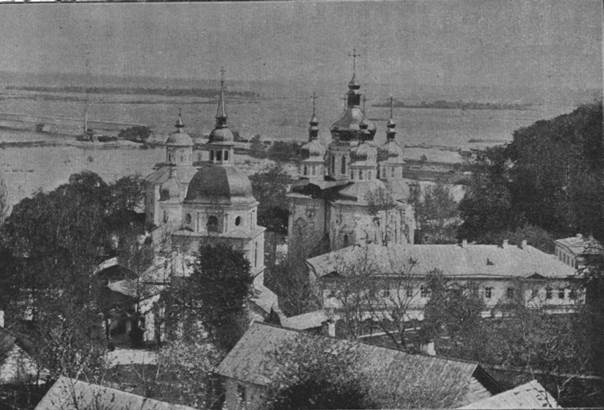
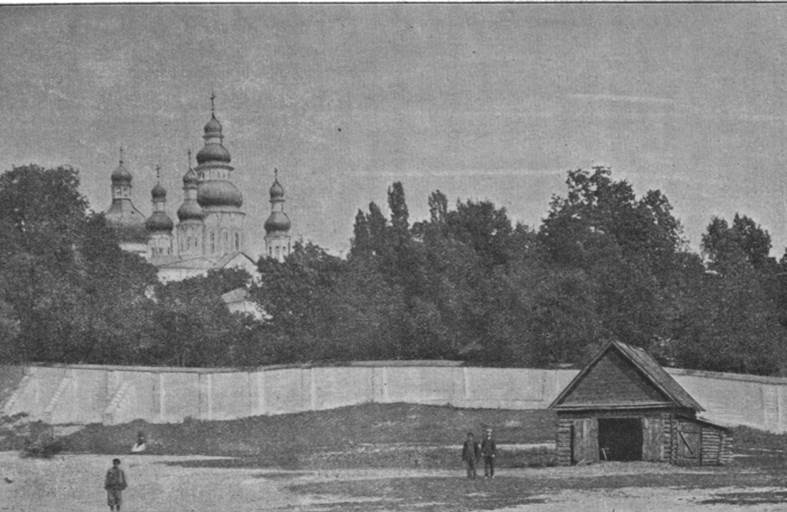
В 1664 году корсунский игумен Феодосий был назначен настоятелем Киево-Выдубицкого монастыря, одного из древнейших и важнейших монастырей Киевской епархии, на место скончавшегося игумена Климента Старушича. Сюда требовался теперь настоятель опытный, деятельный и распорядительный. Эта знаменитая обитель незадолго перед тем находилась в руках униатов, вернее – даже в руках поляков-католиков, и была отобрана от них в совершенно разоренном виде. Большая часть иноков рассеялась: никто не хотел идти на житье в неустроенную обитель; монастырские здания находились в упадке, и некоторые монастырские земли несправедливо были захвачены частными лицами. Много пришлось потрудиться новому настоятелю, св. Феодосию, чтобы собрать иноков и привести Выдубицкий Михайловский монастырь к должному внешнему и внутреннему благоустройству. Но св. Феодосий не пал духом и с помощью Божиею в продолжение своего 24-летнего игуменства привел знаменитую древнюю обитель в прежнее благолепие и благоустройство. Прежде всего, при содействии малороссийского гетмана Дорошенко, он постарался закрепить за монастырем прежние его владения, для того, чтобы оградить их на будущее время от притязаний со стороны соседних владельцев, и даже исходатайствовал новые земли для своего монастыря. В 1670 году он выпросил у гетмана Дорошенко универсал (указ), в котором гетман за Выдубицким монастырем укрепил земли – Калиновщизну, Калный луг, Гнилещизну и озеро Глушец со всеми находившимися при нем угодиями, и подарил село Лесники, дозволив получать с него все доходы; при этом он обещает «сурово карати» всякого, кто осмелится причинить какой-либо убыток имуществам Выдубицкого монастыря. Затем, по ходатайству игумена Феодосия, Московскими государями Иоанном и Петром Алексеевичами выдана была Киево-Выдубицкому монастырю от 11 Февраля 1685 года жалованная грамота, которою дозволялось монастырю чрез каждые пять лет присылать в Москву своих чернецов для сбора подаяния и испрошения царской милости; в том же году монастырю дана была особо щедрая царская милостыня.
In 1664, Theodosius, abbot of Korsun, was appointed superior of the Kiev Vydubitsky Monastery, one of the oldest and most important monasteries of the Kievan diocese, in place of the reposed Abbot Clement Starushich. An experienced, active, and capable superior was now needed there. This renowned monastery had shortly before been in the hands of the Uniates, or rather even in the hands of Polish Catholics, and had been taken back from them in a completely ruined state. The greater part of the monks had scattered; no one wished to go and live in the unsettled monastery; the monastic buildings were in decay, and some monastic lands had been unjustly seized by private individuals. The new superior, St. Theodosius, had to labor much to gather the monks and bring the Vydubitsky St. Michael’s Monastery to proper external and internal order. But St. Theodosius did not lose heart, and with God’s help, during the course of his 24-year abbacy, he brought the renowned ancient monastery to its former splendor and good order. First of all, with the assistance of the Little Russian Hetman Doroshenko, he endeavored to secure the monastery’s former possessions, in order to protect them in the future from the claims of neighboring landowners, and even obtained new lands for his monastery. In 1670, he obtained from Hetman Doroshenko a universal (decree), in which the hetman confirmed for the Vydubitsky Monastery the lands of Kalinovshchizna, Kalny Meadow, Gnileshchizna, and Lake Glushets with all the appurtenances belonging to it, and granted the village of Lesniki, permitting the monastery to receive all revenues from it; at the same time, he promised “severely to punish” anyone who dared to cause any loss to the properties of the Vydubitsky Monastery. Then, through the petition of Abbot Theodosius, a charter of grant was issued to the Kiev Vydubitsky Monastery on February 11, 1685, by the Moscow sovereigns John and Peter Alexeyevich, by which the monastery was permitted every five years to send its monks to Moscow to collect alms and to ask for the Tsar’s favor; in the same year, a particularly generous royal alms was given to the monastery.
Заботясь о внешнем благосостоянии своей обители, деятельный игумен не мало приложил старания и к внутреннему благоустроению ее. Известны, прежде всего, его попечения о благочинии и благолепии богослужения в монастыре. Хорошо знакомый с пением, игумен Феодосий образовал в своем монастыре такой прекрасный хор, что он славился не только в Киеве и во всей Малороссии, но сделался известным даже и в Москве. В 1685 г. Киево-Выдубицкий игумен Феодосий, по запросу из Москвы, посылал туда своих певчих, очевидно, в качестве устроителей пения там. С другой стороны, еще с большим усердием св. Феодосий заботился о поддержании подвижнического духа в своей обители. Здесь сам святитель старался быть примером монашеской жизни для своей монастырской братии. Светлая личность подвижника-игумена привлекла их нему много других иноков, искренно желавших вести подвижническую жизнь. С течением времени около святителя Феодосия образовался целый кружок монахов подвижнииков. А так как Киево-Выдубицкий монастырь оказался переполненным братией и посему не представлял полного удобства для строгого исполнения монашеских обетов, то св. Феодосием в 1680 году на острове «Михайловщине принадлежавшем Киево-Выдубицкому монастырю (в Мозырском уезде, Минской губернии), был основан и устроен небольшой скиток. Он предназначался исключительно для лиц, искавших места для уединенной, строго отшельнической жизни. Устроителем скита, по назначенью самого игумена Феодосия, был один из строгих подвижников Выдубицкого монастыря, иеромонах Иов Опалинский. Он же был назначен и наместником новоустроенного скитка. Таким образом, благодаря своему деятельному игумену, знаменитая Киево-Выдубицкая обитель по своему духу подвижничества, по строгому исполнению монастырского устава, благолепию богослужения и внешнему благоустройству пришла в прежнее цветущее состояние.
Caring for the external well-being of his monastery, the active abbot also applied no little effort to its internal ordering. Known, first of all, are his concerns for the decorum and splendor of divine services in the monastery. Well acquainted with singing, Abbot Theodosius formed in his monastery such a fine choir that it was famed not only in Kiev and throughout Little Russia, but even became known in Moscow. In 1685, Abbot Theodosius of the Kiev Vydubitsky Monastery, upon a request from Moscow, sent his singers there, evidently as organizers of singing in that city. On the other hand, with even greater zeal St. Theodosius cared for the maintenance of the ascetic spirit in his monastery. Here the Hierarch himself strove to be an example of monastic life for his monastic brethren. The bright personality of the ascetic-abbot attracted to him many other monks who sincerely desired to lead an ascetic life. With time, a whole circle of ascetic monks formed around Hierarch Theodosius. And since the Kiev Vydubitsky Monastery proved to be overcrowded with brethren and therefore did not present full convenience for the strict fulfillment of monastic vows, St. Theodosius in 1680 founded and established a small skete on the island of “Mikhailovshchina,” belonging to the Kiev Vydubitsky Monastery (in Mozyr District, Minsk Province). It was intended exclusively for persons seeking a place for a solitary, strictly hermitic life. The builder of the skete, by the appointment of Abbot Theodosius himself, was one of the strict ascetics of the Vydubitsky Monastery, Hieromonk Job Opalinsky. He was also appointed vicar of the newly established skete. Thus, thanks to its active abbot, the renowned Kiev Vydubitsky Monastery, by its spirit of asceticism, strict observance of the monastic rule, splendor of divine services, and external order, came into its former flourishing state.
Ревностная деятельность св. Феодосия по благоустроению монастырей, а всего более его строгая подвижническая жизнь, благочестие, отзывчивость к нуждам ближних снискали ему искреннюю любовь и почитание не только среди монашествующей братии, но и у всех киевлян. Но не мало и страданий пришлось испытать святителю от клеветы и злобы людской.
The zealous activity of St. Theodosius in the ordering of monasteries, and most of all his strict ascetic life, piety, and responsiveness to the needs of his neighbors, won him sincere love and veneration not only among the monastic brethren, but also among all the people of Kiev. Yet the Hierarch had to endure no little suffering from slander and human malice.
«В мире скорбни будете» (Ин.16:33), сказал Господь наш Иисус Христос Своим ученикам, а в лице их и всем будущим ревностным последователям Его учения. Истина этих слов, оправданная многочисленными историческими примерами, оправдалась и в жизни св. Феодосия, этого верного делателя винограда Христова, во время его настоятельства в Выдубицком монастыре.
“In the world ye shall have tribulation” (Jn. 16:33), said our Lord Jesus Christ to His disciples, and in their person to all future zealous followers of His teaching. The truth of these words, confirmed by numerous historical examples, was also confirmed in the life of St. Theodosius, this faithful worker in the vineyard of Christ, during the time of his superiorship in the Vydubitsky Monastery.
Кажется, нет более чувствительного и сильного удара для истинно христианской души, как попрание ее заветных идеалов и честного имени, – как оскорбление клеветой ее заветных мыслей и действий, которые она предпринимает ради пользы ближних своих. И такое-то глубокое оскорбление пришлось претерпеть св. Феодосию Углицкому со стороны Мефодия, епископа Мстиславского и Оршанского, еще на первых порах своей деятельности в Выдубицком монастыре. Обратимся прямо к истории, чтобы лучше выяснить этот прискорбный факт. По смерти киевского митрополита Дионисия Балабана (10 Мая 1663 г.), проживавшего в Польской Украйне, Киевская митрополия с 1663 г. и до 1685 г. оставалась без митрополита и ею управляли местоблюстители. Так как митрополичья кафедра была вакантна в это время, то на нее сразу явилось несколько претендентов. В числе их было два епископа – Иосиф Нелюбович-Тукальский и Мефодий, епископ Мстиславский и Оршанский. Оба претендента добивались свободного митрополичьего престола различными средствами: первый – путем выборов и затем через утверждение Константинопольского патриарха, второй – через посредство Московского правительства.
It seems there is no more painful and powerful blow for a truly Christian soul than the trampling of its cherished ideals and honest name, than the insult of slander against its cherished thoughts and actions, which it undertakes for the benefit of its neighbors. And such a deep insult St. Theodosius of Uglich had to suffer from Methodius, Bishop of Mstislavl and Orsha, even at the very beginning of his activity in the Vydubitsky Monastery. Let us turn directly to history to better clarify this lamentable fact. After the death of Metropolitan Dionysius Balaban of Kiev (May 10, 1663), who had been living in Polish Ukraine, the Kievan metropolitanate from 1663 until 1685 remained without a metropolitan and was governed by locum tenentes. Since the metropolitan see was vacant at this time, several candidates immediately appeared for it. Among them were two bishops—Joseph Nelyubovich-Tukalsky and Methodius, Bishop of Mstislavl and Orsha. Both candidates sought the vacant metropolitan throne by various means: the first through elections and then through confirmation by the Patriarch of Constantinople, the second through the mediation of the Moscow government.
Иосиф Тукальский, избранный в Корсуни русским духовенством в преемники Дионисию Балабану, не был признан ни гетманом правой стороны, ни русским, ни польским правительством. Вначале все его попытки выхлопотать у Константинопольского патриарха утверждение в Киевского митрополита были неудачны. Вскоре он был захвачен поляками в плен и находился у них более двух лет в заточении. Не желая уступать митрополичьей кафедры никому другому, Тукальский, по освобождении из-под стражи, сошелся с гетманом Дорошенко, который и согласился ходатайствовать за него пред Константинопольским патриархом. В Константинополь был послан Бреславский протопоп Ракуша с просьбою утвердить Иосифа на митрополии Киевской. Ракуше в 1668 г. удалось получить благословение Царьградского патриарха и утверждение Иосифа в звании митрополита. Патриарх в Марте 1668 года выдал грамоту, в которой сказано было, чтобы никто другой, кроме архиепископа Иосифа Тукальского, Киевским митрополитом и архиереем под клятвенным преданием не назывался. Утвердившись таким образом митрополитом на правой (польской) стороне Украйны, под покровительством гетмана Дорошенко, Тукальский домогался получить власть и над левою стороною и сделаться владыкою Киева. Но не смотря на грамоту Константинопольского патриарха Мефодия, – ни Москва, ни Киев, ни вообще сторонники присоединения Малороссии к Московскому государству – Иосифа Тукальского митрополитом не признали. Таким неопределенным положением дел в Киевской митрополии задумал воспользоваться епископ Мстиславский и Оршанский Мефодий, назначенный Московским правительством блюстителем Киевской митрополии. В 1666 году он был вызван в Москву, между прочим для участия в суде над патриархом Никоном. Несомненно, он надеялся возвратиться оттуда в звании Киевского митрополита. Но в Москве Мефодия приняли холодно, так как уже там знали о его разрыве с гетманом левой стороны Брюховецким, и митрополитом Киевским все-таки не сделали. Тогда разгневанный Мефодий, возвратившись в 1667 году в Малороссию, принял другую тактику. Он сблизился с гетманом Брюховецким, выдал за его племянника свою дочь и стал поднимать Брюховецкого против Москвы. А чтобы выиграть время и предупредить всякие доносы в Москву, Мефодий обвинил пред Московским правительством всех архимандритов и настоятелей Киевских монастырей в государственной измене. В это время Феодосий в сане игумена был настоятелем Выдубицкого монастыря в Киеве, – посему обвинение прямо было направлено и против св. Феодосия с тем, чтобы подорвать его авторитет и пред Московским правительством выставить его, как изменника России и православию. Мефодий обвинил Святителя именно в том, что он находится в переписке с изменником России, гетманом Дорошенко, и признает Иосифа Тукальского за истинного митрополита Киевского. Дело приняло серьезный оборот; возбуждено было следствие. Все архимандриты и игумены Киевских монастырей должны были дать свои ответы по сему делу, а сам Мефодий был подвергнут допросу, в котором все замыслы и козни его были обнаружены. Хотя следствие, произведенное Москвою, и выяснило, что все обвинения Мефодия – наглая ложь. и что если кто изменил России, то разве сам Мефодий, однако святителю Феодосию, известному стороннику идеи и проводнику присоединения Малороссии к России, пришлось давать ответ на обвинение в измене русскому государю и православию. Св. Феодосий 20 Сентября 1668 года дал следующее объяснение: когда епископ Мефодий, приехавши в Киев Сентября в 4-ый день, в допросе сказал, а в письме своем написал, будто я с Дорошенком и с митрополитом Тукальским списывался и благословения у него, митрополита, просил, вестимо то боярину и воеводе Киевскому Шереметьеву, как писал до меня Дорошенко и митрополит Тукальский по ризницу и по животину, которые в то время при мне были; и я, ту ризницу и животину отдаючи, отписал Дорошенку и митрополиту одиножды; к Тукальскому писал, яко к архиерею, а не к митрополиту, не именовал его пастырем своим и благословения от него не просил есмь ни на какие дела. Нельзя не обратить внимания на то, как хитро была сплетена клевета!... Виновник ее подыскивает такого рода обвинение, в котором Москва подозревает малороссийское духовенство, и эта клевета могла иметь очень грустные последствия. Если бы св. Феодосий, возвращая «ризницу и животину»34 Корсунскому монастырю, но предъявил воеводе II. Шереметьеву своих писем, адресованных гетману Дорошенко и Тукальскому, то еще неизвестно, чем бы могло окончиться обвинение. Из ответа св. Феодосия мы можем заключить, что предъявление этих писем Шереметьеву послужило для него достаточно веским оправданием. Тяжело было, конечно, св. Феодосию находиться под подозрением, но по окончании следствия Киевские настоятели монастырей, и между ними св. Феодосий, получили от царя Алексея Михайловича милостивую грамоту, в которой похвалялась их верность России и православию. Уже 17 Ноября того же 1668 года все игумены Киевских монастырей (и св. Феодосий) писали царю благодарственное письмо в таких выражениях: «возрадовахомся и возвеселихомся зело о милости велицей и неизреченной пресветлаго Вашего Царского Величества, яко.... нас граматою своею Государскою жалованною посетити, похваляя нашу верность, и словом своим милостивым, в той же грамате изображенным, обрадовати изволил еси». В письме среди подписей находится и подпись Выдубицкого игумена Феодосия Углицкого. Так окончилось это неприглядное дело. Личность святителя Феодосия, пользовавшаяся столь заслуженным глубоким уважением и доверием в Малороссии, теперь вызвала полное доверие к себе и Московского правительства, которое признало полную невинность св. Феодосия в возведенном на него преступлении. А низкая клевета недостойного епископа привела его самого к погибели. По произведении следствия, еп. Мефодий с поспешностью был отправлен в Москву и отсюда, по окончании следствия, сослан в Новоспасский монастырь, где вскоре и скончался.
Joseph Tukalsky, elected in Korsun by the Russian clergy as successor to Dionysius Balaban, was recognized neither by the hetman of the Right Bank, nor by the Russian, nor by the Polish government. At first, all his attempts to obtain confirmation as Metropolitan of Kiev from the Patriarch of Constantinople were unsuccessful. Soon he was taken captive by the Poles and remained in confinement with them for more than two years. Not wishing to yield the metropolitan see to anyone else, Tukalsky, upon his release from custody, allied himself with Hetman Doroshenko, who agreed to intercede for him before the Patriarch of Constantinople. The Protopope of Bratslav, Rakusha, was sent to Constantinople with a request to confirm Joseph on the Kievan metropolitan throne. In 1668, Rakusha succeeded in obtaining the blessing of the Patriarch of Constantinople and the confirmation of Joseph in the rank of metropolitan. The Patriarch, in March 1668, issued a charter in which it was stated that no one other than Archbishop Joseph Tukalsky should be called Kievan metropolitan and hierarch, under threat of anathema. Having thus established himself as metropolitan on the right (Polish) side of Ukraine, under the protection of Hetman Doroshenko, Tukalsky sought to gain authority also over the left side and to become the ruler of Kiev. But despite the charter of Patriarch Methodius of Constantinople, neither Moscow, nor Kiev, nor in general the supporters of the annexation of Little Russia to the Muscovite state recognized Joseph Tukalsky as metropolitan. This uncertain state of affairs in the Kievan metropolitanate was seized upon by Methodius, Bishop of Mstislavl and Orsha, appointed by the Moscow government as guardian of the Kievan metropolitanate. In 1666, he was summoned to Moscow, among other things to participate in the trial of Patriarch Nikon. Undoubtedly, he hoped to return from there in the rank of Metropolitan of Kiev. But in Moscow, Methodius was received coldly, as they already knew there of his break with the hetman of the Left Bank, Briukhovetsky, and they still did not make him Metropolitan of Kiev. Then the enraged Methodius, having returned in 1667 to Little Russia, adopted a different tactic. He became close to Hetman Briukhovetsky, married his daughter to Briukhovetsky's nephew, and began to incite Briukhovetsky against Moscow. And to gain time and forestall any denunciations to Moscow, Methodius accused all the archimandrites and abbots of the Kievan monasteries before the Moscow government of high treason. At this time, Theodosius, in the rank of abbot, was the superior of the Vydubychi Monastery in Kiev—therefore the accusation was directly aimed also against St. Theodosius, with the intention of undermining his authority and presenting him before the Moscow government as a traitor to Russia and Orthodoxy. Methodius accused the Hierarch precisely of being in correspondence with the traitor to Russia, Hetman Doroshenko, and of recognizing Joseph Tukalsky as the true Metropolitan of Kiev. The matter took a serious turn; an investigation was initiated. All the archimandrites and abbots of the Kievan monasteries had to give their answers in this matter, and Methodius himself was subjected to interrogation, in which all his schemes and intrigues were exposed. Although the investigation conducted by Moscow clarified that all of Methodius's accusations were brazen lies, and that if anyone had betrayed Russia, it was perhaps Methodius himself, nevertheless Hierarch Theodosius, a known supporter and promoter of the idea of the annexation of Little Russia to Russia, had to answer the charge of treason against the Russian sovereign and Orthodoxy. St. Theodosius, on September 20, 1668, gave the following explanation: "When Bishop Methodius, having arrived in Kiev on the 4th day of September, said in his interrogation and wrote in his letter that I supposedly corresponded with Doroshenko and Metropolitan Tukalsky and asked for his, the metropolitan's, blessing, this is known to the boyar and voivode of Kiev, Sheremetiev, as Doroshenko and Metropolitan Tukalsky wrote to me concerning the vestments and livestock which were at that time in my keeping; and I, returning those vestments and livestock, wrote to Doroshenko and the metropolitan once; I wrote to Tukalsky as to a hierarch, but not as to a metropolitan, I did not call him my pastor and did not ask his blessing for any matters." One cannot but note how cunningly the slander was woven!... Its author sought out such an accusation as Moscow suspected the Little Russian clergy of, and this slander could have had very sad consequences. If St. Theodosius, when returning the "vestments and livestock"34 to the Korsun Monastery, had not presented to Voivode P. Sheremetiev his letters addressed to Hetman Doroshenko and Tukalsky, it is still unknown how the accusation might have ended. From the response of St. Theodosius, we may conclude that the presentation of these letters to Sheremetiev served as a sufficiently weighty justification for him. It was, of course, grievous for St. Theodosius to be under suspicion, but upon the conclusion of the investigation, the Kievan abbots of the monasteries, and among them St. Theodosius, received a gracious charter from Tsar Alexis Mikhailovich, in which their loyalty to Russia and Orthodoxy was praised. Already on November 17 of the same year 1668, all the abbots of the Kievan monasteries (and St. Theodosius) wrote a letter of thanks to the Tsar in these words: "We have greatly rejoiced and been filled with gladness at the great and ineffable mercy of Your Most Illustrious Tsar's Majesty, that... you have deigned to visit us with your Sovereign gracious charter, praising our loyalty, and to gladden us with your merciful word, expressed in that same charter." Among the signatures in the letter is that of Theodosius Uglitsky, Abbot of Vydubychi. Thus ended this unseemly affair. The person of Hierarch Theodosius, who enjoyed such well-deserved deep respect and trust in Little Russia, now evoked full trust also from the Moscow government, which recognized the complete innocence of St. Theodosius in the crime imputed to him. And the base slander of the unworthy bishop led him himself to perdition. Upon the conduct of the investigation, Bishop Methodius was hastily sent to Moscow and from there, after the conclusion of the investigation, was exiled to the Novospassky Monastery, where he soon died.
Несколько лет спустя после оправдания от клеветы Мефодия, св. Феодосию пришлось вынести новое испытание, и опять таки потому, что св. Феодосий был ревностным и заботливым игуменом своей Выдубицкой обители.
Several years after his vindication from the slander of Methodius, St. Theodosius had to endure a new trial, and again because St. Theodosius was a zealous and solicitous abbot of his Vydubychi monastery.
Забота Святителя о монастырях особенно наглядно высказалась во время столкновения Киево-Выдубицкого монастыря с Киево-Печерскою лаврою, – столкновения, возникшего на почве неопределенности границ монастырских и лаврских земельных имуществ.
The Hierarch's care for monasteries was especially evident during the conflict between the Kiev-Vydubychi Monastery and the Kiev-Pechersk Lavra—a conflict arising from the indefiniteness of the boundaries of the monastic and Lavra landholdings.
Относительно этого случая мы имеем дело безусловно с односторонними и видимо не беспристрастными источниками сведений, и если не отступаемся от намерения коснуться дела, то только потому, что при всей неудовлетворительности указанных источников, они дают возможность усмотреть некоторые черты духовного облика св. Феодосия. Источниками являются письма Лазаря Барановича к Выдубицкому игумену св. Феодосию и к Печерскому архимандриту Иннокентию Гизелю по делу о монастырских землях, оказавшихся спорными между Выдубицким и Печерским монастырями. Ответных писем св. Феодосия не имеется. Письма Лазаря Барановича обличают в авторе неравное отношение к противным в споре сторонам. Баранович всеми мерами вступается за Гизеля и решительно противится желанию св. Феодосия удержать спорную землю за монастырем Выдубицким. Но на чьей же стороне было право? Прочитав все дошедшие до нас по этому делу письма, ответ на поставленный вопрос нельзя дать иначе, как сказав: видимо, право оставалось на стороне Выдубицкого игумена. Если бы было иначе, Барановичу не было бы нужды в правовое дело вносить широковещательные в духе проповеди уговариванья и упреки по адресу Выдубицкого игумена, какими отличаются названные письма; не резоннее ли было и целесообразнее объявить св. Феодосию документальные данные, на коих основана претензия Гизеля, и потребовать от Выдубицкого игумена просто признания и уважения законности. Между тем этого-то и не касается Баранович ни единым штрихом, при всем страстном своем желании и упрямстве в преследовании цели сломить твердость св. Феодосия, упрямстве, доведшем Лазаря до употребления церковной кары в отношении к Выдубидкому игумену. В руках архиепископа Лазаря не было права, но была власть и решимость, по его собственному выражению, «перелезть стену» твердой справедливости, за которой видимо было поставлено св. Феодосием в безопасность дело интересов вверенной его игуменству обители. Из другого письма Барановича видно, что документально обоснованная претензия Выдубицкого монастыря и законного защитника этой претензии игумена, быв поставлена св. Феодосием на почву суда пред лице закона, оказалась для Иннокентия Гизеля «гробом его доброй славы», так что сам Баранович находил, что Гизель в этом деле оказался «лежачим» и что его не следует «бить» только ради того, что подлежавший битью сам лег «пред мощью благородного льва», т. е. закона и правды.
Concerning this case, we have to deal with sources of information that are unquestionably one-sided and evidently not impartial, and if we do not abandon the intention of touching upon the matter, it is only because, despite the unsatisfactoriness of the said sources, they afford the possibility of discerning certain features of the spiritual countenance of St. Theodosius. The sources are letters of Lazarus Baranovich to the Vydubychi Abbot St. Theodosius and to the Pechersk Archimandrite Innocent Gizel concerning the matter of monastic lands that proved to be disputed between the Vydubychi and Pechersk monasteries. The reply letters of St. Theodosius are not extant. The letters of Lazarus Baranovich reveal in the author an unequal attitude toward the opposing parties in the dispute. Baranovich intercedes by all means for Gizel and resolutely opposes the desire of St. Theodosius to retain the disputed land for the Vydubychi Monastery. But on whose side was the right? Having read all the letters that have come down to us concerning this matter, the answer to the posed question can be given only by saying: evidently, the right remained on the side of the Vydubychi Abbot. If it were otherwise, Baranovich would have had no need to introduce into a lawful case the grandiloquent exhortations in the spirit of a sermon and reproaches addressed to the Vydubychi Abbot, which distinguish the said letters; would it not have been more reasonable and expedient to declare to St. Theodosius the documentary evidence on which Gizel's claim was based, and to demand from the Vydubychi Abbot simply the recognition and respect of legality? Meanwhile, Baranovich does not touch upon this at all, not even with a single stroke, despite all his passionate desire and stubbornness in pursuing the goal of breaking the firmness of St. Theodosius—a stubbornness that led Lazarus to employ ecclesiastical punishment against the Vydubychi Abbot. In the hands of Archbishop Lazarus there was no right, but there was power and resolve, in his own expression, "to climb over the wall" of firm justice, behind which St. Theodosius had evidently placed the interests of the monastery entrusted to his abbacy in safety. From another letter of Baranovich, it is evident that the documentarily grounded claim of the Vydubychi Monastery and the lawful defender of that claim, the abbot, having been placed by St. Theodosius on the ground of a trial before the face of the law, proved to be for Innocent Gizel "the tomb of his good repute," so that Baranovich himself found that Gizel in this matter had turned out to be "lying down" and that he should not be "struck" only because the one subject to striking had himself lain down "before the power of the noble lion," i.e., the law and truth.
Очевидно, что св. Феодосий действовал во имя долга «быть стеною», ограждающею права вверенного ему монастыря, игуменом не словом, но делом. Желая, во что бы то ни стало добиться исполнения желания Печерского игумена, архиепископ Лазарь, безусловно пристрастный к Иннокентию, решил «перелезть» неприступную стену права Феодосиева с помощью наложения властию архиепископа «запрещения в священнослужении» на Выдубицкого игумена, чтобы таким образом, лишив его временно власти, добиться удовлетворения требованию Гизеля. «Стена в церкви Божией», будем говорить словами писем Барановича о св. Феодосие, – стоявшая незыблемо за права вверенного ей интереса, чуждая, как сама справедливость, всякому лицеприятию, согласилась лучше быть сдвинутою с места властию архиепископского запрещения, чем допустит себя до предпочтения личного интереса делу общественному. Св. Феодосий с тою же прямолинейностию поведения, с какою доселе стоял за правое дело, смирился теперь пред иерархическим правом Барановича и, по собственному свидетельству последнего, подчинился запрещению, так что во все время его «не прикоснулся и к знаку иерейства, епитрахили», и таким образом нравственно исполнил завет Пастыреначальника: «буди верен до смерти, и дам тебе венец жизни», «в малом ты был верен, над многими тя поставлю». Действительно, дело о каком-το куске монастырской земли – дело не важное, малое; но ведь великие качества высокой души равны остаются себе и в больших и в малых делах. Эти-то качества только и имеют вечную ценность в очах Божиих, а не материальные размеры земных деяний человека. Самое поведение св. Феодосия до и после «запрещения» явственно обличает в неправде намеки Барановича, будто бы св. Феодосий действовал по духу гордости, упрямства и склонности сердца к надменным помыслам. Лазарю Барановичу было бы вернее сказать самому себе: «врачу исцелися сам», будь правдивее, нелицеприятнее, отличай личность от должности и, заступаясь за одного ради его славы, не огорчай безвинно другого, как огорчал ты Выдубицкого игумена, пристрастившись к Иннокентию Гизелю и угодничая пред его желанием.
It is evident that St. Theodosius acted in the name of the duty "to be a wall," guarding the rights of the monastery entrusted to him, an abbot not in word but in deed. Desiring, at any cost, to achieve the fulfillment of the Pechersk abbot's wish, Archbishop Lazarus, unconditionally partial to Innocent, decided to "climb over" the impregnable wall of Theodosius' right by means of imposing, by the archbishop's authority, a "prohibition from serving the sacred rites" upon the Vydubychi abbot, so that by thus temporarily depriving him of authority, he might obtain satisfaction for Gizel's demand. "The wall in the Church of God," to speak in the words of Baranovich's letters concerning St. Theodosius—standing immovably for the rights of the interest entrusted to it, alien, like justice itself, to all partiality—agreed rather to be moved from its place by the authority of the archbishop's prohibition than to allow itself to prefer personal interest to the common cause. St. Theodosius, with that same straightforwardness of conduct with which he had hitherto stood for the righteous cause, now humbled himself before the hierarchical right of Baranovich and, according to the latter's own testimony, submitted to the prohibition, so that during the whole time he "did not touch even the sign of the priesthood, the epitrachelion," and thus morally fulfilled the testament of the Chief Shepherd: "Be faithful unto death, and I will give thee a crown of life," "Thou hast been faithful over a few things, I will set thee over many things." Indeed, a matter concerning some piece of monastic land is a matter not important, a small matter; but the great qualities of a lofty soul remain equal to themselves in both great and small affairs. These very qualities alone have eternal value in the eyes of God, not the material dimensions of a man's earthly deeds. The very conduct of St. Theodosius before and after the "prohibition" clearly exposes the untruth of Baranovich's insinuations that St. Theodosius acted in a spirit of pride, stubbornness, and a heart inclined to haughty thoughts. It would have been more fitting for Lazarus Baranovich to say to himself: "Physician, heal yourself," be more truthful, more impartial, distinguish the person from the office, and, interceding for one for the sake of his glory, do not grieve another without cause, as you grieved the Vydubychi abbot, having become partial to Innocent Gizel and fawning before his desire.
Не видно с полною ясностию из писем Лазаря, чем кончилось тяжебное дело; но, кажется, Печерский игумен указанным способом добился-таки своего. Видно, однако, что, умышленно или неумышленно непонимавший мотивов действования св. Феодосия, Баранович не отвратился от Феодосия после этого дела, но, может быть, из дела яснее понял высокие качества души Выдубицкого игумена: самоотверженную твердость в стоянии за правду, нелицемерное поведение, безропотное послушание законной власти ради ее законности, хотя бы и строптив был ее представитель. Мы говорим, что это видно потому, что впоследствии тот же архиепископ Лазарь приблизил к себе св. Феодосия и ранее своей смерти нарек его своим коадьютором.
It is not seen with complete clarity from Lazarus' letters how the lawsuit ended; but it seems that the Pechersk abbot, by the indicated means, did achieve his goal. It is evident, however, that Baranovich, whether intentionally or unintentionally misunderstanding the motives of St. Theodosius' actions, did not turn away from Theodosius after this matter, but perhaps from the matter understood more clearly the lofty qualities of the Vydubychi abbot's soul: self-sacrificing firmness in standing for truth, unfeigned conduct, uncomplaining obedience to lawful authority for the sake of its lawfulness, even if its representative was wayward. We say that this is evident because later the same Archbishop Lazarus drew St. Theodosius close to himself and, before his own death, named him his coadjutor.
Когда Черниговский архиепископ Лазарь был назначен в третий раз (1679) местоблюстителем киевской митрополии, то он сам оставался в Чернигове, а своим наместником (помощником) по управлению митрополией избрал Киево-Выдубицкого игумена Феодосия. В этом звании св. Феодосий состоял с 18 Октября 1678 г. и до 1 Марта 1680 г. Таким образом к концу служения св. Феодосия в звании игумена Киево-Выдубицкого монастыря деятельность его должна была значительно расшириться. Новое служение дало ему возможность оказывать влияние на дела митрополичьей кафедры. Вместе с тем оно было высоким отличием для св. Феодосия, выделявшим его из ряда всех других лиц южнорусского духовенства. Назначение его наместником местоблюстителя Киевской митрополии говорило, с одной стороны, о глубоком уважении, каким пользовался св. Феодосий в Киеве среди других настоятелей монастырей, а с другой стороны – об искреннем расположении к нему Черниговского архипастыря, занимавшего тогда первое место в ряду малороссийского духовенства. Звание наместника, без сомнения, принесло впоследствии великую пользу и самому Киево-Выдубицкому игумену, доставив ему возможность ближе, ознакомиться с состоянием южнорусской церкви. Не без основания можно думать, что игумен Феодосий, как наместник местоблюстителя Киевской митрополии, принимал деятельное участие в управлении этою последнею и вообще в делах южнорусской церкви. По крайней мере, достоверно известно, что он принимал горячее участие в некоторых церковных событиях того времени. Так в 1685 г. он участвовал в качестве первостепенного деятеля в избрании Киевского митрополита. По общему соглашению Киевским митрополитом был избран православный епископ Гедеон, в мире бывший князь Четвертинский; св. Феодосий, как одно из самых почетных духовных лиц, был представителем посольства, которое собор отправлял к новоизбранному с оповещением об избрании и с приглашением принять престол Киевской митрополии. В том же 1685 году «пречестный и в церкви малороссийской заслуженный» игумен Феодосий вместе с переяславским игуменом Иеронимом Дубиною был послан к царям Иоанну и Петру Алексеевичам и патриарху Иоакиму с просьбою об утверждении избранного Малороссией митрополита. В Москву в то время из Малороссии отправляли избранных людей не только с тем, чтобы они доставили туда то или другое прошение и явились при случае ходатаями по этим прошениям, но и с тою целью, чтобы выставить их пред царем и патриархом, как лиц способных и предназначаемых к высшим должностям. Так смотрели на это и в Москве, и там оба представителя посольства, игумены – Выдубицкий и Переяславский, были приняты, как «люди заслуженные малороссийской церкви». Результатом этого посольства было, как известно, великое дело присоединения южнорусской церкви к Московскому патриаршеству, событие, имевшее самое отрадное последствие для южнорусской церкви35.
When the Archbishop of Chernigov, Lazarus, was appointed for the third time (1679) as locum tenens of the Kiev Metropolis, he himself remained in Chernigov, and chose as his vicar (assistant) for the administration of the Metropolis the abbot of Kiev-Vydubychi, Theodosius. In this capacity St. Theodosius served from October 18, 1678, until March 1, 1680. Thus, toward the end of St. Theodosius' service in the rank of abbot of the Kiev-Vydubychi Monastery, his activity was to expand considerably. The new service gave him the opportunity to exert influence on the affairs of the metropolitan see. At the same time, it was a high distinction for St. Theodosius, setting him apart from all other persons of the South Russian clergy. His appointment as vicar of the locum tenens of the Kiev Metropolis spoke, on the one hand, of the deep respect that St. Theodosius enjoyed in Kiev among other abbots of monasteries, and on the other hand, of the sincere disposition toward him of the Archbishop of Chernigov, who then occupied the first place among the Little Russian clergy. The rank of vicar, without doubt, later brought great benefit to the Kiev-Vydubychi abbot himself, affording him the opportunity to become more closely acquainted with the state of the South Russian Church. Not without reason may one think that Abbot Theodosius, as vicar of the locum tenens of the Kiev Metropolis, took an active part in the administration of the latter and generally in the affairs of the South Russian Church. At least, it is reliably known that he took a fervent part in certain church events of that time. Thus, in 1685, he participated as a primary figure in the election of the Metropolitan of Kiev. By common agreement, the Orthodox Bishop Gideon, in the world Prince Chetvertinsky, was elected Metropolitan of Kiev; St. Theodosius, as one of the most honored clergy, was the representative of the embassy that the council sent to the newly elected one with the announcement of the election and with an invitation to accept the throne of the Kiev Metropolis. In the same year 1685, "the most honorable and meritorious in the Little Russian Church" Abbot Theodosius, together with the Pereyaslavl abbot Jerome Dubina, was sent to the Tsars John and Peter Alexeyevich and to Patriarch Joachim with a petition for the confirmation of the metropolitan elected by Little Russia. At that time, chosen men were sent from Little Russia to Moscow not only to deliver one or another petition there and to appear as intercessors on behalf of these petitions when the occasion arose, but also with the aim of presenting them before the Tsar and Patriarch as persons capable and intended for higher offices. This is how it was regarded in Moscow as well, and there both representatives of the embassy, the abbots of Vydubychi and Pereyaslavl, were received as "meritorious men of the Little Russian Church." The result of this embassy was, as is known, the great work of the unification of the South Russian Church with the Moscow Patriarchate, an event that had the most joyful consequence for the South Russian Church35.
Сам святитель Феодосий весьма сочувствовал этому соединению Малороссийской церкви с Московским патриаршеством, вполне верно оценив своим проницательным умом великие последствия этого события.
St. Theodosius himself greatly sympathized with this unification of the Little Russian Church with the Moscow Patriarchate, having fully and correctly assessed with his penetrating mind the great consequences of this event.
Служение св. Феодосия Углицкого в звании игумена Киево-Выдубицкого монастыря продолжалось до 1688 г. В этом последнем году он назначается архимандритом Черниговского Елецкого монастыря на место скончавшегося Иоанникия Голятовского, и теперь вся деятельность Святителя переносится из Киева в Чернигов. Новое назначение св. Феодосия состоялось главным образом по желанию Черниговского архиепископа Лазаря Барановича, который узнал и вполне оценил высокия достоинства личности Киево-Выдубицкого игумена за время своего управления Киевскою митрополиею. Архиепископ Лазарь, очевидно, желал пользоваться сотрудничеством св. Феодосия Углицкого и в Чернигове, как он пользовался его помощью во время заведывания делами Киевской митрополии. В значительной степени сближала архиепископа Лазаря и св. Феодосия Углицкого их одинаковая склонность к подвижнической жизни. Как это видно из сохранившейся между ними переписки, Лазарь Баранович глубоко уважал в святителе Феодосие добродетельную жизнь в, между прочим, его строгое постничество. Что действительно сближение архиепископа Лазаря и св. Феодосия произошло не только на почве одинакового их образования, но и, преимущественно, на почве одинакового их расположения к строго монашеской жизни, это подтверждает и то обстоятельство, что вокруг архиепископа Лазаря в это время собирается целый кружок образованных монахов-подвижников, между которыми выдающееся место занимает святитель Феодосий. Получив в управление Черниговскую Елецкую обитель, св. Феодосий, как человек уже опытный в управлении монастырями, все внимание обратил на благоустроение своей обители. Вся его деятельность по управлению вверенного ему монастыря состояла главным образом в заботах о внешнем и внутреннем благоустроении его.
The service of St. Theodosius of Uglich in the rank of abbot of the Kiev-Vydubychi Monastery continued until 1688. In this latter year, he was appointed archimandrite of the Chernigov Yelets Monastery in place of the deceased Joannicius Golyatovsky, and now all the activity of the Hierarch was transferred from Kiev to Chernigov. The new appointment of St. Theodosius took place chiefly at the desire of Archbishop Lazarus Baranovich of Chernigov, who had come to know and fully appreciate the lofty merits of the person of the Kiev-Vydubychi abbot during the time of his administration of the Kiev Metropolis. Archbishop Lazarus evidently wished to avail himself of the collaboration of St. Theodosius of Uglich also in Chernigov, just as he had availed himself of his help during the management of the affairs of the Kiev Metropolis. To a significant degree, Archbishop Lazarus and St. Theodosius of Uglich were brought together by their shared inclination toward the ascetic life. As is evident from the correspondence preserved between them, Lazarus Baranovich deeply respected in Hierarch Theodosius his virtuous life and, among other things, his strict fasting. That the rapprochement between Archbishop Lazarus and St. Theodosius occurred not only on the ground of their shared education, but also, and chiefly, on the ground of their shared disposition toward a strictly monastic life, is confirmed also by the circumstance that around Archbishop Lazarus at this time gathered a whole circle of educated monk-ascetics, among whom St. Theodosius occupied a prominent place. Having received the Chernigov Yelets Monastery into his administration, St. Theodosius, as a man already experienced in the administration of monasteries, turned all his attention to the good ordering of his monastery. All his activity in the administration of the monastery entrusted to him consisted chiefly in cares for its external and internal well-being.
Елецкий монастырь, еще не успевший оправиться после опустошения его иезуитами и доминиканцами, был в то время весьма беден. Особых земельных имуществ монастырь не имел, – крестьян монастырских также было очень мало, притом же и те не были точно переписаны и неисправно платили монастырю повинности. На эти-то неустройства прежде всего и обратил свое внимание энергичный архимандрит Феодосий и постарался привести в известность количество крестьян, принадлежавших Елецкому монастырю. В конце 1688 года он обратился с письменным заявлением к бывшему в то время Киевскому полковнику Константину Солонине и жаловался ему на то, что многие из монастырских подданных перешли в казацкое подданство. Киевский полковник, давно уважавший св. Феодосия, решил помочь ему и для этого через своего сотника произвел ревизию всех казаков, мещан и других жителей, находящихся в селах: Серединке, Надиновке, Копачеве и Сеножацком. А потом, вместе с представлением подробного списка подданных, он 22-го ноября 1688 г. писал св. Феодосию следующее: «ваша превелебность писал, что и десятка подданных не имеешь, – однако оказалось не так: в Серединке нашлось подданных сорок без одного, в Надиновке больше десятка, в Копачеве семь человек, в Сеножацком пятнадцать, которые повинуются монастырю; этих я, как превелебность ваша пишешь, в подданство себе не привлекал; да не покажется, что они мне какое повиновение оказывали или работы исполняли; также и теперь я их не заставляю ничего делать; подаю вашей превелебности и реестр их, как много в каком селе остается». Вскоре св. Феодосий опять жаловался полковнику Солонине, что некоторые атаманы, Серединский и Надиновский, все-таки хотят привлечь к себе монастырских подданных, и что последние иногда терпят обиды от казаков. Солонина, как показывает другое письмо его к св. Феодосию от 15 декабря 1688 г., устранил притязания атаманов на подданных Елецкого монастыря и оградил последних от обид казаков.
The Yelets Monastery, which had not yet managed to recover from its devastation by the Jesuits and Dominicans, was at that time very poor. The monastery had no special landed estates; it also had very few monastery peasants, and moreover even those were not precisely registered and paid their dues to the monastery irregularly. It was to these disorders that the energetic Archimandrite Theodosius first turned his attention, and he endeavored to ascertain the number of peasants belonging to the Yelets Monastery. At the end of 1688, he addressed a written statement to the then Kiev Colonel Constantine Solonina and complained to him that many of the monastery’s subjects had transferred to Cossack subjection. The Kiev Colonel, who had long respected St. Theodosius, decided to help him and for this purpose, through his centurion, conducted a revision of all Cossacks, townsmen, and other inhabitants in the villages: Seredinka, Nadinovka, Kopachev, and Senozhatskoye. Then, together with the presentation of a detailed list of subjects, on November 22, 1688, he wrote to St. Theodosius as follows: “Your Reverence wrote that you do not have even ten subjects—yet it turned out not so: in Seredinka there were found forty subjects less one, in Nadinovka more than ten, in Kopachev seven persons, in Senozhatskoye fifteen, who are obedient to the monastery; these, as Your Reverence writes, I have not drawn into subjection to myself; nor let it appear that they have rendered me any obedience or performed any labors; likewise now I do not compel them to do anything; I present to Your Reverence also their register, how many remain in each village.” Soon St. Theodosius again complained to Colonel Solonina that some atamans, of Seredinka and Nadinovka, still wished to attract the monastery’s subjects to themselves, and that the latter sometimes suffered insults from the Cossacks. Solonina, as another letter of his to St. Theodosius of December 15, 1688 shows, removed the claims of the atamans upon the subjects of the Yelets Monastery and protected the latter from the Cossacks’ offenses.
Письма полковника Солонины указывают нам вообще на недостаточное охранение прав владения монастырей в Малороссии, на своеволие казачества, а главнее всего – на неустройство и бедность Елецкой обители, которая, благодаря только ревизии и заступничеству полковника, получает в свое подданство всего около ста человек. Поэтому нет ничего удивительного, что Елецкая обитель, неся известные повинности, поступив в управление св. Феодосия, иногда нуждалась и в хлебе, и в дровах.
The letters of Colonel Solonina indicate to us in general the insufficient protection of the property rights of monasteries in Little Russia, the willfulness of the Cossack host, and most of all—the disorder and poverty of the Yelets Monastery, which, thanks only to the revision and the colonel’s intercession, received into its subjection only about a hundred persons. Therefore there is nothing surprising in the fact that the Yelets Monastery, bearing certain obligations, having come under the administration of St. Theodosius, sometimes lacked both bread and firewood.
Деятельность и заботливость нового настоятеля по устроению благосостояния вверенной ему обители не оскудевают в продолжение всего времени управления ею. Содействие полковника Солонины можно объяснить его особым уважением к личности св. Феодосия, ибо и умерший Иоанникий Голятовский был также заботливым настоятелем.
The activity and solicitude of the new superior for the establishment of the welfare of the monastery entrusted to him did not diminish throughout the entire time of his administration of it. The assistance of Colonel Solonina can be explained by his particular respect for the person of St. Theodosius, for the deceased Joannicius Golyatovsky had also been a solicitous superior.
Воспользовавшись пребыванием гетмана Ивана Мазепы в Чернигове, св. Феодосий обратился к нему с прошением, в котором объяснял «бедность своей обители, как в запасах хлебных, так и в дровах, без какового довольства жить ему с братией трудно, а помочь нечем, так как во владении архимандрии числится очень мало подданных», и просил гетмана дать монастырю село Мощенку, находящееся возле м. Седнева (Черниг. епархии). Гетман Мазепа, вообще не отличавшийся щедростию к духовным лицам и монастырям, только лишь в знак особого личного уважения к св. Феодосию, отдал 10 февраля 1689 г. во владение Елецкого монастыря село Мощенку. Насколько близко к сердцу св. Феодосий принимал интересы своей обители, может свидетельствовать также сохранившееся до нашего времени письмо архимандрита Елецкого монастыря Феодосия Углицкого к Нежинскому протопопу Пучковскому, которое говорит о ревностных заботах его по благоустроению монастырского хозяйства вверенного ему монастыря. Из других документов, копии которых находятся в рукописных книгах Черниговских монастырей, видно, что при святителе Феодосие в продолжение двух-трех лет Елецкая обитель достигла благосостояния, вполне обеспечивающего ее существование. Светлая личность Феодосия обаятельно действовала на благочестивых православных, а уважение к нему побуждало обладавших достатками благотворить Елецкому монастырю. Так, один из числа последних, видя место убогое Пресвятой Богородицы Елецкой Черниговской, отписывает монастырю в вечное владение свою собственную мельницу – «ради отпущения грехов, чтобы там, при святом месте, его тело было погребено и чтобы имена его, жены и детей его были вписаны в субботник». Другой, отсылая к Святителю все универсалы на право владения мельницею, просит его «со всеми жителями монастыря пользоваться (временно) доходами с мельницы, чтобы только его (владельца мельницы) с женою поминали во время бескровной жертвы». Гетман Иван Мазепа также проникается желанием оказать свое благодеяние Елецкому монастырю; почему выдает в 1690 г. апреля 17-го новый универсал, которым дозволялось архимандриту Феодосию Углицкому устроить собственную мельницу на реке Смолянке, сурово приказывая при этом, «чтобы никто из старшин и народа не осмеливался ему, отцу архимандриту, и его послушникам причинять в этом деле какие-либо малейшие препятствия и убытки». Таким образом при св. Феодосие Елецкий монастырь сделался вполне обеспеченным в материальном отношении. Без сомнения, св. Феодосий не упускал из виду и внутреннего благосостояния своей обители, заботясь об утверждении и поддержании в ней истинно монашеской жизни. Его личные подвиги служили самым поучительным примером монашеской жизни для Елецкой братии.
Having taken advantage of the presence of Hetman Ivan Mazepa in Chernigov, St. Theodosius turned to him with a petition, in which he explained “the poverty of his monastery, both in grain supplies and in firewood, without which sufficiency it is difficult for him to live with the brethren, and there is nothing with which to help, since very few subjects are counted in the possession of the archimandrite,” and asked the hetman to give the monastery the village of Moshchenka, located near the town of Sednev (of the Chernigov diocese). Hetman Mazepa, who was not generally distinguished by generosity toward clergy and monasteries, only as a sign of particular personal respect for St. Theodosius, gave on February 10, 1689, the village of Moshchenka into the possession of the Yelets Monastery. How close to heart St. Theodosius took the interests of his monastery may also be witnessed by a letter of Archimandrite Theodosius Uglitsky of the Yelets Monastery to the Nezhin Protopope Puchkovsky that has survived to our time, which speaks of his zealous cares for the good ordering of the monastic economy of the monastery entrusted to him. From other documents, copies of which are found in the manuscript books of the Chernigov monasteries, it is evident that under Hierarch Theodosius, within two or three years, the Yelets Monastery attained a prosperity fully securing its existence. The bright personality of Theodosius acted enchantingly upon pious Orthodox people, and respect for him impelled those who possessed means to do good to the Yelets Monastery. Thus, one of the latter, seeing the poor place of the Most Holy Theotokos of Yelets Chernigov, bequeaths to the monastery in eternal possession his own mill—“for the remission of sins, that there, at the holy place, his body might be buried and that his name, and the names of his wife and children, might be inscribed in the synodicon.” Another, sending to the Hierarch all the charters for the right of possession of a mill, asks him “to enjoy (temporarily) the revenues from the mill together with all the inhabitants of the monastery, so that only he (the owner of the mill) and his wife might be commemorated during the bloodless sacrifice.” Hetman Ivan Mazepa also became filled with the desire to show his benefaction to the Yelets Monastery; wherefore he issued in 1690, on April 17, a new charter, by which Archimandrite Theodosius Uglitsky was permitted to build his own mill on the Smolyanka River, sternly commanding at the same time “that none of the elders or the people should dare to cause him, Father Archimandrite, and his novices any, even the slightest, hindrance or loss in this matter.” Thus, under St. Theodosius, the Yelets Monastery became fully secured in material respects. Without doubt, St. Theodosius did not lose sight of the internal welfare of his monastery, caring for the establishment and maintenance in it of a truly monastic life. His personal ascetic labors served as the most instructive example of monastic life for the Yelets brethren.
Будучи архимандритом Елецкого Черниговского монастыря, святитель Феодосий оказывал важное содействие своему покровителю, архиепископу Лазарю Барановичу, принимая деятельное участие во всех сколько-нибудь важных предприятиях его и во всех выдающихся церковных; событиях того времени. Так, в конце восьмидесятых годов XVII столетия архимандрит Феодосий содействовал Черниговскому архиепископу Лазарю и Киевскому митрополиту Гедеону в составлении ответа Московскому патриарху Иоакиму, желавшему узнать мнение их о Флорентийском соборе.
Being archimandrite of the Yelets Chernigov Monastery, Hierarch Theodosius rendered important assistance to his patron, Archbishop Lazarus Baranovich, taking an active part in all his more or less important undertakings and in all the outstanding ecclesiastical events of that time. Thus, at the end of the 1680s, Archimandrite Theodosius assisted the Chernigov Archbishop Lazarus and the Kiev Metropolitan Gideon in composing a response to the Moscow Patriarch Joachim, who wished to know their opinion concerning the Council of Florence.
Чтобы вполне разъяснить значение запроса Московского патриарха, мы должны коснуться отношений Московской церкви к южнорусской, существовавших в ΧΥΙΙ веке со дня присоединения Малороссии к России.
In order to fully explain the significance of the inquiry of the Moscow Patriarch, we must touch upon the relations of the Moscow Church to the South Russian Church that existed in the 17th century from the day of the annexation of Little Russia to Russia.
К этому времени отношения между представителями русской Московской и южнорусской Киевской церквей были несколько обостренными. В Москве высшие духовные лица смотрят подозрительно на Киев и всю южную Русь и даже готовы обвинить ее в измене православию и приверженности к католичеству. Еще с начала XVII столетия, а особенно со времени присоединения Малороссии к Московскому государству, начинает проникать в Москву из Киева и вообще из западной и южной России много выходцев для занятия как светских, так и духовных должностей; некоторые из таких лиц являются даже в роли руководителей просвещения и получают места учителей юношества. На таких выходцев высшее Московское духовенство смотрело подозрительно и неприязненно. Еще в первой четверти 17-го века известный исторический деятель, Авраамий Палицын, писал: «пришельцы из северских и польских городов навыкли от многих еретиков, в Украйне живущих, их злым нравом и обычаем, и в их веру еретическую мнози преступивше от неведения, и во всем с ними закон держаша». Взгляд Палицына был присущ многим в Московском государстве. Они смотрели на Малороссию, как на страну, в которой православие было в значительной степени поколеблено и извращено влиянием католической пропаганды. Этот взгляд имел некоторое основание и помимо действительного совращения иных православных не только в унию, но и в католичество. Весь религиозный быт малороссиян, как-то: богослужение и нравственно-практическая деятельность, особенно в XVII столетии, представлял значительные отличия от религиозного быта великороосов. В то время, как Московское государство загородилось стеной недоверия и подозрительности от всех своих соседей, и самый народ пребывал в одних и тех же формах религиозно-нравственного и гражданского быта, – Малороссия была открыта всевозможным западным влияниям, и малорусский народ жил почти свободно в религиозном и гражданском отношениях. Мало того, конец XVI и начало XVII столетий были временем могучего народного творчества, которое значительно отразилось на церковном пении, церковных обрядах и даже на толковании некоторых вопросов веры. В религиозно-нравственную жизнь народа вошло довольно много элементов, частью зашедших в Украйну из католической Польши и даже из лютеранской Германии, частью выработанных самостоятельно из старого бытового материала. Неудивительно теперь, что в Малороссии существовало в XVII в. много обрядов и обычаев, совершенно неизвестных для Москвы. Южнорусские архиереи допускали посвящение во священники и диаконы нескольких человек на одной литургии, что и обличал сам патриарх Адриан в своей грамоте, выданной Феодосию Углицкому. Священники иногда исповедовали взрослых не порознь каждого, а по четыре человека и более; во время чтения евангелия на литургии покрывали голову епитрахилью (этот обычай существует и по настоящее время); при крещении обливали младенца и одну и ту же воду употребляли для многих младенцев; участвовали в некоторых своеобразных, непризнанных Церковью, свадебных обрядах и проч. Во многих местах народ с особенным уважением относился к излюбленным им криницам или колодцам, ставил над ними кресты, каплички или часовни (что и теперь еще водится), где священники совершали молебны, акафисты и водоосвящения. Были также особенности в форме храмов, в церковном пении, в богослужении и в иконописи. В характере малорусской иконописи этого времени обнаруживается влияние западноевропейской, в частности итальянской, религиозной живописи. Хотя малорусская иконопись стояла тогда довольно высоко в художественном отношении и даже, по замечанию некоторых (Павла Алеппского), она была изящнее великорусской иконописи, но в ней было не мало своеобразных странностей. Была, напр., распространена икона, изображающая младенца Спасителя, спящего на кресте, с изображением вокруг креста символов будущих страданий, – икона коронации Богоматери и др. Эти особенности в религиозном быте малороссов еще не представляли ничего резкого и грубого, ничего такого, что характеризовало бы малоросса склонным к инославию в религиозно-нравственном отношении. Ведь и у Греков, были свои церковные особенности, и там не было строгого единства в церковных обрядах. Были и у великороссов исключительно только им свойственные церковные обряды и особенности религиозно-нравственного быта, как напр. распространение в XVII в. двуперстия, установление обычая иметь каждому в церкви свою собственную икону и почти исключительно ей молился во время богослужения. Даже в XVIII ст. у великороссов попадались иконы странного содержания, в роде поднесенной в 1767 г. императрице Екатерине одним казанским купцом иконы Св. Троицы, на которой был изображен человек об одной голове с тремя лицами и четырьмя глазами. Были и в Великороссии священные колодцы и, кроме того, священные деревья.
By this time, relations between the representatives of the Russian Moscow Church and the South Russian Kiev Church were somewhat strained. In Moscow, the highest clergy looked suspiciously upon Kiev and all of Southern Rus and were even ready to accuse her of betraying Orthodoxy and adhering to Catholicism. From the beginning of the 17th century, and especially from the time of the annexation of Little Russia to the Moscow state, many emigrants began to penetrate into Moscow from Kiev and generally from western and southern Russia to occupy both secular and spiritual positions; some of these persons even appeared as leaders of education and received places as teachers of youth. The higher Moscow clergy looked upon such emigrants with suspicion and hostility. As early as the first quarter of the 17th century, the well-known historical figure Avraamy Palitsyn wrote: “The newcomers from the Seversk and Polish cities have learned from many heretics living in Ukraine their evil disposition and custom, and many, through ignorance, have transgressed into their heretical faith, and in everything kept the law with them.” Palitsyn’s view was shared by many in the Moscow state. They looked upon Little Russia as a country in which Orthodoxy had been considerably shaken and distorted by the influence of Catholic propaganda. This view had some foundation, apart from the actual seduction of some Orthodox not only into the Unia but also into Catholicism. The entire religious life of the Little Russians—such as divine services and moral-practical activity, especially in the 17th century—presented significant differences from the religious life of the Great Russians. While the Moscow state had walled itself off with a wall of distrust and suspicion from all its neighbors, and the people themselves remained in the same forms of religious-moral and civil life, Little Russia was open to all kinds of Western influences, and the Little Russian people lived almost freely in religious and civil respects. Moreover, the end of the 16th and the beginning of the 17th centuries were a time of powerful national creativity, which significantly affected church singing, church rites, and even the interpretation of certain questions of faith. Quite a few elements entered the religious-moral life of the people, partly coming into Ukraine from Catholic Poland and even from Lutheran Germany, partly developed independently from old everyday material. It is not surprising, then, that in Little Russia in the 17th century there existed many rites and customs completely unknown in Moscow. South Russian bishops allowed the ordination of several persons as priests and deacons at one Divine Liturgy, which Patriarch Adrian himself denounced in his charter issued to Theodosius of Uglich. Priests sometimes confessed adults not individually, but four or more at a time; during the reading of the Gospel at the Divine Liturgy, they covered their heads with the epitrachelion (this custom exists to the present day); at baptism, they poured water over the infant and used the same water for many infants; they participated in some peculiar wedding rites not recognized by the Church, and so on. In many places, the people treated their beloved springs or wells with special reverence, setting up crosses, chapels, or oratories over them (which is still done today), where priests performed molebens, akathists, and blessings of water. There were also peculiarities in the form of churches, in church singing, in divine services, and in iconography. In the character of Little Russian iconography of this time, the influence of Western European, particularly Italian, religious painting is evident. Although Little Russian iconography stood quite high in artistic terms at that time, and even, according to the observation of some (Paul of Aleppo), it was more elegant than Great Russian iconography, yet it contained no small number of peculiar oddities. There was, for example, a widespread icon depicting the infant Savior sleeping on a cross, with symbols of future sufferings around the cross—an icon of the Coronation of the Mother of God, and others. These peculiarities in the religious life of the Little Russians did not yet present anything sharp or crude, nothing that would characterize the Little Russian as inclined toward heterodoxy in a religious-moral sense. After all, the Greeks also had their own church peculiarities, and there was no strict unity in church rites there either. The Great Russians also had church rites and peculiarities of religious-moral life exclusively their own, such as, for example, the spread of the two-fingered sign of the cross in the 17th century, the establishment of the custom for each person to have his own icon in church and to pray almost exclusively to it during divine services. Even in the 18th century, among the Great Russians, icons of strange content appeared, such as the icon of the Holy Trinity presented in 1767 to Empress Catherine by a Kazan merchant, which depicted a man with one head, three faces, and four eyes. There were also sacred wells in Great Russia and, in addition, sacred trees.
В малорусский церковный ритуал и даже в вероучение проникли некоторые черты католичества. Сильная польская окраска малорусской жизни приводила в смущение ревнителей московской старины; смущало их и то, что православные южнорусские архипастыри получали свое образование в западных иезуитских школах. Это обстоятельство, между прочим, восстановило против малорусской церкви некоторых греческих и великорусских духовных лиц. Иерусалимский патриарх Досифей в грамоте, которою в 1686 г. утверждал соединение малорусской церкви с великорусскою, заметил: «в той стране, глаголемая казацкая земля, суть неции, иже в Риме и Польше от латинов паучени и бяху архимандриты, игумены, и прочитают неподобные мудрования в монастырях и носят иезуитские ожерелья. Да будет повелено, дабы по смерти предреченных архимандритов, игуменов и священников, уже от сих, иже ходят учиться в папежския места, архимандритов, игуменов и епископов не поставлять».. Насколько было сильно в Москве подозрение по отношению к православию Малороссии, это доказывает то, что даже состоялось соборное определение перекрещивать тех, кто оскверняет себя сношением с католиками, участвует в их трапезе и молится за папу и проч. Правда, такие подозрения уменьшаются при патриархе Никоне, и даже при нем многие из образованных людей южной России явились ближайшими помощниками в задуманной им великой реформе. Но среди сторонников старого порядка, этих ревнителей уставов «Стоглава» и «Домостроя» и мнимых охранителей святоотеческого предания и православной веры, подозрение и неприязнь к выходцам из южной России не только не ослабляется, а даже переносится на самого патриарха Никона, который обвиняется раскольниками в латинстве.
Certain features of Catholicism penetrated into the Little Russian church ritual and even into the doctrine. The strong Polish coloring of Little Russian life confounded the zealots of Moscow antiquity; they were also confounded by the fact that Orthodox South Russian archpastors received their education in Western Jesuit schools. This circumstance, among other things, turned some Greek and Great Russian clergy against the Little Russian church. Patriarch Dositheus of Jerusalem, in the charter by which in 1686 he confirmed the union of the Little Russian church with the Great Russian church, remarked: “In that country, called the Cossack land, there are some who in Rome and Poland were taught by Latins and became archimandrites, abbots, and read unseemly speculations in the monasteries and wear Jesuit collars. Let it be commanded that after the death of the aforementioned archimandrites, abbots, and priests, no archimandrites, abbots, or bishops be appointed from among those who go to study in papal places.” How strong the suspicion in Moscow was regarding the Orthodoxy of Little Russia is proved by the fact that even a conciliar decree was issued to rebaptize those who defile themselves by intercourse with Catholics, participate in their meals, and pray for the pope, and so on. True, such suspicions diminished under Patriarch Nikon, and even under him many educated men from southern Russia appeared as close assistants in the great reform he conceived. But among the adherents of the old order, those zealots of the statutes of the “Stoglav” and “Domostroi” and the supposed guardians of patristic tradition and the Orthodox faith, suspicion and hostility toward emigrants from southern Russia not only did not weaken, but even transferred to Patriarch Nikon himself, who was accused by the schismatics of Latinism.
Действительно, в самом вероучении малорусской церкви существовали некоторые религиозные понятия не в строго православном духе. Одною из крупных особенностей малорусской церкви в вероучении было учение о времени пресуществления Св. Даров. В древнее время западная и восточная церкви вместе веровали, что пресуществление Св. Даров совершается во время произнесения священником молитвы: «ниспосли Духа Твоего Святаго». Но западная церковь, отделившись от восточной, не соблюла этой веры в цельности. С течением времени она стала учить, что хлеб и вино пресуществляются да литургии в тело и кровь Спасителя во время произнесения слов Гослода: «приимите, ядите..., пийте от нея вси»... Молитва священнослужителя при освящении Даров в XIV в. была исключена из латинской литургии. В ΧV столетии на Флорентийском соборе это учение католиками было выдано за учение всей Церкви вселенской. Южнорусская церковь, вследствие близкого соседства и тесного соприкосновения с католической польской церковью, позаимствовала от последней толкование о времени пресуществления Св. Даров. Латинское толкование отразилось я в сочинениях всех известных писателей и укреплено было авторитетом таких лиц, как Петр Могила, Сильвестр Коссов, Лазарь Баранович, Иоанникий Голятовский, Иннокентий Гизель, Симеон Полоцкий и др. В Москве долгое время или не знали об этой южнорусской особенности вероучения, до недостаточности сношений с южной Русью, или не находили возможным поднимать речь и настаивать на устранении этого вероучения, потому что Киевская митрополия была подчинена Константинопольскому патриарху. Со времени же присоединения Малороссии к Московскому государству усилились сношения Москвы с южной и западной Россией. В Москву были вызваны ученые с юга, и теперь обратили серьезное внимание на особенности южнорусского религиозного быта. Конечно, все особенности южнорусской церкви нисколько не говорили о неправославии Малороссии, кровью своих мучеников отстоявшей свое православие, но тем не менее они должны были обнаружиться после политического присоединения Малороссии к России. Подчинение же Малороссии Москве в духовном отношении, после утверждения на Киевской митрополии Гедеона Четвертинского, дало Московскому патриарху возможность прямо и решительно вмешиваться в малорусские духовные дела, а поднявшийся в Москве спор о пресуществлении Св. Даров, в котором высказались латинские взгляды малорусских ученых, еще более побуждал патриарха к этому.
Indeed, in the very doctrine of the Little Russian church, there existed some religious concepts not in a strictly Orthodox spirit. One of the major peculiarities of the Little Russian church in doctrine was the teaching on the time of the transubstantiation of the Holy Gifts. In ancient times, the Western and Eastern churches together believed that the transubstantiation of the Holy Gifts takes place during the priest’s recitation of the prayer: “Send down Thy Holy Spirit.” But the Western church, having separated from the Eastern, did not preserve this faith in its integrity. Over time, it began to teach that the bread and wine are transubstantiated into the body and blood of the Savior during the Divine Liturgy at the utterance of the Lord’s words: “Take, eat…, drink ye all of it…” The prayer of the celebrant at the consecration of the Gifts was excluded from the Latin Liturgy in the 14th century. In the 15th century, at the Council of Florence, this teaching was put forward by the Catholics as the teaching of the entire universal Church. The South Russian church, due to close proximity and intimate contact with the Catholic Polish church, borrowed from the latter the interpretation of the time of the transubstantiation of the Holy Gifts. The Latin interpretation was reflected in the works of all well-known writers and was strengthened by the authority of such persons as Peter Mogila, Sylvester Kossov, Lazarus Baranovich, Joannicius Golyatovsky, Innocent Gizel, Simeon of Polotsk, and others. In Moscow, for a long time, either they did not know about this South Russian peculiarity of doctrine, due to insufficient relations with Southern Rus, or they did not find it possible to raise the matter and insist on the removal of this teaching, because the Kiev Metropolis was subject to the Patriarch of Constantinople. From the time of the annexation of Little Russia to the Moscow state, Moscow’s relations with southern and western Russia intensified. Learned men from the south were summoned to Moscow, and now serious attention was paid to the peculiarities of South Russian religious life. Of course, all the peculiarities of the South Russian church in no way spoke of the unorthodoxy of Little Russia, which had defended its Orthodoxy with the blood of its martyrs, but nevertheless they were bound to become evident after the political annexation of Little Russia to Russia. The subordination of Little Russia to Moscow in spiritual matters, after the confirmation of Gideon Chetvertinsky over the Kiev Metropolis, gave the Moscow Patriarch the opportunity to intervene directly and decisively in Little Russian spiritual affairs, and the dispute that arose in Moscow over the transubstantiation of the Holy Gifts, in which the Latin views of Little Russian scholars were expressed, further impelled the patriarch to do so.
В 1688 году, вскоре после назначения св. Феодосия архимандритом Елецкого монастыря, патриарх Иоаким отправил Киевскому митрополиту Гедеону Четвертинскому, Черниговскому архиепископу Лазарю Барановичу и архимандриту Киево-Печерского монастыря Варлааму Ясинскому – грамоты, в которых требовал от них подробных отзывов о Флорентийском соборе. Вся цель этих грамот состояла в том, чтобы «известитися, аще (православные южной Руси) во всем согласны суть святей восточней Церкви». Патриарх Иоаким, предлагая представителям малорусского духовенства вопрос о Флорентийском соборе, хотел узнать, разделяют ли они постановления этого собора, принявшего латинское учение о пресуществлении Св. Даров. Архиепископ Лазарь получил грамоту от патриарха Иоакима 29 Марта 1688 года. В ней патриарх спрашивал Лазаря Барановича: «коея ради вины Флоренский собор бысть и каковым обычаем начася, и от кого и какия в нем предложения быша, и на чем совершился, и согласен ли бысть Св. Восточной Апостольской Церкви и всем седмым вселенским собором, и всеми четырмя патриархами прият ли есть»? Архиепископ Лазарь ответил скоро. 26-го Мая 1688 года он отправил патриарху Иоакиму письмо, в котором кратко изложил историю Флорентийского собора и уверял патриарха, что он «соборище оное Флоренское отметает, и во единомыслии по преданию святых и богоносных отец седми синодами каноны составленные исповедует». Не без основания можно думать, что св. Феодосий, как богослов своего времени и как человек, бывший в самых близких отношениях с архиепископом Лазарем Барановичем, содействовал ему в составлении ответа Московскому патриарху Иоакиму. Варлаам Ясинский послал патриарху ответ 26-го Июля 1688 года; но так как он сам был болен, то ответ написал собственноручно Димитрий Туптало (митрополит Ростовский). Митрополит Гедеон, прежде чем отправить в Москву свой ответ, созвал в Киеве собор из киевских архимандритов, игуменов и иеромонахов, и вое постановили войти в соглашение по данному вопросу с Черниговским архиепископом Лазарем. Одному из участников собора, игумену Кирилловского монастыря, поручено было списаться с «всечестным архимандритом Черниговским, Феодосием Углицким, егоже бы советом преосвященный архиепископ Черниговский соглашался с ними, каков ответ его будет к его святейшеству о предреченной вещи». Кирилловский игумен два раза писал к архимандриту Феодосию Углицкому, и последний отвечал ему, что преосвященный Лазарь сообщит в Киев о своем ответе. Но архиепископ Лазарь внезапно в конце Мая 1688 года отправил свой ответ в Москву, не входя в соглашение с митрополитом Гедеоном. Феодосий Углицкий, знавший мнение архиепископа Лазаря и даже помогавший ему при ответе, теперь невольно должен был сделаться руководителем в составлении ответа патриарху Иоакиму от митрополита Гедеона. По поручению и просьбе участников собора св. Феодосий даже составляет ответную патриарху грамоту, «доводне показуючи, (что) не имеет быти той собор (Флорентийский) законным, каноническим собором». Строго-православный взгляд архиепископа Лазаря и его сотрудника Феодосия Углицкого, выразившийся в ответных грамотах патриарху Иоакиму, должен был оправдать южнорусскую церковь от обвинения в уклонении от православия и рассеять ложное представление о Малороссии, как стране наполненной ересями. Для нас факт участия св. Феодосия Углицкого в составлении ответной грамоты патриарху Иоакиму по вопросу о Флорентийском соборе имеет то важное значение, что здесь Феодосий Углицкий является, как видный богослов своего времени, руководивший мнением даже целого собора из представителей киевского духовенства.
In 1688, soon after the appointment of St. Theodosius as archimandrite of the Yelets Monastery, Patriarch Joachim sent letters to the Metropolitan of Kiev, Gideon Chetvertinsky, to the Archbishop of Chernigov, Lazarus Baranovich, and to the Archimandrite of the Kiev-Pechersk Monastery, Barlaam Yasinsky, in which he demanded from them detailed opinions concerning the Council of Florence. The entire purpose of these letters was "to ascertain whether (the Orthodox of Southern Rus') are in all things in agreement with the most holy Eastern Church." Patriarch Joachim, proposing to the representatives of the Little Russian clergy the question of the Council of Florence, wished to learn whether they shared the decrees of this council, which had accepted the Latin teaching on the transubstantiation of the Holy Gifts. Archbishop Lazarus received the letter from Patriarch Joachim on March 29, 1688. In it the patriarch asked Lazarus Baranovich: "for what reason the Florentine Council came to be, and in what manner it began, and by whom, and what proposals were made in it, and how it concluded, and whether it was in agreement with the Holy Eastern Apostolic Church and with all seven Ecumenical Councils, and whether it was accepted by all four patriarchs?" Archbishop Lazarus replied quickly. On May 26, 1688, he sent a letter to Patriarch Joachim, in which he briefly set forth the history of the Council of Florence and assured the patriarch that he "rejects that Florentine assembly, and in unity of mind confesses the canons composed according to the tradition of the holy and God-bearing fathers of the seven synods." Not without reason one may think that St. Theodosius, as a theologian of his time and as a man who was in the closest relations with Archbishop Lazarus Baranovich, assisted him in composing the reply to the Moscow Patriarch Joachim. Barlaam Yasinsky sent his reply to the patriarch on July 26, 1688; but since he himself was ill, the reply was written in his own hand by Demetrius Tuptalo (Metropolitan of Rostov). Metropolitan Gideon, before sending his reply to Moscow, convened a council in Kiev of the Kiev archimandrites, abbots, and hieromonks, and they all resolved to enter into agreement on the given question with the Archbishop of Chernigov, Lazarus. One of the participants in the council, the abbot of the St. Cyril Monastery, was charged with corresponding with "the most honorable Archimandrite of Chernigov, Theodosius Uglitsky, that by his counsel the most reverend Archbishop of Chernigov might agree with them, as to what his answer would be to his Holiness concerning the aforesaid matter." The abbot of St. Cyril's wrote twice to Archimandrite Theodosius Uglitsky, and the latter replied to him that the most reverend Lazarus would communicate his answer to Kiev. But Archbishop Lazarus suddenly, at the end of May 1688, sent his reply to Moscow, without entering into agreement with Metropolitan Gideon. Theodosius Uglitsky, who knew the opinion of Archbishop Lazarus and had even assisted him in his reply, now involuntarily had to become the guide in composing the reply to Patriarch Joachim on behalf of Metropolitan Gideon. By commission and request of the participants of the council, St. Theodosius even composed the reply letter to the patriarch, "sufficiently showing (that) that council (the Florentine) cannot be considered a lawful, canonical council." The strictly Orthodox view of Archbishop Lazarus and his collaborator Theodosius Uglitsky, expressed in the reply letters to Patriarch Joachim, was to vindicate the South Russian Church from the accusation of deviation from Orthodoxy and to dispel the false notion of Little Russia as a land filled with heresies. For us, the fact of St. Theodosius Uglitsky's participation in composing the reply letter to Patriarch Joachim on the question of the Council of Florence has this important significance: that here Theodosius Uglitsky appears as a prominent theologian of his time, who guided the opinion even of an entire council of representatives of the Kiev clergy.
Но в Москве не удовлетворяются полученными ответами, потому что они почти не касались волновавшего Москву вопроса о времени пресуществления Св. Даров. Патриарх снова обратился с грамотами к Гедеону, Лазарю и Варлааму и предложил им высказать свой взгляд на учение о пресуществлении Св. Даров и на книгу «Выклад о Церкви святой и о службе» Феодосия Сафоновича, где изложено было латинское учение по данному предмету. Из Киева долго не посылают ответа и патриарх Иоаким даже упрекал за это митр. Гедеона. Когда ответы были получены в Москве, то патриарх не нашел в них полного согласия с принятым в Москве учением о времени пресуществления Св. Даров. Патриарх тогда настоятельно требует, чтобы прислали свое согласие с православным учением о времени пресуществления Св. Даров и грозит, что в противном случае будет жаловаться четырем патриархам; вместе с тем он предложил митрополиту Гедеону прислать в Москву для переговоров «мужа смиренномудра, приискренно Восточные Церкви сына, ведуща известно писания св. отец, а не силлогизмами и аргументами токмо упражняющегося». В Москву был послан Димитрий Туптало, бывший в то время Батуринским игуменом, не столько для переговоров, сколько для выслушания патриаршего нравоучения и наставления. Вместе с ним в качестве представителя от Черниговского архиепископа Лазаря Барановича в начале 1689 года лично путешествовал к патриарху Иоакиму Черниговский архимандрит Феодосий Углицкий. Ему поручено было Лазарем Барановичем доставить патриарху ответное письмо по вопросу о пресуществлении Св. Даров и о книге «Выклад о Церкви». Возложение этого поручения на св. Феодосия весьма красноречиво говорит о том высоком уважении, каким он пользовался в южнорусской церкви, так как в данном случае он являлся пред лицом всероссийского патриарха представителем православия всей южнорусской церкви и выразителем ее мнений о важных предметах веры. Св. Феодосий должен был выяснить те недоразумения, которые существовали между Москвой и Малороссией по спорному вопросу о пресуществлении Св. Даров, между прочим и по некоторым другим вопросам. Вместе с тем поручение, возложенное на Святителя, должно было указать на него, как на лицо, заслуживающее особого внимания патриарха и Московского правительства. Архиепископ Лазарь намеренно выдвигает своего достойного сотрудника, как самого достойного кандидата для занятия высшей духовной должности.
But in Moscow they were not satisfied with the replies received, because they scarcely touched upon the question that agitated Moscow—the time of the transubstantiation of the Holy Gifts. The patriarch again addressed letters to Gideon, Lazarus, and Barlaam, and proposed that they express their view on the teaching concerning the transubstantiation of the Holy Gifts and on the book Exposition on the Holy Church and on the Service by Theodosius Safonovich, in which the Latin teaching on this subject was set forth. From Kiev they long delayed sending a reply, and Patriarch Joachim even reproached Metropolitan Gideon for this. When the replies were received in Moscow, the patriarch did not find in them full agreement with the teaching accepted in Moscow concerning the time of the transubstantiation of the Holy Gifts. The patriarch then insistently demanded that they send their agreement with the Orthodox teaching on the time of the transubstantiation of the Holy Gifts, and threatened that otherwise he would complain to the four patriarchs; at the same time he proposed to Metropolitan Gideon that he send to Moscow for negotiations "a man of humble wisdom, a genuine son of the Eastern Church, one who knows well the writings of the holy fathers, and not one who exercises himself only in syllogisms and arguments." Demetrius Tuptalo, who was at that time the abbot of Baturyn, was sent to Moscow, not so much for negotiations as to hear the patriarch's moral instruction and admonition. Together with him, as a representative of Archbishop Lazarus Baranovich of Chernigov, at the beginning of 1689 the Chernigov Archimandrite Theodosius Uglitsky personally traveled to Patriarch Joachim. He was charged by Lazarus Baranovich with delivering to the patriarch a reply letter on the question of the transubstantiation of the Holy Gifts and on the book Exposition on the Church. The entrusting of this commission to St. Theodosius speaks most eloquently of the high esteem in which he was held in the South Russian Church, since in this case he appeared before the face of the All-Russian patriarch as a representative of the Orthodoxy of the entire South Russian Church and an exponent of its opinions on important matters of faith. St. Theodosius was to clarify those misunderstandings that existed between Moscow and Little Russia concerning the disputed question of the transubstantiation of the Holy Gifts, and also concerning some other questions. At the same time, the commission entrusted to the Hierarch was to point to him as a person deserving the special attention of the patriarch and the Moscow government. Archbishop Lazarus deliberately put forward his worthy collaborator as the most worthy candidate for occupying a higher spiritual office.
Подвижническая жизнь Елецкого архимандрита вместе с его умною и тактичною деятельностью доставили ему широкую известность и глубокое уважение не только в Черниговской епархии, но и во всей южнорусской церкви; высшее духовенство и паства ценили его теперь еще больше, чем в прежнее время. В годы своего управления Черниговским Елецким монастырем святитель Феодосий несколько раз был представляем кандидатом на высшие должности. В 1690 г. по смерти Киевского митрополита Гедеона, св. Феодосий был выставлен третьим кандидатом на кафедру Киевской митрополии, вслед за архиепископом Лазарем Барановичем и Киево-Печерским архимандритом Варлаамом Ясинским. Когда же жезл правления митрополией вручили Варлааму, св. Феодосия предназначали на место печерского архимандрита. Ни того, ни другого звания Черниговский архимандрит не получил, только благодаря исключительным обстоятельствам. Очевидно, Промысл Божий вел Святителя по иному пути.
The ascetic life of the Yelets archimandrite, together with his intelligent and tactful activity, won him wide renown and deep respect not only in the Chernigov diocese, but throughout the entire South Russian Church; the higher clergy and the flock now valued him even more than in former times. During the years of his governance of the Chernigov Yelets Monastery, the Hierarch Theodosius was several times presented as a candidate for higher offices. In 1690, upon the death of the Metropolitan of Kiev, Gideon, St. Theodosius was put forward as the third candidate for the cathedra of the Kiev Metropolis, after Archbishop Lazarus Baranovich and the Kiev-Pechersk Archimandrite Barlaam Yasinsky. When the staff of governance of the metropolis was given to Barlaam, St. Theodosius was intended for the position of Pechersk archimandrite. Neither the one nor the other office did the Chernigov archimandrite receive, only because of exceptional circumstances. Evidently, the Providence of God was leading the Hierarch by another path.
Являясь помощником и заместителем архиепископа Лазаря Барановича в особенно важных событиях, святитель Феодосий, в бытность свою Елецким архимандритом, был вместе с тем и постоянным сотрудником престарелого иерарха по управлению обширною Черниговскою епархией. Архиеп. Лазарь, видя в архимандрите Феодосие благочестивого и ревностного труженика, мудрого пастыря и весьма опытного управителя монастырским хозяйством, поручил ему заведовать экономическими, а частью и епархиальными делами архиерейского дома. Сохранилось не мало документальных свидетельств этой деятельности архимандрита Феодосия.
Being a helper and deputy of Archbishop Lazarus Baranovich in especially important events, the Hierarch Theodosius, during his time as Yelets archimandrite, was also a constant collaborator of the aged hierarch in the governance of the vast Chernigov diocese. Archbishop Lazarus, seeing in Archimandrite Theodosius a pious and zealous laborer, a wise pastor, and a very experienced manager of monastic economy, entrusted him with the oversight of the economic affairs, and partly also the diocesan affairs, of the bishop's house. Not a few documentary testimonies of this activity of Archimandrite Theodosius have been preserved.
К этому времени архиеп. Лазарю было уже около 90 лет, – годы глубокой старости, особенно для человека такой трудовой жизни и разнообразной деятельности, каковые выпали на долю преосв. Лазаря. Притом же его стали одолевать неразлучные со старостью болезни. Чувствуя, что управление такой обширной епархией не по силам, он решился с ведома высшего духовного начальства открыто сделать Елецкого архимандрита Феодосия постоянным своим помощником по управлению епархией. В конце 1691 года, с согласия гетмана Малороссии Ивана Мазепы, архиепископ Лазарь отправил св. Феодосия в Москву к царям Петру и Иоанну Алексеевичам и к только что назначенному Всероссийскому патриарху Адриану с просьбою, чтобы они назначили архимандрита Феодосия ему помощником. Гетман с своей стороны писал о том же царям и патриарху, свидетельствуя о честной жизни и превосходных качествах архимандрита Феодосия и прося «явити к нему благосердное и благоуветливое свое призрение». Патриарх Адриан охотно согласился исполнить желание преосв. Лазаря, тем более, что в Москве достаточно уже слышали о духовной мудрости и подвижнической жизни св. Феодосия Углицкого, и даже знали, что «сей архимандрит Феодосий, благословением усопшего блаженные памяти великого господина Кир Иоакима, патриарха Московского и всея России и всех северных стран, ради старостного изнеможения архиепископа Лазаря, в способность правления епархии Черниговския определися». В конце того же 1691 года патриарх Адриан утвердил архимандрита Феодосия в звании помощника Черняговского архиепископа и выдал ему грамоту, в которой о самом Феодосие, между прочим, говорилось следующее: «наша мерность в знании его архимандрита имамы, и слышахом его благонравие и в епархии Черниговской преосвященному архиепископу Лазарю (яко мужу уже исполнену дний) в правлении способна и послушна, во угождении и в делех благоискусна. Такожде нашей мерности и сын возлюблен, царского пресветлого величества войска Запорожского, обоих стран Днепра гетман, Иоанн Стефанович Мазепа, в прибытие оного ныне к нам в царствующий град Москву, писа вспомоществительне о соделовании потребств его, извествуя его честность и знатность в стране той благого жития. Темже наша мерность, видяще в нем таковое благоимство, в тоежде служение и поспешество преосвященному архиепископу Лазарю правления епархии и дома архиерейского благословляем его архимандрита, и попечение имети в сем ему повелеваем, да вся велимая ему от архиепископа дела во имени Господни благочестно и тщательно устрояет, и ему архиепископу, яко старцу, в совершенстве сущу добрых дел, послушанием Христовым да угождает. Аще же благотворя в терпении здешних всяких приключимых скорбей благодушен явится и во исполнении должности сея непорочен пребудет, ибо возымеет, Богу хотящу, и вящшее достоинство и по нем, архиепископе Лазаре, степене архиерейства наследство; ибо Господь Бог человеку изрядну дает в чести быти славну». Кроме того, в особом письме на имя архиепископа Лазаря Барановича патриарх так отзывался о святителе Феодосие: «егоже и наша мерность видяще человека честна и от нас в доброжительстве известнаго, на новое служение благословляем: да велимая тобою он дела управляет, в дому вещи да сохраняет всякия, слушаяй тебе яко и прежде».
By this time Archbishop Lazarus was already about 90 years old—the years of deep old age, especially for a man of such a laborious life and varied activity as had fallen to the lot of Most Reverend Lazarus. Moreover, the illnesses inseparable from old age began to overcome him. Feeling that the governance of such a vast diocese was beyond his strength, he resolved, with the knowledge of the higher spiritual authorities, to openly make the Yelets Archimandrite Theodosius his permanent assistant in the governance of the diocese. At the end of 1691, with the consent of the Hetman of Little Russia, Ivan Mazepa, Archbishop Lazarus sent St. Theodosius to Moscow to the Tsars Peter and John Alexeyevich and to the newly appointed Patriarch of All Russia, Adrian, with a request that they appoint Archimandrite Theodosius as his assistant. The Hetman, for his part, wrote to the Tsars and the Patriarch about the same, testifying to the honorable life and excellent qualities of Archimandrite Theodosius and asking them “to show him your gracious and kindly regard.” Patriarch Adrian willingly agreed to fulfill the desire of Most Reverend Lazarus, the more so because in Moscow they had already heard enough of the spiritual wisdom and ascetic life of St. Theodosius of Uglich, and even knew that “this Archimandrite Theodosius, by the blessing of the departed, of blessed memory, the great lord Kyr Joachim, Patriarch of Moscow and all Russia and all the northern lands, on account of the aged infirmity of Archbishop Lazarus, was appointed to assist in the governance of the Chernigov diocese.” At the end of that same year 1691, Patriarch Adrian confirmed Archimandrite Theodosius in the rank of assistant to the Archbishop of Chernigov and issued him a charter, in which, among other things, the following was said about Theodosius himself: “Our Modesty holds knowledge of him, the Archimandrite, and we have heard of his good character and that in the Chernigov diocese he is capable and obedient to Most Reverend Archbishop Lazarus (as a man already full of days) in governance, skillful in pleasing and in affairs. Likewise, the beloved son of our Modesty, the Hetman of His Royal Most Illustrious Majesty’s Zaporozhian Host of both sides of the Dnieper, John Stefanovich Mazepa, upon his arrival now to us in the reigning city of Moscow, wrote in support of the fulfillment of his needs, declaring his honesty and the notable good life in that land. Therefore our Modesty, seeing in him such goodness, blesses him, the Archimandrite, for the same service and assistance to Most Reverend Archbishop Lazarus in the governance of the diocese and the bishop’s house, and commands him to have care in this, that he may piously and diligently order all matters entrusted to him by the Archbishop in the name of the Lord, and may please him, the Archbishop, as an elder perfect in good works, by Christ-like obedience. And if he shall show himself patient and good-tempered in bearing all manner of afflictions that may befall him here, and shall remain blameless in the fulfillment of this duty, then he shall receive, God willing, a higher dignity and, after him, Archbishop Lazarus, the inheritance of the hierarchal rank; for the Lord God grants that an excellent man be held in honor and glory.” Moreover, in a special letter to Archbishop Lazarus Baranovich, the Patriarch spoke thus of the Hierarch Theodosius: “Whom our Modesty also, seeing as an honorable man and known to us for his good life, we bless for this new service: let him manage the affairs entrusted by you, let him preserve all things in the house, obeying you as before.”
Выражение патриарха Адриана в грамоте, выданной Феодосию Углицкому: «аще благотворя в терпении здешних всяких прилучимых скорбей благодушен явится».., имело как бы пророческое значение. Прошло очень немного времени со дня утверждения св. Феодосия в звании помощника архиепископа Лазаря по управлению Черниговской епархией, как ему снова пришлось вынести всю тяготу клеветы, возбужденной против него людской злобой и несправедливостью. Еще до поездки св. Феодосия в Москву между Киевским митрополитом Варлаамом Ясинским и Черниговским архиепископом Лазарем возник спор по определению смежных границ их епархий, собственно из-за трех протопопий – Глуховской, Конотопской и Борзенской. Трудно решить, кто из них был прав, но только несомненно, что Лазарь Баранович имел право претендовать на эти протопопии. Они были отданы Лазарю в управление в 1658 г. митрополитом Дионисием Балабаном; в 1688 году их пытался отобрать митрополит Гедеон, но они были опять утверждены грамотою царей за архиепископом Лазарем. Варлаам Ясинский не хотел уступить эти протопопии Лазарю Барановичу и вознамерился отнять их у него. Тогда архиепископ Лазарь, отправляя в Москву архимандрита Феодосия Углицкого для утверждения в звании помощника своего, послал вместе с ним письмо к патриарху Адриану. В нем он жаловался на митрополита Киевского, что тот отнимает от епархии его три протопопии, и просил патриарха укрепить них за Черниговскою епархией, потому что эти протопопии «малости ради епархии суть приданы ему, Барановичу, от их царского пресветлаго величества и милостивою утверждены грамотою за ним и наследниками его». «Сего ради, писал далее архиепископ «Лазарь, старчески и рабски припадая, молю: умилосердися, святейший архипастырю, и даждь мне со наследники моими благословение свое на тые протопопии, да не в печали скончаюоя». Но, предлагая патриарху такую просьбу, Баранович в том же письме очень колко дает заметить, что он знает о неблагосклонности к нему патриарха и благосклонности к другим, в частности к Киевскому митрополиту. Извиняясь пред Адрианом в том, что он последний приносит ему поздравление с вступлением на патриаршество, архиеп. Лазарь пишет: «не сужду себе большаго быти паче иных, вем бо, яко паче иных мний нарещися могу; им бо подобает рости, мне же малитися». Затем, сравнивая патриарха с солнцем, которое все освещает, он говорит: «сице и святыня твоя на превысочайшем пастырства твоего престоле общее нам есть светило, сего ради прилично ти есть лучами благословения твоего всю российскую страну, не точию высокия митрополитанския горы, но и низшее всесмиренство архипастырства моего просвещати удолие». Очевидно, просьба архиеп. Лазаря, предшествуемая такими намеками, не могла у патриарха встретить сочувствия. «Что касается трех протопопий, – писал патриарх Лазарю Барановичу, – о которых писал ты, что они были прежде в твоей епархии, и просил возвратить их от митрополита Киевского Варлаама, то у нас нет никаких достоверных известий, как называются те протопопии, к каким городам они принадлежат и к чьим епархиям, – как. кому, когда и ради чего отданы; а между тем мы знаем, что Киевская митрополия имела прежде определенное разграничение владений с Черниговской епархией. Поэтому, нужно иметь ясные документы, чтобы определить границы этих епархий». Между тем Варлааму Ясинскому Адриан писал, чтобы он не беспокоился о трех протопопиях: «Хотя и было о том прошение архиеп. Лазаря Барановича к великим государям и к нашей мерности, но так как те протоиопии прежде определены к Киевской митрополии и тебе на то даны грамоты, и ныне решено окончательно, что твое преосвященство должно удержать эти протопопии в своем ведении». Таким образом, в этом деле даже личное участие архимандрита Феодосия, представившего объяснения в пользу архиеп. Лазаря, не имело успеха, потому что в то время в Москве, в виду особых соображений, гораздо более верили и благоволили Киевскому митрополиту, чем Черниговскому архиепископу и его скромному сотруднику. Точно также не имела особых результатов попытка посланного в Москву Барановичем архимандрита Феодосия доказать то, что Варлаам Ясинский незаконно присваивает себе имения Выдубицкого монастыря. Св. Феодосию, недавно бывшему игуменом Выдубицкого монастыря, слишком больно и обидно было видеть, что то самое достояние, которое с таким большим трудом и хлопотами им приобретено было для бедной Выдубицкой обители, теперь переходит в ведение митрополии. По одному чувству справедливости он не мог этого выносить, и подал «челобитье» об этом царям и патриарху. Словам св. Феодосия сначала поверили и особою царскою грамотою определено было, что имения Выдубицкого монастыря не должны быть в зависимости от митрополита Киевского. Но Варлаам Ясинский, узнав об этом, прислал письмо к патриарху, в котором просил не верить челобитью Феодосия Углицкого, обвинял его в возмущении братии Выдубицкого монастыря, также в оскорблении и бесчестии, нанесенном ему, митрополиту, а себя, по совести своей, считал неповинным в том, в чесом против него бил челом вышереченный Черниговский архимандрит. Варлаам Ясинский в то время был силен и он заручился большим расположением патриарха. Естественно, патриарх Адриан во всем склонился на сторону Варлаама Ясинского и скоро (в мае 1692 года) ответил ему, что «челобитью архимандрита Черниговского монастыря не поверили.... и грамота с наказанием ему, архимандриту, посылается ныне же». А св. Феодосию Углицкому патриарх Адриан, так недавно хваливший его, послал письмо с выговором. Таким образом недоразумеиия между архиеп. Лазарем Барановичем и Киевским митрополитом Варлаамом Ясинским, возникшие из-за отчисления трех протопопий от Черниговской архиепископии к Киевской митрополии, доставили большую, совершенно незаслуженную неприятность и св. Феодосию. Отстраняя в данном случае вопрос о правильности или законности притязаний того или иного архипастыря, мы видим, что во всяком случае св. Феодосий во всем этом является совершенно неответственным лицом. В деле архиеп. Лазаря он простой вручитель письма своего архиепископа, и много, если истолкователь его взглядов по этому вопросу, в своем же челобитьи – защитник благосостояния обители, созданного его же ревностными трудами. Несомненно, святителю Феодосию тяжело было переносить незаслуженное им унижение его доброго имени и выговор патриарха, но проникнутый духом кротости, смирения и терпения он с истинно-христианским смирением перенес эту клевету и незаслуженный выговор, простил клеветников и предал все забвению, находя утешение в новых трудах о имени Господа и в попечениях о пастве Черниговской.
The expression of Patriarch Adrian in the charter issued to Theodosius of Uglich: “if he, doing good in patience, shall appear well-disposed amid all the various sorrows that befall him here”… had, as it were, a prophetic significance. Very little time had passed from the day of St. Theodosius’s confirmation in the office of assistant to Archbishop Lazarus in the administration of the Chernigov diocese, when he again had to bear the full weight of slander stirred up against him by human malice and injustice. Even before St. Theodosius’s journey to Moscow, a dispute arose between the Metropolitan of Kiev, Barlaam Yasinsky, and the Archbishop of Chernigov, Lazarus Baranovich, over the determination of the contiguous boundaries of their dioceses—specifically, concerning three proto-presbyterates: Hlukhiv, Konotop, and Borzna. It is difficult to decide which of them was right, but it is certain that Lazarus Baranovich had a right to lay claim to these proto-presbyterates. They had been given to Lazarus for administration in 1658 by Metropolitan Dionysius Balaban; in 1688, Metropolitan Gideon attempted to take them away, but they were again confirmed by a charter of the tsars to Archbishop Lazarus. Barlaam Yasinsky did not wish to yield these proto-presbyterates to Lazarus Baranovich and resolved to take them from him. Then Archbishop Lazarus, sending Archimandrite Theodosius of Uglich to Moscow for confirmation in the office of his assistant, sent along with him a letter to Patriarch Adrian. In it, he complained of the Metropolitan of Kiev, that he was taking away three proto-presbyterates from his diocese, and asked the Patriarch to confirm them for the Chernigov diocese, because these proto-presbyterates “for the smallness of the diocese have been granted to him, Baranovich, by their royal most radiant majesty and mercifully confirmed by charter to him and his heirs.” “Wherefore,” the Archbishop further wrote, “Lazarus, falling down in an elder’s and a servant’s manner, I pray: have mercy, most holy chief shepherd, and give to me with my heirs thy blessing upon those proto-presbyterates, lest I end my days in sorrow.” But, in presenting such a petition to the Patriarch, Baranovich in the same letter very sharply gives him to understand that he knows of the Patriarch’s disfavor toward him and favor toward others, in particular toward the Metropolitan of Kiev. Excusing himself before Adrian for being the last to offer him congratulations on his accession to the patriarchate, Archbishop Lazarus writes: “I do not judge myself to be greater than others, for I know that I can be called lesser than others; for it is fitting that they should increase, but that I should decrease.” Then, comparing the Patriarch to the sun, which illumines all, he says: “Thus also is thy holiness upon the most exalted throne of thy pastorate a common luminary for us; wherefore it is fitting for thee to illumine with the rays of thy blessing the whole Russian land, not only the high metropolitan mountains, but also the lowly valley of my all-humble chief-pastorate.” Evidently, the petition of Archbishop Lazarus, preceded by such hints, could not meet with sympathy from the Patriarch. “Concerning the three proto-presbyterates,” wrote the Patriarch to Lazarus Baranovich, “about which thou didst write, that they were formerly in thy diocese, and didst ask to have them returned from the Metropolitan of Kiev, Barlaam, we have no reliable information as to what those proto-presbyterates are called, to which cities they belong, and to whose dioceses—how, to whom, when, and for what reason they were given; and meanwhile we know that the Kiev Metropolis formerly had a definite delimitation of possessions with the Chernigov diocese. Therefore, clear documents are needed to determine the boundaries of these dioceses.” Meanwhile, Adrian wrote to Barlaam Yasinsky that he should not be troubled about the three proto-presbyterates: “Although there was a petition about this from Archbishop Lazarus Baranovich to the great sovereigns and to our Modesty, yet since those proto-presbyterates were formerly assigned to the Kiev Metropolis and charters were given to thee for them, it is now finally decided that thy Grace should retain these proto-presbyterates under thy authority.” Thus, in this matter, even the personal participation of Archimandrite Theodosius, who presented explanations in favor of Archbishop Lazarus, had no success, because at that time in Moscow, in view of special considerations, they believed and favored the Metropolitan of Kiev far more than the Archbishop of Chernigov and his humble collaborator. Likewise, the attempt of Archimandrite Theodosius, sent to Moscow by Baranovich, to prove that Barlaam Yasinsky was unlawfully appropriating the estates of the Vydubychi Monastery had no particular results. St. Theodosius, who had recently been abbot of the Vydubychi Monastery, found it too painful and grievous to see that the very property which he had acquired with such great labor and trouble for the poor Vydubychi monastery was now passing under the authority of the metropolis. Out of a mere sense of justice, he could not bear this, and he submitted a “petition” about it to the tsars and the Patriarch. At first, St. Theodosius’s words were believed, and by a special royal charter it was decreed that the estates of the Vydubychi Monastery should not be dependent on the Metropolitan of Kiev. But Barlaam Yasinsky, learning of this, sent a letter to the Patriarch, in which he asked him not to believe the petition of Theodosius of Uglich, accused him of stirring up the brethren of the Vydubychi Monastery, also of insult and dishonor done to him, the Metropolitan, and considered himself, according to his conscience, innocent of that of which the aforesaid Chernigov archimandrite had petitioned against him. Barlaam Yasinsky was powerful at that time, and he had secured the great favor of the Patriarch. Naturally, Patriarch Adrian inclined entirely to the side of Barlaam Yasinsky and soon (in May 1692) replied to him that “the petition of the archimandrite of the Chernigov monastery was not believed… and a charter with a reprimand to him, the archimandrite, is being sent now.” And to St. Theodosius of Uglich, Patriarch Adrian, who had so recently praised him, sent a letter of reproof. Thus, the misunderstandings between Archbishop Lazarus Baranovich and the Metropolitan of Kiev, Barlaam Yasinsky, arising from the detachment of three proto-presbyterates from the Chernigov archdiocese to the Kiev Metropolis, brought great, completely undeserved vexation also upon St. Theodosius. Setting aside here the question of the correctness or lawfulness of the claims of this or that chief shepherd, we see that in all this St. Theodosius appears as a completely unaccountable person. In the affair of Archbishop Lazarus, he is merely the bearer of his archbishop’s letter, and at most an interpreter of his views on this question; in his own petition, he is a defender of the welfare of the monastery, created by his own zealous labors. Undoubtedly, it was hard for the Hierarch Theodosius to bear the undeserved humiliation of his good name and the Patriarch’s reproof, but, imbued with a spirit of meekness, humility, and patience, he bore this slander and undeserved reproof with true Christian humility, forgave the slanderers, and consigned all to oblivion, finding consolation in new labors for the name of the Lord and in cares for the flock of Chernigov.
В грамоте об утверждении архимандрита Феодосия Углицкого в звании помощника Черниговского архиепископа патриарх Адриан сделал намек, что ему известно тайное желание Лазаря Барановича иметь своим преемником того, кого он просил себе в помощника. Так оно произошло и в действительности, с тою только особенностию, что архиепископ Лазарь пожелал передать своему преемнику Черниговскую архиепископию еще при своей жизни. Какими соображениями руководился в данном случае престарелый архипастырь – это для нас неизвестно. Несомненно только то, что главнейшим побуждением к этому были – слабое здоровье архиепископа Лазаря, которому уже было не по силам управлять делами епархии, и та любовь, то глубокое уважение, какие он питал к своему сотруднику, архимандриту Феодосию. Но как бы то ни было, только, по предложению архиепископа Лазаря Барановича и с согласия малороссийского гетмана Ивана Мазепы, в 1692 году было назначено собрание для выбора Черниговского архиепископа. В назначенное время (вероятно в июле месяце) собрались гетман, представители духовенства, сановники Малороссии и уполномоченные от народа для обсуждения предложения уважаемого старца-архипастыря. Никаких особых прений и продолжительных рассуждений не происходило при этом. Все единодушно приняли предложение своего архиепископа и единогласно «избраша в таковое церкве Божия служение мужа благочестива и в духовном жительстве известна и суща им на пользу, Черниговского Пресвятые Богородицы Елецкаго монастыря архимандрита Феодосия Углицкаго, иже в помощи бысть правительства Черниговския тоя епархии преосвященному Лазарю Барановичу, архиепископу Черниговскому и Новгородка, ради престарения и немощи его».
In the charter confirming Archimandrite Theodosius of Uglich in the office of assistant to the Archbishop of Chernigov, Patriarch Adrian made a hint that he knew of the secret desire of Lazarus Baranovich to have as his successor the one whom he had asked for as his assistant. And so it came to pass in reality, with the sole peculiarity that Archbishop Lazarus wished to transfer the Chernigov archbishopric to his successor during his own lifetime. By what considerations the aged hierarch was guided in this case is unknown to us. It is certain only that the chief motives for this were the weak health of Archbishop Lazarus, who was no longer able to manage the affairs of the diocese, and the love and deep respect he bore toward his collaborator, Archimandrite Theodosius. But however that may be, at the proposal of Archbishop Lazarus Baranovich and with the consent of the Little Russian Hetman Ivan Mazepa, in 1692 a gathering was appointed for the election of an Archbishop of Chernigov. At the appointed time (probably in the month of July), the hetman, representatives of the clergy, dignitaries of Little Russia, and deputies from the people assembled to discuss the proposal of the revered elder-hierarch. No special debates or lengthy deliberations took place on this occasion. All unanimously accepted the proposal of their archbishop and with one accord “chose for such service to the Church of God a man pious and known in spiritual life and beneficial to them, the Archimandrite of the Chernigov Monastery of the Most Holy Theotokos of the Yeltsy, Theodosius of Uglich, who was an assistant in the governance of the Chernigov diocese to His Grace Lazarus Baranovich, Archbishop of Chernigov and Novgorodok, on account of his advanced age and infirmity.”
Единогласно избранный всеми в сан Черниговского архиепископа – архимандрит Феодосий тогда же лично был отправлен в Москву к царям и к патриарху, которому была подчинена Черниговская архиепископия. Новоизобранный вез с собою несколько писем на имя царей и патриарха. Ему были вручены письма от архиепископа Лазаря Барановича, от гетмана, от представителей духовенства и даже от представителей малороссийского народа. Все – и архиепископ, «и гетман со всем воинством Запорожским, и духовного чина игумены, протопресвитеры же и иереи с причетники церквей, и малороссийских городов все жители их царскому величеству и святейшему патриарху биша челом с прошением, чтобы той архимандрит их Черниговской церкви поставлен был пастырь и правитель архиерей». Архиепископ Лазарь писал патриарху, что он уже слишком стар и совершенно ослабел телом, ради чего просил посвятить в архиереи архимандрита Феодосия. «Нощь приспевает мне, писал патриарху архиепископ Лазарь, и страх смерти нападает на мя, оставляет мя сила моя. Убо да имею в безсилии моем и в трудах моих способствующа ми, усмотрех мужа во всем искусна и на сие дело доволна, всечестнаго архимандрита нашего Черниговского Феодосия Углицкаго, отчасти святейшеству вашему ведома; егоже святейшество ваше да благоволит и десница твоя да благословит быти мне ныне сослужителя, послежде же наследника, о сем молю». Малороссийский гетман Иван Мазепа особо послал свои письма через Феодосия Углицкого как царям, так и патриарху; он излагал нужду Черниговской епархии в управителе и просил царей соизволить и утвердить, а патриарха умолял рукоположить во архиепископа избранного всеми архимандрита Феодосия Углицкого. «Понеже нынешнего времене, писал гетман в своем послании к патриарху Адриану, Черниговской архиепископии епархия зело требует в церковных нуждах прислушающего исправления, того ради пресветлейшим монархам нашим, их царскому пресветлому величеству, такожде и вашему архипастырству, зверхнейшему церкви Божия кормчию и христолюбивых людей наставнику, бью челом, прилежно о сем моля, да ваше архипастырство, убогия тоя епархии не презирая, устрояя же ей полезная, изволиши в ту епархию освятити архиепископа и подати пастыря, сего добродетельнаго, вашему архипастырству сведомаго, а нами избраннаго, мужа, пречестнейшего архимандрита Елецкого Черниговского Феодосия Углицкаго, мужа поистине чести и власти тоя достойна, довольна суща еже управляти вверенную себе паству; словом премудра, житием полезна, от юности во иноческом чину добре поживша, в божественных книгах искусна и могуща наставляти словесные Христовы овцы на духовную пажить; сему, ваше архипастырство, превысокую свою отеческую архипастырскую милость яви, на сем свое благословение рукоположи, сего Чернигову пастыря постави». Представители духовенства также передали в Москву свою небольшую записку, в которой говорилось следующее: «Мы, духовенство архиепископии Черниговской, игумены и протопопы и все той епархии, желаем имети себе за архиепископа по архиепископе Лазаре Барановиче вместо наследника архимандрита Елецкаго Черниговского Феодосия»; и затем следовал в записке целый ряд подписей. Со всеми этими письмами в 1692 году 24-го июля приехал в Москву Феодосий Углицкий и немедленно явился с ними к царям и патриарху. Выраженное в этих письмах общее желание – видеть архимандрита Феодосия в сане архиерея Черниговской епархии на первых порах поставило патриарха Адриана в большое затруднение. Собственно против удостоения св. Феодосия епископского сана всероссийский патриарх не мог иметь и, действительно, не имел ничего. Но вся причина затруднения заключалась в том, что архимандрита Феодосия просили поставить Черниговским архиепископом в то время, когда еще был жив прежний архиепископ, который при том ходатайствовал о назначении себе преемника, но и сам не отказывался совершенно от управления делами епархии. Таким образом Черниговской архиепископии предстояло одновременно иметь двух архиепископов с равными правами и властию. Неудивительно поэтому, если в Москве было «сумнение и разглагольство» по поводу необычайного ходатайства Черниговского архиепископа и малороссийского гетмана. Такое явление выходило из обычного порядка вещей и даже прямо противоречило каноническим постановлениям. Из сохранившегося и напечатанного «хода дела о поставлении в Москве Феодосия Углицкого в архиепископа Черниговского» видно, что прежде всего была сделана справка, когда и в какие епархии должно поставлять епископов. Оказалось, что возможно поставлять только в следующих случаях: «первое, на вдовствующие престолы, идеже умрет архиерей; второе, и вновь где будет возможно архиерейскому престолу быти, ради пользы и духовного правления людей Божиих; третие, аще коего престола архиерей за кую-либо свою немощь, или за многолетню болезнь писанием отречеся престола своего... или за какую вину оставится епископии собором и судом крайнего архиерея. Без сих же вин, идеже есть епископ на престоле своем, епископ на той же престол другий никакоже поставится»... «А в Чернигове, – говорится далее в том же документе, – архиепископ Лазарь Баранович ныне жив и о отрицании того престола, каковые-либо ради вины или изнеможения, писания его к царскому величеству и к святейшему патриарху несть, – только к святейшему патриарху в письме он, архиепископ, написа, чтобы изволил святейший патриарх посвятити его, Феодосия архимандрита, ему – архиепископу ныне быти сослужителя, последи же его смерти чтобы наследник был того престола; а како бы ему он назывался сослужитель: епископ ли, или архиепископ, и на который ныне престол поставити его, того не объявлено... И в гетманском и людей духовных письмах на чье бы место сего архимандрита в архиепископы поставити и когда, где же и како ему жити, не написано... У единые же церкви архиерейского престола двум женихом быти нелепо есть, и правилами возбранено зело, и именоватися обоим «Черниговским архиепископом» непристойно, без именования же коего-либо града епископы не поставляются... Како убо желают, чего не знают?... И чьим ему (Феодосию) именем будити, и како зватися всячески безместно? И грамоту ставленную како ему датя?» Вот какие рассуждения происходили в Москве о поставлении присланного архимандрита Феодосия Углицкого во архиепископы. На первых порах в Москве не признали возможным рукоположить св. Феодосия во архиепископа и постановили, что, если благоугодно архимандриту Феодосию быть в чине архиепископа, то следует нарочно сделать сообщение архиепископу Черниговскому Лазарю и, все ему высказав, взять с него письменное отречение от управления епархией; решено было возвестить о таком постановлении и малороссийскому гетману. По этому делу, надо думать, происходила не малая переписка между Москвою и Черниговым. В продолжении целых двух месяцев, до самого сентября, вопрос о посвящении Феодосия Углицкого в архиепископа находился в неопределенном положении. Наконец, «по многосоветии» и после тщательного рассмотрения всех обстоятельств дела, решено было исполнить просьбу больного и старого архиепископа Лазаря Барановича и заслуженного гетмана Ивана Мазепы и посвятить архимандрита Феодосия в архиепископский сан. «7201 лета (т.е. в 1692 г.), месяца сентября в 9 день, благочестивейшие великие государи, цари и великие князи Иоанн Алексиевич, Петр Алексиевич, всея великия и малые и белые России самодержцы, по прошению и избранию духовных людей и гетмана Иоанна с малороссийскими тоя страны всеми жителями, ему – Феодосию архимандриту во архиереях быти изволиша, и прислаша его в духовное смотрительство оного архиерейского чина удостоитися соборным суждением к великому господину святейшему патриарху. Великий же господин, святейший кир Адриан, архиепископ Московский, и всея России и всех северных стран патриарх, в Дусе Святем с сыны своими, с преосвященными митрополиты: со Игнатием Сибирским, со Иоасафом Ростовским, со Евфимием Сарским, со архиепископом Ионою Вятским, волю и согласие имуще с прочими Российского царствия архиереи, с митрополиты, архиепископы и епископы, соборне о том судиша и, по повелению царского преоветлаго величества, по избранию же малороссийския страны жителей и по письму архиепископа Лазаря, быти архимандриту Феодосию Углицкому во архиереях изволиша; и святейший патриарх его ныне благословляет: да будет избранный Феодосий архимандрит архиепископ богоспасаемых градов Чернигова и Новгородка». Мы привели большую выдержку из «хода дела о поставлении в Москве Феодосия Углицкого в архиепископы Черниговские» с тою целью, чтобы опровергнуть появившиеся в печати неправильные указания времени наречения и хиротонии св. Феодосия в архиепископы. Мы видим, что наречение св. Феодосия епископом состоялось 9-го сентября 1692 года (а не 11-го сентября). В этот день сами великие государи архимандриту «Феодосию в архиереях быти изволиша»; 9-го сентября он был утвержден в звании архиепископа целым собором во главе с самим патриархом Адрианом, и последний благословил святителя Феодосия и нарек его архиепископом Черниговским и Новгородсеверским. «И поставлен во архиепископы, – говорится в вышеуказанном документе, – он, Феодосий, при бытности государей, в 11 день». Таким образом, на третий день после наречения, т. е. 11-го сентября, св. Феодосий Углицкий, вручив клятвенное обещание, собственноручно подписанное, «господину святейшему кир Адриану, архиепископу Московскому, и всея России и всех северных стран патриарху», был хиротонисан во епископа в Успенском соборе в присутствии самих государей, при чем он тогда же был возведен и в звание архиепископа.
Unanimously elected by all to the rank of Archbishop of Chernigov, Archimandrite Theodosius was then personally sent to Moscow to the Tsars and to the Patriarch, to whom the Archbishopric of Chernigov was subordinate. The newly-elected one carried with him several letters addressed to the Tsars and the Patriarch. He was entrusted with letters from Archbishop Lazarus Baranovich, from the Hetman, from representatives of the clergy, and even from representatives of the Little Russian people. All—both the Archbishop, “and the Hetman with all the Zaporozhian Host, and the Hegumens of the clerical rank, the Protopresbyters and Priests with the church clerks, and all the inhabitants of the Little Russian cities—besought His Tsarish Majesty and the Most Holy Patriarch with a petition, that that Archimandrite of their Chernigov Church might be appointed pastor and ruling hierarch.” Archbishop Lazarus wrote to the Patriarch that he was already too old and had grown completely weak in body, wherefore he asked that Archimandrite Theodosius be consecrated a hierarch. “Night draweth nigh unto me,” wrote Archbishop Lazarus to the Patriarch, “and the fear of death falleth upon me; my strength forsaketh me. Wherefore, that I may have one to assist me in my weakness and in my labors, I have found a man in all things skilled and for this work sufficient, our most honorable Archimandrite of Chernigov, Theodosius of Uglich, partly known to Your Holiness; may Your Holiness be pleased, and may your right hand bless him to be now a co-servitor unto me, and afterward an heir; this I pray.” The Hetman of Little Russia, Ivan Mazepa, sent his own letters separately through Theodosius of Uglich both to the Tsars and to the Patriarch; he set forth the need of the Chernigov diocese for a governor and besought the Tsars to consent and confirm, and implored the Patriarch to ordain as Archbishop the Archimandrite Theodosius of Uglich, elected by all. “Forasmuch as at the present time,” wrote the Hetman in his epistle to Patriarch Adrian, “the diocese of the Archbishopric of Chernigov greatly requireth attentive correction in churchly needs, therefore to our most illustrious monarchs, their Tsarish most illustrious Majesty, and also to Your Archpastorship, the supreme helmsman of the Church of God and instructor of Christ-loving people, I bow my head, earnestly praying this, that Your Archpastorship, not despising that poor diocese, but ordering what is profitable for her, may be pleased to consecrate an Archbishop for that diocese and give a pastor, this virtuous man, known to Your Archpastorship, and by us elected, the most honorable Archimandrite of the Yelets Chernigov Monastery, Theodosius of Uglich, a man truly worthy of that honor and authority, sufficient to govern the flock entrusted to him; wise in word, beneficial in life, having lived well from youth in the monastic rank, skilled in the divine books and able to lead the verbal sheep of Christ to spiritual pasture; upon him, Your Archpastorship, show your most high fatherly archpastoral mercy, bestow upon him your blessing of ordination, appoint this pastor to Chernigov.” The representatives of the clergy also conveyed to Moscow their own brief note, in which the following was said: “We, the clergy of the Archbishopric of Chernigov, Hegumens and Protopopes and all of that diocese, desire to have for ourselves as Archbishop after Archbishop Lazarus Baranovich, as heir, the Archimandrite of the Yelets Chernigov Monastery, Theodosius”; and then there followed in the note a whole series of signatures. With all these letters, on the 24th of July in the year 1692, Theodosius of Uglich arrived in Moscow and immediately presented himself with them to the Tsars and the Patriarch. The general desire expressed in these letters—to see Archimandrite Theodosius in the rank of hierarch of the Chernigov diocese—at first placed Patriarch Adrian in great difficulty. Strictly speaking, against the elevation of St. Theodosius to the episcopal rank, the All-Russian Patriarch could have nothing and indeed had nothing. But the whole cause of the difficulty lay in this: that Archimandrite Theodosius was asked to be appointed Archbishop of Chernigov at a time when the former Archbishop was still alive, who, moreover, was petitioning for the appointment of a successor, yet himself was not completely relinquishing the governance of the affairs of the diocese. Thus the Archbishopric of Chernigov was faced with having two Archbishops simultaneously with equal rights and authority. It is not surprising, therefore, if in Moscow there was “doubt and disputation” concerning the unusual petition of the Archbishop of Chernigov and the Hetman of Little Russia. Such a phenomenon departed from the usual order of things and even directly contradicted canonical decrees. From the preserved and printed “course of the matter concerning the appointment in Moscow of Theodosius of Uglich as Archbishop of Chernigov,” it is evident that first of all an inquiry was made as to when and into which dioceses bishops should be appointed. It turned out that appointment was possible only in the following cases: “first, to widowed sees, where a hierarch hath died; second, also anew where it may be possible for a hierarchal see to be, for the benefit and spiritual governance of the people of God; third, if the hierarch of a certain see, for some infirmity of his, or for long-standing illness, hath by writing renounced his see... or for some cause is removed from the bishopric by a council and the judgment of the supreme hierarch. Without these causes, where there is a bishop on his see, another bishop may by no means be appointed to that same see”... “And in Chernigov,” it is further stated in the same document, “Archbishop Lazarus Baranovich is now alive, and there is no writing of his to the Tsarish Majesty and to the Most Holy Patriarch concerning the renunciation of that see for any cause or infirmity—only in a letter to the Most Holy Patriarch he, the Archbishop, wrote, that the Most Holy Patriarch might be pleased to consecrate him, the Archimandrite Theodosius, to be now a co-servitor to him, the Archbishop, and after his death to be heir of that see; but how he should be called as co-servitor: whether bishop, or archbishop, and to which see to appoint him now, that is not declared... And in the Hetman’s and the clergy’s letters, in whose place to appoint this Archimandrite as Archbishop, and when, and where, and how he should live, is not written... For one church to have two bridegrooms of the hierarchal see is unseemly, and is strictly forbidden by the canons, and for both to be named ‘Archbishop of Chernigov’ is improper, while bishops are not appointed without the naming of some city... How then do they desire what they know not?... And by what name shall he (Theodosius) be called, and how shall he be styled, being in every way without a place? And what charter of appointment shall be given him?” Such were the deliberations that took place in Moscow concerning the appointment of the sent Archimandrite Theodosius of Uglich as Archbishop. At first, in Moscow they did not deem it possible to ordain St. Theodosius as Archbishop and decreed that, if it were pleasing to Archimandrite Theodosius to be in the rank of Archbishop, then a special communication should be made to Archbishop Lazarus of Chernigov and, having set everything before him, to obtain from him a written renunciation of the governance of the diocese; it was decided to announce this decree also to the Hetman of Little Russia. Concerning this matter, one must suppose, no small correspondence took place between Moscow and Chernigov. For the space of two whole months, until September itself, the question of the consecration of Theodosius of Uglich as Archbishop remained in an uncertain state. Finally, “after much counsel” and after a careful examination of all the circumstances of the matter, it was decided to fulfill the request of the sick and aged Archbishop Lazarus Baranovich and of the deserving Hetman Ivan Mazepa, and to consecrate Archimandrite Theodosius to the archiepiscopal rank. “In the year 7201 (i.e., in 1692), on the 9th day of the month of September, the most pious great sovereigns, Tsars and Grand Princes John Alexievich, Peter Alexievich, Autocrats of all Great and Little and White Russia, by the petition and election of the clergy and of Hetman John with all the inhabitants of that Little Russian land, were pleased that he, Archimandrite Theodosius, should be among the hierarchs, and sent him for spiritual examination to be deemed worthy of that hierarchal rank by conciliar judgment to the great lord, the Most Holy Patriarch. And the great lord, the Most Holy Kyrios Adrian, Archbishop of Moscow and Patriarch of all Russia and of all the Northern Lands, in the Holy Spirit with his sons, with the Most Reverend Metropolitans: with Ignatius of Siberia, with Joasaph of Rostov, with Euthymius of Sarsk, with Archbishop Jonah of Vyatka, having will and agreement with the other hierarchs of the Russian Kingdom, with Metropolitans, Archbishops and Bishops, judged concerning this in council and, by command of the Tsarish most illustrious Majesty, by the election of the inhabitants of the Little Russian land and by the letter of Archbishop Lazarus, were pleased that Archimandrite Theodosius of Uglich should be among the hierarchs; and the Most Holy Patriarch now blesses him: let the chosen Archimandrite Theodosius be Archbishop of the God-saved cities of Chernigov and Novgorodok.” We have adduced this lengthy excerpt from the “course of the matter concerning the appointment in Moscow of Theodosius of Uglich as Archbishop of Chernigov” with the purpose of refuting the incorrect indications that have appeared in print concerning the time of the naming and consecration of St. Theodosius as Archbishop. We see that the naming of St. Theodosius as bishop took place on the 9th of September, 1692 (and not on the 11th of September). On that day the great sovereigns themselves “were pleased that Archimandrite Theodosius should be among the hierarchs”; on the 9th of September he was confirmed in the rank of Archbishop by the whole council headed by Patriarch Adrian himself, and the latter blessed Hierarch Theodosius and named him Archbishop of Chernigov and Novgorod-Seversk. “And he was appointed Archbishop,” it is said in the above-mentioned document, “he, Theodosius, in the presence of the sovereigns, on the 11th day.” Thus, on the third day after the naming, i.e., on the 11th of September, St. Theodosius of Uglich, having delivered a sworn promise, signed with his own hand, “to the lord, the Most Holy Kyrios Adrian, Archbishop of Moscow and Patriarch of all Russia and of all the Northern Lands,” was consecrated as bishop in the Dormition Cathedral in the presence of the sovereigns themselves, whereupon he was also elevated to the rank of Archbishop.
По рукоположении св. Феодосия, патриарх Адриан не нашел возможным выдать ему ставленную грамоту, потому что на Черниговской кафедре был еще жив архиепископ Лазарь Баранович. Святитель Феодосий не хотел ехать без утвердительной грамоты и обратился к царям с тою же просьбою дать ему напрестольную грамоту в подтверждение его святительских прав. Таковая грамота 28-го сентября 1692 года была выдана св. Феодосию от имени государей за подписью думного дьяка Емелиана Украинцева и с царской сургучной печатью в серебряном позолоченном футляре. В ней говорилось о том, что, по просьбе гетмана Мазены и всего войска запорожского и по их выбору, архимандрит Феодосий Углицкий посвящен в архиепископа, как «муж добродетельный, в духовных правлениях искусный и великим государем радетельный», и посвящение совершено патриархом Адрианом вместе с многими архиепископами в Успенском соборе, в присутствии самих великих государей. Подтвердив далее в той же грамоте прежние права Черниговской архиепископии, равно как и право первенства ее между великороссийскими архиепископиями, цари относительно трех протопопий – Глуховской, Конотонокой и Борзенской – повелели, чтобы «к Черниговской епархии ныне и. впредь тем протопопиям не быть», а указали, по челобитью митрополита Варлаама Ясинского, «быть по прежнему, как изстари бывало, при митрополии Киевской». «А ему, богомольцу нашему, преосвященному Феодосию, архиепископу Черниговскому и Новгородскому (т. е. Новгородсеверскому), – говорилось в той же грамоте, – и по нем будущим архиепископам Черниговским, со всем причтом духовным Черниговской архиепископии, по прежнему нашему царского величества указу, быти под благословением» и послушанием, во Святем Дусе, у отца нашего и богомольца, святейшего кир Адриана... на веки неотступно, по своему обещанию, каково он учинил, с подписанием руки своей, при возведении своем на престол Черниговский во архиепископы...» Св. Феодосий таким образом, согласно данному при наречении клятвенному обещанию, был поставлен в зависимость не от Киевского митрополита и не от Восточных патриархов, а от Московского патриарха. В то же время, как первенствующий между великороссийскими архиепископами, новый Черниговский святитель подучил право совершать богослужение в саккосе, как и преосвященный Лазарь Баранович. Это преимущество в те времена допускалось только по отношению к весьма немноиш из архиереев. До упразднения патриаршества на Руси, в саккосе служили только патриарх и митрополиты, а архиепископы и епископы обыкновенно служили в фелони, и только в виде особого исключения это отличие было предоставлено Черниговским архиепископам. Что же касается того, что св. Феодосий Углицкий сразу был возведен в звание архиепископа, то это объясняется тем обстоятельством, что еще в 1667 году большим Московским собором была учреждена в Чернигове архиепископия, и кафедра Черниговская тогда же была поставлена первою между другими архиепископиями.
After the ordination of St. Theodosius, Patriarch Adrian did not find it possible to issue him a letter of appointment, because Archbishop Lazar Baranovich was still alive on the See of Chernigov. The Hierarch Theodosius did not wish to depart without a confirming charter and turned to the sovereigns with the same request: to give him a charter of investiture confirming his hierarchal rights. Such a charter was issued to St. Theodosius on the 28th of September, 1692, in the name of the sovereigns, signed by the Duma clerk Emelian Ukraintsev and bearing the royal seal in red wax within a silver-gilt case. It stated that, at the request of Hetman Mazepa and the entire Zaporozhian Host, and according to their election, Archimandrite Theodosius of Uglich had been consecrated as archbishop, as “a virtuous man, skilled in spiritual governance and zealous for the great sovereigns,” and that the consecration had been performed by Patriarch Adrian together with many archbishops in the Dormition Cathedral, in the presence of the great sovereigns themselves. Further confirming in the same charter the former rights of the Archdiocese of Chernigov, as well as its right of primacy among the Great Russian archdioceses, the sovereigns, concerning the three proto-presbyterates—of Hlukhiv, Konotop, and Borzna—commanded that “to the Diocese of Chernigov, now and henceforth, those proto-presbyterates are not to belong,” but ordered, according to the petition of Metropolitan Barlaam Yasinsky, “that they remain as of old, as they were from ancient times, under the Metropolis of Kiev.” “And to him, our supplicant, His Grace Theodosius, Archbishop of Chernigov and Novgorod (i.e., Novgorod-Seversk),” it was said in the same charter, “and after him to the future archbishops of Chernigov, with all the clergy of the Archdiocese of Chernigov, according to our former decree of the royal majesty, to be under the blessing and obedience, in the Holy Spirit, of our father and supplicant, His Holiness Kyrios Adrian… forever unwaveringly, according to his promise, which he made with the signing of his hand, at his elevation to the throne of Chernigov as archbishop…” St. Theodosius, therefore, in accordance with the sworn promise given at his naming, was placed in dependence not on the Metropolitan of Kiev nor on the Eastern patriarchs, but on the Patriarch of Moscow. At the same time, as the first among the Great Russian archbishops, the new Hierarch of Chernigov received the right to celebrate divine services in a sakkos, just as His Grace Lazar Baranovich had done. This privilege in those times was granted only to very few of the bishops. Until the abolition of the patriarchate in Rus’, only the patriarch and metropolitans served in the sakkos, while archbishops and bishops ordinarily served in a phelonion, and only as a special exception was this distinction granted to the Archbishops of Chernigov. As for the fact that St. Theodosius of Uglich was immediately elevated to the rank of archbishop, this is explained by the circumstance that as early as 1667, the Great Moscow Council had established an archdiocese in Chernigov, and the See of Chernigov was then placed first among the other archdioceses.
Новопоставленный архиепископ пробыл в Москве до декабря, всего – около четырех месяцев. Патриарх Адриан уважал и любил св. Феодосия и, пользуясь представившимся удобным случаем, нарочито удерживал его в Москве для совместного богослужения и для бесед о вопросах Южнорусской Церкви. В начале декабря месяца 1692 года архиепископ Феодосий выехал из Москвы. Он вез с собою грамоту, выданную ему царями о посвящении, а также и несколько писем от царей и патриарха к гетману Мазепе и к архиепископу Лазарю Барановичу. Великие государи писали гетману Мазепе о посвящении св. Феодосия Углицкого в архиепископа. «Мы, великие государи, наше царское величество, – отвечали цари гетману Мазепе на просьбу его соизволить на поставление Феодосия Углицкого в архиепископа, – тебя – подданного нашего...., за твою к нам, великим государем, службу и усердное и радетельное в том деле (т. е. в избрании епископа для помощи Лазарю Барановичу) попечение, жалуем и милостиво похваляем, – а тот архимандрит Феодосий Углицкий, в прибытии своем в наш царствующий град Москву нашу государскую милость получил, при помощи Божией, в соборной Апостольской Церкви, Пресвятые Владычицы нашея Богородицы и Приснодевы Марии, честнаго и славнаго ее Успения, при нас великих государех, при нашем царском величестве.... от святейшего и блаженнейшего кир Адриана, архиепископа Московскаго, и всея России и всех северных стран патриарха, посвящение и рукоположение на престол Черниговский восприял.... и дана ему, Феодосию архиепископу, жалованная грамота, и получил он нашу государскую милость и жалование, и из нашего царствующаго града во град Чернигов отпущен». Почти о том же самом говорилось и в патриаршем письме к гетману. «Наша мерность, – писал ему патриарх Адриан, – с советом и волею благочестивейших наших великих государей... такожде и с прочиими присутствующими зде архиереи, по прошению и избранию вашему, архимандрита Феодосия Углицкаго в Черниговскую епархию во архиепископы посвятихом нынешнего 7201-го лета, месяца септемврия в 11 день. Темже в таковом достоинстве преосвященный архиепископ Феодосий Черниговский и Новгородка в тую епархию в дело служения своего и в благокрасование и правление святые Церкви ныне от нашея мерности отпущен бысть». Возвращаясь из Москвы в Чернигов, св. Феодосий заехал в Батурии 9-го декабря того же 1692 года, и подал оба письма гетману Мазепе. Святитель недолго пробыл у гетмана и поспешил на место своего служения, к архиепископу Лазарю Барановичу.
The newly-consecrated archbishop remained in Moscow until December, a total of about four months. Patriarch Adrian respected and loved St. Theodosius and, taking advantage of the convenient opportunity, deliberately kept him in Moscow for joint divine services and for conversations on questions of the South Russian Church. At the beginning of December 1692, Archbishop Theodosius departed from Moscow. He carried with him the charter issued to him by the sovereigns concerning his consecration, as well as several letters from the sovereigns and the patriarch to Hetman Mazepa and to Archbishop Lazar Baranovich. The great sovereigns wrote to Hetman Mazepa about the consecration of St. Theodosius of Uglich as archbishop. “We, the great sovereigns, our royal majesty,” the sovereigns replied to Hetman Mazepa’s request to consent to the appointment of Theodosius of Uglich as archbishop, “you, our subject…, for your service to us, the great sovereigns, and your zealous and diligent care in that matter (i.e., in the election of a bishop to assist Lazar Baranovich), we favor and graciously praise—and that Archimandrite Theodosius of Uglich, upon his arrival in our reigning city of Moscow, received our sovereign mercy, with the help of God, in the Cathedral Apostolic Church of the Most Holy Lady our Theotokos and Ever-Virgin Mary, of her honorable and glorious Dormition, in the presence of us, the great sovereigns, of our royal majesty… from His Holiness and Beatitude Kyrios Adrian, Archbishop of Moscow and Patriarch of all Russia and of all the Northern Lands, he received consecration and ordination to the throne of Chernigov… and a grant charter was given to him, Archbishop Theodosius, and he received our sovereign mercy and favor, and was sent forth from our reigning city to the city of Chernigov.” Almost the same was said in the patriarch’s letter to the hetman. “Our lowliness,” wrote Patriarch Adrian to him, “with the counsel and will of our most pious great sovereigns… and also with the other bishops present here, according to your petition and election, we have consecrated Archimandrite Theodosius of Uglich as archbishop to the Diocese of Chernigov, in this present year 7201, on the 11th day of the month of September. Therefore, in such dignity, His Grace Archbishop Theodosius of Chernigov and Novgorod-Seversk has now been sent forth from our lowliness into that diocese for the work of his ministry and for the adornment and governance of the Holy Church.” Returning from Moscow to Chernigov, St. Theodosius stopped in Baturyn on the 9th of December of that same year, 1692, and presented both letters to Hetman Mazepa. The Hierarch did not stay long with the hetman and hastened to the place of his service, to Archbishop Lazar Baranovich.
Престарелый святитель с великою радостью встретил своего возлюбленного помощника, возвратившегося в звании архиепископа. Св. Феодосий передал архиепископу Лазарю письмо от патриарха, в котором тот писал об исполнении его искреннего желания – о посвящении Феодосия Углицкого в архиепископа Черниговской епархии. Старец архипастырь знал, что теперь большую часть бремени правления, становившегося ему совершенно не по силам, он свободно может сложить на своего усердного и деятельного сотрудника. По прибытии в Чернигов, святитель Феодосий поместился в прежних настоятельских покоях Елецкого монастыря, удержав за собою звание архимандрита этого монастыря, так как архиерейский дом и кафедра Черниговской архиепископии были еще заняты преосвященным Лазарем. Исполняя все обязанности архимандрита Елецкого монастыря, святитель Феодосий управлял почти всеми делами епархии. Новое архиепископское звание св. Феодосия не повлияло на перемену отношений между ним и старцем Лазарем Барановичем. И в сане архиепископа св. Феодосий по прежнему оказывал преосвященному Лазарю полное послушание, как уважаемому старцу, во всем выражал истинно сыновнее почтение и любовь и ничего не предпринимал без его воли и предварительного согласия. Все грамоты священникам св. Феодосий выдавал от имени архиепископа Лазаря, даже за его печатью, хотя под грамотой подписывал и собственное имя. Такова, наприм., грамота, выданная св. Феодосием 25-го августа 1693 года Михаилу Страховскому, за которым утверждался свободный, по смерти его отца (Андрея Страховского), приход в м. Березном; так как этот кандидат священства был еще молод, то св. Феодосий, в уважение просьбы «всех благочестивых граждан м. Березнаго», дозволял Страховскому «до совершенства на священство» иметь заменяющего «викария» за известное вознаграждение от прихода. Вверху грамоты находится следующий титул: «Лазарь Баранович, милостию Божиею, православный архиепископ Черниговский, Новгородский и всего севера». Те же самые буквально слова сохранились и на кафедральной печати грамоты. А внизу находится подпись самого св. Феодосия: «Феодосий Углицкий, архиепископ и архимандрит Черниговский». Оригинал грамоты, как собственноручный автограф св. Феодосия Углицкого, и теперь хранится в Черниговском кафедральном соборе. Чаще святитель подписывался на грамотах таким образом: «Феодосий Углицкий, архиепископ и архиепископии Черниговской и Новгородсеверской коадъютор, архимандрит Елецкий». Впрочем, иногда св. Феодосий выдавал грамоты и от своего имени, но это происходило преимущественно в тех случаях, где дело касалось подведомственного ему Елецкого монастыря.
The aged hierarch received his beloved helper, who had returned in the rank of archbishop, with great joy. St. Theodosius handed to Archbishop Lazar a letter from the patriarch, in which he wrote of the fulfillment of his heartfelt desire—the consecration of Theodosius of Uglich as archbishop of the Diocese of Chernigov. The elder archpastor knew that now he could freely lay the greater part of the burden of governance, which had become completely beyond his strength, upon his zealous and active co-worker. Upon his arrival in Chernigov, Hierarch Theodosius took up residence in the former abbot’s quarters of the Yeletsky Monastery, retaining for himself the rank of archimandrite of that monastery, since the bishop’s house and the see of the Archdiocese of Chernigov were still occupied by His Grace Lazar. Fulfilling all the duties of archimandrite of the Yeletsky Monastery, Hierarch Theodosius administered almost all the affairs of the diocese. The new archiepiscopal rank of St. Theodosius did not affect the relationship between him and the elder Lazar Baranovich. Even in the rank of archbishop, St. Theodosius continued to show full obedience to His Grace Lazar, as to a respected elder, expressing in everything truly filial respect and love, and undertaking nothing without his will and prior consent. St. Theodosius issued all charters to priests in the name of Archbishop Lazar, even with his seal, although he signed his own name beneath the charter. Such, for example, is the charter issued by St. Theodosius on the 25th of August 1693 to Michael Strakhovsky, for whom the free parish in the town of Berezne was confirmed upon the death of his father (Andrew Strakhovsky); since this candidate for the priesthood was still young, St. Theodosius, out of respect for the petition of “all the pious citizens of the town of Berezne,” permitted Strakhovsky “until he reaches maturity for the priesthood” to have a substitute “vicar” for a certain remuneration from the parish. At the top of the charter is the following title: “Lazar Baranovich, by the mercy of God, Orthodox Archbishop of Chernigov, Novgorod, and all the North.” The same words, literally, are preserved on the cathedral seal of the charter. And at the bottom is the signature of St. Theodosius himself: “Theodosius of Uglich, Archbishop and Archimandrite of Chernigov.” The original charter, as an autograph of St. Theodosius of Uglich, is still preserved in the Chernigov Cathedral. More often the Hierarch signed charters in this manner: “Theodosius of Uglich, Archbishop and Coadjutor of the Archdiocese of Chernigov and Novgorod-Seversk, Archimandrite of Yelets.” Occasionally, however, St. Theodosius issued charters in his own name, but this occurred chiefly in those cases where the matter concerned the Yeletsky Monastery, which was under his authority.
Сыновнее послушание, оказываемое св. Феодосием по отношению к архиепископу Лазарю Барановичу, даже в смысле полного подчинения воле последнего, нисколько не умаляло ревностной деятельности святителя на пользу Черниговской паствы и «благокрасования Церкви», но еще более возвышало его, как в глазах старца-архипастыря, так и в глазах самого патриарха. Престарелый Лазарь любил св. Феодосия и весьма радовался, видя энергичную деятельность своего сотрудника, и эту радость выразил в своем письме к патриарху Адриану, искренно благодаря его за назначение такого трудолюбивого помощника и за посвящение его во архиепископа. «Трость жития моего – писал архиепископ Лазарь в своем прочувствованном письме к патриарху Адриану, – ветром старости колеблема, ко смерти преклоняется, и жизнь моя скончавается, обаче отеческим вашего святительства подвижен есмь призрением, когда во всегдашних моих немощах желанную святительство ваше даде ми помощь и, аки Петру, в мори седины моея утопающу, – да во мори не пожрет мя глубина смертная, подал ми еси руку помощи, Божиим и своим пастырским благословением рукоположив архиерея и наследника мне». Приятно было и для патриарха слышать подобный отзыв о Феодосии Углицком, тем более, что он сам возлагал большие надежды на святителя. Патриарх через тех же послов, присланных из Чернигова, ответил Лазарю Барановичу письмом, в котором восхвалял его «пречестную и святую в многолетстве, любомудрую и любоучительную по Бозе старость» , желал ему «блаженств в небесех» и в заключение посылал свое радостное благословение как самому архиепископу Лазарю, так и его сотруднику – Феодосию Углицкому, «яко преуспевшему, добродетельному, из юности благий ярем несущему, премудрому мужу».
The filial obedience shown by St. Theodosius toward Archbishop Lazarus Baranovich, even to the point of complete submission to the latter’s will, in no way diminished the Hierarch’s zealous labors for the benefit of the Chernigov flock and the “beautiful adornment of the Church,” but rather elevated him still more, both in the eyes of the aged chief-shepherd and in the eyes of the Patriarch himself. The elderly Lazarus loved St. Theodosius and greatly rejoiced, seeing the energetic activity of his co-worker, and he expressed this joy in his letter to Patriarch Adrian, sincerely thanking him for appointing such a diligent assistant and for consecrating him as Archbishop. “The reed of my life,” wrote Archbishop Lazarus in his heartfelt letter to Patriarch Adrian, “shaken by the wind of old age, bends toward death, and my life is coming to an end; yet I am moved by the fatherly care of Your Holiness, when in my constant infirmities Your Holiness gave me the desired help and, like Peter drowning in the sea of my gray hairs, lest the deadly depth devour me in the sea, you reached me a helping hand, by God’s and your pastoral blessing having ordained a bishop and successor for me.” It was also pleasing for the Patriarch to hear such a testimony about Theodosius of Uglich, all the more so since he himself placed great hopes on the Hierarch. The Patriarch, through the same envoys sent from Chernigov, replied to Lazarus Baranovich with a letter in which he praised his “most honorable and holy, in long life, wise and God-loving old age,” wished him “blessedness in the heavens,” and in conclusion sent his joyful blessing both to Archbishop Lazarus himself and to his co-worker, Theodosius of Uglich, “as to a man who has advanced, is virtuous, has borne the good yoke from youth, and is most wise.”
Видя, что жизнь архиепископа Лазаря уже склоняется к закату, св. Феодосий Углицкий стал заботиться об утверждении своих прав на вотчины Черниговской архиепископии. С этою целью св. Феодосий в апреле месяце 1693 года отправил в Москву посольство во главе с архидиаконом Феофилом. Послы явились к великим государям и представили письмо от архиепископа Феодосия. Последний в своем письме благодарил царей Иоанна и Петра Алексеевичей за их милости к нему и ходатайствовал «о церковных делах Черниговокой епархии», т. е. просил выдать ему лично жалованную грамоту на все вотчины Черниговской архиепископии в подтверждение жалованным вотчинным грамотам предшествовавших великих государей. Благодаря вниманию царей к св. Феодосию, просьба его имела успех. Архидиакон Феофил с прочими лицами посольства был принят царями весьма милостиво и даже был «пожалован жалованьем их величеств». Ему было вручено 17 мая 1693 г. письмо от царей к архиепископу Феодосию, и в нем на просьбу святителя цари отвечали следующее: «мы великие государи твоего присланного пожаловали, наши царского величества очи его видели, и челобитье твое, которое он нам доносил, изволили выслушать милостиво; и... по челобитью твоему наш царского величества указ учинить повелели». Вместе с тем архидиакону Феофилу была вручена и жалованная грамота от 17 мая 1693 года, выданная царями на имя архиепископа Феодосия Углицкого, об утверждении за Черниговскою кафедрою всех имений, которые были предоставлены ей прежними царскими грамотами и гетманскими универсалами. Одновременно архидиаконом Феофилом были поданы письма от гетмана Ивана Мазепы и от св. Феодосия патриарху Адриану. Гетман ходатайствовал за Феодосия о выдаче панрестольной грамоты. Архиепископ Феодосий также просил патриарха выдать ему ставленную грамоту, утверждающую его на кафедре Черниговской архиепископии. Но патриарх и в этот раз нашел невозможным выдать такую грамоту, потому что архиепископ Лазарь был еще жив. «Ныне благодатию Божиею, – отвечал Адриан Феодосию Углицкому, – еще преосвященный Лазарь архиерей жив, и донельже здравствует, дати грамоту тебе невозможно правильне. А он, яко слышим, тебе приятствует, и ныне в письме писа нам благодарне, яко способствуеши ему в должности, южеи имени обещался еси послушательне к нему и в старости оной снабдевати его, яко отца». В том же смысле патриарх ответил и малороссийскому гетману Мазепе.
Seeing that the life of Archbishop Lazarus was already drawing to its close, St. Theodosius of Uglich began to concern himself with the confirmation of his rights to the estates of the Chernigov Archdiocese. To this end, St. Theodosius in the month of April 1693 sent an embassy to Moscow headed by Archdeacon Theophilus. The envoys appeared before the great sovereigns and presented a letter from Archbishop Theodosius. In his letter, the latter thanked Tsars John and Peter Alexeyevich for their kindness toward him and petitioned “concerning the church affairs of the Chernigov diocese,” that is, he requested that a personal charter of grant be issued to him for all the estates of the Chernigov Archdiocese, in confirmation of the charters of grant issued by the preceding great sovereigns. Thanks to the Tsars’ attention to St. Theodosius, his request was successful. Archdeacon Theophilus, together with the other members of the embassy, was received by the Tsars very graciously and was even “granted a salary by Their Majesties.” On May 17, 1693, he was given a letter from the Tsars to Archbishop Theodosius, in which, in response to the Hierarch’s petition, the Tsars replied as follows: “We, the great sovereigns, have granted favor to your envoy, he has seen Our Tsar’s Majesty’s eyes, and We have graciously deigned to hear the petition which he presented to Us; and... by your petition We have commanded that Our Tsar’s Majesty’s decree be issued.” At the same time, Archdeacon Theophilus was given a charter of grant dated May 17, 1693, issued by the Tsars in the name of Archbishop Theodosius of Uglich, confirming to the Chernigov See all the estates which had been granted to it by previous tsars’ charters and hetmans’ universal decrees. At the same time, Archdeacon Theophilus presented letters from Hetman Ivan Mazepa and from St. Theodosius to Patriarch Adrian. The Hetman petitioned on behalf of Theodosius for the issuance of a patriarchal charter. Archbishop Theodosius also asked the Patriarch to issue him a charter of appointment confirming him to the See of the Chernigov Archdiocese. But the Patriarch again found it impossible to issue such a charter, because Archbishop Lazarus was still alive. “Now, by the grace of God,” Adrian replied to Theodosius of Uglich, “the Most Reverend Bishop Lazarus is still alive, and as long as he lives, it is impossible canonically to give you a charter. And he, as we hear, is well disposed toward you, and now in a letter he has written to us gratefully, that you assist him in his office, and that you have promised to be obedient to him and to support him in his old age as a father.” The Patriarch replied in the same sense to the Little Russian Hetman Mazepa.
Согласное и мирное правление двух архиепископов было весьма приятно и радостно для всей Черниговской паствы. Рукоположение св. Феодосия Углицкого при жизни архиепископа Лазаря Барановича есть едва ли не единственное событие в истории российской иерархии ΧVΙΙ в., по крайней мере, оно единственное в истории иерархии Черниговской. Неоднократно Черниговская паства по кончине одного иерарха долгое время оставалась без пастырей: теперь же она в одно и то же время увидела у себя двух архиепископов. И паства Черниговская только радовалась теперь, видя двух иерархов, правящих епархией в полном согласии и любви между собою, служащих вместе у престола Господня и единодушно молящихся о мире всего мира. Кто из присутствовавших в то время в храме не приходил в особое сердечное умиление, взирая, как два архиепископа, украшенные христианскими добродетелями и глубоко всеми чтимые, воздевают руки горе и воссылают пламенные молитвы к живущему во свете неприступном – Царю царствующих и Господу господствующих!.. И это было не в столице какой-либо и не в многолюдном городе, а в убогом и малолюдном Чернигове, разоренном свирепыми неприятелями, которые не раз, влекомые жаждою добычи, из края в край проходили всю Черниговскую епархию с огнем и мечем, истребляя и опустошая все, что ни попадалось им на пути... По истине величественна и трогательна была для Черниговской паствы картина двух служащих архиепископов. Об этом чувстве умиления, охватившем православных Черниговцев по случаю совместного служения двух архиепископов 28-го января 1693 года в день рождения царевны Анны Иоанновны, черниговские воеводы даже доносили в Москву.
The harmonious and peaceful governance of the two archbishops was very pleasing and joyful for the entire Chernigov flock. The ordination of St. Theodosius of Uglich during the lifetime of Archbishop Lazarus Baranovich is perhaps a unique event in the history of the Russian hierarchy of the 17th century; at the very least, it is unique in the history of the Chernigov hierarchy. On many occasions, after the death of one hierarch, the Chernigov flock remained for a long time without shepherds; now, at one and the same time, it saw two archbishops. And the Chernigov flock only rejoiced now, seeing two hierarchs governing the diocese in full harmony and mutual love, serving together at the Lord’s altar and praying with one accord for the peace of the whole world. Who among those present in the church at that time would not have been moved to special heartfelt tenderness, beholding how two archbishops, adorned with Christian virtues and deeply revered by all, raised their hands aloft and sent up fervent prayers to Him Who dwells in the unapproachable light—the King of kings and Lord of lords!.. And this was not in some capital city nor in a populous town, but in the poor and sparsely populated Chernigov, devastated by fierce enemies, who more than once, driven by a thirst for plunder, passed from one end to the other through the entire Chernigov diocese with fire and sword, destroying and laying waste to everything that came in their path... Truly majestic and touching was the sight of two serving archbishops for the Chernigov flock. The voivodes of Chernigov even reported to Moscow concerning this feeling of tenderness that seized the Orthodox of Chernigov on the occasion of the joint service of the two archbishops on January 28, 1693, the birthday of Tsarevna Anna Ioannovna.
Но недолго судил Господь двум святителям – Лазарю и Феодосию вместе стоять на страже паствы Черниговской. Великий светильник Церкви русской, маститый архипастырь Лазарь, ослабленный глубокою старостью и болезнями, постепенно угасал. Наконец, 3-го сентября 1693 г. Черниговская паства должна была лишиться одного из своих любимых архипастырей: престарелый архиепископ Лазарь, этот «великий столп церковный», по выражению св. Димитрия Ростовского, после 36-летнего управления епархией, тихо и мирно скончался. Горько оплакивала почившего архипастыря вся Черниговская паства во главе с оставшимся святителем Феодосием. Св. Феодосий, глубоко опечаленный потерею своего собрата и покровителя, совместно с Черниговским и из других мест прибывшим многочисленным духовенством, совершил над ним трогательный чин погребения в Черниговском Борисо-Глебском кафедральном соборе. Надгробная доска с надписью «Лазарь Баранович», находящаяся за левым клиросом, и теперь указывает место блаженного упокоения знаменитого иерарха.
But the Lord did not long ordain that the two Hierarchs—Lazarus and Theodosius—should stand together on guard over the Chernigov flock. The great luminary of the Russian Church, the venerable chief-shepherd Lazarus, weakened by deep old age and illness, gradually faded away. Finally, on September 3, 1693, the Chernigov flock was to lose one of its beloved chief-shepherds: the aged Archbishop Lazarus, this “great pillar of the Church,” in the words of St. Demetrius of Rostov, after 36 years of governing the diocese, quietly and peacefully reposed. Bitterly did the entire Chernigov flock, led by the remaining Hierarch Theodosius, mourn the departed chief-shepherd. St. Theodosius, deeply grieved by the loss of his brother and patron, together with the numerous clergy of Chernigov and those who had come from other places, performed the touching funeral rite over him in the Chernigov Cathedral of Sts. Boris and Gleb. The tombstone with the inscription “Lazarus Baranovich,” located behind the left kliros, still points to the place of the blessed repose of the renowned hierarch.
Гетман Мазепа не присутствовал на погребении почившего архиепископа Лазаря Барановича, так как он был удержан попытками султана Нурадина с крымскими ордами и султана Онита с белогородскими и ногайскими татарами вторгнуться в пределы Малороссии. Похоронив архиеп. Лазаря, св. Феодосий счел нужным лично побывать у гетмана Малороссии и разделить с ним скорбь о великой потере. С этою целью он отправился в Батурин, где тогда был гетман. Оба одновременно в начале декабря 1693 года послали из Батурина иеромонаха Пахомия, писаря Александра и некоторых других лиц в Москву с донесением царям и патриарху о кончине и погребении преосвященного Лазаря. В своем донесении царям архиепископ Феодосий Углицкий, между прочим, просил, чтобы они не лишали его царской милости. Гетман Мазепа с своей стороны писал великим государям, что он «о преставлении преосвященнаго Лазаря Барановича, архиепископа Черниговского и Новгородского, имел... со старшиною и с полковниками сетование и печаль, а ныне имеет утешение и отраду, что по кончине онаго в неотложном времени тот архиерейский престол восприял богомолец преосвященный Феодосий Углицкий архиепископ Черниговский и Новгородский, который своими добротами может украсить Церковь и благоразсмотрением устроити дел правление». Подобные листы от архиепископа Феодосия и гетмана Мазепы были переданы через тех же послов и патриарху Адриану. Св. Феодосий доносил ему, что «боголюбезный преосвященный Лазарь Баранович, архиепископ Черниговский и Новгородка, течение в старости жизни своея сконча, успе о Господе в месяце сентемврии 3-го дня», и просил прислать ему ставленную грамоту «во утверждение и извещение хиротонисания и избрания» во архиепископа Черниговской епархии. О том же, вероятно, просил в своем письме к патриарху и гетман Мазепа, который был весьма расположен к святителю Феодосию. Послы из Малороссии в Москве были приняты весьма милостиво, и все просьбы были исполнены. Св. Феодосий в начале 1694 года был обрадован следующим приятным ответом великих государей, принесенным из Москвы возвратившимися послами: «мы, великие государи, наше царское величество, по вышеписанному челобитью твоему изволяем тебя, богомольца нашего, преосвященного Феодосия Углицкого, архиепископа Черниговского и Новгородского, иметь в милости нашей государской – в таковой, в каковой был и преставльшийся предок твой, преосвященный Лазарь Баранович». В таком же смысле ответили цари и малороссийскому гетману Ивану Мазепе. Одновременно с царями отослал свои ответы в Малороссию и патриарх Адриан. В письме к св. Феодосию Адриан утверждал его в звании самостоятельного Черниговского архиепископа и делал наставление, как «всесовершенно управлять людьми Божиими». Теперь «уже свойствен еси, – писал Адриан св. Феодосию, – епархии той архиерей и пастырь избранный учинен еси, отселе всесовершенно вся люди Божия управляй, и назирай, и устрояй ко спасению, и руководствуй ко благоугождению Всетворца Бога; и архиепископский престол благозаконне содержи. За благотворение бо в должности чина сего и достоинства от Христа Господа зде временное и вечное блаженство в небесех получиши; ибо сего боголюбию твоему навсегда усердствуем. Послахом же твоему преосвященству во утверждение и извещение хиротонисания и избрания твоего грамоту нашу с присланным от тебя иеромонахом Пахомием». Такая грамота действительно была получена вместе с письмом от патриарха Адриана. В этой напрестольной грамоте, весьма пространной и многосодержательной, излагалась подробно вся история избрания, наречения и посвящения св. Феодосия Углицкого во архиепископа Черниговской епархии, причем личность святителя характеризовалась следующими замечательными словами: «он – муж благ, и из юностных лет монашеским житием в добродетелех украшен, и в преспеянии начальств пречестных монастырей известен, полн страха Божия и ведрости духовные, любитель премудрости, в благолепии церковном усерднейший желатель и правление дома и епархии Черниговской благословне стяжа». Далее в грамоте следует целый ряд отеческих наставлений, касающихся церковного управления, учительства и священнослужения, вообще – всей архиепископской деятельности в самом широком смысле. Патриарх даже не выпустил из виду архиепископской типографии, находившейся в Ильинском монастыре: «в ней, – писал он в грамоте, – да печатаются церковные книги по чину, преданию же и мудрованию Восточные Церкви, за его архиепиокопским благословением и досмотром». Зная, что в Малороссии существовали некоторые уклонения при совершении богослужения, допускавшиеся даже преосв. Лазарем (напр., посвящение нескольких человек на одной литургии), патриарх в грамоте повелевал, чтобы «священнодейственные службы и таинства совершались по чину святые Восточные Церкви и по указному во архиерейского служения Чиновнике, многих же пресвитеров и диаконов на единой литургии не посвящать, но токмо коегождо чина по единому человеку». В грамоте, между прочим, Черниговская архиепископия называется первою между всеми российскими архиепископиями и св. Феодосию, по примеру почившего Лазаря Барановича, дозволяюсь «во священнодейственном служении облачатися в саккос». Подвергая далее проклятию всех тех, которые будут противиться и не покоряться утвержденному им архиепископу Феодосию Углицкому, патриарх Адриан заключает свою грамоту предписанием, чтобы и впредь все будущие Черниговские архипастыри хиротонисались «в царствующем великом и преименитом граде Москве, в дому Пресвятые Владычицы нашея Богородицы и Приснодевы Марии, честнаго ее Успения». Такова была ставленная грамота, выданная патриархом Адрианом св. Феодосию Углицкому. Гетману же Мазепе патриарх послал особое письмо, в котором говорил, что Сам «Всеблагий Бог предуготова Черниговской епархии, еще в жизни сущу архиепископу Лазарю, преосвященнаго архиепископа Феодосия Углицкаго, бывшего архимандрита Черниговского Пресвятые Богородицы Елецкаго монастыря»; таким образом. рукоположение св. Феодосия при жизни архиепископа Лазаря Барановича он относил к особенному промыслу Божию, благотворившему Черниговской пастве. В заключение письма патриарх просил гетмана, как сына Церкви, преосвященному архиеп. Феодосию «спомоществовать и во всем приятствовать». Так св. Феодосий Углицкий и царями и патриархом Адрианом был утвержден самостоятельным архиепископом Черниговской епархии.
Hetman Mazepa was not present at the burial of the reposed Archbishop Lazarus Baranovich, as he was detained by the attempts of Sultan Nuradin with the Crimean hordes and Sultan Onit with the Belgorod and Nogai Tatars to invade the borders of Little Russia. Having buried Archbishop Lazarus, St. Theodosius deemed it necessary to personally visit the Hetman of Little Russia and share with him the grief over the great loss. With this aim he set out for Baturin, where the Hetman then was. Both of them, at the beginning of December 1693, sent from Baturin the hieromonk Pachomius, the secretary Alexander, and certain other persons to Moscow with a report to the Tsars and the Patriarch concerning the death and burial of His Grace Lazarus. In his report to the Tsars, Archbishop Theodosius of Uglich, among other things, asked that they not deprive him of the royal favor. Hetman Mazepa, for his part, wrote to the great sovereigns that he “concerning the repose of His Grace Lazarus Baranovich, Archbishop of Chernigov and Novgorod, had... with the starshina and the colonels lamentation and sorrow, but now has consolation and solace, that after his death, in no long time, that episcopal throne was received by the intercessor His Grace Theodosius of Uglich, Archbishop of Chernigov and Novgorod, who by his virtues can adorn the Church and by his good judgment order the governance of affairs.” Similar letters from Archbishop Theodosius and Hetman Mazepa were delivered through the same envoys to Patriarch Adrian as well. St. Theodosius reported to him that “the God-loving His Grace Lazarus Baranovich, Archbishop of Chernigov and Novgorod, finished the course of his life in old age, fell asleep in the Lord on the 3rd day of the month of September,” and asked that a charter of appointment be sent to him “for the confirmation and declaration of the consecration and election” as Archbishop of the Chernigov diocese. The same was probably requested in his letter to the Patriarch by Hetman Mazepa, who was very well disposed toward Hierarch Theodosius. The envoys from Little Russia were received very graciously in Moscow, and all requests were fulfilled. St. Theodosius, at the beginning of 1694, was cheered by the following favorable response of the great sovereigns, brought from Moscow by the returning envoys: “We, the great sovereigns, our royal majesty, according to the above-written petition of yours, are pleased to hold you, our intercessor, His Grace Theodosius of Uglich, Archbishop of Chernigov and Novgorod, in our sovereign favor—in such favor as was also your reposed predecessor, His Grace Lazarus Baranovich.” In the same sense the Tsars also answered the Little Russian Hetman Ivan Mazepa. Simultaneously with the Tsars, Patriarch Adrian also sent his replies to Little Russia. In his letter to St. Theodosius, Adrian confirmed him in the rank of independent Archbishop of Chernigov and gave instruction on how “to perfectly govern the people of God.” “Now you belong,” wrote Adrian to St. Theodosius, “to that diocese, and as bishop and chosen pastor you have been appointed; henceforth perfectly govern all the people of God, and watch over them, and order them unto salvation, and guide them to the well-pleasing of the All-Creator God; and hold the archiepiscopal throne lawfully. For by well-doing in the duty of this rank and dignity you shall receive from Christ the Lord here temporal and eternal blessedness in the heavens; for this we ever wish for your God-loving self. We have also sent to your Grace for the confirmation and declaration of your consecration and election our charter with the hieromonk Pachomius sent by you.” Such a charter was indeed received together with the letter from Patriarch Adrian. In this throne-charter, very extensive and full of content, the entire history of the election, nomination, and consecration of St. Theodosius of Uglich as Archbishop of the Chernigov diocese was set forth in detail, wherein the personality of the hierarch was characterized by the following remarkable words: “He is a man good, and from his youthful years adorned with virtues by monastic life, and known in the advancement of honorable monasteries, full of the fear of God and spiritual sobriety, a lover of wisdom, a most zealous desirer of church splendor, and he has blessedly acquired the governance of the house and of the Chernigov diocese.” Further in the charter follows a whole series of paternal instructions concerning church administration, teaching, and sacred service—in general, all archiepiscopal activity in the broadest sense. The Patriarch did not even lose sight of the archiepiscopal printing house located in the Ilyinsky Monastery: “In it,” he wrote in the charter, “let church books be printed according to the rite, tradition, and teaching of the Eastern Church, with his archiepiscopal blessing and oversight.” Knowing that in Little Russia there existed certain deviations in the performance of divine services, permitted even by His Grace Lazarus (for example, the ordination of several persons at one Liturgy), the Patriarch commanded in the charter that “the sacred services and mysteries be performed according to the rite of the Holy Eastern Church and according to the directive in the Hierarchal Service Book, and that many presbyters and deacons not be ordained at one Liturgy, but only one person of each rank.” In the charter, among other things, the Archbishopric of Chernigov is called the first among all Russian archbishoprics, and St. Theodosius, following the example of the reposed Lazarus Baranovich, was permitted “in sacred service to vest in the sakkos.” Subjecting further to anathema all those who would oppose and not submit to the confirmed Archbishop Theodosius of Uglich, Patriarch Adrian concludes his charter with a directive that henceforth all future Chernigov archpastors be consecrated “in the reigning great and most renowned city of Moscow, in the house of our Most Holy Lady Theotokos and Ever-Virgin Mary, of her honorable Dormition.” Such was the charter of appointment issued by Patriarch Adrian to St. Theodosius of Uglich. To Hetman Mazepa the Patriarch sent a special letter, in which he said that the “All-Good God Himself foreordained for the Chernigov diocese, while Archbishop Lazarus was still alive, His Grace Archbishop Theodosius of Uglich, former Archimandrite of the Chernigov Monastery of the Most Holy Theotokos of the Elets”; thus, the ordination of St. Theodosius during the life of Archbishop Lazarus Baranovich he attributed to the special Providence of God, which benefited the Chernigov flock. In conclusion of the letter, the Patriarch asked the Hetman, as a son of the Church, to “assist and in all things be favorable” to His Grace Archbishop Theodosius. Thus St. Theodosius of Uglich was confirmed by both the Tsars and Patriarch Adrian as the independent Archbishop of the Chernigov diocese.
Самостоятельное управление св. Феодосия Черниговскою епархией было сравнительно весьма непродолжительно, и документальных сведений об этом управлении дошло до нас немного. Скромный всегда и во всем, св. Феодосий остался верен себе и на этот раз. Вся характеристика деятельности его в качестве самостоятельного начальника епархии – на основании сохранившихся памятников – может быть представлена в следующем виде.
The independent governance of the Chernigov diocese by St. Theodosius was comparatively very brief, and few documentary records of this governance have come down to us. Humble always and in all things, St. Theodosius remained true to himself on this occasion as well. The entire characterization of his activity as the independent head of the diocese—on the basis of the surviving monuments—may be presented in the following form.
Особенное внимание святитель Феодосий обращал на пробуждение и поддержание духа истинно христианского благочестия в среде своих пасомых. С этою целью он заботился о восстановлении прежних и устроении новых монастырей и храмов. Из дошедших до нас письменных памятников мы узнаем, что в самом начале своего единоличного управления епархиею святитель дал вдове стародубского полковника Марии Сужиловой свою грамоту, которою благословлял ее построить девичий монастырь на купленной ею вместе с покойным мужем земле; хутор, где положили основать монастырь и основали, назывался Печениками, отчего и самый монастырь получил наименование Печеникского. Святительская благословенная грамота на устроение этой обители красноречиво свидетельствует о великой ревности святителя об умножении иноческих обителей и о насаждении истинно-христианского благочестия в среде пасомых при посредстве этих обителей. Вскоре по получении святительского благословения, Мария Сулимова построила для новой обители храм в чести» Успения Пресвятой Богородицы, который и был затем освящен св. Феодосием. В следующем 1694 году по его благословению основан был любецкий скит в 2-х верстах от Любеча. В 1694 г. св. Феодосий освятил в Домницком мужском монастыре вновь сооруженный храм в честь Рождества Пр. Богородицы и установил празднование чудотворной и иконе Домницкой во 10-ую пятницу.
The Hierarch Theodosius paid particular attention to awakening and maintaining the spirit of true Christian piety among his flock. With this aim he concerned himself with the restoration of former monasteries and churches and the establishment of new ones. From the written monuments that have come down to us we learn that at the very beginning of his sole governance of the diocese, the Hierarch gave to Maria Suzhilova, the widow of the Starodub colonel, his charter, by which he blessed her to build a convent on land purchased by her together with her deceased husband; the farmstead where they resolved to found the monastery and did found it was called Pecheniki, whence the monastery itself received the name of the Pecheniki Convent. The Hierarch’s blessed charter for the establishment of this cloister eloquently testifies to the great zeal of the Hierarch for the multiplication of monastic cloisters and for the planting of true Christian piety among the flock through the mediation of these cloisters. Soon after receiving the Hierarch’s blessing, Maria Sulimova built for the new cloister a church in honor of the Dormition of the Most Holy Theotokos, which was then consecrated by St. Theodosius. In the following year, 1694, by his blessing, the Liubech Skete was founded two versts from Liubech. In 1694 St. Theodosius consecrated in the Domnitsa Men’s Monastery a newly built church in honor of the Nativity of the Most Holy Theotokos and established the celebration of the wonderworking icon of Domnitsa on the tenth Friday.
В то же время святитель Феодосий ревностно заботился и о создании храмов Божиих. Летом 1695 г. святитель освятил величественный храм в честь Пресвятые Троицы, построенный на вершине горы Болдинской, возле древнего Ильинского монастыря, почему и самый монастырь стал называться Троицко-Ильинским.. Постройка этого храма начата благодаря усердию и личным средствам архиеп. Лазаря, но совершенно закончена была при св. Феодосии. Можно себе представить, как велика была радость святителя, когда он освящал этот храм, бывший предметом особой заботливости и попечительности его учителя, покровителя и собрата по сану – Лазаря Барановича. Вообще надо заметить, что время управления святителя Феодосия Черниговскою епархиею отмечается особенным подъемом и усилением иночества, подвижничества в этой епархии. Видимо, что святитель и сам был строгий подвижник и заботился о насаждении подвижничества в своей епархии.
At the same time, the Hierarch Theodosius zealously concerned himself also with the building of churches of God. In the summer of 1695, the Hierarch consecrated a majestic church in honor of the Most Holy Trinity, built on the summit of Boldina Mountain, near the ancient Ilyinsky Monastery, whence the monastery itself began to be called the Trinity-Ilyinsky Monastery. The construction of this church was begun through the zeal and personal means of Archbishop Lazarus, but was completely finished under St. Theodosius. One can imagine how great was the joy of the Hierarch when he consecrated this church, which had been the object of special care and solicitude of his teacher, patron, and brother in rank—Lazarus Baranovich. In general, it should be noted that the time of the governance of the Chernigov diocese by Hierarch Theodosius is marked by a particular upsurge and strengthening of monasticism and asceticism in that diocese. Evidently, the Hierarch himself was a strict ascetic and concerned himself with the planting of asceticism in his diocese.
Впрочем, в своих заботах о нравственном благосостоянии своей епархии, св. Феодосий не ограничивался только одним насаждением подвижничества. Он вообще заботился об очищении и возвышении нравственной жизни всех своих пасомых. Так как нравственное состояние паствы существенно зависит от образа нравственной жизни самого духовенства и от степени влияния его на своих прихожан, то святитель обращал главное свое внимание на духовенство. Он был строго разборчив при выборе кандидатов священно-служительских мест и определении их на приходы. Самое важное значение в данном случае он придавал и наибольшее внимание обращал на нравственную жизнь избираемых. Вместе с тем св. Феодосий старался содействовать и образованию Черниговского духовенства, считая образование одним из важнейших средств к усилению доброго пастырского влияния духовенства на прихожан. Известно, по крайней мере, что он особенно покровительствовал Черниговским духовным школам, переведенным при архиепископе Лазаре Барановиче в Чернигов и находившимся здесь при Борисоглебском монастыре. Между прочим, он приглашал из Киева в Чернигов учителями ученых монахов, среди которых был особенно замечателен Иоанн Максимович, сделавшийся впоследствии помощником и преемником святителя Феодосия по кафедре и настоящим устроителем Черниговских духовных школ (после Феодосия Углицкого, при архиеп. Иоанне Максимовиче эти школы были соединены и из них мало-помалу образовалась Черниговская духовная семинария).
However, in his concerns for the moral well-being of his diocese, St. Theodosius did not limit himself only to the planting of asceticism. He was generally concerned with the purification and elevation of the moral life of all his flock. Since the moral state of the flock depends essentially on the manner of moral life of the clergy themselves and on the degree of their influence upon their parishioners, the Hierarch directed his chief attention to the clergy. He was strictly discerning in the choice of candidates for priestly positions and in their appointment to parishes. The most important significance in this matter he attached, and the greatest attention he paid, to the moral life of those chosen. At the same time, St. Theodosius also endeavored to promote the education of the Chernigov clergy, considering education one of the most important means for strengthening the good pastoral influence of the clergy upon their parishioners. It is known, at least, that he especially patronized the Chernigov ecclesiastical schools, which had been transferred to Chernigov under Archbishop Lazarus Baranovich and were located there at the Monastery of Sts. Boris and Gleb. Among other things, he invited learned monks from Kiev to Chernigov as teachers, among whom John Maximovich was especially notable, who later became the assistant and successor of Hierarch Theodosius on the cathedra and the true organizer of the Chernigov ecclesiastical schools (after Theodosius of Uglich, under Archbishop John Maximovich these schools were united, and from them the Chernigov Theological Seminary gradually formed).
Независимо от указанных мер, принимавшихся св. Феодосием для усиления пастырски-просветительной деятельности приходского духовенства, он постоянно внушал этому последнему быть совершенно справедливым в отношении к пасомым и больше всего дорожить добрым именем и своею честью в глазах прихожан. Строгая справедливость св. Феодосия, а на ряду с этим глубокое уважение к сану иерея, достойно его носящего, и духовный такт святителя, если только так можно выразиться, рельефно выступают в его письме к знатному войсковому товарищу Ивану Забеле. Забеле – владельцу села Оботово – видимо без всяких основательных причин не понравился Оботовский священник, и он захотел его сжить. Св. Феодосий вступился за священника и по этому случаю писал Забеле: «Честный отец Григорий, священник Оботовский, слезно просил меня обратиться к вашей милости, чтоб он не был удаляем от церкви Оботовской. Прошу за него вашу милость, чтобы вы относились к нему благосклонно, и особенно если он звание свое носит достойно, но если он к несчастию будет поступать не так, как подобает, то удалять его с прихода надо по закону, т. е. пред суд духовный позвать, вполне доказать его виновность, и тогда уже, если будет изгнан из прихода, это будет правильно и безгрешно».... Это письмо, писанное к такому лицу, как знатный войсковой товарищ, – только что в должной мере, так сказать, любезное, по преимуществу же строгое, ибо святитель без разглагольствования дает Забеле понять достоинство «честнаго иерея», которого не соглашается сместить по капризу хотя бы и сильного лица. К тому же достоинство святителя Феодосия возрастает в значительной мере и потому, что полная зависимость сельского священника от местного владельца была в то время установившимся обычаем. Вообще, строгая справедливость в отношении к духовенству и пастве, глубокое сострадание и величайшая снисходительность были отличительными чертами епархиальной деятельности св. Феодосия, судя по сохранившимся сведениям о ней. Вот несколько выдающихся примеров, извлеченных из дошедших до нас документов. Некто Агафия (Рославец), жена стародубского священника, дочь полковника стародубского Петра Рославца, обратилась к св. Феодосию с мольбой на своего брата Симеона (в монашестве Сзмуила), обвиняя его в том, что он во время ее малолетства воспользовался всем имением отца и не выделил ей никакой части ни из движимого, ни из недвижимого имущества. А надо знать, что Симеон Рославец основал Почеискую обитель и родительское имение отдал обители. Святитель Феодосий, хотя и дорожил благосостоянием монастырей, однако, движимый единственно чувством правды и милосердия, принял в этом деле сторону обойденной женщины. Так как движимое имущество было уже растрачено Симеоном Рославцем, то святитель собственноручною резолюцией присудил отдать обиженной женщине большую часть недвижимого имущества ее отца, оставив за монастырем лишь незначительную часть земли ради вечного поминовения ее и ее отца. «Руководствуясь законом общественным, – говорит св. Феодосий в своем решении по делу Агафии, – и обычаем людским, что каждый потомок может быть наследником своего отцовского имения, мы упомянутой Агафии присудили из недвижимых имений (так как движимых не осталось) двор с землею (в котором их отец жил) в м. Почепе, граничащий с одной стороны со двором Курилова, с другой – со двором Кашанского, задней стороною выходящий к улице, а воротами – к церкви Успения Пресвятые Богородицы. Для того же присудили ей и за упомянутым местом два куска земли, один – за поповичевою оградою – с светлицею, а другой – с пекарнею и с большим огородом. А часть земли, что с садком и с винокуренным заводом, мы оставили при Почеповоком монастыре ради приезда послушников из монастыря, а более всего ради постоянных молитв за их родителей. Вышепоименованными дворами и землями как Агафия, так и потомки ее – имеют право располагать по своей воле, и кому желают, могут отдать и продать. Чтобы такое наше постановление дольше оставалось в памяти, и чтобы имело большую силу для упомянутой Агафии, мы повелели выдать этот наш лист с подписом собственной руки и с притиснением кафедральной печати, – года и дня вышеименованного (т. е. 1695 года 4 января), в Чернигове, в нашей архиепископской кафедре». Подпись под этим решением такова: «Феодосий Углицкий, архиепископ Черниговский и Новгородский, архимандрит Елецкий».
Independently of the aforementioned measures taken by St. Theodosius to strengthen the pastoral-educational activity of the parish clergy, he constantly impressed upon the latter to be completely just in their relations with the flock and to value above all their good name and their honor in the eyes of their parishioners. The strict justice of St. Theodosius, and along with this his deep respect for the rank of a priest worthily bearing it, and the spiritual tact of the Hierarch—if one may so express it—are prominently displayed in his letter to the noble military comrade Ivan Zabela. Zabela, the owner of the village of Obotovo, apparently without any well-founded reasons took a dislike to the Obotovo priest and wished to drive him out. St. Theodosius interceded for the priest and on this occasion wrote to Zabela: "The honorable Father Gregory, priest of Obotovo, tearfully begged me to appeal to your grace, that he not be removed from the Church of Obotovo. I entreat your grace on his behalf, that you treat him favorably, and especially if he bears his rank worthily; but if, unfortunately, he should act not as befits him, then to remove him from the parish must be done according to the law, that is, to summon him before the spiritual court, fully prove his guilt, and only then, if he is expelled from the parish, this will be right and without sin." ... This letter, written to such a person as a noble military comrade—just sufficiently courteous, so to speak, but predominantly strict, for the Hierarch without circumlocution makes Zabela understand the dignity of the "honorable priest," whom he does not agree to remove at the whim of even a powerful person. Moreover, the dignity of Hierarch Theodosius is increased to a considerable degree also because the complete dependence of the village priest upon the local landowner was at that time an established custom. In general, strict justice in relation to the clergy and flock, deep compassion, and the greatest leniency were the distinguishing features of the diocesan activity of St. Theodosius, judging by the surviving information about it. Here are a few outstanding examples drawn from documents that have come down to us. A certain Agathia (Roslavets), wife of a Starodub priest, daughter of the Starodub colonel Peter Roslavets, turned to St. Theodosius with a plea against her brother Simeon (in monasticism Samuel), accusing him that during her minority he had taken possession of all their father's estate and had not allotted her any portion either of the movable or immovable property. And it must be known that Simeon Roslavets founded the Pochep Monastery and gave the parental estate to the monastery. Hierarch Theodosius, although he valued the well-being of monasteries, yet, moved solely by a sense of truth and mercy, took the side of the wronged woman in this matter. Since the movable property had already been squandered by Simeon Roslavets, the Hierarch, by his own handwritten resolution, adjudged to give the wronged woman the greater part of her father's immovable property, leaving to the monastery only an insignificant portion of land for the eternal commemoration of her and her father. "Guided by the public law," says St. Theodosius in his decision on the case of Agathia, "and by human custom, that every descendant may be an heir of his father's estate, we have adjudged to the aforementioned Agathia from the immovable properties (since no movable ones remained) a courtyard with land (in which their father lived) in the town of Pochep, bordering on one side with the courtyard of Kurilov, on the other with the courtyard of Kashansky, the rear side facing the street, and the gate facing the Church of the Dormition of the Most Holy Theotokos. For the same reason we have adjudged to her, besides the aforementioned place, two pieces of land, one—behind the priest's fence—with a chamber, and the other—with a bakery and a large garden. But the portion of land that is with a small orchard and a distillery, we left at the Pochep Monastery for the arrival of novices from the monastery, and most of all for constant prayers for their parents. The above-named courtyards and lands, both Agathia and her descendants, have the right to dispose of according to their will, and to whomever they wish they may give or sell them. That such our decree may remain longer in memory and have greater force for the aforementioned Agathia, we have commanded this our document to be issued with the signature of our own hand and with the affixing of the cathedral seal—in the year and day above-named (i.e., January 4, 1695), in Chernigov, at our archiepiscopal cathedra." The signature under this decision is as follows: "Theodosius of Uglich, Archbishop of Chernigov and Novgorod, Archimandrite of the Yelets Monastery."
В другой раз один житель села Лопазни (Мглинского уезда), по имени Фома Гречушенко, жаловался святителю Феодосию на о. Дионисия, Мглинского наместника, за то, что последний домогался присвоить его отцовское имение и ради этого причинял ему множество неприятностей, намереваясь даже посадить в тюрьму его сына. Больно отозвалась в сердце святителя эта жалоба, и он немедленно постарался защитить обижаемого. Св. Феодосием было послано письмо к Почеповскому протопопу Иоанну Белявскому, в котором (письме) повелевалось ему вразумить и предупредить обидчика. «Призови, пречестность твоя, – писал св. Феодосий Иоанну Белявскому, – того отца наместника (Дионисия) к себе и от нашего пастырского имени вразуми его, чтобы он приостановился и больше не причинял обиды тем убогим людям. Ибо такие оскорбления к Богу взывают об отомщении. Если же тот отец наместник не остановится в том, тогда, пречестность твоя, досмотри, чтобы он немедленно явился до нашей кафедры, когда будут требовать его эти люди. Еще раз приказав это твоей пречестности, посылаем наше архиерейское благословение». По всей вероятности, пастырское распоряжение святителя Феодосия произвело свое действие и заставило смириться Мглинского наместника.
On another occasion, a certain inhabitant of the village of Lopaznya (Mglin district), by name Thomas Grechushenko, complained to Hierarch Theodosius against Father Dionysius, the vicar of Mglin, because the latter was seeking to appropriate his father's estate and for this reason caused him many troubles, even intending to put his son in prison. This complaint resounded painfully in the heart of the Hierarch, and he immediately endeavored to defend the wronged one. St. Theodosius sent a letter to the Pochep protopriest John Belyavsky, in which (letter) he commanded him to admonish and warn the offender. "Summon, your honor," wrote St. Theodosius to John Belyavsky, "that father vicar (Dionysius) to yourself and from our pastoral name admonish him, that he desist and no longer cause offense to those poor people. For such insults cry out to God for vengeance. If that father vicar does not desist in this, then, your honor, see to it that he immediately appears at our cathedra, when these people shall demand him. Again commanding this to your honor, we send our hierarchal blessing." In all probability, the pastoral directive of Hierarch Theodosius produced its effect and compelled the Mglin vicar to humble himself.
Мы привели два примера, наглядно доказывающих сострадание святителя к беспомощным и сирым, его заботливость об угнетаемых и обижаемых людским произволом, а теперь укажем один случай, характерно обрисовывающий способность св. Феодосия давать благоразумные решения даже в трудных и спорных делах и его христианский взгляд на отношения мирские. Однажды в 1695 году св. Феодосий Углицкий гостил, как он сам выражается в своей грамоте, в г. Новгородсеверске. Здесь совершенно неожиданно ему пришлось решать один спор относительно сенокосов, находящихся возле реки Ивота (в Новгородсеверском уезде). К св. Феодосию явились кафедральные подданные, жители села Погребков, и жаловались ему на казаков села Ивота за то, что те отнимают у них принадлежащие им Ивотские сенокосы, прося святителя отобрать у казаков эти сенокосы. В то же время пришли казаки к Феодосию Углицкому и защищали свои права на Ивотские сенокосы. Разрешить спор было нелегко, тем более, что и та и другая сторона имела свои основания для притязаний. Кафедральные подданные из села Погребков предъявляли свои права на сенокосы потому, что они им были отданы преосвященным архиепископом Лазарем Барановичем. А казаки Ивотские в данном случае ссылались на письмо прежде бывшего кафедрального наместника» и на лист «войскового разъезда». Тогда святитель, чтобы не обидеть и тех и других, постановил следующее характерное решение: «ради большего удобства и ради мира между поданными нашими и людьми войсковыми (казаками), мы сенокосы делим на-двое: половину казакам отделяем, а половиною повелеваем довольствоваться нашим Погребским подданным». Святитель Феодосий своим благоразумным решением спора удовлетворил как своих кафедральных подданных, так и казаков Ивотских.
We have adduced two examples which clearly demonstrate the Hierarch's compassion for the helpless and the orphaned, his solicitude for those oppressed and wronged by human arbitrariness; now we shall point out one case which characteristically depicts the ability of St. Theodosius to give wise decisions even in difficult and disputed matters, and his Christian view of worldly relations. Once in 1695, St. Theodosius of Uglich was visiting, as he himself expresses in his charter, the city of Novgorod-Seversk. Here, quite unexpectedly, he had to resolve a dispute concerning hayfields located near the River Ivot (in Novgorod-Seversk district). The cathedral subjects, inhabitants of the village of Pogrebki, appeared before St. Theodosius and complained to him against the Cossacks of the village of Ivot, because they were taking away from them the Ivot hayfields which belonged to them, begging the Hierarch to take these hayfields away from the Cossacks. At the same time, the Cossacks came to Theodosius of Uglich and defended their rights to the Ivot hayfields. To resolve the dispute was not easy, the more so since both sides had their own grounds for their claims. The cathedral subjects from the village of Pogrebki asserted their rights to the hayfields because they had been given to them by the Most Reverend Archbishop Lazarus Baranovich. And the Ivot Cossacks in this case referred to a letter of the former cathedral vicar and to a document of the "military detachment." Then the Hierarch, in order not to offend either side, made the following characteristic decision: "For the sake of greater convenience and for the sake of peace between our subjects and the military people (Cossacks), we divide the hayfields in two: one half we set apart for the Cossacks, and with the other half we command our Pogrebki subjects to be content." Hierarch Theodosius, by his wise resolution of the dispute, satisfied both his cathedral subjects and the Ivot Cossacks.
В епархиальной деятельности св. Феодосия заслуживает внимания еще его защита православия против влияния католичества и униатства и защита Русской народности против Поляков. Деятельность св. Феодосия, как охранителя и защитника православия от происков папизма и унии, не может подлежать сомнению. Правда, что со времени присоединения к России Малороссии православие в последней начинает получать все более и более торжествующее значение, а по отношению к Черниговской епархии оно и ранее было более упрочено, чем в какой-либо из прочих Малороссийских епархий, но все-таки в Малороссии еще было много лиц, тянувших в сторону Польши, и, естественно, борьба в защиту православия продолжалась и требовала весьма энергической и разумной деятельности – особенно со стороны архиепископа. К сожалению, с документальной стороны мы не имеем к настоящему времени достаточных данных для определения в этом направлении деятельности св. Феодосия, но мы знаем, что даже жители Польской заднепровской Малороссии36 не редко искали у св. подвижника Феодосия и утешения и опоры для себя. Так, в январе 1694 г. один из Смоленских воевод, Доминик Полубинский (католик), обратился к св. Феодосию с следующим письмом: «Дедовская вера предков моих, угасшая в них в борьбе между Литвою и Польшею, вера Русская святой Восточной Церкви служит для меня побуждением быть в подданстве царей Московских, как чтителей и оберегателей ее... Потому, находя теперь удобное время вступить в подданство царей Московских, обращаюсь к вашей любви с просьбою о том...» Св. Феодосий отвечал, чтобы пан не оставлял своего прекрасного намерения, и ходатайствовал за него у гетмана; последний обнадежил Полубинского своею благосклонностью. Вскоре Полубинский прибыл в Чернигов, принял православие и получил должность городового атамана в гор. Стародубе. Кроме того, святитель Феодосий принес не мало пользы Русскому государству тем, что, благодаря своему нравственному влиянию и христианскому миролюбию, всегда умел успокаивать вспышки горячих и своевольных украинцев и тем самым предохранять государство от вредных и опасных волнений.
In the diocesan activity of St. Theodosius, his defense of Orthodoxy against the influence of Catholicism and Uniatism, and his defense of the Russian people against the Poles, also deserve attention. The activity of St. Theodosius as a guardian and defender of Orthodoxy from the intrigues of papism and the Union cannot be subject to doubt. It is true that from the time of the annexation of Little Russia to Russia, Orthodoxy in the latter began to acquire an increasingly triumphant significance, and with respect to the Chernigov diocese it had been more firmly established even earlier than in any of the other Little Russian dioceses; nevertheless, in Little Russia there were still many persons who leaned toward Poland, and, naturally, the struggle in defense of Orthodoxy continued and demanded very energetic and wise activity—especially on the part of the archbishop. Unfortunately, from the documentary side we do not at present have sufficient data to determine St. Theodosius’s activity in this direction, but we know that even inhabitants of Polish Trans-Dnieper Little Russia36 not infrequently sought consolation and support from the holy ascetic Theodosius. Thus, in January 1694, one of the Smolensk voivodes, Dominic Polubinsky (a Catholic), addressed the following letter to St. Theodosius: “The ancestral faith of my forefathers, extinguished in them in the struggle between Lithuania and Poland, the Russian faith of the holy Eastern Church, serves for me as an inducement to be in the subjection of the Tsars of Moscow, as venerators and guardians of it... Therefore, finding now a convenient time to enter into the subjection of the Tsars of Moscow, I turn to your love with a request concerning this...” St. Theodosius replied that the gentleman should not abandon his excellent intention, and interceded for him with the hetman; the latter assured Polubinsky of his favor. Soon Polubinsky arrived in Chernigov, accepted Orthodoxy, and received the position of town ataman in the city of Starodub. Moreover, Hierarch Theodosius brought no little benefit to the Russian state by the fact that, thanks to his moral influence and Christian peaceableness, he always knew how to calm the outbursts of hot-tempered and willful Ukrainians and thereby preserve the state from harmful and dangerous disturbances.
Вообще, наибольшее влияние на паству св. Феодосий оказывал не столько своею внешнею деятельностью, сколько самым характером и образом своей святой жизни. Он был подобен светильнику, освещавшему своим тихим светом всю Черниговскую епархию и всех согревавшему теплотою своего любвеобильного сердца. Как ни скудны сведения о жизни святителя, любившего скромность, постоянно искавшего уединения и удаления от мирской суеты, тем не менее на основании и этих дошедших до нас сведений можно составить более или менее ясное представление об образе жизни угодника. Прежде всего, он был истинный подвижник. Таким знали и считали его лица, находившиеся в ближайших отношениях к нему; наприм., архиепископ Лазарь Баранович уважал святителя за его подвижническую жизнь и постничество. Таким представляли его, как мы видели, тот же Лазарь Баранович и малороссийский гетман Мазепа царям и патриарху, когда просили назначить архимандрита Феодосия сначала помощником Черниговского архиепископа, а потом и вторым архиепископом. Таким же признал его в своих грамотах и письмах и сам патриарх, обстоятельно познакомившийся с ним и хорошо испытавший его. Будучи строгим подвижником и постником, св. Феодосий отличался глубочайшим смирением, примеры проявления которого не раз нам приходилось изображать в настоящем жизнеописании. Смирение его возвышалось еще главным образом от того, что оно вытекало не из каких-либо внешних побуждений, а из внутренней глубины благоговейного чувства святителя.
In general, St. Theodosius exerted the greatest influence on his flock not so much by his external activity as by the very character and manner of his holy life. He was like a lamp, illuminating the entire Chernigov diocese with its quiet light and warming all with the warmth of his love-filled heart. However scanty the information about the life of the Hierarch, who loved modesty, constantly sought solitude and withdrawal from worldly vanity, nevertheless, even on the basis of this information that has come down to us, one can form a more or less clear idea of the manner of life of the saint. First of all, he was a true ascetic. Persons who were in close relations with him knew and considered him as such; for example, Archbishop Lazarus Baranovich respected the Hierarch for his ascetic life and fasting. The same Lazarus Baranovich and the Little Russian hetman Mazepa presented him as such, as we have seen, to the tsars and the patriarch when they requested that Archimandrite Theodosius be appointed first as assistant to the Chernigov archbishop, and later as second archbishop. The patriarch himself, who had become thoroughly acquainted with him and had well tested him, also acknowledged him as such in his charters and letters. Being a strict ascetic and faster, St. Theodosius was distinguished by the deepest humility, examples of the manifestation of which we have more than once had occasion to depict in the present biography. His humility was elevated still more chiefly by the fact that it flowed not from any external motives, but from the inner depth of the Hierarch’s reverent feeling.
Истинно подвижническая жизнь святителя Феодосия возбуждала во всех знавших его глубокое уважение к нему еще при жизни его. Он был известен не только в Малороссии, но и в Москве и даже в Палестине. Это видно из того, что патриарх Иерусалимский Досифей в половине 1694 г. «в знак любви и благословения от святого и животворящего Гроба Господня» прислал с архимандритом Хрисанфом в подарок св. Феодосию книгу под заглавием «Сборник гражданских постановлений Греческих и Римских», сочин. Леунклавия. При этом замечательно, что святителя за его благочестие уважали и почитали не только православные, но даже и инославные христиане, как показывает приведенный пример принятия православия католиком Домиником Полубинским под влиянием благотворного действия на него благочестивой подвижнической жизни святителя Феодосия.
The truly ascetic life of Hierarch Theodosius aroused deep respect for him in all who knew him, even during his lifetime. He was known not only in Little Russia, but also in Moscow and even in Palestine. This is evident from the fact that Patriarch Dositheus of Jerusalem, in the middle of 1694, “as a sign of love and blessing from the holy and life-giving Tomb of the Lord,” sent with Archimandrite Chrysanthus, as a gift to St. Theodosius, a book entitled Collection of Civil Ordinances of the Greeks and Romans, by Leunclavius. It is remarkable that the Hierarch was respected and venerated for his piety not only by the Orthodox, but even by heterodox Christians, as the above-cited example of the acceptance of Orthodoxy by the Catholic Dominic Polubinsky, under the influence of the beneficial effect upon him of the pious ascetic life of Hierarch Theodosius, shows.
К величайшему горю всей паствы Черниговской и всей Русской Церкви, святитель Феодосий не долго сиял на Черниговской кафедре. Приближаясь к кончине, он вызвал к себе в Чернигов наместника Брянского Свенского монастыря, иеромонаха Иоанна Максимовича, и в половине 1695 года назначил его архимандритом Елецкого монастыря, которым до сего времени управлял сам; св. Феодосий в новом архимандрите заранее приготовлял себе достойного преемника по кафедре. Вскоре после того великий светильник Церкви Русской угас. 5-го февраля 1696 года великого и незабвенного для Черниговской паствы святителя не стало: он, по выражению патриарха Адриана, «предел жизни своея прият, успе о Господе вечно; сущая же тамо (в Чернигове) Церковь остася вдовственна, не имеющи свойственнаго пастыря». Горько плакали Черниговцы над гробом своего возлюбленного архипастыря. Святитель Феодосий был погребен в Черниговском кафедральном Борисоглебском соборе, за правым клиросом, в особо сделанном для того склепе.
To the greatest grief of the entire Chernigov flock and of the whole Russian Church, Hierarch Theodosius did not shine long on the Chernigov cathedra. Approaching his end, he summoned to himself in Chernigov the vicar of the Bryansk Svensky Monastery, Hieromonk John Maximovich, and in the middle of 1695 appointed him archimandrite of the Yeletsky Monastery, which until that time he himself had governed; St. Theodosius was thus preparing in advance a worthy successor for himself on the cathedra. Soon after this, the great luminary of the Russian Church was extinguished. On the 5th of February 1696, the great and unforgettable Hierarch for the Chernigov flock was no more: he, in the words of Patriarch Adrian, “received the limit of his life, fell asleep in the Lord eternally; the Church which is there (in Chernigov) remained widowed, having no proper shepherd.” Bitterly did the Chernigovites weep over the grave of their beloved archpastor. Hierarch Theodosius was buried in the Chernigov Cathedral of Sts. Boris and Gleb, behind the right kliros, in a crypt specially made for that purpose.
Святитель Христов Феодосий, бывший истинным светилом своей пастве при жизни, не оставил ее и после блаженной кончины своей. Почивая нетленным телом в Борисоглебском соборе, св. Феодосий пребывал любвеобильным пастырем Христова стада со дня своего блаженного преставления во все время до наших дней и не оставлял никого из прибегающих к нему с верою и любовью, но еще деятельнее своими молитвами низводил на них благодать Божию.
Hierarch Theodosius of Christ, who was a true luminary to his flock during his life, did not abandon it even after his blessed repose. Reposing with his incorrupt body in the Cathedral of Sts. Boris and Gleb, St. Theodosius remained a love-filled shepherd of Christ’s flock from the day of his blessed falling asleep throughout all time down to our own days, and did not abandon any of those who flee to him with faith and love, but even more actively, through his prayers, brought down upon them the grace of God.
Как при жизни святил он имя Божие верою и делами добродетели, так продолжал и ныне продолжает святить и прославлять имя Божие в своем нетлении и через чудесные исцеления, совершаемые благодатью Божиею у его многоцелебных мощей.
Just as during his life he hallowed the name of God by faith and deeds of virtue, so he continued and still continues to hallow and glorify the name of God in his incorruption and through the miraculous healings performed by the grace of God at his many-healing relics.
Как при жизни привлекал он в себе всех своею внутреннею духовною красотою и святостью жизни, так и по отшествии в райские обители привлекает к себе великое множество людей, ибо в нетленном его теле, как в некоем сосуде Божественном, обитает благодатная сила Христова, которою он проницается во всем составе своем и через ту же силу Христову чудодействует, когда то благоугодно Господу37.
Just as during his life he drew all to himself by his inner spiritual beauty and the holiness of his life, so after his departure to the heavenly abodes he draws to himself a great multitude of people, for in his incorrupt body, as in a certain divine vessel, dwells the grace-filled power of Christ, by which he is permeated in his entire composition, and through that same power of Christ he works miracles, when it is pleasing to the Lord37.
Как при жизни святой Феодосий поучал, вразумлял, благотворил и помогал пастве в ее нуждах и злоключениях, так и доселе является он небесным покровителем, заступником и помощником не только Черниговцам, но и всем с верою и горячей молитвой к нему припадающим.
Just as during his life St. Theodosius taught, admonished, did good, and helped his flock in its needs and misfortunes, so even to this day he appears as a heavenly protector, intercessor, and helper not only to the Chernigovites, but to all who with faith and fervent prayer fall down before him.
Как при жизни святителя обращались к нему непрестанно с просьбою помолиться у престола Божия об исцелении от недугов душевных и телесных, так и со дня блаженного успения святителя до дней открытия мощей множество недугующих, одержимых болезнями и страждущих душой стремятся к нему с надеждою за молитвы св. Феодосия получить у Господа прощение грехов и освободиться от мучащего их недуга.
Just as during the Hierarch’s life they continually turned to him with a request to pray before the throne of God for healing from ailments of soul and body, so from the day of the Hierarch’s blessed dormition until the days of the uncovering of his relics, a multitude of the infirm, those possessed by illnesses, and those suffering in soul hasten to him with the hope, through the prayers of St. Theodosius, to receive from the Lord forgiveness of sins and to be freed from the malady that torments them.
«Служи завтра – и будешь здоров», говорит святитель, являясь к своему преемнику Черниговской кафедры в самый разгар болезни последнего. И слова святителя оправдались на деле к благоговейной радости болевшего Черниговского архиепископа Иоанна Максимовича и очевидцев этого чуда.
“Serve tomorrow—and you will be well,” says the Hierarch, appearing to his successor on the Chernigov cathedra at the very height of the latter’s illness. And the Hierarch’s words were justified in deed, to the reverent joy of the ailing Chernigov Archbishop John Maximovich and the eyewitnesses of this miracle.
«Приведи ко мне твое семейство» – говорит он бывшему ключарю Черниговского собора, протоиерею Димитрию Стефановскому, в начале продолжительной и трудиой болезни его дочери. Пораженный скорбию отец не находит должным немедленно исполнить предваряющее слово святителя, и только спустя три с половиною года, когда истощены уже были все усилия человеческие к уврачеванию больной, он привозит больную свою дщерь для поклонения св. мощам святителя. И только что поднесли ее ко гробу святителя, она мгновенно получила дивное исцеление и вышла сама из пещеры без посторонней помощи.
“Bring your family to me,” he says to the former key-keeper of the Chernigov Cathedral, Protopriest Demetrius Stefanovsky, at the beginning of his daughter’s prolonged and difficult illness. Stricken with grief, the father did not consider it proper to immediately fulfill the Hierarch’s forewarning word, and only after three and a half years, when all human efforts to heal the sick girl had been exhausted, did he bring his ailing daughter to venerate the holy relics of the Hierarch. And no sooner had they brought her to the Hierarch’s grave than she instantly received a wondrous healing and came out of the cave herself without outside help.
«Иди в собор и отправь молебен, и будешь здоров», говорит святитель в сонном видении одержимому немотой в продолжение года и пяти месяцев. Немой, встав от сна, к изумлению своему начал говорить, а затем, увидев в соборе портрет святителя, узнал в нем явившегося ему во сне угодника Божия и с трепетом благодарности пал у гроба его, молясь, и радуясь, и плача.
“Go to the cathedral and have a moleben served, and you will be well,” says the Hierarch in a dream vision to one who had been afflicted with muteness for a year and five months. The mute man, rising from sleep, to his astonishment began to speak, and then, seeing in the cathedral a portrait of the Hierarch, recognized in him the saint of God who had appeared to him in his dream, and with trembling gratitude fell down at his grave, praying, and rejoicing, and weeping.
Получившего чудесное исцеление от болезни, но умолчавшего о таком благодеянии, святитель кротко вразумляет чрез другое лицо: «скажи Долинскому, зачем он не хочет прославить меня за исцеление от болезни его сына».
To one who had received a miraculous healing from an illness but had kept silent about such a benefit, the Hierarch gently admonishes through another person: “Tell Dolinsky, why does he not wish to glorify Me for the healing of his son from his illness.”
Человеку больному, страдающему беснованием, чувствовавшему отвращение ко всему священному и произносившему хулу на Самого Бога, святитель дает целое наставление: «ходи в церковь, молись и получишь исцеление; проси священников читать над тобою заклинательные молитвы и каждую обедню вынимать частицы о здравии твоем, в продолжении целой седмицы. Не смотря на страдания твои во время припадков, не отчаявайся, а крепко веруй, проси помощи, отслужи молебен с акафистом Успению Пресвятые Богородицы, и после всего исповедайся и приобщись Святых Таин». Святитель сам напоминает больному его грехи и велит по исцелении сходить на поклонение Киевской святыне. Все сказанное страждущему в видении было им исполнено, и он совершенно выздоравливает во время служения панихиды у мощей святителя.
To a sick man suffering from demonic possession, who felt revulsion toward everything sacred and uttered blasphemy against God Himself, the Hierarch gives a full instruction: “Go to church, pray, and you will receive healing; ask the priests to read over you the prayers of exorcism and at every Liturgy for a whole week to have particles taken out for your health. Despite your sufferings during the attacks, do not despair, but believe firmly, ask for help, serve a moleben with an akathist to the Dormition of the Most Holy Theotokos, and after all this, confess and partake of the Holy Mysteries.” The Hierarch Himself reminds the sick man of his sins and commands him, after his healing, to go and venerate the holy things of Kiev. All that was said to the sufferer in a vision was fulfilled by him, and he was completely restored to health during the serving of a panikhida at the relics of the Hierarch.
«Благословляю и прощаю», говорит святитель священнику, исповедовавшему во сне пред ним свои грехи и молившемуся об исцелении больного сына, при этом обещает исцеление младенца, который на другой день и выздоровел.
“I bless and forgive,” says the Hierarch to a priest who had confessed his sins before Him in a dream and prayed for the healing of his sick son, and at the same time He promises the healing of the infant, who recovered the next day.
Женщине, в тяжких страданиях призывавшей святителя на помощь и с плачем молившейся ему во св. четыредесятницу, он говорит, кротко укоряя и увещая ее: «ты не говела, это не хорошо. Ты недостойна будешь вкусить пасхи. Постарайся причаститься в великую субботу».
To a woman who, in severe sufferings, called upon the Hierarch for help and tearfully prayed to Him during Great Lent, He says, gently reproaching and admonishing her: “You have not kept the fast; this is not good. You will be unworthy to partake of Pascha. Strive to receive Communion on Great Saturday.”
Другой женщине, со слезами молившейся Богу и призывавшей святителя помолиться о выздоровлении ее мужа, чудотворец ласково говорит, утешая ее и обнадеживая: «не плачь, я умолю Бога, и твой муж будет здоров». И вскоре после этого муж ее, страдавший от мучительной болезни около года, совершенно выздоровел.
To another woman, who was tearfully praying to God and calling upon the Hierarch to pray for the recovery of her husband, the Wonderworker says kindly, comforting and reassuring her: “Do not weep; I will entreat God, and your husband will be well.” And soon after this, her husband, who had been suffering from a painful illness for about a year, was completely healed.
Он является к больной, на одре болезни призывавшей его, и говорит ей только одно слово: «успокойся», и ее нравственные страдания окончательно прекращаются.
He appears to a sick woman who had called upon Him from her bed of illness, and says to her only one word: “Be calm,” and her spiritual sufferings cease entirely.
«Как тебе не стыдно, ты не умеешь подойти к благословению», укоряет святитель женщину инославного вероисповедания, но уже испытавшую его помощь, и тут же научает ее, как надо класть кисть правой руки на левую.
“Aren’t you ashamed? You do not know how to approach for a blessing,” the Hierarch reproaches a woman of a heterodox confession, who had already experienced His help, and immediately teaches her how to place the right hand over the left.
Это общение святителя Феодосия, пребывающего в селении, идеже несть плача и воздыхания, с пребывающими в земной жизни и изнемогающими в житейской борьбе, – глубоконазидательное и радостное явление само по себе, получало в то же время громадное значение в сознании благочестивых православных христиан, как явление нового ходатая за них у престола Всевышнего, а нетление тела угодника Божия и чудотворения, источаемые его теплым заступничеством, утверждали верующего в непреложной истинности православия; и слава о святителе Феодосии, как о святом и чудотворце, распространялась по всему лицу Русской земли.
This communion of Hierarch Theodosius, who abides in the dwelling where there is no sorrow nor sighing, with those who remain in earthly life and grow weary in the struggle of life—a deeply instructive and joyful phenomenon in itself—at the same time acquired immense significance in the consciousness of pious Orthodox Christians, as the manifestation of a new intercessor for them before the throne of the Most High; and the incorruption of the body of the saint of God and the miracles flowing from his warm intercession confirmed the believer in the immutable truth of Orthodoxy; and the fame of Hierarch Theodosius as a saint and wonderworker spread throughout the whole face of the Russian land.
По прошествии 200 лет со дня блаженной кончины св. Феодосия, православная Российская Церковь, побуждаемая народным гласом, молитвы о упокоении души святителя Феодосия заменила молением святого угодника Божия, святителя Феодосия, предстательствовать за нас грешных пред Господом Богом.
After the passage of 200 years from the day of the blessed repose of St. Theodosius, the Orthodox Russian Church, moved by the voice of the people, replaced the prayers for the repose of the soul of Hierarch Theodosius with the supplication to the holy saint of God, Hierarch Theodosius, to intercede for us sinners before the Lord God.
Возрастание славы святителя Феодосия или прославления его, как святого, шло в следующем порядке и началось со дня блаженного упокоения святого Феодосия.
The growth of the glory of Hierarch Theodosius, or his glorification as a saint, proceeded in the following order and began from the day of the blessed repose of St. Theodosius.
В старину, по местному обычаю, после совершения отпевания, гроб каждого святителя ставили в общий склеп под церковью, не заделывая его в продолжение 40 дней, чтобы иметь возможность в течении этого времени у самого гроба творить поминовение. Так было поступлено и с гробом св. Феодосия. Согласно преданию, благодатное знамение, чудо и исцеление от болезни его преемника по Черниговской кафедре Иоанна Максимовича и другие чудеса немедленно проявили дар чудотворения мощей святого Феодосия.
In olden times, according to local custom, after the funeral service was performed, the coffin of each hierarch was placed in a common crypt beneath the church, without being sealed for 40 days, so that it might be possible during this time to perform commemorations at the very coffin. This was also done with the coffin of St. Theodosius. According to tradition, a gracious sign, a miracle and healing from illness of his successor on the See of Chernigov, John Maksimovich, and other miracles immediately manifested the gift of wonderworking of the relics of St. Theodosius.
Диакон, читавший евангелие над телом святителя, заснул в углу церкви, на ковре. Пред началом заутрени он был разбужен голосом святителя, сказавшим: вставай, уже идут к заутрене38.
A deacon, who had been reading the Gospel over the body of the Hierarch, fell asleep in a corner of the church, on a carpet. Before the beginning of Matins, he was awakened by the voice of the Hierarch, saying: Get up, they are already coming to Matins38.
Вскоре после блаженной кончины св. Феодосия, преосвященный Иоанн заболел горячкою. Болезнь быстро усиливалась: явился бред. Вдруг преосвященный призывает к себе келейника и делает распоряжение немедленно отправить в его покоях вечерню и прочесть для него служебное правило, а на утро приготовить все для его служения в храме. Окружающие думали, что преосвященный делает это в бреду, однако, уступая его настойчивым требованиям, исполнили его желание. На другой день преосвященный чувствовал себя совершенно здоровым и служил божественную литургию, после которой он объяснил окружающим, что накануне ему являлся святитель Феодосий и сказал: «служи завтра – и будешь здоров». Описанное чудо произошло во время сорокоуста и послужило, несомненно, причиной того, что гроб святителя не был заделан, как равно и по той причине, что тело святого Феодосия не подверглось разложению. Преосвящ. Иоанн устроил над гробом возвышенный кирпичный свод, в роде каменной палатки, и ход по винтовой лестнице из храма ко гробу святителя, куда и стали ходить поклонники за благословениеми» и дарами духовными к своему, любвеобильному архипастырю, не забывшему своей паствы по смерти своей и оставившему им, в залог всегдашнего его предстательства за них у престола Всевышнего, тело свое нетленным39.
Soon after the blessed repose of St. Theodosius, His Grace John fell ill with a fever. The illness rapidly worsened: delirium appeared. Suddenly, His Grace summoned his cell-attendant and gave orders to have Vespers served immediately in his chambers and to read the service rule for him, and in the morning to prepare everything for his serving in the church. Those around thought that His Grace was doing this in delirium; however, yielding to his insistent demands, they fulfilled his wish. The next day, His Grace felt completely well and served the Divine Liturgy, after which he explained to those around him that the day before, Hierarch Theodosius had appeared to him and said: “Serve tomorrow—and you will be well.” The described miracle occurred during the forty-day commemoration and undoubtedly served as the reason that the Hierarch’s coffin was not sealed, as well as the reason that the body of St. Theodosius did not undergo decomposition. His Grace John constructed over the coffin a raised brick vault, like a stone chapel, and a passage by a spiral staircase from the church to the Hierarch’s coffin, where worshippers began to go for blessings and spiritual gifts to their loving archpastor, who had not forgotten his flock after his death and had left them, as a pledge of his perpetual intercession for them before the throne of the Most High, his body incorrupt39.
Над входом в каменную палатку помещено было живописное изображение Феодосия во весь рост, в саккосе и омофоре; внизу портрета находится надпись – похвала, сочиненная Иоанном Максимовичем, по тогдашнему обычаю, стихами силлабического размера и следующего содержания:
Above the entrance to the stone chapel was placed a painted depiction of Theodosius in full stature, in a sakkos and omophorion; at the bottom of the portrait was an inscription—a eulogy, composed by John Maksimovich, according to the custom of the time, in verses of syllabic meter and of the following content:
Весть о чуде исцеления от болезни, предстательством св. Феодосия, архиеп. Иоанна Максимовича, молва о нетлении св. угодника и новые проявления благодати у его гроба стали привлекать ко гробу святителя множество богомольцев. Через 76 лет после кончины святителя, 14 февраля 1772 г., нетленное тело, по благословению местного епископа Феофила (Игнатовича), переложено было в новую деревянную раку, при чем, по преданию, первый гроб угодника, как и его мантия, розданы были по частям богомольцам.
The news of the miracle of healing from illness, through the intercession of St. Theodosius, of Archbishop John Maksimovich, the rumor of the incorruption of the holy saint, and new manifestations of grace at his tomb began to attract a multitude of pilgrims to the Hierarch’s coffin. Seventy-six years after the Hierarch’s repose, on February 14, 1772, the incorrupt body, with the blessing of the local bishop Theophilus (Ignatovich), was transferred to a new wooden reliquary; at which time, according to tradition, the first coffin of the saint, as well as his mantle, were distributed in pieces to the pilgrims.
В 1781 году тот же Черниговский епископ Феофил сообщил Св. Синоду, что в кафедральном Борисоглебском монастыре, в большой церкви, имеются под спудом в раке деревянной нетленные мощи преосвященного Феодосия Углицкого, архиепископа Черниговского, до коих мощей имеется ход, а также и то, что благодатным предстательством блаженного Феодосия исцеляются одержимые беснованием и телесными недугами многие люди различного возраста, пола и сословия.
In 1781, the same Bishop Theophilus of Chernigov reported to the Holy Synod that in the cathedral Boris and Gleb Monastery, in the large church, there were, under cover, in a wooden reliquary, the incorrupt relics of His Grace Theodosius of Uglich, Archbishop of Chernigov, to which relics there was access, and also that through the gracious intercession of the blessed Theodosius, many people of various ages, sexes, and estates, possessed by demonic affliction and bodily ailments, were healed.
Между тем слава о чудесах, совершающихся при гробе св. Феодосия, распространялась все более и более и к началу нынешнего столетия перешла далеко за пределы Черниговской губернии. Так полководец наших войск в отечественную войну Мих. Илар. Кутузов в 1808 году, будучи назначен главнокомандующим Дунайской армии, при выезде из Киева, не имея возможности лично побывать в Чернигове, просил Черниговский соборный причт, как и прежде, отслужить две панихиды у святителя Феодосия40.
Meanwhile, the fame of the miracles performed at the tomb of St. Theodosius spread more and more, and by the beginning of the present century had passed far beyond the borders of Chernigov Governorate. Thus, the commander of our troops in the Patriotic War, Michael Illarionovich Kutuzov, in 1808, having been appointed commander-in-chief of the Danube Army, upon leaving Kiev, being unable to visit Chernigov in person, asked the clergy of the Chernigov cathedral, as before, to serve two panikhidas at the tomb of Hierarch Theodosius40.
В 1824 г. при гробе святителя совершилось чудесное исцеление Черниговского купца раскольника Горбунова. Горбунов обратился в православие и в память чудесного исцеления своего на собственные средства соорудил для нетленного тела святителя новую посеребренную, а местами вызолоченную медную раку. Второй гроб святителя при этом был сдан в соборную ризницу, где и хранится до сих пор.
In 1824, at the Hierarch’s tomb, a miraculous healing occurred of the Chernigov merchant, a schismatic, Gorbunov. Gorbunov converted to Orthodoxy and, in memory of his miraculous healing, at his own expense, constructed for the incorrupt body of the Hierarch a new silver-plated, and in places gilded, copper reliquary. The second coffin of the Hierarch was at that time deposited in the cathedral sacristy, where it is preserved to this day.
Благодатные исцеления, полученные от св. Феодосия Углицкого по молитвам верующих, обращавшихся к нему о помощи, не передавались печати и не заявлялись кому следует, почему в прежнее время и не велась о них запись. Протоиерей Черниговского собора П. Шишов, служивший при Борисоглебском соборе с 1812 г. по 1852 г., пишет, что благодатные опыты исцеления от святителя Феодосия Углицкого незаписаны потому, что не было распоряжения об этом начальства. Но затем тот же протоиерей Шишов в своей записке от 1834 года пишет: всем, особливо же священству собора известно, сколь частые и многоразличные проистекали исцеления и чудеса от нетленных мощей в Бозе почившего преосвящейшейшего Феодосия Углицкого, в соборе погребенного, о которых некоторого времени самими Черниговскими архипастырями приказано было собирать сведения и хранить в соборной ризнице, каковых уже и собрано от самих исцелявшихся или их родственников не мало.
The gracious healings received from St. Theodosius of Uglich through the prayers of the faithful who turned to Him for help were not committed to print and were not reported to the proper authorities, which is why in former times no record of them was kept. Archpriest P. Shishov of the Chernigov Cathedral, who served at the Boris and Gleb Cathedral from 1812 to 1852, writes that the gracious experiences of healing from Hierarch Theodosius of Uglich were not recorded because there was no directive from the authorities concerning this. But later, the same Archpriest Shishov, in his memorandum of 1834, writes: it is known to all, and especially to the clergy of the cathedral, how frequent and manifold healings and miracles proceeded from the incorrupt relics of His Grace Theodosius of Uglich, who reposed in the Lord and is buried in the cathedral, concerning which, at one time, the Chernigov archpastors themselves ordered that information be collected and kept in the cathedral sacristy, and not a few such accounts have already been gathered from the healed persons themselves or their relatives.
Формальная запись благодатных опытов исцеления, полученных от святителя Феодосия Углицкого, начинается с 1835 г., с заявления священника Стефана Андреева. В скором времени появляются в печати и краткие очерки жития и повествования о чудесах сего святителя. Первым составителем краткого жития свят. Феодосия (в 1856 г.) является иеромонах Никодим, бывший преподаватель богословских наук в Черниговской семинарии.
The formal recording of grace-filled experiences of healing received from St. Theodosius of Uglich begins in 1835, with the declaration of the priest Stephen Andreev. Soon thereafter, brief sketches of the life and accounts of the miracles of this Hierarch also appeared in print. The first compiler of a brief Life of St. Theodosius (in 1856) was Hieromonk Nicodemus, a former teacher of theological sciences at the Chernigov Seminary.
Обильное стечение богомольцев ко гробу св. Феодосия, при тесноте и неудобстве входа в пещеру, понудили в 1856 году пристроить к передней части притвора южной стороны Борисоглебского собора полукруглый придел с удобною лестницей в пещеру, а самую пещеру удлинить, расширить и сделать светлою41. Для симметрии устроен был такой же придел и с левой стороны притвора, предназначенный для кладовой. Гроб со св. мощами святителя, облаченного в митру, саккос и омофор, оставили на том же месте, где он поставлен был по его кончине; у гроба в ногах святителя поставили его святительский серебряный жезл, с надписью чернью: «Феодосий Углицкий». Над гробом святителя стало умножаться число лампад, пожертвованных различными лицами; из числа этих лампад две неугасимые.
The abundant influx of pilgrims to the tomb of St. Theodosius, together with the cramped and inconvenient entrance to the cave, compelled them in 1856 to add a semicircular chapel with a convenient staircase to the cave to the front part of the narthex on the southern side of the Cathedral of Sts. Boris and Gleb, and to lengthen, widen, and make the cave itself light.41 For symmetry, a similar chapel was also built on the left side of the narthex, intended for a storeroom. The coffin with the holy relics of the Hierarch, vested in a mitre, sakkos, and omophorion, was left in the same place where it had been placed after his repose; at the coffin, at the feet of the Hierarch, they placed his episcopal silver staff, with an inscription in niello: “Theodosius of Uglich.” Above the Hierarch’s coffin, the number of lamps donated by various persons began to increase; among these lamps, two were ever-burning.
В начале 1850 года, Св. Синодом было сделано первое распоряжение произвести расследование ходивших повсюду известий об исцелениях по молитвенному ходатайству св. Феодосия. По поручению тогдашнего Черниговского архиепископа Павла (Подлинского), расследование производил ректор местной семинарии, архимандр. Симеон. Посылая в Св. Синод описание подтвержденных расследованием случаев чудесных исцелений, благодатною помощью св. Феодосия, больных, немых, глухих, слепых, одержимых беснованием и пр., преосв. Павел доносил, что вследствие этих чудес к святителю обращаются не только православные, но даже католики, лютеране и раскольники благоговейно чтут нетленно почивающие св. мощи.
At the beginning of the year 1850, the Most Holy Synod issued its first directive to conduct an investigation into the reports circulating everywhere about healings through the intercessory prayers of St. Theodosius. By commission of the then Archbishop of Chernigov, Paul (Podlinsky), the investigation was carried out by the rector of the local seminary, Archimandrite Simeon. Sending to the Most Holy Synod a description of cases of miraculous healings confirmed by the investigation—of the sick, the mute, the deaf, the blind, those possessed by demons, and others—through the grace-filled aid of St. Theodosius, His Grace Paul reported that, as a result of these miracles, not only the Orthodox turn to the Hierarch, but even Catholics, Lutherans, and schismatics reverently venerate the incorrupt holy relics of the Hierarch.
В октябре 1857 года проездом через Чернигов воздали благоговейное поклонение гробу св. Феодосия Их Императорския Величества Государь Александр Николаевич и Государыня Мария Александровна.
In October 1857, passing through Chernigov, Their Imperial Majesties, Sovereign Alexander Nikolaevich and Sovereign Maria Alexandrovna, paid reverent homage at the tomb of St. Theodosius.
С 1869 года при Черниговском епископе Серапионе стали особенно торжественно праздновать день преставления святителя Феодосия. Каждый год 5-го февраля, в этот приснопамятный для Чернигова день, епископ совершал в Борисоглебском храме заупокойную литургию, при молитвенном участии соборного причта, а потом панихиду, при сослужении всего городского духовенства. В конце панихиды владыка сходил в пещеру к мощам святителя, совершал пред ними литию и поклонялся со воем духовенством.
Beginning in 1869, under Bishop Serapion of Chernigov, the day of the repose of Hierarch Theodosius began to be celebrated with particular solemnity. Each year on the 5th of February, on this ever-memorable day for Chernigov, the bishop celebrated a Requiem Divine Liturgy in the Church of Sts. Boris and Gleb, with the prayerful participation of the cathedral clergy, and afterwards a panikhida, with the concelebration of all the city clergy. At the end of the panikhida, the Vladyka descended into the cave to the relics of the Hierarch, performed a litia before them, and venerated them together with all the clergy.
В последние годы имя святителя Феодосия, как великого угодника Божия, защитника от бед и напастей, избавителя от всякого злого обстояния, известно было положительно по всей России, и, хотя при гробе св. Феодосия совершались лишь панихиды, но в народе ему воздавалось почитание, как бы уже прославленному святому. Вот что писал об этом в 1891 г. кафедральный прот. Черниговского собора о. Иоанн Платонов, постоянный свидетель горячего почитания богомольцами св. Феодосия: «Православный народ, во всех сословиях, глубоко верует в действительность ходатайства святителя Феодосия пред Господом Богом; тысячи богомольцев, из отдаленнейших даже мест нашего отечества, с особенным усердием ежегодно стекаются в Чернигов на поклонение мощам святителя Феодосия Углицкого, изливают пред ним, как дети пред отцом, свои молитвы и с умилением веры лобызают его благословляющую десницу. Жители же Чернигова, христиане, почитают своим непременным долгом во всех случаях семейной и общественной жизни, во всех предприятиях и начинаниях попросить благословение Феодосия, а потому и в радости, и в горе каждый и каждая из них спешит к раке честных мощей сего небесного покровителя Чернигова. В домах своих пред изображением святителя возжигаются ими лампады; имя святителя с благоговением и надеждою произносится над одром болящего члена семьи; к нему же стремятся чувства признательности облагодетельствованных его святым заступничеством».
In recent years, the name of Hierarch Theodosius, as a great saint of God, a protector from misfortunes and calamities, a deliverer from every evil circumstance, was positively known throughout all Russia; and, although only panikhidas were served at the tomb of St. Theodosius, yet among the people he was venerated as if already a glorified saint. Here is what the cathedral protopriest of the Chernigov Cathedral, Fr. John Platonov, a constant witness of the fervent veneration of St. Theodosius by the pilgrims, wrote about this in 1891: “The Orthodox people, in all estates, deeply believe in the efficacy of the intercession of Hierarch Theodosius before the Lord God; thousands of pilgrims, even from the most distant places of our fatherland, with particular zeal flock annually to Chernigov to venerate the relics of Hierarch Theodosius of Uglich, pour out before him, as children before a father, their prayers, and with the tenderness of faith kiss his blessing right hand. The inhabitants of Chernigov, Christians, consider it their indispensable duty in all circumstances of family and social life, in all undertakings and beginnings, to ask the blessing of Theodosius; therefore, both in joy and in sorrow, each and every one of them hastens to the reliquary of the precious relics of this heavenly protector of Chernigov. In their homes, before the image of the Hierarch, they light lamps; the name of the Hierarch is pronounced with reverence and hope at the bedside of a sick member of the family; to him also are directed the feelings of gratitude of those who have been benefited by his holy intercession.”
Почитание народом святителя Феодосия, как святого, многочисленные случаи чудесного исцеления от его нетленных мощей обратили на себя внимание и гражданской власти, что и выразилось во всеподданнейшем докладе Черниговского губернатора за 1889 год, а этот доклад в свою очередь обратил на себя внимание в Бозе почившего Государя Императора Александра Александровича. В виду сего Святейший Синод поручил преосвященному Черниговскому собрать и доставить Синоду сведения о жизни и подвигах святителя Феодосия Углицкого и, приняв во внимание, что известия о чудесах святителя Феодосия остаются не вполне дознанными, а между тем общая уверенность в святости сего святителя утверждается все более и более, нашел благовременным приступить к удостоверению о нетлении тела почившего святителя и о чудесных явлениях, совершающихся при гробе его. Ближайшее обследование сего дела Свят. Синод поручил преосвященному Иоанникию, митрополиту Киевскому, и местному епископу Антонию, которые совместно с викарием Черниговской епархии епископом Питиримом, ректором Черниг. семинарии протоиереем Преображенским и двумя протоиереями местного соборного причта 5 июня 1895 г. прибыли в пещеру Борисоглебского храма и, по совершении здесь панихиды по святителе Феодосии, произвели подробное освидетельствование гроба, одежд и самого тела святителя Феодосия, при чем тело святителя, несмотря на пребывание почти 200 лет в пещере Борисоглебского храма, не отличающегося при том сухостью, оказалось нетленным.
The veneration of Hierarch Theodosius as a saint by the people, the numerous cases of miraculous healing from his incorrupt relics, drew the attention of the civil authorities as well, which was expressed in the most-submissive report of the Chernigov governor for the year 1889; and this report, in turn, drew the attention of the Sovereign Emperor Alexander Alexandrovich, who reposed in the Lord. In view of this, the Most Holy Synod commissioned the Right Reverend of Chernigov to gather and deliver to the Synod information about the life and labors of Hierarch Theodosius of Uglich; and, taking into consideration that the reports of the miracles of Hierarch Theodosius remained not fully ascertained, while the general conviction of the sanctity of this Hierarch was being more and more firmly established, it found it timely to proceed to the verification of the incorruption of the body of the reposed Hierarch and of the miraculous occurrences taking place at his tomb. The Most Holy Synod entrusted the immediate investigation of this matter to His Grace Joannicius, Metropolitan of Kiev, and the local Bishop Anthony, who, together with the vicar of the Chernigov diocese, Bishop Pitirim, the rector of the Chernigov Seminary, Protopriest Preobrazhensky, and two protopriests of the local cathedral clergy, arrived on June 5, 1895, at the cave of the Church of Sts. Boris and Gleb and, after celebrating a panikhida there for Hierarch Theodosius, conducted a detailed examination of the coffin, vestments, and the very body of Hierarch Theodosius; whereupon the body of the Hierarch, despite having lain for almost 200 years in the cave of the Church of Sts. Boris and Gleb, which moreover is not distinguished by dryness, proved to be incorrupt.
Независимо от сего преосвящ. Иоанникий и Антоний, вместе с вышеозначенными духовными лицами, пригласив лиц, испытавших на себе и своих сродниках чудесные исцеления, благодаря молитвенному призыванию ходатайства святителя Феодосия, собрали от них под присягою за рукоприкладством показания о действительности совершившихся над ними чудотворений. Таких событий было обследовано ими 49, из числа которых 12 занесены в книги кафедрального собора.
Independently of this, Their Graces Joannicius and Anthony, together with the aforementioned clergy, having invited persons who had experienced miraculous healings upon themselves or their relatives through the prayerful invocation of the intercession of Hierarch Theodosius, collected from them, under oath and with their signatures, testimonies concerning the reality of the miracles that had taken place upon them. They investigated 49 such events, of which 12 were entered into the books of the cathedral.
Святейший Синод, рассмотрев во всех подробностях и со всевозможным тщанием все вышеизложенные обстоятельства, пришел к полному убеждению в истине нетления тела святителя Феодосия и в достоверности чудес, чрез него совершающихся, и определил 26 июня 1896 года: 1) во блаженной памяти почившего Феодосия, архиепископа Черниговского, причислить к лику святых, благодатию Божиею прославленных, и нетленное тело его признать святыми мощами; объявить о сем во всенародное сведение и 3) торжественное открытие мощей (канонизацию) Феодосия Углицкого назначить на 9-ое сентября 1896 г. (См. определение Св. Синода от 26 июня 1896. Приложение).
The Most Holy Synod, having examined in all detail and with the utmost care all the above-stated circumstances, arrived at the full conviction of the truth of the incorruption of the body of Hierarch Theodosius and of the reliability of the miracles performed through him, and decreed on June 26, 1896: 1) to number Theodosius of blessed memory, Archbishop of Chernigov, among the ranks of the saints glorified by the grace of God, and to recognize his incorrupt body as holy relics; 2) to announce this to the public knowledge; and 3) to appoint the solemn uncovering of the relics (canonization) of Theodosius of Uglich for the 9th of September, 1896. (See the decree of the Most Holy Synod of June 26, 1896. Appendix.)
Число чудесных проявлений благодати Божией, совершавшихся по молитвенному ходатайству св. Феодосия, слишком значительно, а потому мы не будем повествовать о каждом случае, но изложим лишь некоторые, по преимуществу из числа представленных в Св. Синод и обследованных по распоряжению того же Синода.
The number of miraculous manifestations of the grace of God performed through the prayerful intercession of St. Theodosius is too great; therefore, we shall not relate every case, but shall set forth only a few, chiefly from among those presented to the Most Holy Synod and investigated by order of that same Synod.
1) Около 1808 г. крестьянка Смоленской губернии от испуга сделалась немою. Идучи с своими земляками в Киев, она зашла поклониться святителю Феодосию. В то время, когда она прикладывалась к мощам святителя, к ней тотчас возвратился дар слова42.
1) Around the year 1808, a peasant woman of Smolensk province became mute from fright. Going with her fellow countrymen to Kiev, she stopped to venerate Hierarch Theodosius. At the moment when she was venerating the relics of the Hierarch, the gift of speech immediately returned to her.42
2) В 1813 году жена губернского предводителя, статского советника, Анна Вас. Лизогуб, придя к мощам святителя с расслабленным своим сыном, в присутствии протоиерея Шишова, со слезами и торжественно произнесла свои благодарные молитвы святителю за исцеление своего сына от гнилой горячки, от которой местные врачи отказались его лечить. В ознаменование этого исцеления г-жа Лизогуб обновила портрет святителя, стоящий в соборе и пришедший в ветхость.
2) In the year 1813, the wife of the provincial marshal of the nobility, a state councillor, Anna Vasilievna Lizogub, coming to the relics of the Hierarch with her paralyzed son, in the presence of Protopriest Shishov, with tears and solemnly uttered her grateful prayers to the Hierarch for the healing of her son from putrid fever, which the local doctors had refused to treat. As a token of this healing, Mrs. Lizogub renewed the portrait of the Hierarch standing in the cathedral, which had fallen into disrepair.
3) Жительница Конотопского уезда села Митченок г-жа Козловская в 1820 г. нарочно приезжала в Чернигов для заявления, что она была больна и долго не владела правою рукою. Бывши в Чернигове и прикладываясь к мощам святителя Феодосия, о руку которого она только потерла свою руку, почувствовала перемену в руке – рука сделалась здоровою.
3) A resident of the Konotop district, of the village of Mitchenok, Mrs. Kozlovskaya, in 1820 came specially to Chernigov to declare that she had been ill and for a long time had not had the use of her right hand. While in Chernigov and venerating the relics of Hierarch Theodosius, she only rubbed her hand against his hand, felt a change in her hand—the hand became healthy.
4) Через год после заявления Козловской, т. е. в 1821 году, во время седмичной череды служения прот. Шишова, явился в собор дворянин Конотопского уезда, просил отпеть панихиду у мощей святителя и поставил перед ракою три свечи, привезенные с собою, прося, чтобы не принимали их, пока не сгорят. Он привез эти свечи по обещанию за исцеление святителем сына его от долговременного расслабления в ногах, от которого сын его не мог ни ходить, ни стоять.
4) A year after the declaration of Kozlovskaya, i.e., in 1821, during the week of Protopriest Shishov’s service, a nobleman of the Konotop district appeared at the cathedral, asked that a panikhida be served at the relics of the Hierarch, and placed before the reliquary three candles which he had brought with him, asking that they not be taken away until they had burned down. He had brought these candles according to a vow for the healing by the Hierarch of his son from a long-standing weakness in his legs, from which his son could neither walk nor stand.
5) Около 1825 года, в десятую пятницу по Пасхе, во время большого народного собрания, в мощам, в присутствии Шишова, подошла женщина, жительница посада Радули, Городницкого уезда, и испустив сильный крик пред входом в пещеру, в которой покоятся мощи святителя Феодосия, впала в совершенное беспамятство (или вернее с ней приключился припадок беснования, что ясно следует из дальнейшего повествования протоиерея Шишова). Поддерживаемая под руки двумя своими подругами, она, кричавшая и кривлявшаяся, при помощи других была втащена в пещеру и подведена ко гробу святителя. Здесь вдруг она перестала кричать, некоторое время дрожала, потом начала креститься, приложилась к честным мощам Феодосия и пошла в совершенном смысле и памяти, при торжестве и слезах своих подруг. При этом сам протоиерей Шишов от умиления невольно прослезился. Об этом чуде прошел слух по всему Чернигову.
5) Around the year 1825, on the tenth Friday after Pascha, during a great gathering of people at the relics, in the presence of Shishov, a woman approached, a resident of the settlement of Radul, Gorodnitsa district, and, having let out a loud cry before the entrance to the cave in which the relics of St. Theodosius repose, fell into complete unconsciousness (or rather, a fit of demonic possession befell her, as clearly follows from the further account of Protopriest Shishov). Supported under the arms by two of her companions, she, crying and writhing, was dragged with the help of others into the cave and brought to the coffin of the Hierarch. Here she suddenly ceased crying, trembled for some time, then began to cross herself, venerated the honorable relics of Theodosius, and departed in full sense and memory, amid the rejoicing and tears of her companions. At this, Protopriest Shishov himself involuntarily shed tears from compunction. News of this miracle spread throughout all Chernigov.
6) 1836 года, 18 октября, священник Преображенской церкви местечка Воронежа, Глуховского уезда, Черниговской губернии, Стефан Никифоров Андреев, в приезд свой в Чернигов подал письменное заявление ключарю собора, что он страдал сильным ревматизмом с расслаблением и опухолью в руках и ногах, приводившим его в крайнее изнеможение, и уже потерял надежду на излечение. 30 января 1835 года, в день празднования в честь трех святителей, во время совершения проскомидии, он в числе святителей невольно произнес имя Феодосия Углицкого. В следующую ночь оп видел во сне, что находится у мощей святителя Феодосия, блистающих лучезарным светом, и когда он, по приказанию какого-то духовного лица, сделал три земные поклона пред ракою и приложился, то увидел, что лице святителя открыто, и святитель смотрит на него. Затем, казалось ему, святитель взял его за правую руку, обнаженную по плечо, и помазал ее своею рукою маслом, стоявшим в сосуде возле его гроба; в душевной радости больной поцеловал несколько раз руку святителя и тотчас проснулся. С тех пор он чувствует себя совершенно здоровым, не употребляя лекарств и не соблюдая никакой предосторожности.
6) On October 18, 1836, the priest of the Transfiguration Church of the town of Voronezh, Glukhov district, Chernigov province, Stephen Nikiforov Andreev, upon his arrival in Chernigov, submitted a written statement to the cathedral key-keeper, that he had suffered from severe rheumatism with weakness and swelling in his hands and feet, which brought him to extreme exhaustion, and he had already lost hope of a cure. On January 30, 1835, on the day of the feast in honor of the Three Hierarchs, during the celebration of the Proskomedia, he involuntarily pronounced among the Hierarchs the name of Theodosius of Uglich. The following night he saw in a dream that he was at the relics of St. Theodosius, shining with radiant light, and when, at the command of some clergyman, he made three prostrations before the reliquary and venerated, he saw that the face of the Hierarch was uncovered, and the Hierarch was looking at him. Then it seemed to him that the Hierarch took him by his right hand, bared to the shoulder, and anointed it with His own hand with oil that stood in a vessel near His coffin; in spiritual joy the sick man kissed the Hierarch’s hand several times and immediately awoke. From that time he feels himself completely healthy, using no medicines and observing no precautions.
7) 1838 года, 6 февраля, жена директора училищ Черниговской губернии Анна Григорьевна Фишер письменно заявила, что, переехав в Чернигов с мужем своим, назначенным директором тамошней гимназии, и будучи лютеранского вероисповедания, она не знала о существовании в Чернигове зимнего Борисоглебского соборного храма и не слышала о находящихся в нем мощах святителя Феодосия. Но в августе того же года, когда малолетний сын ее был сильно болен и она сама очень страдала глазами, видела она во сне две церкви, одну большую, а другую малую; из последней выходила в слезах женщина, кормившая в то время ее дитя, и на вопрос: где она была? отвечала: в церкви. Г-жа Фишер вошла в церковь и спустилась в склеп, в котором увидела серебряный гроб с почивающим в нем святителем и на стене пред ним образ Пресвятые Богородицы; у гроба молилась незнакомая ей женщина. Никогда не слыхав ничего о виденном ею, она спросила у женщины: что это значит? – И получила следующий ответ: это святой Феодосий Углицкий; молись ему! – ты и твое дитя будете здоровы! – Г-жа Фишер стала усердно молиться и наконец проснулась. Вскоре после этого видения г-жа Фишер и дитя ее совершенно выздоровели. Узнав из расспросов у своих знакомых о действительном существовании виденного ею во сне, она поспешила с сердечною признательностию к святителю, просила отслужить у его гроба панихиду и чрезвычайно поражена была тем, что все подробности пещеры, виденной ею во сне, совершенно схожи с видимым наяву.
7) On February 6, 1838, the wife of the director of schools of Chernigov province, Anna Grigorievna Fisher, stated in writing that, having moved to Chernigov with her husband, who was appointed director of the local gymnasium, and being of the Lutheran confession, she knew nothing of the existence in Chernigov of the winter Sts. Boris and Gleb Cathedral Church and had heard nothing of the relics of St. Theodosius located therein. But in August of that same year, when her young son was seriously ill and she herself was suffering greatly from her eyes, she saw in a dream two churches, one large and the other small; from the latter came out in tears a woman who was at that time nursing her child, and to the question: where had she been? she answered: in church. Mrs. Fisher entered the church and descended into a crypt, in which she saw a silver coffin with a Hierarch reposing in it, and on the wall before him an icon of the Most Holy Theotokos; at the coffin an unknown woman was praying. Having never heard anything of what she saw, she asked the woman: what does this mean? – And received the following answer: this is St. Theodosius of Uglich; pray to him! – you and your child will be well! – Mrs. Fisher began to pray fervently and finally awoke. Soon after this vision, Mrs. Fisher and her child were completely healed. Having learned from inquiries among her acquaintances of the actual existence of what she had seen in her dream, she hastened with heartfelt gratitude to the Hierarch, asked that a panikhida be served at his coffin, and was extremely struck that all the details of the cave she had seen in her dream were completely similar to what was seen in reality.
В мае месяце 1838 года г-жа Фишер опять удостоилась видения. Во сне ей казалось, что святитель сидит в простой избе, на лавке, в архиерейском облачении, с жезлом в руке. Когда она подошла просить благословения, то святитель, улыбаясь, сказал ей: «как тебе не стыдно, ты не умеешь подойти к благословению», и учил ее, как для того надо положить одну кисть руки на другую. Приняв благословение с благоговейным трепетом, она проснулась. Пришедши в Борисоглебскую соборную церковь, она узнала святителя по находящемуся там портрету, незамеченному ею прежде.
In the month of May 1838, Mrs. Fisher was again vouchsafed a vision. In her sleep it seemed to her that the Hierarch was sitting in a simple hut, on a bench, in hierarchal vestments, with a staff in His hand. When she approached to ask for a blessing, the Hierarch, smiling, said to her: “Are you not ashamed, you do not know how to approach for a blessing,” and taught her how for that one must place one hand upon the other. Having received the blessing with reverent awe, she awoke. Having come to the Sts. Boris and Gleb Cathedral Church, she recognized the Hierarch by the portrait located there, which she had not noticed before.
Того же года в июне месяце г-жа Фишер и муж, оба в одно время, были отчаянно больны. Она так была слаба, что не в состоянии была молиться, но забота о болезни мужа и страх его лишиться возбудили в ней бодрость. Со слезами обратилась она к святителю Феодосию, прося его помощи, – и муж ее тогда же получил облегчение, а вскоре и оба они выздоровели. – Свою записку г-жа Фишер, в сердечном умилении, оканчивает следующими словами: «всеведущий и всевидящий Господь свидетель, что показание мое истинно!»
In June of the same year, Mrs. Fisher and her husband, both at the same time, were desperately ill. She was so weak that she was unable to pray, but concern for her husband’s illness and fear of losing him aroused vigor in her. With tears she turned to St. Theodosius, asking His help – and her husband immediately received relief, and soon both of them recovered. – Mrs. Fisher, in heartfelt compunction, concludes her account with the following words: “The all-knowing and all-seeing Lord is witness that my testimony is true!”
Бывший директор Черниговской гимназии Борис Ив. Фишер, лютеранин, следовательно, по принципу религии своей, не признающий святости угодников Божиих и отвергающий поклонение им в иконах, в письме своем к прот. Шишову из Минска пишет: «Образ святителя Феодосия, находясь в комнате, где спит все семейство мое, сохранил нас всех от последствий эпидемии, свирепствовавшей у нас ужасно43. Под святым заступничеством угодника, я посещал пораженных и имел счастие помочь многим, и все семейство мое цело». Посылая при письме деньги, он просит прот. Шишова молить о нем и о семействе его у гроба святителя Феодосия. В конце письма просит выслать ему в Минск молитву, читаемую на панихиде при раке святителя. «Мы, заключает Фишер, лютеране, но будем утром и вечером читать ектению, за благословением вашим».
The former director of the Chernigov gymnasium, Boris Iv. Fisher, a Lutheran, consequently, by the principle of his religion, not acknowledging the holiness of the saints of God and rejecting veneration of them in icons, writes in his letter to Prot. Shishov from Minsk: “The icon of St. Theodosius, being in the room where all my family sleeps, preserved us all from the consequences of the epidemic that raged terribly among us43. Under the holy intercession of the saint, I visited the afflicted and had the happiness to help many, and all my family is intact.” Sending money with the letter, he asks Prot. Shishov to pray for him and his family at the coffin of St. Theodosius. At the end of the letter he asks to be sent to Minsk the prayer read at the panikhida at the reliquary of the Hierarch. “We,” Fisher concludes, “are Lutherans, but we will read the ektenia morning and evening, with your blessing.”
8) 1839 года, 18 июня, помещик Кролевецкого уезда, Черниговской губернии, капитан Лев Ильич Долинский, в записке своей объяснил, что пятилетний сын его был болен несколько дней сильною горячкою, в то самое время, когда ему необходимо было по делам своим ехать в Чернигов. Мать его, бабка больнаго, уговорила его остаться дома, обещаясь съездить сама и устроить его дела в Чернигове. Во время их разговора о том больной мальчик спал и, пробудясь чрез 2 часа, начал просить отца, чтобы он взял его с собою в Чернигов, говоря, что он желает ехать к Феодосию Углицкому. На замечание отца о его болезни, он отвечал: «я здоров»; затем мальчик встал, как будто никогда не был болен, и на другой день отправился с отцом в Чернигов, где они поклонились мощам святителя и благополучно возвратились домой. Г. Долинский прибавляет при этом, что сын его ничего не слыхал о предполагаемой поездке в Чернигов, да и о святителе Феодосии, по малолетству своему, едва ли знал что-нибудь.
8) On June 18, 1839, a landowner of Krolevets district, Chernigov province, Captain Lev Ilyich Dolinsky, explained in his account that his five-year-old son had been ill for several days with a severe fever, at the very time when he needed to go to Chernigov on business. The mother of the sick boy, his grandmother, persuaded him to stay home, promising to go herself and arrange his affairs in Chernigov. During their conversation about this, the sick boy was sleeping and, waking up after 2 hours, began to ask his father to take him with him to Chernigov, saying that he wished to go to Theodosius of Uglich. To his father’s remark about his illness, he answered: “I am well”; then the boy got up, as if he had never been ill, and the next day set off with his father for Chernigov, where they venerated the relics of the Hierarch and returned home safely. Mr. Dolinsky adds to this that his son had heard nothing of the intended trip to Chernigov, and of St. Theodosius, due to his young age, he hardly knew anything.
Чрез несколько лет сам г. Долинский заболел сильною горячкой и, помня чудесное выздоровление своего сына, распорядился, чтобы везли его в Чернигов к святителю, хотя бы он и умер в дороге. На другой день его повезли и, в продолжение двухдневной дороги, он совершенно выздоровел от измучившей его болезни.
Several years later, Mr. Dolinsky himself fell ill with a severe fever and, remembering the miraculous recovery of his son, gave orders to take him to Chernigov to the Hierarch, even if he should die on the road. The next day they took him, and during the two-day journey he was completely healed of the illness that had tormented him.
О таковых чудесных исцелениях г. Долинский не объявлял никому, кроле близких своих родных, яз коих некоторые были сами тому свидетелями. Между тем, чрез несколько лет, живущий от него в 20 верстах, в с. Райгородке, дворянин Семен Иванович Каменецкий, никогда ничего не слыхавший о вышеописанных чудесных исцелениях, видел во сне святителя Феодосия, который поручил ему сказать Долинскому: «зачем от, Долинский, за исцеление от болезни себя и сына не хочет его прославить?» Вследствие сего г. Долинский приехал в Чернигов помолиться у раки святителя и объявил о всем вышеизложенном.
Mr. Dolinsky did not tell anyone about such miraculous healings, except for his close relatives, some of whom were themselves witnesses to them. Meanwhile, several years later, a nobleman living 20 versts from him, in the village of Raigorodok, Semyon Ivanovich Kamenetsky, who had never heard anything of the above-described miraculous healings, saw St. Theodosius in a dream, who charged him to say to Dolinsky: “Why does Dolinsky, for the healing from illness of himself and his son, not wish to glorify Him?” As a result of this, Mr. Dolinsky came to Chernigov to pray at the reliquary of the Hierarch and declared all the above.
9) 1844 года, 21 февраля, отставной унтер-офицер Казимиров письменно объявил, что он страдал долгое время падучею болезнию, и только заступничеству святителя Феодосия обязан восстановлением своего здоровья.
9) On February 21, 1844, a retired non-commissioned officer, Kazimirov, declared in writing that he had suffered for a long time from the falling sickness, and owed the restoration of his health solely to the intercession of St. Theodosius.
10) 1845 г., 3 апреля, в поданной записке, жена коллежского асессора Елисавета Николаевна Молчановская объяснила что она в продолжение многих лет страдала глухотою, и только при употреблении сильных медицинских средств по временам возвращался к ней слух, и то на короткое время, – самая малая простуда опять повергала ее в прежнее состояние. В последнее время, в продолжение двух недель, она сильно страдала колотьем и шумом в голове и ничего не слышала. Не видя помощи от врачей, она прибегла наконец к помощи святителя Феодосия, Когда пред ракою его, по ее просьбе, служили панихиду и она с благоговением возложила венчик, находящийся на его мощах, на свою голову, то начала слышать, и по окончании панихиды уже слышала, а выходя из церкви почувствовала, что голова освободилась от шума и левое ухо от глухоты, правое же ухо, которым она несколько лет почти постоянно не слышала, оставалось в прежнем положении. Чрез несколько дней она, с чувством сердечной признательности, отправилась опять к святителю: молилась пред его мощами, возлагала венчик па голову и потом слушала обедню. Возвратясь домой, она с невыразимою радостию заметила, что совершенно свободно слышит и на правое ухо, и о той поры (с 2 сентября 1841 г.), не смотря на то, что она подвергалась несколько раз простуде, глухота не возобновлялась.
10) On April 3, 1845, in a submitted account, the wife of a collegiate assessor, Elizaveta Nikolaevna Molchanovskaya, explained that for many years she had suffered from deafness, and only with the use of strong medical remedies did her hearing return from time to time, and then only for a short time — the slightest cold again cast her into her former state. Latterly, for two weeks, she had suffered severely from stitches and noise in her head and heard nothing. Seeing no help from physicians, she finally had recourse to the help of St. Theodosius. When, before His reliquary, at her request, a panikhida was served and she reverently placed the crown that rests on His relics upon her head, she began to hear, and by the end of the panikhida she already heard; and upon leaving the church she felt that her head was freed from the noise and her left ear from deafness, while her right ear, with which she had for several years almost constantly not heard, remained in its former state. Several days later, with a feeling of heartfelt gratitude, she again set out to the Hierarch: she prayed before His relics, placed the crown on her head, and then attended the Liturgy. Returning home, she noticed with inexpressible joy that she could hear perfectly freely also with her right ear, and from that time (from September 2, 1841), despite the fact that she had been exposed to cold several times, the deafness did not return.
11) 1846 г., 2 февраля, г. Матросов, как видно из его записки, был сильно болен и, когда, после отправленной панихиды у мощей угодника Божия и по возвращении домой, его подкурили данными ему частицами гроба и мантии святителя то с ним сделался сильнейший пароксизм, в котором он, читая тропарь и кондак святителю, уснул и потом проснулся совершенно здоровым. Таким же образом впоследствии исцелены были от той же болезни мать, брат и сестра его.
11) In the year 1846, on February 2, Mr. Matrosov, as is evident from his note, was severely ill, and when, after a panikhida had been served at the relics of the man of God and upon returning home, they fumigated him with particles of the coffin and mantle of the Hierarch given to him, he suffered a most violent paroxysm, during which, while reading the troparion and kontakion to the Hierarch, he fell asleep and then awoke completely healthy. In the same manner, his mother, brother, and sister were afterwards healed of the same illness.
12) 1847 г., 10 июля, Казанской губернии, Ядринского уезда, Шемердянской волости, дочь отставного солдата Андрея Степанова, 23-летняя девица Наталия, у мощей святителя Феодосия получила совершенное исцеление от беснования.
12) In the year 1847, on July 10, of Kazan Province, Yadrinsky District, Shemerdyansk Volost, the daughter of retired soldier Andrei Stepanov, the 23-year-old maiden Natalia, received complete healing from demonic possession at the relics of St. Theodosius.
13) 1848 г., 14 сентября, совершилось исцеление монаха Серапиона. Как значится в поданной сим монахом записке, он – уроженец Новгородской губернии, Демьяновского уезда, д. Черного Ручья; был отпущен из крестьян Η.М. Обрезкова, по причине падучей болезни, в Юрьевский монастырь, где в 1836 г. и был пострижен в монахи архимандритом Фотием, по смерти коего переведен в Отенский монастырь, где и получил исцеление от падучей болезни пред изображением Тихвинской иконы Пресвятые Богородицы и был полтора года совершенно здоров. Далее он говорит в своей записке (приводим собственные его слова): «в 1842 году постигла меня другого рода болезнь, сопровождавшаяся сильным трясением, совершенною бесчувственностию и биением самого себя, каковое болезненное состояние со временем начало усиливаться, так что в сутки повторялось несколько раз. С сим вместе начал я ощущать страх и отвращение ко всему священному, так что с большим усилием мог ходить в храм Божий, и когда бывал на литургии, то никогда не был свободным от болезненного припадка во время пения херувимской, а иногда и во время чтения Евангелия. Чем далее, тем все более усиливалась моя болезнь и отвращение ко всему священному: хула на Бога и поползновение в мыслях ко всему, что не только противно монашескому обету, но и христианскому долгу, всюду меня преследовало. Почему и позволено было мне проживать в д. Черном Ручье, на попечении родственников. Когда же привезен я был, по обещанию, в Иверский монастырь, то во время молитв, приносимых за меня пред чудотворным образом Божией Матери, к припадкам моим присоединялся крик, и я, как утверждали братия монастыря, присутствовавшие во время моего припадка, произносил такие слова, по коим можно было заключать, что во мне находились злые духи. После чего около двух месяцев я не имел прежних припадков, ощущая, только один страх во время присутствия в храме Божием. Чрез два же месяца, когда я выпил имевшийся у меня елей из лампады чудотворного Иверского образа Пресвятые Богородицы, припадки мои с криком опять начали повторяться, в которых я произносил, что меня одержат два духа».
13) In the year 1848, on September 14, the healing of the monk Serapion was accomplished. As is recorded in the note submitted by this monk, he was a native of Novgorod Province, Demyansky District, the village of Cherny Ruchei; he was released from the peasants of N.M. Obrezkov, on account of the falling sickness, to the Yuriev Monastery, where in 1836 he was tonsured a monk by Archimandrite Photius, after whose death he was transferred to the Otensky Monastery, where he received healing from the falling sickness before the image of the Tikhvin Icon of the Most Holy Theotokos and was completely healthy for a year and a half. Further he says in his note (we cite his own words): "In the year 1842 a different kind of illness befell me, accompanied by violent trembling, complete insensibility, and striking of myself, which painful condition began to intensify over time, so that it recurred several times in a day. Together with this I began to feel fear and aversion to everything sacred, so that I could enter the church of God only with great effort, and when I was at the Liturgy, I was never free from a painful attack during the singing of the Cherubic Hymn, and sometimes also during the reading of the Gospel. The further, the more my illness and aversion to everything sacred intensified: blasphemy against God and inclination in my thoughts toward everything that is not only contrary to the monastic vow but also to Christian duty pursued me everywhere. For this reason I was permitted to live in the village of Cherny Ruchei, under the care of relatives. When I was brought, according to a vow, to the Iversky Monastery, then during the prayers offered for me before the wonderworking image of the Mother of God, a cry was added to my attacks, and I, as the brethren of the monastery who were present during my attack affirmed, uttered such words from which one could conclude that evil spirits were within me. After this, for about two months I did not have the former attacks, feeling only fear during my presence in the church of God. After two months, however, when I drank the oil I had from the lampada of the wonderworking Iverskaya image of the Most Holy Theotokos, my attacks with crying began again to recur, during which I uttered that two spirits possessed me."
Наконец монах Серапион решился отправиться на поклонение святыне Киевской, в сопровождении Торопецкого мещанина Ивана Харинского, принявшего на себя этот подвиг человеколюбия. Во время путешествия припадки его повторялись по нескольку раз в день, при прежнем состоянии духа. Проходя чрез Смоленск, Серапион остановился на некоторое время в этом городе; здесь видел таковые его припадки в храме и у себя в доме преосвященный Тимофей, архиепископ Смоленский, благословил его и укрепил советом в благом предпринятом им намерении. Пред приходом в Чернигов, на дороге, 1 сентября, повторился у него припадок 9 раз, после чего он лишился употребления языка и оставался в таком положении но 4 сентября. Когда он пришел с товарищем в пещеру, где почивают мощи святителя Феодосия, и когда по просьбе его дано было ему выпить масла из лампады пред мощами святителя, то с ним сделался обморок и затем, как обыкновенно, припадок, после чего он опять стал по прежнему свободно говорить. Посещая в продолжение двух дней пещеру святителя, он наконец на третий день предположил с товарищем своим сходить к обедне и потом отправиться в Киев. Поговоря об этом, он уснул и во сне увидел себя в пещере, пред открытыми мощами святителя, и когда он, сделав несколько земных поклонов, хотел приложиться к святым мощам, то святитель вставши благословил его и начал говорить, чтобы он обещался... но товарищ в это время разбудил его. – Уснувши вновь, он опять видел то же, но, разбуженный товарищем, звавшим его к обедне, опять не мог дослушать окончания слов святителя. По возвращении из церкви, странники, пообедавши, легли по обычаю отдохнуть. Серапион опять увидел во сне святителя, сказавшего ему: «обещайся пожить здесь, ходи в церковь, молись – и получишь исцеление. Проси священников читать над тобою заклинательные молитвы и каждую обедню вынимать о здравии твоем частицы и служить панихиду, продолжай это до 12-го числа, а 12-го проси вынуть о здравии твоем частицу – и получишь исцеление. Не смотря на страдания твои во время припадков, не отчаивайся, а проси помощи, и да будет вера твоя такая же, как во время, когда тебе возвращен был дар слова». При этом святитель повелел просить отслужить молебен с акафистом Успению Пресвятые Богородицы, доложить об этом преосвященному и после всего исповедоваться и приобщиться святых таин. 9-го сентября он опять удостоился видеть во сне святителя, который, видя расположение страждущего к покаянию, возбужденное его явлением, напоминал Серапиону все грехи его, требовал, чтобы он веровал в свое исцеление и, получив таковое, исполнил бы свой обет и сходил для поклонения Киевской святыне. Все сказанное в видении было выполнено соборным духовенством, и 13 сентября у мощей святителя Феодосия несчастный больной, после сильных припадков, во время служения панихиды совершенно выздоровел. Приложась к мощам, он выслушал благодарственный молебен и с благоговением подходил ко кресту и евангелию. 14 сентября, в совершенно спокойном душевном состоянии, исцеленный Серапион удостоился причащения святых Таин.
Finally the monk Serapion resolved to set out to venerate the holy things of Kiev, accompanied by the Toropets townsman Ivan Kharinsky, who had taken upon himself this feat of philanthropy. During the journey his attacks recurred several times a day, with the former state of spirit. Passing through Smolensk, Serapion stopped for some time in that city; here his Grace Timothy, Archbishop of Smolensk, saw such attacks of his in the church and in his own house, blessed him and strengthened him with counsel in the good intention he had undertaken. Before arriving in Chernigov, on the road, on September 1, his attack recurred 9 times, after which he lost the use of speech and remained in that condition until September 4. When he came with his companion to the cave where the relics of St. Theodosius repose, and when at his request he was given to drink of the oil from the lampada before the relics of the Hierarch, a fainting fit came upon him and then, as usual, an attack, after which he again began to speak freely as before. Visiting the cave of the Hierarch for the space of two days, he finally on the third day proposed with his companion to go to the Liturgy and then to set out for Kiev. Having spoken of this, he fell asleep and saw in a dream himself in the cave, before the open relics of the Hierarch, and when, having made several prostrations, he wished to venerate the holy relics, the Hierarch, rising up, blessed him and began to speak, that he should promise... but his companion at that time woke him. — Falling asleep again, he again saw the same, but, awakened by his companion who was calling him to the Liturgy, again could not hear the end of the Hierarch's words. Upon returning from church, the pilgrims, having dined, lay down according to custom to rest. Serapion again saw the Hierarch in a dream, who said to him: "Promise to live here for a while, go to church, pray — and you will receive healing. Ask the priests to read the prayers of exorcism over you and at every Liturgy to have a particle taken out for your health and to serve a panikhida; continue this until the 12th, and on the 12th ask to have a particle taken out for your health — and you will receive healing. Despite your sufferings during the attacks, do not despair, but ask for help, and let your faith be such as at the time when the gift of speech was returned to you." At this the Hierarch commanded to ask that a moleben with an akathist to the Dormition of the Most Holy Theotokos be served, to report this to his Grace the bishop, and after all to confess and partake of the Holy Mysteries. On September 9 he again was vouchsafed to see the Hierarch in a dream, who, seeing the sufferer's disposition toward repentance, aroused by his appearance, reminded Serapion of all his sins, demanded that he believe in his healing and, having received it, fulfill his vow and go to venerate the holy things of Kiev. All that was said in the vision was fulfilled by the cathedral clergy, and on September 13 at the relics of St. Theodosius the unfortunate sick man, after severe attacks, during the serving of the panikhida, was completely healed. Having venerated the relics, he heard a thanksgiving moleben and reverently approached the cross and the Gospel. On September 14, in a completely peaceful state of soul, the healed Serapion was vouchsafed Communion of the Holy Mysteries.
Показание монаха Серапиона утверждено его и товарища его подписями, а также засвидетельствовано протоиереем Петром Шишовым и двумя соборными священниками.
The testimony of the monk Serapion was confirmed by his and his companion's signatures, and also witnessed by Protopriest Peter Shishov and two cathedral priests.
14) 1848 г., 9 августа, рядовой инвалидной команды Михаил Новиков с сестрою Марьею Плуташевой, пришедши в Борисоглебский соборный храм, объявил священнику, что, будучи год и пять месяцев немым, в ночь с 8 на 9 августа он видел во сие неизвестного ему святителя, в полном архиерейском облачении, который дал что-то испить и сказал: «иди в собор и отправь молебен святому Феодосию, и будешь здоров». Проснувшись, он чувствовал себя под влиянием радости и страха и сам удивился, когда попросил у своего товарища Анисима Ревы пить. Таким образом получив дар слова и узнав, что в соборе под спудом почивает святитель Феодосий, пришел поблагодарить его за чудесное исцеление, и когда по просьбе его ему указали портрет святителя Феодосия, то он тотчас же узнал в нем явившегося ему во сне угодника Божия и просил отслужить панихиду пред его ракою и благодарственный молебен. Из представленной им записки, присланного в консисторию письменного удостоверения от командира Черниговского внутреннего гарнизонного баталиона, подполковника Домбровского, и свидетельства, выданного из конторы Черниговского богоугодного заведения, видно, что рядовой Новиков, сменившись с караула в июле 1847 года, внезапно стал нем и отправлен был в больницу Черниговского богоугодного заведения, где находился с 18 июля 1847 г. по 25 января 1848 г. и где к немоте присоединилось чувство ужаснейшей тоски, доведшей его до умопомешательства и совершенно бессознательного положения. Больной не знал, сколько времени находился в больнице, и был совершенно бесчувственным к физическим страданиям: ему ставили нарывные пластыри, даже жгли железом, но он, по собственному удостоверению, ничего не чувствовал. Вышедши из больницы, Новиков переведен был из баталиона в Нежинскую инвалидную команду и того же года обратно препровожден в баталион, в числе других неспособных к службе, для освидетельствования и представления в отставку, и, когда уже был освидетельствован и ожидал отставки, неожиданно получил выздоровление от болезни.
14) In the year 1848, on August 9, a private of the invalid company, Michael Novikov, together with his sister Maria Plutashova, having come to the Boris and Gleb Cathedral Church, declared to the priest that, having been mute for a year and five months, on the night of August 8 to 9 he saw in a dream a Hierarch unknown to him, in full episcopal vestments, who gave him something to drink and said: "Go to the cathedral and serve a moleben to St. Theodosius, and you will be healthy." Waking up, he felt himself under the influence of joy and fear and himself was astonished when he asked his comrade Anisim Reva for a drink. Thus having received the gift of speech and having learned that in the cathedral under a bushel reposes St. Theodosius, he came to thank him for the miraculous healing, and when at his request they showed him the portrait of St. Theodosius, he immediately recognized in it the man of God who had appeared to him in the dream and asked to serve a panikhida before his reliquary and a thanksgiving moleben. From the note presented by him, from a written certification sent to the Consistory from the commander of the Chernigov Internal Garrison Battalion, Lieutenant Colonel Dombrovsky, and from a certificate issued from the office of the Chernigov charitable institution, it is evident that the private Novikov, having been relieved from guard duty in July 1847, suddenly became mute and was sent to the hospital of the Chernigov charitable institution, where he remained from July 18, 1847 to January 25, 1848, and where to his muteness was added a feeling of most terrible anguish, which brought him to insanity and a completely unconscious condition. The sick man did not know how long he was in the hospital, and was completely insensible to physical sufferings: they applied blister plasters to him, even burned him with iron, but he, by his own testimony, felt nothing. Having left the hospital, Novikov was transferred from the battalion to the Nezhin invalid company and in the same year was sent back to the battalion, among others unfit for service, for examination and presentation for retirement, and when he had already been examined and was awaiting retirement, he unexpectedly received healing from his illness.
15) Поразительно чудо исцеления от продолжительной и трудной болезни дочери ключаря собора, протоиерея Димитрия Стефановского, девицы Анны. Рассказ о нем мы передадим со слов родной сестры исцелившейся, в замужестве Марии Димитриевны Сенюк, совершенно сходный с, официальным донесением, но более подробный, к тому же проникнутый глубоким умилением – как очевидицы совершившегося чуда. Вот ее рассказ.
15) Striking is the miracle of healing from a prolonged and difficult illness of the daughter of the cathedral key-keeper, Protopriest Demetrius Stefanovsky, the maiden Anna. We shall relate the account of it from the words of the healed one's own sister, Maria Demetrievna Senyuk by marriage, completely in agreement with the official report, but more detailed, and moreover imbued with deep compunction — as an eyewitness of the accomplished miracle. Here is her account.
Отец мой хотя имел свой дом, отдававшийся за небольшую цену в наймы, но мы жили бедно, занимая во флигеле, на дворе, две комнаты. С одной стороны этого нашего помещения находился архив консистории, а с другой – квартировал с женою учитель гимназии Токарский. Семейство наше в то время состояло из отца, матери и нас – двух дочерей. Меньшая десятилетняя сестра моя Анна, бывши вообще здоровою, однажды утром выбежала на крыльцо и, испугавшись неожиданно показавшегося из дверей архива чиновника, оступилась, упала и с оцарапанной немного при падении щекой, вся дрожащая, вбежала в комнату. С тех пор она почувствовала себя нездоровою.
My father, although he had his own house, which was rented out for a small sum, we lived poorly, occupying two rooms in a wing on the courtyard. On one side of our dwelling was the archive of the Consistory, and on the other the gymnasium teacher Tokarsky was quartered with his wife. Our family at that time consisted of my father, mother, and us — two daughters. My younger sister Anna, ten years old, being generally healthy, one morning ran out onto the porch and, frightened by an official who unexpectedly appeared from the archive door, stumbled, fell, and with her cheek slightly scratched in the fall, all trembling, ran into the room. From that time she felt unwell.
Квартировавший у нас учитель Токарский, по состраданию к нашему стеснительному положению, дававший нам уроки без всякого вознаграждения, первый заметил расстроенное положение сестры и советовал отцу моему прибегнуть к медику, который дал ей средство против глистов, не принесшее никакой пользы. Замечая, что сестре моей все хуже и хуже, г. Токарский попросил другого, своего знакомого, медика посмотреть ее: медик, по тщательном исследовании, нашел, что у нее страдание позвоночного спинного столба, и стал ее лечить. С тех пор (с марта 1845 г.) сестра моя слегла в постель; болезнь ее все усиливалась. Наконец ее стали посещать четыре врача, давая ей лекарства по общему совету и заботясь о ней с искренним усердием, большею частию безвозмездно, вполне сочувствуя нашему горю и страданиям больной, достигшим до невероятной степени: она лежала только на одной спине, чувствуя боль в груди, боках и спине; по нескольку раз в день, а иногда и в час, подвергалась конвульсиям, спазмам в груди и горле; по временам бывали у ней и лихорадочные припадки; больная не могла ни встать, ни сидеть, ни повернуться на бок, ни протянуть ног, ни опустить их на пол; ее переносили на простыне с кровати на кушетку; от постоянного лежания на одном месте волоса на затылке у ней выпали; ей давали всевозможные лекарства, бросали кровь, и вся она была обложена пластырями44.
The teacher Tokarsky, who lodged with us and, out of compassion for our constrained circumstances, gave us lessons without any recompense, was the first to notice my sister’s distressed condition and advised my father to resort to a physician, who gave her a remedy against worms, which brought no benefit. Noticing that my sister was growing worse and worse, Mr. Tokarsky asked another physician of his acquaintance to examine her: the physician, after a thorough investigation, found that she had a disease of the spinal column, and began to treat her. From that time (from March 1845) my sister took to her bed; her illness continually increased. Finally, four physicians began to visit her, giving her medicines by common counsel and caring for her with sincere zeal, for the most part without payment, fully sympathizing with our grief and with the sufferings of the patient, which had reached an incredible degree: she lay only on her back, feeling pain in her chest, sides, and back; several times a day, and sometimes even in an hour, she was subject to convulsions, spasms in the chest and throat; at times she also had feverish fits; the patient could neither stand nor sit, nor turn on her side, nor stretch out her legs, nor lower them to the floor; she was carried on a sheet from the bed to the couch; from constant lying in one place, the hair on the back of her head fell out; she was given all kinds of medicines, was bled, and was entirely covered with plasters44.
При конвульсиях в груди, мы старались придерживать ей грудь руками, и это, казалось нам, служило для нее облегчением. После спазм горла, она иногда писала пальцем на стене: воды, которую она глотала по нескольку капель. Два раза в продолжение всей болезни пробовали, в хорошую летнюю погоду, выносить ее на кушетке на двор, но у нее после этого делалась рожа. В продолжение года Черниговские врачи истощили все зависящие от них средства, и больная осталась на попечении одного уездного врача Волосевича, которому все семейство наше обязано всегдашнею признательностию за ого сострадательное к нам участие.
During the convulsions in the chest, we tried to hold her chest with our hands, and this, it seemed to us, brought her relief. After spasms of the throat, she sometimes wrote with her finger on the wall: water, which she swallowed a few drops at a time. Twice during the whole illness, in good summer weather, we tried to carry her out on the couch into the courtyard, but afterwards she developed erysipelas. During the course of a year, the Chernigov physicians exhausted all the means at their disposal, and the patient remained under the care of one district physician, Volosevich, to whom our whole family is forever indebted for his compassionate participation in our plight.
Убитый горем, отец наш прибегал к совету Киевских профессоров Козлова и Цыцурина, посылая к ним подробное описание болезни, а также относился к своему товарищу по семинарии известному профессору и лейб-медику Буяльскому. Буяльский упросил ехавшего из Петербурга в Малороссию доктора Вакуловского нарочно побывать в Чернигове и наблюсти за лечением нашей страдалицы, что Вакуловский исполнил с редким усердием и участием к нашему горю. Генерал доктор Малахов, проезжая чрез Чернигов, также навещал больную, одобрил лечение, но в выздоровлении сомневался. Три раза в продолжение болезни сестра была в таком отчаянном положении, что мы ожидали ее смерти. Наконец, не видя никакого успеха от лечения, постепенно оставляли употребление лекарств, и больная целый год ничего не принимала; но мучительная болезнь продолжалась с одинаковою силой. Продолжавший все-таки навещать свою пациентку, медик Волосевич говорил как о последнем средстве – о прижигании спины железом или фосфором. Бедная страдалица наша готова была на все и просила сама испытать над нею это последнее средство. Был уже назначен и день для операции, но, по случаю появившейся рожи, она была отложена до другого времени.
Grief-stricken, our father resorted to the advice of the Kiev professors Kozlov and Tsytsurin, sending them a detailed description of the illness, and also turned to his seminary comrade, the renowned professor and court physician Buyalsky. Buyalsky prevailed upon Dr. Vakulovsky, who was traveling from St. Petersburg to Little Russia, to stop specially in Chernigov and oversee the treatment of our sufferer, which Vakulovsky carried out with rare zeal and sympathy for our grief. General Doctor Malakhov, passing through Chernigov, also visited the patient, approved the treatment, but doubted her recovery. Three times during the illness my sister was in such a desperate condition that we expected her death. Finally, seeing no success from the treatment, we gradually abandoned the use of medicines, and the patient took nothing for a whole year; but the tormenting illness continued with equal force. The physician Volosevich, who still continued to visit his patient, spoke of a last resort — cauterizing the back with iron or phosphorus. Our poor sufferer was ready for anything and herself asked that this last means be tried upon her. A day was even appointed for the operation, but, due to the appearance of erysipelas, it was postponed to another time.
Еще вначале болезни сестры, отцу нашему, в то самое время, когда он засыпал, представилось, что святитель Феодосий, лежа во гробе, обратился к нему и тихо сказал: «приведи ко мне твое семейство». Того же дня с матушкой и со мною он отправился в собор и у раки святителя отслужил панихиду; но взять с собою больную мою сестру, по случаю ее болезненных припадков, полагал невозможным.
Still at the beginning of my sister’s illness, our father, at the very moment when he was falling asleep, had a vision in which St. Theodosius, lying in the grave, turned to him and quietly said: “bring your family to me.” That same day, together with my mother and me, he went to the cathedral and served a panikhida at the shrine of the Hierarch; but to take my sick sister with him, on account of her illness, he considered impossible.
Теперь, испытав все доступные нам медицинские пособия, мы, как только позволило состояние больной, снова решились прибегнуть к прижиганию. Почти накануне дня, назначенного для прижигания, отец и мать решились свезти больную в собор, ко гробу святителя Феодосия.
Now, having tried all the medical aids accessible to us, we, as soon as the patient’s condition allowed, again resolved to resort to cauterization. Almost on the eve of the day appointed for the cauterization, my father and mother decided to take the patient to the cathedral, to the tomb of St. Theodosius.
21 сентября 1848 г. отец выпросил коляску у родственника нашего Д.Т. Малахова, служившего чиновником особых поручений у губернатора; в экипаж мы наложили подушек и бережно положили нашу больную. Едва довезли ее до ворот, как с нею сделались конвульсии; мы бросились придерживать ее, как обыкновенно поступали в таком случае; когда она успокоилась, шаг за шагом довезли ее до собора. Осторожно внесли больную в церковь и оттуда в пещеру, где на подушках положили ее на ступеньке у гроба святителя Феодосия. Отец мой начал служить панихиду, пред окончанием которой у больной опять сделались конвульсии, мы опять кинулись к ней придерживать грудь. Спустя немного после пароксизма, И вдруг, к изумлению нашему и всех находившихся в пещере, больная взялась рукою за железную решетку у гроба святителя, потом села и в таком положении дослушала окончание панихиды. По окончании служения, когда хотели ее поднять, она сказала: «я сама ступлю» и, поддерживаемая под руки, встала и приложилась ко святым мощам. После этого под руку с отцом обрадованная сестра вышла по крутой лестнице45 из пещеры и, дойдя до экипажа, просила отца и мать не везти ее домой. Мы все сели в экипаж и поехали в Троицкий монастырь, где, в архиерейской крестовой церкви, слушали молебен и акафист пред чудотворным Ильинским образом Пресвятые Богородицы; во время служения сестра сидела на кресле пред святою иконою.
On September 21, 1848, my father borrowed a carriage from our relative D.T. Malakhov, who served as an official for special assignments under the governor; we filled the carriage with pillows and carefully placed our patient in it. We had barely brought her to the gate when she was seized with convulsions; we rushed to hold her, as we usually did in such a case; when she grew calm, we brought her step by step to the cathedral. We carefully carried the patient into the church and from there into the cave, where we laid her on pillows on the step at the tomb of St. Theodosius. My father began to serve a panikhida, before the end of which the patient again had convulsions; we again rushed to her to hold her chest. A short while after the paroxysm, suddenly, to the amazement of us all and of everyone present in the cave, the patient took hold of the iron grating at the tomb of the Hierarch with her hand, then sat up, and in that position heard the conclusion of the panikhida. When the service was over and they wanted to lift her, she said: “I will step myself” and, supported by the arms, stood up and venerated the holy relics. After this, leaning on her father’s arm, the rejoicing sister went up the steep staircase45 from the cave and, having reached the carriage, begged her father and mother not to take her home. We all got into the carriage and drove to the Trinity Monastery, where, in the bishop’s cross church, we heard a moleben and an akathist before the wonderworking Ilyinsky Icon of the Most Holy Theotokos; during the service my sister sat on a chair before the holy icon.
По выходе из церкви, сестра опять просила не везти ее домой, почему мы хотели заехать к родственнику, давшему нам экипаж, но заметив по стоявшим у его подъезда лошадям, что у него были посетители, отправились к нашим добрым прежним постояльцам Токарским, которые, видевши недавно сестру больную, были поражены совершившимся чудом. Мы напились там чаю и, наконец, возвратились домой, где поспешили убрать постель больной. Послали за нашей родственницей-старушкой и за доктором, чтобы разделить нашу радость: день этот был для всех нас большим праздником. Сестра моя, в продолжение 3-х лет 6-ти месяцев и 30-ти дней лежавшая в страшных страданиях, не могшая поворотиться, в одно мгновение, чудесною силою благодати Божией, стала совершенно здоровою. Мы не считали себя достойными чуда, не ожидали его и могли только плакать от радости, благоговея пред милосердием Божиим.
Upon leaving the church, my sister again begged not to be taken home, so we wanted to call on the relative who had given us the carriage, but noticing by the horses standing at his entrance that he had visitors, we went to our kind former lodgers, the Tokarskys, who, having recently seen my sister ill, were struck by the miracle that had taken place. We had tea there and finally returned home, where we hastened to remove the patient’s bed. We sent for our elderly relative and for the doctor, to share our joy: this day was a great feast for all of us. My sister, who for 3 years, 6 months, and 30 days had lain in terrible sufferings, unable to turn over, in an instant, by the miraculous power of God’s grace, became completely healthy. We did not consider ourselves worthy of the miracle, did not expect it, and could only weep for joy, reverencing the mercy of God.
На расспросы наши: как совершилось самое исцеление? – сестра отвечала, что вдруг почувствовала некоторую силу, боли ее оставили и она сделалась здоровою. Приехавший на другой день доктор мог только сказать: «вот настоящее чудо!»
In answer to our questions: how did the healing itself take place? — my sister replied that she suddenly felt some strength, her pains left her, and she became well. The doctor who came the next day could only say: “this is a true miracle!”
«Дивен Бог во святых Своих, Бог Израилев!» восклицает в начале и в конце своего письменного показания обрадованный отец протоиерей Димитрий Стефановский, сообщая обстоятельства болезни и чудесного исцеления дочери своей Анны, совершенно сходные с рассказом старшей дочери его Марии.
“God is wondrous in His saints, the God of Israel!” exclaims the overjoyed father, Archpriest Demetrius Stefanovsky, at the beginning and end of his written account, relating the circumstances of the illness and miraculous healing of his daughter Anna, completely consistent with the account of his elder daughter Maria.
В доставленном в консисторию врачебною управою показании лечившего Анну Стефановскую Черниговского городового врача Волосевича, 14 декабря 1848 г. за № 203, значится, что Анна Стефановская была сильно больна припадками, обнаруживающими страдание спинного мозга, что врач предписывал ей лекарства только с целью облегчать страдания, а излечение самой болезни предоставлял позднейшему времени и целительным силам натуры, что на скорое выздоровление дочери протоиерея Стефановского он не имел надежды, потому что в последнее время припадки болезни не только не уменьшались, но напротив усиливались. О последнем обстоятельстве заявили также и некоторые свидетели, удостоверяя, что накануне самого исцеления видели больную в самом безотрадном положении и в сильных страданиях.
In the statement delivered to the Consistory by the Medical Board, given by the Chernigov city physician Volosevich, who treated Anna Stefanovskaya, dated December 14, 1848, No. 203, it is recorded that Anna Stefanovskaya was severely ill with fits revealing a disease of the spinal cord, that the physician prescribed her medicines only with the aim of alleviating her sufferings, leaving the cure of the illness itself to a later time and the healing powers of nature, that he had no hope for a speedy recovery of the daughter of Archpriest Stefanovsky, because in the last period the fits of illness not only did not diminish, but on the contrary intensified. The latter circumstance was also attested by some witnesses, who affirmed that on the very eve of the healing they saw the patient in the most hopeless condition and in severe sufferings.
Высокопросвещенный истинный христианин, усердный почитатель св. Феодосия и первый описатель жития сего угодника Божия, Александр Ив. Ханенко, описав в своей книге46 это поразительное чудо, в заключение говорит о себе следующее.
The highly enlightened, true Christian, zealous venerator of St. Theodosius and first writer of the life of this saint of God, Alexander Iv. Khanenko, having described this striking miracle in his book46, says the following about himself in conclusion.
Вскоре по совершении этого чуда, мне случилось по дороге в Киев заехать в Чернигов, где в доме тамошнего старожила, всеми искренно любимого предводителя дворянства Я.И. Дунина-Борковского, у которого всегда собиралось большое общество, я слышал от него самого подробности описанного чуда, ο котором слух достиг до меня еще на пути к Чернигову. Рассказ его дышал очевидностью свидетеля; все бывшие у него в то время гости знали положение больной и поражены были совершившимся чудесным исцелением.
Soon after the accomplishment of this miracle, I happened to stop in Chernigov on the road to Kiev, where in the house of a longtime local resident, the sincerely beloved marshal of the nobility Ya.I. Dunin-Borkovsky, at whose home a large company always gathered, I heard from him personally the details of the described miracle, of which news had reached me even on my way to Chernigov. His account breathed the evidence of an eyewitness; all the guests who were with him at that time knew the patient’s condition and were struck by the miraculous healing that had taken place.
На другой день, поклонясь мощам святителя Феодосия, я ощущал какую-то особенную торжественность и теплоту веры; находившиеся в то время в пещере другие поклонники тоже, как можно было заметить, преисполнены были тем же чувством; все мы как бы еще дышали благодатным воздухом недавно совершившегося чуда. Из собора я поехал к преосвященному. С каким радостным взглядом благословил меня бывший тогда владыка Павел47 и с особенным сердечным умилением говорил о благодаги, посетившей Чернигов. Чудо это было поразительно для жителей Чернигова своею очевидностию: все слышали о несчастной больной, а многие знали ее лично, медики сами в продолжении 3-х лет говорили о неизлечимости ее болезни. Накануне самого исцеления видели больную в страшных страданиях, дорогой в собор и даже у самого гроба святителя, пред совершением самого чуда, страдания ее не оставляли; не могшая поворотиться на постели, с трудом внесенная в пещеру, она выходит оттуда сама и едет за город, в Троицкий монастырь!
The next day, after venerating the relics of St. Theodosius, I felt a certain particular solemnity and warmth of faith; the other pilgrims who were in the cave at that time were also, as could be observed, filled with the same feeling; we all, as it were, still breathed the grace-filled air of the miracle that had recently taken place. From the cathedral I went to the Right Reverend. With what a joyful look did the then Vladyka Paul47 bless me, and with what particular heartfelt compunction did he speak of the grace that had visited Chernigov. This miracle was striking for the inhabitants of Chernigov by its obviousness: all had heard of the unfortunate sick woman, and many knew her personally; the physicians themselves had spoken for three years of the incurability of her illness. On the very eve of the healing, they saw the sick woman in terrible sufferings; on the way to the cathedral and even at the very tomb of the Hierarch, before the accomplishment of the miracle itself, her sufferings did not leave her; she, who could not turn over in her bed, who was carried into the cave with difficulty, goes out from there by herself and rides out of town, to the Trinity Monastery!
16) 1848 г., 29 декабря, Городнянского уезда, местечка Любеча, вдова крестьянина Анна Баглеева, пришедши в собор с матерью своею и двенадцатилетним сыном, подала заявление, что сын ее был опасно болен, 12 дней находился без всякого сознания и без употребления языка, и уже никто из домашних не думал, что он будет жив; но с той поры, как она начала усердно прибегать к заступничеству святителя Феодосия и дала обет помолиться у его гроба, здоровье сына ее видимо стало поправляться.
16) In the year 1848, on the 29th of December, of Gorodnya District, the hamlet of Lyubech, the widow of a peasant, Anna Bagleeva, having come to the cathedral with her mother and her twelve-year-old son, submitted a declaration that her son had been dangerously ill, had lain for 12 days without any consciousness and without the use of his tongue, and none of the household any longer thought that he would live; but from the time she began earnestly to resort to the intercession of St. Theodosius and made a vow to pray at his tomb, the health of her son visibly began to improve.
17) Крестовоздвиженской церкви гор. Нежина, жена диакона Екатерина около 5-ти лет сильно страдала болью головы и не могла владеть ногами. С 3-го же апреля 1848 г. начала понемногу ходить с помощью костылей. Когда же ее привезли в Чернигов и она 10 июля 1849 г., в день памяти преподобного Антония Печерского, удостоилась приложиться к мощам угодника Божия Феодосия, то сейчас начала ступать на больную ногу и возвратилась на квартиру с одним костылем, где начала ходить без помощи такового.
17) Of the Exaltation of the Cross Church of the city of Nizhyn, the wife of the deacon, Catherine, for about five years suffered severely from headache and could not control her legs. From the 3rd of April, 1848, she began little by little to walk with the help of crutches. When she was brought to Chernigov and on the 10th of July, 1849, on the day of the memory of the Venerable Anthony of the Kiev Caves, she was deemed worthy to venerate the relics of the man of God Theodosius, she immediately began to step on the ailing leg and returned to her lodging with one crutch, where she began to walk without the help of one.
18) Жена казака гор. Нежина Мария Иванова Куцева около трех лет одержима была болезнию. В начале болезни она чувствовала себя только слабою, но в последний год (1849 г.) находилась в отчаянном состоянии. Сильная опухоль почти всего тела и тяжкая боль в груди совершенно лишили ее сил. Она лежала в постели и без сторонней помощи не могла пройти по избе. Муж ее, по убеждению священников Матвея Бордоноса и Артемона Коломийцева, совершавших елеосвящение над Куцевою, обратился к доктору богоугодного заведения Разгонову. Но он только несколько успел поддержать силы Марии к перенесению приближающихся родов, после которых болезнь Куцевой усилилась до того, что доктор, признав ее неизлечимою, отказался от пользования. Каждый день, ожидали смерти ее, и сама Мария просила у Господа скорейшей кончины. Но Богу угодно было явить на ней Свою милость. В великий пост (1849 г.) на шестой неделе, в пяток, по желанию ее, муж и домашние подняли ее с постели и посадили к столу, на котором занимались работою муж ее и рабочие его. Около стола она просидела недолго, как бы в полусонном состоянии. Вдруг она увидела (по рассказу ее), что в избу входят трое рядом и приближаются к ней. Шедший по правую сторону был в священной одежде, по левую – дитя, показавшееся ей сначала сыном ее, не задолго пред тем умершим; но необыкновенный свет, окружавший их, не дозволял ей смотреть на лица их. Среди их было существо страшного вида, которое она, Мария, приняла за диавола. Это страшное существо, со скрежетом зубов, стремилось прямо к ней и приводило ее в ужас. Но с одной стороны оно было удерживаемо дитятею, а с другой простертая пред ними рука светлого мужа отдаляла его, и оно с яростию завопило: «мучишь ты меня, Феодосий! Хоть бы до мая не отнимал у меня сей жертвы». Тогда у ней родилась мысль, что, может быть, это тот святитель Феодосий, о котором во время болезни она уже несколько раз слышала, и помощь которого призывала в тяжких страданиях. Мария обрадовалась и начала вслух молиться о спасении своем. Святой муж тот, подошедши ближе к ней, сказал: «ты очень страдаешь?» Она отвечала ему, что сильно страдает, и снова с плачем начала молиться ему. «Ты не говела, сказал он ей опять. Это нехорошо. Ты недостойна будешь вкусить пасхи». Она извинялась, что не имеет сил. «Постарайся, продолжал он, причаститься в великую субботу и купи дар. Пусть положат его под плащаницу, после пей и курись». Затем все трое удалились. Все домашние слышали мольбы ее и разговор и удивлялись, но не мешали. После, когда начали спрашивать ее, с кем она говорила, то она, удивляясь, что никто из домашних не видел бывшего, рассказала все виденное ею. Муж ее, удивляясь рассказу о видении ее и надеясь на милосердие Божие, но не понимая, какой дар должно купить, чтобы положить под плащаницу, отправился к священнику, рассказал о случившемся и просил у него совета. Священник посоветовал пополнить повеленное святителем и купить в дар смирны, – которая и была куплена, принесена и положена под плащаницу. В великую субботу Мария Куцева была приведена в церковь с величайшим трудом, слушала там литургию и удостоилась причаститься св. таин. После получив смирну и растерши в порошок, начала употреблять ее понемногу с освященною водой, по наставлению священника, и окуриваться. При этом она чувствовала во внутренности сильное ворчание. Чрез несколько времени открылось у нее сильное течение воды, продолжавшееся до трех недель, и ей сделалось легче. Опухоль начала опадать и силы ее мало-помалу восстановлялись, так что в июне месяце она отправилась пешком в село Топчеевку поклониться чудотворному образу святителя Николая, с твердым намерением пойти оттуда в Чернигов для поклонения мощам святителя Феодосия. Бывший с нею грудной ребенок заболел, и поэтому из Топчеевки она отправилась домой. На дороге ей сделалось хуже, и, по возвращении в дом, болезнь усилилась до прежней степени. С горьким раскаянием упрекала она себя в маловерии, молилась Богу о прощении и дала обет, при малейшем облегчении, исполнить прежнее намерение – поклониться святителю Феодосию Углицкому. В начале августа отправилась она с мужем своим в Чернигов – к мощам святителя. В дороге она чувствовала сильную испарину в ногах, и опухоль вновь опала. Поклонясь в Чернигове мощам святителя Феодосия и причастившись в соборе св. таин, Мария Куцева возвратилась домой совершенно здоровою и потом пользовалась хорошим здоровьем.
18) The wife of a Cossack of the city of Nizhyn, Maria Ivanova Kutseva, was afflicted with an illness for about three years. At the beginning of the illness she felt only weak, but in the last year (1849) she was in a desperate condition. A severe swelling of almost the entire body and a heavy pain in the chest completely deprived her of strength. She lay in bed and without outside help could not cross the hut. Her husband, at the persuasion of the priests Matvey Bordonos and Artemon Kolomiytsev, who had performed the anointing of the sick over Kutseva, turned to the doctor of the charitable institution, Razgonov. But he only succeeded somewhat in supporting Maria’s strength to endure the approaching childbirth, after which Kutseva’s illness intensified to such a degree that the doctor, having recognized it as incurable, refused treatment. Each day they expected her death, and Maria herself asked the Lord for a speedier end. But God was pleased to show His mercy upon her. In Great Lent (1849), on the sixth week, on Friday, at her wish, her husband and household lifted her from the bed and seated her at the table at which her husband and his workmen were working. She sat by the table not long, as if in a half-sleeping state. Suddenly she saw (according to her account) three enter the hut in a row and approach her. He who walked on the right side was in sacred vestments; on the left was a child, which seemed to her at first to be her son, who had died not long before; but the extraordinary light that surrounded them did not allow her to look upon their faces. In their midst was a being of terrible appearance, which she, Maria, took for the devil. This terrible being, with gnashing of teeth, rushed straight at her and filled her with terror. But on one side it was held back by the child, and on the other, the outstretched hand of the radiant man kept it away, and it cried out with fury: “You torment me, Theodosius! If only you would not take this victim from me until May.” Then the thought arose in her that perhaps this was that Hierarch Theodosius of whom she had already heard several times during her illness, and whose help she had invoked in her grievous sufferings. Maria rejoiced and began to pray aloud for her salvation. That holy man, having drawn nearer to her, said: “You suffer greatly?” She answered him that she suffered severely, and again with weeping began to pray to him. “You have not kept the fast,” he said to her again. “This is not good. You will be unworthy to taste the Pascha.” She excused herself, saying that she had no strength. “Strive,” he continued, “to receive Communion on Great Saturday, and buy a gift. Let them place it under the Epitaphios; afterwards drink it and fumigate yourself with it.” Then all three departed. All the household heard her entreaties and conversation and were amazed, but did not interfere. Afterwards, when they began to ask her with whom she had spoken, she, marveling that none of the household had seen what had occurred, told all that she had seen. Her husband, marveling at the account of her vision and hoping in the mercy of God, but not understanding what gift should be bought to place under the Epitaphios, went to the priest, told him what had happened, and asked his advice. The priest advised fulfilling what was commanded by the Hierarch and buying myrrh as a gift—which was bought, brought, and placed under the Epitaphios. On Great Saturday, Maria Kutseva was brought to church with the greatest difficulty, heard the Divine Liturgy there, and was deemed worthy to partake of the Holy Mysteries. Afterwards, having received the myrrh and ground it into powder, she began to use it little by little with holy water, according to the priest’s instruction, and to fumigate herself. At this she felt a strong rumbling in her insides. After some time, a strong flow of water issued from her, continuing for up to three weeks, and she felt easier. The swelling began to subside and her strength gradually returned, so that in the month of June she set out on foot to the village of Topcheevka to venerate the wonderworking icon of St. Nicholas, with the firm intention of going from there to Chernigov to venerate the relics of St. Theodosius. The infant child who was with her fell ill, and so from Topcheevka she set out for home. On the road she became worse, and upon returning home, the illness intensified to its former degree. With bitter repentance she reproached herself for her lack of faith, prayed to God for forgiveness, and made a vow, at the slightest relief, to fulfill her former intention—to venerate St. Theodosius of Uglich. At the beginning of August she set out with her husband for Chernigov—to the relics of the Hierarch. On the road she felt a strong perspiration in her legs, and the swelling again subsided. Having venerated in Chernigov the relics of St. Theodosius and having partaken of the Holy Mysteries in the cathedral, Maria Kutseva returned home completely healthy and afterwards enjoyed good health.
19) Козелецкого уезда, села Хрещатого, казак Игнатий I Никифоров Кислый с 1845 года, в продолжение четырех лет, подвергался жестокой падучей болезни. Припадки повторялись при каждом новолунии, продолжаясь несколько часов, а иногда даже и дней. Иногда больному случалось прибегать к советам докторов, они ему отвечали: «один Бог может оказать тебе помощь». По совету своего приходского священника, он отправился в Чернигов просить помощи Божией у мощей святителя Феодосия. 5 ноября 1849 года, по молитве пред мощами святителя и отправлении панихиды, он получил совершенное выздоровление от болезни. Благочинный Левковцев, производивший дознание, в своем донесении от 5 марта 1851 года, за № 18, пишет: бедный страдалец сей (Игнатий Кислый) перенес все тяжести страшной падучей болезни; пароксизмы ее были так ужасны, что он решительно терял всякое ощущение в теле. За верность этого ручается большой шрам на левом боку его. В припадке болезни его положили на горячую печь, где он, находясь двое суток без сознания, обжег все тело до самой кости. Во время пребывания его па заработках в Таврической губернии в 1845 году, находился он в услужении у одного тамошнего жителя на сенокосе, в степи; во время работы, случился с ним тяжкий припадок. Оставленный на произвол судьбы, на другой день он найден похожим на мертвеца. Его кое-как донесли до селения. Хозяин, у которого он работал, опасаясь, чтобы нечаянный мертвец не наделал ему хлопот, отправил его, больного, в город за сто верст. Везли его трое суток, в продолжение которых он не обнаруживал ни малейших признаков жизни. Так и доставили в город, где врачи едва привели его в чувство. Находившиеся с ним тогда на заработках односеляне его, казаки Александр Колодезный и Емелиан Козюба, были свидетелями прописанного. Далее, продолжает о. благочинный, совершенно зная важность порученного мне дела, я принял все возможные меры раскрыть его, по совести, стараясь вникнуть даже в домашний быт исцеленного. Между прочим, я нечаянно узнал, что, месяц тому назад, он начал учиться грамоте у приходского священника. Радуясь такому открытию, я спросил: что заставило его учиться? Свидетель Бог, как тронут был я при ответе его: «я человек бедный, сказал он, накормить нищего и сироту принять я не имею возможности. Чем же могу я достойно возблагодарити» Создателя своего и угодника Божия Феодосия? Мне кажется, ничем больше, как правильным чтением молитв Господних». Я спросил его: умел ли он до сего времени молиться? «Умел», отвечал он, и прочитал молитву Господню. Вслед затем отрадно было слышать правильное чтение тропаря и кондака святителю Феодосию из уст простого селянина, глубоко чувствовавшего живейшую благодарность к виновнику выздоровления своего от тяжкой болезни. Умилительно было слышать, как простая женщина, жена исцеленного, благодарит и благословляет Господа, дивного во святых Своих.
19) Ignatius Nikiforov Kisly, a Cossack of the village of Khreshchaty in Kozelets district, from 1845, for the space of four years, was afflicted with a severe falling sickness. The fits recurred at every new moon, lasting several hours, and sometimes even days. At times the sick man happened to have recourse to the advice of doctors; they answered him: “God alone can grant you help.” By the counsel of his parish priest, he set out for Chernigov to ask God’s help at the relics of St. Theodosius. On 5 November 1849, after prayer before the relics of the Hierarch and the celebration of a panikhida, he received a complete recovery from his illness. The dean, Levkovtsev, who conducted the inquiry, writes in his report of 5 March 1851, No. 18: “This poor sufferer (Ignatius Kisly) endured all the burdens of a terrible falling sickness; its paroxysms were so dreadful that he completely lost all sensation in his body. A large scar on his left side vouches for the truth of this. During a fit of the illness he was laid on a hot stove, where, remaining unconscious for two days, he burned his whole body down to the very bone. During his stay for work in Taurida province in 1845, he was in the service of a local inhabitant at haymaking in the steppe; while working, a severe fit came upon him. Abandoned to his fate, he was found the next day looking like a corpse. He was carried with difficulty to the village. The master for whom he worked, fearing that an unexpected corpse might bring him trouble, sent him, sick as he was, to the town a hundred versts away. They transported him for three days, during which he showed not the slightest sign of life. Thus they delivered him to the town, where the doctors barely brought him to his senses. His fellow villagers who were then with him at work, the Cossacks Alexander Kolodezny and Emelian Koziuba, were witnesses of what has been described. Further,” continues the reverend dean, “being fully aware of the importance of the matter entrusted to me, I took every possible measure to investigate it according to my conscience, striving to look even into the domestic life of the healed man. Among other things, I accidentally learned that, a month ago, he had begun to learn to read and write from the parish priest. Rejoicing at such a discovery, I asked: what made him study? God is my witness how moved I was at his answer: ‘I am a poor man,’ he said; ‘to feed a beggar or receive an orphan I have no means. How then can I worthily thank my Creator and the saint of God Theodosius? It seems to me, by nothing more than by the correct reading of the Lord’s prayers.’ I asked him: did he know how to pray before this? ‘I did,’ he answered, and recited the Lord’s Prayer. Thereafter it was heartening to hear the correct reading of the troparion and kontakion to St. Theodosius from the lips of a simple villager, who felt deeply the most lively gratitude to the author of his recovery from a grievous illness. It was touching to hear how a simple woman, the wife of the healed man, gave thanks and blessed the Lord, who is wondrous in His saints.”
20) Во время производства расследования в гор. Нежине архимандритом Симеоном о благодатных исцелениях Евдокии Шатровой и Марии Куцевой, в июне 1850 года, получено им заявление от Нежинского мещанина Игната Козла следующего содержания: в 1850 году, пред масляной неделей, он, Игнатий Козел, сильно болел ногами в продолжение двух недель, так что не мог ступать ими, а загибать и разгибать оные нужно было большое усилие. К болезни ног присоединилась тяжкая боль в груди, угрожавшая ему смертию. Призванный протоиерей церкви Нежинского женского Введенского монастыря Антоний Прокопович, после исповеди его и причастия св. таин, предложил ему, Козлу, попросить у игумении монастыря Панкратии масла от лампады святителя Феодосия Углицкого. Теща Козла, Мария Лапчиха, отправилась к игумении и принесла от нее сказанного масла капель десять. Молитвенно призывая па помощь святителя Феодосия, он смазал себе маслом грудь и ноги на ночь. На другой день он почувствовал облегчение от болезни и, с помощью палки, стал ходить по хате. На третий день он, тоже с палкою, ходил уже по двору. На четвертый – стал ходить без палки и до сего времени чувствует себя совершенно здоровым. В благодарность за исцеление обещал сходить в Чернигов для поклонения мощам святителя Феодосия.
20) During the conduct of the investigation in the town of Nizhyn by Archimandrite Simeon concerning the grace-filled healings of Eudocia Shatrova and Maria Kutseva, in June 1850, he received a statement from Ignatius Kozel, a burgher of Nizhyn, of the following content: in 1850, before Butter Week, he, Ignatius Kozel, was grievously ill in his legs for two weeks, so that he could not step on them, and to bend and straighten them required great effort. To the illness of his legs was added a severe pain in his chest, threatening him with death. The summoned protopriest of the church of the Nizhyn Convent of the Entry of the Theotokos, Anthony Prokopovich, after his confession and communion of the Holy Mysteries, proposed to him, Kozel, that he ask the abbess of the convent, Pancratia, for oil from the lamp of St. Theodosius of Uglich. Kozel’s mother-in-law, Maria Lapchikha, went to the abbess and brought from her about ten drops of the said oil. Invoking the help of St. Theodosius in prayer, he anointed his chest and legs with the oil at night. The next day he felt relief from his illness and, with the help of a staff, began to walk about the hut. On the third day he, also with a staff, walked about the yard. On the fourth day he began to walk without a staff, and to this day feels himself completely healthy. In gratitude for the healing, he promised to go to Chernigov to venerate the relics of St. Theodosius.
21) 1850 года, января 17 дня, проживавшая в Нежинском Введенском женском монастыре па послушании, для узнания и испытания способности своей к монашеской жизни, мещанка города Землянска Воронежской губернии Евдокия Шатрова, имевшая 18 лет от роду, на рассвете, по обязанности послушания, пошла из келлий на чердак открыть трубу для того, чтобы топить печь. Всходя по лестнице, она увидела на ней неизвестного человека с большим ножом в руке и от испуга закричала. В это время он сильно ударил Шатрову по лицу, отчего она упала вниз. Неизвестный человек, соскочив с лестницы, сильно наступил ей на грудь около горла и убежал чрез дверь, находившуюся в сенях. От падения с лестницы на пол и сильного удара ногою в грудь около горла, Шатрова впала в обморок, в котором находилась три часа. По приведении другими в чувство, она не могла ничего говорить, не смотря на медицинскую помощь, оказавшую ей нарочно призванным городовым врачом Окербломом. Шатрова не могла даже открыть рта, чувствовала жестокую боль в голове и питалась только малым количеством воды. 26 января, игумения Нежинского монастыря Панкратия с монахинею Смарагдою, приехав по надобности в Чернигов, была в соборной Борисоглебской церкви, отправила панихиду у гроба святителя Феодосия Углицкого и, взяв из лампады, горящей у гроба его, елея, возвратилась 29 января в монастырь, где нашла Евдокию в самой крайнем недуге: уже два дня Шатрова не брала в рот и воды; рот вовсе не раскрывался, язык почернел и был втянут в горло. Не было никакой надежды на выздоровление ее. Когда же казначея Смарагда влила ей в рот маленькую ложечку елея от лампады святителя, то Шатрова заснула и во сне чем-то восхищалась, улыбалась и кому-то протягивала руку. Потом открыла глаза, села и начала, к удивлению бывших при ней, свободно и ясно говорить. При этом рассказала, что она видела как бы в тумане какого-то благообразного старца, который расспрашивал ее о болезни. Когда Евдокия объяснила ему, что у нее сильно болит во рту, то старец дотронулся до ее языка, и она мгновенно сделалась здоровою.
21) On 17 January 1850, Eudocia Shatrova, a burgher of the town of Zemlyansk, Voronezh province, aged 18 years, who was living in the Nizhyn Convent of the Entry of the Theotokos in obedience, to learn and test her aptitude for the monastic life, at dawn, by duty of obedience, went from the cells to the attic to open the chimney pipe in order to heat the stove. Ascending the ladder, she saw upon it an unknown man with a large knife in his hand, and from fright she cried out. At that moment he struck Shatrova hard on the face, whereupon she fell down. The unknown man, jumping down from the ladder, stepped heavily on her chest near the throat and fled through the door that was in the entryway. From the fall from the ladder to the floor and the heavy blow of the foot on her chest near the throat, Shatrova fell into a swoon, in which she remained for three hours. When others brought her to her senses, she could not speak at all, despite the medical aid rendered her by the town doctor Okerblom, who was specially summoned. Shatrova could not even open her mouth, felt a severe pain in her head, and nourished herself only with a small amount of water. On 26 January, the abbess of the Nizhyn convent, Pancratia, together with the nun Smaragda, having come to Chernigov on business, was in the cathedral church of Sts. Boris and Gleb, celebrated a panikhida at the tomb of St. Theodosius of Uglich, and, taking oil from the lamp burning at his tomb, returned on 29 January to the convent, where she found Eudocia in the most extreme illness: for two days already Shatrova had taken not even water into her mouth; her mouth did not open at all, her tongue had turned black and was drawn back into her throat. There was no hope at all for her recovery. When the treasurer Smaragda poured into her mouth a small spoonful of oil from the lamp of the Hierarch, Shatrova fell asleep and in her sleep was delighted by something, smiled, and stretched out her hand to someone. Then she opened her eyes, sat up, and began, to the astonishment of those present, to speak freely and clearly. Thereupon she related that she had seen, as if in a mist, a certain comely old man, who questioned her about her illness. When Eudocia explained to him that she had a severe pain in her mouth, the old man touched her tongue, and she was instantly made well.
22) 1851 года, 16 марта, жена дворянина Анна Салогуб писала в Черниговский собор, что муж ее Платон Салогуб, жительствующий в с. Холявиие, был болен неизвестною ей мучительною болезнию, около года. В отчаянном своем положении она всю надежду возлагала на милосердие Всевышнего. Наконец она удостоилась видеть во сне святителя Феодосия, сказавшего ей: «не плачь, я умолю Бога, и твой муж будет здоров». Вследствие этого она отправилась в Чернигов на поклонение к святителю и по возвращении нашла, что муж ее неожиданно начал поправляться и скоро совершенно выздоровел.
22) On 16 March 1851, the wife of a nobleman, Anna Salogub, wrote to the Chernigov cathedral that her husband, Plato Salogub, a resident of the village of Kholiavino, had been ill with a painful disease unknown to her for about a year. In her desperate situation she placed all her hope on the mercy of the Most High. Finally she was deemed worthy to see in a dream St. Theodosius, who said to her: “Do not weep; I will entreat God, and your husband will be well.” As a result, she set out for Chernigov to venerate the Hierarch, and upon her return she found that her husband had unexpectedly begun to recover and soon was completely healed.
23) В селе Великом Бору жила помещица Наталья Дмитриева Попова. Дочь ее София два раза получила чудесное исцеление от святителя. Помещица Попова привезла свою дочь больную в Чернигов в начале сентября 1851 года. Больная не могла войти в пещеру святителя, а положена была около пещеры снаружи. Когда на больную положен был воздух с мощей святителя, – она заснула тут же и, привезенная на квартиру, проспала непробудным сном 10 часов сряду, и проснулась совершенно здоровою, как будто и не была больна.
23) In the village of Veliky Bor lived the landowner Natalia Dmitrieva Popova. Her daughter Sophia twice received a miraculous healing from the Hierarch. The landowner Popova brought her sick daughter to Chernigov at the beginning of September 1851. The sick woman could not enter the cave of the Hierarch, but was placed outside near the cave. When the air from the relics of the Hierarch was placed upon the sick woman, she fell asleep then and there, and, brought to the lodging, slept a sound sleep for 10 hours straight, and awoke completely healthy, as if she had never been ill.
24) От 11 января 1852 года, благочинный Новгородсеверского уезда, священник села Ивота Константин Рожановский представил в Черниговский кафедральный собор об исцелении святителем Феодосием Углицким малолетнего сына его следующее сведение: «сын мой Иоанн, двух с половиною лет, в конце 1849 и в начале 1850 годов был одержим тяжкою болезнию, которая иссушила его до невозможности и чуть не умертвила. Несколько ночей уже присматривали за его жизнию. Просидевши однажды с женою моею Иулианиею до глубокой полуночи над болящим сыном Иоанном, прерывистое дыхание которого и хрипота в груди и горле, как обыкновенно бывает пред кончиною, предвещали приближение смерти, я с недостойными прошениями об исцелении сына моего прибегал к святителю Феодосию Углицкому. Наконец от истомления уснул. В это время, в сонном видении, представилась мне церковь, в которой почивает святитель Феодосий. Принося мои мольбы пред находящеюся близ пещеры48, в киоте, иконою Богоматери, увидел я жену мою вышедшую из пещеры, необыкновенно бледную. Она, на некоторые мои слова к ней, указала только на пещеру. Когда я начал приближаться к пещере, овладел мною сильный страх, как грешником. У меня было сильное душевное желание принесть мольбы святителю наедине. Вошедши в пещеру, пал я пред мощами святителя Феодосия и, через несколько времени приподнявшись, увидел его сидящим в своем гробе. Я опять пал на землю, исповедуя пред святителем свои грехи, прося его разрешить мои немощи и быть ходатаем у милосердого Господа об исцелении от болезни сына моего Иоанна. По окончании исповеди, святитель Христов Феодосий удостоил меня своего благословения, сказав: благословляю и прощаю. При этом дал обещание об исцелении сына. Пробудясь от сна, я нашел сына моего тихо спящим, а изнеможенную жену в полусонном состоянии. Утром на следующий день сын мой Иоанн попросил пищи. Эта неожиданность скорого предстательства святителя Феодосия побудила меня призвать причт церковный, возблагодарить Богоматерь молебным пением, а святителя Феодосия – отправлением панихиды. С сего времени сын мой Иоанн скоро выздоровел и поныне жив.
24) From January 11, 1852, the dean of the Novgorod-Seversky district, the priest of the village of Ivot, Constantine Rozhanovsky, submitted to the Chernigov Cathedral the following account of the healing of his young son by St. Theodosius of Uglich: “My son John, two and a half years old, at the end of 1849 and the beginning of 1850 was afflicted with a grievous illness, which wasted him away to the point of impossibility and nearly killed him. For several nights we had already been watching over his life. Having sat one night with my wife Juliana until deep midnight over our ailing son John, whose intermittent breathing and hoarseness in the chest and throat, as is usual before the end, foretold the approach of death, I, with unworthy petitions for the healing of my son, had recourse to St. Theodosius of Uglich. At last, from exhaustion, I fell asleep. At that time, in a dream-vision, there appeared to me the church in which St. Theodosius reposes. Offering my prayers before the icon of the Mother of God which is near the cave48 in a shrine, I saw my wife coming out of the cave, unusually pale. She, in response to some words of mine to her, only pointed to the cave. When I began to approach the cave, a great fear seized me, as a sinner. I had a strong heartfelt desire to offer my prayers to the Hierarch in private. Having entered the cave, I fell down before the relics of St. Theodosius, and, after some time raising myself up, I saw him sitting in his coffin. I again fell to the ground, confessing my sins before the Hierarch, asking him to absolve my infirmities and to be an intercessor before the merciful Lord for the healing of my son John from his illness. At the end of the confession, the Hierarch of Christ Theodosius deemed me worthy of his blessing, saying: I bless and forgive. At this he gave a promise of the healing of my son. Awakening from sleep, I found my son quietly sleeping, and my exhausted wife in a half-sleeping state. In the morning of the following day my son John asked for food. This unexpectedness of the swift intercession of St. Theodosius moved me to summon the church clergy, to give thanks to the Mother of God with a moleben, and to St. Theodosius by the serving of a panikhida. From that time my son John quickly recovered and is alive to this day.”
25) Нежинского окружного начальника (государственных имуществ) Семена Святославского 10-тилетняя дочь Мария, будучи слабого сложения, долгое время болела лихорадкой, жаловалась при этом на головную боль. Все старания об излечении ее были напрасны. В последние два месяца она, истощенная, едва могла ходить. По нескольку дней даже не вставала с постели. На выздоровление ее уже не предвиделось никакой надежды. Слыша о чудесных исцелениях, получаемых у мощей святителя Феодосия Углицкого, Святославские дали обет отправиться с большою дочерью в Чернигов для поклонения угоднику Божию. 20 января 1852 года, в день воскресный, отец и больная дочь его усердно молились пред ракою святителя Феодосия. После панихиды святителю и молитвословия о здравии больной, совершенных протоиереем Петром Шишовым, Мария Святославская получила исцеление и возвратилась в дом совершенно здоровою.
25) The 10-year-old daughter of the Nizhyn district chief (of state properties), Simeon Svyatoslavsky, named Maria, being of weak constitution, suffered for a long time from fever, and also complained of headache. All efforts to cure her were in vain. In the last two months, exhausted, she could scarcely walk. For several days at a time she did not even get out of bed. There was no longer any hope for her recovery. Hearing of the miraculous healings received at the relics of St. Theodosius of Uglich, the Svyatoslavskys made a vow to go with their eldest daughter to Chernigov to venerate the saint of God. On January 20, 1852, a Sunday, the father and his sick daughter fervently prayed before the reliquary of St. Theodosius. After a panikhida to the Hierarch and a prayer service for the health of the sick girl, performed by Archpriest Peter Shishov, Maria Svyatoslavskaya received healing and returned home completely healthy.
26) Самарской инвалидной команды унтер-офицер Автоном Иванов, собственноручным письмом от 22 июня 1854 года, заявил преосвященному Павлу о чудесном исцелении своем от многолетней и тяжкой болезни, которое совершилось по предстательству святителя Феодосия, во время следования его чрез Чернигов.
26) Avtonom Ivanov, a non-commissioned officer of the Samara Invalid Company, by an autograph letter of June 22, 1854, informed Bishop Paul of his miraculous healing from a long-standing and grievous illness, which was accomplished through the intercession of St. Theodosius, during his journey through Chernigov.
В донесении своем Иванов пишет, что он почувствовал внутреннюю болезнь с 1845 года. Разнообразные припадки при этом, как-то: биение сердца, сжатие легких, одышка, головокружение, частые обмороки и, впоследствии, выход внутренностей – все более и более увеличивались. Медицинское пособие не оказывало никакой помощи. Начальство из сожаления к нему решилось перевести его из гор. Новогрудка Минской губернии на родину его в гор. Самару. Во время следования к месту назначения с семейством своим чрез Чернигов, он сильно занемог и, не смотря на слезы семейства, решился было отправиться в больницу, но отложил это до другого дня. Между тем он узнал, что в Черниговском соборе почивают мощи святителя Феодосия, по молитвам которого многие страждущие, прибегающие к нему, получают исцеление. На другой день (24 сентября 1852 года), рано утром, с большим трудом дошел он до собора, вошел в храм, но, по причине нестерпимой внутренней боли и ломоты, не мог сойти по лестнице в пещеру, где почивают мощи святителя, чтобы удостоиться приложиться к ним. К крайнему огорчению своему должен он был выйти из храма и лечь под деревом у ограды против окна, сделанного в опочивальницу святителя. Устремив взоры свои в окно, плакал он и молился, пока усилившееся биение сердца и ломота не принудили его встать. «По выходе за ограду храма, продолжает Иванов, я забыл сам себя. Не помню, как шел обратно. Знаю только, что по пути заходил в другую церковь и, помолясь в ней, в таком же душевном состоянии, не зная, что со мною происходит, пришел на квартиру и свободно сел, чего не мог делать в продолжение 15 дней. В то время вспомнил я о своей болезни, но уже оной во всех своих членах не чувствовал. Я чувствовал себя совершенно здоровым и не верил себе. Осмотрев себя в скрытном месте, к удивлению моему, я не нашел никаких наружных признаков болезни. А они так беспокоили меня. С того времени до настоящего я чувствую себя совершенно здоровым. Тогда же я принял за правило – ежедневно в молитвах моих к Богу призывать имя святителя Его Феодосия. На другой день удостоился я с умилением лобызать нетленные его мощи, отслужить панихиду ему и молебствие Божией Матери. Чрез три дня я отправился к месту назначения своего совершенно здоровым. В пути и по прибытии на место прославлял милость Божию и теперь передаю каждому, с чувством благоговейной признательности, о своем чудесном и мгновенном исцелении от тяжкой болезни по молитвам к Богу святителя Феодосия».
In his report Ivanov writes that he felt an internal illness from 1845. Various attacks accompanying this, such as: palpitations, constriction of the lungs, shortness of breath, dizziness, frequent fainting, and subsequently, a prolapse of the internal organs—all increased more and more. Medical treatment provided no help. The authorities, out of pity for him, decided to transfer him from the town of Novogrudok, Minsk province, to his native town of Samara. During his journey to his new post with his family through Chernigov, he fell seriously ill and, despite the tears of his family, resolved to go to the hospital, but put this off until the next day. Meanwhile he learned that in the Chernigov Cathedral repose the relics of St. Theodosius, through whose prayers many who suffer and have recourse to him receive healing. The next day (September 24, 1852), early in the morning, with great difficulty he reached the cathedral, entered the church, but, because of unbearable internal pain and aching, could not go down the stairs into the cave where the relics of the Hierarch repose, to be deemed worthy to venerate them. To his extreme distress he had to leave the church and lie down under a tree by the fence opposite the window that opens into the resting-place of the Hierarch. Fixing his gaze on the window, he wept and prayed, until increased palpitations and aching forced him to get up. “After going out beyond the fence of the church,” continues Ivanov, “I forgot myself. I do not remember how I walked back. I only know that on the way I entered another church and, having prayed in it, in the same state of soul, not knowing what was happening to me, I came to my lodging and sat down freely, which I had not been able to do for 15 days. At that time I remembered my illness, but no longer felt it in any of my limbs. I felt myself completely healthy and did not believe myself. Having examined myself in a secluded place, to my astonishment I found no external signs of the illness. And they had so troubled me. From that time until the present I feel myself completely healthy. From that very time I adopted as a rule—daily in my prayers to God to invoke the name of His saint Theodosius. The next day I was deemed worthy with compunction to kiss his incorrupt relics, to serve a panikhida to him and a moleben to the Mother of God. Three days later I set out for my appointed post completely healthy. On the journey and upon arrival at the place I glorified the mercy of God, and now I relate to everyone, with a feeling of reverent gratitude, about my miraculous and instantaneous healing from a grievous illness through the prayers to God of St. Theodosius.”
27) От 2 января 1856 г. Борзенский уездный казначей Евлампий Головня доводил до сведения Черниговского кафедрального собора следующее: «сын мой Кельсий, 10 лет, в 1855 г. заболел сперва лихорадкой, потом горячкой, а наконец отнялся у него язык и закрылись глаза. Правая нога была скорчена. В таком состоянии он пролежал более 10-ти недель на одной спине, испуская только стоны, без всякой пищи и питья. Надежды на выздоровление не было никакой: лекарь отказался его лечить, предсказывая ему смерть неминуемую и очень скорую. В таких печальных обстоятельствах я и жена моя обратились с молитвою к святителю Феодосию, обещаясь свезти к нему на поклонение сына нашего, ежели он выздоровеет. На другой день больной наш открыл глаза и мог проглотить несколько ложек чая, потом, укрепясь благодетельным сном, которого он не знал во вою свою болезнь, постепенно, без всяких медицинских пособий, совершенно выздоровел. На большой ноге образовался нарыв; когда из него вышла материя, нога выпрямилась и болезни как не бывало. Следовательно, одно только чудо угодника Божия могло спасти от смерти и исцелить от болезни моего сына».
27) Under date of January 2, 1856, the Borzna district treasurer, Eulampius Golovnya, communicated to the Chernigov Cathedral the following: “My son Celsus, 10 years old, in 1855 fell ill first with fever, then with a burning fever, and finally his tongue became paralyzed and his eyes closed. His right leg was contracted. In this condition he lay for more than ten weeks on his back, only emitting groans, without any food or drink. There was no hope of recovery: the doctor refused to treat him, foretelling his inevitable and very swift death. In such grievous circumstances, my wife and I turned with prayer to St. Theodosius, promising to bring our son to him for veneration if he recovered. The next day our sick son opened his eyes and was able to swallow a few spoonfuls of tea; then, strengthened by a beneficial sleep, which he had not known throughout his entire illness, he gradually, without any medical assistance, completely recovered. On his leg an abscess formed; when the matter came out of it, the leg straightened and the illness was as if it had never been. Consequently, only a miracle of the saint of God could save my son from death and heal him from his illness.”
28) 1856 г., 19 августа, дворянка Кролевецкого уезда, жена губернского секретаря Татьяна Трофимович доводила до сведения Черниговского кафедрального собора, что у восьмилетнего сына ее Николая от испуга сделались конвульсии, периодически повторявшиеся чрез каждые четыре месяца, в полнолуние (на исходе), и всякий раз продолжавшиеся сряду пять дней. Чтобы успокоить больного, надо было придержать и влить ему в рот холодной воды, тогда только он засыпал. Припадки эти начались у него с 11 декабря 1854 г. «Просила я, пишет она, отслужить панихиду у мощей угодника Божия Феодосия, моля его о помощи моему сыну, и с той поры болезненные его припадки прекратились, никогда более не повторялись, и он сделался совершенно здоров». Почему, благодаря Бога, она просит исцеление сына ее причесть к другим чудесам, совершившимся молитвами угодника Божия Феодосия.
28) On August 19, 1856, a noblewoman of Krolevets district, the wife of a provincial secretary, Tatiana Trofimovich, communicated to the Chernigov Cathedral that her eight-year-old son Nicholas, from fright, had developed convulsions, periodically recurring every four months at the waning of the full moon, and each time lasting for five consecutive days. To calm the sick boy, it was necessary to hold him and pour cold water into his mouth; only then would he fall asleep. These attacks began in him on December 11, 1854. “I asked,” she writes, “to have a panikhida served at the relics of the saint of God Theodosius, praying him for help for my son, and from that time his painful attacks ceased, never recurred, and he became completely healthy.” Wherefore, thanking God, she asks that the healing of her son be counted among the other miracles accomplished through the prayers of the saint of God Theodosius.
29) 1857 года, 19 января, унтер-офицер 7-ой пехотной дивизии Петр Овсеенков писал из Смоленска к протоиерею собора отцу Александру Огиевскому, что жена его Родольфина49 страдала около 7-ми месяцев болью левой руки до такой степени, что рука ее заметно сохла, не разгибаясь в локте, и владеть ею больная не могла. Квартируя тогда в Чернигове и много слыша о чудесной помощи святителя Феодосия, он с женою отправился в собор и просил отслужить панихиду у святых мощей угодника Божия, молясь об исцелении больной руки. В ту же самую ночь жене его приснилось, что она вошла в пещеру, где покоятся мощи святителя, и, отрезав у него левую руку, принесла ее домой и спрятала. После того она не употребляла уже никаких лекарств, и рука ее с каждым днем более и более оживала и в скором времени совершенно выздоровела. Почему он и жена его просят отслужить благодарственное молебствие Спасителю и панихиду у мощей угодника Его Феодосия, на украшение гробницы которого они препровождают 5 руб. сер.
29) On January 19, 1857, Peter Ovseenkov, a non-commissioned officer of the 7th Infantry Division, wrote from Smolensk to the cathedral archpriest, Father Alexander Ogievsky, that his wife Rodolphina49 had suffered for about seven months from pain in her left arm to such a degree that her arm was visibly wasting away, not bending at the elbow, and the sick woman could not use it. Being quartered at that time in Chernigov and having heard much about the miraculous help of St. Theodosius, he and his wife went to the cathedral and asked to have a panikhida served at the holy relics of the saint of God, praying for the healing of the sick arm. That very night his wife dreamed that she entered the cave where the relics of the Hierarch repose, and, having cut off his left arm, brought it home and hid it. After that she used no more medicines, and her arm revived more and more each day and soon completely recovered. Wherefore he and his wife ask to have a thanksgiving moleben served to the Savior and a panikhida at the relics of His saint Theodosius, for the adornment of whose tomb they send 5 rubles silver.
30) От 15 июля 1857 г., помещица Суражского уезда, села Великого-Бора, вдова коллежского асессора Наталия Димитриева Попова письменно заявила, что дочь ее, девица София, сильно мучилась болью левой руки в продолжении полутора годов, но удостоилась видеть во сне святителя Феодосия, который в конце видения благословил ее и положил свою руку на ее больную. После того она проснулась совершенно здоровою.
30) On July 15, 1857, the landowner of Surazh district, of the village of Veliky Bor, widow of collegiate assessor Natalia Dimitrieva Popova, stated in writing that her daughter, the maiden Sophia, had suffered severely from pain in her left arm for a year and a half, but was deemed worthy to see in a dream St. Theodosius, who at the end of the vision blessed her and laid his hand upon her ailing arm. After that she awoke completely healthy.
31) 30 октября 1857 года, Петр Дионисьев Успенский, управляющий имением г-жи Лашкевичевой, в Мглинском уезде, объявил, что весною 1854 года он оглох и чувствовал постоянный сильный шум в голове, каковое состояние его здоровья продолжалось до декабря месяца того же года без всякого облегчения, не смотря на медицинские средства, к которым он прибегал по совету врачей. Когда же он приехал в Чернигов и помолился у мощей святителя Феодосия, возложив на больную голову один из серебряных венчиков, находящихся в раке угодника, то, возвратясь на квартиру, он вдруг почувствовал в себе силу здоровья и неизъяснимую радость от совершенного возвращения слуха. Отправляясь же в церковь, он не мог слышать ни боя часов, ни обыкновенного говора.
31) On October 30, 1857, Peter Dionysiev Uspensky, steward of the estate of Mrs. Lashkevicheva, in Mglinsky district, declared that in the spring of 1854 he had become deaf and felt a constant strong noise in his head, which condition of his health continued until the month of December of that same year without any relief, notwithstanding the medical means to which he resorted on the advice of physicians. When he arrived in Chernigov and prayed at the relics of St. Theodosius, placing upon his ailing head one of the silver crowns found in the shrine of the saint of God, then, returning to his lodging, he suddenly felt within himself the strength of health and an inexpressible joy at the complete return of his hearing. Going to church, he could not hear either the striking of the clock or the ordinary conversation.
32) Мещанин города Нежина Петр Васильев Городник, вследствие сильной простуды, заболел воспалением крови, от чего сделался у него лом в костях, и отнялась правая нога. Ногу стянуло более чем на четверть, и на ней поделались нарывы. Боль была настолько сильна, что он не мог заснуть и встать с постели. Когда врачи не могли оказать ему никакой помощи, тогда он, уже после долгих мучений, вспомнил о святителе Феодосии Углицком и молил Господа помиловать его ради молитв угодника Своего. 2-го октября 1857 года на руках снесли его на повозку и еле-живого, согласно его желанию, повезли в Чернигов. 5-го октября на руках же его снесли в пещеру, где почивают мощи святителя, а после отправления панихиды (угоднику Божию Феодосию) и поклонения нетленным мощам он вышел оттуда сам, только поддерживаемый под руки. Некоторое время этой болезни он ходил с палкою, а в настоящее время совсем без палки, только немного прихрамывает.
32) A townsman of the city of Nezhin, Peter Vasiliev Gorodnik, owing to a severe chill, fell ill with inflammation of the blood, from which he developed a pain in his bones, and his right leg was paralyzed. The leg was drawn up by more than a quarter, and abscesses formed upon it. The pain was so strong that he could neither fall asleep nor rise from his bed. When the physicians could render him no help, then he, already after long sufferings, remembered St. Theodosius of Uglich and prayed to the Lord to have mercy on him for the sake of the prayers of His saint. On October 2, 1857, they carried him in their arms to a cart and, barely alive, according to his desire, took him to Chernigov. On October 5, they carried him in their arms into the cave where the relics of the Hierarch repose, and after the serving of a panikhida (to the saint of God Theodosius) and the veneration of the incorrupt relics, he came out from there by himself, only supported under the arms. For some time after this illness he walked with a staff, but at the present time entirely without a staff, only limping a little.
33) 1858 года, 11 мая, житель села Собычева, Глуховского уезда, коллежский ассессор Лаппа-Данилевский, формально уведомлял протоиерея собора, отца Александра Огиевского, что у него на правой стороне носа, уже более 12-ти лет, находилась рана, подобная раку, и наконец там же образовалась шишка более простого ореха. Таковое положение его болезни, не уступавшее никаким медицинским пособиям, было известно многим жителям города Чернигова. Но когда он прибегнул о молитвою к Богу у мощей святителя Феодосия, просил отслужить панихиду и часто стал посещать пещеру, в которой святитель покоится, то с той поры рана начала у него постепенно уменьшаться и наконец совершенно зажила, оставив только небольшой знак.
33) In 1858, on May 11, a resident of the village of Sobychev, Glukhov district, collegiate assessor Lappa-Danilevsky, formally informed the cathedral protoiereus, Father Alexander Ogievsky, that on the right side of his nose, for more than 12 years, there had been a wound resembling cancer, and finally a lump larger than an ordinary nut had formed in the same place. Such a condition of his illness, which yielded to no medical assistance, was known to many residents of the city of Chernigov. But when he had recourse with prayer to God at the relics of St. Theodosius, asked to have a panikhida served, and began frequently to visit the cave in which the Hierarch reposes, then from that time the wound began gradually to diminish and at length completely healed, leaving only a small mark.
34) Каменского монастыря, находящегося в Новозыбковском уезде, Черниговской губернии, монахиня Рафаила, в мире Аиастасия Рубанова, исполняя обязанности пономарки, обметала с высокого иконостаса пыль и по неосторожности упала с высокой лестницы на чугунный пол церкви; ее подняли едва живую, без всякого сознания, и снесли в келью. Полгода или более она страдала, наконец до того ослабела, что ежеминутно ожидали ее смерти. Рядом с ее кельею жила старшая монахиня с несколькими послушницами, присматривавшая за больною.
34) Of Kamenny Monastery, situated in Novozybkov district, Chernigov province, the nun Raphaila, in the world Anastasia Rubanova, while fulfilling the duties of a sacristan, was sweeping dust from the tall iconostasis and through carelessness fell from a high ladder onto the cast-iron floor of the church; they lifted her up barely alive, without any consciousness, and carried her into her cell. For half a year or more she suffered, and at length grew so weak that they expected her death every minute. Next to her cell lived a senior nun with several novices, who looked after the sick woman.
В летнюю душную ночь послушницы все вышли спать в коридор. Между тем больная захотела пить; жажда ее томила, но она не могла сама подняться, и некому было подать воды. Находясь в таком мучительном положении, она увидела подходящую к ней монахиню с серебряным блюдом в руках, наполненным водою. Когда больная жадно устремилась, чтобы прильнуть засохшими устами к блюду, – появившаяся монахиня сказала ей: «сперва прочти, что написано на краях блюда, а потом пей». Рафаила отвечала: «матушка я в болезни и читать позабыла». Но когда явившаяся настояла на том, больная с усилием прочла вокруг блюда: «сие блюдо принадлежит архиепископу Феодосию». Потом она выпила воды; вода показалась ей невыразимо сладостною; большая почувствовала, что какая-то живительная теплота распространилась по всему ее организму; она ощутила укрепление своих сил и стала просить, чтобы неведомая монахиня напоила и старшую ее сестру, находящуюся за стеной, но монахиня улыбнулась и стала невидима. Больная Рафаила, до тех пор не могшая двинуться, мгновенно выздоровевши, встала, оделась и села у стола, благодаря Всевышнего за свое выздоровление.
On a sultry summer night the novices all went out to sleep in the corridor. Meanwhile the sick woman wanted to drink; thirst tormented her, but she could not rise by herself, and there was no one to give her water. Being in such a tormenting condition, she saw a nun approaching her with a silver dish in her hands, filled with water. When the sick woman eagerly strained to press her parched lips to the dish, the appearing nun said to her: "First read what is written on the edges of the dish, and then drink." Raphaila answered: "Mother, I am in illness and have forgotten how to read." But when the one who appeared insisted, the sick woman with effort read around the dish: "This dish belongs to Archbishop Theodosius." Then she drank the water; the water seemed to her inexpressibly sweet; the sick woman felt that some life-giving warmth spread through her whole organism; she sensed the strengthening of her powers and began to ask that the unknown nun give drink also to her elder sister, who was behind the wall, but the nun smiled and became invisible. The sick Raphaila, who until then had been unable to move, instantly recovering, rose, dressed herself, and sat down at the table, thanking the Most High for her recovery.
Старшая ее соседка, возвратившись после утрени в келлию и не слыша за перегородкою стонов, полагала, что больная уже скончалась; она разбудила послушниц, упрекая их, что они оставили несчастную страдалицу умереть без присмотра. Каково же было ее удивление, когда она, вошедши в келью Рафаилы, застала ее сидящую у стола и услышала от нее рассказ о внезапном ее выздоровлении? Исцеленная Рафаила, ныне схимонахиня Серафима, жива и по сие время; ей теперь около 77 лет.
Her elder neighbor, returning after Matins to her cell and not hearing groans from behind the partition, supposed that the sick woman had already died; she woke the novices, reproaching them that they had left the unfortunate sufferer to die without care. What was her astonishment when, entering Raphaila's cell, she found her sitting at the table and heard from her the account of her sudden recovery? The healed Raphaila, now the schemanun Seraphima, is alive to this very day; she is now about 77 years old.
35) Некто Павел Зенченко передает факт чудесного исцеления св. Феодосием малолетнего сына казака с. Макишина, Городнянского уезда, Никиты Луцкого. Летом 1862 года, когда мальчику было три года, он сильно заболел корью; полевая работа и другие хозяйственные дела не позволяли матери обращать должного внимания на больного ребенка, у которого к концу лета, от неизвестной причины, отнялись ноги, так что он не имел возможности не только сколько-нибудь действовать, но и двигать ими. Родные, конечно, прежде всего обратились к знахарям, которые объявили, что дитя должно невременно умереть. Между посетителями умирающего малютки, некая набожная старуха посоветовала матери страдальца посетить пещеру, хранящую в себе драгоценнейший залог милосердия Божия, мощи угодника Божия святителя Феодосия Углицкого. Мать приняла этот совет и при всех дала обещание отправиться с больным в Чернигов. Впрочем, ей как-то не удалось наскоро выполнить своего обета; а между тем больной, бывший, так сказать, на краю гроба, видимо начал поправляться и даже владеть ногами, т. е. поворачивать их без посторонней помощи. Мать, видя дитя свое подающим надежду на жизнь, не сочла за нужное выполнить данный обет. Несчастная! У бедного дитяти опять возобновилась прежняя болезнь, и на этот раз дитя лишилось не только ног, но и рук. Мать вполне почувствовала силу своего проступка; дождавшись лета 1864 г., она отправилась с больным уже четырехлетним сыном в Чернигов, неся его на руках. С простою, но теплою, исполненною веры, мольбою припала несчастная мать к раке святителя Феодосия, и – о, чудо! дитя, бывшее до того на руках, вдруг стало на ноги, не служившие ему до двух лет, и имело возможность выйти из пещеры, поддерживаемое матерью. Теперь этот мальчик совершенно здоров, так что нет и следа прежней его болезни50.
35) A certain Paul Zenchenko relates the fact of the miraculous healing by St. Theodosius of the young son of the Cossack of the village of Makishin, Gorodnya district, Nikita Lutsky. In the summer of 1862, when the boy was three years old, he fell severely ill with measles; field work and other household affairs did not allow the mother to pay due attention to the sick child, whose legs, by the end of the summer, from an unknown cause, became paralyzed, so that he had no ability not only to act in any way but even to move them. His relatives, of course, first of all turned to the healers, who declared that the child must inevitably die. Among the visitors of the dying little one, a certain devout old woman advised the mother of the sufferer to visit the cave which preserves within itself the most precious pledge of God's mercy, the relics of the saint of God, St. Theodosius of Uglich. The mother accepted this advice and in the presence of all gave a promise to set out with the sick child for Chernigov. However, she somehow did not manage to fulfill her vow quickly; and meanwhile the sick one, being, so to speak, on the brink of the grave, visibly began to recover and even to have use of his legs, that is, to turn them without outside help. The mother, seeing her child giving hope of life, did not deem it necessary to fulfill the vow she had made. Unhappy woman! In the poor child the former illness again returned, and this time the child lost not only his legs but also his arms. The mother fully felt the force of her transgression; having waited for the summer of 1864, she set out with her sick son, now four years old, for Chernigov, carrying him in her arms. With a simple but warm prayer, filled with faith, the unhappy mother fell down before the shrine of St. Theodosius, and — O miracle! the child, who until then had been in her arms, suddenly stood on his legs, which had not served him for up to two years, and was able to come out of the cave, supported by his mother. Now this boy is completely healthy, so that there is not even a trace of his former illness50.
36) В 1867 г. жена священника Любовь Стефанова Соколова в июле месяце заболела сыпным тифом, который осложнился нервною горячкою и воспалением. 16 дней она лежала без сознания. Все меры, какие только возможны, были приняты. На последнем консилиуме, который состоял из всех врачей гор. Чернигова, высказана была полная безнадежность больной. Муж больной, священник Николаевской церкви Павел Соколов, ежедневно, со дня впадения больной в бессознательное состояние, ходил в пещеру и молил святителя о помощи. После последнего собрания врачей, когда на человеческую помощь не оставалось уже никакой надежды, сиделка, которая была при больной, – во сне или наяву, утвердительно сказать не может, – видела входящего к больной святителя, который благословил ее и вышел. На другой день после посещения святителя больная заговорила, начала быстро поправляться и совершенно выздоровела.
36) In 1867, the wife of a priest, Liubov Stefanova Sokolova, in the month of July fell ill with spotted typhus, which was complicated by nervous fever and inflammation. For 16 days she lay without consciousness. All measures that were possible were taken. At the last consultation, which consisted of all the physicians of the city of Chernigov, complete hopelessness for the sick woman was expressed. The husband of the sick woman, the priest of the Nicholas Church, Paul Sokolov, daily, from the day the sick woman fell into an unconscious state, went to the cave and prayed to the Hierarch for help. After the last gathering of the physicians, when no hope remained for human assistance, the nurse who was with the sick woman — in sleep or in waking, she cannot affirmatively say — saw the Hierarch entering to the sick woman, who blessed her and went out. On the day after the Hierarch's visit the sick woman began to speak, began to recover quickly, and completely regained her health.
37) Коллежский регистратор Михаил Андреевич М., находившийся на службе в посаде Злынке, заявил Черниговскому кафедральному собору, от 2 марта 1872 года, что в мае месяце 1871 года заболела дочь его Лидия, двух с половиною лет. Все заботы о больной и пользование ее, казалось, были напрасными и не подавали надежды на выздоровление ее. Родители и сторонние люди, видевшие больную несколько дней в сильном жаре и сыпи, то появлявшейся, то скрывавшейся, считали выздоровление ее невозможным. М., читавший в епархиальных известиях о чудесах святителя Феодосия и убежденный, что никакие медицинские пособия не помогут больной его дочери, обратился с слезною молитвою к Господу Иисусу Христу, Пречистой Его Матери и святителю Феодосию Углицкому, прося молитв и заступничества святителя пред Богом об исцелении дочери его. После этого болезнь омягчилась, и больная чрез несколько дней сделалась здоровою. Выздоровление ее он приписывает молитвам святителя Феодосия пред Богом.
37) Collegiate registrar Michael Andreevich M., who was in service in the settlement of Zlynka, declared to the Chernigov cathedral, under date of March 2, 1872, that in the month of May 1871 his daughter Lydia, two and a half years old, fell ill. All cares for the sick girl and the treatment of her seemed to be in vain and gave no hope of her recovery. Her parents and outsiders, who saw the sick girl for several days in a strong fever and rash, now appearing, now disappearing, considered her recovery impossible. M., who had read in the diocesan news of the miracles of St. Theodosius and was convinced that no medical assistance would help his sick daughter, turned with tearful prayer to the Lord Jesus Christ, His Most Pure Mother, and St. Theodosius of Uglich, asking for the prayers and intercession of the Hierarch before God for the healing of his daughter. After this the illness softened, and the sick girl in a few days became healthy. Her recovery he attributes to the prayers of St. Theodosius before God.
38) Землевладелица Новозыбковского уезда Анна Ивановна Рыжова, от 10 сентября 1877 г., заявила, что в 1870 г., по приезде ее из Петербурга, у ней сильно болела правая рука. От этой боли она жестоко страдала. Когда же она, с молитвою к Богу, приложилась к мощам святителя Феодосия, то в тот же день боль совершенно прекратилась, и рука сделалась вполне здоровою.
38) A landowner of Novozybkov district, Anna Ivanovna Ryzhova, under date of September 10, 1877, declared that in 1870, upon her arrival from Petersburg, her right arm ached severely. From this pain she suffered grievously. When she, with prayer to God, venerated the relics of St. Theodosius, then on that very day the pain completely ceased, and her arm became entirely healthy.
В 1877 году она, Анна Рыжова, была сильно больна. У нее вся нервная система была расстроена, сильно по всему телу подергивало, при чем была мучительная боль и лишение сна. В таком страшном и мучительном состоянии она, в горьких слезах, обратилась с молитвою к святителю Феодосию Углицкому. После молитвы она приложилась к мощам его и почувствовала себя лучше. В скором же времени совершенно выздоровела.
In 1877 she, Anna Ryzhova, was severely ill. Her entire nervous system was disordered; she was afflicted with violent twitching throughout her whole body, accompanied by excruciating pain and loss of sleep. In this terrible and tormenting state, she turned with bitter tears in prayer to St. Theodosius of Uglich. After the prayer she venerated his relics and felt herself better. In a short time she was completely restored to health.
39) Помещица П. О., жительница села Петровки, Городнянского уезда, в 1876 году, во время обозрения епархии и посещения Николаевской церкви с. Петровки преосвященным передала ему следующее: лет за тридцать пред этим временем находилась у нее в постоянном услужении одна бывшая дворовая ее крестьянка. В то время она, О., имела обыкновение каждый день, после обеда, пить чашку кофе. Готовила, наливала и всегда подавала ей кофе упомянутая дворовая крестьянка. Прежде она не замечала вредного действия на нее кофе, но потом, с некоторого времени, стала чувствовать после употребления боль в желудке, кружение головы и некоторые судороги в теле. Не зная, чему приписать появление в себе таких болезненных симптомов, она обратилась с молитвою к святителю Феодосию Углицкому об открытии причины болезни. Вскоре за сим дворовая крестьянка, по обыкновению, после обеда подносят ей на подносе чашку кофе и на дороге роняет что-то, завернутое в небольшую бумажку. Госпожа, обратив внимание на эту упавшую бумажку, указывает прислуге и требует от нее, чтобы она подняла и подала ей. Прислуга, увидев зловещую бумажку, смешалась, покраснела и не знала, что делать; но, по настойчивому требованию госпожи, подала ей эту бумажку. В ней оказался мышьяк, который служанка, по ее признанию, понемногу подсыпала в кофе для своей госпожи. Таким образом открыта была истинная причина болезненных припадков посредством молитвы к святителю Феодосию Углицкому. После этого прислуга удалена была из двора, и госпожа долго еще жила. Рассказав преосвященному обстоятельства, при которых открылась причина ее болезни, О. присовокупила, что она приписывает это открытие чудесному заступничеству, явленному святителем Феодосием Углицким. «После этого открытия причины болезни, добавила она, я была в Чернигове, слушала панихиду пред гробом святителя, в благодарных чувствах приобрела себе его образ и храню его в своей спальной комнате, где постоянно молюсь пред ним».
39) The landowner P. O., a resident of the village of Petrovka, Gorodnya district, in 1876, during the inspection of the diocese and the visit to St. Nicholas Church in the village of Petrovka by the Right Reverend, related to him the following: About thirty years before this time, a former household serf of hers was in her constant service. At that time she, O., had the habit of drinking a cup of coffee every day after dinner. The aforementioned household serf prepared, poured, and always served her the coffee. Previously she had not noticed any harmful effect of coffee upon her, but later, after some time, she began to feel after drinking it pain in her stomach, dizziness, and some convulsions in her body. Not knowing to what to attribute the appearance of such painful symptoms in herself, she turned with prayer to St. Theodosius of Uglich for the revelation of the cause of her illness. Shortly thereafter, the household serf, as usual, after dinner brought her a cup of coffee on a tray and on the way dropped something wrapped in a small piece of paper. The mistress, noticing this fallen piece of paper, pointed it out to the servant and demanded that she pick it up and give it to her. The servant, seeing the ominous piece of paper, became confused, blushed, and did not know what to do; but, at the insistent demand of the mistress, she gave her this piece of paper. In it was found arsenic, which the servant, by her own admission, had been gradually adding to the coffee for her mistress. Thus the true cause of the painful attacks was revealed through prayer to St. Theodosius of Uglich. After this, the servant was dismissed from the household, and the mistress lived for a long time afterward. Having related to the Right Reverend the circumstances under which the cause of her illness was revealed, O. added that she attributed this revelation to the miraculous intercession shown by St. Theodosius of Uglich. "After this revelation of the cause of the illness," she added, "I was in Chernigov, attended a panikhida before the tomb of the Hierarch, in grateful feelings acquired his icon for myself, and keep it in my bedroom, where I constantly pray before it."
40) В 1876 году получила чудесное исцеление от святителя Феодосия жена дворянина Марфа Светлова. От сильной простуды она заболела тифом, следствием чего было воспаление легких и нарыв на печени. Приглашенные доктора не приносили никакого облегчения. От долгого лежания у ней образовались пролежни на обоих боках. Наконец появилась опухоль кругом горла – самый опасный признак печального исхода тифа. Доктор уже назначил час смерти. Мать больной пошла в собор, попросила отслужить панихиду угоднику Божию Феодосию и со слезами молила его спасти единственную ее дочь; затем взяла ваты из гроба святителя и масла из лампады его и, пришедши на квартиру, помазала маслом от лампады опухоль горла, пролежни на боках, и впустила несколько капель масла в рот больной. После того больная заснула и спала 6 часов. Во время сна опухоль около горла опала, и раны на боках затянуло, как папиросной бумагой. Проснувшись, больная не чувствовала никакой боли и попросила посадить ее и дать есть. После этого она стала скоро поправляться. Доктор, приговоривший ее уже к смерти, с изумлением узнал о столь резкой перемене болезни к лучшему.
40) In 1876, the wife of a nobleman, Martha Svetlova, received a miraculous healing from St. Theodosius. From a severe chill she fell ill with typhus, the consequence of which was inflammation of the lungs and an abscess on the liver. The doctors who were called brought no relief. From prolonged lying down, bedsores formed on both her sides. Finally, a swelling appeared around her throat—the most dangerous sign of a fatal outcome of typhus. The doctor had already appointed the hour of her death. The mother of the sick woman went to the cathedral, asked to have a panikhida served to the saint of God Theodosius, and with tears besought him to save her only daughter; then she took some cotton wool from the coffin of the Hierarch and oil from his lamp, and coming to the apartment, anointed the swelling of the throat and the bedsores on the sides with the oil from the lamp, and let a few drops of oil into the mouth of the sick woman. After that, the sick woman fell asleep and slept for 6 hours. During the sleep, the swelling around the throat subsided, and the wounds on the sides closed up like tissue paper. Upon waking, the sick woman felt no pain and asked to be sat up and given food. After this she began to recover quickly. The doctor, who had already condemned her to death, learned with amazement of such a sharp change in the illness for the better.
41) В 1877 году получил чудесное исцеление от мощей святителя Феодосия житель города Березного, отставной писарь Иван Григорьев Кубарев. Он сильно страдал ломотою левой ноги, а потом и руки – более двух лет. Никакие медицинские средства не приносили ему облегчения. По совету добрых людей он отправился в Чернигов и обратился с молитвою к святителю Феодосию. Прикладываясь к мощам святителя Феодосия, он взял своею больною рукою его руку. По выходе из пещеры, ломота прошла моментально, и боли как не бывало.
41) In 1877, a resident of the town of Bereznoye, retired clerk Ivan Grigoriev Kubarev, received a miraculous healing from the relics of St. Theodosius. He suffered severely from rheumatic pain in his left leg, and later also in his arm—for more than two years. No medical remedies brought him relief. On the advice of good people, he set out for Chernigov and turned with prayer to St. Theodosius. While venerating the relics of St. Theodosius, he took the saint's hand with his own painful hand. Upon leaving the cave, the rheumatic pain passed instantly, and the pain was as if it had never been.
а) 14 сентября 1867 года, старший сын его Василий, в то время четырнадцатилетний, заболел горячкою. У него по всему телу распространилась рожа. По уверению медика, пользовавшего его, не было никакой надежды на выздоровление. В этом тяжком горе он, Стефан М., обратился с молитвою к святителю Феодосию Углицкому, взял оливы от лампады, горящей у мощей святителя, и смазал ею все тело больного. На другой день больной сын его начал поправляться и скоро совершенно выздоровел. В настоящее время он находится в военной службе.
a) On September 14, 1867, his eldest son Vasily, then fourteen years old, fell ill with fever. Erysipelas spread over his entire body. According to the assurance of the physician who treated him, there was no hope of recovery. In this grievous sorrow, he, Stefan M., turned with prayer to St. Theodosius of Uglich, took oil from the lamp burning at the relics of the Hierarch, and anointed the entire body of the sick boy with it. The next day his sick son began to recover and soon was completely healed. At present he is in military service.
б) Другой сын его Николай, 11 лет, заскабил под ноготь большого пальца руки большую скабку. Палец и вся рука мгновенно опухли и почернели. Призванный доктор хотел отрезать палец. Отец на это не согласился. Помазали больную руку маслом от лампады святителя Феодосия; опухоль скоро уничтожилась, и скабку вынули. Он в настоящее время жив.
b) His other son Nicholas, 11 years old, drove a large splinter under the nail of his thumb. The finger and the entire hand instantly swelled and turned black. The summoned doctor wanted to cut off the finger. The father did not consent to this. They anointed the painful hand with oil from the lamp of St. Theodosius; the swelling soon disappeared, and the splinter was removed. He is alive at the present time.
в) 5 февраля 1878 года сам он, Стефан М., страшно заболел, так что от боли в пояснице не мог ни ходить, ни лежать. В таком положении он обратился с молитвою к святителю Феодосию, помазал больное место маслом от лампады святителя – и почувствовал облегчение.
c) On February 5, 1878, he himself, Stefan M., fell terribly ill, so that from pain in his lower back he could neither walk nor lie down. In this condition he turned with prayer to St. Theodosius, anointed the painful place with oil from the lamp of the Hierarch—and felt relief.
43) В 1882 году получила исцеление от св. Феодосия Углицкого дочь Городнянской мещанки Иозефины Заборовской Людмила, 7-лет. Она была одержима падучей болезнию (по словам врачей – хорея), причем не владела правой рукой и ногой около 4-х месяцев. Мать ее Иозефина обратилась с слезною молитвою к Богу и Его угоднику – святителю Феодосию. 5 января 1882 г. ей приснилось, будто она с больною дочерью находится в пещере свят. Феодосия, и когда стали прикладываться к мощам его, она сказала дочери, чтобы та рукой прикоснулась к покрывалу угодника Божия. Это заметил бывший в пещере священник и спросил: «зачем больная прикоснулась к покрывалу угодника?» и когда мать рассказала причину, он одобрил и советовал отслужить молебен с акафистом Богоматери пред Елецкою ее иконою. Проснувшись, она исполнила, что ей приказано было во сне, и дочь ее выздоровела.
43) In 1882, the daughter of the Gorodnya towns-woman Josephine Zaborovskaya, Ludmila, aged 7, received healing from St. Theodosius of Uglich. She was afflicted with the falling sickness (according to the doctors—chorea), and for about 4 months she had no control over her right arm and leg. Her mother Josephine turned with tearful prayer to God and His saint—St. Theodosius. On January 5, 1882, she dreamed that she was with her sick daughter in the cave of St. Theodosius, and when they began to venerate his relics, she told her daughter to touch the covering of the saint of God with her hand. A priest who was in the cave noticed this and asked: "Why did the sick girl touch the covering of the saint?" and when the mother told him the reason, he approved and advised her to have a moleben with an akathist served to the Mother of God before Her Yelets Icon. Upon waking, she did what had been commanded her in the dream, and her daughter recovered.
44) «Переезжая в ноябре 1884 года из Харьковской губернии на службу в г. Чернигов, я простудился, и у меня образовалась сильная головная боль, сопровождавшаяся сильным раздражением, дурнотою и потемнением зрения. Страдания мои были невыносимы и лишили меня возможности своевременно выполнять возложенные на меня обязанности. Будучи ни в состоянии выносить страдания, я пригласил к себе доктора коллежского советника Навроцкого и просил его излечить мою болезнь. Он определил, что у меня открылся в сильнейшей степени мигрень, для излечения которого в скорости нет положительных средств. Тогда я и жена моя начали усердно посещать нетленные мощи св. Феодосия Углицкого, архиепископа Черниговского, и молить его молитвами своими пред Господом избавить меня от головной боли. Так продолжалось несколько месяцев, головная боль не унималась. Наконец 16 октября 1885 года, желая поклониться мощам блаженного Феодосия до начала служения в церквах, отправился я с женою своею ранее обыкновенного времени в собор. Пришедши туда, мы нашли собор отпертым, а пещеру запертою, и поэтому, в ожидании открытия пещеры, вошли в собор. Б соборе мы нашли не более 6 неизвестных нам женщин и детей, да впоследствии оказался еще на правом клиросе церковный чтец. Жена моя стала на левой стороне вблизи чудотворного образа Пресвятой Богородицы, установленного на аналое, а я – за первого квадратною колонною с правой стороны, против киота, в который иногда вставляется тот же образ Пресвятой Богородицы. Рядом со мною под тою же колонною стали две девочки: одна лет 7, а другая лет 9. Простояв так не более четверти часа, вдруг совершенно ясно все находившиеся в церкви услышали под полом пение одиночного и тройного: «Господи, помилуй», пропетого несколько раз старческим, дряблым голосом, подобным голосу бывшего в то время при мощах священника. Машинально мы обратились лицом к входным дверям, желая узнать, не идет ли духовенство с образом; даже чтец, сидевший тихо на правом клиросе, выглянул из желания узнать, кто поет; но увидав дверь запертою и никого из вновь входящих в церковь, все мы пришли в удивление и недоумение, откуда бы доносилось такое пение. Я и девочки, стоявшие около меня, сказали, что пение мы слышали внизу; поэтому все пришли к убеждению, что пещера отперта и что там совершается служение по чьему-либо заказу, и с такою уверенностью мы тронулись в пещеру для поклонения мощам св. угодника Божия Феодосия. Дошедши же до пещерных дверей, к крайнему удивлению, мы увидели, что двери заперты снаружи висячим замком; в недоумении мы возвратились обратно в церковь. В это же время начали благовестить к вечерне. Вместе с нами входил в церковь один из церковнослужителей; я обратился к нему с вопросом: не имеется ли при храме отдельного помещения для упражнения певчих, и, услышав ответ, что нет, я и все прочие пришли к убеждению, что по милости Божией совершилось что-то необыкновенное. Пред концом всенощной узнав, что пещера отперта, я с женою своею отправились туда, поклонились святому угоднику Феодосию и приложились к его святым мощам. Священник, бывший в пещере и знавший мои страдания, взял из гроба святителя Феодосия парчовую, легко стеганную ватою шапочку и, объясняя, что по преданию шапочку ту носил при жизни своей сам святитель, надел ее мне на голову. Продержав ее некоторое время на своей голове и заметив облегчение моих страданий, я заявил об этом священнику и попросил взять шапочку к себе на дом. Получив разрешение, я с шапочкою вышел из пещеры и дошел домой благополучно, с глухой болью в голове. По прибытии домой, страдания мои возобновились; я помолился вред имеющимся у меня в доме образом святителя Феодосия Углицкого, вновь надел на свою голову его шапочку и лег спать; боль унялась, дала мне возможность выспаться спокойно. Я носил шапочку три дня, и боль головы моей совершенно исчезла и не возобновлялась. Поблагодаривши Господа и угодника Его св. Феодосия за исцеление меня от болезни, я пришел к полному убеждению, что донесшееся до нашего слуха пение «Господи, помилуй» была молитва св. Феодосия к милосердному Богу о страждущих, и считаю долгом довести это до общего сведения.
44) “Traveling in November 1884 from Kharkov province to serve in the city of Chernigov, I caught a chill, and I developed a severe headache, accompanied by strong irritation, nausea, and dimness of vision. My sufferings were unbearable and deprived me of the ability to fulfill my duties in a timely manner. Being unable to endure the suffering, I summoned to myself the doctor, Collegiate Councillor Navrotsky, and asked him to cure my illness. He determined that I had developed migraine in the most severe degree, for the cure of which there were no positive means in short order. Then I and my wife began diligently to visit the incorrupt relics of St. Theodosius of Uglich, Archbishop of Chernigov, and to entreat him by his prayers before the Lord to deliver me from the headache. This continued for several months; the headache did not abate. Finally, on October 16, 1885, desiring to venerate the relics of blessed Theodosius before the beginning of the services in the churches, I set out with my wife earlier than the usual time for the cathedral. Having arrived there, we found the cathedral unlocked, but the cave locked, and therefore, in expectation of the opening of the cave, we entered the cathedral. In the cathedral we found no more than six women and children unknown to us, and later there also turned out to be a church reader on the right cleros. My wife stood on the left side near the wonderworking icon of the Most Holy Theotokos, placed on a analogion, and I—behind the first square column on the right side, opposite the icon case into which that same icon of the Most Holy Theotokos is sometimes placed. Next to me, under the same column, stood two little girls: one about seven years old, and the other about nine. Having stood thus no more than a quarter of an hour, suddenly all those present in the church heard quite clearly under the floor the singing of a single and triple: ‘Lord, have mercy,’ sung several times in an aged, tremulous voice, similar to the voice of the priest who was at that time at the relics. Mechanically we turned our faces toward the entrance doors, wishing to know whether the clergy were coming with an icon; even the reader, who had been sitting quietly on the right cleros, looked out from a desire to know who was singing; but seeing the door locked and no one newly entering the church, we all were filled with astonishment and perplexity as to whence such singing could have come. I and the girls standing near me said that we had heard the singing below; therefore all came to the conviction that the cave was unlocked and that a service was being performed there at someone’s request, and with such confidence we moved toward the cave to venerate the relics of the holy saint of God Theodosius. Having reached the cave doors, to our extreme astonishment we saw that the doors were locked from the outside with a padlock; in perplexity we returned back into the church. At this time they began to ring the bell for Vespers. Together with us one of the church servers was entering the church; I turned to him with the question: whether there was at the church a separate room for the practice of the singers, and, having heard the answer that there was not, I and all the others came to the conviction that by the mercy of God something extraordinary had taken place. Before the end of the All-night Vigil, having learned that the cave was unlocked, I with my wife went there, venerated the holy saint Theodosius and kissed his holy relics. The priest who was in the cave and knew of my sufferings took from the coffin of St. Theodosius a brocade cap, lightly quilted with cotton, and, explaining that according to tradition the saint himself had worn that cap during his life, placed it on my head. Having kept it for some time on my head and noticing a relief of my sufferings, I declared this to the priest and asked to take the cap home with me. Having received permission, I with the cap came out of the cave and reached home safely, with a dull pain in my head. Upon arriving home, my sufferings returned; I prayed before the icon of St. Theodosius of Uglich which I have in my house, again placed his cap on my head, and lay down to sleep; the pain subsided, giving me the ability to sleep peacefully. I wore the cap for three days, and the pain in my head completely disappeared and did not return. Having thanked the Lord and His saint, St. Theodosius, for healing me from my illness, I came to the full conviction that the singing of ‘Lord, have mercy’ which had reached our hearing was the prayer of St. Theodosius to the merciful God for the suffering, and I consider it my duty to make this known for general information.
45) В 1886 году Черниговская мещанка Плисочкина заболела ногою, которая распухла до того, что невозможно было ступить на нее без костыля. Когда же она, по совету знакомой, сняла мерку с больной ноги и поручила поставить такой величины свечу у мощей святителя Феодосия и помолиться о ее выздоровлении, то вскоре боль прекратилась, и она выздоровела.
45) In 1886, a Chernigov tradeswoman, Plisochkina, fell ill with her leg, which swelled to such an extent that it was impossible to step on it without a crutch. When, on the advice of an acquaintance, she took a measurement of her sick leg and commissioned a candle of that size to be placed at the relics of St. Theodosius and to pray for her recovery, the pain soon ceased, and she recovered.
46) В 1886 году получил чудесное исцеление от мощей святителя Феодосия уроженец Вологодской губернии, Дмитрий Иванов Юдицкий. Он был болен, как сам говорит, гнойным заражением крови и 1½ года лежал без движения. Все доктора признали болезнь неизлечимою. В болезни он часто обращался мысленно к святителю Феодосию, прося его помощи, а жена ходила к мощам святителя. Однажды она принесла масла из лампады святит. Феодосия; больной помазал им свои раны, – и раны, которые доктора находили неизлечимыми, зажили от св. масла. С тех пор он начал поправляться и теперь может ходить даже без помощи палки.
46) In 1886, a native of Vologda province, Demetrius Ivanov Yuditsky, received a miraculous healing from the relics of St. Theodosius. He was ill, as he himself says, with purulent blood poisoning and lay for a year and a half without movement. All the doctors declared the illness incurable. In his illness he often turned mentally to St. Theodosius, asking his help, and his wife went to the relics of the saint. Once she brought oil from the lampada of St. Theodosius; the sick man anointed his wounds with it—and the wounds, which the doctors had found incurable, healed from the holy oil. From that time he began to recover, and now he can walk even without the aid of a stick.
47) Жена священника В. Самбурского, служившего до 1887 г. при мощах св. Феодосия Углицкого, страдала невыносимою внутреннею болезнию; доктора определили день ее смерти и совершенно оставили лечить. Муж больной приготовил все нужное для похорон, в том числе муку и дрожжи. Изморившись, он лег уснуть в другой комнате своей квартиры. Часа чрез два он услышал голос жены, – до этой поры не говорившей несколько дней, – которая допытывалась у сиделки, кто был в комнате? Вошедши в комнату больной и видя жену сидящею в возбужденном состоянии, муж начал ее успокаивать; но она упрямо твердила, что в ее комнате был кто-то сторонний. После этого больная остановила свой взор на образе святителя Феодосия и тут только радостно заговорила: «был тут святитель в подряснике, велел выпить стакан дрожжей; дайте скорей, а то я умру». Дрожжи были принесены, больная выпила их и к вечеру же чувствовала себя настолько лучше, что могла встать с постели.
47) The wife of Priest V. Sambursky, who served until 1887 at the relics of St. Theodosius of Uglich, suffered from an unbearable internal illness; the doctors determined the day of her death and completely ceased treating her. The sick woman’s husband prepared everything necessary for the funeral, including flour and yeast. Exhausted, he lay down to sleep in another room of his apartment. After about two hours he heard the voice of his wife—who until that time had not spoken for several days—asking the nurse who had been in the room. Entering the sick woman’s room and seeing his wife sitting in an agitated state, the husband began to calm her; but she stubbornly insisted that someone outside had been in her room. After this, the sick woman fixed her gaze on the icon of St. Theodosius and only then spoke joyfully: “The saint was here in a cassock; he told me to drink a glass of yeast; give it quickly, or I shall die.” The yeast was brought, the sick woman drank it, and by evening she felt so much better that she could get up from her bed.
48) В 1887 году получил исцеление от угодника Феодосия Углицкого сын Черниговского мещанина Егора Александрова Василий, 11-ти лет. Он сильно заболел глазами. Около 4-х месяцев его лечили доктора без всякого облегчения. Наконец на консилиуме решили, что на выздоровление правого глаза можно надеяться, но нужно сделать операцию, а левый признали безнадежным. После этого больной видел во сне нищего, который советовал ему сходить в пещеру святит. Феодосия и помолиться. Проснувшись, они рассказал сон своим родителям. Мать вскоре отвела его в пещеру, просила отслужить панихиду за упокой святителя Феодосия и молебен о здравии болящего Василия. По возвращении домой больной почувствовал свои глаза лучше, начал различать цвета, отказался от операции, и в скором времени глаза его совершенно поправились.
48) In 1887, the son of Chernigov tradesman Yegor Alexandrov, Vasily, aged 11, received healing from the saint Theodosius of Uglich. He became seriously ill with his eyes. For about four months the doctors treated him without any relief. Finally, at a consultation, they decided that recovery of the right eye could be hoped for, but an operation would be necessary, while the left eye they declared hopeless. After this, the sick boy saw in a dream a beggar who advised him to go to the cave of St. Theodosius and pray. Waking up, he told the dream to his parents. His mother soon took him to the cave, asked to have a panikhida served for the repose of St. Theodosius and a moleben for the health of the sick Vasily. Upon returning home, the sick boy felt his eyes better, began to distinguish colors, refused the operation, and in a short time his eyes completely recovered.
49) В 1888 году получил исцеление от болезни дворянин Василий Петров Оболонский. Он более 10 лет страдал нервными припадками с страшными конвульсиями всего тела. 21 февраля, после сильного припадка, у него в левой ноге от колена до ступни оказалась поврежденною кость, от чего появилась опухоль, что препятствовало ему ступать прямо на ногу. Он пошел в пещеру святит. Феодосия и, когда с усердною молитвою преклонил колена пред ракою мощей его, то почувствовал облегчение страдания как в ноге, так и в целом организме.
49) In 1888, the nobleman Vasily Petrov Obolonsky received healing from an illness. For more than 10 years he had suffered from nervous attacks with terrible convulsions of the whole body. On February 21, after a severe attack, the bone in his left leg from the knee to the foot turned out to be damaged, from which a swelling appeared, which prevented him from stepping directly on the leg. He went to the cave of St. Theodosius, and when with fervent prayer he bent his knees before the reliquary of his relics, he felt relief from the suffering both in his leg and in his whole organism.
50) Жена бывшего предводителя дворянства Тульской губернии Елизавета Александровна Янова заявила, что прислуга ее Анна получила исцеление, по молитвам святителя Феодосия, от сильной боли в руках, каковая боль лишала ее совершенно возможности работать в холодное время.
50) The wife of the former Marshal of the Nobility of Tula province, Elizaveta Alexandrovna Yanova, declared that her servant Anna had received healing, through the prayers of St. Theodosius, from a severe pain in her hands, which pain had completely deprived her of the ability to work in cold weather.
51) Жена генерала Надежда Павловна Свечина заявила о чудесной помощи святителя Феодосия, явленной в судьбе несчастного ее сына.
51) The wife of General Nadezhda Pavlovna Svechina declared concerning the miraculous help of St. Theodosius, shown in the fate of her unfortunate son.
52) В 1888 году дворянка София Павловна Храмцова заявила, что лет 30-ть назад она была больна ногами, так что не могла протянуть и ступить ими. Принесенная в пещеру св. Феодосия, когда приложилась к мощам, немедленно почувствовала облегчение и вышла из пещеры без посторонней помощи.
52) In 1888, the noblewoman Sofia Pavlovna Khramtsova declared that about 30 years earlier she had been ill in her legs, so that she could not stretch them out nor step with them. Having been brought into the cave of St. Theodosius, when she kissed the relics, she immediately felt relief and came out of the cave without outside help.
53) В 1888 году зимою у Марии Ем. Редькиной, жительницы Чернигова, сделалась на обеих ногах пузыристая рожа; болезнь длилась около двух недель. Все медицинские средства против болезни оказались тщетными. По совету госпожи Жигачевой, больной помазали ноги оливой (дерев. маслом) из лампады при мощах св. Феодосия; боль прекратилась в ту же минуту, а на третий день больная уже свободно могла ходить.
53) In 1888, in winter, Maria Em. Redkina, a resident of Chernigov, developed pustular erysipelas on both legs; the illness lasted about two weeks. All medical remedies against the illness proved vain. On the advice of Mrs. Zhigacheva, the sick woman’s legs were anointed with oil (olive oil) from the lampada at the relics of St. Theodosius; the pain ceased that same minute, and on the third day the sick woman could already walk freely.
54) В 1889 году получила чудесное исцеление от свят. Феодосия Неонила Александрова Максимовская, живущая в Киеве. Вследствие нравственных страданий, как сообщает она сама, ее организм дошел до совершенного истощения сил физических, и она лежала в постели, потеряв надежду на выздоровление. 7 или 8 января ей явился святит. Феодосий, о котором она слышала от сестры своей, и словом: «успокойся!» прекратил совершенно ее нравственные страдания. После этого она совершенно успокоилась и начала поправляться. Она приезжала в Чернигов на поклонение святителю Феодосию за исцеление.
54) In 1889, Neonila Aleksandrovna Maximovskaya, living in Kiev, received a miraculous healing from St. Theodosius. As she herself reports, as a result of moral sufferings, her organism reached a state of complete exhaustion of physical strength, and she lay in bed, having lost hope of recovery. On January 7 or 8, St. Theodosius, of whom she had heard from her sister, appeared to her and, with the word: “Be at peace!” completely ceased her moral sufferings. After this she became completely calm and began to recover. She came to Chernigov to venerate St. Theodosius for her healing.
55) Надворн. советн. Александр Семенов Святославский из Томска пишет: когда еще он был в юных летах, года не помнит, Господь явил дивную Свою помощь у раки святителя Феодосия над родною сестрою его Мариею. Отец его был тогда Нежинским окружным начальником. Сестра его Мария сильно заболела, и, не смотря на то, что немедленно были приглашены врачи, болезнь приняла настолько острый характер, что всякая медицинская помощь оказалась бессильна, и врачи приговорили ее к смерти. Родители его, как люди религиозные, прибегли к помощи Всевышнего и решились повезти больную в Чернигов, дабы помолиться о ней у раки мощей святителя Феодосия Углицкого. Больная в дороге была в бессознательном состоянии. По прибытии в Чернигов (что он смутно помнит, так как был тогда еще очень мал) они спустились в какой-то склеп, ярко освещенный лампадами, где у подножия раки святителя положили большую, почти умиравшую от усталости по случаю далекой дороги, и со слезами молились. При конце молебствия, когда, кажется, священник возложил на больную венец от святителя, больная встала без посторонней помощи и возвратилась в дом, где мы остановились, совершенно здоровою. Заявили ли тогда его родители об этом, он не знает. Господь Бог и над ним явил ныне Свою чудесную милость ради молитв угодника Своего, святителя Феодосия. В конце семидесятых годов он был замешан в одно очень грязное дело; хотя он был невиновен, но обстоятельства, закон, свидетели – все было против него, и ему грозили: потеря чести, службы, даже тюрьма и лишение прав. Все это вместе, с прибавлением еще в будущем нищеты семьи его, состоявшей из жены и трех детей, сильно его мучило. В одну из таких тяжких минут жизни он призвал мысленно в помощь святит. Феодосия и дал обет, если представится возможность, лично, если же нет, то хотя чрез почту просить отслужить благодарственное молебствие святителю и приобресть его образ. И что же? Обстоятельства совершенно изменились, дело судом было прекращено, и он сохранил и свою честь, и службу, и после того получил уже несколько Высочайших наград. Все это он приписывает милости Божией ради молитв святителя Феодосия Углицкого.
55) Court Councillor Alexander Semenov Svyatoslavsky from Tomsk writes: when he was still in his youthful years (he does not remember the year), the Lord showed His wondrous help at the shrine of St. Theodosius over his own sister Maria. His father was at that time the district chief of Nezhin. His sister Maria fell gravely ill, and despite the fact that doctors were immediately summoned, the illness took on such an acute character that all medical help proved powerless, and the doctors sentenced her to death. His parents, being religious people, had recourse to the help of the Most High and resolved to take the sick woman to Chernigov, in order to pray for her at the shrine of the relics of St. Theodosius of Uglich. The sick woman was unconscious during the journey. Upon arriving in Chernigov (which he vaguely remembers, as he was still very young at the time), they went down into some crypt, brightly lit with lampadas, where at the foot of the shrine of the saint they laid the sick woman, who was nearly dying from exhaustion due to the long journey, and prayed with tears. At the end of the moleben, when, it seems, the priest placed the crown from the saint upon the sick woman, she rose without assistance and returned to the house where we were staying, completely healthy. Whether his parents reported this at the time, he does not know. The Lord God has now also shown His miraculous mercy upon him through the prayers of His saint, St. Theodosius. At the end of the seventies, he was implicated in a very sordid affair; although he was innocent, circumstances, the law, witnesses—all were against him, and he was threatened with: loss of honor, of service, even prison and deprivation of rights. All this together, with the addition of the future poverty of his family, consisting of a wife and three children, tormented him greatly. In one of such difficult moments of life, he mentally called upon St. Theodosius for help and made a vow, if the opportunity arose, personally, if not, then at least by mail, to ask for a thanksgiving moleben to be served to the saint and to acquire his icon. And what then? The circumstances completely changed, the case was dismissed by the court, and he preserved both his honor and his service, and after that he even received several Highest awards. He attributes all this to the mercy of God through the prayers of St. Theodosius of Uglich.
56) Некто Илья Сизарев пишет в собор: «честь имею уведомить, что, во время моего пребывания в г. Чернигове 15 мая 1889 года, впредь до этого я страдал три года очень серьезно плохим зрением правого глаза, – но, помолясь пред святыми мощами угодника Божия, святителя Феодосия Углицкого, почувствовал я себя лучше, и чрез короткое время Господь Бог услышал Своего угодника, св. Христова Феодосия, и послал мне исцеление, так что вижу в настоящее время хорошо. Еще я страдал от сильной чесотки тела и зубной боли; от болезни на теле я получил исцеление во время пребывания моего в Чернигове, при перенесении мощей из пещеры51 в холодную церковь, а от зубной болезни получил исцеление дома, после прошения угодника Божия на молитве. Воссылаю мое благодарение к Господу Богу, что Он меня исцелил чрез Своего угодника, святителя Феодосия Углицкого, от трех болезней».
56) A certain Ilya Sizarev writes to the cathedral: “I have the honor to inform you that, during my stay in the city of Chernigov on May 15, 1889, prior to this I had suffered for three years very seriously from poor vision in my right eye—but, having prayed before the holy relics of the man of God, St. Theodosius of Uglich, I felt better, and after a short time the Lord God heard His man of God, Christ’s saint Theodosius, and sent me healing, so that I now see well. I also suffered from severe scabies of the body and toothache; from the bodily illness I received healing during my stay in Chernigov, at the translation of the relics from the cave51 into the cold church, and from the tooth ailment I received healing at home, after petitioning the man of God in prayer. I send up my thanksgiving to the Lord God, that He healed me through His man of God, St. Theodosius of Uglich, from three illnesses.”
57) Жена священника села Шатилова, Ливенского уезда, Орловской губернии, Анна Алексеевна Бекетова, письмом заявила братии Черниговского кафедрального собора, что она, Бекетова, с 14-летнего возраста страдала головною болью; приступы болезни продолжались иногда по целым суткам, сопровождались нестерпимою ломотою во всей голове и лишали больную возможности говорить с кем бы то ни было. В 1888 году больная приезжала в Чернигов для свидания с своим сыном, состоящим на службе в духовной семинарии. Пользуясь удобным случаем, больная с особенным усердием молилась у раки цельбоносных мощей св. Феодосия Углицкого об уврачевании ее недуга; и когда после молитвы облобызала десницу святителя и возложила на свою голову освященный металлический обручек, всегда находящийся при честных мощах угодника Божия, то болезнь ее прекратилась и до сего времени (1890 г. февраля 9 дня) не возобновляется.
57) The wife of the priest of the village of Shatilovo, Livensky district, Oryol province, Anna Alexeevna Beketova, declared by letter to the brethren of the Chernigov cathedral that she, Beketova, had suffered from headaches from the age of 14; the attacks of illness sometimes lasted for whole days, were accompanied by unbearable aching throughout her head, and deprived the sick woman of the ability to speak with anyone. In 1888, the sick woman came to Chernigov to visit her son, who was serving in the theological seminary. Taking advantage of the convenient opportunity, the sick woman prayed with particular fervor at the shrine of the healing relics of St. Theodosius of Uglich for the healing of her ailment; and when after prayer she kissed the right hand of the saint and placed upon her head the consecrated metal circlet, which is always kept at the precious relics of the saint of God, her illness ceased and to this day (February 9, 1890) has not recurred.
58) «Дочь моя училась в Черниговском духовном женском училище; лет с 15 она страдала малокровием и упадком сил, так что постепенно как бы таяла. На третий день св. праздника Пасхи 1889 года она упала нечаянно в колодезь; вследствие перепуга болезнь усилилась и дошла до того, что лечившие ее доктора (в том числе и г. Сикорский) решительно объявили ее безнадежною. Тогда я обратилась к простым средствам, а для этого мне надо было собрать травы. Я отправилась в лес Троицкого монастыря часа в 4 пополудни. Плача и молясь, я искала нужную траву; вдруг я услышала за собою шаги и, оглянувшись, увидала старика-монаха, одетого в светлый подрясник и шапочку; на его вопрос: «что я делаю», отвечала, что я ищу траву для безнадежно больной дочери, что лечили ее лучшие доктора, а теперь хочу испробовать народные средства. Монах на это отвечал: «а главного доктора ты забыла! пойди к св. Феодосию Углицкому, попроси отслужить молебен и попроси надеть на нее что-либо из облачения святителя». Тут я только вспомнила, что ни разу не обращалась к святителю. Искренно поблагодарила я монаха и только что хотела спросить его имя, как он быстро исчез в овраге, что идет около Ильинской церкви. На другой день я отвезла большую в пещеру, сделала все по слову монаха, и дочь моя с того же дня быстро, без всякой медицинской помощи, начала поправляться и всегда после того пользовалась хорошим здоровьем. Жена коллежского секретаря Екатерина Котляревская. Жена старшего землемерного помощника Ольга Александровна Марцишевская. Жена коллежского асессора Надежда Михайловна Товстолес».
58) “My daughter studied at the Chernigov Theological Girls’ School; from about the age of 15 she suffered from anemia and loss of strength, so that she gradually seemed to waste away. On the third day of the holy feast of Pascha 1889, she accidentally fell into a well; as a result of the fright, the illness intensified and reached such a point that the doctors treating her (including Mr. Sikorsky) decisively declared her hopeless. Then I turned to simple remedies, and for this I needed to gather herbs. I went to the forest of the Trinity Monastery at about 4 o’clock in the afternoon. Weeping and praying, I sought the needed herb; suddenly I heard footsteps behind me and, turning around, I saw an old monk, dressed in a light cassock and skullcap; to his question: ‘what am I doing,’ I answered that I was seeking a herb for my hopelessly ill daughter, that the best doctors had treated her, and now I wanted to try folk remedies. The monk replied to this: ‘but you have forgotten the chief physician! Go to St. Theodosius of Uglich, ask to have a moleben served, and ask to have something from the saint’s vestment placed on her.’ Then only did I remember that I had never once turned to the saint. I sincerely thanked the monk and was just about to ask his name, when he quickly disappeared into the ravine that runs near the Church of St. Elias. The next day I took the sick woman to the cave, did everything according to the monk’s word, and my daughter from that same day began to recover quickly, without any medical help, and always enjoyed good health thereafter. Wife of Collegiate Secretary Ekaterina Kotlyarevskaya. Wife of Senior Land Surveyor’s Assistant Olga Alexandrovna Martsishevskaya. Wife of Collegiate Assessor Nadezhda Mikhailovna Tovstoles.”
59) Александра Фесюкова, будучи девушкой, была сильно больна, и ее приговорили к смерти, но отец ее хотел непременно перевезти се к себе в деревню еще заживо, для чего и присланы были лошади. Накануне отъезда больная дома молилась святителю и в течение ночи уже почувствовала себя настолько лучше, что утром ее могли не лежа, а сидя отвезти в пещеру, где она долго молилась и из пещеры без посторонней помощи вышла, а доехав до деревни, не только выздоровела, но имела такой вид, что отец ее даже не поверил, что она была больна, и рассердился, что его якобы обманули, чтобы вынудить выслать лошадей.
59) Alexandra Fesyukova, while still a girl, was gravely ill, and she was sentenced to death, but her father wanted absolutely to bring her to his village while she was still alive, for which purpose horses were sent. On the eve of the departure, the sick girl prayed at home to the saint, and during the night she already felt so much better that in the morning she could be taken to the cave not lying down but sitting, where she prayed for a long time and came out of the cave without assistance, and having arrived at the village, she not only recovered, but had such an appearance that her father did not even believe that she had been ill, and became angry, thinking that he had supposedly been deceived in order to compel him to send the horses.
60) «Малолетний сын мой Иван с шестинедельного до трехлетнего возраста страдал различными тяжкими болезнями; все принимавшиеся мною меры и медицинские пособия не имели успеха. Вследствие такой продолжительной болезни, у мальчика зубы, какие вырастали, вслед затем портились и выгнивали, а на спине образовался нарост в виде горба, величиною в стакан. Такое тяжкое и продолжительное страдание дитяти, требовавшее постоянного за собою ухода, утомило и измучило всю семью нашу. В мае месяце прошлого года, по совету своих соседей, я принесла больного мальчика в пещеру к мощам святителя Феодосия, долго молилась святому угоднику Божию, попросила и священника, стоящего у гроба святителя. помолиться о больном. Священник отслужил у раки святителя молебен за болящего Ивана; с тех пор больной мальчик видимо начал поправляться и в настоящее время совершенно освободился от недуга; зубы у него выросли новые, горб исчез, и мальчик ходит совершенно здоровым».
60) “My young son Ivan, from six weeks of age to three years, suffered from various severe illnesses; all the measures I took and medical aids had no success. As a result of such a prolonged illness, the boy’s teeth, as they grew, subsequently spoiled and rotted away, and on his back a growth formed like a hump, the size of a glass. Such a severe and prolonged suffering of the child, requiring constant care, exhausted and tormented our entire family. In the month of May of last year, on the advice of my neighbors, I brought the sick boy to the cave to the relics of St. Theodosius, prayed for a long time to the holy saint of God, and also asked the priest standing at the saint’s tomb to pray for the sick one. The priest served a moleben at the saint’s shrine for the ailing Ivan; from that time on, the sick boy visibly began to recover, and at present he is completely freed from the ailment; his teeth have grown new, the hump has disappeared, and the boy walks about completely healthy.”
61) Священник села Кузнецов, Суражского уезда, Черниговской губернии, Георгий Россинский, письмом от 28 августа 1892 года сообщил настоятелю Черниговского кафедрального собора, кафедральному протоиерею Иоанну Платонову, следующее трогательное повествование о проявлении над ним благодатного исцеления по молитвам к св. Феодосию Углицкому.
61) The priest of the village of Kuznetsy, Surazhsky district, Chernigov province, George Rossinsky, by letter of August 28, 1892, communicated to the rector of the Chernigov cathedral, Cathedral Archpriest John Platonov, the following touching account of the manifestation of gracious healing upon him through prayers to St. Theodosius of Uglich.
В 1887 году, 14 ноября вечером, у меня заболели зубы, после того как я, напившись холодной воды, употребил горячую пищу. Со временем болезнь очень усилилась. Я в течение нескольких дней испытывал от нее разные средства, но облегчения не чувствовал. – В один вечер жена моя пригласила меня ужинать, и я сел за стол, но вкушать пищи не мог, по причине сильной зубной боли. Сидя за столом, я мысленно переносился к нетленным мощам святителя Феодосия Углицкого, которого считаю своим молитвенником пред Богом от юности моей, и умолял угодника Божия об исцелении меня от зубной болезни, обещая при том опубликовать о чудесном исцелении, если такое последует в скорости. – И что же? О, чудо! Меня при таком молитвенном размышлении бросило в жар, и зубная боль моментально прошла. Не вставая с места, я мысленно поблагодарил Бога и святителя Феодосия за чудесное исцеление и рассказал жене о случившемся, что́ она выслушала с умилением.
In 1887, on the evening of November 14, my teeth began to ache, after I, having drunk cold water, partook of hot food. Over time the illness greatly intensified. I tried various remedies for it over the course of several days, but felt no relief. – One evening my wife invited me to supper, and I sat down at the table, but could not partake of food, because of the severe toothache. Sitting at the table, I mentally transported myself to the incorrupt relics of St. Theodosius of Uglich, whom I have considered my intercessor before God from my youth, and I implored the man of God for healing from the tooth ailment, promising at the same time to publish the miraculous healing, if it should follow quickly. – And what then? O wonder! At such prayerful reflection, I was seized with a fever, and the toothache instantly passed. Without rising from my place, I mentally thanked God and St. Theodosius for the miraculous healing and told my wife what had happened, which she heard with compunction.
Освободившись от зубной боли, я уже свободно подкрепился пищею и находился в веселом расположении духа. Но в тот же вечер я впал в искушение: у меня начали появляться одна за другой мысли против исполнения ценного мною обета, что́ я и выражал тогда же пред женою. «Как посмотрят на это мои знакомые? говорил я; быть может, не поверят или иначе, по своему, истолкуют чудесное исцеление» и т. д. Под влиянием таких мыслей я уже отказывался от того, что может служить к большей славе святителя Феодосия. За это я был наказан в тот же вечер возвращением зубной боли. Но раз ободренный, я опять прибег с молитвою к святителю Феодосию, только уже не повторяя прежнего обета, чтобы, по слабости человеческой, опять не впасть во искушение. И зубная боль, по милости Божией и молитвам святителя Феодосия, чрез некоторое время прошла и больше не повторялась.
Having been freed from the toothache, I now freely refreshed myself with food and was in a cheerful frame of mind. But that same evening I fell into temptation: thoughts began to arise in me one after another against fulfilling the vow I had made, which I then expressed to my wife. "How will my acquaintances look upon this?" I said; "perhaps they will not believe it, or will interpret the miraculous healing in their own way," and so on. Under the influence of such thoughts, I was already renouncing that which might serve for the greater glory of St. Theodosius. For this I was punished that same evening by the return of the toothache. But, having once been encouraged, I again had recourse in prayer to St. Theodosius, only this time without repeating the former vow, lest, through human weakness, I should again fall into temptation. And the toothache, by the mercy of God and the prayers of St. Theodosius, passed after some time and did not return.
Время шло. Я по прежнему вспоминал святителя Феодосия в своих грешных обыденных молитвах и более ничем не выразил к нему своей благодарности. Со временем и мысль о моей виновности пред святителем за неисполнение обещания начала мною забываться. Но ему угодно было напомнить мне об этом при следующем случае.
Time passed. I still remembered St. Theodosius in my sinful daily prayers, but expressed my gratitude to him in no other way. In time, even the thought of my guilt before the saint for not fulfilling my promise began to be forgotten by me. But it pleased him to remind me of this on the following occasion.
1889 года, 8-го сентября, после литургии, я почувствовал головную боль. Не обращая на то внимания, я тогда же отправился в деревню Селец, находящуюся в 2-х верстах от села, хоронить умершую старуху Марину Марченкову. – После проводов, сопровождавшихся неблагоприятною погодою, головная боль у меня так усилилась, что как остаток того дня, так и следующую за тем ночь я провел очень неспокойно. Утром 9 сентября, чувствуя слабость и головную боль, я не думал вставать с постели; но случилось, что ко мне принесли для крещения слабого ребенка, и я вынужден был с трудом встать для исполнения своего долга. После совершения таинства св. крещения, я почувствовал себя еще хуже и опять слег в постель, чтобы успокоиться, но уснуть не мог.
In the year 1889, on the 8th of September, after the Divine Liturgy, I felt a headache. Paying no attention to it, I then set out for the village of Selets, situated two versts from the village, to bury a deceased old woman, Marina Marchenkova. – After the funeral, which was accompanied by inclement weather, my headache intensified so much that I spent the remainder of that day and the following night very restlessly. On the morning of September 9th, feeling weakness and headache, I did not think of getting out of bed; but it happened that a weak infant was brought to me for Baptism, and I was compelled to rise with difficulty to fulfill my duty. After the celebration of the Mystery of Holy Baptism, I felt even worse and again lay down in bed to rest, but I could not fall asleep.
В 12-м часу дня того же 9-го сентября заехал ко мне местный благочинный о. Иоанн Бакуревич. Для принятия его я опять встал с большим усилием. Увидев, что я болен, благочинный понуждал меня идти и покоиться в постели; я же этого не сделал, думал бодростию преодолеть болезнь. Но этого не случилось. К 4-м часам пополудни благочинным уехал, и я опять слег в постель, почувствовав при слабости и головной боли еще озноб. 10 сентября мне не было лучше; я весь день почти пролежал в постели. 11-го мне не было лучше. Во время болезни я прибегал с молитвою к святителю Феодосию Углицкому. – В ночь под 12-е сентября, при сильных страданиях от головной боли, я усилил свою молитву и, мысленно переносясь к мощам святителя Феодосия, взывал к нему о помощи. При этом я призывал и св. Николая быть ходатаем за мое недостоинство пред св. Феодосием. После такой молитвы я скоро уснул, – и мне представилось, что я нахожусь в каком-то здании, в котором царил полумрак; кто-то, обратившись ко мне, указывая на кутний угол, сказал: «вот архиерей!» Я взглянул и увидел на указанном месте два высокие, рядом стоящие, кресла. Одно из них, кутнее, было свободно, а на другом сидел, как мне казалось, святитель Феодосий, хотя лица его я не мог видеть, так как оно как бы скрывалось за легким занавесом. Я направился к нему, кланяясь и делая вид просящего. При моем приближении святитель встал и упрекнул меня словами: «ты похитил мой крест!» А потом, как бы снисходя к моей слабости, тотчас же, коснувшись головы моей, благословил меня. На этом я проснулся. В голове моей был сильный жар и чувствовалась боль, а потому я поспешил разыскать возле себя напитанную уксусом повязку, которая во время сна сдвинулась с головы, и, нашедши, опять обвязал ею голову. Как только я это сделал, то тотчас же почувствовал, что головная боль и жар прекратились и силы мои окрепли. Поблагодарив Бога, дивного во святых Своих, и святителя Феодосия Углицкого за чудесное исцеление, я предался размышлению о сновидении, в ожидании дня, и уже не мог уснуть. Скоро часы пробили 6 (утра).
At the twelfth hour of the day of that same September 9th, the local dean, Fr. John Bakurevich, stopped by to see me. To receive him, I again rose with great effort. Seeing that I was ill, the dean urged me to go and rest in bed; I did not do so, thinking to overcome the illness by cheerfulness. But this did not happen. Toward four o'clock in the afternoon the dean left, and I again lay down in bed, feeling, along with weakness and headache, a chill as well. On September 10th I was no better; I lay in bed almost the entire day. On the 11th I was no better. During my illness I had recourse in prayer to St. Theodosius of Uglich. – On the night before September 12th, while suffering severely from headache, I intensified my prayer and, mentally transporting myself to the relics of St. Theodosius, cried out to him for help. At the same time I also called upon St. Nicholas to be an intercessor for my unworthiness before St. Theodosius. After such a prayer I soon fell asleep – and it appeared to me that I was in some building in which a semi-darkness reigned; someone, turning to me and pointing to the far corner, said: "Here is the bishop!" I looked and saw in the indicated place two high armchairs standing side by side. One of them, the farther one, was empty, and on the other sat, as it seemed to me, St. Theodosius, although I could not see his face, as it seemed to be hidden behind a light curtain. I moved toward him, bowing and making the appearance of one entreating. At my approach, the Hierarch stood up and reproached me with the words: "You have stolen my cross!" And then, as if condescending to my weakness, he immediately, touching my head, blessed me. At this I awoke. There was a strong heat in my head and pain was felt, and therefore I hastened to find near me the vinegar-soaked bandage, which had slipped from my head during sleep, and having found it, I again bound my head with it. As soon as I did this, I immediately felt that the headache and heat had ceased and my strength was restored. Having thanked God, wondrous in His saints, and St. Theodosius of Uglich for the miraculous healing, I gave myself over to reflection on the dream, awaiting the day, and could no longer sleep. Soon the clock struck six (in the morning).
Виденное мною незанятое кресло, стоявшее ближе к кутнему углу, я приписал св. Николаю и признал свидетельством того, что моя грешная молитва к нему исполнена им. Упрек же святителя Феодосия доводит меня до полного сознания в том, что я поистине похитил крест его, т. е. его славу, не исполнив прежнего обета, не описав чудесного исцеления меня святителем от зубной болезни, так как «крест есть», по словам канона св. кресту, «иерархов слава» (песнь 1). «Крест душам слава и свет вечный» (песнь 6-я). «Мне, глаголет (св. ап. Павел), хвалитися да не будет, токмо во едином кресте Господни, на немже страдав, уби страсти; того убо и мы известно держим крест Господень, хвалу вси» (икос).
The unoccupied armchair I saw, standing closer to the far corner, I attributed to St. Nicholas and recognized it as evidence that my sinful prayer to him had been fulfilled by him. The reproach of St. Theodosius, however, brings me to full awareness that I have truly stolen his cross, that is, his glory, by not fulfilling my former vow, by not describing the miraculous healing of me by the Hierarch from the tooth ailment, since "the cross is," according to the words of the canon to the Holy Cross, "the glory of hierarchs" (Ode 1). "The cross is glory to souls and eternal light" (Ode 6). "For me," says (the holy Apostle Paul), "let it not be that I should glory, save in the one cross of the Lord, on which He suffered, He slew the passions; therefore let us all steadfastly hold the cross of the Lord as our boast" (Ikos).
Когда, с наступлением дня, встала моя жена, то я поделился с нею тотчас же своею радостию, рассказав ей подробно о чудесном сновидении и исцелении. Увидев меня здоровым, рассказ мой она выслушала с умилением.
When, with the coming of day, my wife arose, I immediately shared my joy with her, telling her in detail about the miraculous dream and healing. Seeing me healthy, she listened to my account with compunction.
В благодарность к святителю Феодосию за чудесное исцеление я положил за правило читать ежедневно составленный в честь его тропарь и кондак. Кроме того у меня была мысль послать свою лепту на украшение гроба святителя и на молитвы, а если ему угодно, то с его помощью и описать чудеса его, без чего я не решался взяться за столь важное дело. Но вот со времени описанного события, т. е. с 12 сентября 1889 года, прошло ровно полугодие. В ночь под 12-е марта сего 1890 года, в сонном видении, явился мне архиерей, благословил меня, но при этом жестом выразил свое на меня недовольство, как бы за то, что я, при его посещении, не отдал ему должной чести. Обстоятельства времени и обращение со мной явившегося во сне архиерея дают мне повод видеть в нем святителя Феодосия.
In gratitude to St. Theodosius for the miraculous healing, I established as a rule to read daily the troparion and kontakion composed in his honor. Besides this, I had the thought of sending my mite for the adornment of the saint's coffin and for prayers, and, if it were pleasing to him, with his help to describe his miracles, without which I did not dare to undertake so important a matter. But now, from the time of the described event, that is, from September 12, 1889, exactly half a year passed. On the night before March 12th of this year 1890, in a dream vision, a bishop appeared to me, blessed me, but at the same time expressed his displeasure with me by a gesture, as if because, at his visitation, I had not paid him due honor. The circumstances of the time and the manner of the bishop who appeared to me in the dream give me reason to see in him St. Theodosius.
В ночь под 20-е мая сего 1890 года, в сонном видении, св. Феодосий явился мне нетленными своими мощами, которые покоились во гробе, находящемся в храме. Лицо его было открыто; оно казалось полным, свежим, как бы спящим; руки его казались белыми, свежими, с просвечивавшимися синими жилками, – как бы у спящего. Когда я, стоя пред ним, смотрел на него, то от него послышался голос: «как холодно». После чего лицо его повернулось от меня.
On the night before May 20th of this year 1890, in a dream vision, St. Theodosius appeared to me by his incorrupt relics, which reposed in a coffin located in a church. His face was uncovered; it appeared full, fresh, as if sleeping; his hands appeared white, fresh, with translucent blue veins – as if of one sleeping. When I, standing before him, looked at him, a voice was heard from him: "How cold it is." After which his face turned away from me.
После этого я уже твердо решил к 12-му сентября сего 1890 года представить в кафедральный собор описание чудес святителя Феодосия Углицкого, что и исполняю теперь во славу Божию, к прославлению глубоко чтимого мною Черниговского святителя и чудотворца Феодосия Углицкого.
After this I firmly resolved to present to the cathedral church by September 12th of this year 1890 a description of the miracles of St. Theodosius of Uglich, which I am now fulfilling, to the glory of God, for the glorification of the deeply venerated Hierarch and Wonderworker of Chernigov, Theodosius of Uglich.
1890 года, августа 28-го дня. Написал по иерейской совести, избегая неправды, и подписал: села Кузнецов священник Георгий Россинский.
Written on the 28th day of August, 1890. Written according to priestly conscience, avoiding falsehood, and signed: Priest of the village of Kuznetsy, George Rossinsky.
62) Занимавшийся в Чернигове подрядами, крестьянин собственник Калужской губернии, деревни Брюмова, Наум Иванов Ратников, письменно заявил, что в 1884 г. дочь его Анна. будучи шести месяцев от роду, в марте месяце заболела опасною и тяжкою болезнию, от которой несколько раньше умерло трое детей его. Никакие средства лечения не помогали, больная девочка все больше ослабевала и видимо приближалась к смерти. Родители, движимые твердою верою в Промысл Божий и надеждою на ходатайство св. Феодосия Углицкого, обратились с усердною молитвою к угоднику Божию о выздоровлении болящей малютки дочери, выпросили на время от честных мощей св. Феодосия покров (воздушек) и возложили его на больную. К величайшей радости, на другой же день после сего больная начала поправляться и скоро совершенно выздоровела.
62) A peasant landowner of Kaluga Province, village of Bryumovo, Naum Ivanov Ratnikov, who had been engaged in contracting in Chernigov, stated in writing that in 1884 his daughter Anna, being six months old, fell ill in the month of March with a dangerous and severe illness, from which three of his children had died somewhat earlier. No medical remedies helped; the sick girl grew weaker and weaker and was visibly approaching death. The parents, moved by firm faith in the Providence of God and hope in the intercession of St. Theodosius of Uglich, turned with fervent prayer to the saint of God for the recovery of their ailing infant daughter, asked for a covering (aer) from the venerable relics of St. Theodosius for a time, and placed it upon the sick child. To their greatest joy, on the very next day after this the sick child began to recover and soon was completely healed.
63) Жительница г. Чернигова Феодосья Демьяновна Решетникова заявила, что в августе месяце 1889 года она стерла ногу возле пятки, а потом простудила ту же ногу. С течением времени на стертом месте образовалось черное пятно, нога распухла, боль была нестерпимая. 28 августа больная привезена была в Киевскую больницу Красного креста; доктор, осмотревши пятно, находил необходимым вырезать его. Когда же больная не согласилась на операцию, то доктор сделал примочку к больному месту и забинтовал его. По совету врача больная продолжала делать такую же примочку и перевязывать ногу в течение шести дней, но боль усиливалась. По вторичном осмотре доктор нашел уже повреждение косточки и сказал снова, что необходимо вырезать пятно, косточку же нужно выпилить, в противном случае придется скоро отпилить и ногу, так как в ноге начинается гангрена. Больная вторично отказалась от операции. Но, в виду опасности близкой смерти и испытывая сильную боль, она начала усердно молить Господа о выздоровлении предстательством св. Феодосия Углицкого. С постоянною молитвою к угоднику Божию она прикладывала к больному месту полотенце, смоченное холодною водою; боль начала уменьшаться, опухоль проходила, и явилась возможность больной возвратиться в Чернигов. В Чернигове больная молилась у раки святителя Феодосия и взятым от неугасимой лампады маслом натирала больное место; скоро боль совершенно прекратилась.
63) A resident of the city of Chernigov, Theodosia Demyanovna Reshetnikova, stated that in the month of August 1889 she chafed her foot near the heel, and afterwards caught cold in the same foot. With time, a black spot formed on the chafed place, the foot swelled, and the pain was unbearable. On August 28th the sick woman was brought to the Kiev Hospital of the Red Cross; the doctor, having examined the spot, found it necessary to cut it out. When the sick woman did not consent to the operation, the doctor applied a lotion to the sore place and bandaged it. On the doctor's advice, the sick woman continued to apply the same lotion and bandage her foot for six days, but the pain intensified. Upon a second examination, the doctor found damage to the bone and said again that it was necessary to cut out the spot and saw off the bone; otherwise it would soon be necessary to saw off the foot as well, since gangrene was beginning in the foot. The sick woman refused the operation a second time. But, in view of the danger of imminent death and experiencing severe pain, she began fervently to pray to the Lord for recovery through the intercession of St. Theodosius of Uglich. With constant prayer to the saint of God, she applied to the sore place a towel moistened with cold water; the pain began to diminish, the swelling subsided, and it became possible for the sick woman to return to Chernigov. In Chernigov, the sick woman prayed at the shrine of St. Theodosius and anointed the sore place with oil taken from the unquenchable lamp; soon the pain ceased completely.
64) Священник Могилевской губернии, Черниговского уезда, села Соболей, о. Александр Мигай, в заявлении своем на имя настоятеля Черниговского кафедрального собора о. протоиерея Иоанна Платонова от 2-го марта 1891 года пишет следующее: «Долгом считаю поставить в известность о чудесном моем исцелении при призывании на помощи угодника Божия святителя Феодосия Углицкого, Черниговского архиепископа, нетленные мощи которого находятся в гор. Чернигове. 20 декабря 1890 года мне необходимо было совершить заупокойную литургию в день полугодичного поминовения умершей вдовы помещицы Наталии Вильгельмовны Стош. Вставши рано, я отправился в церковь для упомянутой надобности; по окончании утрени я вышел из церкви. В ожидании к обедне сына покойницы, помещика Евгения Стош, я занялся письмоводством; но так как было холодно, то я почувствовал острую боль в лопатке правого плеча на спине, но не обратил внимания и отправился в церковь для совершения литургии. С трудом пришлось совершить божественную службу, так как боль не унималась, а напротив возрастала, и очень трудно было воздевать руки вверх пред престолом Божиим. После литургии прибыл сын помещицы и просил мнения совершить малую литию на могиле покойницы возле церкви. Трудно было с кадилом в руке совершать троекратное каждение могилы, но, превозмогая боль, я исполнил просьбу просителя. Приближались рождественские праздники, и много трудов предстояло перенести, а боль плеча нисколько не унималась. Для облегчения боли я прибегнул к медицинской помощи, сделал натирание больного места очищенным скипидаром, как испытанным средством при подобных болях, но помощи никакой не последовало; еще прикладывал горчичники, но пользы не было никакой. С замиранием сердечным стал я ожидать наступающих праздников. И вот на первый день праздника Рождества Христова, забывая и превозмогая боль, я совершил великую и трудную для меня в то время божественную службу. После обедни, почувствовав как бы облегчение, пожелал навестить своих знакомых и поехал к соседнему, за 6 верст, помещику. Погода была очень ветреная и холодная, и меня сильно продуло опять в то же больное правое плечо. По возвращении домой, я стал ощущать такую сильную боль, что еле поворачивал головою и совсем не мог поднимать вверх правой руки для осенения себя крестным знамением. Так продолжалось до 28 декабря. Ночь под 28 декабря проведена была мною очень тревожно, нельзя было ни повернуться, ни заснути», и даже трудно было говорить. Встав с трудом рано утром 28 декабря с помощью постороннею и не имея чем помочь себе, вспомнил я про святителя Феодосия Углицкого, мысленно перенесся к нетленным его мощам и просил его о помощи и ходатайстве за меня пред Господом Богом. не имея возможности, – так была сильна боль, – поднять руки, чтобы осенить себя крестным знамением, я стал читать тропарь, составленный в честь сего святителя, – и что же!... неожиданно поднимаю правую руку для креста и чувствую, что боли почти незаметно в плече. Сначала мне показалось это невероятным. Поднимаю руку вторично для креста и – о, чудо! – боли совсем не ощущаю. Поблагодарив мысленно Бога ιι святителя Феодосия, я обратился к жене и рассказал ей, что святителю Феодосию угодно было явить свое предстательство за меня и показать на мне свое милосердие, послав мне быстрое исцеление. После сего прошла и боль головы. В благодарность Богу и святителю Феодосию я порешил, чтобы все члены моего семейства утром и вечером в числе молитв читали тропарь и кондак святителю Феодосию Углицкому, Черниговскому чудотворцу, совершившему чудо на мне грешном».
64) Priest Alexander Migai of the village of Soboli, Chernigov district, Mogilev province, in his statement addressed to the rector of the Chernigov cathedral, Archpriest John Platonov, dated 2 March 1891, writes the following: “I consider it my duty to make known my miraculous healing upon invoking the aid of the man of God, St. Theodosius of Uglich, Archbishop of Chernigov, whose incorrupt relics are preserved in the city of Chernigov. On 20 December 1890, it was necessary for me to celebrate a memorial Divine Liturgy on the day of the six-month commemoration of the deceased widow, the landowner Natalia Wilhelmovna Stosh. Rising early, I set out for the church for this purpose; after the conclusion of Matins I left the church. While awaiting the deceased’s son, the landowner Eugene Stosh, for the Liturgy, I occupied myself with paperwork; but as it was cold, I felt a sharp pain in the shoulder blade of my right shoulder, on my back, yet I paid it no heed and set out for the church to celebrate the Liturgy. It was with difficulty that I performed the divine service, for the pain did not abate but rather increased, and it was very hard to raise my hands upward before the throne of God. After the Liturgy, the landowner’s son arrived and asked me to perform a brief litiya at the grave of the deceased, near the church. It was difficult, holding the censer in my hand, to perform the threefold censing of the grave, but overcoming the pain, I fulfilled the petitioner’s request. The Christmas feasts were approaching, and many labours lay ahead, yet the pain in my shoulder did not abate in the least. To ease the pain, I resorted to medical assistance, rubbing the sore spot with purified turpentine, as a proven remedy for such pains, but no help followed; I also applied mustard plasters, but there was no benefit. With a sinking heart I awaited the approaching feasts. And then, on the first day of the feast of the Nativity of Christ, forgetting and overcoming the pain, I celebrated the great and, for me at that time, difficult divine service. After the Liturgy, feeling some relief, I wished to visit some acquaintances and drove to a neighbouring landowner, six versts away. The weather was very windy and cold, and I caught a severe chill again in that same painful right shoulder. Upon returning home, I began to feel such intense pain that I could scarcely turn my head and could not at all raise my right hand to make the Sign of the Cross over myself. This continued until 28 December. The night of 27–28 December I spent very restlessly; I could neither turn over nor fall asleep, and it was even difficult to speak. Rising with difficulty early on the morning of 28 December with outside help, and having no means to help myself, I remembered St. Theodosius of Uglich, mentally transported myself to his incorrupt relics, and besought his aid and intercession for me before the Lord God. Unable—so severe was the pain—to raise my hands to make the Sign of the Cross over myself, I began to read the troparion composed in honour of this Hierarch—and what then!... Unexpectedly I raise my right hand for the Sign of the Cross and feel that the pain in my shoulder is almost imperceptible. At first this seemed incredible to me. I raise my hand a second time for the Sign of the Cross and—O miracle!—I feel no pain at all. Having mentally thanked God and St. Theodosius, I turned to my wife and told her that St. Theodosius had deigned to show his intercession for me and to manifest his mercy upon me, sending me a swift healing. After this, the pain in my head also passed. In gratitude to God and St. Theodosius, I resolved that all members of my family, morning and evening, should include among their prayers the troparion and kontakion to St. Theodosius of Uglich, the Wonderworker of Chernigov, who has wrought a miracle upon me, a sinner.”
65) Тот же священник доставил сведение об облегчении болезни – удушья, по молитвам к святителю Феодосию, крестьянина дер. Горок, Чериковского уезда, Могилевской губернии, Ивана Феодорова.
65) The same priest provided information about the alleviation of an illness—suffocation—through prayers to St. Theodosius, for the peasant Ivan Theodorov of the village of Gorki, Cherikov district, Mogilev province.
66) Вышеупомянутый священник села Кузнецов, Суражского уезда, о. Георгий Россинский, заявил следующее: «15-го февраля 1891 года, вследствие простуды, заболела четырехлетняя дочь моя Вера; 16 февраля, при освидетельствовании больной фельдшером, жар у нее был 38° по Ц.; пульс – 160 ударов в минуту. К излечению больной приняты были все возможные средства, но улучшения не замечалось. Больная до 19 февраля, кроме воды, почти ничего не употребляла. Заметно было, что за последнее время болезнь осложнилась. К 4-м часам по полудни 19 февраля больная так ослабела, что перестала даже говорить, и на зов матери уже не отвечала. Наступил, по-видимому, час исхода души из слабого и тощего тела. Жена моя усилила молитву о дорогом дитяти и, со слезами на глазах, произнесла некоторые обеты на случай выздоровления больной. Я с своей стороны, находясь под сильным впечатлением и сознавая важность минуты, поспешил прибегнуть со своею грешною молитвою в святителю Феодосию Углицкому, уже явившему мне свою помощь, и просил его об исцелении моей дочери. При этом несколько раз прочел ему тропарь и кондак пред его святою иконою, поставленною у изголовья больной; а также мысленно, а затем и словесно, в присутствии своей жены и ее сестры, дал обещание признать за чудесное исцеление больной св. Феодосием Углицким, если ей в том же часу станет лучше, и если она в этом же часу попросит пить или есть, и с этого времени начнет поправляться и выздоровеет. Обещал также написать о чудесном исцелении больной, если таковое последует, в Черниговский кафедральный собор. Такое обещание было произнесено мною в ½ 5-го часа пополудни, по карманным часам. Разумелось, что роковое условное время должно было окончиться в ½ 6-го часа пополудни, по тем же часам. Но признаюсь, я оказался в отношении условного времени непоследовательным и допустил отступление; а именно, мне захотелось сверить карманные часы со стенными, и я, заметив, что карманные часы идут впереди, перевел стрелки их с ½ 5-го на 4 часа. Допустив такой произвол в изменении времени, после того как уже был определен условный час по обету, я тогда не сознавал вполне своей непоследовательности и полагал, что условный срок должен будет окончиться уже в 5 часов. Но Тот, на Кого возложена была вся надежда, судил иначе... Исполнилось 5 часов. Больной не было лучше; казалось даже, что она на пороге смерти. Я уже начинал осуждать себя за свою дерзость пред Господом и Его св. угодником, что осмелился, недостойный, просить чудесного исцеления больной; и жена моя начинала уже отчаиваться в выздоровлении дочери. Но Рекший: «просите, и дастся вам» поспешил «искушаемым помощи» и явил Свою божественную силу по молитвам святителя Феодосия Углицкого. Когда я чрез несколько минут после пяти часов, подошедши к больной, спросил: болит ли у нее головка? она отвечала: «нет, не болит», а вскоре потом сама попросила у матери «чайку». Мать поспешила удовлетворить ее просьбу, а я, между тем, посмотрел на часы ни удивился, что они, при хорошем ходе, остановились, и стрелки показывали только 20 минут 6-го часа пополудни. Тут только я вполне понял свою непоследовательность, выразившуюся в произвольной перестановке мною часовых стрелок. Ясно было, что святитель Феодосий своевременно явил свою чудесную помощь... И больная, не могшая до того времени сама повернуться, укрепленная св. угодником Божиим, начала тогда же сама сидеть, попросила пищи, свободно и весело говорила и даже смеялась. Радость наша была велика, так как мы видели, что больная, почти уже приговоренная к смерти, сразу ожила. Я, жена моя и ее сестра тотчас же признали такую перемену в положении больной за чудесное исцеление святителем Феодосием Углицким и вознесли Господу Богу и Его святому угоднику и чудотворцу благодарение».
66) The aforementioned priest of the village of Kuznetsy, Surazh district, Father George Rossinsky, declared the following: “On 15 February 1891, as a result of a chill, my four-year-old daughter Vera fell ill; on 16 February, upon examination by a feldsher, her fever was 38° C; pulse—160 beats per minute. All possible means were employed for the patient’s cure, but no improvement was observed. Until 19 February, the patient had taken almost nothing except water. It was noticeable that in the last days the illness had become complicated. By 4 o’clock in the afternoon of 19 February, the patient had grown so weak that she even stopped speaking, and no longer answered her mother’s calls. The hour of the soul’s departure from the weak and emaciated body had apparently arrived. My wife intensified her prayer for the precious child and, with tears in her eyes, made certain vows in case the patient recovered. For my part, being under a strong impression and conscious of the gravity of the moment, I hastened to have recourse with my sinful prayer to St. Theodosius of Uglich, who had already shown me his help, and I besought him for the healing of my daughter. At this, I several times read the troparion and kontakion to him before his holy icon, which was placed at the head of the patient; and I also, mentally and then verbally, in the presence of my wife and her sister, gave a promise to acknowledge the healing of the patient as a miracle of St. Theodosius of Uglich, if she should feel better within that same hour, and if within that same hour she should ask for something to drink or eat, and from that time should begin to recover and be healed. I also promised to write about the miraculous healing of the patient, should it occur, to the Chernigov cathedral. Such a promise was uttered by me at half past 4 o’clock in the afternoon, by my pocket watch. It was understood that the fateful conditional time was to end at half past 5 o’clock in the afternoon, by the same watch. But I confess that I proved inconsistent with regard to the conditional time and allowed a deviation; namely, I wished to compare my pocket watch with the wall clock, and noticing that the pocket watch was ahead, I moved its hands back from half past 4 to 4 o’clock. Having allowed such an arbitrary change of time, after the conditional hour had already been fixed by the vow, I did not then fully realize my inconsistency and supposed that the conditional period would now end at 5 o’clock. But He on Whom all hope was placed judged otherwise... Five o’clock came. The patient was no better; it even seemed that she was on the threshold of death. I was already beginning to condemn myself for my audacity before the Lord and His holy saint, that I, unworthy, had dared to ask for a miraculous healing of the patient; and my wife was already beginning to despair of our daughter’s recovery. But He Who said, ‘Ask, and it shall be given you’ hastened ‘to help those who are tempted’ and manifested His divine power through the prayers of St. Theodosius of Uglich. When, a few minutes after five o’clock, I approached the patient and asked: ‘Does your head hurt?’ she answered: ‘No, it does not hurt,’ and soon afterwards she herself asked her mother for ‘some tea.’ Her mother hastened to satisfy her request, while I, in the meantime, looked at my watch and was surprised that it, though running well, had stopped, and the hands showed only 20 minutes past 5 o’clock in the afternoon. Only then did I fully understand my inconsistency, expressed in my arbitrary resetting of the watch hands. It was clear that St. Theodosius had shown his miraculous help in due time... And the patient, who until then had been unable to turn herself, strengthened by the holy man of God, then began to sit up by herself, asked for food, spoke freely and cheerfully, and even laughed. Our joy was great, for we saw that the patient, almost already given up for dead, had revived at once. I, my wife, and her sister immediately acknowledged such a change in the patient’s condition as a miraculous healing by St. Theodosius of Uglich and offered up thanksgiving to the Lord God and His holy saint and wonderworker.”
67) По молитвам к святителю Феодосию Углицкому получили в 1891 году исцеление от болезней: священник с. Хрещатого, Козелецкого уезда, Черниговской губернии, о. Стефан Ходоровский (от тифозной горячки), казенный крестьянин села Новых Бобович, Новозыбковского уезда, Филипп Великий, житель мест. Семеновки Архипп Иванов Блиставский и состоящий на службе в г. Омске статский советник Феодор Кириллович Костырко.
67) Through prayers to St. Theodosius of Uglich, the following received healing from illnesses in the year 1891: Priest Stephen Khodorovsky of the village of Kreshchatoye, Kozelets district, Chernigov province (from typhoid fever); the state peasant Philip Veliky of the village of Novye Bobovichi, Novozybkov district; the inhabitant of the town of Semenovka, Archippus Ivanov Blistavsky; and the State Councillor Theodore Kirillovich Kostyrko, serving in the city of Omsk.
68) Заведывающий Новоропским (Черниговской губ.) двухклассным училищем учитель Проньков, в заявлении своем от 7 июня 1891 года на имя настоятеля Черниговского кафедрального собора, сообщил следующее: «Два года тому назад десятилетняя дочь моя заболела водянкою; мною приняты были все меры к излечению больной, но решительной пользы не было: болезнь заметно усиливалась, и больная все больше изнемогала. Под влиянием тяжкой печали я отправился в Чернигов и во время совершения молебствия при раке цельбоносных мощей святителя Феодосия Углицкого усердно молился о выздоровлении болящей. После молебствия я приобрел образок св. Феодосия с тем, чтобы возложить его на больную. Господу угодно было преложить мою скорбь на радость. По возложении священного изображения угодника Божия св. Феодосия Углицкого на больную, ей заметно сделалось легче, а потом она совершенно выздоровела. Вседушевно благодарю Господа Бога и Его угодника св. Феодосия за оказанную милость моей дочери и моей семье».
68) The teacher Pronkov, superintendent of the two-class school at Novoropsk (Chernigov province), in his statement of 7 June 1891 addressed to the rector of the Chernigov cathedral, communicated the following: “Two years ago, my ten-year-old daughter fell ill with dropsy; I took all measures to cure the patient, but there was no decisive benefit: the illness noticeably increased, and the patient grew ever more exhausted. Under the influence of heavy sorrow, I set out for Chernigov and, during the celebration of a moleben at the shrine of the healing relics of St. Theodosius of Uglich, I fervently prayed for the recovery of the sufferer. After the moleben, I acquired a small icon of St. Theodosius, intending to place it upon the patient. The Lord was pleased to turn my sorrow into joy. Upon placing the sacred image of the man of God, St. Theodosius of Uglich, upon the patient, she noticeably felt better, and afterwards she completely recovered. With all my soul I thank the Lord God and His saint, St. Theodosius, for the mercy shown to my daughter and my family.”
Подобные же заявления получены еще от жандармского унтер-офицера Петра Яроша и от отставного солдата Ивана Димитриева Остапеченко.
Similar statements were also received from the gendarme non-commissioned officer Peter Yarosh and from the retired soldier John Dimitriev Ostapechenko.
69) Священник села Максима, Черниговской епархии, о. Стефан Базилевич, в 1891 году прислал о. настоятелю Черниговского кафедрального собора следующее заявление: «Молва о чудесных явлениях милости Божией у гроба святителя Феодосия Углицкого, нового Российского чудотворца, с каждым днем более и более распространяется. У всех истинных христиан она вызывает чувства живейшей радости и благодарности к Богу, столь дивному во святых Своих. Еще более живая радость, более благоговейное чувство почтения и благодарности к Богу объемлют тех, которые на себе испытали силу животворной молитвы угодника Божия святителя Феодосия. С каким чувством умиления и радости рассказывают исцеленные о милости Божией, явленной на них по молитвам святителя! Эти чувства так искренни и святы, так задушевны и умилительны, что никак невозможно молчать о них, а является потребность поделиться ими с другими... Такие чувства пришлось и мне испытать при рассказе о чудесном исцелении при мощах святителя Феодосия от тяжкой болезни дворянки Александры Навротской, которая просила меня описать это чудо для большей славы святителя, в благодарность за исцеление. «В 1857 году», рассказывала Навротская, «со мной случился обморок, после которого на меня начали находить припадки столбняка. Сначала эти припадки были редки и легки, но чем далее, тем все более и более они начали учащаться и усиливаться. Я не могла во время припадка двинуться с места более получаса, руки и ноги мои коченели и деревенели, я совершенно не могла владеть ими и, если руку мою протягивали или поднимали вверх, я не могла опустить ее. Голова моя кружилась, хотя в таком состоянии я чувствовала все. К концу 1857 года болезнь моя усилилась: во время припадка я начала чувствовать трясение во всем теле, со мной делались конвульсии, и я так сильно билась, что несколько человек не могли меня удержать... Доктора, к которым мои родные обращались за советом, совершенно не могли определить рода моей болезни, и усилия их сколько-либо ослабить мою болезнь – увеличивали ее. В 1858 г. моя болезнь еще более усилилась, и все надежды на мое выздоровление были потеряны. Родные мои, видя мою окончательную слабость, решили совершить в доме освящение воды в той надежде, что, по окроплении меня св. водой, мне сделается легче. Когда пришел священник и принес предметы, необходимые при водоосвящении: св. евангелие и крест, я почувствовала сильный страх и начала биться в конвульсиях. Когда же, после водоосвящения, священник поднес мне св. евангелие и крест для целования, я снова начала биться и кричать; при этом я старалась спрятать свое лицо. После этого я еще более ослабела, припадки повторялись со мной ежедневно, и я с каждым днем более и более ослабевала. Наконец родные мои в начале 1859 года решили повезть меня в Чернигов для поклонения мощам святителя Феодосия и чудотворной иконе Ильинской Божией Матери. В дороге со мною делались частые припадки; но, благодаря Бога, мы приехали в Чернигов благополучно. На другой день, 16 января, меня привели в пещеру, где почивают мощи святителя. При входе И в пещеру, со мной сделался припадок, но не в такой силе, как прежде. Помолившись святителю, родные повезли меня в Троицкий монастырь для поклонения чудотворному образу Богоматери. По приезде в монастырь, меня ввели в церковь и просили прочитать акафист Пресвятой Богородице. Во время чтения акафиста, со мной во всей силе повторился припадок, и я так ослабела, что меня, едва живую, привезли на квартиру. Вечером того же 16 января было решено, что завтра мы отправимся в пещеру к святителю Феодосию и попросим отслужить панихиду. 17 января меня привезли в собор; при входе в пещеру я почувствовала сильный страх, начала дрожать, и припадок со мной повторился. Тогда меня внесли в пещеру и положили на ступеньках у гроба святителя, и бывший в то время, священник Колесников начал служить панихиду. Когда перед панихидой священник, по просьбе моих родных, подошел ко мне, чтобы покрыть меня воздушком, который лежал на святителе, я начала кричать и старалась спрятать свое лицо; по окончании же панихиды, когда священник желал помазать мне лицо елеем из лампады, я снова начала биться и кричать и употребляла все усилия, чтобы лицо мое не было помазано. Тогда священник начал читать заклинательные молитвы св. Василия Великого. Во время чтения сих молитв, я молила Бога о даровании мне исцеления; при этом я дала обет никогда не выходить замуж, а оставаться девою. И – благодарение Богу и святителю Феодосию! – молитва моя не осталась тщетна. Как только священник, прочитав молитвы, помазал мне крестообразно елем лицо, мне сейчас же сделалось легче, но я так была слаба, что никак не могла подняться и, с дозволения священника, пролежала на ступенях до тех пор, пока нам не заявили, что время уходить, так как нужно запирать пещеру. Е вечеру того же дня я совершенно окрепла, так что на другой день, 18 января, меня увезли домой совершенно здоровой. После такого чудесного выздоровления, со мной в продолжение пяти лет не было и признака прежнего припадка, так что родные мои начали уговаривать меня выйти замуж; тогда со мной снова повторился припадок, как бы в напоминание моего обета. Тогда я сказала о своем обете родным, и они оставили меня в покое и – благодарение Богу и святителю Феодосию! – с тех пор болезнь моя не повторялась. Свое выздоровление, заключила Навротская, я приписываю силе животворной молитвы и заступничества святителя Феодосия и желаю, чтобы оно было записано во славу святителя». Исцеленная Александра Навротская жива и до сих пор; строго соблюдая свой обет, она, в благодарность за свое исцеление, посвятила себя на служение ближнему и преимущественно – уходу за больными. Где только требуется помощь, она старается во всякое время подать ее. В то же время она старается и о поднятии нравственности среди сельских людей, убеждая их ходить в церковь, уважать священников; одним словом, старается идти тем путем, каким шли святые мироносицы за Христом».
69) The priest of the village of Maksima, of the Chernigov diocese, Fr. Stephen Bazilevich, in 1891 sent the following statement to the rector of the Chernigov cathedral: “The rumor of the miraculous manifestations of God’s mercy at the tomb of St. Theodosius of Uglich, the new Russian Wonderworker, is spreading more and more with each passing day. In all true Christians it evokes feelings of most lively joy and gratitude to God, Who is so wondrous in His saints. An even more lively joy, a more reverent feeling of veneration and gratitude to God, fills those who have themselves experienced the power of the life-giving prayer of the man of God, St. Theodosius. With what feeling of compunction and joy do the healed tell of God’s mercy shown upon them through the prayers of the hierarch! These feelings are so sincere and holy, so heartfelt and moving, that it is by no means possible to remain silent about them, but a need arises to share them with others… Such feelings I too had occasion to experience upon hearing the account of the miraculous healing at the relics of St. Theodosius from a grievous illness of the noblewoman Alexandra Navrotskaya, who asked me to describe this miracle for the greater glory of the hierarch, in gratitude for her healing. ‘In 1857,’ related Navrotskaya, ‘a fainting fit happened to me, after which attacks of tetanus began to come upon me. At first these attacks were rare and mild, but the further on, the more and more they began to increase in frequency and intensity. During an attack I could not move from the spot for more than half an hour; my arms and legs grew numb and stiff; I was completely unable to control them, and if my hand were stretched out or raised up, I could not lower it. My head spun, although in such a state I felt everything. Toward the end of 1857 my illness worsened: during an attack I began to feel a trembling throughout my body, convulsions came upon me, and I struggled so violently that several people could not hold me back… The doctors to whom my relatives turned for advice were completely unable to determine the nature of my illness, and their efforts to lessen my illness in any way only increased it. In 1858 my illness grew still worse, and all hopes for my recovery were lost. My relatives, seeing my utter weakness, decided to perform the blessing of water in the house, in the hope that after being sprinkled with holy water I would feel better. When the priest came and brought the objects necessary for the blessing of water—the holy Gospel and the cross—I felt a strong fear and began to struggle in convulsions. When, after the blessing of water, the priest brought me the holy Gospel and the cross to kiss, I again began to struggle and cry out; at the same time I tried to hide my face. After this I grew even weaker; the attacks recurred daily, and I grew weaker and weaker with each day. Finally, my relatives at the beginning of 1859 decided to take me to Chernigov to venerate the relics of St. Theodosius and the wonderworking Ilyinskaya Icon of the Mother of God. On the way I had frequent attacks; but, thank God, we arrived safely in Chernigov. The next day, January 16, I was led into the cave where the relics of the hierarch repose. Upon entering the cave, an attack came upon me, but not with such force as before. Having prayed to the hierarch, my relatives took me to the Trinity Monastery to venerate the wonderworking image of the Mother of God. Upon arriving at the monastery, I was brought into the church and asked to read an akathist to the Most Holy Theotokos. During the reading of the akathist, an attack recurred in full force, and I grew so weak that I was brought to our lodgings barely alive. That evening, January 16, it was decided that the next day we would go to the cave to St. Theodosius and ask for a panikhida to be served. On January 17 I was brought to the cathedral; upon entering the cave I felt a strong fear, began to tremble, and the attack recurred. Then I was carried into the cave and laid on the steps at the tomb of the hierarch, and the priest who was there at the time, Kolesnikov, began to serve the panikhida. When before the panikhida the priest, at the request of my relatives, approached me to cover me with the veil that lay on the hierarch, I began to cry out and tried to hide my face; after the end of the panikhida, when the priest wished to anoint my face with oil from the lampada, I again began to struggle and cry out and used every effort so that my face would not be anointed. Then the priest began to read the exorcistic prayers of St. Basil the Great. During the reading of these prayers, I prayed to God for the granting of healing to me; at the same time I made a vow never to marry, but to remain a virgin. And—thanks be to God and to St. Theodosius!—my prayer was not in vain. As soon as the priest, having read the prayers, anointed my face crosswise with the oil, I immediately felt better, but I was so weak that I could by no means rise, and with the priest’s permission I lay on the steps until we were told that it was time to leave, as the cave needed to be locked. By evening of that same day I had completely regained my strength, so that the next day, January 18, I was taken home completely healthy. After such a miraculous recovery, for the space of five years I had not even a sign of the former attack, so that my relatives began to urge me to marry; then an attack recurred, as if to remind me of my vow. Then I told my relatives of my vow, and they left me in peace, and—thanks be to God and to St. Theodosius!—since then my illness has not recurred. My recovery,’ concluded Navrotskaya, ‘I attribute to the power of the life-giving prayer and intercession of St. Theodosius, and I desire that it be recorded for the glory of the hierarch.’ The healed Alexandra Navrotskaya is alive to this day; strictly keeping her vow, in gratitude for her healing she has dedicated herself to service to her neighbor, and chiefly to the care of the sick. Wherever help is needed, she strives to give it at all times. At the same time she also strives for the raising of morality among the village people, urging them to go to church, to respect the priests; in a word, she strives to walk that path by which the holy myrrh-bearing women followed after Christ.”
70) Священник села Бровнич, Новозыбковского уезда, о. Димитрий Григоровский, в письме от 10 марта 1892 г. на имя настоятеля Черниговского кафедрального собора о. Иоанна Платонова, сообщил о следующем проявлении в его семье милости Божией по молитве к святителю Феодосию Углицкому.
70) The priest of the village of Brovnichi, Novozybkov district, Fr. Demetrius Grigorovsky, in a letter of March 10, 1892, addressed to the rector of the Chernigov cathedral, Fr. John Platonov, reported the following manifestation of God’s mercy in his family through prayer to St. Theodosius of Uglich.
«В июне месяце прошлого 1891 года, пишет о. Дим. Григоровский, дочь моя Анна – младенец трех лет – заболела корью. Во время болезни она своим слабым голосом часто просила нас, т. е. домашних, молиться за нее святителю, т. е. Феодосию Углицкому, образ коего давно имеется у нас, и мы привыкли изливать пред этим святителем свои грешные молитвы. Просьба дитяти была нами исполнена, и больная скоро выздоровела. Прошло после сего несколько времени, и выздоровевшая снова заболела, вероятно, от простуды. У ней сделался кругом шеи страшный завал, дыхание становилось затруднительным; я обращался за помощью к фельдшеру и к доктору, но было напрасно; никакие лекарства не помогали больной, ей становилось все хуже, и наконец в один вечер дитя было близко к смерти. Находясь в невыразимом горе, я с семейством коленопреклоненно и со слезами начали молиться пред образом святителя Феодосия Углицкого, прося угодника Божия избавить страждущую от болезни; причем мною дано было обещание, в случае выздоровления больной, выслать посильную жертву в пещеру к раке святителя. После молитвы я благословил больную образом святителя и возложил оный на голову ее. К утру больной стало легче, к общей нашей радости, а вскоре она совсем выздоровела. Дитя, слава Богу, здорово и теперь предстательством св. Феодосия. Да будет он всем нам заступником и покровителем ныне и присно и во веки веков!»
“In the month of June of last year, 1891,” writes Fr. Dim. Grigorovsky, “my daughter Anna, an infant of three years, fell ill with measles. During her illness she, with her weak voice, often asked us, that is, the household, to pray for her to the hierarch, that is, to Theodosius of Uglich, whose icon we have long had, and we are accustomed to pour out our sinful prayers before this hierarch. The child’s request was fulfilled by us, and the sick one soon recovered. Some time passed after this, and the recovered one fell ill again, probably from a chill. She developed a terrible swelling around her neck; breathing became difficult; I turned for help to the feldsher and to the doctor, but in vain; no medicines helped the sick one; she grew worse and worse, and finally one evening the child was near death. Being in inexpressible grief, I with my family, kneeling and with tears, began to pray before the icon of St. Theodosius of Uglich, asking the man of God to deliver the sufferer from her illness; and I gave a promise that, in the event of the sick one’s recovery, I would send a donation within my means to the cave at the shrine of the hierarch. After the prayer I blessed the sick one with the icon of the hierarch and placed it upon her head. By morning the sick one felt better, to our common joy, and soon she completely recovered. The child, thank God, is healthy even now through the intercession of St. Theodosius. May he be for us all a protector and patron, now and ever and unto the ages of ages!”
71) Священник села Разрытого, о. Иоанн Булгаков, в письме от 9 апреля 1892 года заявил о выздоровлении своем от воспаления легкого, по молитвам к святителю Феодосию Углицкому. Болезнь постигла священника Булгакова 3 декабря 1891 года; страдая, больной умственно взывал о помощи к святителю Феодосию; 20 декабря больному стало легче, а в день Богоявления Господня он совершал литургию.
71) The priest of the village of Razrytoye, Fr. John Bulgakov, in a letter of April 9, 1892, reported his recovery from pneumonia through prayers to St. Theodosius of Uglich. The illness befell Priest Bulgakov on December 3, 1891; while suffering, the sick man mentally cried out for help to St. Theodosius; on December 20 the sick man felt better, and on the day of the Theophany of the Lord he celebrated the Divine Liturgy.
Жена коллежского советника Ольга Вашетко, жительствующая в гор. Стародубе, письменно заявила следующее: «1892 года, января 10 дня, сын мой Николай, 12 лет, заболел рожею на голове и лице; доктора лечили больного, но облегчения не было; тогда я послала своей знакомой в Чернигов деньги и письмо с просьбою помолиться св. Феодосию Углицкому о здравии болящего Николая. В тот день и час, когда совершалось моление за моего сына при гробнице святителя, сыну моему сделалось лучше; он заметно начал поправляться и совершенно выздоровел. Такое исцеление я почитаю чудом и прошу напечатать о нем для прославления Бога и Его угодника». В начале июня месяца 1892 года г-жа Вашетко с исцеленным сыном своим была в Чернигове, совершала благодарственное моление при раке мощей св. Феодосия и рассказывала бывшим в пещере о вышеописанном знамении милости Божией к ее сыну.
The wife of a collegiate councillor, Olga Vashetko, residing in the city of Starodub, stated in writing the following: “On January 10, 1892, my son Nicholas, aged 12, fell ill with erysipelas on his head and face; doctors treated the sick one, but there was no relief; then I sent to an acquaintance of mine in Chernigov money and a letter with a request to pray to St. Theodosius of Uglich for the health of the ailing Nicholas. On that day and at that hour when the prayer for my son was being performed at the tomb of the hierarch, my son felt better; he began noticeably to recover and completely regained his health. Such a healing I consider a miracle and ask that it be printed for the glorification of God and His saint.” At the beginning of June 1892, Mrs. Vashetko, together with her healed son, was in Chernigov, performed a thanksgiving prayer at the shrine of the relics of St. Theodosius, and related to those who were in the cave the above-described sign of God’s mercy toward her son.
73) Диакон с. Мезина, Кролевецкого уезда, о. Симеон Костюченко, в письме на имя о. кафедрального протоиерея заявляет: «18 марта 1892 года трехлетняя дочь моя Ольга внезапно заболела так сильно, что три дня находилась в бессознательном состоянии; я и семейство мое были положительно в отчаянии; мы молились Богу, призывали в помощь св. Феодосия Углицкого, образ которого поставили нарочно около больной. Однажды больная, открывши глаза, сказала матери: «мама, дай я поцелую Бозю». Мать быстро и с умилением поднесла образ к больной, и, когда больная приложилась к образу, в тот же момент лицо ее прояснилось, повеселело; всем стало заметно, что с больною произошла перемена к лучшему. Действительно, после сего случая больная скоро поправилась и в настоящее время, благодаря Господа Бога и великого молитвенника и заступника св. Феодосия Углицкого, вполне здорова».
73) Deacon of the village of Mezin, Krolevets district, Fr. Simeon Kostiuchenko, in a letter addressed to the cathedral protopriest, declares: “On 18 March 1892, my three-year-old daughter Olga suddenly fell so gravely ill that for three days she lay in an unconscious state; I and my family were positively in despair; we prayed to God, calling upon St. Theodosius of Uglich for help, whose icon we purposely placed near the sick child. Once, the sick child, opening her eyes, said to her mother: ‘Mama, let me kiss Bozya.’ The mother quickly and with tenderness brought the icon to the sick child, and when the sick child venerated the icon, at that same moment her face brightened and grew cheerful; it became noticeable to all that a change for the better had occurred in the sick child. Indeed, after this occurrence the sick child soon recovered, and at the present time, thanks to the Lord God and the great intercessor and advocate St. Theodosius of Uglich, she is completely healthy.”
74) Крестьянин села Андреевки, Черниговского уезда, Иван Якимов Пилипенко письменно, от 28 мая 1892 г., заявил о мгновенном исцелении его больной руки накануне недели Ваий сего года, по усердным молитвам его к святителю Феодосию Углицкому.
74) A peasant of the village of Andreyevka, Chernigov district, Ivan Yakimov Pilipenko, in writing of 28 May 1892, declared the instantaneous healing of his ailing hand on the eve of Palm Sunday of this year, through his fervent prayers to St. Theodosius of Uglich.
75) «В половине сентября 1890 года, пишет старший врач Болховского полка Матвеев, в городе Чернигове, сын мой Виктор, 6 лет, заболел скарлатиной, осложнившейся дифтеритом зева. Дифтерит не ограничился этим местом, но распространился на всю полость носа, пробил барабанные перепонки и проник в глаза, которые вследствие отека закрылись. Всюду появились дифтеритические пленки с обильным отделением гноя. Температура тела все время в течение месяца держалась от 40 до 41 градуса. Лицо больного приняло вид бесформенной массы. Истощение тела достигло высшей степени, не смотря на хорошее питание; сердце слабо билось. Все разнообразные медицинские средства не приносили никакой пользы. Тогда я, посоветовавшись с товарищем доктором Рыбальским, лечившим больного совместно со мной, пришел к заключению, что надежды на выздоровление нет никакой, о чем и объявил жене. В отчаянии мать пошла в собор, где ей дали пелену от мощей святителя Феодосия Углицкого. По возращении ее домой, мы возложили на голову младенца пелену, которую он облобызал. Минут через 10 больной попросил посадить его в постели поиграть. С этого дня началось медленное поправление здоровья сына, окончившееся полным выздоровлением. Твердо верую и убеждении, заключает свое показание г. Матвеев, что выздоровление моего сына Виктора произошло только чудотворением от мощей и по молитвам преосвященного Феодосия Углицкого, архиепископа Черниговского».
75) “In the middle of September 1890,” writes the senior physician of the Bolkhov regiment, Matveyev, “in the city of Chernigov, my son Victor, aged 6, fell ill with scarlet fever, complicated by diphtheria of the throat. The diphtheria was not limited to this place, but spread to the entire nasal cavity, perforated the eardrums, and penetrated into the eyes, which, due to swelling, closed. Diphtheritic membranes appeared everywhere with copious discharge of pus. The body temperature throughout the course of a month remained between 40 and 41 degrees. The face of the sick child assumed the appearance of a formless mass. The exhaustion of the body reached the highest degree, despite good nutrition; the heart beat weakly. All the various medical remedies brought no benefit whatsoever. Then I, having consulted with my colleague Dr. Rybalsky, who was treating the sick child together with me, came to the conclusion that there was no hope of recovery whatsoever, which I announced to my wife. In despair, the mother went to the cathedral, where they gave her a cloth from the relics of St. Theodosius of Uglich. Upon her return home, we placed the cloth on the head of the infant, which he kissed. About 10 minutes later, the sick child asked to be seated up in bed to play. From that day began the slow improvement of my son’s health, ending in complete recovery. I firmly believe and am convinced,” concludes his testimony Mr. Matveyev, “that the recovery of my son Victor occurred only through the miracle-working from the relics and through the prayers of His Grace Theodosius of Uglich, Archbishop of Chernigov.”
76) Священник села Кузнецова, Шуйского уезда, Владимирской губернии, прислал на имя преосвященнейшего Антония, епископа Черниговского и Нежинского, следующее сообщение о благодатной помощи женщине-родильнице по молитвам к святителю Феодосию Углицкому:
76) The priest of the village of Kuznetsovo, Shuya district, Vladimir province, sent to the address of His Grace Anthony, Bishop of Chernigov and Nizhyn, the following account of the gracious help granted to a woman in childbirth through prayers to St. Theodosius of Uglich:
«2 сентября сего 1896 г., в 12 часов дня, прискакал ко мне верхом на лошади крестьянин деревни Вихарева Амплий Григорьев Краснов с просьбою помолиться о жене его, очень давно мучившейся родами. Просьбу Краснова я исполнил. 3-го сентября рано утром, в 2 часа за полночь, приехал ко мне тот же крестьянин с просьбою исповедать и причастить его жену, так как она находится при последнем издыхании, по причине неразрешения от бремени: «едва ли застанем ее и живою», – добавил он. Мы поехали. Краснов был в отчаянии. «Не знаю, что будет со мною, – говорил он, – если умрет у меня жена. Только что я маленько поправился, построил сарайчик и амбарчик (постройки его на гумне злые люди сожгли), только было поуспокоился – и опять постигает новое горе». – «Не горюй, – говорю я Краснову, – у Господа Бога много милостей. Воззови-ка сию минуту поусерднее и с верою к новоявленному угоднику Божию Феодосию о скорейшем разрешении от бремени твоей жены! он, угодник Божий, помогает всем взывающим к нему с верою о помощи». – «А как, батюшка, величать-то его?» спросил Краснов. – «Святитель», ответил я. В это время мы подъехали к деревне Махаловке. Краснов, скинув шапку и постоянно крестясь, со слезами на глазах, в молитве своей ко святителю Феодосию просил его помощи в постигшем несчастии. В таком молитвенном настроении он ехал через всю деревню, и, когда надел шапку, я сказал ему: «вот, Амплий, в эти самые минуты, в которые ты прибегал к ходатайству святителя и чудотворца Феодосия пред Богом, может быть, твоя жена и разрешилась от бремени». – «Дай-ка Господи!», ответил он с радостию. Прибыв в дом Краснова, я застал его жену еще неразрешившеюся от бремени, но измученною и говорившею мне самым слабым голосом: «батюшка! поскорее исповедуй и причасти меня. Я сию минуту умираю, жизнь моя на волоске...» Повивальная бабка заявила мне, что они и не знают уже, что им и делать; сами измучились с ней, а между тем еще и не видно ничего такого, что могло бы подать надежду на скорое разрешение от бремени. «Бог милостив», сказал я и, став пред св. иконами, засветил свечку и пригласил всех присутствующих в доме молиться Господу Богу. Взяв в руки епитрахиль, и еще не надев ее, я мысленно воззвал к Богу: «Господи! молитвами угодника Твоего святителя Феодосия, разреши от бремени сию умирающую рабу Твою Наталью!» И – о, чудо милости Божией! – в тот же момент послышался плач ребенка; повивальная бабка наскоро подскочила к разрешившейся от бремени женщине и приняла на руки рожденного младенца. В этот же момент слышу крив разрешившейся женщины: «батюшка, не Бог ли ты!.. Батюшка, да не Бог ли ты!... (она это повторяла несколько раз). Как мне тебя благодарить-то! Я бы тебе в ножки поклонилась, да не могу приподняться-то!» – «Молись и благодари святителя Феодосия, новоявленного угодника Божия; он помог тебе в твоем трудном рождении», сказал я.
“On 2 September of this year 1896, at 12 o’clock in the day, a peasant of the village of Vikharevo, Amplius Grigoriev Krasnov, galloped up to me on horseback with a request to pray for his wife, who had been suffering in childbirth for a very long time. I fulfilled Krasnov’s request. On 3 September, early in the morning, at 2 o’clock after midnight, the same peasant came to me with a request to confess and commune his wife, as she was at her last breath, on account of not being delivered of her burden: ‘We will scarcely find her alive,’ he added. We set off. Krasnov was in despair. ‘I do not know what will become of me,’ he said, ‘if my wife dies. I had just recovered a little, built a shed and a granary (evil people burned down his buildings on the threshing floor), I had only just calmed down—and again a new grief befalls me.’—‘Do not grieve,’ I say to Krasnov, ‘the Lord God has many mercies. Cry out this very moment more fervently and with faith to the newly-revealed saint of God Theodosius for the speedy delivery of your wife from her burden! He, the saint of God, helps all who cry out to him with faith for help.’—‘And how, Father, is he to be addressed?’ asked Krasnov.—‘Hierarch,’ I answered. At that time we approached the village of Makhalovka. Krasnov, taking off his hat and constantly crossing himself, with tears in his eyes, in his prayer to St. Theodosius asked for his help in the misfortune that had befallen him. In such a prayerful disposition he rode through the entire village, and when he put on his hat, I said to him: ‘Behold, Amplius, in these very moments in which you were having recourse to the intercession of the Hierarch and Wonderworker Theodosius before God, perhaps your wife has been delivered of her burden.’—‘God grant it!’ he answered with joy. Having arrived at Krasnov’s house, I found his wife still undelivered of her burden, but exhausted and saying to me in the weakest voice: ‘Father! Confess and commune me quickly. I am dying this very minute, my life hangs by a thread...’ The midwife declared to me that they no longer knew what to do; they themselves were worn out with her, and yet meanwhile there was not yet anything visible that could give hope for a speedy delivery from her burden. ‘God is merciful,’ I said, and standing before the holy icons, I lit a candle and invited all present in the house to pray to the Lord God. Taking the epitrachelion in my hands, and not yet having put it on, I mentally cried out to God: ‘Lord! Through the prayers of Your saint, Hierarch Theodosius, deliver from her burden this dying handmaid of Yours, Natalia!’ And—O wonder of God’s mercy!—at that same moment the cry of a child was heard; the midwife quickly rushed to the woman who had been delivered of her burden and received the newborn infant into her arms. At that same moment I hear the cry of the delivered woman: ‘Father, are you not God!... Father, are you not God!... (she repeated this several times). How shall I thank you! I would bow at your feet, but I cannot raise myself up!’—‘Pray and thank St. Theodosius, the newly-revealed saint of God; he helped you in your difficult childbirth,’ I said.”
Удивленные таким чудом и обрадованные ниспосланною милостию Божиею, все находившиеся в доме уразумели, что такое быстрое и сверх всякого чаяния чудесное разрешение от бремени Красновой действительно произошло по чудесному ходатайству пред Богом святителя Феодосия, и в незабвенную память сказанного события положили нарещи новорожденного Феодосием».
Astonished by such a miracle and rejoicing at the mercy of God bestowed upon them, all who were in the house understood that such a swift and, beyond all expectation, miraculous delivery of Krasnova from her burden had indeed occurred through the miraculous intercession before God of St. Theodosius, and in unforgettable memory of the said event they resolved to name the newborn Theodosius.”
Воздавая славу Единому Богу, по молитве святителя Феодосия, архиепископа Черниговского, даровавшему чудесное разрешение от бремени упомянутой крестьянке Наталии Красновой, – я сообщил все здесь так, как было, не прибегая ни к какому вымыслу, и свидетельствую пред Богом истину мною поведанного.
Rendering glory to the One God, Who through the prayers of St. Theodosius, Archbishop of Chernigov, granted the miraculous delivery from her burden of the aforementioned peasant woman Natalia Krasnova—I have related everything here as it was, without resorting to any invention, and I testify before God to the truth of what I have recounted.”
По указу Его Императорского Величества Святейший Правительствующий Синод имели суждение о порядке объявления во всенародное известие об открытии мощей святителя Феодосия Углицкого, архиепископа Черниговского. Приказали: для всенародного объявления о предстоящем, 9 сентября сего года, в городе Чернигове торжественном открытии мощей святителя Феодосия Углицкого, архиепископа Черниговского, напечатать в № 30 «Церковных Ведомостей» нижеследующий указ, предписав Московской и Грузино-Имеретинской синодальным конторам, синодальным членам, и прочим епархиальным преосвященным архиереям, заведывающему придворным духовенством, протопресвитеру военного и морского духовенства, начальствующим лавр и ставропигиальных монастырей прочесть оный во всех церквах после литургии в первый по получении №30 «Церковных Ведомостей» воскресный или праздничный день.
By decree of His Imperial Majesty, the Most Holy Governing Synod had deliberation concerning the order for announcing to the whole nation the uncovering of the relics of St. Theodosius of Uglich, Archbishop of Chernigov. Ordered: for the nationwide announcement of the forthcoming solemn uncovering of the relics of St. Theodosius of Uglich, Archbishop of Chernigov, in the city of Chernigov on 9 September of this year, to print in No. 30 of Tserkovnye Vedomosti [Church Gazette] the following decree, instructing the Moscow and Georgian-Imeretian Synodal Offices, the Synodal members, and the other diocesan Right Reverend bishops, the superintendent of the court clergy, the protopresbyter of the military and naval clergy, the superiors of the Lavras and stavropegial monasteries to read it in all churches after the Divine Liturgy on the first Sunday or feast day after receiving No. 30 of Tserkovnye Vedomosti.
Память преосвященного Феодосия Углицкого, архиепископа Черниговского, со дня его преставления, последовавшего 5-го февраля 1696 г., благоговейно чтима была в православном народе Русском, стекавшемся во множестве из разных местностей Российской империи в Черниговский Борисоглебский собор к могиле иерарха для принесения молитв о упокоении души его, с упованием на молитвенное ходатайство его пред Богом. К почитанию святителя влекли верующих и воспоминания о высокой подвижнической жизни его, и чудодейственные исцеления от различных недугов, совершавшиеся при его гробе. Ряд чудесных проявлений благодати Божией от мощей святителя Феодосия Углицкого открылся исцелением от тяжкой болезни преемника его по Черниговской кафедре, архиепископа Иоанна Максимовича, впоследствии митрополита Тобольского. Благодарный за свое исцеление, архиепископ Иоанн составил в честь святителя Феодосия «похвалу», в которой называет его «земным Ангелом и святым, пребывающим в серафимской пастве». По распоряжению же архиепископа Иоанна устроена была в фундаменте Борисоглебского соборного храма, над гробом святителя Феодосия, каменная пещера, в которую около 200 лет стекаются за благословением и дарами духовными усердные почитатели святителя Феодосия. Господь Бог, дивный и славный во святых Своих, неоскудеваемо творил и ныне творит чудеса и являет Свои благодеяния, предстательством святителя Феодосия, с верою притекающим к его гробнице в тяжких и неизлечимых болезнях, в трудных обстоятельствах жизни, в душевных скорбях и нуждах житейских. Уверенность в святости сего святителя, чрез совершавшиеся у гроба его чудесные исцеления, в православном народе возрастала и утверждалась все более и более. О такой уверенности народа засвидетельствовал между прочим Черниговский губернатор во всеподданнейшем отчете о состоянии Черниговской губернии за 1889 год, на каковое свидетельство благоугодно было обратить свое внимание в Бозе почившему Государю Императору Александру Александровичу. В виду сего Святейший Синод поручил преосвященному Черниговскому собрать и доставить Синоду сведения о жизни и подвигах святителя Феодосия Углицкого. По получении от преосвященного означенных сведений, Святейший Синод, приняв во внимание, что известия о чудесах святителя Феодосия остаются не вполне дознанными, а между тем общая уверенность в святости сего святителя утверждается все более, нашел благовременным приступить к необходимым распоряжениям для удостоверения о нетлении тела святителя Феодосия и о чудесных действиях, совершающихся при гробе его над верующими.
The memory of His Grace Theodosius of Uglich, Archbishop of Chernigov, from the day of his repose, which followed on the 5th of February 1696, was reverently honored among the Orthodox Russian people, who flocked in great numbers from various localities of the Russian Empire to the Chernigov Cathedral of Sts. Boris and Gleb, to the grave of the hierarch, to offer prayers for the repose of his soul, with hope in his prayerful intercession before God. The faithful were drawn to the veneration of the Hierarch both by recollections of his lofty ascetic life and by the miraculous healings from various ailments that took place at his tomb. A series of miraculous manifestations of God’s grace from the relics of St. Theodosius of Uglich began with the healing from a grievous illness of his successor on the See of Chernigov, Archbishop John Maximovich, later Metropolitan of Tobolsk. Grateful for his healing, Archbishop John composed a “praise” in honor of St. Theodosius, in which he calls him “an earthly Angel and a saint abiding in the Seraphic flock.” By the order of Archbishop John, a stone crypt was built in the foundation of the Cathedral Church of Sts. Boris and Gleb, over the tomb of St. Theodosius, into which, for about 200 years, zealous venerators of St. Theodosius have flocked for blessing and spiritual gifts. The Lord God, wondrous and glorious in His saints, has unceasingly wrought and still works miracles and shows forth His benefactions through the intercession of St. Theodosius to those who with faith approach his tomb in grievous and incurable illnesses, in difficult circumstances of life, in spiritual sorrows and worldly needs. The conviction of the sanctity of this Hierarch, through the miraculous healings that took place at his tomb, grew and became ever more firmly established among the Orthodox people. Such conviction of the people was attested, among others, by the Chernigov Governor in his most loyal report on the state of the Chernigov Governorate for the year 1889, to which testimony it pleased the late Sovereign Emperor Alexander Alexandrovich to turn his attention. In view of this, the Most Holy Synod instructed the Right Reverend of Chernigov to gather and deliver to the Synod information on the life and labors of St. Theodosius of Uglich. Upon receiving the said information from the Right Reverend, the Most Holy Synod, taking into consideration that the accounts of the miracles of St. Theodosius remained not fully ascertained, while the general conviction of the sanctity of this Hierarch was ever more firmly established, found it timely to proceed with the necessary arrangements for verifying the incorruption of the body of St. Theodosius and the miraculous acts occurring at his tomb over the faithful.
Ближайшее обследование сего дела Святейший Синод возложил на высокопреосвященного Иоанникия, митрополита Киевского, и местного епископа Антония, которые, присоединив к себе викария Черниговской епархии, епископа Питирима, ректора Черниговской семинарии, члена Киевской духовной консистории протоиерея Преображенского и двух протоиереев из местного соборного причта, 5-го июля 1895 года, прибыли в пещеру при Борисоглебском храме Черниговского кафедрального собора и, по совершении здесь панихиды но святителе Феодосии, произвели подробное освидетельствование гроба, одежд и самого тела святителя Феодосия, при чем оказалось, что тело святителя Феодосия благодатию Божиею сохранилось нетленным, не смотря на пребывание в течение 200 лет в пещере Борисоглебского храма, не отличающейся при том сухостию. Независимо от сего, высокопреосвященный Иоанникий и епископ Антоний, вместе с другими означенными духовными лицами, пригласив лиц, испытавших на себе или на своих сродниках чудесные исцеления заступлением святителя Феодосия по молитвенном призывании благодатной его помощи, собрали от них под присягою за рукоприкладством показания о действительности совершившихся над ними чудотворений. Таких событий было обследовано ими сорок девять, из числа коих двенадцать были в свое время занесены в книги кафедрального Черниговского собора для записи сказаний о чудесах святителя.
The Most Holy Synod entrusted the immediate investigation of this matter to His Eminence Joannicius, Metropolitan of Kiev, and the local Bishop Anthony, who, having joined to themselves the vicar of the Chernigov diocese, Bishop Pitirim, the rector of the Chernigov Seminary, a member of the Kiev Diocesan Consistory, Archpriest Preobrazhensky, and two archpriests from the local cathedral clergy, on the 5th of July 1895, arrived at the crypt of the Church of Sts. Boris and Gleb of the Chernigov Cathedral and, after celebrating a panikhida for St. Theodosius there, conducted a detailed examination of the coffin, vestments, and the very body of St. Theodosius, whereby it was found that the body of St. Theodosius, by the grace of God, had been preserved incorrupt, despite having remained for 200 years in the crypt of the Church of Sts. Boris and Gleb, which, moreover, is not distinguished by dryness. Independently of this, His Eminence Joannicius and Bishop Anthony, together with the other aforementioned clergy, having invited persons who had experienced upon themselves or upon their relatives miraculous healings through the intercession of St. Theodosius after prayerfully invoking his grace-filled aid, gathered from them, under oath and with their signatures, testimonies concerning the reality of the miracles that had occurred over them. Forty-nine such events were investigated by them, of which twelve had in their time been entered into the books of the Chernigov Cathedral for recording accounts of the miracles of the Hierarch.
Синод, рассмотрев во всей подробности и со всевозможным тщанием все вышеизложенные обстоятельства, пришел к полному убеждению в истине нетления тела святителя Феодосия и в достоверности чудес, чрез него совершающихся и, воздав хвалу дивному во святых Своих Господу Богу, присно благодеющему твердой в праотеческом православии Российской державе, и ныне, в дни благословенного царствования благочестивейшего Государя Императора Николая Александровича, как древле, благоволившему явить прославлением иерарха Церкви Российской новое и великое знамение Своих к ней благодеяний, подносил Его Императорскому Величеству всеподданнейший доклад, в котором изъяснил следующее мнение: 1) во блаженной памяти почившего Феодосия, архиепископа Черниговского, причислить к лику святых, благодатию Божиею прославленных, и нетленное тело его признать святыми мощами; службу святителю Феодосию составить особую, а до времени составления таковой отправлять ему службу общую святителям, память же святителя праздновать как в день преставления его, 5 февраля, так и в день, который Его Императорскому Величеству благоугодно будет назначить для открытия мощей святителя, и 3) объявить о сем во всенародное известие указами Синода. При докладе сем представлены были на Монаршее усмотрение подлинный акт освидетельствования мощей святителя Феодосия, краткое описание случаев чудодейственной помощи прибегавшим в болезнях и несчастиях к его заступлению и краткие сведения о жизни и деятельности святителя Феодосия. На всеподданнейшей записке обер-прокурора, при коей был повергнут на Высочайшее Государя Императора благовоззрение вышеупомянутый всеподданнейший доклад Синода, Государь Император, в 13 день апреля сего года, соизволил собственноручно начертать: «Согласен. Прочел с умилением». При этом г. синодальным обер-прокурором всеподданнейше было доложено, что торжество открытия мощей святителя Феодосия было бы, по мнению Синода, благовременно совершить в первой половине сентября настоящего года.
The Synod, having examined in all detail and with the utmost care all the aforementioned circumstances, arrived at the full conviction of the truth of the incorruption of the body of St. Theodosius and of the reliability of the miracles wrought through him, and, having rendered praise to the Lord God, wondrous in His saints, who ever benefits the Russian power, firm in ancestral Orthodoxy, and now, in the days of the blessed reign of the most pious Sovereign Emperor Nicholas Alexandrovich, as of old, having deigned to manifest, through the glorification of a hierarch of the Russian Church, a new and great sign of His benefactions towards her, submitted to His Imperial Majesty a most loyal report, in which he set forth the following opinion: 1) to number Theodosius, Archbishop of Chernigov, who reposed in blessed memory, among the ranks of the saints glorified by the grace of God, and to recognize his incorrupt body as holy relics; to compose a special service to the Hierarch Theodosius, and until such a service is composed, to celebrate for him the common service for hierarchs; to commemorate the Hierarch both on the day of his repose, the 5th of February, and on the day which His Imperial Majesty shall be pleased to appoint for the uncovering of the relics of the Hierarch; and 3) to announce this for public information by decrees of the Synod. Together with this report, the original act of examination of the relics of St. Theodosius, a brief description of cases of miraculous aid to those who in illnesses and misfortunes had recourse to his intercession, and brief information on the life and activity of St. Theodosius were presented for the Monarch’s consideration. On the most loyal memorandum of the Ober-Procurator, with which the aforementioned most loyal report of the Synod was humbly submitted for the gracious consideration of the Sovereign Emperor, the Sovereign Emperor, on the 13th day of April of this year, deigned to inscribe in his own hand: “I agree. I have read with emotion.” At the same time, the Synodal Ober-Procurator most loyally reported that, in the opinion of the Synod, it would be timely to perform the solemnity of the uncovering of the relics of St. Theodosius in the first half of September of the present year.
Во исполнение изъясненной Высочайшей воли Святейший Синод, по определению 19–24 июня 1896 года, постановил поручить преосвященному Иоанникию, митрополиту Киевскому, совершить совместно с преосвященным Черниговским Антонием торжественное открытие мощей святителя Феодосия Углицкого, архиепископа Черниговского, а для торжества сего назначить 9 день сентября текущего года.
In execution of the expressed Imperial will, the Most Holy Synod, by a determination of the 19th–24th of June 1896, resolved to entrust to His Grace Joannicius, Metropolitan of Kiev, to perform, together with His Grace Anthony of Chernigov, the solemn uncovering of the relics of St. Theodosius of Uglich, Archbishop of Chernigov, and to appoint the 9th day of September of the current year for this solemnity.
Скоро радостная для православных христиан весть об открытии св. мощей святителя Феодосия обошла всю землю Русскую и везде вызвала в сердцах православных христиан благодарение Господу Богу, дивному во святых Своих, проявившему вновь источник Своих благодатных исцелений и давшему новое свидетельство истинности православной Церкви. Эта весть пробудила в сердцах православных стремление отправиться на поклонение новоявленному угоднику Божию, облобызать его честные мощи, попросить у него молитв за себя перед Богом и получить исцеление от недугов душевных и телесных. И вот из самых отдаленных мест России стали появляться вести, что собираются на торжество в Чернигов богомольцы; стали получаться письма с просьбою прислать изображение новоявленного угодника и житие его или поставить пред ракою свечу в день открытия и прославления мощей его. Заблаговременно Чернигов стал приготовляться к великому празднику. В этих приготовлениях принимала живое участие как власть духовная, так и светская. Преосвященнейшим Антонием, епископом Черниговским и Нежинским, была образована комиссия, под председательством преосвящ. Питирима, епископа Новгородсеверского, на которую были возложены заботы по устройству празднества. Она осмотрела городские храмы и здания, принадлежащие духовному ведомству, для определения необходимого в них ремонта; избрала место для раки святителя; сделала необходимые приспособления для крестного хода, разослала приглашения на торжество, как духовным особам, так и светским; вызывала представителей от духовенства из каждого уезда Черниговской епархии, а также настоятелей и настоятельниц монастырей епархии, для присутствования на торжестве; позаботилась об устройстве для них помещения, об устройстве обеда в день торжества и выработала церемониал, согласно которому оно совершалось. Принимала живое участие в приготовлениях к празднеству также и власть светская. Многие общественные здания были отремонтированы; улицы перемощены; для помещения имеющих прибыть на торжество богомольцев сооружены в двух местах – при реке Десне и на Александровской площади – бараки с электрическим освещением; при них устроены дешевая столовая, а также чайные. При бараках были устроены две комнаты: одна для хранения вещей богомольцев, другая – для подачи первоначальной помощи больным; при последней неотлучно находился доктор и два фельдшера. При бараках же находился пожарный обоз на случай пожара. Постройки, возведенные для богомольцев при р. Десне, получили название «городка святителя Феодосия». Кроме того, Попечительством общины сестер милосердия святителя Феодосия, чудотворца Черниговского, были устроены на «новом бульваре», вблизи собора, четыре палатки на случай внезапного заболевания молящихся, и назначены три сестры милосердия раздавать воду почувствовавшим себя дурно в самом соборе. Воздвигнутые постройки были освящены 30-го августа, после литургии, отслуженной в кафедральном соборе преосвященным Питиримом, епископом Новгородсеверским, в присутствии г. начальника губернии и прочих административных лиц. Управлением Московско-Воронежской железной дороги увеличено число поездов для доставления богомольцев в Чернигов.
Soon the joyful news for Orthodox Christians of the uncovering of the holy relics of St. Theodosius spread throughout all the Russian land and everywhere evoked in the hearts of Orthodox Christians thanksgiving to the Lord God, wondrous in His saints, Who had again manifested a source of His grace-filled healings and given new testimony to the truth of the Orthodox Church. This news awakened in the hearts of the Orthodox a desire to set out to venerate the newly-revealed saint of God, to kiss his venerable relics, to ask his prayers for themselves before God, and to receive healing from ailments of soul and body. And so, from the most remote places of Russia, reports began to appear that pilgrims were gathering for the solemnity in Chernigov; letters began to arrive with requests to send an image of the newly-revealed saint and his life, or to place a candle before the reliquary on the day of the uncovering and glorification of his relics. Well in advance, Chernigov began to prepare for the great feast. Both the spiritual and the civil authorities took a lively part in these preparations. His Grace Anthony, Bishop of Chernigov and Nezhin, formed a commission, under the chairmanship of His Grace Pitirim, Bishop of Novgorod-Seversk, upon which were laid the cares for the arrangement of the festivity. It inspected the city churches and buildings belonging to the ecclesiastical department, to determine necessary repairs; chose a place for the reliquary of the Hierarch; made the necessary arrangements for the cross procession; sent out invitations to the solemnity, both to spiritual persons and to civil ones; summoned representatives of the clergy from each district of the Chernigov diocese, as well as the abbots and abbesses of the monasteries of the diocese, to be present at the solemnity; made arrangements for their lodging, for the arrangement of a dinner on the day of the solemnity, and drew up the ceremonial according to which it was conducted. The civil authorities also took a lively part in the preparations for the festivity. Many public buildings were repaired; the streets were repaved; for the lodging of the pilgrims who were to arrive for the solemnity, barracks with electric lighting were erected in two places—by the Desna River and on Alexander Square; attached to them were a cheap dining hall and also tea rooms. At the barracks, two rooms were arranged: one for storing the belongings of the pilgrims, the other for giving first aid to the sick; at the latter, a doctor and two feldshers were in constant attendance. At the barracks there was also a fire brigade in case of fire. The buildings erected for the pilgrims by the Desna River received the name "the town of St. Theodosius." In addition, the Trusteeship of the Sisterhood of Mercy of St. Theodosius, Wonderworker of Chernigov, set up four tents on the "new boulevard," near the cathedral, in case of sudden illness among the worshippers, and appointed three sisters of mercy to distribute water to those who felt unwell in the cathedral itself. The erected buildings were consecrated on the 30th of August, after the Divine Liturgy served in the cathedral by His Grace Pitirim, Bishop of Novgorod-Seversk, in the presence of the Governor of the province and other administrative persons. The administration of the Moscow-Voronezh railway increased the number of trains to bring pilgrims to Chernigov.
Для охранения порядка при громадном стечении народа, какое предполагалось в дни торжества, был прислан в Чернигов 166-й Луцкий пехотный полк, две сотни казаков Уральского казачьего войска, и возвращен из лагерного сбора в Чернигов раньше положенного срока квартирующий в Чернигове Осторожский пехотный полк. Уже с первых чисел сентября стало заметно особенное оживление на улицах города. Богомольцы прибывали. Простой народ останавливался в бараках, а более состоятельный – в гостиницах и частных домах. Священники – представители уездного духовенства, а также настоятели и настоятельницы монастырей, водворились в отведенных для них помещениях, первые – в зданиях духовной семинарии и училища, последние – в епархиальном женском училище, где они имели и готовый стол.
For the maintenance of order during the enormous gathering of people anticipated on the days of the solemnity, the 166th Lutsk Infantry Regiment, two squadrons of Cossacks of the Ural Cossack Host were sent to Chernigov, and the Ostrogozhsk Infantry Regiment quartered in Chernigov was returned from camp training earlier than the appointed time. Already from the first days of September, a particular animation became noticeable on the streets of the city. Pilgrims were arriving. The common people stayed in the barracks, while the more well-to-do stayed in hotels and private homes. The priests—representatives of the district clergy, as well as the abbots and abbesses of monasteries—were settled in the quarters assigned to them: the former in the buildings of the theological seminary and school, the latter in the diocesan girls' school, where they also had meals provided.
Незадолго до самого праздника прибыли из Москвы представители общества хоругвеносцев храма Христа Спасителя и Кремлевских соборов, в своих оригинальных кафтанах, с жетонами на груди, на которых изображена хоругвь. Они привезли в дар Черниговскому Спасо-Преображенскому собору две ценные хоругви; на одной из них изображены: с одной стороны святитель Феодосий, чудотворец Черниговский, с другой – святые, память которых празднуется 9-го сентября. На другой хоругви с одной стороны находится изображение Владимирской иконы Божией Матери, с другой – четырех святителей Московских: Петра, Алексия, Ионы и Филиппа. Внизу хоругви, на которой изображен святитель Феодосий Углицкий, сделана надпись о том, что они принесены в дар Черниговскому Спасо-Преображенскому собору Московскими хоругвеносцами в память открытия мощей св. Феодосия. На вокзале хоругвеносцы были встречены кафедральным протоиереем и церковным старостою. Когда они приблизились к черте города, на встречу им вышел из Спасо-Преображенского собора крестный ход. Присоединившись к нему, хоругвеносцы направились в собор, где кафедральный протоиерей отслужил благодарственный молебен по случаю благополучного прибытия их в Чернигов и произнес слово, в котором указал на тесную связь Чернигова с сердцем России – Москвою, закрепленную особо чтимыми в Москве Черниговскими святынями53 и благодарил хоругвеносцев за принесенный дар. При встрече хоругвеносцев на черте города присутствовал г. начальник губернии, который, выслушав от них благодарность за оказанный прием, сказал: «Мне особенно близок ваш приход сюда с дорогими святынями, как сыну православной Церкви и как питомцу Белокаменной. Бы сами видите, как Чернигов радуется участию, с которым в лице вашем Москва отнеслась к его торжеству, являющемуся торжеством всей православной Церкви». Кроме хоругвей, хоругвеносцы храма Спасителя и Кремлевских соборов принесли еще в дар Черниговскому кафедральному собору евангелие в дорогой оправе, крест, священные сосуды, прекрасную лампаду к раке святителя Феодосия и 135 руб. денег на масло для нее. В скором времени прибыли представители общества хоругвеносцев из Троице-Сергиевской лавры, принесшие в дар кафедральному собору четыре прекрасных хоругви – две металлические и две кипарисовые. Они встречены были также с крестным ходом из Спасо-Преображенского собора духовенством и массою народа.
Shortly before the feast itself, representatives of the Society of Banner-Bearers of the Cathedral of Christ the Savior and the Kremlin Cathedrals arrived from Moscow, in their distinctive caftans, with badges on their chests depicting a banner. They brought as a gift to the Chernigov Transfiguration Cathedral two valuable banners; on one of them are depicted: on one side St. Theodosius, Wonderworker of Chernigov, on the other—the saints whose memory is celebrated on the 9th of September. On the other banner, on one side is an image of the Vladimir Icon of the Mother of God, on the other—four Hierarchs of Moscow: Peter, Alexis, Jonah, and Philip. At the bottom of the banner on which St. Theodosius of Uglich is depicted, an inscription is made stating that they were brought as a gift to the Chernigov Transfiguration Cathedral by the Moscow banner-bearers in memory of the uncovering of the relics of St. Theodosius. At the station, the banner-bearers were met by the cathedral archpriest and the church warden. When they approached the city boundary, a cross procession came out from the Transfiguration Cathedral to meet them. Joining it, the banner-bearers proceeded to the cathedral, where the cathedral archpriest served a thanksgiving moleben on the occasion of their safe arrival in Chernigov and delivered a speech, in which he pointed to the close bond of Chernigov with the heart of Russia—Moscow, strengthened by the Chernigov shrines especially venerated in Moscow53, and thanked the banner-bearers for the gift they had brought. At the meeting of the banner-bearers at the city boundary, the Governor of the province was present, who, after hearing their thanks for the reception given, said: "Your coming here with the precious shrines is especially close to me, as a son of the Orthodox Church and as a nursling of the White-Stoned [Moscow]. You yourselves see how Chernigov rejoices at the participation with which Moscow, in your person, has related to its solemnity, which is the solemnity of the whole Orthodox Church." Besides the banners, the banner-bearers of the Cathedral of Christ the Savior and the Kremlin Cathedrals also brought as a gift to the Chernigov cathedral a Gospel in a precious binding, a cross, sacred vessels, a beautiful lamp for the reliquary of St. Theodosius, and 135 rubles in money for oil for it. Soon representatives of the Society of Banner-Bearers from the Holy Trinity–St. Sergius Lavra arrived, bringing as a gift to the cathedral four beautiful banners—two metal and two of cypress wood. They were also met with a cross procession from the Transfiguration Cathedral by the clergy and a multitude of people.
Кроме вышеупомянутых лиц прибыли к празднику: представитель Киевской академии, в которой святитель Феодосий получил воспитание, доцент академии и настоятель Андреевского собора священник Титов; настоятель Киевского Выдубицкого монастыря, в котором был некогда настоятелем св. Феодосий, архимандрит Евлогий; уездные предводители дворянства, губернские предводители дворянства – Черниговского и Нижегородского, начальник Киевского военного округа, г. товарищ обер-прокурора Св. Синода, председатель Комитета министров и некоторые другие из высших административных лиц. Из архипастырей прибыли на торжество: высокопреосвященнейший Иоанникий, митрополит Киевский и Галицкий. высокопреосвященный Модест, архиепископ Волынский и Житомирский, высокопреосвященный Иустин, архиепископ Херсонский ιι Одесский, и епископы: преосвященный Гурий, епископ Самарский, и преосвященный Назарий, епископ Гдовский, как представитель преосвященного Палладия, митрополита С.-Петербургского и Ладожского; прибыла и масса народа, определить которую нужно десятками тысяч. Тут были богомольцы, пришедшие пешком из Архангельской, Оренбургской, Пермской и других отдаленных губерний; были посланцы от раскольников, прибывшие из Кубанской области, губерний – Нижегородской и Владимирской, отправленные сюда своими единоверцами посмотреть, чтобы воочию убедиться во всем том, что дойдет потом путем печатных известий и рассказов бывших на торжестве; были юродивые, явившиеся из разных мест и невольно обращавшие на себя внимание своим оригинальным видом; собралось много кликуш и бесноватых, а также масса больных всякого рода, чающих получить исцеление у мощей святителя, с трудом совершивших паломничество или привезенных сюда родственниками, воспользовавшихся случаем поклониться и помолиться пред св. мощами ново явленного угодника Божия и чудотворца.
Besides the aforementioned persons, there arrived for the feast: a representative of the Kiev Academy, in which St. Theodosius received his education, an assistant professor of the Academy and rector of St. Andrew's Cathedral, Priest Titov; the rector of the Kiev Vydubitsky Monastery, of which St. Theodosius was once rector, Archimandrite Eulogius; the district marshals of the nobility, the provincial marshals of the nobility—of Chernigov and Nizhny Novgorod; the commander of the Kiev Military District; the Deputy Chief Procurator of the Most Holy Synod; the Chairman of the Committee of Ministers; and some other high administrative persons. Of the archpastors, there arrived for the solemnity: His Eminence Joannicius, Metropolitan of Kiev and Galicia; His Eminence Modest, Archbishop of Volhynia and Zhitomir; His Eminence Justin, Archbishop of Kherson and Odessa; and the bishops: His Grace Gurias, Bishop of Samara; and His Grace Nazarius, Bishop of Gdov, as representative of His Eminence Palladius, Metropolitan of St. Petersburg and Ladoga. A multitude of people also arrived, which must be reckoned in tens of thousands. There were pilgrims who had come on foot from Arkhangelsk, Orenburg, Perm, and other distant provinces; there were envoys from the Old Believers, who had come from the Kuban region, the provinces of Nizhny Novgorod and Vladimir, sent here by their co-religionists to see, so as to be convinced with their own eyes of all that would later reach them through printed reports and the accounts of those who had been at the solemnity; there were Fools-for-Christ, who had appeared from various places and involuntarily drew attention to themselves by their distinctive appearance; many shriekers and demoniacs gathered, as well as a multitude of sick people of every kind, hoping to receive healing at the relics of the Hierarch, who had with difficulty made the pilgrimage or were brought here by relatives, taking the opportunity to bow down and pray before the holy relics of the newly-revealed saint of God and wonderworker.
В среду 4-го сентября в пещере Борисоглебского собора, после молебствия, преосвященнейший Антоний, еп. Черниговскип и Нежинский, с Петром, еп. Новгородсеверским, кафедральный протоиерей o. И. Платонов, ключарь собора о. Стефановский и иеромонах Киево-Печерской лавры Алексий совершали переоблачение честных мощей святителя Феодосия, чудотворца Черниговского.
On Wednesday, the 4th of September, in the cave of the Sts. Boris and Gleb Cathedral, after a moleben, His Grace Anthony, Bishop of Chernigov and Nezhin, together with Peter, Bishop of Novgorod-Seversk, the cathedral archpriest Fr. I. Platonov, the cathedral sacristan Fr. Stefanovsky, and the hieromonk of the Kiev Caves Lavra, Alexis, performed the re-vesting of the venerable relics of St. Theodosius, Wonderworker of Chernigov.
Поразительно трогательное – по словам преосвящ. Питирима – впечатление произвело на них это переоблачение. Казалось, что святитель почил только вчера. Когда, после установленного молебствия, с мощей святителя сняли облачения, то нашли также совершенно нетленно сохранившиеся шейный крест и парамант (шелковый плат с изображением орудий страданий Спасителя, носимый со дня пострижения всеми монашествующими на спине). Парамант даже не пожелтел.
An astonishingly moving impression—according to the words of His Grace Pitirim—this re-vesting produced upon them. It seemed that the Hierarch had reposed only yesterday. When, after the appointed moleben, the vestments were removed from the relics of the Hierarch, they found also the neck cross and the paraman (a silk cloth with an image of the instruments of the Savior's sufferings, worn on the back by all monastics from the day of tonsure) preserved completely incorrupt. The paraman had not even yellowed.
Мощи святителя переоблачили в роскошное архиерейское одеяние вз белой парчи с цветами, вышитыми золотом. Панагию и митру надели те самые, которые были при погребении святителя в 1696 году.
The relics of the Hierarch were re-vested in a luxurious hierarchal vestment of white brocade with flowers embroidered in gold. The panagia and the mitre were put on—the very same ones that had been at the burial of the Hierarch in the year 1696.
5-го сентября, в 12 часов дня, в кафедральном соборе и во всех приходских и монастырских церквах г. Чернигова была совершена торжественная панихида, на которой поминались все лица, имевшие то или иное отношение к святителю Феодосию. К числу их относились: патриарх Адриан, совершавший хиротонию святителя Феодосия во епископа, император Петр I, в царствование которого свят. Феодосий был посвящен во епископа, и прочие императоры и императрицы до Александра III включительно, при котором поднятый вопрос об открытии мощей святителя нашел в покойном императоре полное сочувствие. Поминались также и родители святителя Феодосия иерей Никита и Мария, а также все почившие архипастыри Черниговские.
On the 5th of September, at 12 o'clock in the day, in the cathedral and in all the parish and monastery churches of the city of Chernigov, a solemn panikhida was served, at which were commemorated all persons who had had one or another relation to St. Theodosius. Among them were: Patriarch Adrian, who had performed the consecration of St. Theodosius as bishop; Emperor Peter I, in whose reign St. Theodosius was consecrated bishop; and the other emperors and empresses up to and including Alexander III, in whose time the raised question of the uncovering of the Hierarch's relics found full sympathy in the late emperor. There were also commemorated the parents of St. Theodosius, the priest Nikita and Maria, as well as all the reposed chief shepherds of Chernigov.
6-го сентября раздался благовест в кафедральном соборе и во всех приходских и монастырских церквах г. Чернигова к заупокойному всенощному бдению, которое совершено было по парастасу, при чем на заупокойных ектениях поминался преосвященный – Феодосий, архиепископ Черниговский. Стечение богомольцев было до того велико, что не только сам собор, но и соборная ограда далеко не могли вместить всех, желавших присутствовать при богослужении.
On the 6th of September, the blagovest rang out in the cathedral and in all the parish and monastery churches of the city of Chernigov for the memorial All-night Vigil, which was served according to the parastas, while at the memorial litanies there was commemorated the Most Reverend Theodosius, Archbishop of Chernigov. The gathering of pilgrims was so great that not only the cathedral itself, but even the cathedral enclosure could by no means contain all who wished to be present at the service.
7-го сентября в 9 часов утра последовал благовест в кафедральном соборе и во всех приходских и монастырских церквах г. Чернигова к поздней и последней заупокойной литургии, которую в соборе совершал преосвященный Питирим, епископ Новгородсеверский, викарий Черниговский, с архимандритами и священниками. К началу богослужения прибыл в собор прямо с вокзала железной дороги приехавший в этот день из Киева в Чернигов высокопреосвященный Иоанникий, митрополит Киевский и Галицкий. Все священнослужители были в белых облачениях. Величественный хор, оглашавший храм чудным пением, состоял из 150 человек; на хорах пели архиерейские певчие, на клиросах соборные. Молящихся на заупокойную литургию собралось еще более, нежели в предыдущие дни; кругом за оградой стояла толпа народа, исчисляемая десятками тысяч.
On the 7th of September, at 9 o'clock in the morning, the blagovest followed in the cathedral and in all the parish and monastery churches of the city of Chernigov for the late and final memorial Divine Liturgy, which was celebrated in the cathedral by the Right Reverend Pitirim, Bishop of Novgorod-Seversk, Vicar of Chernigov, with archimandrites and priests. At the beginning of the service, there arrived at the cathedral directly from the railway station the Most Reverend Ioannikius, Metropolitan of Kiev and Galicia, who had come that day from Kiev to Chernigov. All the clergy were in white vestments. The majestic choir, which filled the church with wondrous singing, consisted of 150 persons; on the choir-lofts sang the hierarchal choristers, on the kliroses the cathedral choristers. The worshippers gathered for the memorial Divine Liturgy were even more numerous than on the preceding days; around the enclosure stood a crowd of people numbering tens of thousands.
«И в настоящий предпразднственный день торжества св. веры нашей молитвенно воспоминаем угодника Божия св. Феодосия, да упокоит Господь душу его со святыми. Этим последним заупокойным молением о нем приносим ему как бы последний дар любви нашей к нему. Последнею молитвою к Богу о упокоении его подвигаем его к тем более усердным молитвам его о нас и во дни прославления его в особенности.
"Even on this present pre-festal day of the triumph of our holy faith, we prayerfully commemorate the man of God, St. Theodosius, that the Lord may grant rest to his soul with the saints. By this final memorial prayer for him, we offer him, as it were, the last gift of our love for him. By this last prayer to God for his repose, we move him to all the more fervent prayers of his for us, and especially during the days of his glorification.
Следует ли говорить о том, как пламенно он желает, как и все святые, содействовать нашим прошениям, помогать нашим нуждам своим ходатайством и своею молитвою за нас пред Престолом Всевышнего?
Need it be said how ardently he desires, as do all the saints, to assist our petitions, to help our needs by his intercession and by his prayer for us before the Throne of the Most High?
Во дни своей жизни, он все заботы и труды, опытность духовную и Божие к себе благоволение с радостью посвящал пользе ιι спасению паствы своей; сердце его до того преисполнено было небесной любви к вверенному ему стаду, что не тесно вмещало всех в себе. Ныне, когда все желания его, обращенные к небу, все чаяния сердца его исполнены, ему остается воспевать песнь славословия и благодарения Богу всяческими, не столько уже за себя преклонять колена пред Господом, сколько за нас, странствующих еще на земле.
During the days of his life, he devoted all his cares and labors, his spiritual experience and God's good pleasure toward him, with joy to the benefit and salvation of his flock; his heart was so filled with heavenly love for the flock entrusted to him that it contained all within itself without constraint. Now, when all his desires, turned toward heaven, all the expectations of his heart are fulfilled, it remains for him to sing a song of praise and thanksgiving to God in every way, not so much bending the knee before the Lord for himself as for us, who are still wandering on earth.
Что Тебе принесем, или что Тебе воздадим, Всеблагий Промыслителю наш Господни, Который и в наши скудные верою времена и из среды нас самих – земнородных воздвигаешь близких нам благоприятных молитвенников за нас и удивляешь милости Твои к нам, сохраняя в нетлении святые останки Твоих угодников, как говорит об этом один учитель Церкви Христовой: «Владыка Христос даровал нам мощи святых, как спасительные источники, которые источают многоразличные благодеяния, как тихие пристанища или спасительные маяки среди волнующегося моря доставляют безопасное убежище от бури и потопления». И в самом деле, чего только не бывает с нами в этой жизни? Удовольствия, по выражению вселенского учителя Церкви Григория Богослова, отнимают твердость, роскошь изменяет мужество, уныние расслабляет силы, клеветы нас оскорбляют, лесть злоумышляет против нас, страх приводит в отчаяние. Не только горести жизни несносы, но и то, что́ по-видимому приятно, печалит нас своею превратностию. Такова жизнь человеческая.
What shall we bring Thee, or what shall we render unto Thee, O All-good Provider, our Lord, Who even in our times, poor in faith, and from among ourselves—the earth-born—dost raise up for us close and favorable intercessors for us, and dost marvelously show forth Thy mercies toward us, preserving in incorruption the holy remains of Thy saints, as one teacher of the Church of Christ says concerning this: 'The Master Christ has granted us the relics of the saints as saving springs, which pour forth manifold blessings, as quiet havens or saving beacons amidst the stormy sea, providing a safe refuge from tempest and shipwreck.' And in truth, what does not happen to us in this life? Pleasures, according to the expression of the ecumenical teacher of the Church, Gregory the Theologian, take away firmness; luxury changes courage; despondency weakens strength; slanders offend us; flattery plots against us; fear leads to despair. Not only are the sorrows of life unbearable, but even that which is apparently pleasant grieves us by its mutability. Such is human life.
И хотя буря страшна, плавание опасно, однакоже мы – пловцы часто спим беспечно. Скорби ревут, как волны; злоумышления скрываются, как подводные камни; враги лают, похитители окружают; приходит старость, как зима; настоит смерть, как кораблекрушение. Видишь бурю, говорит св. Григорий Богослов, правь искуснее; смотри, как плывешь, не затопи своей ладьи, нагрузив ее или богатством, приобретаемым неправдою, или бременем страстей.
And although the storm is terrible, the voyage dangerous, yet we—the voyagers—often sleep carelessly. Sorrows roar like waves; evil designs hide like submerged rocks; enemies bark, plunderers surround; old age comes like winter; death impends like shipwreck. You see the storm, says St. Gregory the Theologian; steer more skillfully; see how you sail, lest you sink your boat, loading it either with wealth acquired by unrighteousness or with the burden of passions.
«Чем поэтому можем мы воздать Владыке Христу за дарование нам спасительного пристанища чрез святых? И какое бесчисленное множество чудес, которые совершал Господь и через самые мощи и другие останки святых для всех, кто с верою притекал к ним? С совершенным убеждением свидетельствовали об этом еще древние св. отцы и учители Церкви пред своими современниками, не редко призывая их самих во свидетели истины. Для нас, сынов России благословенной, особенно отрадно, что по всему обширному пространству ее рассеянные нетленные останки святых служили и служат видимыми источниками помощи для верующих. Потому радуемся мы, как говорит св. Григорий Богослов, при самых гробах их. Возрадуйся и ты, Церковь Черниговская, и воспользуйся драгоценным сокровищем, которое торжественно являет тебе Бог в нетлении мощей твоего святителя, к благополучию твоему временному и вечному, к помощи твоей в бедах и злоключениях и к утверждению тебя в св. вере и благочестии. Отныне тем с бо́льшим дерзновением обращайся за помощию к нему.
'What, therefore, can we render unto the Master Christ for the granting to us of a saving haven through the saints? And what countless multitude of miracles which the Lord has wrought even through the very relics and other remains of the saints for all who with faith have recourse to them? With perfect conviction did the ancient holy fathers and teachers of the Church bear witness of this before their contemporaries, not infrequently calling them themselves as witnesses of the truth. For us, sons of blessed Russia, it is especially comforting that throughout all its vast expanse, the scattered incorrupt remains of the saints have served and serve as visible sources of help for the faithful. Therefore we rejoice, as St. Gregory the Theologian says, even at their very tombs. Rejoice also, O Church of Chernigov, and make use of the precious treasure which God solemnly reveals to you in the incorruption of the relics of your Hierarch, for your temporal and eternal well-being, for your help in troubles and misfortunes, and for your confirmation in holy faith and piety. Henceforth, with all the greater boldness, turn to him for help.
«Нужно ли нам, сыны православной Церкви, доказывать благотворность обращения к молитвенной помощи святителя и благоговейного прикосновения к мощам его? Мы знаем целый ряд засвидетельствований истинности сего от лиц, с клятвенным призыванием имени Божия подтвердивших испытанное ими на себе и виденное на других. Если же кого и это не убеждает, то пусть вспомнит поясняющие эти слова одного из приснопамятных святителей отечественной Церкви нашей: «Как сосуд, в котором долго хранится благовонная масть, заимствует от нее силу благоухания, так самое тело христианина, в котором постоянно обитает благодатная сила Христова, проницается ею во всем составе своем и даже благоухает ею для других. И так как сила Христова нетленна, то естественно, что, вселясь в людей, иже Христовы суть, и телам их сообщает нетление; так как сила Христова всемогущая, то естественно, что чрез них и чудодействует, когда это благоугодно Господу, подобно тому, как некогда чудодействовала эта сила Христова чрез платки, полотенца, которые были на теле святого апостола Павла и приняли в себе пот его, или чрез одно осенение тению святого апостола Петра».
'Need we, sons of the Orthodox Church, prove the beneficence of turning to the prayerful help of the Hierarch and of reverent touching of his relics? We know a whole series of testimonies to the truth of this from persons who, with a swearing of the name of God, have confirmed what they themselves experienced and saw in others. But if even this does not convince someone, then let him recall the words of one of the ever-memorable hierarchs of our native Church, which explain these words: 'As a vessel in which fragrant ointment is long preserved receives from it the power of fragrance, so the very body of a Christian, in which the grace-filled power of Christ constantly dwells, is penetrated by it in all its composition and even breathes forth its fragrance to others. And since the power of Christ is incorruptible, it is natural that, dwelling in people who are Christ's, it imparts incorruption also to their bodies; since the power of Christ is almighty, it is natural that through them it also works miracles, when this is pleasing to the Lord, just as once this power of Christ worked miracles through the handkerchiefs and aprons which were on the body of the holy Apostle Paul and received his sweat, or through the mere shadow of the holy Apostle Peter.'
Впрочем, кого не убеждает и не трогает самое нетление и жизнь, и чудеса святых Божиих, может ли на того подействовать слово человеческое?
However, if a man is not convinced and moved even by the very incorruption and life and miracles of the saints of God, can human speech have any effect on him?
Служа источником многоразличных благодеяний для нас, нетление телес св. Божиих, которыми красуется наша Церковь, служит вместе с тем и доказательством божественности нашей веры, что, принятая предками нашими во всей чистоте своей, эта вера есть спасающая нас. Но истинная вера как не спасает тех, кто неправо исповедует ее, так не может быть вполне благотворна и для тех, кто не заботится о соблюдении чистоты ее и не старается осуществлять ее в своей жизни.
Serving as a source of manifold blessings for us, the incorruption of the bodies of God's saints, with which our Church is adorned, serves at the same time as a proof of the divinity of our faith, that, received by our forefathers in all its purity, this faith is the one that saves us. But just as true faith does not save those who confess it wrongly, so it cannot be fully beneficial for those who do not care about preserving its purity and do not strive to realize it in their lives.
Святая вера, которая спасла многих святых Божиих и прославила нетлением тела их, может послужить к нашему осуждению, если мы, имея в руках спасительные средства, стали бы, однако, пренебрегать ими. В последнем случае и святитель Христов Феодосий, отныне прославляемый угодник Божий, не станет ли против нас на всемирном суде и не обличит ли нашего небрежения и нашей беспечности?
Holy faith, which saved many of God's saints and glorified their bodies with incorruption, may serve for our condemnation if we, having saving means in our hands, should nevertheless neglect them. In the latter case, will not the Hierarch of Christ Theodosius, henceforth glorified man of God, stand against us at the universal judgment and convict us of our negligence and our carelessness?
Итак, приступи всякий и всецело отдайся Господу! Учись, скажем словами св. Григория Богослова, евангельскому образу жизни, воздержанности языка, порабощению тела, смиренному о себе мнению, чистоте мысли, истреблению в себе гнева! Вынуждают от тебя силою, приложи от себя; гонят, терпи; хулят, молись; умертви себя греху, распнись с Христом, всю любовь свою обрати к Господу. Но это трудно?... Какое же благо достается легко? Кто, почивая, возвигает себе победный памятник? Кто, предаваясь роскоши и услаждаясь звуками свирели, украсился венцом терпения? Никто, не пробежав поприща, не берет награды.
Therefore, let everyone draw near and wholly give himself to the Lord! Learn, let us say with the words of St. Gregory the Theologian, the evangelical way of life: restraint of the tongue, subjugation of the body, a humble opinion of oneself, purity of thought, the destruction of anger within oneself! If they compel you by force, add of your own; if they persecute, endure; if they revile, pray; mortify yourself to sin, be crucified with Christ, turn all your love to the Lord. But this is difficult?... What good thing is obtained easily? Who, while sleeping, erects for himself a victorious monument? Who, giving himself up to luxury and delighting in the sounds of the flute, has adorned himself with the crown of patience? No one, without having run the course, takes the prize.
Труды рождают славу. Сему учил жизнию своею, а ныне прославлением своим святитель Христов, коего тело не утаила земля, а душа, вошедшая в небеса, упокоевается в недрах Авраамовых, видит лики Ангелов, славу и великолепие блаженных, – выражаясь словами Григория Богослова, веселится, посмеваясь всему здешнему богатству, ничтожным достоинствам, обманчивым почестям, заблуждению чувств, превратностям сей жизни. Но, святителю Христов, предстоя ныне Великому Царю, милостиво призри на нас с высоты, управляй нашими словами и жизнию, паси, как прежде, свою священную паству, направляй ее к лучшему, гони от нее прочь всякое неверие и лжеверие, озаряй нас светом Святые Троицы, Которой ты предстоишь, Которой и мы покланяемся и служим, Которую славим и Которой всякая слава подобает, честь и держава во веки веков».
Labors give birth to glory. This the Hierarch of Christ taught by his life, and now by his glorification—he whose body the earth did not conceal, and whose soul, having entered the heavens, reposes in the bosom of Abraham, beholds the choirs of Angels, the glory and magnificence of the blessed—to use the words of Gregory the Theologian, rejoices, laughing to scorn all earthly wealth, worthless dignities, deceitful honors, the delusion of the senses, the vicissitudes of this life. But, O Hierarch of Christ, standing now before the Great King, mercifully look down upon us from on high, guide our words and our life, shepherd, as before, your sacred flock, direct it toward that which is better, drive far from it every unbelief and false belief, illumine us with the light of the Holy Trinity, before Whom you stand, Whom we also worship and serve, Whom we glorify, and to Whom all glory is due, honor and dominion, unto the ages of ages.
По окончании литургии вышел из алтаря на середину церкви высокопреосвященный Иоанникий в сопровождении высокопреосвященного Модеста, архиепископа Волынского, преосвященного Гурия, епископа Самарского, и преосвященного Питирима, епископа Новгородсеверского, семи архимандритов и 42 протоиереев и священников, и началась последняя торжественная панихида по архиепископе Черниговском Феодосии. При пении «Со святыми упокой» и «Вечная память», все присутствующие благоговейно преклонили колена. Молящийся православный люд, умиляясь и благоговея, ощущал умом и сердцем своим все величие переживаемой минуты, приносил последний дар любви своей святителю Феодосию в молитве об упокоении души его, ибо, с сегодняшним последним возглашением архидиаконом и возгласом лика архиепископу Феодосию «вечной памяти», отныне на вечные времена память о святителе будет звучать возгласами и напевом: «Святителю отче Феодосие, моли Бога о нас».
After the conclusion of the Divine Liturgy, His Eminence Ioannikiy came out from the altar to the middle of the church, accompanied by His Eminence Modest, Archbishop of Volhynia, His Grace Gurias, Bishop of Samara, and His Grace Pitirim, Bishop of Novgorod-Seversk, seven archimandrites and 42 protopriests and priests, and the final solemn panikhida for Archbishop Theodosius of Chernigov began. During the singing of "With the Saints give rest" and "Eternal Memory", all those present reverently bent the knee. The praying Orthodox people, being moved and reverent, felt with their mind and heart all the greatness of the moment they were experiencing, and offered the last gift of their love to Hierarch Theodosius in prayer for the repose of his soul; for, with today's final proclamation by the archdeacon and the chant of the choir of "eternal memory" to Archbishop Theodosius, henceforth for eternal times the memory of the Hierarch will resound with exclamations and chant: "O Hierarch, Father Theodosius, pray to God for us."
В этот же день вечером, накануне праздника Рождества Пресвятые Богородицы, совершены были архиерейские богослужения во многих соборах. Митрополит Иоанникий служил в Троицком монастыре.
On the same day, in the evening, on the eve of the feast of the Nativity of the Most Holy Theotokos, hierarchal services were celebrated in many cathedrals. Metropolitan Ioannikiy served in the Trinity Monastery.
8-го сентября в обоих храмах кафедрального собора рано утром совершена была литургия, на которой сподобились причаститься св. Таин богомольцы, готовившиеся к этому. Поздняя литургия была совершена в обоих храмах собора теми же архипастырями, которые совершали в них накануне всенощное бдение.
On the 8th of September, in both churches of the cathedral, early in the morning the Divine Liturgy was celebrated, at which the pilgrims who had prepared for this were accounted worthy to receive Communion of the Holy Mysteries. The late Liturgy was celebrated in both churches of the cathedral by the same chief pastors who had celebrated the All-night Vigil in them on the previous day.
В 6 часов вечера раздался благовест в кафедральном соборе и во всех приходских и монастырских церквах г. Чернигова ко всенощному бдению. Тысячи народа уже наполняли соборную площадь и ближайшие улицы. Войска, конные жандармы и казаки с большим трудом сдерживали народную массу, – только сравнительно немногим счастливцам пришлось попасть в собор или ограду церковную. Деревья и крыши соседних домов были унизаны народом. По приезде в собор высокопреосвященнейшего Иоанникия, началось всенощное бдение в честь святителя Феодосия по общей минее, которое совершал высокопреосвященнейший Иоанникий, в сослужении Модеста, архиепископа Волынского и Житомирского, Иустина, архиепископа Херсонокого и Одесского, и епископов: Гурия – Самарокого и Бузулукского, Антония – Черниговского и Нежинского, Назария – Гдовского и Питирима – Новгородсеверского, при участии 9 архимандритов, 9 игуменов и всех настоятелей Черниговских церквей и монастырей.
At 6 o'clock in the evening, the bell-ringing for the All-night Vigil resounded in the cathedral and in all the parish and monastery churches of the city of Chernigov. Thousands of people already filled the cathedral square and the nearest streets. The troops, mounted gendarmes and Cossacks, with great difficulty held back the mass of people—only comparatively few fortunate ones managed to get into the cathedral or the church enclosure. The trees and roofs of neighboring houses were covered with people. Upon the arrival of His Eminence Ioannikiy at the cathedral, the All-night Vigil in honor of Hierarch Theodosius began according to the general Menaion, which was celebrated by His Eminence Ioannikiy, assisted by Modest, Archbishop of Volhynia and Zhitomir, Justin, Archbishop of Kherson and Odessa, and the Bishops: Gurias of Samara and Buzuluk, Anthony of Chernigov and Nezhin, Nazarius of Gdov, and Pitirim of Novgorod-Seversk, with the participation of 9 archimandrites, 9 abbots, and all the rectors of the churches and monasteries of Chernigov.
По окончании чтения паримий и ектений народ, находившийся в храме и в ограде, заволновался. Богомольцы зажгли свечи; отворились царские врата, и начался выход на литию. При колокольном звоне и пении литийных стихир последовал выход из Спасо-Преображенского собора с крестным ходом к Борисоглебскому собору, где почивали мощи святителя Феодосия. В крестном ходе приняли участие до ста священнослужителей. Путь, по которому следовал крестный ход, был усыпан цветами. Порядок шествия крестного хода был нижеследующий: впереди шли псаломщики в стихарях и несли фонари по два в ряд, за ними псаломщики с запрестольными крестами и между ними крест с изображением Голгофы, убранный сплошь цветами, – дар ко гробу святителя от жительниц города Чернигова; за псаломщиками следовали ученики духовного училища; за ними хоругвеносцы с хоругвями, из последних особенно обращали на себя внимание привезенные из Москвы и убранные цветами; за ними шесть воспитанников духовной семинарии по два в ряд; далее диаконы по два в ряд, а за ними иеромонахи, священники, протоиереи и архимандриты также по два в ряд; далее следовал хор певчих, два диакона с кадилами, два протоиерея с крестом и евангелием, за ними два иеромонаха с Елецкою чудотворною иконою, два иеромонаха с Троицкою чудотворною иконою, четыре иподиакона с дикирием, трикирием и рипидами, предшествуя высокопреосвященнешему владыке Иоанникию, облаченному в голубую мантию, в белом клобуке и с посохом в руке; за митрополитом следовали архиереи в цветных мантиях и также с посохами в руках, затем архимандриты в черных облачениях, игумены и иеромонахи в епитрахилях и священники в серебряных облачениях. По пути крестного хода с одной стороны стояли шпалерами ученики духовных училищ и семинарий, с другой – цепь солдат без ружей. Приблизившись к пещере, где почивали мощи святителя Феодосия, крестный ход остановился. Владыка митрополит, преосвященные архиереи и священнослужители, назначенные к несению гробницы с честными мощами, вошли в пещеру. Прочее духовенство и певчие остались в ограде, не прерывая пения литийных стихир. Митрополит окропил святою водою новую гробницу, которая стояла прежде в соборе у раки, лентионы и покровы, а архиереи переложили честные мощи св. Феодосия в этот новый кипарисовый гроб, обитый шелковою материею с золотыми цветами и позументами. Архимандрит Филарет из Почаевской лавры, Герман из Новгородсеверского монастыря, Евлогий из Выдубицкого монастыря и старейшие протоиереи, подняв гроб, изнесли его из пещеры и храма. По установлении на носилки, архимандриты, подняв гроб с мощами на плечи при содействии богомольцев, понесли его вдоль монастырской ограды. Гробу предшествовал крестный ход.
After the conclusion of the reading of the Paroemia and the litanies, the people who were in the church and in the enclosure became agitated. The worshippers lit candles; the royal doors were opened, and the procession for the Litya began. To the ringing of bells and the singing of the Litya stichera, the procession went out from the Transfiguration Cathedral with a cross procession to the Cathedral of Sts. Boris and Gleb, where the relics of Hierarch Theodosius lay. Up to a hundred clergy took part in the cross procession. The path along which the cross procession moved was strewn with flowers. The order of the cross procession was as follows: at the front walked the psalm-readers in sticharions, carrying lanterns, two in a row; behind them, psalm-readers with altar crosses, and between them a cross with a depiction of Golgotha, entirely adorned with flowers—a gift to the tomb of the Hierarch from the women inhabitants of the city of Chernigov; after the psalm-readers followed the pupils of the theological school; behind them, banner-bearers with banners, among which those brought from Moscow and adorned with flowers especially drew attention; behind them, six pupils of the theological seminary, two in a row; further, deacons, two in a row, and behind them hieromonks, priests, protopriests and archimandrites, also two in a row; next followed the choir of singers, two deacons with censers, two protopriests with a cross and the Gospel, behind them two hieromonks with the wonderworking Icon of the Mother of God of Yelets, two hieromonks with the wonderworking Icon of the Holy Trinity, four subdeacons with the dikirion, trikirion and ripidia, preceding His Eminence Vladyka Ioannikiy, vested in a blue mantle, in a white klobuk and with a staff in his hand; after the Metropolitan followed the bishops in colored mantles and also with staffs in their hands, then archimandrites in black vestments, abbots and hieromonks in epitrachelia, and priests in silver vestments. Along the path of the cross procession, on one side stood in rows the pupils of the theological schools and seminaries, on the other side a line of soldiers without rifles. Having approached the cave where the relics of Hierarch Theodosius lay, the cross procession stopped. Vladyka Metropolitan, the right reverend bishops and the clergy appointed to carry the coffin with the venerable relics entered the cave. The rest of the clergy and singers remained in the enclosure, not ceasing the singing of the Litya stichera. The Metropolitan sprinkled with holy water the new coffin, which had previously stood in the cathedral by the reliquary, the lentia and the palls, and the bishops transferred the venerable relics of St. Theodosius into this new cypress coffin, covered with silk fabric with gold flowers and galloons. Archimandrite Philaret of the Pochaev Lavra, German of the Novgorod-Seversk Monastery, Eulogius of the Vydubitsky Monastery, and the senior protopriests, having lifted the coffin, carried it out from the cave and the church. After it was placed on a bier, the archimandrites, lifting the coffin with the relics onto their shoulders with the assistance of the pilgrims, carried it along the monastery enclosure. The cross procession preceded the coffin.
Чудную картину представляло собою торжественное перенесение мощей св. Феодосия. Прекрасная, тихая, совершенно летняя ночь. Луна мягко обливает своим серебристым сиянием город и его окрестности. Электрические фонари освещают площадь, собор и его ограду. Воздух оглашается колокольным звоном и песнопением величественного хора. Процессия перенесения мощей святителя Феодосия торжественно и благоговейно двинулась обратно. С замиранием сердца, в немой тишине, устремлявшая до сих пор к пещере все свои взоры и помыслы толпа, вдруг разразилась громкими воплями и рыданиями. Одни читали вслух молитвы, другие громко возносили свои прошения к святителю Феодосию, третьи также громко приносили покаяния в своих грехах. Это была потрясающая минута, полная торжественности уже по одному молитвенному восторгу, охватившему несметную толпу богомольцев, – минута, не поддающаяся описанию.
The solemn translation of the relics of St. Theodosius presented a wondrous picture. A beautiful, calm, completely summer-like night. The moon softly bathed the city and its surroundings in its silvery radiance. Electric lanterns illuminated the square, the cathedral and its enclosure. The air resounded with the ringing of bells and the chanting of a majestic choir. The procession of the translation of the relics of Hierarch Theodosius moved back solemnly and reverently. The crowd, which until now had been directing all its gazes and thoughts toward the cave in silent stillness, with a sinking heart, suddenly burst into loud cries and sobbing. Some read prayers aloud, others loudly raised their petitions to Hierarch Theodosius, still others also loudly offered repentance for their sins. This was a heart-rending moment, full of solemnity if only because of the prayerful rapture that seized the countless multitude of pilgrims—a moment defying description.
С крестным ходом честные мощи были обнесены, при пении литийных стихир, вокруг Спасо-Преображенского собора, с остановками против западных и южных дверей храма, алтаря, северных дверей и опять против южных дверей. При первой остановке протодиакон, произнося моление: «Спаси, Боже, люди Твоя», впервые упомянул святителя Феодосия в числе наших молитвенников пред Богом. При последней остановке против западных дверей была прочитана митрополитом литийная молитва: Владыко многомилостиве... по окончании которой крестный ход вступил в собор. Кипарисный гроб с мощами, запертый по положении мощей в него еще в пещере замком, был поставлен посредине храма на приготовленном для этого особом помосте, обитом красным сукном. Всенощное бдение продолжалось обычным порядком. После первой кафизмы преосвященный Антоний, епископ Черниговский, произнес следующее слово:
With the cross procession, the venerable relics were carried around the Transfiguration Cathedral, to the singing of the Litya stichera, with stops opposite the western and southern doors of the church, the altar, the northern doors, and again opposite the southern doors. At the first stop, the protodeacon, pronouncing the prayer: "Save, O God, Thy people", for the first time mentioned Hierarch Theodosius among our intercessors before God. At the last stop, opposite the western doors, the Metropolitan read the Litya prayer: "O Master, most merciful...", after the conclusion of which the cross procession entered the cathedral. The cypress coffin with the relics, which had been locked with a lock after the placing of the relics in it while still in the cave, was placed in the middle of the church on a special platform prepared for this, covered with red cloth. The All-night Vigil continued in the usual order. After the first kathisma, His Grace Anthony, Bishop of Chernigov, delivered the following homily:
Между другими наставлениями, какие заповедал своему ученику – епископу Ефесскому Тимофею св. Ап. Павел, содержится и такое наставление: «будь образцом для верных в слове, в житии, в любви, в духе, в вере, в чистоте» (1Тим.4:12). Этот завет апостольский епископы, как предстоятели церквей, старались осуществлять в своей жизни. И наш великий святитель, архиепископ Черниговский Феодосий Углицкий, в себе самом воплощал образец истинного пастыря. Слово его было мудро, растворено благодатию. Он назидал своими речами своих пасомых при жизни; назидает всех нас и теперь. В своих видениях он нередко наставлял людей верующих на путь спасительной жизни: научал ходить в храмы Божии, говеть, исполнять уставы св. Церкви, слушать в храмах молебные и акафистные пения, молиться пред чудотворными иконами, чтить праздники церковные, исповедаться в своих согрешениях и приобщаться св. Тела и Крови Господней. Был святитель Феодосий правдив и говорил только слова правды. Когда нужно было, он защищал своих подчиненных и требовал правосудия, доказательством чего служит недавно напечатанное одно из писем его к владельцу с. Обтова Ив. Петр. Забеле, написанное им в м. марте 1691 года. «Честный отец Григорий, священник Обтовский слезно просил меня (пишет святитель Феодосий Забеле) обратиться к вашей милости, чтобы не был он удаляем от церкви Обтовской, для которой он и посвящался. Прошу за него вашу милость, чтобы вы относились к нему благосклонно и особенно, если он звание свое носит достойно; но если он к несчастью, будет поступать не так, как подобает, то удалять его с прихода надо по закону, т. е. пред суд духовный позвать, вполне доказать виновность, и тогда уже, если будет изгнан из прихода, это будет правильно и безгрешно».
Among the other instructions which St. Apostle Paul commanded his disciple, Timothy the Bishop of Ephesus, is this instruction: "Be thou an example to the faithful in word, in conversation, in charity, in spirit, in faith, in purity" (1 Tim. 4:12). This apostolic testament the bishops, as the chief pastors of the churches, strove to fulfill in their own lives. And our great Hierarch, Theodosius of Uglich, Archbishop of Chernigov, embodied in himself the example of a true shepherd. His word was wise, seasoned with grace. He edified his flock with his discourses during his life; he edifies us all even now. In his visions he often instructed the faithful in the way of a salvific life: he taught them to go to the churches of God, to fast, to fulfill the statutes of the holy Church, to listen in the churches to the singing of molebens and akathists, to pray before wonderworking icons, to honor the feasts of the Church, to confess their sins and to partake of the holy Body and Blood of the Lord. Hierarch Theodosius was truthful and spoke only words of truth. When necessary, he defended his subordinates and demanded justice, of which proof is one of his letters, recently published, to the owner of the village of Obtov, Ivan Petrovich Zabela, written in the month of March 1691. "The honorable Father Gregory, priest of Obtov, tearfully begged me (writes Hierarch Theodosius to Zabela) to appeal to your grace, that he not be removed from the church of Obtov, for which he was also ordained. I entreat your grace on his behalf, that you treat him favorably, and especially if he bears his calling worthily; but if, unfortunately, he should act not as is fitting, then to remove him from the parish must be done according to the law, that is, to summon him before the spiritual court, fully prove his guilt, and only then, if he is expelled from the parish, will this be right and blameless."
Подавал собою святитель Феодосий образец «в вере и в житии». Сильна и непоколебима была вера святителя в живого Господа Бога и в Его святой Промысл. Всею душою и сердцем святитель Феодосий был предан Господу Богу и Его заповедям. Жил он так, как велит закон христианский. С юности святитель отличался смирением, терпением, воздержанием и трудолюбием. С раннего возраста он начал жизнь подвижническую, святую, – был инок в истинном смысле этого слова. Любя иночество сам, святитель Божий старался проводить иноческое житие и среди других: как игумен сперва Корсунской обители, потом Выдубицкой, а по переходе в Чернигов – Елецкой обители, святитель Феодосий много заботился об устройстве в них жизни на строгих иноческих началах. При том, не только устроял прежние монастыри, но заботился об устроении и новых обителей; так, в 1680 году он устроил скит на монастырской земле Выдубицкого монастыря в Мозырском уезде; а при управлении Черниговскою епархиею положил основание для двух монастырей: Печеницкого и близ Любеча. Святая подвижническая жизнь Феодосия Углицкого доставила ему великое уважение сначала со стороны Киевлян, а потом и от жителей Черниговской области. Ему давали важные поручения, наприм., отправляли в Москву к царям Иоанну и Петру Алексеевичам с ходатайством об утверждении епископа Луцкого Гедеона на кафедре митрополита Киевского. Черниговский архиепископ Лазарь Баранович, блюститель Киевской митрополии, еице в 1674 году в письме своем пророчески передавал Феодосию желание свое, чтобы «имя его написано было на небесах». Когда тот же архиепископ Лазарь Баранович сблизился с Феодосием и узнал его высокие нравственные качества, то пожелал иметь его своим постоянным помощником. Самый добрый отзыв дал об архимандрите Феодосии патриарху Адриану архиеп. Лазарь, когда вместе с гетманом Малороссии просил патриарха назначить Феодосия помощником ему, Лазарю, в управлении Черниговскою епархиею. Вместе с гетманом преосвященный Лазарь Баранович засвидетельствовал, что «пречестный архимандрит Феодосий – муж благий, украшенный добродетелями монашеской жизни, которую ведет с молодых лет, опытен в управлении монастырями, исполнен страха Божия и духовной опытности, просвещен, весьма усерден к церковному благолепию, способен управлять домом кафедры и епархиею Черниговскою». За свои высокие нравственные качества Феодосий и был возведен в Москве патриархом Адрианом 13-го сентября 1692 года в сан архиепископа и до самой кончины преосвященного Лазаря (3 сентября 1693 года) был у него ревностным помощником, а после смерти Лазаря Барановича «с отрадою и утешением» для паствы (как говорится в одном донесении от гетмана Малороссии из Батурина) «восприял архиерейский Черниговский престол преосвященный Феодосий Углицкий, который своими добротами может украсить Церковь и благорассмотрением устроить дел правление».
Hierarch Theodosius set an example "in faith and in conversation." Strong and unshakable was the faith of the Hierarch in the living Lord God and in His holy Providence. With all his soul and heart, Hierarch Theodosius was devoted to the Lord God and His commandments. He lived as the Christian law commands. From youth the Hierarch was distinguished by humility, patience, temperance, and diligence. From an early age he began a life of asceticism, a holy life—he was a monk in the true sense of the word. Loving the monastic life himself, the holy Hierarch strove to establish monastic life among others as well: as abbot first of the Korsun monastery, then of the Vydubitsky monastery, and upon his transfer to Chernigov, of the Yelets monastery, Hierarch Theodosius labored much for the ordering of life in them according to strict monastic principles. Moreover, he not only established existing monasteries but also cared for the founding of new ones; thus, in 1680 he established a skete on the monastic land of the Vydubitsky monastery in the Mozyr district; and during his administration of the Chernigov diocese he laid the foundation for two monasteries: Pechenitsky and one near Lyubech. The holy ascetic life of Theodosius of Uglich won him great respect first from the people of Kiev, and later from the inhabitants of the Chernigov region. Important commissions were given to him; for example, he was sent to Moscow to the Tsars John and Peter Alexeyevich to petition for the confirmation of Bishop Gideon of Lutsk on the throne of the Metropolitan of Kiev. Archbishop Lazar Baranovich of Chernigov, the guardian of the Kiev Metropolia, as early as 1674 in his letter prophetically conveyed to Theodosius his wish that "his name might be written in the heavens." When the same Archbishop Lazar Baranovich drew close to Theodosius and learned of his high moral qualities, he desired to have him as his constant helper. The most favorable opinion of Archimandrite Theodosius was given to Patriarch Adrian by Archbishop Lazar, when together with the Hetman of Little Russia he asked the Patriarch to appoint Theodosius as his, Lazar's, assistant in the administration of the Chernigov diocese. Together with the Hetman, the Most Reverend Lazar Baranovich testified that "the most honorable Archimandrite Theodosius is a good man, adorned with the virtues of the monastic life, which he has led from his youth, experienced in the administration of monasteries, filled with the fear of God and spiritual experience, enlightened, very zealous for the beauty of the church, capable of governing the house of the cathedral and the diocese of Chernigov." For his high moral qualities, Theodosius was elevated in Moscow by Patriarch Adrian on the 13th of September 1692 to the rank of archbishop, and until the very end of the Most Reverend Lazar (3 September 1693) he was his zealous helper, and after the death of Lazar Baranovich "with joy and consolation" for the flock (as is said in one report from the Hetman of Little Russia from Baturin) "the Most Reverend Theodosius of Uglich received the archiepiscopal throne of Chernigov, who by his virtues can adorn the Church and by his good judgment order the governance of affairs."
До какой высокой степени нравственного совершенства святитель Феодосий достиг в своем святительском звании, – видно из того, что Господу Богу было угодно сохранить нетленными его мощи после погребения его тела в Борисоглебском соборе. На это нетление его мощей, а также вообще на его святую, подвижническую жизнь, указывает в особых стихах, составленных в похвалу его, преемник его по кафедре Черниговской и первый получивший от него исцеление от болезни – архиепископ Черниговский Иоанн Максимович: «Феодосий – дар Божий, Углицкий прозванный, в архиереи Богом в Чернигов поданный. Вмале зде поживе, исполнь лета многа, сподобился вскоре небесна чертога. На земле всем явися во плоти яко Ангел, и восхищен в небо, яко вторый Павел. Нетление мощи свидетельствуют, – кто не верит, зри во гробе, делом повествуют. В тысяча девятьдесят шести стах шестом году прият кончину по житии святом; з живота своего в Елецком мя постави архимандритом; з света того в катедре остави тогожде Иоанна на архиерействе. Сам ныне пребывает в серафимской пастве. Архиерею Божий, святый Феодосий! На твой престол взыдох – всяк глаголет: кто сий? Истинно недостоин монах нарещися, твоими молитвами в сие облещися». Свидетельство Иоанна Максимовича о святой жизни Феодосия Углицкого и о нетлении его мощей многократно подтверждалось и в прошлом столетии, и особенно в настоящем, многоразличными проявлениями милости и благости Божией: чудесными исцелениями многих лиц от различных болезней душевных и телесных, необычайными видениями и знамениями, утешениями и вразумлениями. Так поистине нужно сказать о святителе Феодосии: исполнил он в совершенстве завет св. Ап. Павла, – был «образцом для верных в вере и в житии», и доселе остается тем же «образцом» для верных чад Церкви православной.
To what high degree of moral perfection Hierarch Theodosius attained in his hierarchal rank is evident from the fact that the Lord God was pleased to preserve his relics incorrupt after the burial of his body in the Boris and Gleb Cathedral. Upon this incorruption of his relics, as well as upon his holy, ascetic life in general, his successor on the throne of Chernigov, and the first to receive healing from him from an illness—Archbishop John Maximovich of Chernigov—points in special verses composed in his praise: "Theodosius—a gift of God, surnamed of Uglich, by God given to Chernigov as bishop. He lived here but a little while, full of many years, and soon was vouchsafed the heavenly bridal chamber. On earth he appeared to all as an angel in the flesh, and was caught up to heaven as a second Paul. Incorruption of relics bears witness—who believes not, look in the tomb, the deeds proclaim. In the year one thousand six hundred and ninety-six he received his end after a holy life; from his life he placed me as archimandrite in the Yelets monastery; from this world he left the same John on the archiepiscopal throne. Now he abides in the seraphic flock. O Bishop of God, holy Theodosius! I have ascended thy throne—everyone says: who is this? Truly unworthy am I to be called a monk, to be clothed in this by thy prayers." The testimony of John Maximovich concerning the holy life of Theodosius of Uglich and the incorruption of his relics has been repeatedly confirmed both in the past century and especially in the present, by manifold manifestations of the mercy and goodness of God: miraculous healings of many persons from various illnesses of soul and body, extraordinary visions and signs, consolations and admonitions. So truly must it be said of Hierarch Theodosius: he fulfilled perfectly the testament of St. Apostle Paul—he was "an example to the faithful in faith and in conversation," and to this day he remains the same "example" for the faithful children of the Orthodox Church.
На основании приведенных в тексте слов св. Ап. Павла (из его 1-го послания к Тимофею) нужно восполнить образ святителя Феодосия Углицкого еще некоторыми высокими нравственными чертами. Епископы, по Апостолу, кроме того, что должны служить для верных «образцами в слове, в вере и в житии», – должны еще подавать в себе самих «пример в любви, в духе и в чистоте». Святитель Феодосий пламенел любовию к живому Господу и к своим ближним. Любовь к Богу преисполняла все его существо с самых ранних лет: умом он возносился к Творцу, когда пребывал в храмах Божиих и по иноческим обетам слушал в них службы Божии. Дух, или настроение его, от частого обращения к Создателю все более и более отрешался от мирских сует и забот. Помыслы становились все чище и чище; чувствования приближались к небесному; воля направлялась на предметы свойства неземного. Так постепенно все его существо претворялось; плотские помышления уничтожались, а духовные брали над ними верх; в сердце водворялась чистота, сродная с ангельскою чистотою; мир неземной водворялся в его душе. Так стал он человеком, который был в постоянном общении со Христом Спасителем. Благодать Св. Духа действовала в нем и чрез него, и претворяла все его существо. По Апостолу, стал он человеком «духовным», который имеет в себе самые высокие христианские качества: «любовь, радость, мир, долготерпение, благость, милосердие, веру, кротость, воздержание» (Гал.5:22 и 23). Благодать Св. Духа претворяла и самый телесный его состав. Тело его, по Апостолу, становилось «храмом Св. Духа» (1Кор.6:19); оно готовилось к тому, чтобы, как говорит св. Псалмопевец, «ни одна кость его не сокрушилась» (Пс.33). Дух Святой оживотворил тело Феодосия Углицкого, – и оно осталось в нетлении. Теперь прошло уже 200 лет со времени кончины угодника Божия Феодосия Углицкого, а телесный состав его пребывает в нетлении и до сих пор, источая многообразные исцеления для притекающих с верою ко гробу его. Как некогда при Апостоле Петре «выносили больных на улицы и полагали на постелях и кроватях, дабы хотя тень проходящего Петра осенила кого из них» (Деян.5:15); или, как свидетельствует книга Деяний Апостольских, во время двухлетнего пребывания в Ефесе другого Апостола – св. Павла «Бог творил немало чудес руками» его, Павла, «так что на больных возлагали платки и опоясания с тела его, и у них прекращались болезни, и злые духи выходили из них» (Деян.19:11 и 12); как некогда от телесных составов Апостолов Петра и Павла совершались великие чудеса и знамения: так угодно было Господу Богу, чтобы и в наши времена от нетленного телесного состава святителя Феодосия Углицкого тоже совершались многоразличные исцеления и знамения. Господь Бог удостоил меня, грешного, присутствовать при допросах, а потом и самому производить допрос лиц, испытавших на себе знамения милости Божией чрез угодника Феодосия Углицкого. Как многообразны эти проявления милости Божией чрез святителя Феодосия! То слышишь изумительный рассказ от самой исцеленной (Анны Стефановской) и от ближайших к ней лиц: как она страдала более 3½, лет от неизлечимой болезни, как бесплодно лечили ее многие врачи, как ее, несчастную, с трудом довезли до собора в экипаже на подушках, как внесли на подушках же в церковь и потом в пещеру, как, по совершении панихиды у мощей угодника Божия, больная вдруг взялась сама за железную решетку у гроба святителя, потом сама встала и приложилась к святым мощам, затем вышла по крутой лестнице из пещеры, отправилась в Троицкий монастырь и слушала, сидя в креслах, молебен и акафист пред чудотворным Черниговским Ильинским образом Пресвятые Богородицы, и стала совершенно здоровою. То слышишь не менее удивительное повествование от почтенной старушки – инокини Каменского монастыря, как Господь Бог исцелил по молитвам святителя Феодосия ее, приговоренную уже к смерти, – послав к ней ночью неведомую монахиню с блюдом святителя Феодосия, из которого она выпила невыразимо-приятную воду, и она, лежавшая в совершенном расслаблении тела, получила тотчас же полную возможность встать самой с одра смерти, пасть на колена пред иконами с усердною молитвою и потом свободно говорить, ходить и действовать. Ухаживавшая за этою инокинею монахиня упала в обморок, когда в первый раз увидала ее здоровою в келье после случившегося необычайного чуда исцеления. Приходилось исследовать случаи изгнания бесов из бесноватых, исцеления от немоты, от глухоты, от слепоты, от неизлечимых разных болезней внешних, когда врачи оказывались совершенно бессильными; приходилось выслушивать рассказы простых людей, которые с полною верою свидетельствовали о знамениях милости Божией, проявленной чрез угодника Божия Феодосия или на них самих, или на лицах к ним близких. Кто сохранил еще веру в живого Господа Бога из лиц образованных, бывших свидетелями того или другого чуда, – тот также свидетельствовал пред нами, входившими в комиссию по исследованию чудес от святителя Феодосия, о чудесных действиях, бывших по молитвам святителя Феодосия. Как на пример, укажу на доктора Матвеева, которого сын чудесно исцелен по молитвам святителя Феодосия в 1889 году и которого жена сама лично с исцеленным сыном явилась в комиссию, приняла присягу, дала нужное пред нами показание и удостоверила, что муж ее доктор также признает в исцелении сына чудо Божие, чтб он действительно и засвидетельствовал потом, прислав в комиссию особую бумагу из гор. Рязани – теперешнего места своей службы.
On the basis of the words of St. Apostle Paul cited in the text (from his first epistle to Timothy), it is necessary to supplement the image of Hierarch Theodosius of Uglich with yet some other lofty moral features. Bishops, according to the Apostle, besides being for the faithful "examples in word, in faith, and in conduct," must also present in themselves "an example in love, in spirit, and in purity." Hierarch Theodosius burned with love for the living Lord and for his neighbors. Love for God filled his whole being from his earliest years: with his mind he ascended to the Creator when he abided in the churches of God and, according to his monastic vows, listened in them to the divine services. His spirit, or disposition, through frequent turning to the Creator, became ever more and more detached from worldly vanities and cares. His thoughts became purer and purer; his feelings drew near to the heavenly; his will was directed toward objects of an unearthly nature. Thus gradually his whole being was transformed; fleshly thoughts were destroyed, and spiritual ones prevailed over them; purity, akin to angelic purity, was established in his heart; an unearthly peace was established in his soul. Thus he became a man who was in constant communion with Christ the Savior. The grace of the Holy Spirit worked in him and through him, and transformed his whole being. According to the Apostle, he became a "spiritual" man, who possesses in himself the highest Christian qualities: "love, joy, peace, long-suffering, kindness, mercy, faith, meekness, self-control" (Gal. 5:22–23). The grace of the Holy Spirit transformed even his bodily frame. His body, according to the Apostle, became "the temple of the Holy Spirit" (1 Cor. 6:19); it was prepared so that, as the holy Psalmist says, "not one of his bones shall be broken" (Ps. 33). The Holy Spirit gave life to the body of Theodosius of Uglich, and it remained incorrupt. Now 200 years have already passed since the death of the man of God, Theodosius of Uglich, yet his bodily frame remains incorrupt to this day, pouring forth manifold healings for those who draw near with faith to his grave. As once in the time of the Apostle Peter "they brought forth the sick into the streets and laid them on beds and couches, that at least the shadow of Peter passing by might overshadow some of them" (Acts 5:15); or, as the book of the Acts of the Apostles testifies, during the two-year sojourn in Ephesus of another Apostle—St. Paul—"God wrought no small miracles by the hands" of Paul, "so that handkerchiefs and aprons from his body were brought unto the sick, and the diseases departed from them, and the evil spirits went out of them" (Acts 19:11–12); as once from the bodily frames of the Apostles Peter and Paul great miracles and signs were performed: so it pleased the Lord God that even in our times, from the incorrupt bodily frame of Hierarch Theodosius of Uglich, manifold healings and signs should likewise be performed. The Lord God vouchsafed me, a sinner, to be present at the examinations, and later myself to conduct the examination of persons who had experienced the signs of God's mercy through the man of God Theodosius of Uglich. How manifold are these manifestations of God's mercy through Hierarch Theodosius! At one time you hear an astonishing account from the healed woman herself (Anna Stefanovskaya) and from those closest to her: how she suffered for more than 3½ years from an incurable illness, how many doctors treated her fruitlessly, how she, the unfortunate one, was with difficulty brought to the cathedral in a carriage on pillows, how she was carried on pillows into the church and then into the cave, how, after the performance of a panikhida at the relics of the man of God, the sick woman suddenly herself took hold of the iron grating at the grave of the Hierarch, then herself arose and venerated the holy relics, then went up the steep stairs from the cave, proceeded to the Trinity Monastery and listened, sitting in an armchair, to the moleben and akathist before the wonderworking Chernigov Ilyinsky Icon of the Most Holy Theotokos, and became completely well. At another time you hear a no less amazing narrative from a venerable old woman—a nun of the Kamenny Monastery—how the Lord God healed her, already condemned to death, through the prayers of Hierarch Theodosius, sending to her at night an unknown nun with a dish of Hierarch Theodosius, from which she drank inexpressibly pleasant water, and she, who lay in complete relaxation of the body, immediately received full ability to rise herself from the bed of death, to fall on her knees before the icons with fervent prayer, and then freely to speak, walk, and act. The nun who cared for this nun fell into a faint when she first saw her healthy in the cell after the extraordinary miracle of healing that had occurred. We had to investigate cases of the casting out of demons from the possessed, healings from muteness, from deafness, from blindness, from various incurable external diseases, when physicians proved completely powerless; we had to listen to the accounts of simple people, who with full faith testified of the signs of God's mercy manifested through the man of God Theodosius either upon themselves or upon persons close to them. Whoever among educated persons, who were witnesses of one or another miracle, still preserved faith in the living Lord God, also testified before us, who were members of the commission for the investigation of the miracles from Hierarch Theodosius, concerning the miraculous works that occurred through the prayers of Hierarch Theodosius. As an example, I will point to Dr. Matveev, whose son was miraculously healed through the prayers of Hierarch Theodosius in 1889, and whose wife herself personally appeared before the commission with the healed son, took the oath, gave the necessary testimony before us, and affirmed that her husband, the doctor, also acknowledges in the healing of his son a miracle of God, which he indeed later attested by sending to the commission a special document from the city of Ryazan—his present place of service.
«Можно было бы долго и много беседовать о разных чудесных проявлениях любви к ближним от святителя Феодосия Углицкого, почивающего своими мощами пред нами, православные слушатели. Но нет времени для этого. Верую, что Господь Бог, дивный во святых Своих, пошлет человека, который, на основании уже собранных материалов и имеющих еще поступить к нам, подробно и обстоятельно изложит пред нами все черты жизни угодника Божия, представит пред нами по возможности полный образ его, и в чудесных знамениях и милостях, от него совершавшихся и совершающихся, укажет нам силу Божию, которая так многообразно проявляется и в немощах человеческого естества, когда всемогущему Господу угодно это по судьбам Его Промысла.
"One could long and much converse concerning the various miraculous manifestations of love for neighbors from Hierarch Theodosius of Uglich, who reposes with his relics before us, Orthodox listeners. But there is no time for this. I believe that the Lord God, wondrous in His saints, will send a man who, on the basis of the materials already gathered and those yet to come to us, will set forth before us in detail and thoroughly all the features of the life of the man of God, will present before us as complete an image of him as possible, and in the miraculous signs and mercies performed and being performed through him, will point out to us the power of God, which is so manifoldly manifested even in the infirmities of human nature, when it pleases the almighty Lord to do so according to the judgments of His Providence."
«В наши времена неверия и различных сомнений, когда так много людей, удаляющихся от св. Церкви православной, прославление Богом святителя Феодосия имеет еще особое значение. Более честные и добросовестные из людей неверующих и сомневающихся, взирая телесными очами на нетленные мощи угодника Божия Феодосия Углицкого и слыша и читая о разнообразных проявлениях милости Божией чрез того же угодника, при том о таких проявлениях, о которых рассказывают люди живые, достовернейшие свидетели – очевидцы, – говорю, такие люди, хотя и не в большом числе, не вразумятся ли сами, не поймут ли, что доселе они глубоко заблуждались и шли по неверному пути? О, если бы Господь Бог Своею благодатию в эти дни коснулся сердец и этих людей! Душа дороже всего мира; а она несомненно погибает, если будет идти до конца по пути, не указанному Господом и Спасителем нашим Иисусом Христом. Некоторые сектанты и раскольники, удалившись от св. Церкви «на страну далече», но присутствуя телом в эти дни на нашем преславном торжестве, не озарятся ли светом истинной Христовой веры? Благодать Св. Духа не смягчит ли и их каменных сердец? Не уразумеют ли и они, что спасительный путь только и можно обрести в св. Церкви православной, где находятся истинные пастыри стада Христова, подобные святителю Феодосию Углицкому, которые и жили свято, и удостоились от Господа нетления телесных составов, и источают от мощей своих токи чудотворений и разнообразных милостей? Дал бы Бог, чтобы хотя немногие из раскольников и сектантов обратились к истине в светлые дни нашего торжества! Всем чадам Церкви православной подается также урок при сем торжестве: твердо и непоколебимо держаться святой веры православной; укреплять в ней колеблющихся братий; вразумлять заблудших; наставлять неразумных; подражать в житии угоднику Божию, святителю Феодосию Углицкому.
"In our times of unbelief and various doubts, when so many people are departing from the holy Orthodox Church, the glorification by God of Hierarch Theodosius has a special significance. The more honest and conscientious among unbelieving and doubting people, beholding with bodily eyes the incorrupt relics of the man of God Theodosius of Uglich and hearing and reading of the various manifestations of God's mercy through the same man of God, and that of such manifestations as are related by living people, the most trustworthy witnesses—eyewitnesses—I say, will not such people, though not in great number, be themselves enlightened, will they not understand that hitherto they have deeply erred and walked on a false path? O, if only the Lord God by His grace would in these days touch the hearts of these people as well! The soul is more precious than the whole world; and it undoubtedly perishes if it continues to the end on a path not pointed out by the Lord and our Savior Jesus Christ. Some sectarians and schismatics, having departed from the holy Church "into a far country," but being present in body in these days at our most glorious celebration, will they not be illumined by the light of the true faith of Christ? Will not the grace of the Holy Spirit soften even their stony hearts? Will they not also understand that the saving path can only be found in the holy Orthodox Church, where there are true shepherds of Christ's flock, like Hierarch Theodosius of Uglich, who both lived holy lives and were vouchsafed by the Lord the incorruption of their bodily frames, and pour forth from their relics streams of miracles and various mercies? Would that God grant that at least a few of the schismatics and sectarians might turn to the truth in the bright days of our celebration! To all the children of the Orthodox Church a lesson is also given at this celebration: to hold firmly and unshakably to the holy Orthodox faith; to strengthen in it wavering brethren; to admonish the erring; to instruct the foolish; to imitate in life the man of God, Hierarch Theodosius of Uglich."
Угодниче Божий, святителю Феодосие! молитвами твоими ходатайствуй пред Господом Богом за всех нас – чад твоих! Ты наш пастырь, а мы овцы твоего словесного стада! сохрани нас твоими молитвами пред Богом в чистой вере православной и утверди в житии христианском! Аминь».
"O man of God, Hierarch Theodosius! By thy prayers intercede before the Lord God for all of us—thy children! Thou art our shepherd, and we are the sheep of thy spiritual flock! Preserve us by thy prayers before God in the pure Orthodox faith and establish us in the Christian life! Amen."
При пении полиелея все священнослужащие вышли на средину храма, где митрополит роздал им свечи. После этого один из служивших протоиереев, ректор духовной семинарии, принес ключ от гроба святителя, лежавший на престоле, и поднес его митрополиту. Владыка, сойдя с амвона, подошел к гробнице, отпер замок и открыл крышку гроба. Началось пение священнослужащими величания святителю Феодосию, во время которого народ стоял с возжженными свечами, а владыка митрополит кадил св. мощи и весь храм по обычаю. Во все время каждения хор пел величание, а по окончании каждения вторично пропели его священнослужащие. По прочтении евангелия прикладывались ко св. мощам митрополит, архиереи, духовенство и народ. Два преосвященных, стоя на возвышенном месте по двум сторонам гробницы, помазывали св. елеем подходящих богомольцев. Всенощное бдение продолжалось далее обычным порядком.
During the singing of the polyeleos, all the clergy came out to the center of the church, where the metropolitan distributed candles to them. After this, one of the officiating archpriests, the rector of the theological seminary, brought the key to the coffin of the Hierarch, which had lain on the altar, and presented it to the metropolitan. The Vladyka, descending from the ambo, approached the tomb, unlocked the lock, and opened the lid of the coffin. The clergy began to sing the magnification to Hierarch Theodosius, during which the people stood with lighted candles, while the Vladyka Metropolitan censed the holy relics and the whole church according to custom. Throughout the censing, the choir sang the magnification, and at the conclusion of the censing, the clergy sang it a second time. After the reading of the Gospel, the metropolitan, the bishops, the clergy, and the people venerated the holy relics. Two bishops, standing on an elevated place on either side of the tomb, anointed the approaching pilgrims with holy oil. The All-night Vigil continued further in the usual order.
По окончании всенощного бдения храм оставался открытым всю ночь, чтобы все желающие могли подойти приложиться ко св. мощам; назначенные священнослужители помазывали их св. елеем, но далеко не всем удалось сподобиться этого.
After the conclusion of the All-night Vigil, the church remained open all night, so that all who wished could approach to venerate the holy relics; appointed clergy anointed them with holy oil, but far from all were vouchsafed to receive this.
Всю ночь народ провел на площади, которая представляла собою в эту ночь редкую картину. Одни, утомленные ходьбою и долгим стоянием, тут же спали; другие, потеряв надежду попасть в собор, собрались в кружки и пели псалмы и молитвы; иные жадно внимали рассказам странника о св. местах, в которых Господь привел ему побывать; иные, стоя на коленах, обратясь лицом к собору, горячо молились.
The people spent the entire night on the square, which presented a rare spectacle that night. Some, wearied by walking and long standing, slept right there; others, having lost hope of entering the cathedral, gathered in circles and sang psalms and prayers; still others eagerly listened to the stories of a pilgrim about the holy places which the Lord had granted him to visit; and others, kneeling with their faces turned toward the cathedral, prayed fervently.
Многие тут же получали исцеление. В особенности резко выделилось новое чудесное исцеление крестьянина Иванина 82 лет, который не был в состоянии двигаться последние 15 лет. Приняв накануне утром св. Дары, после всенощной он был внесен в Спасо-Преображенский собор к мощам. Приложившись к ним, он, после помазания освященным елеем, сам встал со своего ложа, чтобы воздать свою горячую молитву Творцу за чудесное исцеление, и с этого момента свободно владеет членами. Весьма сильное впечатление на присутствующих произвел и следующий случай: в пещеру ввели крестьяне слепого мальчика лет шести, который ощупью взял восковую свечу и встал на колена пред гробницею святителя. Дитя горячо молилось, и слезы капали из его глаз. Молитва ребенка была услышана Богом, он прозрел. Нельзя описать радости ребенка, увидавшего свет Божий. Смотреть без слез умиления на радость его и родителей не было возможности. Все свидетели этого чуда плакали навзрыд.
Many received healing right there. A new miraculous healing stood out especially vividly—that of the peasant Ivanin, 82 years old, who had been unable to move for the last 15 years. Having received the Holy Gifts in the morning of the previous day, after the All-night Vigil he was carried into the Savior-Transfiguration Cathedral to the relics. After venerating them, and following the anointing with consecrated oil, he himself rose from his bed to offer his fervent prayer to the Creator for his miraculous healing, and from that moment he freely controls his limbs. The following incident also made a very strong impression on those present: peasants led a blind boy of about six years into the cave; he gropingly took a wax candle and knelt before the Hierarch's tomb. The child prayed fervently, and tears dripped from his eyes. The child's prayer was heard by God; he received his sight. It is impossible to describe the joy of the child, who saw the light of God. It was impossible to look without tears of tenderness at his joy and that of his parents. All witnesses of this miracle sobbed aloud.
9-го сентября в 5 часов утра, чтобы дать возможность всем54 говеющим причаститься св. Таин, была отслужена в зимнем соборном храме литургия.
On September 9th, at 5 o'clock in the morning, in order to give all54 those preparing for Communion the opportunity to partake of the Holy Mysteries, the Divine Liturgy was served in the winter cathedral church.
Благовест к поздней литургии начался в девять часов утра. Совершал ее высокопреосвященнейший Иоанникий, в сослужении шести епископов и 2-х архимандритов, 14 протоиереев и игуменов. Все были в серебряных ризах, митрополит в золотых. Владыка митрополит был встречен со славою и вошел в храм в преднесении креста. По окончании часов отворили царские врата, и вышли на архиерейский амвон, где находился владыка митрополит, два архиепископа и четыре епископа, и заняли место около митрополита по старшинству, после чего царские врата опять были затворены до начала литургии. При гробе святителя стояли четыре диакона с рипидами, дикирием и трикирием, и два знаменосца с знаменами полка.
The bell-ringing for the late Divine Liturgy began at nine o'clock in the morning. It was celebrated by His Eminence Ioannikius, assisted by six bishops and two archimandrites, 14 archpriests and abbots. All were in silver vestments, the metropolitan in gold. The Vladyka Metropolitan was received with glory and entered the church as the cross was borne before him. After the conclusion of the Hours, the Royal Doors were opened, and [the clergy] went out onto the bishop's ambo, where the Vladyka Metropolitan, two archbishops, and four bishops were standing, and they took their places near the metropolitan according to seniority, after which the Royal Doors were again closed until the beginning of the Divine Liturgy. At the Hierarch's tomb stood four deacons with ripidia, the dikirion and trikirion, and two standard-bearers with the regimental banners.
На малом входе с евангелием, после пения: «Приидите, поклонимся», священнослужители подняли гроб со св. мощами на носилки, внесли его чрез царские врата в алтарь и поставили пред престолом на носилках же так, что лицо святителя было обращено к востоку, как служащего. За мощами следовали митрополит, архиепископы и епископы. Во время «трисвятаго», при обычном переходе священнослужителей к горнему месту, священнослужители туда же (на горнее место) перенесли мощи святителя и поставили их на горнем месте лицом к престолу; голова святителя Феодосия была возвышена, и почивающий во гробе святитель виден был народу, стоящему в храме. Митрополит и архиереи встали по сторонам его, как сослужащие. Четыре иподиакона в продолжении всей литургии держали над святителем с обеих сторон рипиды, дикирий и трикирий с возжженными свечами. После пения: «Буди имя Господне», владыка митрополит Киевский произнес следующее слово:
At the Little Entrance with the Gospel, after the singing of "Come, let us worship," the clergy lifted the coffin with the holy relics onto a bier, carried it through the Royal Doors into the sanctuary, and placed it before the altar on the bier, so that the face of the Hierarch was turned to the east, as that of a serving priest. The metropolitan, archbishops, and bishops followed the relics. During the "Thrice-holy Hymn," at the usual transfer of the clergy to the high place, the clergy carried the relics of the Hierarch there (to the high place) and placed them on the high place with the face toward the altar; the head of Hierarch Theodosius was elevated, and the Hierarch reposing in the coffin was visible to the people standing in the church. The metropolitan and the bishops stood on either side of him, as co-servers. Four subdeacons, throughout the entire Divine Liturgy, held ripidia, the dikirion and trikirion with lighted candles on both sides over the Hierarch. After the singing of "Blessed be the Name of the Lord," the Vladyka Metropolitan of Kiev delivered the following address:
Светлое и радостное торжество совершается ныне во всех православных церквах России по случаю открытия честных мощей святителя и чудотворца Феодосия; преимущественно же радостно событие сие для вас, жители богоспасаемого града сего и всей области Черниговской. Отныне вы имеете нового, сродного вам предстателя и молитвенника о вас пред престолом Всевышнего. Прибегайте к нему с верою и любовию во всех ваших нуждах и обстоятельствах, – много бо может молитва праведного, – мысленно взирая на скончание жительства его и подражая вере его.
A bright and joyful celebration is taking place today in all the Orthodox churches of Russia on the occasion of the uncovering of the venerable relics of the Hierarch and Wonderworker Theodosius; but this event is especially joyful for you, inhabitants of this God-protected city and of the entire Chernigov region. From now on you have a new intercessor, one of your own kin, and a supplicant for you before the throne of the Most High. Have recourse to him with faith and love in all your needs and circumstances—for the prayer of the righteous avails much—mentally gazing upon the end of his life and imitating his faith.
Пастве естественно учиться у своего архипастыря. Не многое дошло до нас из жизни святителя Божия, но самые нетленные останки его преподают всем и каждому неумолкающее поучение, – глубоко назидательное и отрадно утешительное. Приникать умом и сердцем к сему поучению, уразумевать его по возможности и пользоваться им для своего спасения и блаженства – долг каждого истинного христианина.
It is natural for a flock to learn from its archpastor. Not much has come down to us from the life of this Hierarch of God, but his very incorrupt remains offer to all and to each an unceasing lesson—deeply instructive and joyfully comforting. To apply one's mind and heart to this lesson, to understand it as much as possible, and to use it for one's own salvation and blessedness—this is the duty of every true Christian.
Безмолвный гроб, вмещающий в себе нетленные останки святителя Божия, внушает нам прежде всего ту основную и коренную истину христианской веры, что «се есть живот вечный, да знают Единаго Истиннаго Бога, и егоже послал Он, Иисуса Христа» (Ин.17:3). Было ли когда-либо и где-либо подобное чудесное явление нетления между людьми, не исповедующими христианской веры! Не было никогда и нигде, после того, как правда Божия изрекла человеку-преступнику: «земля еси и в землю отыдеши» (Быт.8:19), после того, как «единым человеком грех в мир вниде, и грехом смерть, и тако смерть во вся человеки вниде» (Рим.5:12).
The silent tomb, containing the incorrupt remains of the Hierarch of God, first of all instills in us that fundamental and root truth of the Christian faith: that "this is life eternal, that they may know Thee, the Only True God, and Jesus Christ, Whom Thou hast sent" (Jn. 17:3). Has there ever been, anywhere, a similar miraculous manifestation of incorruption among people who do not confess the Christian faith? Never, nowhere, after the justice of God pronounced to sinful man: "earth thou art, and unto earth shalt thou return" (Gen. 3:19), after "by one man sin entered into the world, and death by sin; and so death passed upon all men" (Rom. 5:12).
Что же значит сие? Отчего в одном христианстве встречается подобное явление? Оттого, что оно только одно вводит жизнь божественную в отчуждившееся от нее человечество. – «Жало смерти», а вместе с нею и тления, «грех» (1Кор.15:56). Тлетворный яд греха, заражая первоначально душу, скорее или медленнее, но всегда смертоносно, отравляет и тело, так что, доколе есть грех в существе человека, дотоле человек неизбежно подлежит тлению и смерти. Дабы человеку снова возвратиться в неистление, необходимо, чтобы он не только перестал отравлять себя грехом, но и получил отвне животворную силу, которая исправила бы в нем повреждение, произведенное прежними приемами яда греховного. Требования необходимые, но совершенно невозможные для самого человека: ибо «кто чист будет от скверны? Никтоже, аще и един день жития его на земли» (Иов.14:4). С другой стороны, как получить животворную силу, противодействующую тлетворному действию греха, – силу, которая в Боге, Источнике живота, – когда грех, отравивши существо наше, стал средостением между нами и Богом и преградил собою токи благодати Божией? Вот почему не видим мы вне христианства ни одного примера чудесного изъятия из соделавшегося теперь всеобщим закона истления для смертного тела нашего. Чтобы снова возвратить нас в неистление, требуется сила, высшая человеческой, могущество больше естественного, всемогущество Божие. «Бог, создавший человека в неистление», и по падении его не отступил от Своего определения соделать его причастником нетления и вечной жизни. Для избавления человека от работы тлению Он послал на землю Единородного Сына Своего, Который, приняв на Себя вину смерти – грех всего мира, и вкусив за оный самую смерть, воскресением от смерти открыл в Себе источник жизни для всякого, приближающегося к Нему с верою и любовию. Животворное действие благодати, начинаясь в душе, распростирается и на все существо человека. Вот почему в христианстве только видим мы примеры чудесного изъятия тел из всеобщего закона тления.
What does this mean? Why is such a phenomenon encountered only in Christianity? Because it alone introduces divine life into humanity, which had become alienated from it. — "The sting of death," and with it of corruption, "is sin" (1 Cor. 15:56). The corrupting poison of sin, initially infecting the soul, sooner or later, but always mortally, poisons the body as well, so that as long as sin exists in the essence of man, man is inevitably subject to corruption and death. In order for man to return again to incorruption, it is necessary not only that he cease to poison himself with sin, but also that he receive from without a life-giving power which would repair in him the damage caused by previous doses of the poison of sin. These are necessary requirements, but completely impossible for man himself: for "who shall be clean from uncleanness? No one, even if his life on earth be but one day" (Job 14:4). On the other hand, how can one receive the life-giving power that counteracts the corrupting effect of sin—a power which is in God, the Source of life—when sin, having poisoned our being, has become a barrier between us and God and has blocked the streams of God's grace? This is why we do not see outside of Christianity a single example of miraculous exemption from the now universal law of corruption for our mortal body. In order to restore us to incorruption, a power higher than human is required, a might greater than the natural, the omnipotence of God. "God, Who created man for incorruption," even after his fall did not abandon His purpose to make him a partaker of incorruption and eternal life. For the deliverance of man from bondage to corruption, He sent His Only-begotten Son to earth, Who, having taken upon Himself the cause of death—the sin of the whole world—and having tasted death itself for it, by His resurrection from the dead opened in Himself a source of life for everyone who draws near to Him with faith and love. The life-giving action of grace, beginning in the soul, extends to the whole being of man. This is why only in Christianity do we see examples of the miraculous exemption of bodies from the universal law of corruption.
Нетленные останки святителя Христова служат посему всегдашним, безмолвным, но в самом безмолвии красноречивейшим проповедником истинности и животворности св. веры Христовой. Безмолвный гроб его говорит всем и каждому: «прииди и виждь, истинна ли вера, мною исповеданная, когда она так чудесно оправдана Самим Богом на мне самом; прииди и виждь, животворна ли вера, мною исповеданная, когда божественною силою ее тело мое, само по себе бренное, как бы в самой смерти живет нетлением».
The incorrupt remains of the Hierarch of Christ serve therefore as an everlasting, silent, but in its very silence most eloquent preacher of the truth and life-giving power of the holy faith of Christ. His silent tomb speaks to all and to each: "Come and see whether the faith which I confessed is true, when it has been so miraculously justified by God Himself upon me; come and see whether the faith which I confessed is life-giving, when by its divine power my body, in itself mortal, lives in incorruption even in death itself."
Не слышатель слова забытлив, но творец дела, приникий в закон совершен свободы, и пребыв, сей блажен в делании своем будет (Иак.1:25): – вот что еще внушают нам нетленные останки святителя Христова. Только под условием полного и всецелого усвоения себе всего, чему учит и что заповедует св. вера, возможно достигнуть такого прославления. Животворное действие благодати начинается в душе, и потом уже распространяется на все существо человека. Надлежит посему, чтобы прежде воспринята была и всецело усвоена душою благодатная сила Христова, чтобы потом она могла произвесть животворное действие и на тело. Так и представляет слово Божие настоящую жизнь избранных Божиих человеков. Они живут и действуют не своею естественною жизнию, но Иисуса Христа, таинственно вселяющегося и обитающего в них. «Живу не к тому аз, но живет во мне Христос» (Гал.2:20), говорит о себе св. Апостол. С Ним они живут, в Нем и умирают для настоящего растленного мира, с Ним и воскресают духом, начинают жить по Боге, в правде и преподобии истины, жизнию небесною, ангельскою, еще здесь на земле. Эта благодатная сила Христова, обнимая собою всю душу, по тесной и неразрывной связи души с телом, простирается и на него, объемлет и проницает его своею живительною силою, и иногда сообщает ему еще на земле, при всеобщем тлении земных существ, силу нетления. Таким, а не иным путем благоугождал Господу и блаженный святитель Феодосий; таким путем достиг он прославления и по смерти своей; тот же путь к вечному животу указывает собою и всем нам, предлагая и побуждения идти сим путем. «Смотрите, – как бы так говорит он, – смотрите, какое дивное воздаяние от Господа за благочестие, когда чрез него не только дух наш удостаивается вечного блаженства в Боге и с Богом, но и самое тело, потрудившееся несколько в подвигах благочестия, делается настолько причастным благодатной силе Христовой, что в самой смерти живет нетлением. И это еще здесь – на земле! что же будет там – на небе?»
“Not a forgetful hearer of the word, but a doer of the work, who looketh into the perfect law of liberty and continueth therein, this man shall be blessed in his deed” (Jas. 1:25): this is what the incorrupt remains of the Hierarch of Christ further impress upon us. Only on condition of a full and entire appropriation of all that the holy faith teaches and commands is it possible to attain to such glorification. The life-giving action of grace begins in the soul, and then spreads to the whole being of man. It is necessary, therefore, that the grace-filled power of Christ be first received and wholly assimilated by the soul, that it may afterwards produce its life-giving effect also upon the body. Thus does the word of God present the actual life of God’s chosen men. They live and act not by their own natural life, but by that of Jesus Christ, Who mysteriously enters and dwells in them. “I live no more, but Christ liveth in me” (Gal. 2:20), says the holy Apostle of himself. With Him they live, in Him they die to this present corrupt world, with Him they rise again in spirit, they begin to live according to God, in righteousness and true holiness, a heavenly, angelic life, even here on earth. This grace-filled power of Christ, embracing the whole soul, by reason of the close and indissoluble bond of soul with body, extends also to it, encompasses and penetrates it with its life-giving force, and sometimes communicates to it, even on earth, amid the universal corruption of earthly beings, the power of incorruption. By this, and no other, path did the blessed Hierarch Theodosius please the Lord; by this path did he attain to glorification even after his death; the same path to eternal life he points out to us all, offering also the inducements to walk therein. “Behold,” he seems to say, “behold what a wondrous recompense from the Lord for piety, when through it not only is our spirit vouchsafed eternal blessedness in God and with God, but the very body, which has labored somewhat in the feats of piety, becomes so partaker of the grace-filled power of Christ, that in death itself it lives in incorruption. And this is still here—on earth! What then will be there—in heaven?”
Не для всех, конечно, сие дивное прославление еще здесь на земле, прежде всеобщего прославления праведных в блаженном Царстве Христовом. Мы видим, что многие и из святых Божиих не удостоены нетления... Но для всех возможно, все предназначены, все и обязаны стремиться к почести вышнего звания о Христе Иисусе, к тому, чтобы удостоиться получить неистленен венец в Царствии Отца Небесного. А путь к сему не иный, как путь веры, споспешествуемой любовию, проявляемой благочестивою жизнью и свидетельствуемой благими делами.
Not for all, of course, is this wondrous glorification still here on earth, before the universal glorification of the righteous in the blessed Kingdom of Christ. We see that many even of the saints of God have not been vouchsafed incorruption… But for all it is possible, all are destined, all are obliged to strive for the prize of the high calling in Christ Jesus, to be vouchsafed to receive an incorruptible crown in the Kingdom of the Heavenly Father. And the path to this is none other than the path of faith, aided by love, manifested by a pious life, and witnessed by good works.
«Таковы главные наставления, преподаваемые нам нетленными мощами новооткрытого угодника Божия, святителя и чудотворца Феодосия. «Блюдите, – внушает он нам, – яко зеницу ока, св. веру Христову, держась неуклонно св. Церкви православной, как спасительного ковчега Божия, ревнуйте, по моему примеру, перевести в собственную жизнь и деятельность то, во что веруете. Исполняя сие в меру данных каждому сил от Бога, недалеко будете от Царствия Христова».
“Such are the chief instructions imparted to us by the incorrupt relics of the newly-revealed saint of God, the Hierarch and Wonderworker Theodosius. ‘Keep,’ he admonishes us, ‘as the apple of your eye, the holy faith of Christ, holding unswervingly to the holy Orthodox Church, as the saving ark of God; strive, after my example, to translate into your own life and activity that which you believe. Fulfilling this according to the measure of the powers given to each by God, you shall not be far from the Kingdom of Christ.’”
«Дай Бог, чтобы никто из нас не был праздным и забытливым слушателем сих наставлений, а по мере сил своих уразумевал их и переводил в плоть и кровь, или лучше – в дух и жизнь. Аминь».
“God grant that none of us be an idle and forgetful hearer of these instructions, but that, according to the measure of our strength, we understand them and translate them into flesh and blood, or rather—into spirit and life. Amen.”
К 11-ти часам дня прибыли к кафедральному собору крестные ходы со всех Черниговских церквей при колокольном звоне во всех церквах. По окончании литургии честные мощи святителя Феодосия опять изнесены были из алтаря прежним порядком и поставлены на прежнем месте среди храма.
By 11 o’clock in the morning, the processions from all the Chernigov churches arrived at the cathedral church, with the ringing of bells in all the churches. At the end of the Divine Liturgy, the venerable relics of Hierarch Theodosius were again brought out of the altar in the former order and placed in their former place in the midst of the church.
По отпусте литургии вышли из алтаря митрополит, архиереи и духовенство с иконами, для молебного пения с каноном пред мощами св. Феодосия и для крестного хода с ними вокруг собора. Началось молебное пение обычно; при пении тропаря св. Феодосию назначенные священнослужители подняли гроб со св. мощами, поставили его на носилки, вынесли из храма, и начался обычным порядком крестный ход внутри соборной ограды вокруг Спасо-Преображенского соборного храма, с остановками на южной, восточной и северной сторонах храма, при торжественном звоне, величавом пении соединенного хора и звуках военной музыки, исполнявшей на соборной площади «Коль славен».
After the dismissal of the Divine Liturgy, the Metropolitan, the bishops, and the clergy came out of the altar with icons, for a moleben with a canon before the relics of St. Theodosius and for a procession with them around the cathedral. The moleben began in the usual manner; during the singing of the troparion to St. Theodosius, the appointed clergy lifted the coffin with the holy relics, placed it on a bier, carried it out of the church, and the procession began in the usual order within the cathedral enclosure around the Savior-Transfiguration Cathedral church, with stops on the southern, eastern, and northern sides of the church, amid solemn ringing, the majestic singing of the combined choir, and the sounds of military music, which played “How Glorious” on the cathedral square.
Когда в начале крестного хода из Спасо-Преображенского собора показался гроб с мощами св. Феодосия, многотысячная толпа народа опустилась на колена и стала возносить свои горячие молитвы к Всевышнему; слышны были рыдания.
When at the beginning of the procession from the Savior-Transfiguration Cathedral the coffin with the relics of St. Theodosius appeared, the many-thousand crowd of people fell to their knees and began to raise their fervent prayers to the Most High; sobbing was heard.
По возвращении крестного хода в собор гроб с мощами св. Феодосия был вставлен в серебряную раку55, установленную на помосте, устроенном на правой стороне собора между колоннами.
Upon the return of the procession to the cathedral, the coffin with the relics of St. Theodosius was placed in a silver reliquary55, set upon a platform erected on the right side of the cathedral between the columns.
Затем, когда митрополит и архиереи окружили раку, протодиакон возгласил: Паки и паки, приклоньше колена, святителю и чудотворцу Феодосию помолимся. Все опустились на колена, и митрополит прочел молитву святителю. После этого начали прикладываться к мощам сначала духовные, а потом светские лица.
Then, when the Metropolitan and the bishops surrounded the reliquary, the protodeacon exclaimed: Again and again, on bended knee, let us pray to the Hierarch and Wonderworker Theodosius. All knelt down, and the Metropolitan read a prayer to the Hierarch. After this, the veneration of the relics began, first by the clergy, and then by lay persons.
Того же 9-го сентября 1896 г. высокопреосвященный Иоанникий, митрополит Киевский, епископ Черниговский Антоний, товарищ обер-прокурора Св. Синода и Черниговский губернатор послали в Бальмораль (Шотландия) Государю Императору совместную телеграмму следующего содержания: «Собравшиеся в Чернигов на открытие честных мощей святителя Феодосия вознесли горячил молитвы к Господу Богу о здравии и благоденствии Вашего Императорского Величества и Августейшей Супруги Вашей. Торжество совершилось вполне благополучно. Тысячи народа благословляли имя Вашего Величества и благодарили Господа, что благополучное царствование Ваше ознаменовалось столь для православной России радостным событием.
On the same 9th of September, 1896, His Eminence Ioannikius, Metropolitan of Kiev, Bishop Anthony of Chernigov, the Comrade of the Ober-Procurator of the Most Holy Synod, and the Governor of Chernigov sent to Balmoral (Scotland) to the Sovereign Emperor a joint telegram of the following content: "Those gathered in Chernigov for the uncovering of the venerable relics of the Hierarch Theodosius have raised fervent prayers to the Lord God for the health and prosperity of Your Imperial Majesty and Your August Spouse. The solemnity has been accomplished in complete safety. Thousands of people blessed the name of Your Majesty and thanked the Lord that Your prosperous reign has been marked by an event so joyful for Orthodox Russia."
«Сердечно благодарю всех собравшихся на открытие мощей святителя Феодосия за молитвы: благодать Господа Бога да пребудет над нашей дорогой Россиею».
I heartily thank all those gathered for the uncovering of the relics of the Hierarch Theodosius for their prayers: may the grace of the Lord God abide over our dear Russia.
Получены были также телеграммы с выражением духовной радости: от ее Императорского Высочества Великой Княгини Александры Петровны, архиепископов, епископов, ректоров духовных академий, духовенства городов, протоиереев кафедральных соборов, корпораций духовных училищ, предводителей дворянства и прочих лиц. В последующие же дни преосвященный Антоний, архиеп. Черниговский, получил множество писем того же содержания, что и телеграммы, от лиц духовного и светского сословия, занимающих выдающиеся служебные посты или пользующихся особым общественным положением.
Telegrams were also received expressing spiritual joy: from Her Imperial Highness the Grand Princess Alexandra Petrovna, from archbishops, bishops, rectors of theological academies, clergy of cities, archpriests of cathedrals, corporations of theological schools, marshals of the nobility, and other persons. In the following days, His Grace Anthony, Archbishop of Chernigov, received a multitude of letters of the same content as the telegrams, from persons of the clerical and lay estate occupying prominent official posts or enjoying a special social position.
Празднество продолжалось три дня, и все три дня соборная площадь была полна пародом, который, дабы попасть в собор и поклониться святым честным мощам, не покидал ее даже ночью. Житель Чернигова и тот, кто прибыл на эти дни торжества открытия св. мощей чудотворца Феодосия, никогда не забудет того священного восторга, в какой приходили подъезжавшие и подходившие к Чернигову богомольцы: при виде этого града они устремляли на него свои взоры, крестились, иные плакали, бросались на колена и молились; не забудет тот и благоговейных лиц, прикладывавшихся к мощам святителя, их горячих слез, глубоких вздохов и всхлипываний, – в которых выражалось то горе безысходное, то горячая любовь к угоднику Божию, то вера в его помощь; не забудет и соборной площади, днем и ночью покрытой народом, благоговейно настроенным; не забудет и массы больных различными болезнями, привезенных сюда из разных мест России, к которым всегда так отзывчиво состраданием доброе сердце Русского человека: многие из богомольцев помогали им прикладываться ко св. мощам, иные, при виде страданий их, осеняли их крестным знамением или, становясь на колена, молились за них; не забудет и коленопреклоненной толпы в ограде соборной, в которой хотя и не было уже мощей святителя, но религиозному чувству отрадно было «здесь» изливать свои чувства пред угодником Божиим; не забудет и древнейшего в России храма соборного, залитого светом горящих свечей, которых за дни торжества продано 160 пудов; не забудет и того, как Чернигов, охваченный благоговейным восторгом, забыл свои обычные интересы, проникся всецело религиозным чувством и был в эти дни всем существом своим около собора с его святыней.
The celebration continued for three days, and all three days the cathedral square was full of people, who, in order to enter the cathedral and venerate the holy and venerable relics, did not leave it even at night. The inhabitant of Chernigov, and he who arrived for these days of the solemnity of the uncovering of the holy relics of the Wonderworker Theodosius, will never forget that sacred rapture into which the pilgrims approaching Chernigov came: at the sight of this city they fixed their gaze upon it, crossed themselves, some wept, fell on their knees and prayed; he will not forget either the reverent faces of those venerating the relics of the Hierarch, their fervent tears, deep sighs and sobs—in which was expressed now hopeless grief, now fervent love for the saint of God, now faith in his help; he will not forget the cathedral square, covered day and night with a reverently disposed people; he will not forget the multitude of the sick with various diseases, brought here from different parts of Russia, towards whom the kind heart of the Russian man is always so responsive with compassion: many of the pilgrims helped them to venerate the holy relics, others, at the sight of their sufferings, made the sign of the cross over them or, kneeling, prayed for them; he will not forget the kneeling crowd in the cathedral enclosure, in which, although the relics of the Hierarch were no longer there, it was pleasing to the religious feeling to pour out their feelings “here” before the saint of God; he will not forget the most ancient cathedral church in Russia, flooded with the light of burning candles, of which 160 poods were sold during the days of the solemnity; he will not forget how Chernigov, seized with reverent rapture, forgot its usual interests, was wholly imbued with religious feeling, and was in those days with its whole being near the cathedral with its shrine.
Так праздновался священный акт открытия мощей св. Феодосия – этот день великой радости не только многомиллионного православного Русского люда, но и день радости всего вселенского православия, как верного хранителя древнего вселенского предания в его чистейшей и непреложнейшей форме. Вся православная Россия душою пребывала в Чернигове и в своих местных храмах молитвенно преклонялась перед новоявленным святым – святителем и чудотворцем Феодосием, и жадно почерпала в следующие дни из печатных органов сообщения о торжестве открытия св. мощей угодника Божия. 150 тысяч православных паломников со всех концов и необъятной России стеклись на это торжество духовной жизни, чтобы наполнить душу свою благоговейною радостию и в молитвах испросить ходатайства этого теплого заступника за нас перед Господом, а недугующие – как к скорому ιι верному целителю их болезней души и тела.
Thus was celebrated the sacred act of the uncovering of the relics of St. Theodosius—this day of great joy not only for the many-millioned Orthodox Russian people, but also a day of joy for all universal Orthodoxy, as the faithful guardian of the ancient universal tradition in its purest and most immutable form. All Orthodox Russia in soul abode in Chernigov and in its local churches prayerfully bowed before the newly-manifested saint—the Hierarch and Wonderworker Theodosius, and eagerly drew in the following days from the printed organs the accounts of the solemnity of the uncovering of the holy relics of the saint of God. 150 thousand Orthodox pilgrims from all ends of boundless Russia streamed to this solemnity of spiritual life, to fill their souls with reverent joy and in prayers to entreat the intercession of this fervent advocate for us before the Lord, and the ailing—as to a swift and sure healer of their ailments of soul and body.
И благодатная сила чудесного исцеления, дарованная Господом Своему угоднику, не преминула обильно источать свой дар исцеления нашей многогрешной и многоболезненной плоти и души.
And the grace-filled power of miraculous healing, granted by the Lord to His saint, did not fail to pour forth abundantly its gift of healing upon our many-sinning and many-ailing flesh and soul.
В донесении Св. Синоду высокопреосвященного Иоанникия, митрополита Киевского, о совершившемся 9-го сентября 1896 года торжестве открытия в гор. Чернигове честных мощей святителя Феодосия Углицкого, архиепископа Черниговского, говорится, между прочим, следующее: «Милосердый Господь благоволил явить во дни открытия мощей святителя Феодосия многие дивные знамения, свидетельствующие о великом дерзновении сего угодника пред Престолом Божиим. В народе говорили о десятках случаев чудесного исцеления больных от тяжких и застарелых недугов. О некоторых из этих случаев заявлено исцеленными соборному причту, а последним сделаны записи за рукоприкладством самих исцеленных и свидетелей сих исцелений. Между сими знамениями особенно резко выделилось чудесное исцеление одного расслабленного крестьянина, который после 15 лет непрерывного лежания на своем ложе, принесенный на руках к цельбоносным мощам угодника Божия, встал здесь на ноги и всенародно воздал хвалу Богу, дивному во святых Своих, и новопрославленному угоднику Его, святителю Феодосию. Не менее этого поразительны следующие случаи исцелений: один глухонемой мальчик, 12 лет, заговорил и начал слышать, другой, 6 лет, лишенный зрения, прозрел. Невозможно описать радости исцеленных. Свидетели этих дивных знамений плакали.
In the report to the Most Holy Synod of His Eminence Ioannicius, Metropolitan of Kiev, concerning the solemnity of the uncovering of the venerable relics of St. Theodosius of Uglich, Archbishop of Chernigov, which took place on the 9th of September 1896 in the city of Chernigov, the following is stated, among other things: "The merciful Lord was pleased to manifest during the days of the uncovering of the relics of St. Theodosius many wondrous signs, bearing witness to the great boldness of this saint before the Throne of God. Among the people, there was talk of dozens of cases of miraculous healing of the sick from grievous and long-standing ailments. Some of these cases were reported by the healed to the cathedral clergy, and the latter made records thereof, signed by the healed themselves and by witnesses of these healings. Among these signs, the miraculous healing of a certain paralyzed peasant stood out with particular clarity: after lying continuously on his bed for 15 years, he was carried in the arms to the healing relics of the saint of God, stood up on his feet there, and publicly gave praise to God, wondrous in His saints, and to His newly-glorified saint, St. Theodosius. No less striking than this are the following cases of healings: a deaf-mute boy, 12 years old, began to speak and to hear; another, 6 years old, who had been deprived of sight, received his sight. It is impossible to describe the joy of the healed. The witnesses of these wondrous signs wept."
«Прибывшие на торжество из Владимирской и Нижегородской губерний раскольничьи начетчики, принадлежащие один к беглопоповскому, другой к беспоповскому и третий к поморскому толкам, чрез посредство приехавших с ними из тех же местностей православных миссионеров-священников, обратились ко мне с просьбою открыть им святые мощи угодника Божия, заявив, что, когда они убедятся в нетлении сих мощей, то как сами, так и стоящие за ними две тысячи раскольников примут православие. Дабы и эти находящиеся ныне в отделении от православной Церкви соотечественники наши уверовали в святость ее и стали верными сынами ее, я признал возможным удовлетворить их просьбу. 10-го сентября, в присутствии преосвященного Питирима, епископа Новгородсеверского, и нескольких миссионеров, были обнажены пред начетчиками руки святителя Феодосия. Начетчики прослезились и произнесли: «Воистину веруем, что мощи святого угодника нетленно почивают во гробе и что новопрославленный угодник Божий воистину святой чудотворец, так как мы сами были в дни торжеств очевидцами многих чудес от нетленных мощей его!» и затем благоговейно приложились к святым мощам, что и занесено в особый лист, скрепленный собственноручными их подписями. Кроме названных выше начетчиков находились также при этом начетчики австрийского согласия из Кубанской области и начетчики беспоповщинского толка из области Войска Донского».
"The schismatic readers who had arrived for the solemnity from the Vladimir and Nizhny Novgorod provinces—one belonging to the Beglopopovtsy, another to the Bezpopovtsy, and the third to the Pomorian persuasion—through the mediation of the Orthodox missionary priests who had come with them from the same localities, turned to me with a request to open for them the holy relics of the saint of God, declaring that when they were convinced of the incorruption of these relics, both they themselves and the two thousand schismatics who stood behind them would accept Orthodoxy. In order that these our fellow countrymen, who are now separated from the Orthodox Church, might believe in its holiness and become its faithful sons, I deemed it possible to grant their request. On the 10th of September, in the presence of His Grace Pitirim, Bishop of Novgorod-Seversk, and several missionaries, the hands of St. Theodosius were uncovered before the readers. The readers shed tears and said: 'Truly we believe that the relics of the holy saint repose incorrupt in the grave, and that the newly-glorified saint of God is truly a holy wonderworker, for we ourselves were eyewitnesses during the days of the solemnities of many miracles from his incorrupt relics!' and then they reverently venerated the holy relics, which was recorded in a special sheet, signed with their own hands. Besides the aforementioned readers, there were also present readers of the Austrian confession from the Kuban region and readers of the Bezpopovtsy persuasion from the Don Cossack Host region."
Из случаев чудесного исцеления болящих во дни открытия и последующие дни, которые заявлены соборному причту и внесены в записи собора за рукоприкладством самих исцеленных и свидетелей их прежнего болезненного состояния и исцелений, сообщим следующие:
From the cases of miraculous healing of the sick during the days of the uncovering and the following days, which were reported to the cathedral clergy and entered into the cathedral records, signed by the healed themselves and by witnesses of their former state of illness and of the healings, we shall relate the following:
1) Иван Павлов Федоров, уроженец города Брянска, Орловской губ., 20 лет, был разбит параличом и не мог ходить. 5-го сентября он был снесен на руках в пещеру к мощам святителя Феодосия. Когда он, прослушав молебен, приложился к мощам святителя, то почувствовал облегчение, но тем не менее ходить не мог и потому был вынесен из пещеры на руках же. На второй день больной в сопровождении сестры сам уже пришел ко входу в пещеру, в которую был внесен опять на руках. Там он сам стоял, молился и пел со слезами на глазах. Выходя из пещеры, он при посторонней помощи поднялся на три ступени лестницы, а потом был вынесен на руках. На следующий день он сам уже вышел в пещеру, приложился к мощам святителя и сам вышел из нее без посторонней помощи. Затем он уже стал совершенно свободно ходить.
1) Ivan Pavlov Fedorov, a native of the city of Bryansk, Orel province, 20 years old, was stricken with paralysis and could not walk. On the 5th of September he was carried in the arms into the cave to the relics of St. Theodosius. When, having heard a moleben, he venerated the relics of the saint, he felt relief, but nevertheless could not walk, and was therefore carried out of the cave in the arms. On the second day, the sick man, accompanied by his sister, came himself to the entrance of the cave, into which he was again carried in the arms. There he stood by himself, prayed, and sang with tears in his eyes. Coming out of the cave, with outside help he ascended three steps of the staircase, and then was carried out in the arms. On the following day he himself went into the cave, venerated the relics of the saint, and came out of it by himself without outside help. Then he began to walk completely freely.
2) Вдова Татьяна Карпова, уроженка Тамбова, подвергалась беснованию в продолжение 20 лет. 6-го сентября она с большими усилиями была подведена к раке святителя. Приложившись к мощам, она успокоилась, молилась со слезами на глазах и вышла из пещеры совершенно здоровою. На второй день она сама пришла в пещеру святителя и в теплых молитвах благодарила его за исцеление.
2) The widow Tatiana Karpova, a native of Tambov, had been afflicted with demonic possession for 20 years. On the 6th of September she was led with great effort to the shrine of the saint. Having venerated the relics, she became calm, prayed with tears in her eyes, and came out of the cave completely healthy. On the second day she herself came to the cave of the saint and thanked him with fervent prayers for her healing.
3) Того же числа и совершенно при тех же обстоятельствах получила исцеление купчиха Александра Рыбушкина, страдавшая беснованием в продолжение 15 лет.
3) On the same day and under exactly the same circumstances, the merchant's wife Alexandra Rybushkina, who had suffered from demonic possession for 15 years, received healing.
5) Крестьянка Орловской губ., Мало-Архангельского у., села Вошни, дер. Токмакова, Елена Гостаева приехала в Чернигов к открытию честных мощей св. Феодосия с больным ребенком Симеоном 5 ½ лет, который от рождения не мог не только ходить, но и становиться на ноги. Когда мещанин (Сарат. губ., Цариц. у.) Петр Лотышев поднял ребенка и приложил его к мощам, ребенок, к изумлению его, Лотышева, и матери, сам встал на ноги и сам поднялся по лестнице, идущей из пещеры.
5) Elena Gostaeva, a peasant woman of Orel province, Malo-Arkhangelsk district, Voshnya village, Tokmakovo hamlet, came to Chernigov for the uncovering of the venerable relics of St. Theodosius with her sick child Simeon, 5½ years old, who from birth could not only not walk, but could not even stand on his feet. When Peter Lotyshev, a townsman (Saratov province, Tsaritsyn district), lifted the child and placed him against the relics, the child, to the astonishment of Lotyshev and the mother, stood up on his feet by himself and climbed up the staircase leading from the cave by himself.
6) Крестьянка с. Круглого, Качальницкой волости, Ростовского уезда, Области Войска Донского, Параскева Петрова Остепенко, 17 лет от роду, была одержима беснованием. Она бросалась на людей. Волосы на голове Параскевы Остепенко были вырваны, и так как она постоянно рвала на себе одежду, то ее по необходимости держали нагой и скованной. В таком виде ее привезли и в Чернигов. Здесь, накинувши на нее кое-какую одежду, 7-го сентября привели ее в пещеру и подвели к честным мощам, что удалось сделать только после больших усилий. Когда же ее, связанную, приложили к мощам святителя Феодосия, она усмирилась и вышла из храма исцеленною от недуга. Цепи свои она оставила, на память о чуде, при кафедральном соборе. Свидетелями между другими был и помощник церковного старосты при соборе П.И. Придаткин.
6) Paraskeva Petrova Ostepenko, a peasant woman of the village of Krugloye, Kachalnitsa volost, Rostov district, Don Cossack Host region, 17 years old, was possessed by a demon. She would throw herself at people. The hair on Paraskeva Ostepenko's head was torn out, and since she constantly tore her clothes, she was kept naked and chained out of necessity. In this state she was brought to Chernigov. Here, having thrown some clothing over her, on the 7th of September they led her into the cave and brought her to the venerable relics, which was accomplished only after great effort. When she, bound, was placed against the relics of St. Theodosius, she became calm and came out of the church healed of her affliction. She left her chains at the cathedral as a memorial of the miracle. Among the witnesses was P.I. Pridatkin, the assistant churchwarden of the cathedral.
7) 8-го сентября в пещеру, где почивали мощи святителя, был введен слепой мальчик лет шести. Он ощупью взял восковую свечку, встал на колена пред гробницею святителя Феодосия и горячо молился; слезы капали из его глаз. Молитва его была услышана, – он прозрел. Невозможно описать радость мальчика, увидевшего Божий свет, на радость его родителей; присутствовавшие при этом плакали от умиления.
7) On the 8th of September, a blind boy of about six years was led into the cave where the relics of the saint reposed. He gropingly took a wax candle, knelt before the tomb of St. Theodosius, and prayed fervently; tears dripped from his eyes. His prayer was heard—he received his sight. It is impossible to describe the joy of the boy, who saw God's light, and the joy of his parents; those present wept with emotion.
8) Дионисий Иванин, уроженец Орловской губ., Севского у., с. Княгинь, от роду 32 лет, в продолжение 15 лет был расслаблен; последние десять лет не мог сдвинуться с места, не мог шевелить ногами и двигаться корпусом: руки действовали, но очень слабо. 8-го сентября 1896 года он утром причастился св. Таин, а вечером, после всенощного бдения, принесен был к мощам святителя Феодосия. Приложившись к ним и приняв помазание св. елеем, Иванин встал с своего ложа и возблагодарил Господа за чудесное исцеление. Рассказ о подробностях этого события предоставим свидетелям, засвидетельствовавшим свои сообщения собственноручными подписями: «8-го сентября мы видели крестьянина Иванина больным, лежавшим без движения против собора на сеннике в валенках. Он был укрыт тулупом: голова была обвязана большим платком. 9-го сентября мы видели его уже здоровым. Лицо его дышало радостью, и мы невольно обратились к нему за разъяснением этой перемены; при этом он рассказал следующее: «Я десять лет не владел ногами и не мог вообще двигаться. Когда я ел хлеб, то крохи засыпались за спину, высыхали там, впивались в тело и образовывали раны. Видел я сон: явился ко мне старик и сказал, чтобы я отправился на поклонение мощам св. Феодосия. Я отправился. Шесть дней я ехал, все время лежа в телеге. Здесь меня внесли в пещеру и вынесли оттуда. Я полежал еще немного, а затем попросил, чтобы меня подняли, так как почувствовал, что могу стоять. Постояв немного, я начал двигаться сначала слабо, затем лучше». Мы видели его уже ходившим довольно свободно»56.
8) Dionysius Ivanin, a native of Orel province, Sevsk district, the village of Knyagin, 32 years old, had been paralyzed for 15 years; for the last ten years he could not move from his place, could not move his legs or move his body; his hands functioned, but very weakly. On the morning of the 8th of September 1896, he received Communion of the Holy Mysteries, and in the evening, after the All-night Vigil, he was brought to the relics of St. Theodosius. Having venerated them and received anointing with holy oil, Ivanin rose from his bed and gave thanks to the Lord for the miraculous healing. Let us give the account of the details of this event to the witnesses, who attested to their reports with their own signatures: "On the 8th of September we saw the peasant Ivanin sick, lying motionless opposite the cathedral on a hay mattress in felt boots. He was covered with a sheepskin coat; his head was wrapped in a large kerchief. On the 9th of September we saw him already healthy. His face breathed joy, and we involuntarily turned to him for an explanation of this change; whereupon he related the following: 'For ten years I had no use of my legs and could not move at all. When I ate bread, crumbs would fall behind my back, dry there, dig into my body, and form sores. I saw a dream: an old man appeared to me and told me to go to venerate the relics of St. Theodosius. I went. I traveled for six days, lying all the time in a cart. Here they carried me into the cave and carried me out from there. I lay a little longer, and then asked to be lifted up, for I felt that I could stand. Having stood a little, I began to move, at first weakly, then better.' We saw him already walking quite freely."56
9) Крестьянка Орловской губернии, Мало-Архангельского уезда, Хвощной вол., дер. Удеревки, Феодосия Стефанова Акулова была одержима беснованием в продолжении 12 лет. Когда ее 10 сентября вели в храм, она находилась в бессознательном состоянии, царапалась, билась, ругалась. Когда же ее подвели к мощам святителя Феодосия, она перестала кричать и вообще стала вести себя тише. После же того, как приложилась к честным мощам, она с радостью почувствовала себя здоровою, хотя глаза ее были еще некоторое время мутны, и она жаловалась потом, что не вполне заметила обстановку при св. мощах. Теперь она совершенно не чувствует своего недуга и благодарит Бога. «Черн. Епарх. Известия» 1896 г., № 20, сообщая об этом чудесном выздоровлении Акуловой и поименовывая свидетелей этого чуда, указывают также и свидетелей из пассажиров, которые на станции жел. д. Круты видели страдания Акуловой и указывают на ее сильное душевное расстройство.
9) Theodosia Stefanova Akulova, a peasant woman of Orel province, Malo-Arkhangelsk district, Khvoshchnaya volost, the hamlet of Uderevka, was possessed by a demon for 12 years. When she was led to the church on the 10th of September, she was in an unconscious state, scratched, beat herself, and swore. When she was brought to the relics of St. Theodosius, she stopped screaming and generally began to behave more quietly. After she venerated the venerable relics, she joyfully felt herself healthy, although her eyes were still somewhat clouded for a time, and she later complained that she had not fully noticed the surroundings at the holy relics. Now she feels her affliction not at all and thanks God. The Chernigov Diocesan News for 1896, No. 20, reporting this miraculous recovery of Akulova and naming the witnesses of this miracle, also indicates witnesses among the passengers who saw Akulova's suffering at the Kruty railway station and point to her severe mental disturbance.
10) Пензенской губернии, города Инсара, крестьянка Мария Косьмина Микешина, 30 лет от роду, бесновалась 10 лет. Когда опубликовали о предстоящем открытии честных мощей святителя Феодосия, брат ее мужа, Филипп Микешин, объявил, что повезет больную в Чернигов для молитвы у мощей новоявленного святителя. На больную напал какой-то необъяснимый страх; у ней явилось убеждение, что она дорогою непременно умрет и святитель Феодосий ничем ей не поможет. Однако муж ее, в надежде на милость Божию, заставил ее поехать. По приезде в Чернигов она была 19 сентября представлена к собору; здесь она начала кричать, метаться, сопротивляться, наконец упала около церковных дверей, не желая войти в храм. Деверь ее, с помощью других людей, на руках понес больную к мощам святителя Феодосия, не смотря на ее пронзительный крик и отчаянное сопротивление. Также насильно приложили ее и к мощам святителя. В тот же момент больная успокоилась и с полным сознанием объявила, что почувствовала себя здоровою.
10) Of the Penza Province, the city of Insar, the peasant woman Maria Kosmina Mikeshina, 30 years of age, was possessed for 10 years. When the forthcoming uncovering of the venerable relics of St. Theodosius was announced, her husband's brother, Philip Mikeshin, declared that he would take the sick woman to Chernigov for prayer at the relics of the newly-appeared Hierarch. An inexplicable fear fell upon the sick woman; she became convinced that she would surely die on the way and that St. Theodosius would in no way help her. However, her husband, hoping in the mercy of God, compelled her to go. Upon arriving in Chernigov, on September 19 she was brought to the cathedral; there she began to scream, thrash about, resist, and finally fell near the church doors, not wishing to enter the church. Her brother-in-law, with the help of other people, carried the sick woman in his arms to the relics of St. Theodosius, despite her piercing cries and desperate resistance. They also forcibly applied her to the relics of the Hierarch. At that same moment the sick woman grew calm and with full awareness declared that she felt herself healthy.
11) 22-го сентября в 7 часов вечера, в присутствии массы молящихся, была приведена бесноватая женщина. Она боялась храма и ни за что не решалась войти в него. Когда же была введена насильно в собор и насильно подведена к честным мощам, то тотчас же утихла и во второй раз уже в состоянии была сама приложиться к мощам. После исповеди она назвалась крестьянкой с. Никольска, Волоколамского уезда, Московской губ., Хионией Ивановой Левушкиной, 60 лет от роду; больна же более 30 лет.
11) On September 22 at 7 o'clock in the evening, in the presence of a multitude of worshippers, a possessed woman was brought. She was afraid of the church and would not under any circumstances decide to enter it. When she was forcibly led into the cathedral and forcibly brought to the venerable relics, she immediately grew quiet and the second time was already able herself to venerate the relics. After confession she identified herself as the peasant woman Khionia Ivanova Levushkina, of the village of Nikolsk, Volokolamsk district, Moscow Province, 60 years of age; she had been ill for more than 30 years.
12) Орловской губернии, Елецкого уезда, Становлянской волости, дер. Подольной, государственная крестьянка Мария Николаева Рощупкина, 70 лет от роду вдова, получила исцеление от немоты. У нее отнялась речь более года тому назад, после постигшего ее удара. По молитвам у раки святителя Феодосия к ней возвратилась речь, и она теперь свободно говорит.
12) Of the Orel Province, Yelets district, Stanovlyansk volost, the village of Podolnaya, the state peasant woman Maria Nikolaeva Roshchupkina, a widow of 70 years of age, received healing from muteness. Her speech had been taken away more than a year ago, after a stroke that befell her. Through prayers at the shrine of St. Theodosius, her speech returned to her, and she now speaks freely.
13) Отставной старший унтер-офицер Иван Феодоров Плеснивый, 35 -лет от роду, живущий в дер. Маслакове, Репицкой волости, Городнянского уезда, Черниговской губернии, сильно болел глазами более двух недель. Он приехал в Чернигов и во время моления у честных мощей святителя Феодосия получил исцеление от своей болезни. (Личное заявление у.-о. Плеснивого ключарю собора).
13) Retired senior non-commissioned officer Ivan Feodorov Plesnivy, 35 years of age, living in the village of Maslakov, Repitsk volost, Gorodnya district, Chernigov Province, was severely ill in his eyes for more than two weeks. He came to Chernigov and during prayer at the venerable relics of St. Theodosius received healing from his illness. (Personal statement of N.C.O. Plesnivy to the cathedral sacristan).
14) После поздней литургии в кафедральном соборе получила исцеление от беснования крестьянка Тульской губ., Орловского у., Сомовской вол., с. Яхонтова, Агафия Иванова Мурашкина, 36 лет от роду. Заболела она с 6-го августа сего года. По ее словам жгло у нее всю внутренность, и страшная боль ощущалась в голове и сердце. В храм, где почивают мощи святителя, она идти не желала; ее как будто бы не допускала какая-то сила. Ввели ее и приложили к мощам силою. Это делали три раза, и только за третьим разом она пришла к сознанию и почувствовала себя совершенно здоровою.
14) After the late Divine Liturgy in the cathedral, the peasant woman Agathia Ivanova Murashkina, 36 years of age, of the Tula Province, Orel district, Somovsk volost, village of Yakhontovo, received healing from possession. She fell ill on August 6 of this year. According to her words, her entire insides burned, and a terrible pain was felt in her head and heart. She did not wish to go to the church where the relics of the Hierarch repose; some force, as it were, would not allow her. They brought her in and applied her to the relics by force. This was done three times, and only the third time did she come to consciousness and feel herself completely healthy.
15) В с. Людкове, смежном с г. Новозыбковом, дворянка Екатерина Иванова Зенченко, девица 31 года, страдала раком груди. В Петербурге ей сделали операцию, но вскоре по возвращении ее домой она стала испытывать ужасные страдания. Три месяца не вставала она с постели; кормили ее с ложечки супом и чаем; когда ее поворачивали, боли становились нестерпимыми. Она и мать ее, свидетельница ее страданий, просили у Бога ей смерти. Но болезнь, как видно, была «не к смерти, а к славе Божией». Шея ее распухла, жилы на ней были напряжены, глаза мучительно вело, а голова испытывала нестерпимую боль. Узнав, что одна ее знакомая собирается в Чернигов на открытие св. мощей, Екатерина Зенченко пожелала поставить трудовую свечу «с твердою верою, что жертва ее будет принята угодником Божиим». И вот, лежа на постели, с большими усилиями и страданиями исполнила она заказ и получила 20 копеек, на которые и поручила поставить 9 сентября перед ракой святителя свечу.
15) In the village of Lyudkovo, adjacent to the town of Novozybkov, the noblewoman Ekaterina Ivanova Zenchenko, a maiden of 31 years, suffered from breast cancer. In St. Petersburg she underwent surgery, but soon after her return home she began to experience terrible suffering. For three months she did not rise from her bed; they fed her soup and tea with a spoon; when they turned her, the pains became unbearable. She and her mother, a witness of her sufferings, begged God for her death. But the illness, as it seems, was "not unto death, but unto the glory of God." Her neck swelled, the veins in it were strained, her eyes were painfully drawn, and her head experienced unbearable pain. Learning that an acquaintance of hers was preparing to go to Chernigov for the uncovering of the holy relics, Ekaterina Zenchenko wished to place a candle of her own labor "with firm faith that her offering would be accepted by the man of God." And so, lying on her bed, with great efforts and sufferings she fulfilled the commission and received 20 kopecks, with which she instructed that a candle be placed before the shrine of the Hierarch on September 9.
9-го сентября сестра ее, вернувшись от обедни, объявила, что с крестным ходом понесли икону святителя Феодосия Углицкого вокруг села. С помощью сестры и матери больная кое-как оделась и с трудом, поддерживаемая ими, вышла к воротам, перед которыми остановился крестный ход. Священнник прочитал над ее головой евангелие, она приложилась к св. иконе и, почувствовав облегчение, пошла за крестным ходом и сама понесла св. икону в церковь. Возвратясь домой, она, «хотя и легла сейчас же, но все-таки чувствовала, что ей много лучше». На следующий день утром, встав с постели, она много ходила по двору, а затем сама дошла до больницы, отстоявшей от дому версты три. «Я свято верю, пишет она, что совершилось надо мною чудо, да и все так говорят». Двое врачей, ее пользовавшие, успокаивали ее, что у нее нервный ревматизм, но матери открыли, что это рак, и что дни ее изочтены.
On September 9, her sister, returning from the Divine Liturgy, announced that with a cross procession they were carrying the icon of St. Theodosius of Uglich around the village. With the help of her sister and mother, the sick woman somehow dressed and with difficulty, supported by them, went out to the gates, before which the cross procession had stopped. The priest read the Gospel over her head, she venerated the holy icon, and, feeling relief, followed the cross procession and herself carried the holy icon into the church. Returning home, she, "although she lay down immediately, nevertheless felt that she was much better." The next morning, rising from her bed, she walked much about the yard, and then went herself to the hospital, which was about three versts from the house. "I firmly believe," she writes, "that a miracle has been wrought upon me, and everyone says so." Two doctors who treated her reassured her that she had nervous rheumatism, but they revealed to her mother that it was cancer, and that her days were numbered.
Приведем случай чудесного исцеления немого мальчика, по имени Николая, о чем сообщает письмом на имя старосты Черниговского собора A.А. Ханенко хоругвеносец Троицко-Сергиева посада Сергей Кирсанович Кирсанов:
Let us present the case of the miraculous healing of a mute boy, by the name of Nicholas, about which the banner-bearer of the Trinity-Sergius Posad, Sergei Kirsanovich Kirsanov, reports by letter to the warden of the Chernigov Cathedral, A.A. Khanenko:
«Утром 13 сентября ехали мы – хоругвеносцы Троицко-Сергиевского посада, со старостою Д.М. Семеновым во главе, в вагоне 3-го класса № 242 или 246; около 8 ч. утра входит в наш вагон мальчик и просит милостыни. Я, грешный, осудил мальчика и ничего ему не дал. Так он прошел вероятно и весь поезд, потом приходит опять в наш вагон; тут его приласкали и дали ему листочек с изображением святителя Феодосия. Он все крестился и целовал изображение святителя, при чем мычал. Немного не доезжая до ст. «Ворожбы», я собрался выйти в вокзал, чтобы послать телеграмму в Москву. Мне один из хоругвеносцев и говорит (звать его Александр Павлович Бычков): «попроси у Дмитрия Матвеевича св. воды и масла; надо помазать им мальчика, – может святитель пошлет свою благодать». – У меня явилось сильное желание помочь бедняге. Я взял мальчика за руку, привел его к тому месту, где я сидел, и посадил против себя. Прежде всего я дал ему часть просфоры, а когда он ее ел, я читал кондак и тропарь святителю, – несколько раз повторил его; потом дал мальчику святой воды; он с трудом проглотил ее приема за три; потом достал я св. масло и часть св. облачения святителя, окунул ее в масло и помазал мальчику язык несколько раз; после каждого раза язык у него делался как бы длиннее; потом я ему пустил деревянного масла в оба уха и вижу, что ему сделалось словно тошно; я еще дал ему св. воды – запить масло; после этого он сделал мне знак, что хочет выйти на платформу; я его отпустил и сам ушел в вокзал. Когда я вернулся в вагон, то увидел, что у всех слезы на глазах: в мое отсутствие совершилось чудо, немой мальчик заговорил. Узнав, в чем дело, я не мог от радости и умиления воздержаться от слез; мальчик от радости плакал и робел. На мой вопрос: как это случилось? – мне рассказали следующее: входит мальчик в вагон, и с ним происходит что-то необыкновенное. У него спрашивает один из пассажиров – Александр Павлович: «что с тобою, мальчик?» Он заговорил: «я-я-я». – «Как тебя, мальчик, звать?» – «Ко-ко-колька». Тогда мы воздали благодарение Господу Богу и святителю Феодосию: поставили образ святителя, подаренный Обществу вами, зажгли перед ним свечу и пели тропарь и кондак святителю. С нами ехали в поезде два священника, которые тоже убедились в исцелении: один из них – священник Свято-Духовской церкви г. Вязьмы (Смолен. губерн.), отец Иоанн Чаусов. Могу подтвердить всевышеизложенное клятвенно. Временный московский купец Сергей Кирсанов».
"On the morning of September 13 we—the banner-bearers of the Trinity-Sergius Posad, with the warden D.M. Semyonov at the head—were traveling in a third-class carriage No. 242 or 246; around 8 o'clock in the morning a boy entered our carriage and begged for alms. I, a sinner, judged the boy and gave him nothing. So he went through probably the whole train, then came again into our carriage; here they caressed him and gave him a leaflet with the image of St. Theodosius. He kept crossing himself and kissing the image of the Hierarch, while mooing. A little before reaching the station 'Vorozhba,' I prepared to go out onto the platform to send a telegram to Moscow. One of the banner-bearers says to me (his name is Alexander Pavlovich Bychkov): 'Ask Demetrius Matveyevich for holy water and oil; we must anoint the boy with them—perhaps the Hierarch will send his grace.' A strong desire arose in me to help the poor wretch. I took the boy by the hand, led him to the place where I was sitting, and sat him opposite me. First of all I gave him a piece of prosphora, and while he was eating it, I read the kontakion and troparion to the Hierarch—I repeated it several times; then I gave the boy holy water; he swallowed it with difficulty in about three sips; then I took holy oil and a piece of the holy vestment of the Hierarch, dipped it in the oil and anointed the boy's tongue several times; after each time his tongue became, as it were, longer; then I poured some olive oil into both his ears and saw that he felt, as it were, nauseous; I gave him more holy water to wash down the oil; after this he made a sign to me that he wanted to go out onto the platform; I let him go and myself went into the station. When I returned to the carriage, I saw that everyone had tears in their eyes: in my absence a miracle had occurred—the mute boy had begun to speak. Learning what had happened, I could not refrain from tears of joy and emotion; the boy wept from joy and was timid. To my question: how did this happen?—they told me the following: the boy enters the carriage, and something extraordinary happens to him. One of the passengers, Alexander Pavlovich, asks him: 'What is the matter with you, boy?' He spoke: 'I-I-I.' 'What is your name, boy?' 'Ko-Ko-Kolka.' Then we gave thanks to the Lord God and St. Theodosius: we set up the icon of the Hierarch, presented to the Society by you, lit a candle before it and sang the troparion and kontakion to the Hierarch. Two priests were traveling with us on the train, who also were convinced of the healing: one of them is the priest of the Holy Spirit Church of the city of Vyazma (Smolensk Province), Father John Chausov. I can confirm all the above under oath. Temporary Moscow merchant Sergei Kirsanov."
Аще не вижу... и вложу руку мою... не иму веры, говорили, как некогда св. Ан. Фома, пришедшие на торжество открытия св. мощей Феодосия люди, иже не суть от двора сего, иже от нас изыдоша, но не беша от нас. Мы говорим не о раскольниках-фанатиках, но о так называемых ревнителях древнего благочестия или староотческого предания – людях честно мыслящих и явившихся искать истины.
Except I shall see... and put my hand... I will not believe, said, as once the holy Apostle Thomas, the people who came to the celebration of the uncovering of the holy relics of Theodosius, who are not of this fold, who went out from us, but were not of us. We speak not of fanatical schismatics, but of the so-called zealots of ancient piety or the old patristic tradition—people of honest mind who came to seek the truth.
Ко дню открытия св. мощей святителя Феодосия прибыли в Чернигов 16-ть раскольничьих групп (начетчики): шесть из Москвы, две из Нижнего-Новгорода, с берегов Волги, три из Новгородских лесов и Петербурга, две из Владимирской губ., остальные по одной из разных местностей Кубанской области, земли войска Донского и проч.
By the day of the uncovering of the holy relics of St. Theodosius, 16 schismatic groups (readers) arrived in Chernigov: six from Moscow, two from Nizhny Novgorod, from the banks of the Volga, three from the Novgorod forests and St. Petersburg, two from the Vladimir Province, the remaining one each from various localities of the Kuban Region, the Land of the Don Host, and so forth.
Во все время продолжения Черниговских торжеств раскольники, как соглядатаи, держали себя в стороне, зорко присматриваясь ко всему совершающемуся и пытливо проверяя ходившие слухи о новых исцелениях у мощей святителя. Многих из них охватывало чувство душевной тоски, что и понятно, ибо для них разрешался вопрос – заблуждения раскола.
During the entire continuation of the Chernigov celebrations, the schismatics, like spies, kept themselves apart, keenly observing everything that was taking place and inquisitively verifying the circulating rumors of new healings at the relics of the Hierarch. Many of them were seized by a feeling of spiritual anguish, which is understandable, for for them the question of the errors of the schism was being resolved.
В конце торжеств раскольники испросили себе дозволение у владыки митрополита открыть им мощи угодника Божия и чудотворца. Для сего назначено было 10 сентября. В этот день после литургии и молебного пения рака со св. мощами была окружена только раскольниками и их миссионерами; толпу богомольцев на время удалили. В полном облачении приблизился к раке св. мощей преосв. Питирим и начал снимать покров и разоблачать руки св. угодника Божия. Воцарилась мертвая тишина; страх и трепет охватил присутствующих, в том числе и раскольников. Мнимые ревнители православия по очереди стали подходить ко св. мощам и внимательно всматривались в нагое тело святого Феодосия, которое до ногтей предстало целым, как у только что скончавшегося. Неверующие раскольники осязали руки и ноги святителя. Раскольники были поражены. Ни один из них не мог удержаться от волнения и слез; все благоговейно приложились ко св. мощам и поклонились до земли, чего ранее не делали.
At the end of the celebrations, the schismatics asked the metropolitan vladyka for permission to open the relics of the saint and wonderworker for them. The 10th of September was appointed for this purpose. On that day, after the Divine Liturgy and the moleben, the reliquary with the holy relics was surrounded only by the schismatics and their missionaries; the crowd of pilgrims was temporarily removed. In full vestments, Bishop Pitirim approached the reliquary of the holy relics and began to remove the covering and uncover the hands of the holy saint of God. A deathly silence reigned; fear and trembling seized those present, including the schismatics. The so-called zealots of Orthodoxy began to approach the holy relics one by one and carefully examined the naked body of St. Theodosius, which appeared whole down to the nails, like that of one who had only just reposed. The unbelieving schismatics touched the hands and feet of the Hierarch. The schismatics were astounded. Not one of them could restrain himself from agitation and tears; all reverently venerated the holy relics and bowed to the ground, which they had not done before.
– Воистину веруем, – восклицали они, – что мощи св. угодника нетленно почивают во гробе, и что новопрославленный угодник Божий воистину святой чудотворец, так как мы сами в эти дни были свидетелями многих чудес от нетленных мощей его!
“Truly we believe,” they exclaimed, “that the relics of the holy saint rest incorrupt in the grave, and that the newly-glorified saint of God is truly a holy wonderworker, for we ourselves have been witnesses in these days of many miracles from his incorrupt relics!”
Особенно сильное впечатление произвело виденное на раскольников Кубанской области: они тут же обращались к святителю Феодосию с молитвенными возгласами о прощении их неверия и по выходе из храма немедленно отправили пославшим их телеграмму, которою оповещали о виденном ими и вызывали своего попа в Чернигов57.
A particularly strong impression was made upon the schismatics of the Kuban region: they immediately turned to St. Theodosius with prayerful exclamations for the forgiveness of their unbelief, and upon leaving the church, they promptly sent a telegram to those who had sent them, informing them of what they had seen and summoning their priest to Chernigov57.
Один же из посланцев Нижегородских раскольников, хотя и приложился к св. мощам, но высказал относительно совершаемых чудес исцеления сомнение, так как не был их очевидцем58.
One of the envoys of the Nizhny Novgorod schismatics, although he venerated the holy relics, expressed doubt concerning the miracles of healing that were being performed, since he had not been an eyewitness to them58.
Преудобрен во архиереех, святителю Феодосие, был еси светило своему стаду, темже и преставился еси в вечные обители: моли у престола Царя славы избавитися нам от находящих на ны зол и спастися душам нашим, святе, молитвами твоими.
Most excellent among hierarchs, O Hierarch Theodosius, thou wast a light to thy flock; wherefore thou hast departed unto the eternal mansions. Entreat at the throne of the King of glory that we may be delivered from the evils that come upon us, and that our souls may be saved, O holy one, by thy prayers.
Пастырей Начальнику Христу трудился еси, святителю Феодосие, на пажити духовней питая словесные своя овцы, и приял еси от Христа Спаса целебный дар целити от немощи телесные и душевные всякого приходящего к целебным твоим мощем: моли, святе, о призывающих имя твое от наветов вражиих спастися душам нашим.
Thou didst labor for Christ, the Chief Shepherd, O Hierarch Theodosius, feeding thy spiritual sheep on the spiritual pasture, and thou didst receive from Christ the Savior the healing gift to heal from bodily and spiritual infirmities every one who comes to thy healing relics. Pray, O holy one, for those who call upon thy name, that our souls may be saved from the assaults of the enemy.
О, священная главо, крепкий наш молитвенниче и заступниче, святителю Феодосие! Услыши нас с верою призывающих тя и усердно припадающих к раде честных и многоцелебных мощей Твоих. Поминай нас у престола Вседержителева и не престай моляся о нас ко Христу Богу: тебе бо дадеся благодать молитися за ны. Испроси предстательством твоим у всемилостиваго Бога нашего мир Церкви Его, пастырем ее силу ревностно подвизатиоя о спасении людий, Благочестивейшему Государю нашему Императору Николаю Александровичу благопоснешение во устроении благоденствия царства его. Умоли Небеснаго Отца и всем нам подати дар коемуждо благопотребен, веру истинную, надежду твердую и любовь неоскудевающую, юным и младенцем благое в вере возрастание, старым и немощным утешение и подкрепление, болящим исцеление, сиротам и вдовицам милость и заступление, заблуждпшм исправление, бедствующим благовременную помощь, и всех управи в мире и покаянии непостыдно скончати живот свой и Царствия Небеснаго наследником быти, идеже ты ныне водворяешися со Ангелы и всеми святыми, прославляя Бога, в Троице славимаго, Отца и Сына и Святаго Духа. Аминь60.
O sacred head, our mighty intercessor and advocate, O Hierarch Theodosius! Hear us who call upon thee with faith and fervently fall down before the shrine of thy precious and all-healing relics. Remember us at the throne of the Almighty and cease not to pray for us to Christ God: for unto thee is given grace to pray for us. By thine intercession, ask of our all-merciful God peace for His Church, for her pastors strength zealously to labor for the salvation of the people, and for our Most Pious Sovereign Emperor Nicholas Alexandrovich success in establishing the prosperity of his kingdom. Entreat the Heavenly Father to grant unto us all the gift needful for each: true faith, firm hope, and unfailing love; for the young and children, good growth in faith; for the aged and infirm, consolation and strengthening; for the sick, healing; for orphans and widows, mercy and protection; for the erring, correction; for the afflicted, timely help; and guide all in peace and repentance to end their life without shame and to be heirs of the Heavenly Kingdom, where thou now dwellest with the Angels and all the saints, glorifying God, Who is glorified in Trinity, the Father and the Son and the Holy Spirit. Amen60.
Сия святая икона обретена в Чернигове, близ Болдиной горы, на ели, и князь Святослав Ярославич на месте явления устроил церковь Успения Богородицы с монастырем, который и назван Елецким. Это было незадолго пред прибытием в Чернигов преподобного Антония Печерского в 1068 году (см. в житии препод. Антония). В 1611 году, при нашествии поляков, разоривших монастырь, подлинная икона утратилась, и вместо подлинника стоит теперь список, принесенный из Владимира Волынского братьями Козеллами в 1676 году. Икона изображает Богоматерь сидящею и держащею на коленях Своих сидящего Младенца: левою рукою Она поддерживает под мышцы, правою держит ноги Младенца Иисуса. Младенец в левой руке держит хартию. Чудотворения от сей иконы были многочисленны, как засвидетельствовано современниками принесения ее – св. Димитрием Ростовским и архимандритом Иоанникием Голятовским.
This holy icon was discovered in Chernigov, near Boldina Hill, on a fir tree, and Prince Svyatoslav Yaroslavich built a church of the Dormition of the Theotokos with a monastery at the site of its appearance, which was named the Yelets Monastery. This occurred shortly before the arrival in Chernigov of the Venerable Anthony of the Kiev Caves in 1068 (see in the life of the Venerable Anthony). In 1611, during the invasion of the Poles, who destroyed the monastery, the original icon was lost, and in place of the original there now stands a copy brought from Vladimir of Volhynia by the Kozell brothers in 1676. The icon depicts the Mother of God seated, holding on Her knees the seated Child: with Her left hand She supports Him under the arms, with Her right hand She holds the feet of the Child Jesus. The Child holds a scroll in His left hand. Miracles from this icon were numerous, as testified by contemporaries at the time of its bringing—St. Demetrius of Rostov and Archimandrite Joannicius Golyatovsky.
Явилась в 1092 году и находится в Москве; список с нее есть в Дивногорском Успенском монастыре, Воронежской губернии, прославленный с 1831 года, когда благодатною помощию Пресвятой Девы прекратилась появившаяся было в тех местах холера. Подробные сведения о прославлении иконы см. в 18 № «Ворон. Епарх. Вед.» за 1882 г.
It appeared in 1092 and is located in Moscow; a copy of it is in the Divnogorsk Dormition Monastery, Voronezh Governorate, glorified since 1831, when through the gracious help of the Most Holy Virgin the cholera that had appeared in those parts was stopped. Detailed information about the glorification of the icon is to be found in No. 18 of the Voronezh Diocesan Gazette for 1882.
Избранный в митрополита Луцкий епископ Гедеон посвящен был в Москве с правами на древние преимущества митрополита Киевского. Два года спустя (1687) получено было и согласие восточных патриархов на зависимость южной митрополии от патриарха Московского.
The chosen Metropolitan of Lutsk, Bishop Gideon, was consecrated in Moscow with rights to the ancient privileges of the Metropolitan of Kiev. Two years later (1687), the consent of the Eastern Patriarchs to the dependence of the southern metropolis on the Patriarch of Moscow was also obtained.
Как это, так и вслед совершившееся чудо при гробе св. Феодосия, сохранились только в предании и затем уже записаны (Черниг. Епарх. Изв. 1878, № 17, стр. 224. Черниг. Епарх. Изв. 1894, № 11, стр. 415).
Both this and the subsequent miracle that occurred at the tomb of St. Theodosius have been preserved only in tradition and were later recorded (Chernigov Diocesan News, 1878, No. 17, p. 224; Chernigov Diocesan News, 1894, No. 11, p. 415).
Сохранилось предание, по которому еще при жизни святителя одна юродивая предрекла ему нетление такими словами: «иж калину, будет твое тило нетлино»; по другому преданию: «иж коринья, буде твое тило нетлинно». (Черниговск. Епар. Извест. 1877 «Свят. Феодосия». биограф. очерк. Ханенко).
A tradition has been preserved according to which, even during the Hierarch’s life, a certain Fool-for-Christ foretold his incorruption with these words: 'Eat kalina, your body will be incorrupt'; according to another tradition: 'Eat roots, your body will be incorrupt.' (Chernigov Diocesan News, 1877, 'St. Theodosius,' biographical sketch by Khanenko).
По поручению главнокомандующего протоиерей Киево-Софийского собора, о. Леванда, обращался, вероятно, к кафедральному протоиерею Черниговского собора со следующим письмом: «Jllustrissime! Паки отправляю вам денег 20 руб. от того самого подателя г. военно-Киевского губернатора, Михаила Ларионовта Кутузова, на такие же две панихиды у святителя Феодосия, какие и прежде. По моему не худо бы прибавить и молебен о путешествии сего нарочитого путешественника. Он теперь на пути в армию нашу до Дуная, по Высочайшей воле. Прот. Леванда. 16 апр. 1808 г. Киев».
By order of the Commander-in-Chief, the protopriest of the Kiev Sophia Cathedral, Fr. Levanda, apparently addressed the cathedral protopriest of the Chernigov Cathedral with the following letter: “Illustrissime! I am again sending you 20 rubles from the same giver, Mr. Military Governor of Kiev, Michael Larionovich Kutuzov, for the same two panikhidas at St. Theodosius as before. In my opinion, it would not be amiss to add a moleben for the journey of this notable traveler. He is now on his way to our army at the Danube, by Imperial command. Prot. Levanda. 16 April 1808. Kiev.”
Вся эта переделка свода, устроенного Иоанном Максимовичем, совершена благодаря усердию и на средства соборного старосты Александра Сидор. Сорокина. При входе под свод в стене вделана металлическая дощечка, означающая место погребения Черниг. архиеп. Амвросия Дубневича.
All this remodeling of the vault, built by John Maximovich, was accomplished thanks to the zeal and at the expense of the cathedral warden, Alexander Sidorovich Sorokin. At the entrance under the vault, a metal plaque is set into the wall, indicating the burial place of Chernigov Archbishop Ambrose Dubnevich.
О чудесных исцелениях по молитвенным ходатайствам св. Феодосия под №№ 1, 2, 3, 4 и 5 повествует иерей Шипиков в своей записке, найденной после его кончины между его бумагами.
Concerning the miraculous healings through the prayerful intercessions of St. Theodosius under Nos. 1, 2, 3, 4, and 5, the priest Shipikov relates in his note, found among his papers after his repose.
Отец несчастной больной, протоиерей Стефановский, описывая те же самые припадки, говорит, что одни медики называли болезнь его дочери пляскою нервов (saltus nervorum), другие – morbus medullae dorsi spinalis, также детинцем, или родимчиком.
The father of the afflicted patient, Protopriest Stefanovsky, describing the same symptoms, says that some physicians called his daughter’s illness the dance of the nerves (saltus nervorum), others morbus medullae dorsi spinalis, also detinets, or infantile convulsions.
Теперешняя широкая и удобная лестница в пещеру, где почивают мощи святителя, сделана после; а прежняя была узкая, винтообразная и вела извнутри самого храма.
The present wide and convenient staircase into the cave where the Hierarch’s relics repose was made later; the former one was narrow, winding, and led from inside the church itself.
Черниг. Епарх. Изв. 1863 г. «Преосвященный Феодосий (Углицкий), Архиеп. Черниговский», А.И. Ханенко; изд. 1888 г. «Блажен. свят. Феодосий Углидкий» протоиерея Платонова.
Chernigov Diocesan News, 1863, “His Grace Theodosius (Uglitsky), Archbishop of Chernigov,” by A.I. Khanenko; edition of 1888, “The Blessed Hierarch Theodosius of Uglich,” by Protopriest Platonov.
Высокопреосвященный Павел, по фамилии Подлинский, был архипастырем Черниговским с 26 сент. 1836 г. по 18 апреля 1859 г., умер 27 ноября 1861 г. в Переясл. Даниил. мон., где и погребен.
His Eminence Paul, by surname Podlinsky, was the archpastor of Chernigov from 26 September 1836 to 18 April 1859; he died on 27 November 1861 in the Pereyaslavl Daniel Monastery, where he is buried.
Перенесение св. мощей разрешено было Святейшим Синодом на время ремонта пещеры, где почивают честные мощи святителя Феодосия.
The translation of the holy relics was permitted by the Most Holy Synod for the duration of the repair of the cave where the precious relics of St. Theodosius repose.
Новая серебряная рака сооружена на средства д. с. с. Η.А. Терещенкии и его супруги. Рака по наружному виду напоминает древний саркофаг, утвержденный на бронзовой подставе, имеющей в длину более сажени, а в ширину и в вышину – более аршина; длина же самой раки – 3 арш. 16 вершк., гаирина – 1 арш. 26 вершк., вышина–1 1/15 в арш. Вся рака вызолочена, за исключением орнаментов. По всем четырем сторонам идет серебряный, чеканной работы, орнамент в виде продолговатых выпуклых щитов. Внизу на бортах подставы начертана следующая надпись: «Сия честная рака святым многоцелебным мощам преподобнаго Феодосия Углицкаго, архиепископа Черниговскаго, сооружена в благополучиое царствование Государя Императора, всея России Самодержца Николая Александровича, при епископе Черниговском и Нежинском Антонии, д. с. с. Николаем Артемьевичем Терещенко и супругой ею Пелагией Георгиевною в 1896 г. ко дню открытия святых мощей». На боку раки в клейме славянскими буквами написано, что здесь почивают мощи св. Феодосия, указан год его посвящения в архиерейский сан –1692 и день его кончины – 5 февр. 1696 г. Массивная серебряная крышка раки украшена сверхи большим серебряным восьмиконечным крестом, с внутренней же стороны – гравированным видом Чернигова. Подставка раки бронзовая, вызолоченная, длиною больше сажени, шириною и вышиною – больше аршина. Кругом подставки резная решетка. С южной стороны к раке ведет чугунная лесенка. Общая стоимость раки – 35,000 р. Работана она на фабрике Овчинникова по рисункам проф. Прахова.
A new silver reliquary was constructed at the expense of Privy Councillor N. A. Tereshchenko and his spouse. The reliquary in its outward appearance resembles an ancient sarcophagus, set upon a bronze base measuring more than a sazhen in length, and more than an arshin in width and height; the length of the reliquary itself is 3 arshins 16 vershoks, the width 1 arshin 26 vershoks, and the height 1 1/15 arshins. The entire reliquary is gilded, with the exception of the ornaments. On all four sides runs a silver, chased-work ornament in the form of oblong convex shields. Below, on the borders of the base, the following inscription is engraved: "This venerable reliquary for the holy and multi-healing relics of the Venerable Theodosius of Uglich, Archbishop of Chernigov, was constructed in the prosperous reign of the Sovereign Emperor, Autocrat of All Russia, Nicholas Alexandrovich, under Anthony, Bishop of Chernigov and Nezhin, by Privy Councillor Nicholas Artemyevich Tereshchenko and his spouse Pelagia Georgievna, in the year 1896, for the day of the uncovering of the holy relics." On the side of the reliquary, in a cartouche, it is written in Slavonic letters that the relics of St. Theodosius repose here, indicating the year of his consecration to the episcopal rank—1692—and the day of his repose—5 February 1696. The massive silver lid of the reliquary is adorned on top with a large silver eight-pointed cross, and on the inner side with an engraved view of Chernigov. The base of the reliquary is of bronze, gilded, more than a sazhen in length, and more than an arshin in width and height. Around the base is a carved grating. On the southern side, a cast-iron staircase leads to the reliquary. The total cost of the reliquary was 35,000 rubles. It was made at Ovchinnikov’s factory according to the designs of Professor Prakhov.
Следует подпись свидетелей: жандармского полковника и 3-х офицеров 168 рез. Острожского полка. Имеются и другие свидетели (офицеры Луцкого и Нижегородского полков) исцеления Иванина, который 9-го сентября уже стоял на ногах и рассказывал окружавшим его о чудесном своем исцелении.
There follows the signature of witnesses: the gendarme colonel and three officers of the 168th Reserve Ostrozhsky Regiment. There are also other witnesses (officers of the Lutsk and Nizhny Novgorod Regiments) to the healing of Ivanin, who on 9 September was already standing on his feet and telling those around him of his miraculous healing.