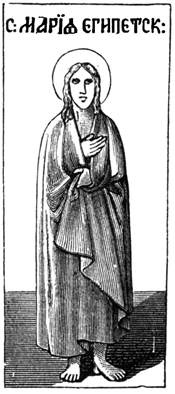
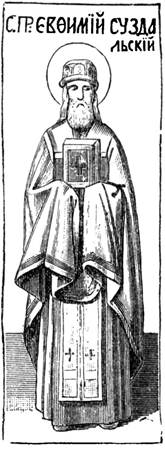
В одном из Палестинских монастырей славился строгой жизнью инок Зосима, при императоре Юстине Старшем (518–526 г.), в окрестности Кесарии. Он известен был даже по чудесам и по дару прозорливости2. Он 50 лет прожил в своём пустынном уединении и однако желал видеть образцы высшей жизни для своего назидания. В одно время человек Божий говорит ему: «чтобы видеть какие есть другие пути спасения, иди в Иорданский монастырь». Зосима отправился в указанную обитель. «Для назидания пришёл я», сказал он иноку-привратнику. «Пусть внимает каждый себе, отвечал тот, и трезвым смыслом совершает дела, при помощи Божией; но так, как любовь твоя захотела видеть нас смиренных, поживи с нами». Зосима скоро убедился в строгой жизни старцев обители. Они постоянно заняты были то псалмопением, то рукоделием; праздное слово не выходило из уст их; ни о доходах, ни об удобствах жизни не заботились; заботились только об умерщвлении тела; поучение в слове Божием составляло для них самую приятную пищу.
In one of the Palestinian monasteries, the monk Zosimas was renowned for his strict life, during the reign of the Emperor Justin the Elder (518–526 A.D.), in the vicinity of Caesarea. He was known even for miracles and the gift of clairvoyance2. He had lived for fifty years in his desert solitude, yet he desired to see examples of a higher life for his own edification. On one occasion, a man of God said to him: "That you may see what other paths of salvation exist, go to the Jordan monastery." Zosimas set out for the indicated community. "I have come for edification," he said to the monk who was gatekeeper. "Let each one attend to himself," the other replied, "and with sober mind accomplish his deeds with God's help; but since your love wished to see us who are humble, live with us." Zosimas soon became convinced of the strict life of the elders of the community. They were constantly occupied, either with psalmody or with handiwork; no idle word issued from their lips; they took no thought for income or for the comforts of life; they cared only for the mortification of the body; instruction in the word of God was for them the most pleasant food.
С давнего времени в обители наблюдалось такое правило: перед наступлением великого поста, «в воскресный день совершалось по обыкновению таинство, и каждый причащался Тела и Крови Господа нашего Иисуса Христа. Приняв несколько пищи, собирались все в храм и, после коленопреклонной молитвы, иноки прощались один с другим, и каждый, падая перед настоятелем, просил молиться за него. Отворялись ворота и выходили с пением стихов: «Господь просвещение мое и Спаситель мой, кого убоюся?» Оставался один или двое для охранения монастыря (впрочем, ворам украсть было нечего), собственно же для совершения службы. Каждый содержал себя, как хотел или мог. Один нёс с собой хлебец, другой финики, иной – размоченные бобы, а у другого не было ничего кроме одежды. Питались, когда требовала нужда природы, травами пустыни. Правилом положено было не встречаться одному с другим. Перейдя Иордан, ходили вдали один от другого... Каждый жил для себя и Бога, постоянно поя псалмы и в определённое время принимая пищу. Так проводили всё время поста; а перед светлым днём «Воскресения Христова возвращались в обитель, чтобы торжествовать праздник Ваий с ваиями по чину Церкви»3.
From ancient times, the following rule was observed in the community: before the beginning of Great Lent, "on the Sunday, the Mystery was celebrated according to custom, and each one partook of the Body and Blood of our Lord Jesus Christ. After taking a little food, they all gathered in the church, and after kneeling in prayer, the monks took leave of one another, and each, falling down before the abbot, asked him to pray for him. The gates were opened, and they went out singing the verses: 'The Lord is my enlightenment and my Savior; whom shall I fear?' One or two remained to guard the monastery (though there was nothing for thieves to steal), but chiefly to perform the services. Each one sustained himself as he wished or was able. One carried a small loaf of bread, another dates, another soaked beans, while another had nothing but his clothing. They fed, when the need of nature demanded, on the herbs of the desert. The rule prescribed that no one should meet another. Having crossed the Jordan, they walked far apart from one another... Each lived for himself and for God, constantly singing psalms and taking food at a set time. Thus they spent the entire period of the fast; and before the bright day of the Resurrection of Christ, they returned to the monastery to celebrate the Feast of Palms with palms according to the order of the Church"3.
По уставу обители, Зосима на пост также вышел в пустыню. Дней 20 ходил он в пустыне заиорданской, с тайным предчувствием чего-то особенного. Однажды, в полдень, усердно молился он с лицом обращённым к востоку и неожиданно увидал, что кто-то мелькнул мимо него, как привидение. Опасаясь обольщения, он оградил себя крестным знамением и продолжал молитву. Окончив её, он обратился и увидел, что кто-то тихо идёт мимо его. Нагое тело это сожжено солнцем; волосы короткие и белые, как снег.
According to the rule of the community, Zosimas also went out into the desert for the fast. For about twenty days he walked in the desert beyond the Jordan, with a secret presentiment of something extraordinary. One day, at noon, he was praying fervently with his face turned to the east, and unexpectedly he saw someone flit past him like a phantom. Fearing a delusion, he fortified himself with the sign of the cross and continued his prayer. Having finished it, he turned and saw someone walking quietly past him. This naked body was burned by the sun; the hair was short and white as snow.
Убеждённый, что видит одного из святых жителей пустыни, у которого можно научиться совершенству духовному, Зосима запылал желанием узнать жизнь дивного пустынника. Забывая свои лета, он побежал за явившимся; тот усиливался уходить от старца и перебежал через пересохшее русло реки. Зосима кричал: «кто бы ты ни был, служитель Божий, сжалься над хилым стариком, желающим испросить твоих молитв и благословения. Зачем ты бежишь от меня, бедного грешника? Вспомни, что Сам Бог, Которому ты служишь, не отвергает никого». На краю русла Зосима услышал ответ: «умоляю тебя Богом, блаженный Зосима, не приближайся более ко мне; если хочешь говорить со мной, брось мне плащ твой; прикрыв наготу мою, я попрошу тебя благословить грешницу».
Convinced that he saw one of the holy inhabitants of the desert, from whom he could learn spiritual perfection, Zosimas burned with the desire to know the life of this wondrous hermit. Forgetting his years, he ran after the one who had appeared; the other strove to flee from the elder and crossed over the dried-up bed of a stream. Zosimas cried out: "Whoever you are, servant of God, have compassion on a feeble old man who desires to ask for your prayers and blessing. Why do you flee from me, a poor sinner? Remember that God Himself, Whom you serve, rejects no one." At the edge of the stream bed, Zosimas heard a reply: "I implore you by God, blessed Zosimas, do not come nearer to me; if you wish to speak with me, throw me your cloak; covering my nakedness, I will ask you to bless a sinner."
Удивлённый тем, что его называет по имени женщина, вовсе неизвестная ему, Зосима понял, что его знает она по откровению. Он бросил ей дырявый плащ свой и отворотился. Тогда незнакомка, прикрытая плащом, перешла на его берег и упала к ногам его прося благословения. В восторге радости и с чувствами уважения Зосима также поклонился и просил благословения. В этой трогательной борьбе смирения святых, пустынница защищала своё желание тем, что она жена-грешница. Зосима указывал также на своё недостоинство. «У тебя право священное благословить меня и призвать на меня благодать, ты пресвитер», сказала явившаяся. Она знает и то, что я пресвитер, думал Зосима, и ещё более утвердился в мысли, что это – необыкновенный Божий человек. «Я вижу, блаженная мать, сказал Зосима, что на тебе покоится Дух Божий, и что, умертвив себя для мира, ты возвысилась до Всемилостивого твоим благочестием: не Сам ли Он открыл тебе моё имя и мой сан? Обилие благодати, живущей в тебе, выше сана моего, который без благочестия – осуждение для меня. Потому умоляю тебя любовью Спасителя нашего, благослови меня и помолись за грешника, нуждающегося в твоих молитвах». Пустынница, по выслушании, сказала: «Бог милосердый, хранитель душ и тел наших, да будет благословен во веки». – «Аминь», отвечал Зосима.
Astonished that a woman completely unknown to him called him by name, Zosimas understood that she knew him by revelation. He threw her his tattered cloak and turned away. Then the stranger, covered with the cloak, crossed over to his bank and fell at his feet, asking for a blessing. In a transport of joy and with feelings of reverence, Zosimas also bowed down and asked for a blessing. In this touching struggle of the humility of the saints, the desert-dweller defended her desire by saying that she was a sinful woman. Zosimas likewise pointed to his own unworthiness. "You have the sacred right to bless me and to invoke grace upon me; you are a presbyter," said the one who had appeared. She knows even that I am a presbyter, thought Zosimas, and was even more confirmed in the thought that this was an extraordinary man of God. "I see, blessed mother," said Zosimas, "that the Spirit of God rests upon you, and that, having mortified yourself to the world, you have been raised up to the All-Merciful by your piety; did He not Himself reveal to you my name and my rank? The abundance of grace dwelling in you is higher than my rank, which without piety is a condemnation to me. Therefore I implore you by the love of our Savior, bless me and pray for a sinner who has need of your prayers." The desert-dweller, having heard this, said: "May the merciful God, the guardian of our souls and bodies, be blessed forever." "Amen," answered Zosimas.
Они поднялись. «Зачем пришёл ты к грешнице? Нет, не ты, а Бог привёл тебя, чтобы подарить мне духовное подаяние. Скажи же, св. отец, в каком состоянии находится христианство? Как управляется Церковь Божия?» говорила пустынница. «По благости Иисуса Христа, Бог даровал твёрдый мир»4, отвечал Зосима и просил рабу Божию помолиться о всём мире. Уступив этой новой, настойчивой, как и прежняя, просьбе, явившаяся обратилась к востоку, подняла руки к небу и стала молиться так тихо, что Зосима не мог слышать слов её. Молитва лилась к небу довольно долго. Зосима с изумлением видит, что молящаяся поднялась от земли на воздух более, нежели на локоть. Поражённый и испуганный старец пал на землю и повторял слова: «Господи Иисусе Христе! помилуй меня грешного». Она окончила молитву и, подойдя к Зосиме, сказала: «зачем, блаженный, впадаешь ты в это смущение? Я – не дух, как подозреваешь ты; я – тело и кости; я грешница, но удостоена св. крещения». Затем оградила она крестным знамением чело, глаза, уста и грудь и сказала: «да избавит нас Господь от искушений демона силой св. креста».
They arose. "Why have you come to a sinner? No, it is not you, but God who has brought you, to bestow upon me a spiritual gift. Tell me, holy father, in what state is Christianity? How is the Church of God governed?" said the desert-dweller. "By the goodness of Jesus Christ, God has granted a firm peace"4, answered Zosimas, and asked the handmaiden of God to pray for the whole world. Yielding to this new, insistent request, like the former one, the one who had appeared turned to the east, raised her hands to heaven, and began to pray so quietly that Zosimas could not hear her words. The prayer flowed heavenward for a considerable time. Zosimas saw with amazement that the one praying had risen from the ground into the air more than a cubit. Struck with awe and fear, the elder fell to the ground and repeated the words: "Lord Jesus Christ! have mercy on me, a sinner." She finished her prayer and, approaching Zosimas, said: "Why, blessed one, do you fall into this confusion? I am not a spirit, as you suspect; I am flesh and bones; I am a sinner, but I have been deemed worthy of holy Baptism." Then she made the sign of the cross over her forehead, eyes, mouth, and breast, and said: "May the Lord deliver us from the temptations of the demon by the power of the holy cross."
Зосима, уверенный, что видит избранную слугу Божию, бросился к ногам её и умолял рассказать – кто она, как долго живёт в пустыне и какую ведёт жизнь? Он представлял, что не праздное любопытство просит её о том, а искреннее желание узнать для себя и других нужное для спасения души. «Я родом из Египта, говорила пустынница; мне было не более 12 лет, когда, предпочитая преступную свободу долгу питать родителей, я ушла в Александрию... Без ужаса не могу вспомнить, какую я там вела жизнь. Почти 17 лет предавалась я ужаснейшему распутству, и не для того, чтобы получать деньги, но только для того, чтобы удовлетворять похоти; я не просила денег у любовников, лишь бы они служили мне.
Zosimas, convinced that he saw a chosen handmaiden of God, threw himself at her feet and implored her to tell him who she was, how long she had lived in the desert, and what kind of life she led. He represented that it was not idle curiosity that asked this of her, but a sincere desire to learn for himself and for others what is necessary for the salvation of the soul. "I am by birth from Egypt," said the desert-dweller; "I was no more than twelve years old when, preferring criminal freedom to the duty of supporting my parents, I left for Alexandria... I cannot recall without horror the life I led there. For almost seventeen years I gave myself up to the most terrible debauchery, and not for the sake of receiving money, but only to satisfy my lust; I did not ask money from my lovers, provided only that they would serve me.
Живя так, на 29 году увидела я в летний день множество людей из Египта и Ливии, которые толпами направлялись к морю. Я спросила у кого-то: что это значит? Мне отвечали, что эти люди отплывают в Палестину – торжествовать в Иерусалиме праздник Воздвижения Креста. Мне вздумалось отправиться с ними. Я не имела ничего, чтобы заплатить за переезд и прокормление, но была уверена, что преступления мои доставят мне всё нужное. С наглостью бесстыдной распутницы привязалась я к молодым людям и с ними вошла на корабль. На пути тонула я в мерзостях и тоже делала в Иерусалиме.
Living thus, in my twenty-ninth year I saw on a summer day a multitude of people from Egypt and Libya who were heading in crowds toward the sea. I asked someone: 'What does this mean?' They answered me that these people were sailing to Palestine to celebrate the Feast of the Exaltation of the Cross in Jerusalem. It occurred to me to go with them. I had nothing with which to pay for the crossing and my keep, but I was confident that my crimes would provide me with everything I needed. With the insolence of a shameless prostitute, I attached myself to the young men and went with them onto the ship. On the way I wallowed in abominations, and I did the same in Jerusalem.
Когда наступил праздник, пошла и я с другими в церковь. Но когда дошла до дверей, невидимая рука с силой отбросила меня от входа. Все входили, и никто никому не препятствовал. Три и четыре раза употребляла я усилия войти во храм, и каждый раз невидимая рука отбрасывала меня на площадь. Полная смущения и стыда, стала я в углу на паперти и размышляла о причине необычайного обстоятельства. Она объяснилась мне, лишь я бросила взгляд на мерзость моей жизни. Благодать проникла в моё сердце, и я залилась горячими слезами, била себя в грудь безмолвно и терзалась. Рыдая и стоная, подняла я глаза и увидела, что стою перед иконой Божией Матери. Я обратилась к ней с мольбой умилостивиться над грешницей, открыть ей вход в св. храм. Долго молилась я и с некоторой надеждой пошла к дверям церкви. Трепет объял меня перед входом, но я взошла в церковь. Я вошла и вместе с другими поклонилась Животворящему Кресту5. Распростёртая перед ним, я изумлялась в трепете, что допускает Он до Себя такую преступницу.
When the feast arrived, I also went with the others to the church. But when I reached the doors, an invisible hand forcefully thrust me back from the entrance. Everyone entered, and no one hindered anyone else. Three and four times I made efforts to enter the church, and each time an invisible hand cast me back into the square. Full of confusion and shame, I stood in a corner of the porch and reflected on the cause of this extraordinary circumstance. It became clear to me only when I cast a glance at the abomination of my life. Grace penetrated my heart, and I burst into hot tears, beat my breast silently, and was tormented. Weeping and groaning, I raised my eyes and saw that I was standing before an icon of the Mother of God. I turned to Her with a prayer to be merciful to a sinner, to open for her the entrance into the holy church. I prayed for a long time, and with some hope I went to the doors of the church. Trembling seized me before the entrance, but I entered the church. I entered and together with the others venerated the Life-giving Cross5. Prostrate before it, I was amazed with trembling that He allowed such a transgressor to come to Him.
Возвратясь к образу Пресвятой Богородицы, излила я благодарность за её милость и молила Её горячими слезами указать мне путь покаяния. Тогда послышался мне голос издали: «перейди Иордан и там найдёшь покой»6. Я чувствовала, что это относилось ко мне и с горячими слезами воскликнула: «Владычица, Владычица! не покидай меня!» Тогда же решилась я следовать голосу.
Returning to the image of the Most Holy Theotokos, I poured out gratitude for Her mercy and besought Her with hot tears to show me the path of repentance. Then I heard a voice from afar: 'Cross the Jordan and there you will find rest'6. I felt that this referred to me, and with hot tears I cried out: 'O Lady, O Lady! do not forsake me!' At that very moment I resolved to follow the voice.
При выходе кто-то подал мне три монеты, с словами: прими, Нонна7! Я купила на них три хлеба и, узнав дорогу за Иордан, отправилась. Весь день шла я, проливая слёзы, и на закате солнца достигла храма Иоанна Крестителя на Иордане 8. Помолясь, омыла я лицо и руки в водах священной реки9 и возвратилась в церковь, где присутствовала при Богослужении. Съев половину одного из трёх хлебов, заснула я на земле, а утром переправилась через Иордан в челноке. Так я достигла пустыни, и с тех пор одна, отрешённая от людей, живу здесь в ожидании милосердия Божия, укрепляющего Своею благодатью кающихся и искренно обращающихся».
As I was leaving, someone gave me three coins, saying: “Take them, Nonna7!” I bought three loaves of bread with them and, having learned the way beyond the Jordan, set out. I walked the whole day, shedding tears, and at sunset I reached the church of John the Baptist on the Jordan8. After praying, I washed my face and hands in the waters of the sacred river9 and returned to the church, where I attended the Divine service. Having eaten half of one of the three loaves, I fell asleep on the ground, and in the morning I crossed the Jordan in a small boat. Thus I reached the desert, and since then, alone, cut off from people, I have lived here awaiting the mercy of God, Who strengthens with His grace those who repent and sincerely turn to Him.”
Пустынница принесла исповедь Зосиме в грешной жизни, но ничего не сказала, как жила она в пустыне. Потому Зосима снова просил её открыть, давно ли она в пустыне, чем питалась и что испытала?
The desert-dweller had brought her confession of a sinful life to Zosimas, but said nothing of how she had lived in the desert. Therefore Zosimas again asked her to reveal how long she had been in the desert, what she had eaten, and what she had experienced.
«Прошло около сорока семи лет, отвечала она, со времени выхода моего из Иерусалима в пустыню. У меня оставалось два с половиной хлеба, когда переправилась я через Иордан; понемногу съела я их и потом питалась травой. Борьба моя продолжалась 17 лет. Она была такова, что и теперь содрогаюсь. С одной стороны, невыразимо страдала я от голода и жажды. Мука усиливалась воспоминанием о вкусной пище и вине дней разврата моего. Злой дух воскрешал в мыслях со всей живостью распутные песни, которые я пела, и мерзкие, похотливые картины неисчислимых преступлений моих. С другой стороны, одежда, в которой вышла я, совсем распалась, и я подвергалась влиянию всех перемен, всем жестокостям времён года: то солнце жгло раскалёнными лучами, то стужа обхватывала меня. Тогда, падая на землю, сожжённая или оледенелая, чувствовала я, что умираю, а тысячи искушений нападали с демонской силой».
“About forty-seven years have passed,” she answered, “since my departure from Jerusalem into the desert. I had two and a half loaves left when I crossed the Jordan; I ate them little by little and afterwards fed on herbs. My struggle lasted seventeen years. It was such that even now I shudder. On the one hand, I suffered inexpressibly from hunger and thirst. The torment was intensified by the memory of the tasty food and wine of the days of my debauchery. The evil spirit revived in my thoughts with all vividness the licentious songs I had sung and the vile, lustful images of my countless transgressions. On the other hand, the clothing in which I had come out had completely fallen apart, and I was exposed to the influence of all changes, to all the cruelties of the seasons: at times the sun burned me with scorching rays, at times the cold seized me. Then, falling to the ground, burnt or frozen, I felt that I was dying, and thousands of temptations attacked me with demonic force.”
«В этом неизъяснимо жестоком состоянии Пресвятая Богородица была пристанищем. Я горько рыдала и, ударяя себя в грудь, простиралась на земле и молила Владычицу не лишить меня помощи. После рыдания и мольбы свет озарял душу и покой возвращался моему сердцу. Милостивая Царица не отказывала мне в Своей помощи».
“In this inexpressibly cruel state, the Most Holy Theotokos was my refuge. I wept bitterly and, beating my breast, prostrated myself on the ground and besought the Lady not to deprive me of Her help. After weeping and supplication, a light illumined my soul and peace returned to my heart. The merciful Queen did not refuse me Her help.”
Воспоминая, продолжала пустынница, от каких зол избавил меня Господь, я питаюсь пищей неистлевающей, надеждой спасения, питаюсь и покрываюсь словом Бога, содержащего всё (Втор.8 гл.). Не одним хлебом живёт человек (Мф. 3 гл.)».
“Calling to mind,” continued the desert-dweller, “from what evils the Lord has delivered me, I feed on imperishable food, the hope of salvation; I feed and am clothed by the word of God, Who contains all things (Deut. 8). Man shall not live by bread alone (Mt. 3).”
Когда Зосима услышал, что пустынница произносит слова Св. Писания, он спросил её: как знает она Св. Писание? Она улыбнулась и сказала, что ни в мире не училась она, ни в пустыне не слышала, кто бы читал ей книги; «голос Божий, живой и действенный, раздающийся в сердце, один – наставник мой. Но довольно, довольно о мне; я исполнила твоё желание».
When Zosimas heard that the desert-dweller uttered words of Holy Scripture, he asked her: how does she know Holy Scripture? She smiled and said that she had learned neither in the world nor in the desert had she heard anyone read books to her; “the voice of God, living and active, resounding in the heart, is my only teacher. But enough, enough about me; I have fulfilled your desire.”
Упав к ногам Зосимы, она просила благословить её. Он со слезами произнёс: «да будет благословен Бог, совершающий чудеса! Да будет Он благословен и за милость ко мне».
Falling at Zosimas’ feet, she asked him to bless her. He said with tears: “Blessed be God, Who works wonders! Blessed be He also for His mercy to me.”
Пустынница встала и, удержав Зосиму, готового пасть ей в ноги, сказала: «умоляю тебя именем Спасителя не говорить о мне никому ничего, пока я не умру. В следующем году ты не выходи из монастыря с другими в начале поста, да и нельзя будет выйти; в великий четверток приди на берег Иордана и принеси сосуд с Телом и Кровью Христовой, дабы я удостоилась приобщиться св. Таин. Дай знать о. Иоанну настоятелю, чтобы смотрел за стадом своим, – в нём многое требует исправления. Но об этом скажешь после того, как приобщишь меня».
The desert-dweller arose and, restraining Zosimas, who was ready to fall at her feet, said: “I implore you by the name of the Savior, tell no one about me until I die. Next year, do not go out of the monastery with the others at the beginning of the Fast, for you will not be able to go; on Great Thursday come to the bank of the Jordan and bring a vessel with the Body and Blood of Christ, that I may be accounted worthy to partake of the Holy Mysteries. Inform Father John the abbot to watch over his flock—much in it needs correction. But you will tell him this after you have given me Communion.”
В следующем году Зосима лежал больной, когда братия в начале поста выходили в пустыню. «Он вспомнил тогда слова пустынницы. В великий четверток отправился он со св. дарами к Иордану. Вечером видит он святую на другом берегу. Она осенила крестом воду и пошла по воде, как по суше. Она просила прочитать Символ Веры и молитву Господню: Отче наш. Когда приобщилась она Тела и Крови Господа, то, подняв руки к небу, произнесла: «Ныне отпущаешь Ты рабу Твою, Владыко, по глаголу Твоему с миром, очи мои видели спасение души моей». Потом, обратясь к старцу, сказала: «и ты, отец Зосима, сотвори для меня любовь, не откажись прийти в следующий пост на то место, где в первый раз говорили мы с тобой». Зосима предложил ей принесённые плоды и чечевицу. Она взяла только три зерна чечевицы и отправилась через реку, как пришла, по воде, как по суше10.
The following year Zosimas lay ill when the brethren went out into the desert at the beginning of the Fast. “He then remembered the words of the desert-dweller. On Great Thursday he set out with the holy gifts to the Jordan. In the evening he saw the saint on the opposite bank. She made the sign of the cross over the water and walked upon the water as on dry land. She asked him to recite the Symbol of Faith and the Lord’s Prayer: Our Father. When she had partaken of the Body and Blood of the Lord, raising her hands to heaven, she said: ‘Now lettest Thou Thy servant depart, O Master, according to Thy word, in peace, for mine eyes have seen the salvation of my soul.’ Then, turning to the elder, she said: ‘And you, Father Zosimas, do me a kindness—do not refuse to come the following Fast to the place where we first spoke with each other.’ Zosimas offered her the fruits and lentils he had brought. She took only three grains of lentils and departed across the river as she had come, upon the water as on dry land10.”
В следующем году Зосима пришёл на то место, где в первый раз виделся с пустынницей. Здесь увидел он мёртвое тело праведницы и оросил ноги её слезами. Он начал петь псалмы, но колебался сомнениями, где похоронить её? Лицо усопшей обращено было к востоку, а близ головы видит он на песке слова: «авва Зосима! погреби здесь тело бедной Марии и, предав землю земле, молись за ту, которая отходит к Господу после приобщения святой вечери». Зосима похоронил тело Святой в яме, выкопанной львом, явившимся к услугам праведницы. Кончина равноапостольной Марии последовала в 522 г. апреля 7 дня11.
The following year Zosimas came to the place where he had first seen the desert-dweller. There he saw the dead body of the righteous woman and moistened her feet with tears. He began to chant psalms, but wavered in doubt as to where to bury her. The face of the deceased was turned toward the east, and near her head he saw written on the sand: “Abba Zosimas, bury here the body of humble Mary, and committing earth to earth, pray for her who departs to the Lord after partaking of the holy Supper.” Zosimas buried the body of the Saint in a pit dug by a lion that had appeared to serve the righteous woman. The end of Mary, equal to the Apostles, occurred in the year 522, on the 7th day of April11.
Блаженный Евфимий родился и был воспитан в Нижнем Новгород13. Здесь учился он грамоте и учился прилежно, – не любил заниматься детскими шалостями, был кроток и послушлив родителям. – Когда пришёл он в юношеский возраст, – ходил в храм Божий, где становился в углу, чтобы не развлекаться во время молитвы движениями людей. – Вблизи Нижнего, на берегу Волги, в пещере подвизался тогда с учениками своими блаженный Дионисий, впоследствии архиепископ Суздальский. – Подвиги молитвенников Божиих возбуждали в Евфимии ревность к жизни подвижнической. В храме слышал он слова Спасителя: «что пользы, если приобретёт человек и целый мир, а погубит душу свою?» Одушевлённый тем и другим, блаж. пришёл в пещеру к Дионисию и в слезах пал к ногам его, прося принять его в число учеников своих. Авва, преподав ему наставление, облёк его в иноческие одежды. Евфимий стал жить иночески: днём трудился по обители, но с псалмом на устах, ночью уходил в пещерное уединение и здесь проводил время покоя в молитве; пищи употреблял мало, а жажду утолял водой и то с мерой. Он просил у преп. Дионисия дозволения вкушать пищу через два и три дня; но рассудительный авва запретил ему такой подвиг, как несоразмерный с духовным его возрастом, и велел вкушать пищу вместе с братиями только не до сытости. По воле аввы, Евфимий носил воду и рубил дрова в пекарне; взор на огонь пробуждал в нём слёзы сокрушения о грехах, для которых готов огонь вечный. Церковная песнь поёт преподобному о его подвигах: «Росою воздержания ты погашал юношеский пламень страстей, огнём страданий опалял прелести мира, постясь, явил ты душу светлее лучей солнечных»14. Так подвигами поста и сокрушения сердечного зрел и мужал в духовном совершенстве преп. Евфимий.
Blessed Euthymius was born and raised in Nizhny Novgorod13. There he learned to read and write, and he studied diligently—he did not like to occupy himself with childish pranks, was meek and obedient to his parents. When he reached youthful age, he went to the church of God, where he stood in a corner so as not to be distracted during prayer by the movements of people. Near Nizhny, on the bank of the Volga, in a cave, the blessed Dionysius, later Archbishop of Suzdal, was then asceticising with his disciples. The struggles of the men of prayer of God aroused in Euthymius zeal for the ascetic life. In church he heard the words of the Savior: “What profit is it if a man gain the whole world and lose his own soul?” Inspired by both, the blessed one came to the cave to Dionysius and, in tears, fell at his feet, begging to be received among his disciples. The abba, having given him instruction, clothed him in monastic garb. Euthymius began to live as a monk: by day he labored in the monastery, but with a psalm on his lips; by night he withdrew to the solitude of the cave and there spent his time of rest in prayer; he ate little food and quenched his thirst with water, and that in measure. He asked the Venerable Dionysius for permission to eat every two or three days; but the prudent abba forbade him such an exploit as disproportionate to his spiritual age, and commanded him to eat together with the brethren, only not to satiety. By the abba’s will, Euthymius carried water and chopped wood in the bakery; the sight of fire awakened in him tears of compunction for his sins, for which eternal fire is prepared. The Church hymn sings to the venerable one concerning his struggles: “With the dew of abstinence thou didst quench the youthful flame of the passions; with the fire of sufferings thou didst burn the allurements of the world; by fasting thou didst show thy soul brighter than the rays of the sun”14. Thus, through the struggles of fasting and compunction of heart, the Venerable Euthymius ripened and grew strong in spiritual perfection.
Благочестивый кн. Борис Константинович Городецкий пожелал построить в Суздале обитель молитве и просил Дионисия назначить из учеников его настоятеля новой обители. Дионисий назначил в Суздаль Евфимия. «Не удаляй меня, отче, от пребывания с тобою; тяжело мне жить с чужими», со слезами говорил Евфимий. «Господня – земля; а непослушания бойся», отвечал Дионисий. Блаженный авва, согласно с мыслями благочестивого князя, назначил тогда и других учеников своих для основания обителей молитвы в разных местах15. Евфимий, будучи 36 лет, отправился выполнять волю наставника. – На дороге в Суздаль, не доходя 5 вёрст до Гороховца, увидал он красивое место на озере, в дремучем лесу, и согласно с волей наставника своего основал здесь общежительную пустынь в честь св. Василия Великого. Эта пустынь и впоследствии оставалась под его надзором, почему и по кончине постоянно была приписной к Евфимиеву монастырю. В храме бывшей обители, ныне приходском, поныне хранится посох блаженного путника16.
The pious Prince Boris Konstantinovich of Gorodets desired to build a monastery in Suzdal for prayer and asked Dionysius to appoint one of his disciples as abbot of the new monastery. Dionysius appointed Euthymius to Suzdal. “Do not remove me, Father, from dwelling with you; it is hard for me to live with strangers,” Euthymius said with tears. “The earth is the Lord’s; but fear disobedience,” answered Dionysius. The blessed abba, in accordance with the thoughts of the pious prince, then also appointed other of his disciples to found monasteries of prayer in various places15. Euthymius, being 36 years old, set out to fulfill the will of his teacher. On the road to Suzdal, five versts short of Gorokhovets, he saw a beautiful place on a lake, in a dense forest, and in accordance with the will of his teacher he founded there a cenobitic hermitage in honor of St. Basil the Great. This hermitage even afterward remained under his supervision, which is why after his repose it was constantly attached to the Euthymius Monastery. In the church of the former hermitage, now a parish church, the staff of the blessed traveler is preserved to this day16.
В Суздале блаженный епископ Иоанн сам указал Евфимию и князю место для обители, вблизи города, на севере его, на крутом берегу Камянки; с высокой площади открывался и широкий вид на окрестность, – место красивое; святитель освятил место для новой обители; благочестивый князь своими руками начал копать ров для храма; множество других рук принялось за ту же работу и каменный храм был основан. Боголюбивый князь не жалел издержек для храма Божия, и храм освящён святителем в честь Преображения Господня; в то же время преп. Евфимий посвящён был в архимандрита новой обители17. На постройку зданий обители щедрый князь доставил также все средства18. Но блаженный Евфимий в основание обители полагал тёплые молитвы и подвиги. Проводя день то в доме молитвы, то в надзоре за постройками, ночь проводил он в усердной молитве. – К искреннему подвижнику скоро собралось много братий. По благословению святителя, блаженный построил ещё храм Иоанна Лествичника с трапезой. Сюда в зимнее время собирались на молитву. поскольку же число братии умножалось, так что возросло, наконец, до 300; то блаженный построил ещё деревянный храм св. Николая с больницей и здесь же пристроил другую трапезу с хозяйственными принадлежностями.
In Suzdal, the blessed Bishop John himself pointed out to Euthymius and the prince a place for the monastery, near the city, to the north of it, on the steep bank of the Kamenka River; from the high ground a broad view of the surroundings opened up—a beautiful place. The Hierarch consecrated the site for the new monastery; the pious prince began with his own hands to dig a trench for the church; a multitude of other hands set to the same work, and a stone church was founded. The God-loving prince spared no expense for the church of God, and the church was consecrated by the Hierarch in honor of the Transfiguration of the Lord; at the same time, the Venerable Euthymius was ordained archimandrite of the new monastery17. The generous prince also provided all the means for the construction of the monastery buildings18. But the blessed Euthymius laid warm prayers and struggles as the foundation of the monastery. Spending the day either in the house of prayer or in overseeing the buildings, he spent the night in fervent prayer. Soon many brethren gathered around the sincere ascetic. With the blessing of the Hierarch, the blessed one also built a church of John of the Ladder with a refectory. Here they gathered for prayer in winter. And since the number of brethren increased, so that it finally grew to 300, the blessed one also built a wooden church of St. Nicholas with a hospital, and there he also added another refectory with household facilities.
Жизнь его была для братии училищем благочестия. Тяжёлые вериги его, поныне целые в обители, служат памятником строгой, подвижнической жизни его19. Ещё при построении храма Спасителю приготовил он место для своего погребения и своими руками обтесал камни для гроба; а он прожил в обители 52 года и 52 года готовил себя к переходу в вечность: так он смирял в себе мечты несмиренные! По временам видался он с препод. Сергием Радонежским и беседовал с ним о духовной жизни. – В церковных песнях называется он «спостником и собеседником» преподобного Сергия20. – Как и Сергий, носил он самую худую иноческую одежду, – овчинный заскорузлый тулуп был на плечах его и в зной летний, и в холод зимний. – Но в обители его находили себе пищу все бедняки и покоились больные; за должников платил он долги, и притесняемые в суде находили у него защиту.
His life was a school of piety for the brethren. His heavy chains, still preserved whole in the monastery, serve as a memorial of his strict, ascetic life19. Even during the building of the church of the Savior, he prepared a place for his burial and with his own hands hewed the stones for the coffin; yet he lived in the monastery for 52 years and for 52 years prepared himself for the passage into eternity: thus did he humble in himself all unsubdued dreams! From time to time he would meet with the Venerable Sergius of Radonezh and converse with him about the spiritual life. – In the church hymns he is called the “fellow faster and fellow converser” of the Venerable Sergius20. – Like Sergius, he wore the poorest monastic garment – a rough sheepskin coat was on his shoulders both in the summer heat and in the winter cold. – But in his monastery all the poor found food and the sick found rest; he paid debts for debtors, and the oppressed in court found protection from him.
Стадо своё пас он бдительно и с духовной рассудительностью; учил безропотному послушанию, чистоте и бескорыстию. Никому не дозволял иметь какую-либо собственность и, если у кого находил что-нибудь своё, подвергал епитемии. Строго запрещал разговоры в храме и в трапезе повелевал хранить молчание; из трапезы в келью надлежало идти также в молчании и не заходя ни к кому. Не дозволялось управляться своим мудрованием и своей волей, а надобно было прислушиваться к правилам обители и к воле настоятеля. – Таков был устав преподобного!
He shepherded his flock vigilantly and with spiritual discernment; he taught uncomplaining obedience, purity, and disinterestedness. He allowed no one to possess any personal property, and if he found anything of one’s own with anyone, he imposed a penance. He strictly forbade conversations in the church and commanded silence to be kept at the refectory; from the refectory to the cell one was to go also in silence, without visiting anyone. It was not permitted to act according to one’s own reasoning and one’s own will, but one had to heed the rules of the monastery and the will of the abbot. – Such was the rule of the Venerable One!
В подвигах св. жизни преп. Евфимий достиг глубокой старости, 78 лет. Перед кончиной простился со всей братией, причастился св. Таин и мирно предал дух свой Господу, апреля 1-го 1405 г.21.
In the labors of a holy life, the Venerable Euthymius reached a deep old age, 78 years. Before his end he took leave of all the brethren, partook of the Holy Mysteries, and peacefully surrendered his spirit to the Lord, on April 1, 1405 A.D.21.
В 1491 г. при архимандрите Константине монастырь Евфимиев сгорел. Константин скорбел, смущаясь сомнением, не гневаемся ли на него, за то Евфимий, как бы за дело нерадения его о обители? Преподобный, явясь одному брату, сказал: «скажи, брат, архимандриту Константину, что я ничего не имею против него». Успокоенный Константин, при пособии благотворителей, восстановил кельи братские. Преемник его Кирилл, впоследствии архиепископ Ростовский, решился построить новый каменный храм. При копании рвов нашли мощи преп. Евфимия: лицо было светлое и ризы как вчера надетые. Это было 7 июня 1507 года22. – Преп. Евфимий с того времени прославился множеством чудес23. Весьма назидательны два из них. Келарь Киприян по своеволию надмения раздавал пищу, кому и как хотел, тогда как по уставу предлагалась она в трапезе. В сонном видении явился ему преп. Евфимий с жезлом в одной руке и с горящей свечой в другой, угрожая наказать его за своеволие. Келарь в испуге каялся, а потом забыл обещание своё. Преподобный снова явился и поразил его расслаблением членов. – Больной получил исцеление у раки преподобного тогда, как перед всеми исповедал грех свой. – Один поселянин сильно страдал от лихорадки. Брат его, выслушав молебен в обители за больного, взял для него квасу. Дорогой пришло ему на мысль: «что пользы в этом квасе для больного? Лучше позвать кудесника». И, чувствуя жажду, выпил квас. Вслед затем явился ему кто-то в белой одежде и митре и грозно сказал: «как смел ты пренебрегать дар Божий? Господь для Евфимия хочет исцелить брата; воротись, приложись к раке и спеши к брату». Когда исполнена была эта и воля, больной исцелился24. У старца Никодима болезнью скорчены были ноги, и он уже не чаял быть живым. Явившийся по молитве Евфимий помазал ему мастию ноги, и больной встал здоровым. Рыболов Патрикий лежал в лихорадке; явившийся преподобный осенил его крестным знамением, и Патрикий пошёл ловить рыбу. В обители Евфимия есть несколько памятников с молитвами и хвалами чудотворцу Евфимию. На серебряном потире читается надпись: «7108 (1600) дала княгиня Анна чудотворцу Евфимию по душе князя Даниила Ногтева, в иноцех Евфимия». На серебряной лампаде кн. Шуйского такая надпись: «л. 7143 (1635) сделана пред раку преп. Евфимия чудотворца; кто веру подержит Евфимию чудотворцу, тот и нальёт; а из монастыря не вынесть никуда». – Знаменитый защитник отчизны кн. Дмитрий Михайлович Пожарский дал (окт. 3-го 1644 г.) Евангелие с надписью: «великому чудотворцу Евфимию»; супруга его (марта 2-го 1644 г.) – плащаницу шитую золотом и серебром, «в дом чудотворца Евфимия»25.
In 1491, under Archimandrite Constantine, the monastery of Euthymius burned down. Constantine grieved, troubled by doubt: was not the Venerable One angry with him, as if for his neglect of the monastery? The Venerable One, appearing to one brother, said: “Tell, brother, Archimandrite Constantine that I have nothing against him.” Reassured Constantine, with the help of benefactors, restored the brethren’s cells. His successor Cyril, later Archbishop of Rostov, resolved to build a new stone church. While digging trenches, they found the relics of the Venerable Euthymius: his face was bright and his vestments as if put on yesterday. This was on June 7, 150722. – From that time the Venerable Euthymius was glorified by many miracles23. Two of them are very instructive. The cellarer Cyprian, out of willful pride, distributed food to whomever and however he wished, whereas according to the rule it was offered in the refectory. In a dream vision, the Venerable Euthymius appeared to him with a staff in one hand and a burning candle in the other, threatening to punish him for his willfulness. The cellarer repented in fear, but later forgot his promise. The Venerable One appeared again and struck him with paralysis of his limbs. – The sick man received healing at the shrine of the Venerable One when he confessed his sin before all. – One peasant suffered severely from fever. His brother, having heard a moleben in the monastery for the sick man, took some kvass for him. On the way, it occurred to him: “What good is this kvass for the sick man? Better to call a sorcerer.” And, feeling thirsty, he drank the kvass. Immediately after, someone in white garments and a mitre appeared to him and said sternly: “How dare you despise the gift of God? The Lord, for Euthymius’ sake, wishes to heal your brother; turn back, venerate the shrine, and hasten to your brother.” When this command was fulfilled, the sick man was healed24. The elder Nicodemus had his legs twisted by illness, and he no longer expected to live. Euthymius, appearing after prayer, anointed his legs with ointment, and the sick man rose up healthy. The fisherman Patricius lay in a fever; the Venerable One, appearing, made the sign of the cross over him, and Patricius went to catch fish. In the monastery of Euthymius there are several memorial objects with prayers and praises to the Wonderworker Euthymius. On a silver chalice is read the inscription: “7108 (1600) given by Princess Anna to the Wonderworker Euthymius for the soul of Prince Daniel Nogtev, in monasticism Euthymius.” On a silver lamp of Prince Shuisky is this inscription: “Year 7143 (1635) made before the shrine of the Venerable Euthymius the Wonderworker; whoever has faith in Euthymius the Wonderworker, let him also pour oil; and it is not to be taken out of the monastery anywhere.” – The famous defender of the fatherland, Prince Demetrius Mikhailovich Pozharsky, gave (October 3, 1644) a Gospel with the inscription: “to the great Wonderworker Euthymius”; his wife (March 2, 1644) gave a shroud embroidered with gold and silver, “to the house of the Wonderworker Euthymius”25.
«Умертвив движения плоти крепким пощением, ты стал обителью Владыки, святый Евфимий! Умоли Его, да прибегающие к тебе избавимся от бед и смущения страстей»26.
“Having mortified the movements of the flesh by strict fasting, thou didst become a dwelling-place of the Master, O holy Euthymius! Entreat Him, that we who flee to thee may be delivered from troubles and the disturbance of passions”26.
Аврамий родился в Камской Болгарии и воспитан в магометанской вере. Был он человек с большими средствами и занимался торговлей, но не пристращался к суетным удовольствиям мира, любил странноприимство, питал нищих, одевал наготующих, посещал больных и восполнял скудость неимущих. Призрел сердцеведец Бог на Аврамия, подобно как некогда призрел Он на добродетельного язычника Корнилия Сотника (Деян. X), и по благодатному смотрению Божию Аврамий убедился в лживости Магометова учения и сделался христианином. Болезнуя же духом о слепоте своих единоземцев, не знавших Бога истинного, а потому и в жизни не устроенных, он пришёл в главный город страны, именуемый Болгары (ныне село Казанской губ.), и здесь во время ярмарки начал благовествовать своим единоплеменникам о Христе Богочеловеке и спасении людей во имя Его. В изумление пришли Болгаре, слыша христианскую проповедь от своего единоплеменника и бывшего единоверца; и когда ни ласками, ни угрозами не могли поколебать веры его, то, рассвирепев как звери, многими муками и темничным томлением принуждали отречься от Христа. Не изнемог доблестный страдалец, но, укрепляемый благодатью Божией, ещё более утвердился в любви к Искупителю мира. Тогда изуверы отсекли ему сперва руки, потом ноги и голову. Мученическая кончина св. Аврамия последовала 1 апреля 1229 года. Бывшие на ярмарке христиане, вероятно Муромские купцы, благоговейно похоронили тело его на христианском в Болгарах кладбище. Заметив же совершавшиеся над гробом его чудесные исцеления больных христиан, они донесли обо всём во Владимир великому князю Георгию Всеволодовичу. – В начале 1230 года заключён был, после шестилетней войны, мир с Камскими Болгарами и выговорено право перенести мощи святого из Болгар во Владимир. В том же году, 9-го марта, и принесены они во Владимир, с крестным ходом встречены за версту от города и положены в Благовещенской церкви женского монастыря, так называемого Княгинина-Успенского. В 1712 г. 10 мая они переложены в другую раку и перенесены в Успенскую церковь; с того времени в монастыре празднуют святому 10-го мая и в четвёртую неделю по Пасхе, так как 10-е мая тогда приходилось на эту неделю (из Краткого жизнеописания при Службе св. Аврамию, изд. 1876, СПб.).
Abraham was born in Kama Bulgaria and raised in the Mohammedan faith. He was a man of great means and engaged in trade, but he was not attached to the vain pleasures of the world; he loved hospitality, fed the poor, clothed the naked, visited the sick, and supplied the needs of the destitute. The Lord, the Knower of hearts, looked upon Abraham, just as He once looked upon the virtuous pagan Cornelius the Centurion (Acts 10), and by the gracious dispensation of God, Abraham became convinced of the falsity of Mohammed’s teaching and became a Christian. Grieving in spirit over the blindness of his fellow countrymen, who knew not the true God and therefore were not established in life, he came to the chief city of the country, called Bolgary (now a village in Kazan province), and there during the fair began to preach to his fellow tribesmen about Christ the God-Man and the salvation of men in His name. The Bulgarians were astonished, hearing a Christian sermon from their fellow tribesman and former co-religionist; and when neither by flattery nor by threats could they shake his faith, they, enraged like wild beasts, by many torments and imprisonment sought to force him to deny Christ. The valiant sufferer did not grow weak, but, strengthened by the grace of God, was even more confirmed in love for the Redeemer of the world. Then the fanatics first cut off his hands, then his feet, and then his head. The martyr’s death of St. Abraham occurred on April 1, 1229. The Christians who were at the fair, probably Murom merchants, reverently buried his body in the Christian cemetery in Bolgary. Noticing the miraculous healings of sick Christians that took place at his grave, they reported everything to Vladimir to the Grand Prince George Vsevolodovich. – At the beginning of 1230, after a six-year war, peace was concluded with the Kama Bulgarians, and the right to transfer the relics of the saint from Bolgary to Vladimir was stipulated. In the same year, on March 9, they were brought to Vladimir, met with a cross procession a verst from the city, and placed in the Annunciation Church of the women’s monastery, the so-called Princess-Dormition Monastery. In 1712, on May 10, they were transferred to another shrine and moved to the Dormition Church; from that time, the monastery has celebrated the saint on May 10 and on the fourth week after Pascha, since May 10 then fell on that week (from the Brief Life at the Service to St. Abraham, ed. 1876, St. Petersburg).
Прокопий, сын благочестивых родителей, именитого рода, живших в Богемии (в конце Х-го и в начале ХI-го века), родился в селе Хотиш; с детства был обучен Славянской грамоте и потом имел возможность изучить науки, преподаваемые на Славянском языке. Кончив учение, по желанию своему, поступил в духовное звание и, получив сан священника, ревностно распространял и поддерживал православное христианское учение. Впоследствии, оставив мир, предался отшельническим подвигам в пустынном уединении. Здесь, однажды, нашёл его в пещере герцог Ульрих, охотившийся за зверями в глухом лесу. Герцог с участием отнёсся к отшельнику, вступил с ним в беседу и, узнав о желании Прокопия, чтобы здесь была выстроена церковь во имя св. Иоанна Предтечи, охотно исполнил желание отшельника, и таким образом было положено основание обители на р. Созаве (около 1012 г.), которая – стараниями Прокопия и пособиями герцога скоро пришла в цветущее положение. Преемник Ульриха – король Брячислав и также покровительствовал этому монастырю. Несмотря на это, Прокопию трудно было поддерживать православие в борьбе против влияния папистов и много оскорблений приходилось ему принимать от них.
Procopius, the son of pious parents of noble lineage, who lived in Bohemia (at the end of the 10th and the beginning of the 11th century), was born in the village of Chotish; from childhood he was taught Slavonic letters and later had the opportunity to study the sciences taught in the Slavonic language. Having finished his studies, according to his own desire, he entered the clergy and, having received the rank of priest, zealously spread and upheld the Orthodox Christian teaching. Afterwards, leaving the world, he devoted himself to hermitic labors in desert solitude. Here, once, Duke Ulrich, who was hunting wild beasts in a dense forest, found him in a cave. The duke treated the hermit with sympathy, entered into conversation with him, and, learning of Procopius’s desire that a church be built there in the name of St. John the Forerunner, willingly fulfilled the hermit’s wish, and thus the foundation was laid for a monastery on the Sázava River (around 1012), which—through the efforts of Procopius and the assistance of the duke—soon came into a flourishing state. Ulrich’s successor, King Bretislav, also patronized this monastery. Despite this, it was difficult for Procopius to uphold Orthodoxy in the struggle against the influence of the papists, and he had to endure many insults from them.
Незадолго до кончины своей Прокопий предсказал братии, что вскоре наступит гонение на них, но чтобы они не унывали, так как оно будет непродолжительное. Так и случилось. Прокопий преставился 1-го апреля 1053-го года, а в 1055-м году «Созавских иноков осыпали разными поношениями; внушая князю (Спитигневу) разные выдумки и клеветы, говорили ему, что Славянской письменностью вводится ересь, и они совсем испорчены лицемерием; потому надобно выгнать их и ввести Латинского аббата с братьями его».
Shortly before his death, Procopius predicted to the brethren that soon a persecution would come upon them, but that they should not lose heart, as it would be short-lived. And so it happened. Procopius reposed on April 1, 1053, and in 1055 “the monks of Sázava were showered with various reproaches; suggesting to the prince (Spytihněv) various fabrications and slanders, they told him that Slavonic writing was introducing heresy, and that they were utterly corrupted by hypocrisy; therefore they must be driven out and a Latin abbot with his brethren brought in.”
И православных иноков выгнали и поместили в обители Немецких ксёндзов. Но король Вратислав в 1061 г. возвратил изгнанников в их обитель, и даже обратился к папе с просьбой, чтобы он своим голосом утвердил Славянское Богослужение. В ответ на это папа (Григорий VIII) отвечал королю: – «ваше высочество просили, чтобы совершалась у вас служба на Славянском языке; мы никак не можем быть благосклонны к вашей просьбе. Мы убеждены, что не напрасно угодно было Богу, чтобы некоторые места свящ. писания были сокрыты и чтобы оно не всем было ясно и понятно, дабы через то не пришло в пренебрежение, или худо-понятое не ввело в заблуждение. Потому, не смотря на ваше требование неблагоразумное, повелеваем властью блаженного Петра и в славу Божию – противостать суетной дерзости27 всеми силами».
And the Orthodox monks were driven out and German priests were installed in the monastery. But King Vratislaus in 1061 returned the exiles to their monastery, and even appealed to the Pope with a request that he, by his own authority, confirm the Slavonic Divine Service. In response to this, the Pope (Gregory VIII) answered the king: – «Your Highness has requested that the service be performed among you in the Slavonic language; we can by no means be favourable to your request. We are convinced that it was not in vain that God was pleased that certain places of Sacred Scripture should be hidden, and that it should not be clear and understandable to all, lest through this it come into contempt, or, being ill-understood, lead into error. Therefore, notwithstanding your unwise demand, we command, by the authority of the blessed Peter and for the glory of God, to oppose this vain audacity27 with all our might.»
Для получения понятия о личности сегодня воспоминаемого св. Церковью епископа Мелитона – не ближе ли всего и не доступнее ли всего будет познакомиться с его образом мыслей, который выражается, например, в письме его к Римскому императору Антонину:
To gain an understanding of the person of Bishop Melito, whom the Church commemorates today, perhaps the closest and most accessible way will be to acquaint ourselves with his cast of thought, as expressed, for example, in his letter to the Roman Emperor Antoninus:
«Бесстыдные доносчики, – пишет между прочим св. Мелитон, – жадные до чужого, находя благоприятный для них повод в императорских указах, явно разбойничают, днём и ночью грабят невинных людей... Если это делается по твоему повелению, пусть делается в порядке; но быть не может, чтобы император справедливый захотел несправедливого. Мы охотно получаем награды за такую смерть, но просим тебя об одном, чтобы ты сам наперёд узнал подвижников такой твёрдости... наша философия первоначально процвела среди варваров; потом – в могущественное правление Августа, предка твоего, встретилась с подвластными ему народами и – стала добрым покровом для твоего царства».
“Shameless informers,” writes St. Melito among other things, “greedy for what belongs to others, finding a favourable pretext in the imperial decrees, openly commit robbery, plundering innocent people day and night... If this is done by your command, let it be done in order; but it cannot be that a just emperor should desire what is unjust. We gladly receive rewards for such a death, but we ask one thing of you, that you yourself first come to know the athletes of such steadfastness... Our philosophy first flourished among barbarians; afterwards, in the mighty reign of Augustus, your ancestor, it met with the peoples subject to him, and became a good covering for your kingdom.”
Напомнив потом, что христиан гнали только такие люди, как Нерон и Домициан, продолжает: «мы не чтим камней бесчувственных, но чтим Единого Бога, Который прежде всего и выше всего, и Христа Его – истинного Бога, предвечное Слово. Трудно вводить на путь истины того, кто долгое время находился в заблуждении.
Then, having reminded him that Christians were persecuted only by such men as Nero and Domitian, he continues: “We do not honour senseless stones, but we honour the One God, Who is before all and above all, and His Christ, the true God, the pre-eternal Word. It is difficult to lead onto the path of truth one who has long been in error.
«Но это – возможно. Кто понемногу начинает признавать заблуждение, тот начинает вспоминать об истине. Некоторые думают, что если они заблуждаются вместе с другими, то не оскорбляют правды. Нет, не могу извинить их. Если велика глупость одного, тем тяжелее глупость многих. Глупостью называю, если человек отступает от истины и принимает то, чего нет. Действительность же подлинная есть то, что есть Бог. Всё существует Его силой; Он не создан и не начинал быть, Он – от вечности и до век. Он пребывает неизменный, когда всё изменяется, незрим очами, необъемлем умом, неизобразим словом... Если же кто, отступая от света, называет Богом что-либо другое, он признаёт тварь Богом. Что такое – боги языческие? Умершие люди. Что такое идолы? Дерево или металл. Стыдно свободному уму служить такой осязаемой лжи. Стыдно не узнавать Того, Кого так не трудно узнать и в душе своей и в целом мире. Некоторые говорят: мы чтим то, что предали отцы. Зачем же дети бедняков или людей необразованных снискивают богатство или образование? Зачем дети слепцов видят и дети хромых ходят? Нет, правда не требует того, чтобы человек следовал предкам, худо жившим; она требует, чтобы отступил он от их пути, чтобы не погибнуть, как они. Если отец твой шёл прямой дорогой, иди и ты; но если шёл худым путём, уклонись от того пути и иди прямой дорогой, тогда и дети твои пойдут за тобой. Скорби о том, что отец твой был в заблуждении, – эта скорбь может быть полезна ему. А детям твоим говори: Бог есть Отец всем, Бог – без начала и не создан, всё подчинено воле Его. Если этому научишься, о, император Антонин, и с тобой дети твои, – передашь им в наследство сокровища, которые не погибают, спасёшь душу твою и души детей твоих от того, что случится со всеми обитателями земли на праведном суде».
“But this is possible. He who little by little begins to acknowledge error, begins to remember the truth. Some think that if they err together with others, they do not offend the truth. No, I cannot excuse them. If the folly of one is great, the folly of many is all the heavier. I call it folly when a man departs from the truth and accepts that which is not. The true reality is that which is God. All things exist by His power; He is uncreated and had no beginning, He is from eternity and unto the ages. He abides unchanging when all things change, invisible to the eyes, incomprehensible to the mind, inexpressible by word... But if anyone, turning away from the light, calls something else God, he acknowledges a creature as God. What are the pagan gods? Dead men. What are idols? Wood or metal. It is shameful for a free mind to serve such palpable falsehood. It is shameful not to recognise Him Whom it is not so difficult to recognise both in one’s own soul and in the whole world. Some say: we honour what our fathers handed down. Why then do the children of the poor or of uneducated men acquire wealth or education? Why do the children of the blind see and the children of the lame walk? No, truth does not require that a man follow his ancestors who lived wickedly; it requires that he depart from their path, lest he perish as they did. If your father walked the straight road, walk you also; but if he walked an evil path, turn aside from that path and walk the straight road, then your children also will follow you. Grieve that your father was in error—this grief may be of benefit to him. But say to your children: God is the Father of all, God is without beginning and uncreated, all things are subject to His will. If you learn this, O Emperor Antoninus, and your children with you, you will pass on to them as an inheritance treasures that do not perish, you will save your soul and the souls of your children from that which will befall all the inhabitants of the earth at the righteous judgment.”
Эти немногие строки характеризуют блаженного епископа и как человека, и как писателя. Они выражают высоту христианина, обращающегося к язычнику, и высоту человека, могущего без лицеприятия говорить истину могущественному императору.
These few lines characterise the blessed bishop both as a man and as a writer. They express the height of a Christian addressing a pagan, and the height of a man able to speak the truth without partiality to a powerful emperor.
Епископ Мелитон, вообще, был из замечательнейших мужей II-го века – по своему обширному образованию, по своей пастырской деятельности и по сочинениям, предметом которых было св. Писание. Для изучения его, так сказать, на месте, он совершил путешествие в Палестину. Он сам говорит: «на том самом месте, где происходили проповедь и события, я изучал книги ветхого завета».
Bishop Melito was, in general, one of the most remarkable men of the second century—by his extensive education, by his pastoral activity, and by his writings, the subject of which was Holy Scripture. For the purpose of studying it, so to speak, on the spot, he made a journey to Palestine. He himself says: “In the very place where the preaching and the events took place, I studied the books of the Old Testament.”
При императоре Марке Аврелии, еписк. Мелитон, уважаемый всеми Церквами Малой Азии, принимал деятельное и примирительное участие в спорах о времени празднования Пасхи, волновавших Лаодикийскую Церковь, по смерти её пастыря мученика Сагария (пам. его 6-го октября). Мирно преставился в 177-м г. и погребён в Сардах.
Under the Emperor Marcus Aurelius, Bishop Melito, respected by all the Churches of Asia Minor, took an active and conciliatory part in the disputes concerning the time of celebrating Pascha, which agitated the Church of Laodicea after the death of its pastor, the Martyr Sagaris (his commemoration is on October 6). He peacefully reposed in the year 177 and was buried in Sardis.
Жизнь св. Марии in Vit. patr. I, 671–690 ed. Migne. Act. Sanet, ad 2 april. I, 67 S. Биограф говорит: „я решился рассказать событие, совершившееся в нашем роде, в том виде, как передал оное св. муж, научившийся говорить и делать правду от юности“ (Зосима). В заключении: „монахи того монастыря оставили не записанным известие о сей Марии, но, перенимая один от другого, предлагали слушателям повесть для общей пользы“. Писатель Софроний, с 633 г. патриарх Иерусалимский, ходивший по пустыням 576–610 г. в Четь-Минее житие по местам сокращено. В Слав. Прологе апр. 1 известие краткое, но более пространное, чем в Менологе Василия.
The life of St. Mary in Vit. patr. I, 671–690 ed. Migne. Act. Sanet, ad 2 april. I, 67 S. The biographer says: “I resolved to relate an event that took place in our generation, in the form in which it was transmitted by the holy man who learned to speak and do the truth from his youth” (Zosimas). In the conclusion: “The monks of that monastery left the account of this Mary unrecorded, but, passing it on one from another, they presented the story to listeners for common benefit.” The writer Sophronius, from 633 Patriarch of Jerusalem, who travelled through the deserts from 576–610, in the Cheti-Minei the life is abridged in places. In the Slavonic Prologue for April 1 there is a brief account, but more extensive than in the Menologion of Basil.
В житии Марии не сказано, когда и где жил Зосима, но об этом говорит Евагрий. Память о св. Зосиме – апр. 4. Римский мартиролог 4 апр.: „в Палестине кончина св. Зосимы отшельника, который похоронил тело св. Марии Египетской“. У Коптов Зосима апр. 9 (4). Ludo**lfi, comm. р. 413. Русский поклонник 1420 г. Зосима писал: „прейдох Иордан и внидох в гробницу, идеже кладутся святии отцы из Предтечева монастыря, и ту бихом челом и целовах мощи святых отцев и святого старца Зосима, иже Марию Египетяныню причащал“. Путешествия (СПб. 1749 г.), стр. 65.
The life of Mary does not say when and where Zosimas lived, but Evagrius speaks of this. The commemoration of St. Zosimas is on April 4. The Roman Martyrology for April 4: “In Palestine, the death of St. Zosimas the hermit, who buried the body of St. Mary of Egypt.” Among the Copts, Zosimas is on April 9 (4). Ludo lfi,* comm. p. 413. A Russian pilgrim of 1420 wrote of Zosimas: “I crossed the Jordan and entered the tomb where the holy fathers from the Monastery of the Forerunner are laid, and there I venerated and kissed the relics of the holy fathers and of the holy elder Zosimas, who gave Communion to Mary of Egypt.” Travels (St. Petersburg, 1749), p. 65.
Так как по житию св. Марии св. Зосима до смерти остался в Иорданском монастыре, а по известию иерод. Зосимы (пр. 143) мощи пр. Зосимы почивали в той же пещере, где покоились старцы Иорданского Предтечева монастыря, то ясно, что в житии описывается устав Предтечева Иорданского монастыря. О монастыре Предтечи, после Виллибальда и Даниила (жития св. подвижн.), иерод. Иона в 1651 г.: „близ того св. Иордана направо монастырь св. Предтечи; ныне разорён, токмо стены знать; а налево монастырь св. Герасима, разорён же“. Арсений говорит: „весь цел стоит, мало что попортилось“. Стены целы, но в них не было ни одного монаха. Ни Иона, ни Арсений не были ни на месте крещения Спасителя, ни в монастыре Предтечи: „без паши туда идти невозможно, Арабы убьют или ограбят“, замечает Арсений. Путешествия (СПб. 1849 г.) стр. 116. 210.
Since, according to the life of St. Mary, St. Zosimas remained in the Jordan Monastery until his death, and according to the account of Hierodeacon Zosimas (pr. 143) the relics of the Venerable Zosimas rested in the same cave where the elders of the Jordan Monastery of the Forerunner were laid, it is clear that the life describes the rule of the Monastery of the Forerunner on the Jordan. Concerning the Monastery of the Forerunner, after Willibald and Daniel (Lives of the Holy Ascetics), Hierodeacon Jonah in 1651: “Near that holy Jordan, to the right, is the monastery of the holy Forerunner; now it is ruined, only the walls are visible; and to the left is the monastery of St. Gerasimus, also ruined.” Arsenius says: “It stands entirely intact, a little damaged.” The walls are intact, but there was not a single monk in them. Neither Jonah nor Arsenius were either at the place of the Savior’s Baptism or at the Monastery of the Forerunner: “Without a pasha it is impossible to go there, the Arabs will kill or rob,” notes Arsenius. Travels (St. Petersburg, 1849) pp. 116, 210.
Благоверный имп. Юстин покоил Церковь. Но предшественник его Анастасий „сослал в ссылку Флавиана, архиепископа Антиохийского, и Илию, архиепископа Иерусалимского, за св. собор отцов, бывших в Халкидоне, а именно Илию в Аил, а Флавиана в Петру. В один день патриархи вдруг пишут друг другу: Анастасий сего дня умер, пойдём и мы, чтобы судиться с ним. И спустя два дня отошли ко Господу“. Луг духовн., гл. 34. Римский мартиролог под 4 июля: „память святых – Флавиана второго, архиепископа Антиохийского, и Илии, епископа Иерусалимского, которые за собор Халкидонский сосланы были императором Анастасием, и победителями переселились ко Господу“. Анастасий в муках умер в 518 г.
The Right-believing Emperor Justin gave peace to the Church. But his predecessor Anastasius “sent into exile Flavian, Archbishop of Antioch, and Elias, Archbishop of Jerusalem, for the holy Council of the Fathers that was in Chalcedon, namely Elias to Aila and Flavian to Petra. On one day the patriarchs suddenly write to each other: Anastasius died today, let us also go, that we may be judged with him. And after two days they departed to the Lord.” The Spiritual Meadow, ch. 34. The Roman Martyrology under July 4: “The commemoration of the holy Flavian the Second, Archbishop of Antioch, and Elias, Bishop of Jerusalem, who were exiled by the Emperor Anastasius for the Council of Chalcedon, and as victors departed to the Lord.” Anastasius died in torments in 518.
Игумен Даниил XII века: „и тут двери велики, и к тем дверем прииде Мариа Египтянка и хоте влести в церковь и целовати честный крест Господень и не впусти её сила Святого Духа в церковь; и потом покаяся к святей Богородици иконе; и та бо икона святая Богородица стояла в притворе, у великих тех дверей близ; и потом возможе внити в церковь и целова честный крест“, стр. 34.
Abbot Daniel of the 12th century: “And there are great doors, and to those doors came Mary of Egypt and wished to enter the church and kiss the precious Cross of the Lord, and the power of the Holy Spirit did not let her into the church; and afterwards she repented before the icon of the Most Holy Theotokos; and that holy icon of the Mother of God stood in the narthex, near those great doors; and then she was able to enter the church and kiss the precious Cross,” p. 34.
Это известие о св. иконе Богоматери читалось на Вселенском Соборе (в 4 деянии) и св. Дамаскиным в 3 слове о св. иконах. Иерод. Зосима в 1420 г.: „видехом (в храме Софии) образ Пречистые, иже от Иерусалима, егда беседовал к Марие Египтянке“. Диакон Игнатий в 1391 г.: „поклоиихомся (в Софии) чудотворней иконе Пречистые Богородицы, от нея же изыде глас к Марие Египетской“. Путешествия, по изданию Сахарова, стр. 60, 100 (СПб. 1849 г.). „Та икона – стояла в притворе“, говорит игум. Даниил в 1113 г. Следовательно, тогда уже не было её на том месте. Вероятно, чудотворный образ Богоматери перенесён был из Иерусалима в Царьград при св. п. Мефодии (842–846 г.), если только не прежде.
This account of the holy icon of the Mother of God was read at the Ecumenical Council (in the 4th Session) and by St. John of Damascus in his 3rd discourse on the holy icons. Hierodeacon Zosimas in 1420: “We saw (in the Church of Hagia Sophia) the image of the Most Pure One, which was from Jerusalem, when she spoke to Mary of Egypt.” Deacon Ignatius in 1391: “We venerated (in Hagia Sophia) the wonderworking icon of the Most Pure Mother of God, from which a voice came forth to Mary of Egypt.” Travels, according to the edition of Sakharov, pp. 60, 100 (St. Petersburg, 1849). “That icon stood in the narthex,” says Abbot Daniel in 1113. Consequently, it was no longer in that place at that time. Probably, the wonderworking image of the Mother of God was transferred from Jerusalem to Constantinople under St. Patriarch Methodius (842–846), if not earlier.
„Нонна“ – почтительное название монахини, употреблявшееся особенно на языке запада. Иероним в предисловии к жизни св. Илариона: „краса и честь дев Нонна Азелля“. Epist. 22 ad Evstochiam: „испытав господство супруга, предпочитают свободу вдовства и потому называются Ноннами и святыми“. Житие Иоанна Милостивого § 17: „прошу тебя, Нонна“.
“Nonna” – a respectful title for a nun, used especially in the language of the West. Jerome, in the preface to the Life of St. Hilarion: “the beauty and honor of virgins, Nonna Azella.” Epist. 22 ad Evstochiam: “having experienced the dominion of a husband, they prefer the freedom of widowhood and are therefore called Nonnas and saints.” Life of John the Merciful § 17: “I beseech you, Nonna.”
Виллибальд в 723 г.: „пришли в монастырь святого Иоанна Крестителя; там было до 20 монахов; пробыли тут одну ночь. Отсюда шли с милю к Иордану, где крестился Господь; там ныне церковь, стоящая на каменных колоннах, и под церковью ныне земля сухая, где крестился Господь; на этом месте и ныне купаются. Тут стоит деревянный крест и стоит небольшое накопление воды; через Иордан протянута верёвка“ (Thesaurus monum. ed. Basnagii T. 2. P. 1. p. III). Игумен Даниил XII века: „от Иерусалима до Иордана вёрст 20 и 6 великих. Мало не дошед до Иордана, у пути того близ, монастырь святого Иоанна Предтечи: есть бо место то градом обделано. А от ветхого монастыря Иоаннова вдале, яко двожды дострелит добрый стрелец, – ту же церковь создана была велика, во имя св. Иоанна Предтечи“. Мария была в храме Предтечи, а не в монастыре Предтечи.
Willibald in 723: “they came to the monastery of St. John the Baptist; there were up to 20 monks there; they stayed there one night. From there they went a mile to the Jordan, where the Lord was baptized; there is now a church, standing on stone columns, and beneath the church the ground is now dry, where the Lord was baptized; at this place they still bathe. There stands a wooden cross and a small accumulation of water; a rope is stretched across the Jordan” (Thesaurus monum. ed. Basnagii T. 2. P. 1. p. III). Abbot Daniel of the 12th century: “from Jerusalem to the Jordan is 20 and 6 great versts. Not far from reaching the Jordan, near that path, is the monastery of St. John the Forerunner: for that place is enclosed by a wall. And from the old monastery of John, about as far as a good archer can shoot twice, there was a great church built, in the name of St. John the Forerunner.” Mary was in the church of the Forerunner, not in the monastery of the Forerunner.
Блаж. Иероним: „Бет-Авара – за Иорданом, там, где Иоанн крестил в покаяние; потому и доселе многие из братий, из числа верующих, желая возродиться, погружаются тут в жизненную воду“. Onomasticon.
Blessed Jerome: “Beth-Abara is beyond the Jordan, there where John baptized for repentance; therefore even now many of the brethren, from among the faithful, desiring to be reborn, immerse themselves here in the life-giving water.” Onomasticon.
Игум. Даниил: „И ту есть брод чрез Иордан в Аравию. На той же купеле (где купаются христиане странники) Мария Египтяныня прейде по водам к отцу Изосиме и прият тело Христово и паки по водам прейде в пустыню, и тамо же преставися“. Путешествие Даниила, стр. 55. СПб. 1864 г.
Abbot Daniel: “And there is a ford across the Jordan into Arabia. At that same bathing-place (where Christian pilgrims bathe) Mary of Egypt passed over the waters to Father Zosimas and received the Body of Christ, and again passed over the waters into the desert, and there she reposed.” Journey of Daniel, p. 55. St. Petersburg, 1864.
Житие: „умирает в месяце Фармуфе, в V иды апр. (7 апр.), в спасительное страдание“. В Греческой минее память 1 апреля; у Аббисинцев и Коптов – тоже: „Апр. 6 (1) Мария Египтянка, которую похоронил Зосима“. В мартирологе Усуарда: апр. 2 „в Палестине кончина святой Марии Египтянки“.
Life: “she dies in the month of Pharmouthi, on the 5th Ides of April (7 April), during the saving Passion.” In the Greek Menaion, the commemoration is on April 1; among the Abyssinians and Copts likewise: “April 6 (1) Mary of Egypt, whom Zosimas buried.” In the Martyrology of Usuard: April 2 “in Palestine, the end of St. Mary of Egypt.”
Житие преп. Евфимия, описанное иноком Григорием, у Ундольского № 310, у Царского № 135. 728. Григориево описание жития по местами изменено было Махрищским игуменом Варлаамом, когда он, по воле м. Макария, присоединял к нему, как и к житию Евфросинии, описание чудес (ключарь Анания во времен. общ. ист., кн. 22, стр. 129).
The Life of the Venerable Euthymius, written by the monk Gregory, in Undolsky No. 310, in Tsarsky No. 135. 728. Gregory’s description of the Life was altered in places by the Abbot of Makhrishchi, Barlaam, when, by the will of Metropolitan Macarius, he appended to it, as to the Life of Euphrosyne, a description of miracles (the key-keeper Ananias in the Proceedings of the Society of History, Book 22, p. 129).
Степ. кн. I, 528. Пролог 1 апр. Грамоты о Гороховском монастыре, приписном к Евфимиеву: 1418 г. в акт. ист. I. № 25. 1462 г. – Там же I. № 70 и в опис. муз., стр. 95.
Book of Degrees I, 528. Prologue for April 1. Charters concerning the Gorokhovsky Monastery, attached to the Euthymius Monastery: 1418 in Acts of History I. No. 25. 1462 – Ibid. I. No. 70 and in Description of the Museum, p. 95.
По списку жития у ключаря Анании (Варлаамовом) показан год освящения и сказано: „повеле ему (архим. Евфимию) священная действовати с палицею и в митре и с рипидами“ (Времен. общ. ист. кн., 22, 26. 27). По списку начала XVI в. нет года освящения и сказано: „повеле ему священнодействовати с палицею и в митре, сиречь в шапце“. – В этом списке ни слова нет о чудесном служении блаж. Иоанна в Евфимиевой обители и о построении женской обители. – По летам жизни преподобного храм освящён в 1354 г.
According to the copy of the Life by the key-keeper Ananias (Barlaam’s), the year of the consecration is indicated and it is said: “he commanded him (Archimandrite Euthymius) to perform the sacred rites with the palitsa and in the mitre and with the ripidia” (Proceedings of the Society of History, Book 22, 26. 27). According to a copy from the beginning of the 16th century, there is no year of consecration and it is said: “he commanded him to perform the sacred rites with the palitsa and in the mitre, that is, in a cap.” – In this copy there is not a word about the miraculous service of the blessed John in the Euthymius monastery or about the building of a women’s monastery. – According to the years of the Venerable One’s life, the church was consecrated in 1354.
|Ист. иер. 4, 29. 100. Пролог июня 4 д. Служба преп. Евфимию на 1 апр. у Царского № 563. Грамота Евфимиеву монастырю 1525 г. в а. э. 1. № 29 – другая 1460 г. в а. и. 1. № 71. В музее Румянцева грамоты архим. Константину 1495 и 1505 г. 93. 94.
History of the Hierarchy 4, 29. 100. Prologue for June 4. Service to the Venerable Euthymius for April 1 in Tsarsky No. 563. Charter to the Euthymius Monastery of 1525 in Acts of State I. No. 29 – another of 1460 in Acts of History I. No. 71. In the Rumyantsev Museum, charters to Archimandrite Constantine of 1495 and 1505, 93. 94.
Записки Русск. археол. I, 93. СПб. 1851 г. Владимирский сборник стр. 51.52. 55. По описи XVII в. в царской моленной „преп. Евфимия Суздальского два зуба в ковчеге серебряном золочёном“. Забелина „Быт Русских царей“, стр. 196. М. 1862 г.
Notes of the Russian Archaeological Society I, 93. St. Petersburg, 1851. Vladimir Collection, pp. 51. 52. 55. According to an inventory of the 17th century, in the Tsar’s prayer-room: “two teeth of the Venerable Euthymius of Suzdal in a silver-gilt reliquary.” Zabelin, “The Domestic Life of the Russian Tsars,” p. 196. Moscow, 1862.